
Tay Ho District
Concordia International School Hanoi
low confidence· 4/6 cats · 1.2 avg sourcesAmid Hanoi's IB-heavy field, a green-certified campus on a Dong Anh golf estate bets on American AP rigor and small, 8:1 classrooms.
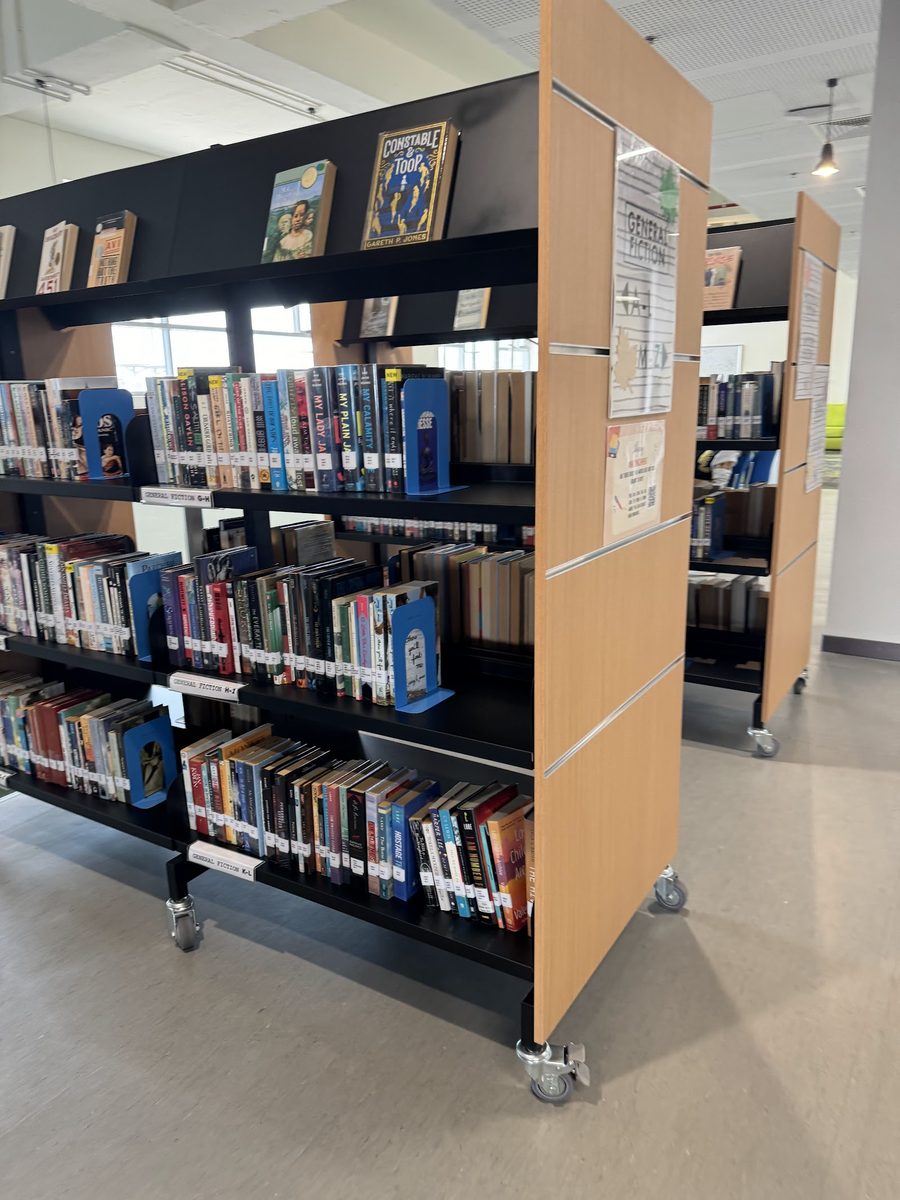
Photo © Bạch Khởi via Google Maps
Type
Day
Ages
3–18
Curriculum
American
Qualifications
AP · US High School Diploma
Ratio
8:1
The Verdict
Editor's commitment
Right for
Families in Hanoi who want an American school, not another IB option: Concordia runs in English, ages 3–18, with a 1:9 ratio.
Wrong for
Parents chasing boarding, a secular ethos, or a big-city campus will hit limits: Concordia is day-only, Lutheran, in Dong Anh.
Watch out for
WASC and EARCOS add credibility, but the school does not publish aggregate AP outcomes; at a 1:9 ratio, intimacy cuts both ways.
Ranking breakdown
Concordia International School Hanoi · #601 of 1591
Composite score 67.8. 8 weighted criteria.
By criterion
Academic Outcomes
Weight 20%
#668
of 1529 scored
University Placement
Weight 16%
#219
of 1529 scored
Prestige & Heritage
Weight 12%
#1054
of 1571 scored
Alumni Network
Weight 12%
#785
of 1530 scored
Facilities
Weight 12%
#569
of 1533 scored
Transparency & Communications
Weight 8%
#123
of 1532 scored
Peer & Industry Review
Weight 10%
#424
of 1548 scored
Admissions Selectivity & Demand
Weight 8%
#1232
of 1529 scored
Peer & Industry Review
How Concordia International School Hanoi is regarded in the sector
63
Respected · medium confidence
Concordia International School Hanoi has earned a reputation as a serious challenger to Hanoi's more established names, with the Good Schools Guide dubbing it "Hanoi's hidden gem" and stating it "deserves its place alongside the other traditional top choices" long dominated by UNIS and BIS. That independent verdict is backed by credible outcomes data, including a 2025 average SAT score of 1390 and nearly half of upper-school students taking at least one AP course, alongside a strong slate of US university acceptances. WhichSchoolAdvisor's coverage corroborates the trajectory, noting the school became oversubscribed with applications from expat and local families within its first six years despite being one of Hanoi's newest entrants. Its Lutheran Church-Missouri Synod pedigree and sister-school links to Concordia Shanghai and Hong Kong International School lend institutional credibility, though its peer profile remains distinctly regional rather than pan-Asian.
Evidence sources
Editors' overview
Concordia International School Hanoi occupies a distinct niche in a market crowded with IB schools: it offers an American curriculum, AP route and an English-medium education on a purpose-built campus in Dong Anh, founded in 2011 and accredited by WASC and EARCOS. That alone gives it a cleaner identity than many rivals. Parents who want a US-facing academic structure, rather than the IB’s breadth and theory-heavy frame, will find Concordia easier to read. The school’s scale matters too. With a student-teacher ratio of 1:9 — and an editorially verified tagline that points to 8:1 classrooms — Concordia sells intimacy, access to teachers and close supervision, not mass-market international schooling. Small by design, clear in academic direction.
What puts it on a shortlist is not mystique; it is coherence. Concordia links classroom life, counselling, college guidance and co-curriculars into a recognisable American-school model. The public-facing emphasis on college boot camps, university visits, MAP testing, athletics, fine arts and social-emotional learning tells parents exactly what the school prioritises: steady academic tracking, pastoral structure and university preparation. The Lutheran affiliation sits in the background of the brand rather than dominating daily identity. For many international families, that is a practical advantage: value-led without being doctrinal, orderly rather than performative. The green-certified campus also gives it a physical asset that few Hanoi schools can match, though the more remote golf-estate setting cuts both ways. Families in central districts need to weigh commute time seriously.
The trade-off is straightforward. Concordia does not compete on breadth of curricular philosophy; it competes on focus. Families hunting for the IB, a huge student body or the buzz of a city-centre campus should look elsewhere. Families who want a tight-knit school, visible pastoral care and a US admissions rhythm will find a more convincing proposition here. The school suits students who thrive with teacher attention, who benefit from structure, and who want strong support as they build towards AP study and university applications. It will also suit children who want to do several things at once — academics, arts, sport, service — without getting lost in a large system. A contained community, serious about guidance, *built for students who prefer being known rather than managed at scale*.
Academic Performance
Concordia gives parents a clear American route, but public exam transparency stops short of what a rigorous comparison demands. The school talks at length about college counselling, university visits, boot camps and individual student stories; it does not publish aggregate AP outcomes, average scores, score distributions, SAT/ACT ranges, or multi-year university destination tables. That gap matters. In a competitive Hanoi market, schools that want to be judged on academic performance need to show hard numbers. Concordia instead asks families to infer quality from counselling activity and selected alumni profiles. That is not enough for parents who want a hard-edged view of attainment.
Where does that leave it relative to peers? In positioning, the school sits in the distinct but narrower lane of US-oriented international education rather than the city’s larger IB contest. For families committed to AP and US admissions, that focus has value. For families comparing raw outcomes across top Hanoi schools, Concordia is at a disadvantage because the headline data are not in the public domain. We have seen signs of academic seriousness — MAP testing, an independent social science research course, and sustained university-preparation programming — but not the aggregate results that would place the school securely in the top academic bracket. The verdict is credible but unproven: a school with a coherent academic model, yet opaque on the exam metrics that decide reputation.
Facilities
Facilities are one of Concordia’s stronger cards. The school pushes tours hard, and that makes sense: a purpose-built, green-certified campus on a golf-estate setting gives it a physical footprint that stands out in Hanoi. For parents used to tight urban sites, the draw is space, order and a campus that feels deliberately planned rather than improvised. The programme pages foreground athletics, fine arts and after-school activities as core parts of school life, not decorative extras, which points to specialist spaces that support more than basic classroom teaching. The public calendar also shows enough room and operational organisation to run parent town halls, testing blocks, trips and visiting-university events without the place feeling cramped or overstretched.
Against peers, the advantage is environmental quality and cohesion, not spectacle. Some of Hanoi’s top-tier competitors have more visible “wow” infrastructure or larger-city convenience; Concordia’s edge lies in a calmer, more contained campus experience that fits its small-school model. That will appeal to families who want children to move through the day in a setting built for supervision and routine rather than constant bustle. The drawback is the same one attached to the site itself: distance. A beautiful campus loses value if the commute is punishing. Still, in a market where many schools operate within dense city plots, Concordia’s campus reads as a serious physical asset and one of the clearer reasons to visit before ruling it in or out.
Concordia gives parents a clear American route, but public exam transparency stops short of what a rigorous comparison demands
Prestige
Concordia’s prestige is real but bounded. In Hanoi, it carries weight with families who want an American-school structure, close adult oversight and a more contained peer group than the city’s larger international campuses offer. The association with the wider Concordia network adds credibility, and the school’s polished university-preparation machinery — boot camps, visiting admissions staff, regular university events, alumni profiling — gives it a serious, intentional tone. The low staffing ratio of 1:9 strengthens that impression because parents read it, correctly, as a sign of access rather than anonymity. This is not a school trading on old-world legacy or elite social cachet; it trades on order, attentiveness and clarity.
That distinction matters. Concordia does not sit at the top of Hanoi’s prestige ladder in the way the city’s biggest, most visible names do, because it does not publish the kind of outcome data that turn reputation into fact. Prestige in international education rests on both perception and proof. Concordia has the first in its niche and withholds too much of the second. Its public story leans heavily on individual alumni trajectories, counselling infrastructure and community identity. That gives the school a respectable, well-kept profile, not an undisputed one. For the right family, that is enough: prestige here lies in personalised schooling and a disciplined path to university, not in market dominance or academic bragging rights.
For families comparing raw outcomes across top Hanoi schools, Concordia is at a disadvantage because the headline data are not in the public domain
Communications
Concordia communicates with parents in a steady, calendar-driven American-school style. The website foregrounds the practical machinery: book-a-tour access, a live events feed, grade-specific college boot camps, parent town halls, university visits, testing windows, school breaks and community gatherings. That tells you something useful. This is a school that wants parents plugged into the timetable, not left to decode the year by rumour. The mention of high school parents checking email for their assigned boot-camp slot also points to direct, segmented communication rather than blanket messaging. For families who value structure, that is reassuringly organised. For families who need constant hand-holding, it still looks institutionally tight rather than intimate in tone.
The strengths are clarity and rhythm. Parents can see the school year moving: assessment blocks, trips, admissions preparation, pastoral events. The expansion of elementary counselling, highlighted as school news, also signals that student support is not buried in internal memos. The weakness is that communication leans heavily towards promotion and event visibility. The public-facing voice is full of uplift, alumni spotlights and celebration copy. Harder operational detail — complaint routes, leadership accountability, published parent-survey findings, or a plainly laid-out explanation of how concerns escalate — does not stand out. That does not make communication weak; it makes it well polished and selective. Effective for keeping families informed day to day, less convincing for parents who judge schools by plain-spoken transparency rather than warmth and activity.
Uniqueness
Concordia’s real point of difference is not a single headline feature but a tight alignment between scale, ethos and day-to-day schooling. In Hanoi, many international schools chase breadth, bigness or the prestige of a globally familiar programme. Concordia does something narrower and more coherent. It combines a faith-rooted network identity with a school culture that puts counselling, social-emotional learning, research, college advising and co-curricular participation into the same frame. That produces a more supervised, more personal experience than families get in larger systems. The published staffing ratio of 1:9 matters here not as a marketing line but as an operating condition: students are easier to know, easier to track and harder to ignore. For children who need adult visibility, that is a serious advantage.
The other distinctive piece is the school’s physical and social setting. A green-certified campus on a golf-estate site creates a buffered, self-contained atmosphere that fits the school’s orderly character. Add the steady drumbeat of university visits, grade-specific boot camps, MAP testing, trips and parent events, and the result is a school with a clear institutional rhythm. Students benefit from structure, repetition and close guidance; they do not need to fight for attention or decode a sprawling system. The trade-off is obvious: this is not a loose, urban, high-anonymity environment. It suits families who want children well known, well guided and held to account.
The other distinctive piece is the school’s physical and social setting
Student Profile
The students who fit best here are the ones who want to be known. Concordia suits children who work better with adult oversight, regular check-ins and a school day that has clear rails. The low staffing ratio — 1:9 — matters less as a statistic than as a social condition: quieter students, late bloomers and children who need encouragement to participate do not disappear easily. The school also makes sense for families who value pastoral structure alongside academics. News around counselling expansion, social-emotional learning and grade-by-grade university programming points to a student body expected to engage, reflect and plan, not just collect grades. This is a closely held, well-supervised environment.
The strongest fit is the student who wants balance without chaos: solid academics, sport or arts, after-school activities, trips, and a university-facing culture that starts early. Ambitious students can do well here, but the school does not read as a pressure-cooker built for swagger or academic exhibitionism. It suits the steady striver, the conscientious joiner, the child who benefits from routine and teacher access. The less natural fit is the fiercely independent teenager who wants anonymity, a huge social field or the looser energy of a very large campus. Concordia asks students to buy into community norms and visible guidance. For the right child, that is grounding; for the wrong one, it feels constraining.
Parents who want a US-facing academic structure, rather than the IB’s breadth and theory-heavy frame, will find Concordia easier to read
Co-curricular strengths
Arts & sport, on a separate axis
Overall 8.42/10
Scored 0-10 from the school's own published evidence. This axis is editorial-only — it does not feed the main WTS ranking.
Sports
8.6/10
Drama
8.4/10
Dance
8/10
Music
8.6/10
Visual Arts
8.5/10
Editor first-pass · editor-reviewable · 7/30/2026
Strengths
- +Accredited by NEASC, giving external quality assurance for its American-style curriculum.
- +Offers a full Advanced Placement (AP) programme in the upper grades, supporting applications to US universities.
- +Part of the wider Concordia network of Christian international schools, easing transitions for families moving between Concordia campuses (e.g. Shanghai, Singapore).
- +Single-campus PK-12 structure means children can stay at one school throughout their schooling rather than transferring at secondary level.
- +Located in the Tay Ho (West Lake) area, one of Hanoi's main expatriate residential districts, making the daily commute manageable for many international families.
Considerations
- −As a Christian-affiliated school with chapel and religious studies embedded in school life, it may not suit strictly secular families.
- −No IB Diploma track is offered, so families set on the IB pathway will need to look elsewhere.
- −Hanoi's international school market is smaller and less internationally diverse than hubs like Singapore, Hong Kong or Bangkok, limiting peer-group breadth.
- −Fees sit at the higher end of Hanoi's international school pricing, even though they remain modest compared with major regional hubs.
Availability
Primary entry gate & tests
Academic Record
Gallery
Photo © Bạch Khởi via Google Maps
Photo © Bạch Khởi via Google Maps
Photo © Concordia International School Hanoi via Google Maps
Photo © JC PARK via Google Maps
Photo © trang mai via Google Maps
Parent reviews
Have you sent your child here?
Voice reviews carry the strongest trust badge — we transcribe them for you to tidy up before they go live. Prefer to type? A written review is fine too.
Add your voice
In 60 seconds, tell other parents: what's the best thing about Concordia International School Hanoi, and what surprised you when your child joined?
We ask for a Google sign-in so every review has a real face behind it — no anonymous drive-by attacks on schools, and no faked positive reviews. Your email is never shown publicly.
Send this profile to a friend
International parents rely on word-of-mouth. Share this review with someone weighing the same decision.
Schools with places
Similar schools to Concordia International School Hanoi with places available now.
Availability first, then country, area, curriculum, price, co-curricular
Consider also
Also worth looking at alongside Concordia International School Hanoi.
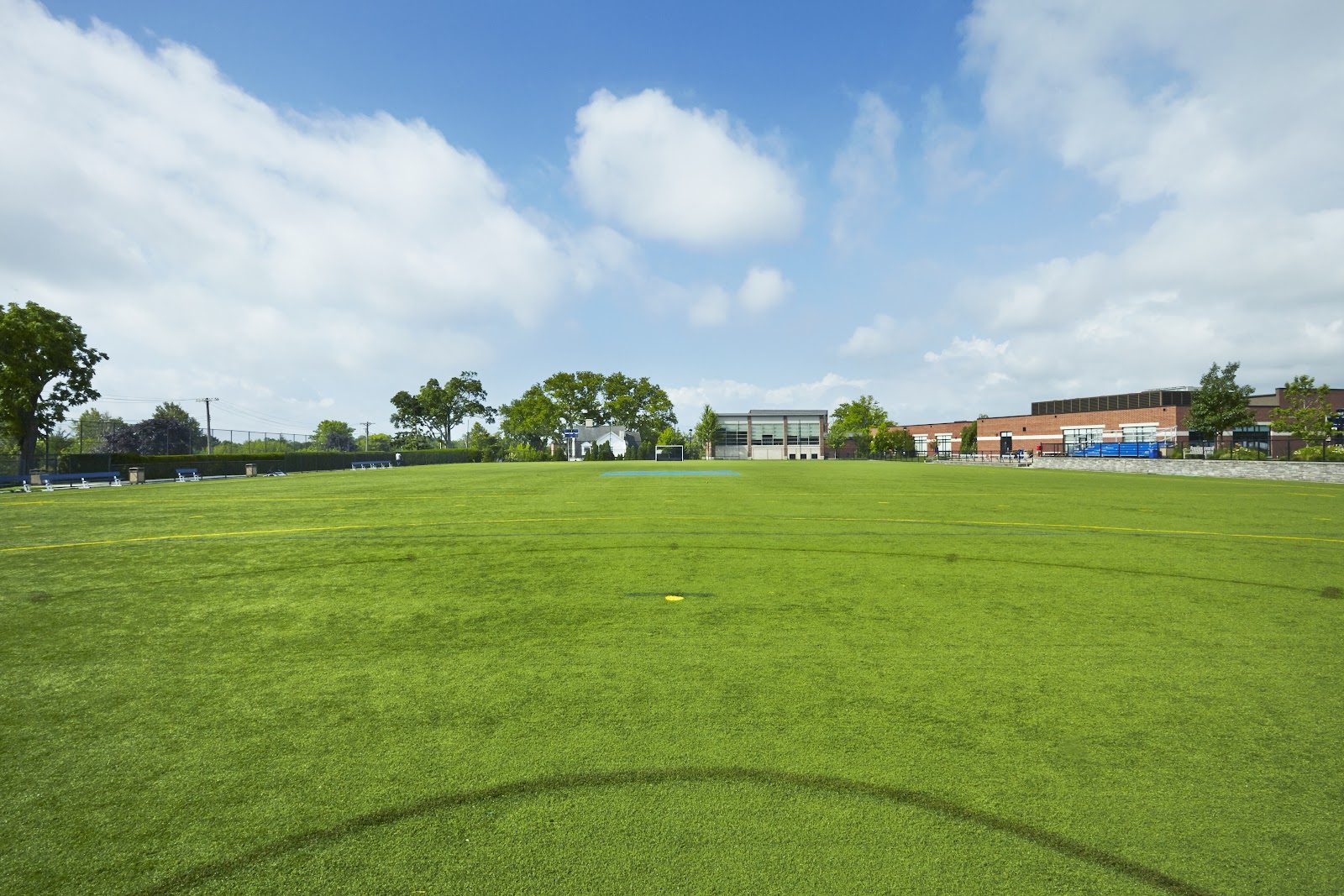
Rye Country Day School
Rye · United States
Founded in 1869 as a girls' seminary in Westchester, this campus still measures success by its motto: not for self, but for service.
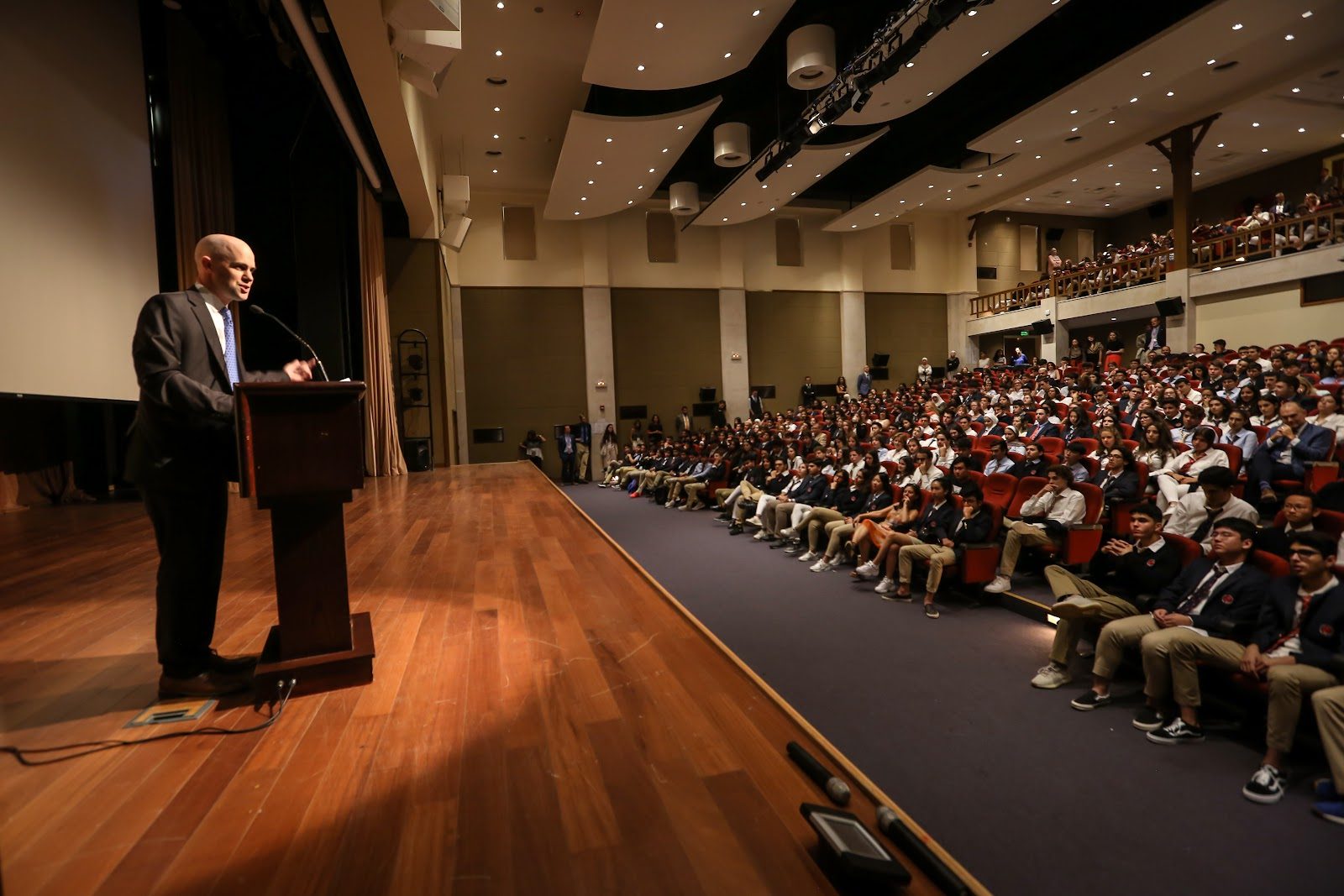
King's Academy
Madaba · Jordan
On the hills of Madaba, a Deerfield-inspired boarding school built around Harkness-table classrooms and a multi-faith spiritual center.
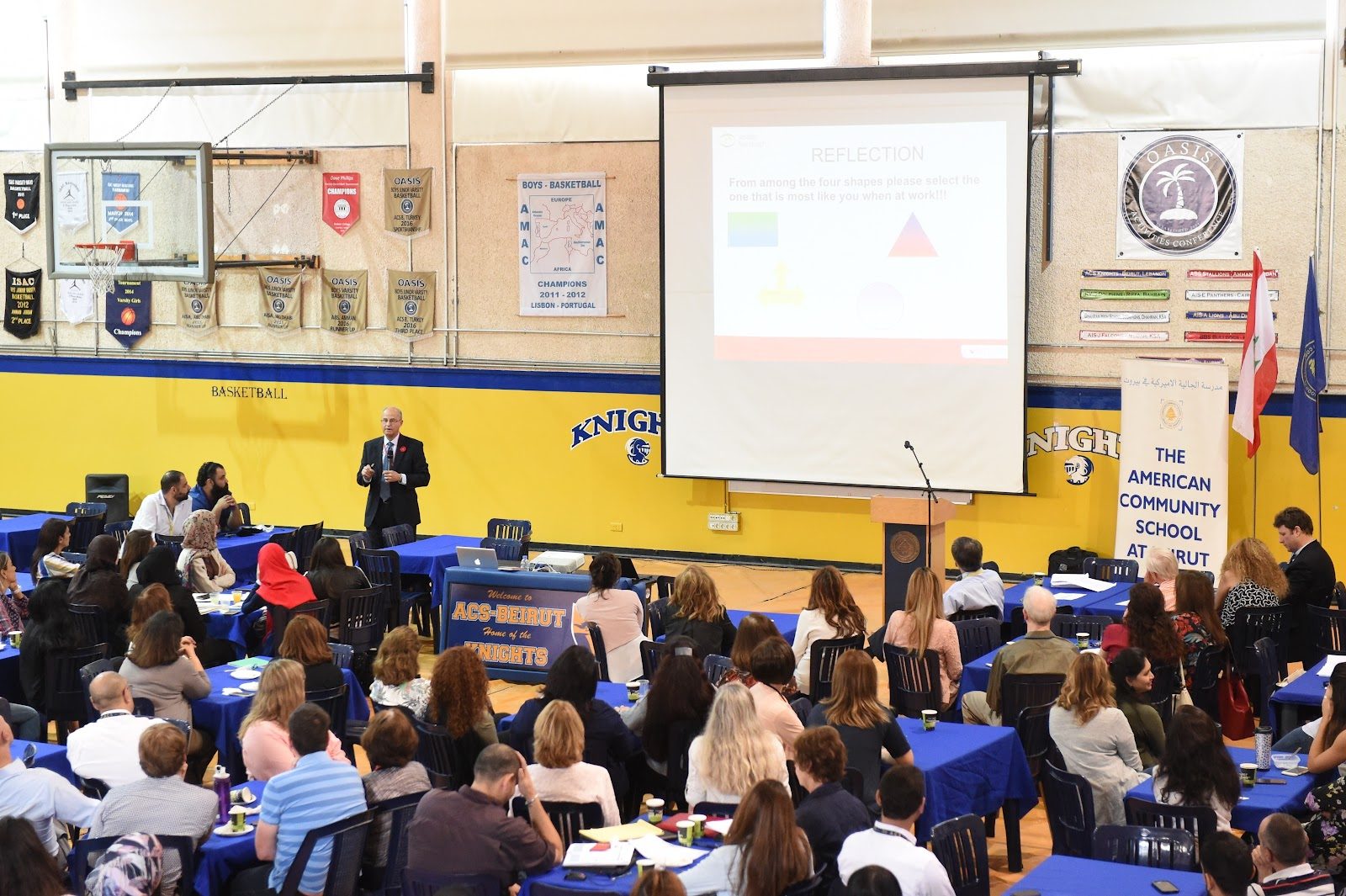
American Community School Beirut
Beirut · Lebanon
Founded in 1905 by AUB faculty, this Corniche campus blends IB and American diplomas around Harkness-style seminar tables.
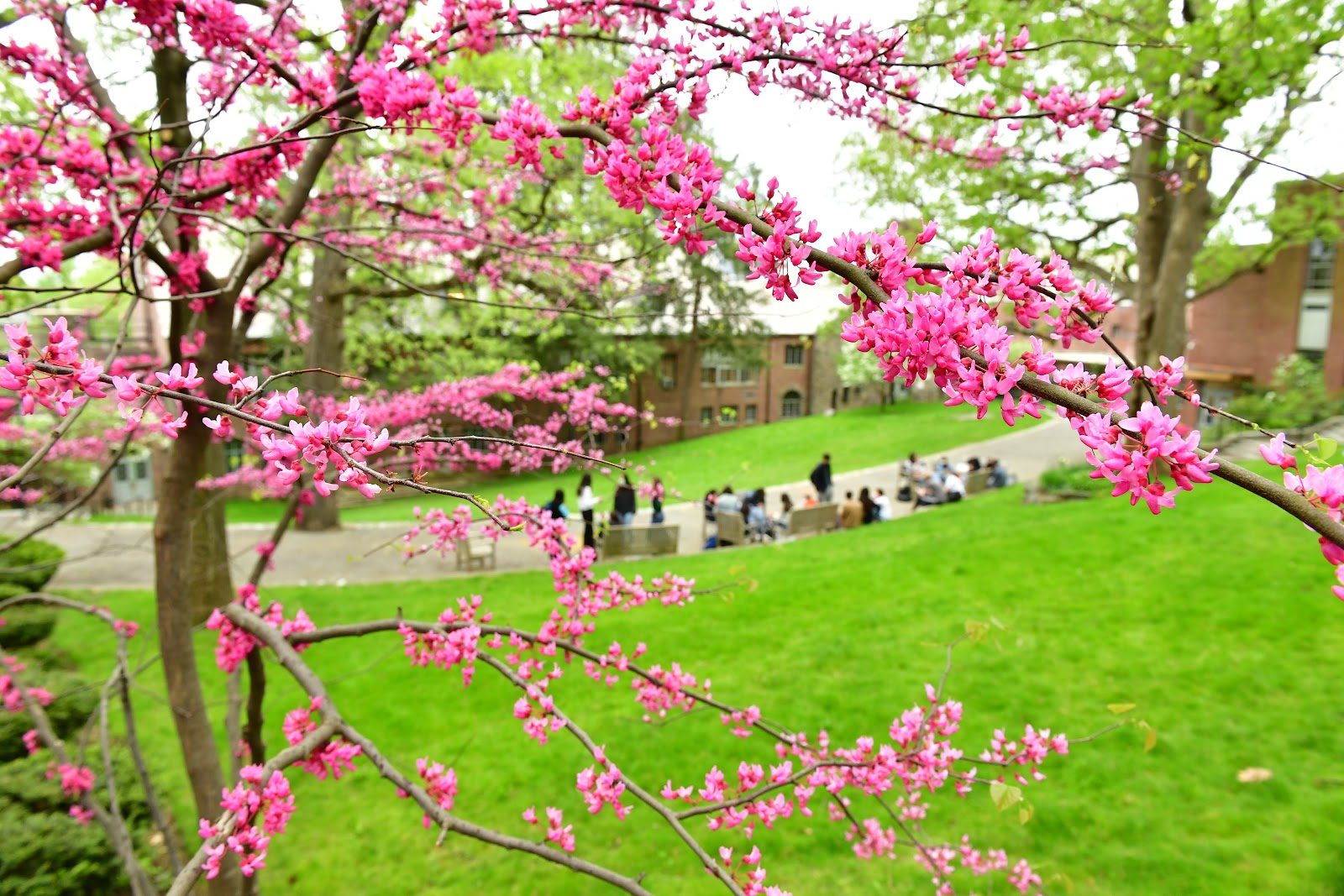
Ethical Culture Fieldston School
New York City · United States
Rooted in Felix Adler's 1878 Ethical Culture movement, its wooded Riverdale hilltop campus still anchors progressive American pedagogy.
Same country and curriculum — closest matches within ±10 points either way