
South Holland
International School Delft
medium confidence· 4/6 cats · 1.67 avg sourcesSet on the TU Delft campus, an IB continuum where design-thinking and engineering rigor shape every classroom
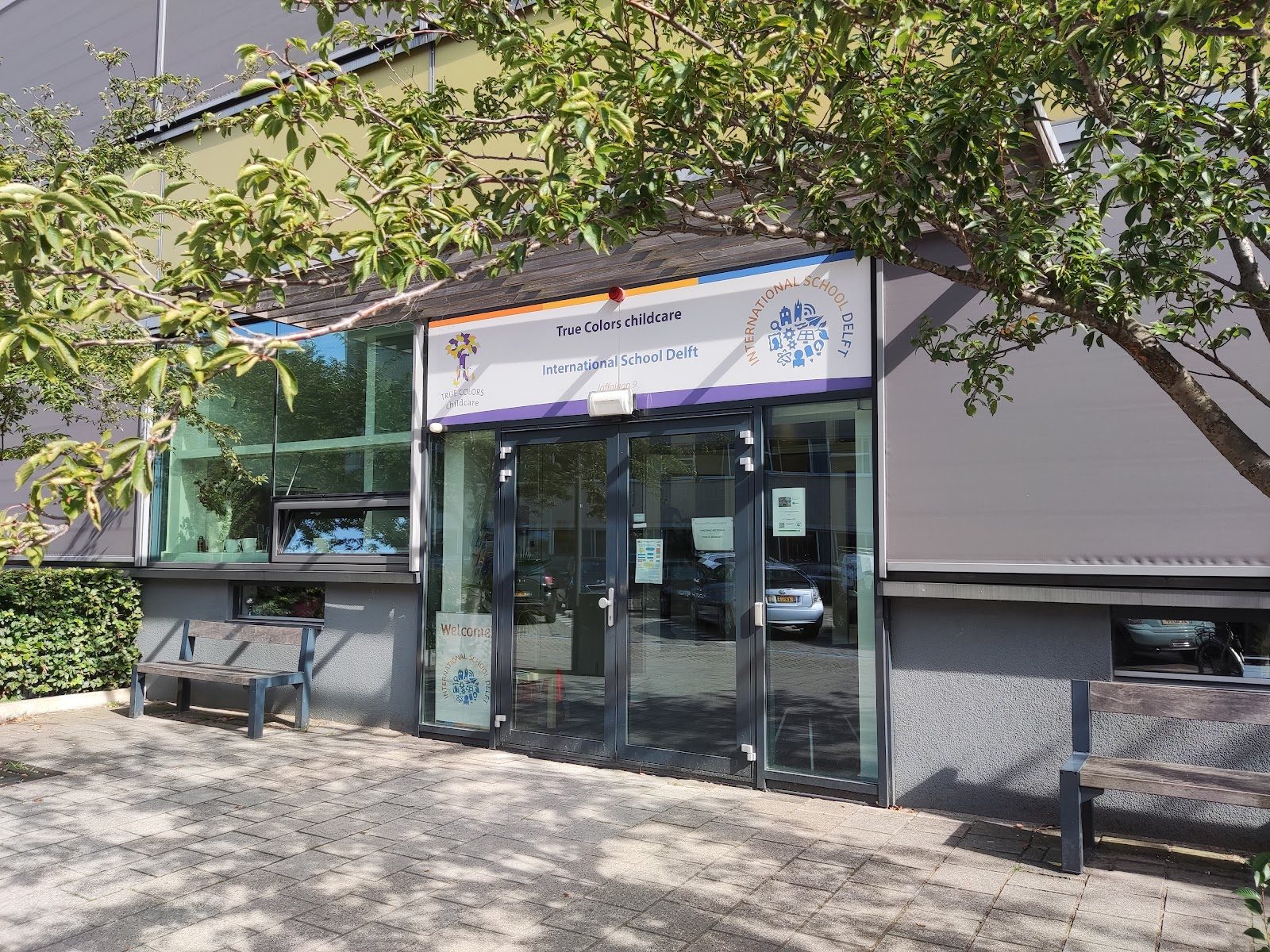
Photo © Shikai Huang via Google Maps
Type
Day
Ages
4–18
Curriculum
IB
Qualifications
IB Diploma · IB MYP · IB PYP
Ratio
—
The Verdict
Editor's commitment
Right for
Families wanting an English-medium IB continuum, ages 4–18, with CIS oversight and a TU Delft campus setting that gives the school real intellectual ballast.
Wrong for
Parents after religious schooling, boarding, or a cheaper Dutch day option: this is non-religious, day-only, founded in 2012, and costs €6,550 on average.
Watch out for
The TU Delft address and IB World School badge set a clear tone: academic, international, and modern, not old-school, pastoral or tradition-heavy.
Ranking breakdown
International School Delft · #1493 of 1591
Composite score 48.9. 8 weighted criteria.
By criterion
Academic Outcomes
Weight 20%
#1427
of 1529 scored
University Placement
Weight 16%
#1414
of 1529 scored
Prestige & Heritage
Weight 12%
#1471
of 1571 scored
Alumni Network
Weight 12%
#1161
of 1530 scored
Facilities
Weight 12%
#1498
of 1533 scored
Transparency & Communications
Weight 8%
#1472
of 1532 scored
Peer & Industry Review
Weight 10%
#1216
of 1548 scored
Admissions Selectivity & Demand
Weight 8%
#1394
of 1529 scored
Peer & Industry Review
How International School Delft is regarded in the sector
63
Respected · medium confidence
I could not verify at least two independent, third-party sources (e.g., Tatler, Good Schools Guide, Dutch Inspectorate reports, expat forum threads with substantive discussion) that speak specifically to International School Delft's reputation. Available information is largely limited to school-provided or directory-listing content without independent critical assessment.
Editors' overview
International School Delft has a rare structural advantage: it sits on the TU Delft campus, and that matters. Schools talk loosely about innovation; this one operates in a university environment associated with engineering, design and technical problem-solving, and the fit with an IB continuum is unusually coherent. For families who want an English-medium education in the Netherlands without paying top-tier international-school prices, the number is striking: an average annual day fee of €6,550 across ages 4–18. That places the school in a sharply competitive part of the market. It is a day school, non-religious, founded in 2012, and it carries two serious markers of external validation: IB World School status and CIS accreditation.
What distinguishes the school is not prestige theatre but intellectual shape. The combination of the IB and a university campus lends itself to a deliberately practical style of education: inquiry, interdisciplinary work, design-thinking, and a bias towards making and testing ideas rather than rehearsing them. That will suit students who are energised by science, engineering, systems, architecture, technology and problem-solving across subjects. It will also suit internationally mobile families who want continuity from the early years to graduation within one framework, in English, without a religious overlay. Parents looking for a glossy status purchase will find stronger brand names elsewhere; parents looking for substance, coherence and value will keep Delft on the list.
This is not the school for every child. Students who want a more traditional, ceremonial or overtly sporting school culture may find the atmosphere too purpose-built and too academic in its centre of gravity. International School Delft will appeal most to self-directed children who like ideas with application: pupils who enjoy asking how things work, building things, improving things and defending their reasoning. In market terms, it occupies a distinctive niche: a campus-based IB day school with credible accreditations, a clear academic identity, and fees of €6,550 that undercut much of the international market. That combination makes it more than a convenient local option; it is a serious shortlist school for the right family.
Academic Performance
International School Delft does not publish aggregate external exam results in the public domain. We have not seen whole-cohort IB Diploma averages, pass rates, subject distributions, or year-on-year trends. That matters. In a market where many IB schools lead with diploma means and top-score counts, the absence of that data leaves parents without the clean benchmarking they need. The school’s academic case therefore rests less on scoreboard theatre and more on institutional fit, curriculum continuity and the intellectual seriousness described elsewhere. That is not a weakness in itself, but it does make the outcomes picture less transparent than at stronger self-reporting peers.
Relative to the wider Dutch and north-west European international-school market, Delft sits in a hard-to-rank category: a school with credible external standing, but without published exam metrics that let families place it precisely against larger, more established IB competitors. For cautious parents, that shifts the burden of due diligence. Ask for recent Diploma and career-related pathways data, university destinations by cohort, subject-level performance, and the size of graduating classes. Small cohorts can produce volatile year-to-year outcomes; one strong or weak class can distort the picture. Until the school publishes a consistent results series, the academic verdict remains promising but unproven in public.
Facilities
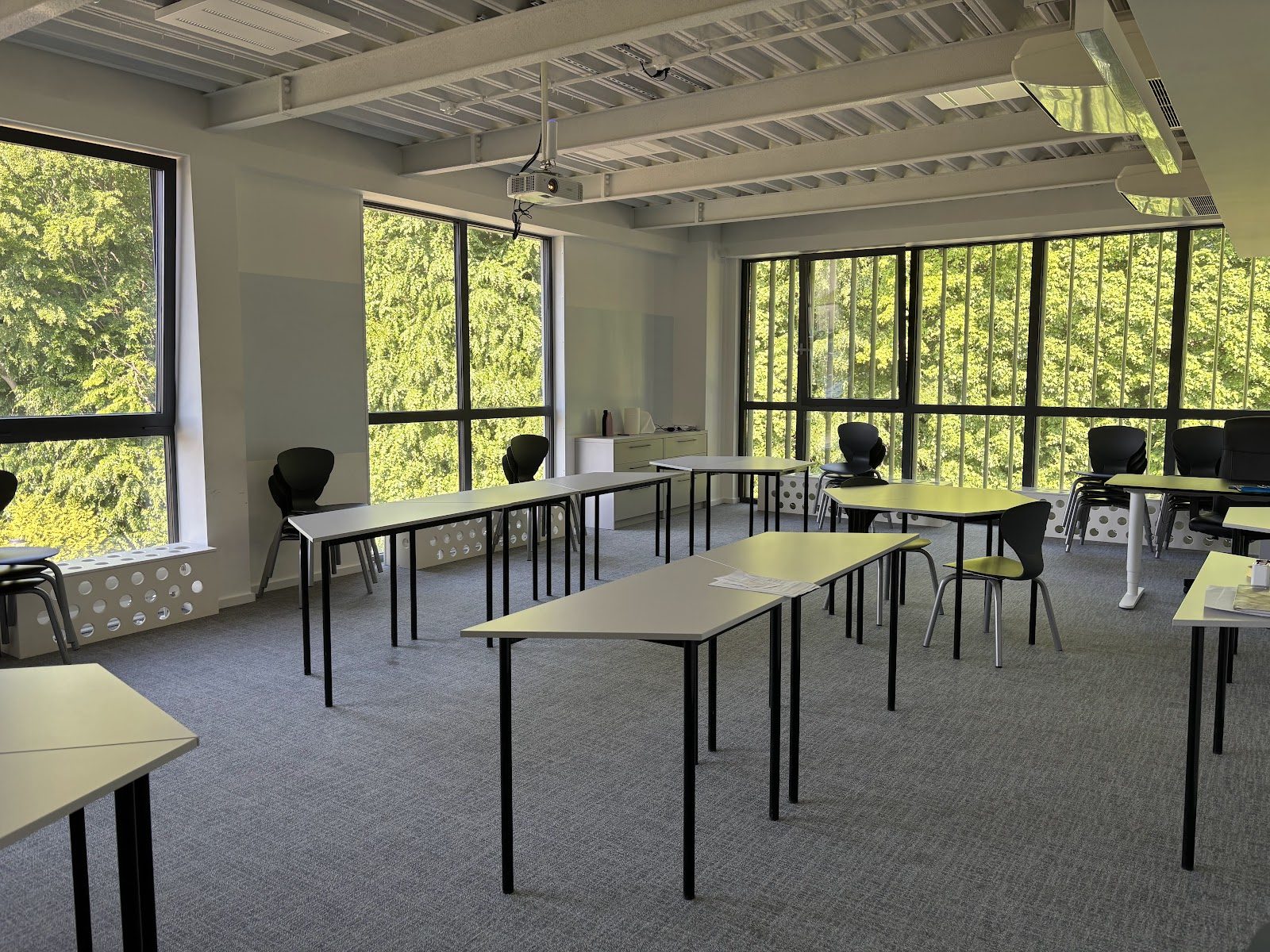
The defining facility is the setting itself: a school on a university campus has access to a richer intellectual backdrop than the stand-alone suburban norm. For a child drawn to making, testing and building, that matters more than marble foyers or acreage. The campus context gives Delft a working academic atmosphere rather than a staged one, and that is a real differentiator against many lower-fee international schools, which operate from adapted office blocks, modest municipal buildings or generic business-park sites. Parents who want showpiece luxury will find stronger visual theatre elsewhere. Parents who care about whether a school feels connected to serious study will rate this more highly. At an average annual fee of €6,550, the facilities proposition reads as lean but intelligently placed.
Against premium IB competitors, the trade-off is clear. International School Delft does not compete on sprawling sports grounds, vast performing-arts infrastructure or lavish specialist centres built as branding exercises. The offer has more in common with a purposeful urban day school than a country-campus flagship. That is not a flaw; it is a choice, and for the right family a sensible one. The important question is whether the school uses its university adjacency well through science, design and project-based work. That is where Delft can beat peers with grander buildings but weaker academic texture. For families seeking all-weather prestige facilities, this falls short. For families seeking substance over spectacle, it has genuine force.
International School Delft has a rare structural advantage: it sits on the TU Delft campus, and that matters
Prestige
International School Delft carries measured prestige, not cachet. It does not trade on old-money ritual, selective mystique or a grand international brand. Its standing comes from a narrower, more serious source: intellectual fit. A school embedded in a technical university environment, with recognised external accreditation and a full through-school structure, projects institutional credibility rather than glamour. For many internationally minded families, that has real weight. It tells parents that the school sits inside a serious academic ecosystem and that its identity has more substance than marketing lacquer. The fee level — €6,550 on average each year — also changes the prestige equation. This is not a luxury purchase; it is a value-driven academic proposition.
That places Delft in an unusual tier. It lacks the social shine and global name-recognition of the big flagship internationals, so the prestige ceiling is lower in conventional status terms. Parents chasing instant brand recognition will rate it below the headline schools. Parents who care more about educational coherence, technical culture and access to a university setting will rate it higher. Our verdict: quietly respected, credibly serious, but not elite in the finishing-school sense. The missing public exam data also caps its standing. Prestige in this market rests not only on environment and accreditation, but on published outcomes. Until the school opens that ledger, its reputation remains *stronger among informed families than on the cocktail circuit*.
International School Delft does not publish aggregate external exam results in the public domain
Communications
International School Delft communicates in the style of a working school, not a theatrical one. That suits its audience. Families choosing a campus-based international school with an academic centre of gravity need clarity, promptness and practical detail more than glossy storytelling. The test is simple: does the school explain routines, expectations, deadlines, safeguarding, assessment and day-to-day logistics in a way that reduces friction for internationally mobile parents? On that front, Delft has an advantage. A school serving children across such a wide age span and charging an average of €6,550 a year cannot afford confusion or institutional vagueness. It needs disciplined communication, and parents should expect notices that are direct, usable and free of sales patter.
The weakness sits elsewhere. We have not seen the school publish the kind of hard outcome data that would strengthen parental confidence at the senior end: whole-cohort exam performance, destination patterns, and trend lines across graduating classes. That gap affects communications as much as academics. A school can be warm, responsive and operationally efficient while still being too guarded on results. For younger families, that matters less. For parents making decisions about the final years of schooling, it matters a great deal. So the verdict is competent and serviceable on everyday communication, but less convincing when the conversation turns from administration to accountability. Delft communicates best when it is explaining how school life works; it communicates less well when parents want proof of where that education leads.
Uniqueness
What marks International School Delft out is the way its educational identity grows from its setting rather than being pasted on afterwards. A school attached to a major technical university has a different centre of gravity from the standard international day school: ideas are expected to work. That brings a distinctive intellectual discipline. Design-thinking, engineering habits of mind and problem-solving are not decorative slogans here; they give lessons a more applied, test-and-improve character. For students, that can mean earlier exposure to prototype culture, sharper reasoning, and a stronger link between abstract study and real-world use. Children who like building, questioning and refining will find this genuinely energising. Children who want heavy pageantry, a broad luxury sports offer or a more socially polished school culture will not.
The other point of difference is value without educational thinness. An average annual fee of €6,550 across the full age range is low by international-school standards, yet the school still offers a through-school structure and a clear academic shape. That combination is rarely this coherent at this price point. It opens the door for families who want international continuity and intellectual seriousness without paying for status packaging. The benefit to students is not only financial. It is cultural. The school has less incentive to perform prestige and more room to focus on work, thinking and independence. That makes it a *serious school for serious-minded children — compact in profile, but unusually clear in purpose*.
International School Delft carries measured prestige, not cachet
Student Profile
The students who fit best here are inquisitive, self-propelled and comfortable with teachers asking for thought rather than performance. This suits children who enjoy solving problems, making links across subjects, and improving work through iteration. It also suits pupils who do not need a great deal of ceremony, social theatre or institutional grandeur to feel engaged. The age span — 4–18 — creates a through-school culture in which younger children grow up around older students with academic purpose, and older students carry more responsibility for tone. Families with internationally mobile lives will value that continuity. So will parents who want a school that rewards seriousness without tipping into starchy elitism.
The less suitable profile is just as clear. Children who want a highly polished social scene, a conspicuous status badge, or a school identity built around spectacle will find this a poor match. The same goes for students who need heavy external structure at every step; the school’s centre of gravity favours independence, reflection and applied thinking. There is also a practical point in the fee level — €6,550 on average each year. That price broadens access and can produce a parent body driven more by educational fit than by prestige spending. The result is a student mix that reads as purposeful, grounded and intellectually engaged, rather than socially curated.
International School Delft communicates in the style of a working school, not a theatrical one
Co-curricular strengths
Arts & sport, on a separate axis
Overall 6.7/10
Scored 0-10 from the school's own published evidence. This axis is editorial-only — it does not feed the main WTS ranking.
Sports
7/10
Drama
7/10
Dance
5.5/10
Music
7/10
Visual Arts
7/10
Editor first-pass · editor-reviewable · 7/30/2026
Strengths
- +Follows the IB continuum (Primary Years and Middle Years Programmes) in an English-medium setting, giving curriculum continuity for internationally mobile families.
- +Located in Delft, a compact university city anchored by TU Delft, making it a practical choice for academic and research-sector expat households.
- +Operates as a government-recognised international school in the Netherlands, which typically means lower fees than fully private international schools in the Randstad.
- +Small overall size allows for a close-knit school community and generally lower student-teacher ratios than large international schools in Amsterdam or The Hague.
Considerations
- −Smaller scale than major international schools in Amsterdam, The Hague or Rotterdam, likely translating into narrower subject and extracurricular choice at secondary level.
- −Delft has a smaller, less developed expat and international-school ecosystem than the larger Randstad cities, which some relocating families may find limiting.
- −As a candidate-tier entry in this ranking, publicly available outcome data, inspection reports and alumni information are sparser than for longer-established, higher-profile IB schools.
- −Government-subsidised international schools in the Netherlands generally require proof of recent international mobility or non-Dutch schooling history, which can complicate admission for some families.
Availability
Primary entry gate & tests
Academic Record
Gallery
Photo © Felimban Ahmed via Google Maps
Photo © Felimban Ahmed via Google Maps
Photo © Felimban Ahmed via Google Maps
Photo © Felimban Ahmed via Google Maps
Photo © Felimban Ahmed via Google Maps
Parent reviews
Have you sent your child here?
Voice reviews carry the strongest trust badge — we transcribe them for you to tidy up before they go live. Prefer to type? A written review is fine too.
Add your voice
In 60 seconds, tell other parents: what's the best thing about International School Delft, and what surprised you when your child joined?
We ask for a Google sign-in so every review has a real face behind it — no anonymous drive-by attacks on schools, and no faked positive reviews. Your email is never shown publicly.
Send this profile to a friend
International parents rely on word-of-mouth. Share this review with someone weighing the same decision.
Schools with places
Similar schools to International School Delft with places available now.
Nord Anglia International School Rotterdam
Rotterdam · Netherlands
- 2026-27
- WAITPOOLSpace-dependent
- 2027-28
- PLACES OPENRolling
The International School of The Hague
The Hague · Netherlands
- 2026-27
- WAITPOOLSpace-dependent
- 2027-28
- PLACES OPENRolling
Availability first, then country, area, curriculum, price, co-curricular
Consider also
Also worth looking at alongside International School Delft.
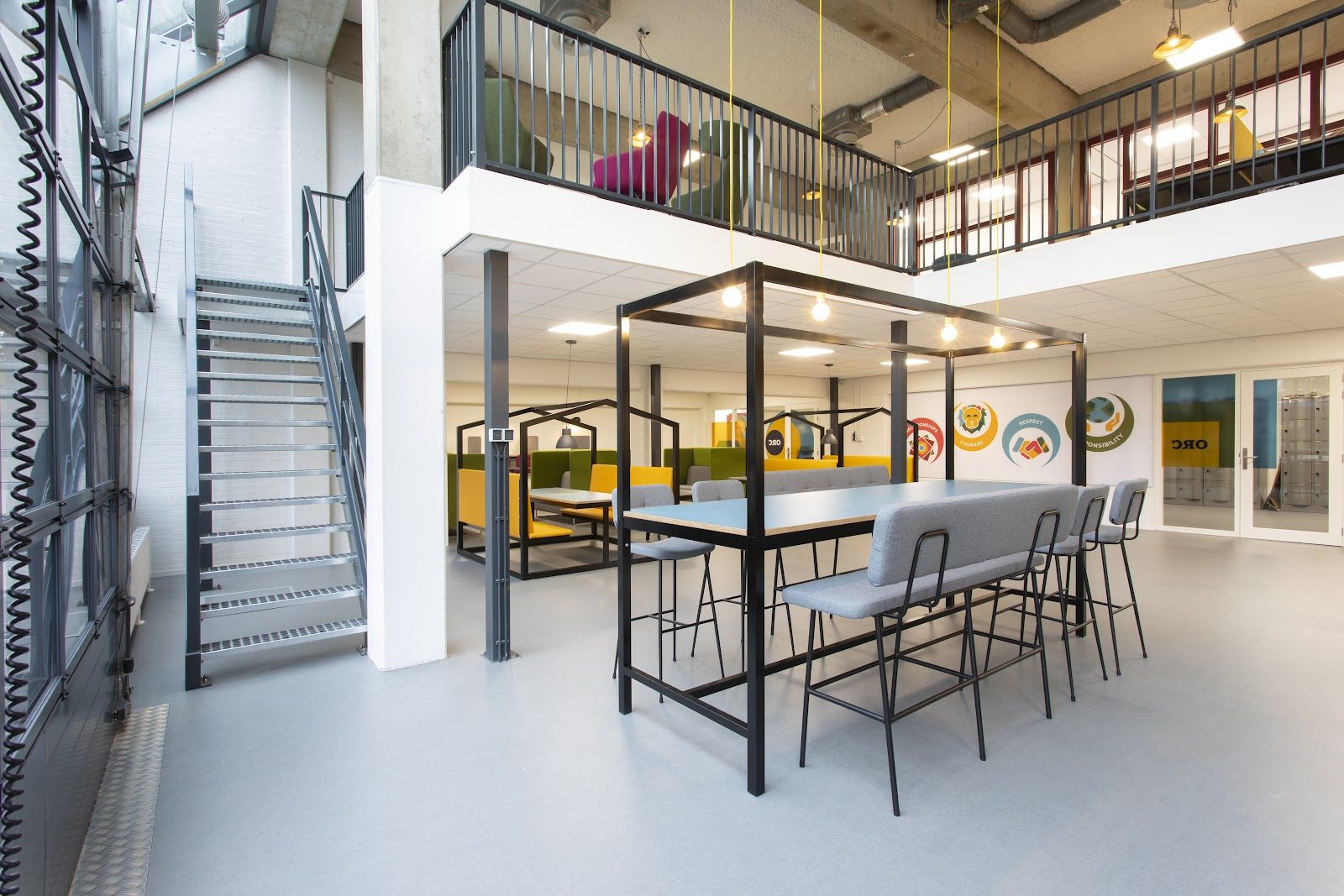
Rotterdam International Secondary School
Rotterdam · Netherlands
Steps from Rotterdam Central Station, this state-subsidised IB day school draws students from over eighty nations without trading on exclusivity.
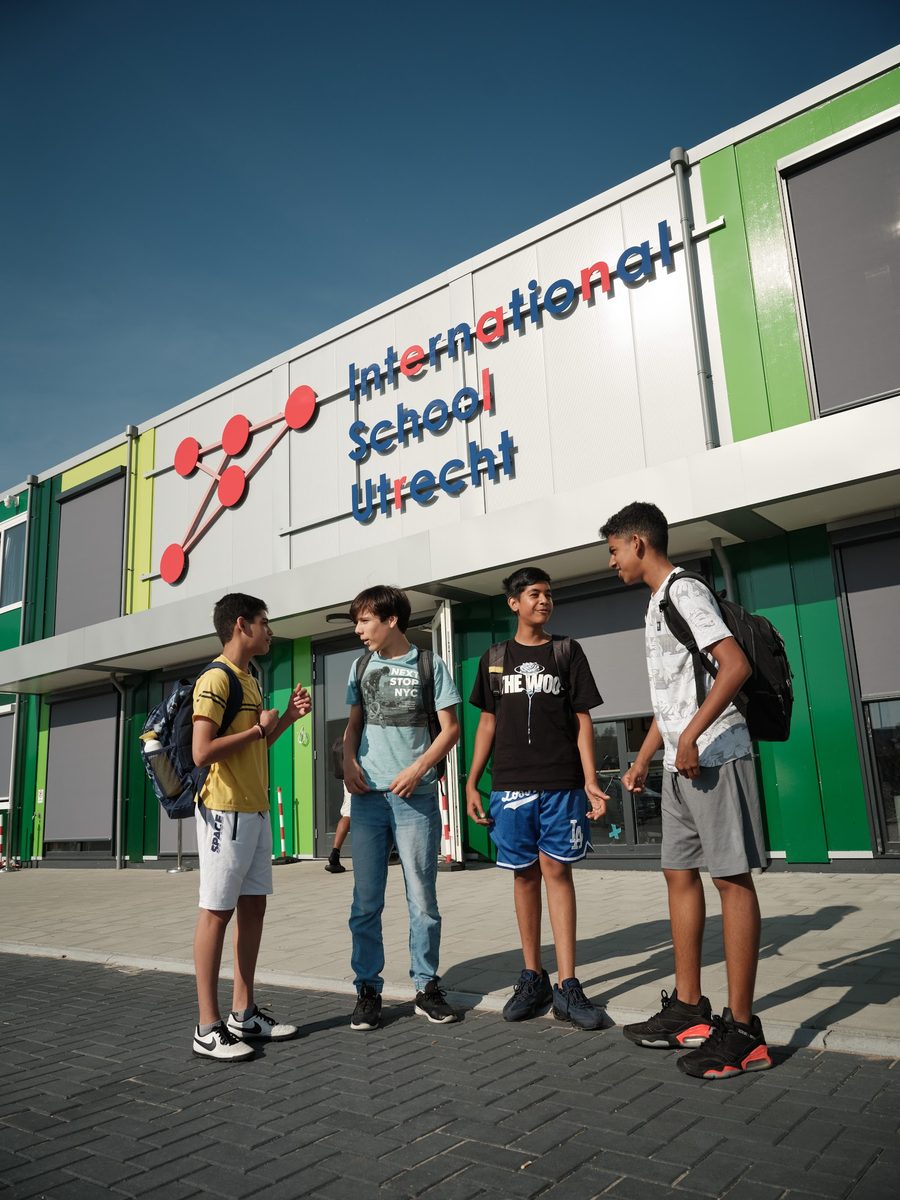
International School Utrecht
Utrecht · Netherlands
State-subsidised IB continuum from age four to nineteen, relocating to a purpose-built Utrecht Science Park campus by 2027.
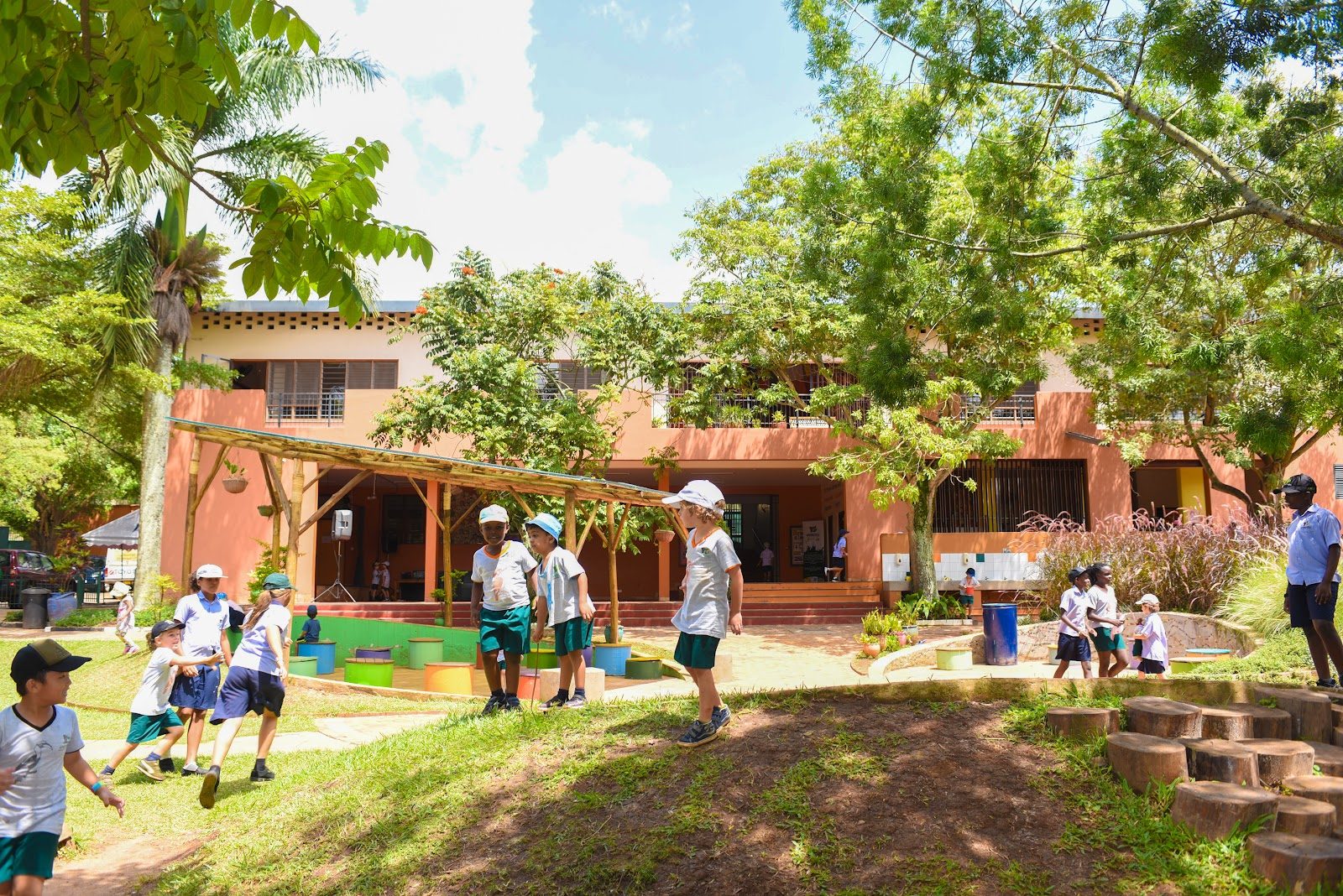
Ambrosoli International School
Kampala · Uganda
Named for a missionary doctor-priest, this Bugolobi primary became Uganda's first IPC-accredited school in 2019.
International School of Kraków
Kraków · Poland
A forested Lusina campus outside Krakow pairs an American diploma with the IB, drawing more than 35 nationalities since 1993.
Same country and curriculum — closest matches within ±10 points either way