
Utrecht
International School Utrecht
low confidence· 4/6 cats · 1.2 avg sourcesState-subsidised IB continuum from age four to nineteen, relocating to a purpose-built Utrecht Science Park campus by 2027.
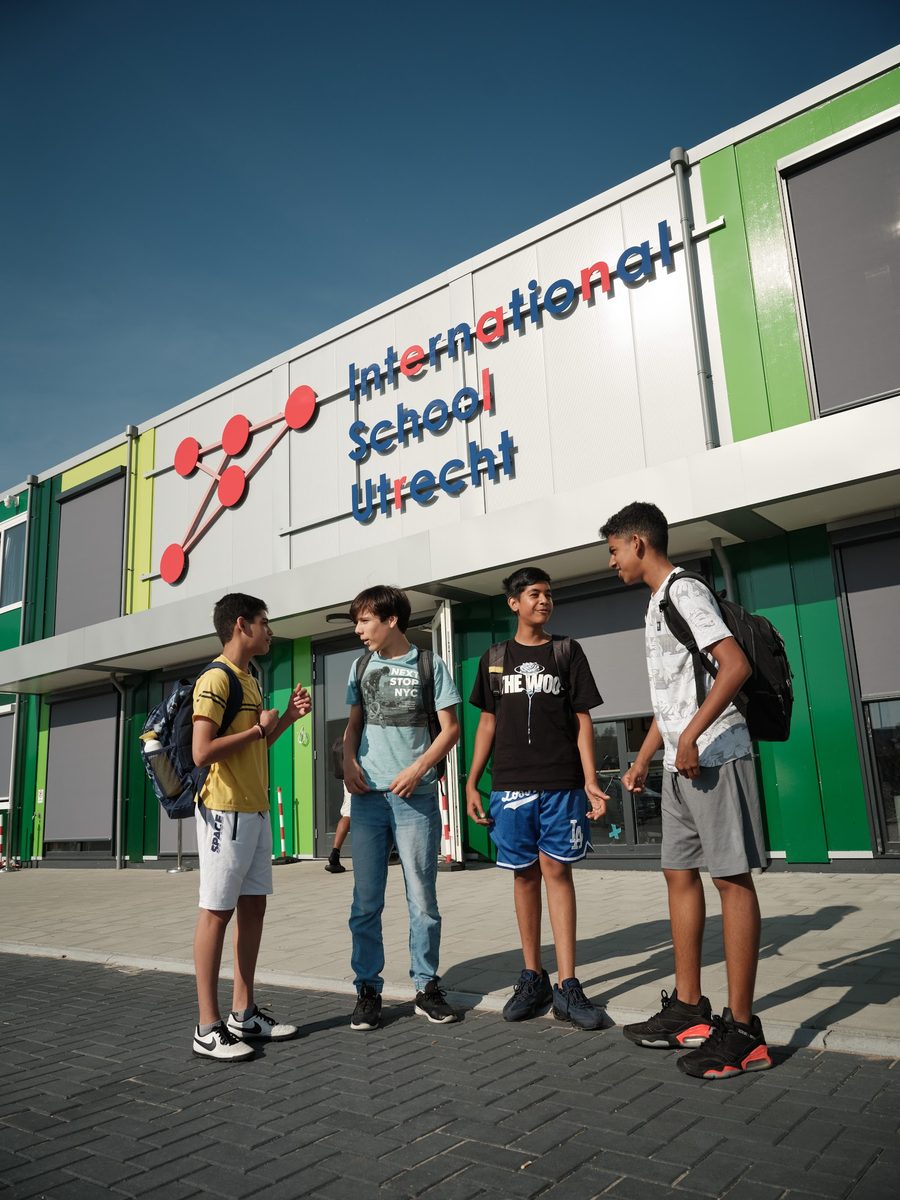
Photo © International School Utrecht via Google Maps
Type
Day
Ages
2–18
Curriculum
IB
Qualifications
IB Diploma · IB MYP · IB PYP
Ratio
—
The Verdict
Editor's commitment
Right for
Families wanting a state-subsidised, non-religious IB World School in Utrecht, with English teaching from age 4 to 18.
Wrong for
Parents after boarding, a Dutch-language route, or a school with a settled long-term campus today rather than a 2027 move.
Watch out for
Founded in 2016 and CIS-accredited, ISU is still a young school; public data on outcomes and cohort scale are thin.
Ranking breakdown
International School Utrecht · #1422 of 1591
Composite score 50.7. 8 weighted criteria.
By criterion
Academic Outcomes
Weight 20%
#1386
of 1529 scored
University Placement
Weight 16%
#1371
of 1529 scored
Prestige & Heritage
Weight 12%
#1426
of 1529 scored
Alumni Network
Weight 12%
#1350
of 1529 scored
Facilities
Weight 12%
#1451
of 1529 scored
Transparency & Communications
Weight 8%
#1414
of 1529 scored
Peer & Industry Review
Weight 10%
#1203
of 1529 scored
Admissions Selectivity & Demand
Weight 8%
#1326
of 1529 scored
Peer & Industry Review
How International School Utrecht is regarded in the sector
52
Credible · low confidence
International School Utrecht is recognized within Dutch expat-parent forums (e.g., ExpatFocus, InterNations discussions) and Dutch Inspectorate (Onderwijsinspectie) records as a legitimate, functioning international school, but it lacks significant coverage in specialist education press like Tatler, Good Schools Guide, or Sunday Times School rankings, and has minimal broader peer or alumni-network visibility beyond local Utrecht expat community discussions.
Editors' overview
International School Utrecht sits in a niche that matters: a state-subsidised international school in one of the Netherlands’ strongest university cities, running the full IB continuum from age 4 to 18. That combination is rare. Many international schools can offer the IB; fewer can do it with public backing, a non-religious footing and a clear through-line from PYP to DP. Founded in 2016, ISU is still a young school, and that youth cuts both ways. It lacks the institutional heft and alumni depth of older competitors, but it also has the chance to define itself without legacy clutter. The planned move to a purpose-built Utrecht Science Park campus by 2027 adds real substance to its next phase. For families who value continuity without drama, a serious academic spine and direct access to a major Dutch education and research hub, that is enough to put ISU on the shortlist.
What is special here is not mystique; it is structure. ISU offers a clean, intelligible proposition: English-medium teaching, IB from primary through diploma, and admissions that screen for fit between the school’s provision and a child’s needs. The school talks heavily about curiosity, compassion and connection. Plenty of schools use that language; the stronger point is that ISU ties it to an all-through model and a diverse staff community rather than to glossy branding. The Utrecht setting also counts. This is not a remote campus selling seclusion. It is an urban international school in the heart of the Netherlands, serving families who want a globally portable education without stepping away from Dutch civic and academic life. The weakness is also plain: public information does not give parents much hard outcome data. The school does not publish aggregate IB diploma results in the excerpts we have seen, so families who rank sixth-form outcomes above all else will need to ask sharper questions.
The students who fit best are internationally minded children who benefit from a stable runway across phases, and families who expect school to feel like a community rather than a transactional service. This will suit mobile professional households, academic families linked to Utrecht’s knowledge economy, and students who thrive in discussion-led, concept-driven learning rather than narrow exam cramming. It also fits children who need belonging without fuss and clear pastoral scaffolding in an English-speaking environment. Less suitable are families chasing old-school prestige cues, vast legacy sporting culture, or a highly selective, hard-edged atmosphere. ISU’s appeal is steadier than that: thoughtful internationalism, continuity, and a credible IB route in a city that gives the school more context than cachet.
Academic Performance
Academic performance is the area where ISU gives parents the least to work with. The school offers the Diploma Programme, but it does not publish aggregate IB diploma outcomes, average point scores, pass rates, subject distributions or university destination data in the public domain excerpts we have seen. That leaves a material gap in the record. For an all-through international school, exam transparency matters because it lets families judge whether the senior phase delivers more than a coherent pastoral story. Here, parents cannot benchmark ISU cleanly against stronger-reporting Dutch and European IB competitors, and that weakens the school’s academic case.
That does not make the sixth form weak; it makes it opaque. The school is still young, so any outcomes record is shorter than that of long-established rivals, and a shorter record needs more disclosure, not less. The public picture points to a school built around continuity, fit and community rather than a results-first shop window. Some families will accept that trade-off. Others should press hard for hard data: recent DP averages, pass rates, cohort size, higher-level subject uptake, and destinations over several graduating classes. Until ISU publishes those figures, it sits in the category of schools whose academic promise exceeds the evidence available to parents.
Facilities
Facilities are the awkward part of the ISU story, because the school’s strongest physical asset still sits ahead rather than under parents’ feet. The important point is the planned permanent campus at Utrecht Science Park, which gives the school a route out of the interim-campus problem that dogs many younger international schools. That matters. Peer IB schools with settled, purpose-built sites can offer a cleaner daily experience: better circulation, stronger specialist spaces, and less compromise between age groups. ISU’s own news flow puts the permanent campus front and centre, which tells you where the institutional energy is going. Until that move is complete, families need to ask blunt questions about current science labs, indoor sport, outdoor play, library provision, arts spaces and drop-off logistics. The school does not publish a detailed facilities inventory in the excerpts we have seen, and that is a real information gap.
What is visible points more to functional community infrastructure than to lavish hardware. The site supports all-through schooling, admissions onboarding, induction and community events such as concerts, and the school’s public emphasis on inclusion and belonging fits that model. Yet against well-established Dutch and European competitors, facility glamour does not drive the case for ISU. The future campus strengthens the proposition; the present physical offer is under-documented. Parents who care about specialist rooms, sport depth or high-spec performance space should visit in person and inspect the current reality, not the renderings for 2027.
International School Utrecht carries measured prestige, not the inherited status of an old flagship
Prestige
International School Utrecht carries measured prestige, not the inherited status of an old flagship. Its standing comes from utility and scarcity: a state-subsidised international school offering an all-through route in a city with serious academic and professional pull. For many expatriate and internationally minded Dutch families, that has real weight. The school also benefits from a cleaner public-service aura than heavily branded private operators. That matters to parents who value institutional substance over theatre. The planned move to a purpose-built campus adds credibility, but prestige built on future facilities is still prospective prestige. Right now, ISU’s reputation rests more on fit, continuity and access than on cachet.
That is why the prestige rating sits in the middle tier rather than the top one. The school lacks the old alumni network, the long record of published senior outcomes, and the entrenched social signalling that drive hard prestige in this market. It does not trade on exclusivity, and it does not project the aura of a status school. For some families, that is a strength: less posturing, more clarity. For others, it caps the school’s brand power. ISU is credible without grandeur — a respected choice for families who want an international education embedded in Dutch public provision, but not a school whose name alone carries commanding weight. The age span from 2–18 broadens its reach, yet prestige still trails proof.
What sets International School Utrecht apart is not pedigree or spectacle
Communications
ISU’s parent communication is organised, human and more practical than polished. The admissions pathway is laid out step by step, from first contact through documentation, fit review and induction, which gives families a clear sense of what the school asks for and when. That matters at a school serving mobile households: parents need process, not uplift. The site also points parents straight to OpenApply and to the admissions team rather than burying contact behind generic forms. Daily life and programmes are signposted cleanly, and the news stream shows a school that keeps families informed about concerts, student leadership, parent sessions and campus developments. The age-range breakdown — 4–11, 11–16, 16–18 — is especially useful for parents trying to orient themselves quickly.
The weakness is depth. ISU communicates values fluently, but values are the easy part. Parents also need hard operational detail: leadership visibility, response standards, academic reporting rhythms, safeguarding contacts, complaints routes, transport information and a fuller picture of current provision. Those basics do not stand out strongly enough in the public-facing communication. Nor does the school publish the kind of senior-school outcomes data that would turn warm community messaging into fully credible accountability. So the verdict is mixed but clear: communication works well for welcome, onboarding and community tone; it is less rigorous where serious parental scrutiny starts.
Uniqueness
What sets International School Utrecht apart is not pedigree or spectacle. It is the combination of public subsidy, an all-through international structure and a school culture that treats inclusion as operating practice rather than decorative language. In a market where many international schools are private, fee-driven and socially filtered, ISU sits in a different category. That changes the feel of the place. Admissions still test fit, but the school’s public stance points to access with boundaries, not exclusivity for its own sake. For students, that can produce a more grounded international mix and a less brittle atmosphere than schools built around status signalling. The age span from 2–18 also gives families a rare chance to build one educational home early and keep it through adolescence, with fewer institutional resets.
The other distinctive feature is context. This is an international school tied closely to a living Dutch city and, soon, to a science-park setting rather than a detached suburban enclave. That matters for students because it reinforces real-world connection over campus theatre. The school’s own vocabulary — curiosity, compassion, connection — risks sounding generic, but it aligns with visible choices: multilingualism in the community news, student leadership, parent education and partnerships such as an ASML workshop. None of that proves academic excellence. It does show a school trying to build civic-minded internationalism rather than a sealed expatriate bubble. For the right child, that brings continuity without insularity and a school life with more contact points than polish.
That is why the prestige rating sits in the middle tier rather than the top one
Student Profile
The students who fit best here are children who want school to feel settled, inclusive and socially mixed rather than rarefied. This suits internationally mobile families, returnee households and parents working in education, research, healthcare or multinational sectors who want an international education without the insulated mood of a gated expatriate enclave. The school’s age span of 2–18 matters because it draws families looking for one community across childhood and adolescence, not a sequence of institutional handovers. Children who respond well to discussion, reflection and collaborative learning will find more traction here than those who want a relentlessly competitive pecking order. The public emphasis on well-being, belonging and multilingualism points to a student body that values community ease over swagger.
This is a good fit for students who need clear pastoral containment when arriving in a new country or moving between systems. The admissions process also tells parents something important: the school checks whether its provision matches a child’s needs, so it is not a catch-all. Families wanting a sharp-elbowed prestige culture, heavy social sorting or a high-gloss luxury environment will not find their tribe here. Nor is this the obvious choice for children who measure school life through elite sport spectacle or old-school house tradition. ISU suits pupils who are curious, adaptable and comfortable in a diverse peer group, and parents who prize stability with purpose more than status display.
Many international schools can offer the IB; fewer can do it with public backing, a non-religious footing and a clear through-line from PYP to DP
Co-curricular strengths
Arts & sport, on a separate axis
Overall 5.4/10
Scored 0-10 from the school's own published evidence. This axis is editorial-only — it does not feed the main WTS ranking.
Sports
5/10
Drama
5/10
Dance
4.5/10
Music
6.5/10
Visual Arts
6/10
Editor first-pass · editor-reviewable · 7/30/2026
Strengths
- +Offers the full IB continuum (Primary Years, Middle Years and Diploma Programmes) under one roof, allowing continuity from early years through school-leaving.
- +Operates within the Dutch publicly funded education system, which typically keeps fees markedly lower than fully private international schools in the Netherlands.
- +Located in Utrecht, a compact, well-connected city with strong rail links to Amsterdam, Rotterdam and Schiphol, easing commuting for relocating families.
- +Smaller, newer campus community can mean lower staff-to-student ratios and a closer-knit school culture than larger, long-established international schools.
Considerations
- −As a comparatively young school, it lacks the multi-decade track record and long-run IB Diploma results history of more established international schools in the region.
- −Utrecht attracts fewer multinational corporate relocations than Amsterdam or The Hague, so the expat peer group and alumni network are smaller.
- −Admission and place allocation, as part of the Dutch public system, can be subject to local municipal placement rules rather than pure open-market selection.
- −Editorial ranking places it outside the established top tier of internationally benchmarked IB schools, reflecting its still-developing reputation.
Availability
Primary entry gate & tests
Academic Record
Gallery
Photo © International School Utrecht via Google Maps
Photo © International School Utrecht via Google Maps
Photo © bhavesh trivedi via Google Maps
Photo © Okan Arslan via Google Maps
Photo © Ben van de Ree via Google Maps
Parent reviews
Have you sent your child here?
Voice reviews carry the strongest trust badge — we transcribe them for you to tidy up before they go live. Prefer to type? A written review is fine too.
Add your voice
In 60 seconds, tell other parents: what's the best thing about International School Utrecht, and what surprised you when your child joined?
We ask for a Google sign-in so every review has a real face behind it — no anonymous drive-by attacks on schools, and no faked positive reviews. Your email is never shown publicly.
Send this profile to a friend
International parents rely on word-of-mouth. Share this review with someone weighing the same decision.
Schools with places
Similar schools to International School Utrecht with places available now.
International School Eerde
Ommen · Netherlands
- 2026-27
- WAITPOOLSpace-dependent
- 2027-28
- FUTURE CYCLERolling claim not independently verified for 2027/28
International School Almere
Almere · Netherlands
- 2026-27
- WAITPOOLSpace-dependent
- 2027-28
- FUTURE CYCLERolling claim not independently verified for 2027/28
Amsterdam International Community School
Amsterdam · Netherlands
- 2026-27
- WAITPOOLSpace-dependent
- 2027-28
- FUTURE CYCLERolling claim not independently verified for 2027/28
Nord Anglia International School Rotterdam
Rotterdam · Netherlands
- 2026-27
- WAITPOOLSpace-dependent
- 2027-28
- PLACES OPENRolling
Availability first, then country, area, curriculum, price, co-curricular
Consider also
Also worth looking at alongside International School Utrecht.
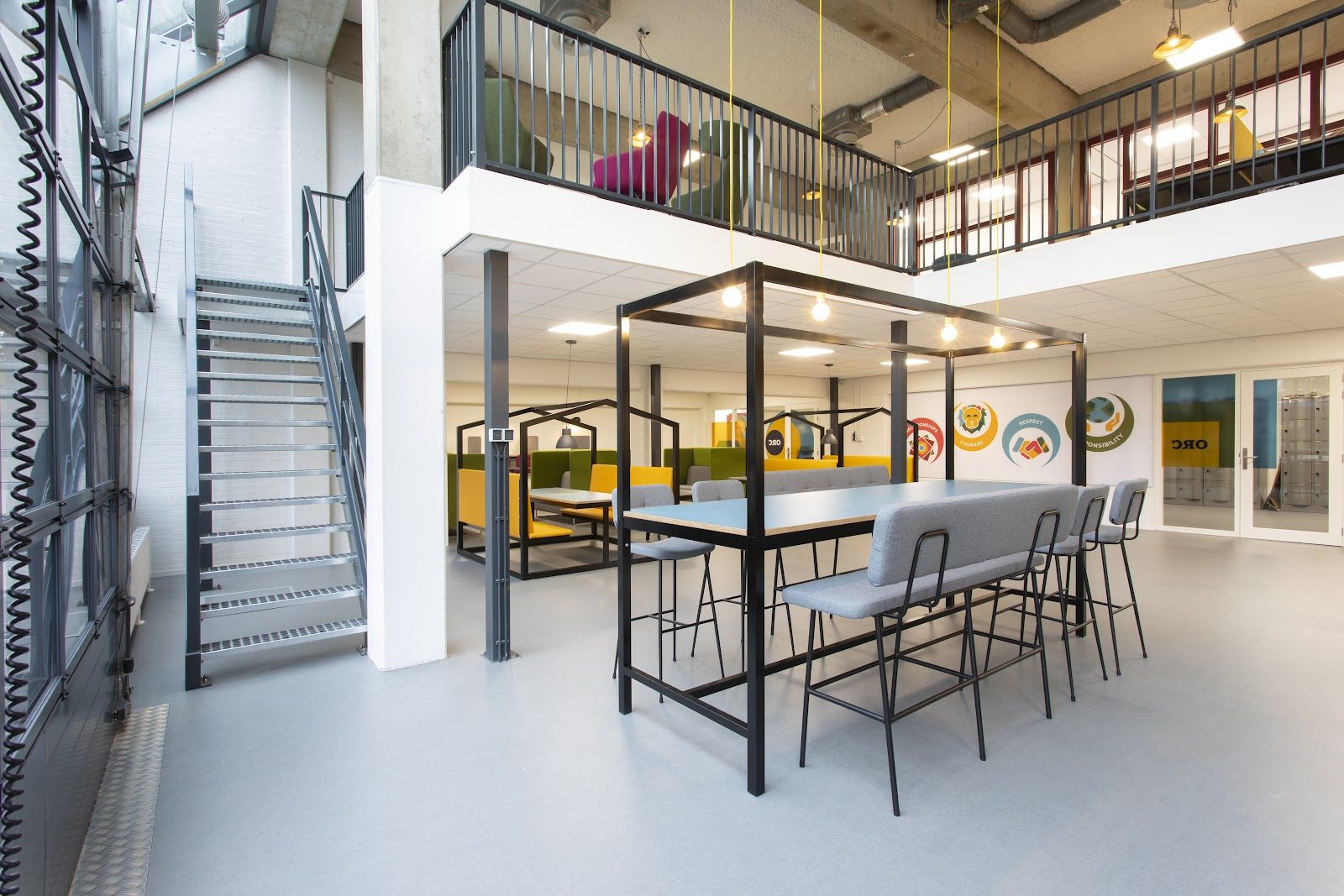
Rotterdam International Secondary School
Rotterdam · Netherlands
Steps from Rotterdam Central Station, this state-subsidised IB day school draws students from over eighty nations without trading on exclusivity.
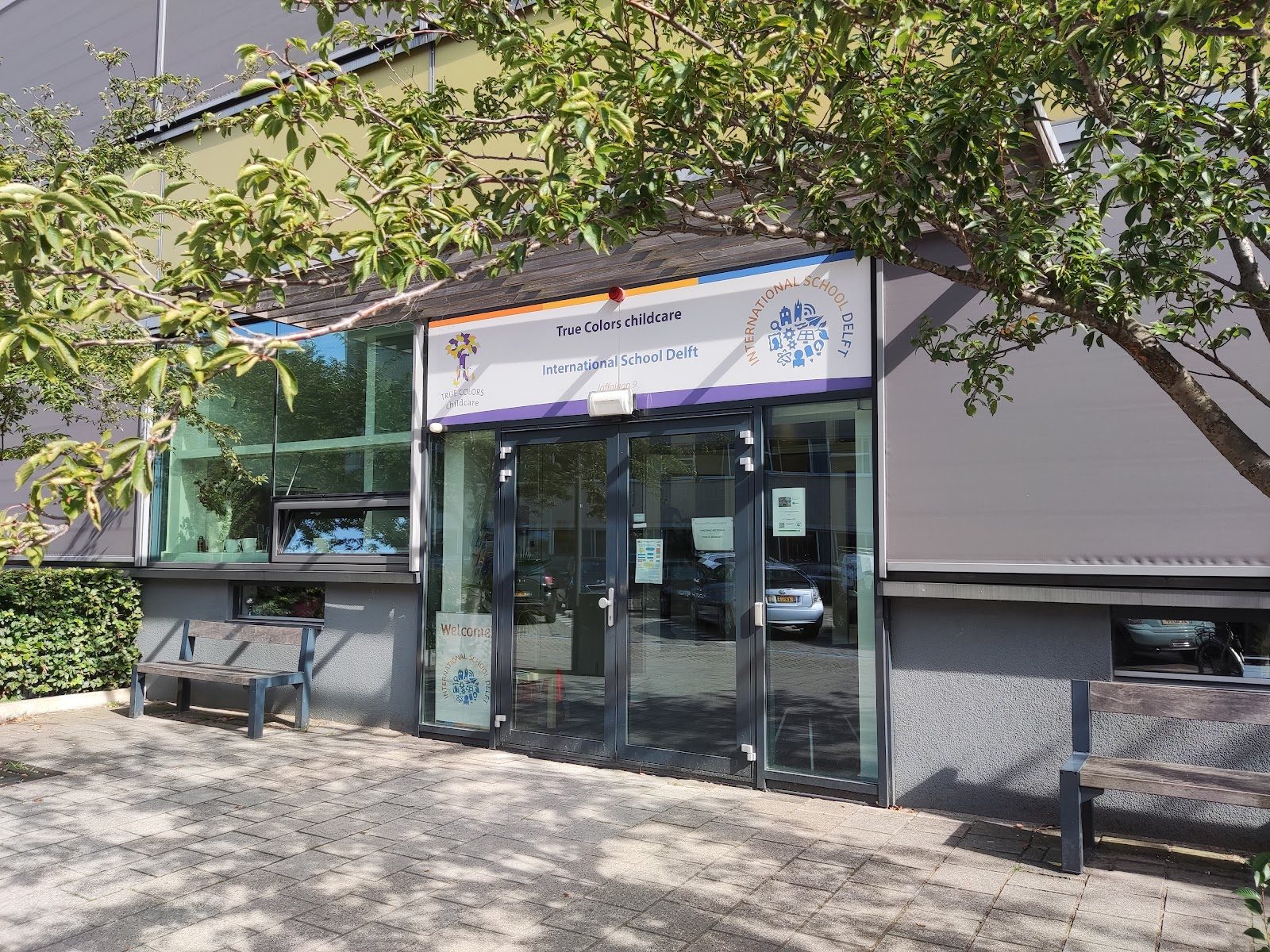
International School Delft
Delft · Netherlands
Set on the TU Delft campus, an IB continuum where design-thinking and engineering rigor shape every classroom
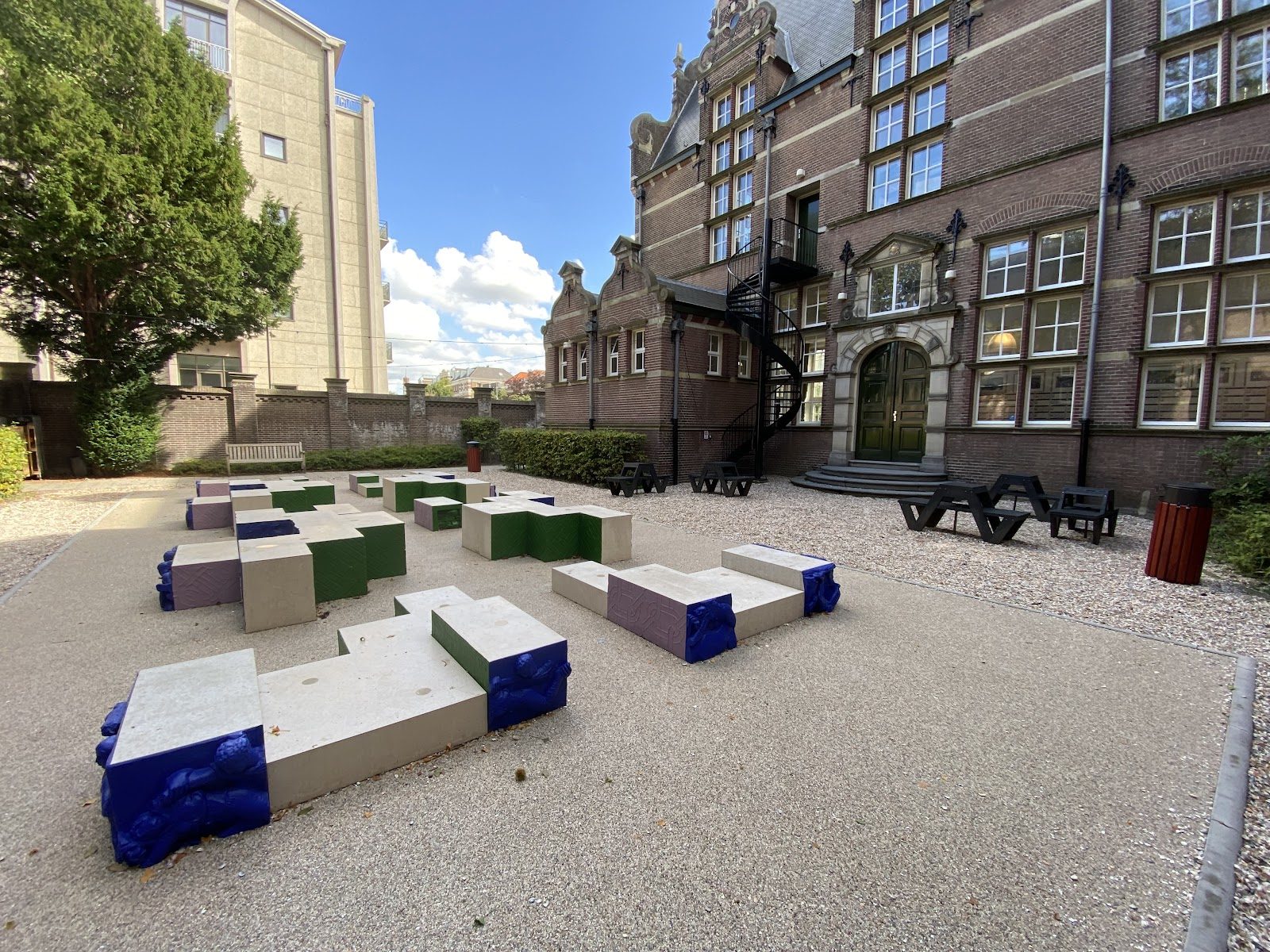
Gymnasium Haganum
The Hague · Netherlands
Tracing its roots to 1327, this Hague gymnasium still drills Latin and Greek behind a 1907 neo-renaissance facade.
Sekolah Bogor Raya
Bogor · Indonesia
Set beside Bogor's lakeside estate, an SPK school braids the full IB continuum, Cambridge IGCSE and worship across five faiths.
Same country and curriculum — closest matches within ±10 points either way