
Merseyside
LIPA Sixth Form College (Acting)
On Liverpool's Hope Street, purpose-built studios and a 100-seat theatre train BTEC actors for the professional stage.
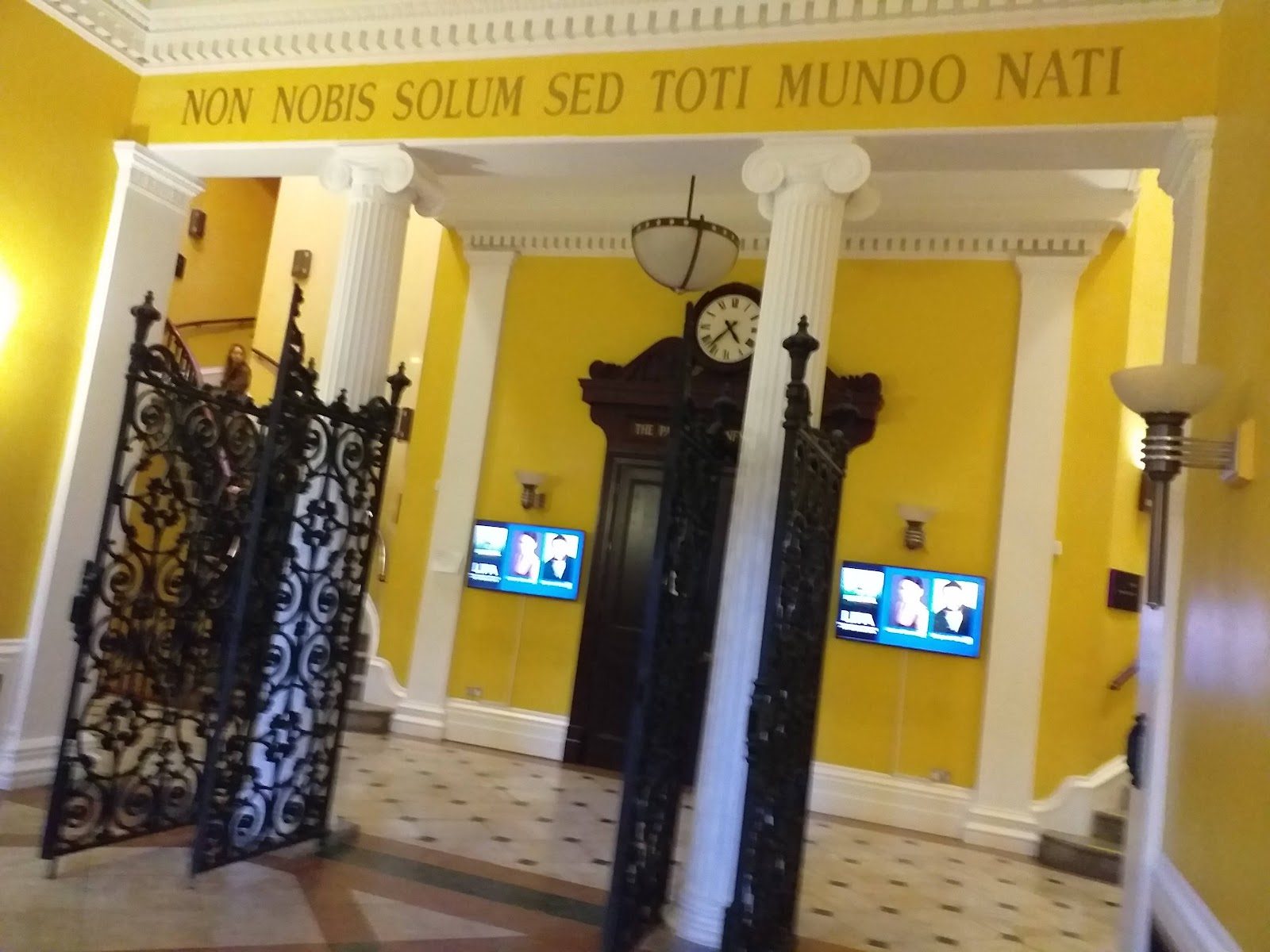
Photo © Philip Rhodes via Google Maps
Type
Day
Ages
16–19
Curriculum
BTEC
Ratio
—
The Verdict
Editor's commitment
Right for
Sixth-form actors aged 16–19 who want a day college in Liverpool, teaching in English through a BTEC pathway.
Wrong for
Students wanting A-levels, IB or a broad sixth-form menu; this secular Liverpool college is 16–19 and BTEC-only.
Watch out for
Ofsted accreditation gives baseline oversight, not elite cachet; this is a specialist acting route, not a conventional sixth form.
Ranking breakdown
LIPA Sixth Form College (Acting) · #1423 of 1591
Composite score 50.7. 8 weighted criteria.
By criterion
Academic Outcomes
Weight 20%
#1513
of 1529 scored
University Placement
Weight 16%
#1504
of 1529 scored
Prestige & Heritage
Weight 12%
#1332
of 1571 scored
Alumni Network
Weight 12%
#1284
of 1530 scored
Facilities
Weight 12%
#134
of 1533 scored
Transparency & Communications
Weight 8%
#1018
of 1532 scored
Peer & Industry Review
Weight 10%
#999
of 1548 scored
Admissions Selectivity & Demand
Weight 8%
#1156
of 1529 scored
Peer & Industry Review
How LIPA Sixth Form College (Acting) is regarded in the sector
65
Respected · medium confidence
LIPA Sixth Form College occupies a niche outside mainstream independent-school league tables, so peer comparison is largely against specialist performing-arts providers rather than traditional academic sixth forms. Its parent institution, the Liverpool Institute for Performing Arts, co-founded by Sir Paul McCartney and Mark Featherstone-Witty, carries strong name recognition within UK performing arts and creative-industries circles, and its degree-level LIPA is frequently referenced alongside institutions like BRIT School and ArtsEd in vocational-arts discourse. However, unlike academic independent schools it does not feature in the Sunday Times, Good Schools Guide, or WhichSchoolAdvisor rankings, which limits documented commentary from rival heads or admissions officers at Russell Group universities. Progression is typically into conservatoires, drama schools and specialist performing-arts degree courses rather than traditional Oxbridge or medicine routes, so its reputation is best understood through industry and alumni-network channels rather than conventional academic press. Public verification of specific university admissions feedback or independent-education press reviews is limited, meaning its standing rests more on sector-specific recognition and the LIPA brand than on documented cross-school peer commentary.
Award
Elite Drama 50
World's Top School · The Global Ranking
LIPA Sixth Form College (Acting) is featured on our Global Top 50 ranking at #11. This seal is available for the school's marketing team to use on their website, prospectus and social channels.
Editors' overview
LIPA Sixth Form College (Acting) occupies a narrow, clear slice of the market: specialist pre-professional actor training for 16–19 year-olds, delivered through a BTEC course in a setting built for performance rather than broad sixth-form life. On Hope Street in Liverpool, the practical draw is tangible — purpose-built studios and a 100-seat theatre give students a working environment that mirrors the discipline and repetition of vocational training. That matters. Teenagers who want acting, not a diluted mix of acting plus a conventional A-level timetable, get an education organised around rehearsal, technique and performance. The trade-off is equally clear: this is not the place for students who want a wide academic menu, a large campus experience or the safety net of multiple subject pathways.
What puts it on a shortlist is focus. For the right student, serious stage training at sixth-form age carries real value. Students get immersion, not dabbling; a professional rhythm, not an after-school add-on. The college’s appeal rests in industry-shaped discipline, performance-led learning and a clear artistic identity. Parents who want an environment that treats acting as skilled work, with standards and structure, will find that compelling. Ofsted accreditation adds a layer of external accountability, but families still need to ask hard questions about progression routes, contact hours, casting opportunities and pastoral support. Specialist colleges earn their keep through outcomes and day-to-day rigour, not romance.
The ideal student is easy to identify. This is for a teenager with a settled commitment to acting, enough resilience to handle critique, and the appetite to spend two years in a concentrated vocational setting. It suits students energised by rehearsal rooms, ensemble work and public performance; it does not suit the uncertain applicant who likes drama but wants to keep several academic doors open. In market terms, LIPA Sixth Form College (Acting) offers early professional focus in a compact age range of 16–19, in English, within a secular day-school model. For ambitious young actors, that is its strength: a direct route into craft, without the clutter of pretending to be a generalist school.
A Global Elite 50 Drama & Acting school
LIPA Sixth Form College (Acting) is one of the world-class drama and acting programmes we track, earning that standing because it demonstrates the elite conservatoire progression, faculty pedigree, screen-and-stage training breadth and industry integration that separate a true tier institution from a strong regional feeder. Its drama provision sits firmly in the world-class band.
Its operating model is best described as a specialist 16-18 college: a structure that shapes both the daily balance of academic and specialist study, and the professional trajectory of graduating actors as they move into major drama-school degrees or direct casting.
Our assessment weights contemporary professional conversion far more heavily than heritage. Elite conservatoire and professional-programme progression — routes into leading UK and international drama schools — carry the most weight, with further credit for faculty and industry pedigree and for training intensity and industry integration. Beautiful campuses, historic alumni and impressive facilities cannot compensate for weak contemporary professional conversion, and are not scored independently.
Where evidence confidence is lower, this reflects less public disclosure rather than weaker performance. Should the College move substantially more cohort data into the public domain in future audit cycles, our reading of its standing may sharpen — but the underlying professional-conversion reality will not change simply because it is now better documented.
International openness is a feature of the model: overseas actors apply on a rolling international audition and video pre-screen basis. Prospective international families should confirm eligibility, visa routes and any accommodation arrangements directly with the College, as we could not independently verify its residential provision.
Academic Performance
Academic performance here cannot be read through the usual sixth-form lens of league tables and A-level stacks, because the college does not offer that breadth and does not publish the sort of comparative exam data many parents expect. We have not seen aggregate grade profiles, value-added measures or destination breakdowns for this acting pathway. That matters. In a specialist vocational setting, external success needs to be judged through three harder tests: the standard of assessed performance work, progression into higher training or employment, and the consistency with which students complete a demanding professional track. On those points, public evidence is thin. Parents who want clean benchmarking against mainstream sixth forms will find an opaque picture.
Relative to peers, the college sits in a niche group of specialist performing arts providers where raw exam comparison tells only part of the story. A BTEC acting course can produce strong practical performers without generating the headline data that academic sixth forms trade on. That does not excuse the lack of published outcomes. Serious applicants should ask for completion rates, the proportion achieving top BTEC grades, audition success rates, and destinations into drama school, conservatoire or work. Without that, judgment rests more on the quality of training than on external results. For families comfortable with a specialist gamble, that may be enough. For everyone else, the absence of published performance data is a clear weakness.
Facilities
The facility story is compact and purpose-built. The college’s most important assets are its rehearsal and performance spaces: studios that support repeated practical work, and an in-house theatre that forces students to work to cues, timing and audience pressure rather than treating acting as classroom theory. That matters more here than landscaped grounds, sports provision or a long list of specialist labs. For an acting student, the key question is simple: can the school sustain daily training, scene work and live performance without constant compromise? On that measure, the provision has real vocational value. The theatre itself is a memorable asset at 100 seats: large enough to make performance conditions properly public, small enough to keep work close, exposed and technically manageable for teenagers.
Against peer schools, the strengths and limits are both clear. Compared with general sixth forms that offer drama in a hall or borrowed studio, this is decisively better aligned to the course. Compared with top-tier conservatoires or larger performing arts colleges, the estate is narrower and the production infrastructure lighter. Parents should not expect a sprawling campus or a deep bench of ancillary facilities; they should expect spaces built around rehearsal discipline and performance routine. That is the right trade if the student wants focused pre-professional training. It is a weaker proposition for families who want the broader amenities and social range of a conventional sixth form.
In market terms, LIPA Sixth Form College (Acting) offers early professional focus in a compact age range of 16–19, in English, within a secular day-school model
Prestige
This is not a prestige school in the conventional independent-school sense. It does not trade on centuries of history, a broad academic reputation or a famous sixth-form brand. Its status is narrower and more vocational: prestige here rests on professional seriousness, sector relevance and the credibility of training in a specialist performing arts environment. For families inside the acting world, that counts. A teenager spending formative years in purpose-built studios and performing in a 100-seat theatre gets closer to the habits of the profession than students in schools where drama sits at the edge of the timetable. That gives the college real niche cachet among applicants who care more about rehearsal-room standards than school polish.
The limit is clear. Outside performing arts circles, the name carries less weight than an academically elite sixth form or a major independent school with established university outcomes. Publicly available destination data are thin, so the college cannot claim prestige through a published record of top progression at scale. That weakens its standing. We rate its prestige as specialist rather than broad, with earned respect for focus and facilities, but not the kind of institutional clout that opens doors on name alone. In plain terms: strong for committed young actors, modest in wider status terms, and only as prestigious as the training and progression each student secures from it.
Compared with top-tier conservatoires or larger performing arts colleges, the estate is narrower and the production infrastructure lighter
Communications
Parent communication here has to do harder work than it does in a broad sixth form, because families are buying into a narrow vocational route with fewer obvious benchmarks and higher emotional stakes. That makes clarity on practical matters — timetable intensity, attendance expectations, rehearsal commitments, performance dates, assessment points, safeguarding and progression advice — non-negotiable. The college’s public-facing communication gives a clear enough sense of focus and purpose, but it does not answer enough of the questions parents need answered before and during enrolment. We have not seen much published detail on reporting cycles, formal parent consultation structures, or how the college handles the day-to-day flow of information once students are on course. In a specialist setting for teenagers aged 16–19, that gap matters. Parents need more than atmosphere and aspiration; they need operating detail.
So the verdict is mixed. The tone is professionally aligned and the message is coherent: this is serious actor training, not a generic sixth-form experience. That helps families self-select quickly. The weakness is transparency. When a college asks students to commit early and train intensively, communication needs to be plain, regular and exacting. We have not seen enough public evidence of that standard. Families considering it should press hard on response times, who contacts home about concerns, how progress is reported, and how absences from rehearsals or performances are escalated. If those answers are strong in practice, confidence rises quickly. If not, communication becomes a real fault line in an already specialist choice.
Uniqueness
What makes this college distinct is not prestige, breadth or campus scale, but single-track intent. It takes teenagers at the point when many schools still ask them to hedge their bets and puts acting at the centre of the week. That changes the educational atmosphere. Students are not treated as hobbyists fitting drama around a conventional timetable; they train in a culture built around rehearsal, critique, ensemble discipline and public performance. For the right student, that is liberating. It removes the friction of trying to defend a serious artistic ambition inside a generalist sixth form. The specialist environment also raises the temperature: peers share the same goal, staff can set harder expectations, and the daily routine carries a professional edge that mainstream schools rarely match.
The benefit is clarity. Students get early exposure to the habits the profession demands: repetition, resilience, punctuality, stamina and the ability to take direction without collapsing under correction. Those are not decorative extras in acting training; they are the work. The in-house performance setting reinforces that by giving students a live outlet with real pressure attached, not just classroom exercises. For ambitious performers, that can be formative at 16–19. The downside is just as important, and part of the uniqueness: there is nowhere to hide if commitment wavers. This is a narrow-gauge route, and its value depends on a student wanting exactly that intensity rather than a softer, broader sixth-form experience.
Publicly available destination data are thin, so the college cannot claim prestige through a published record of top progression at scale
Student Profile
The right student here is not the tentative drama enthusiast who wants acting on the side while keeping a wide spread of options open. This college suits a teenager who has already made a hard choice and can live with its consequences: daily scrutiny, repeated correction, ensemble dependence and the pressure of public performance. Confidence helps, but stamina matters more. So does emotional steadiness. Students who fit well take notes without sulking, recover fast after weak rehearsals and understand that progress in acting is uneven, exposed and built through repetition. In a narrow age band of 16–19, that level of commitment is unusually exacting. It asks for real resilience, thick skin and a willingness to be judged on work that feels personal.
Socially, the best fit is a student who likes intensity more than variety. Peer culture in a specialist acting environment can be energising, but it can also be claustrophobic for anyone who needs distance from their main interest. Students who thrive will enjoy spending large parts of the week with others chasing the same goal, and they will contribute to an ensemble without demanding constant individual spotlight. Families should be honest about temperament. This is not for the undecided, the easily derailed or the student who needs a conventional sixth form to stay motivated. It works for young actors with serious vocational intent and the discipline to treat training as work, not self-expression alone.
The downside is just as important, and part of the uniqueness: there is nowhere to hide if commitment wavers
Co-curricular strengths
Arts & sport, on a separate axis
Overall 7.58/10
Scored 0-10 from the school's own published evidence. This axis is editorial-only — it does not feed the main WTS ranking.
Sports
3/10
Drama
9.7/10
Dance
9.2/10
Music
9/10
Visual Arts
7/10
Strengths
- +Sits within the Liverpool Institute for Performing Arts environment, giving sixth-formers direct exposure to a specialist performing-arts setting and its staff and facilities.
- +Drama, dance and music provision all sit in the world-class band, with very strong visual arts — an exceptional co-curricular profile for the performing arts.
- +Offers BTEC pathways in performing arts, allowing early vocational specialisation ahead of university or conservatoire entry.
- +Associated with LIPA, whose co-founders include Sir Paul McCartney, giving the institution a recognised public profile in the performing arts sector.
Considerations
- −A BTEC-focused curriculum narrows options for students who may later want traditional A-Levels or a broader academic route into non-arts degrees.
- −As a niche performing-arts feeder college, it will not suit students without a clear existing commitment to drama, music or dance.
- −We could not independently verify whether the College offers residential or boarding provision, which relocating or international families should confirm directly.
- −As a small, specialist college, subject breadth and extracurricular offer outside the performing arts — and provision such as science labs and sports facilities — are more limited than at large comprehensive sixth forms.
Gallery
Photo © Charles Bartholomew via Google Maps
Photo © Charles Bartholomew via Google Maps
Photo © Robert Rosello Senalle via Google Maps
Photo © Gleydson Silva via Google Maps
Photo © Charles Bartholomew via Google Maps
Photo © Charles Bartholomew via Google Maps
Photo © lorraine stoba via Google Maps
Parent reviews
Have you sent your child here?
Voice reviews carry the strongest trust badge — we transcribe them for you to tidy up before they go live. Prefer to type? A written review is fine too.
Add your voice
In 60 seconds, tell other parents: what's the best thing about LIPA Sixth Form College (Acting), and what surprised you when your child joined?
We ask for a Google sign-in so every review has a real face behind it — no anonymous drive-by attacks on schools, and no faked positive reviews. Your email is never shown publicly.
Send this profile to a friend
International parents rely on word-of-mouth. Share this review with someone weighing the same decision.
Schools with places
Similar schools to LIPA Sixth Form College (Acting) with places available now.
Badminton School
Bristol · United Kingdom
- 2026-27
- CLOSEDStandard route closed
- 2027-28
- PLACES OPENCloses Oct/Nov '26
Christ's Hospital
Horsham · United Kingdom
- 2026-27
- CLOSEDStandard route closed
- 2027-28
- PLACES OPEN2027 entry assessment timetable active
UWC Atlantic
Llantwit Major · United Kingdom
- 2026-27
- CLOSEDStandard route closed
- 2027-28
- PLACES OPEN11+ / 13+ / 16+ active
St Swithun's School
Winchester · United Kingdom
- 2026-27
- CLOSEDStandard route closed
- 2027-28
- PLACES OPENCloses Nov '26
Availability first, then country, area, curriculum, price, co-curricular
Consider also
Also worth looking at alongside LIPA Sixth Form College (Acting).
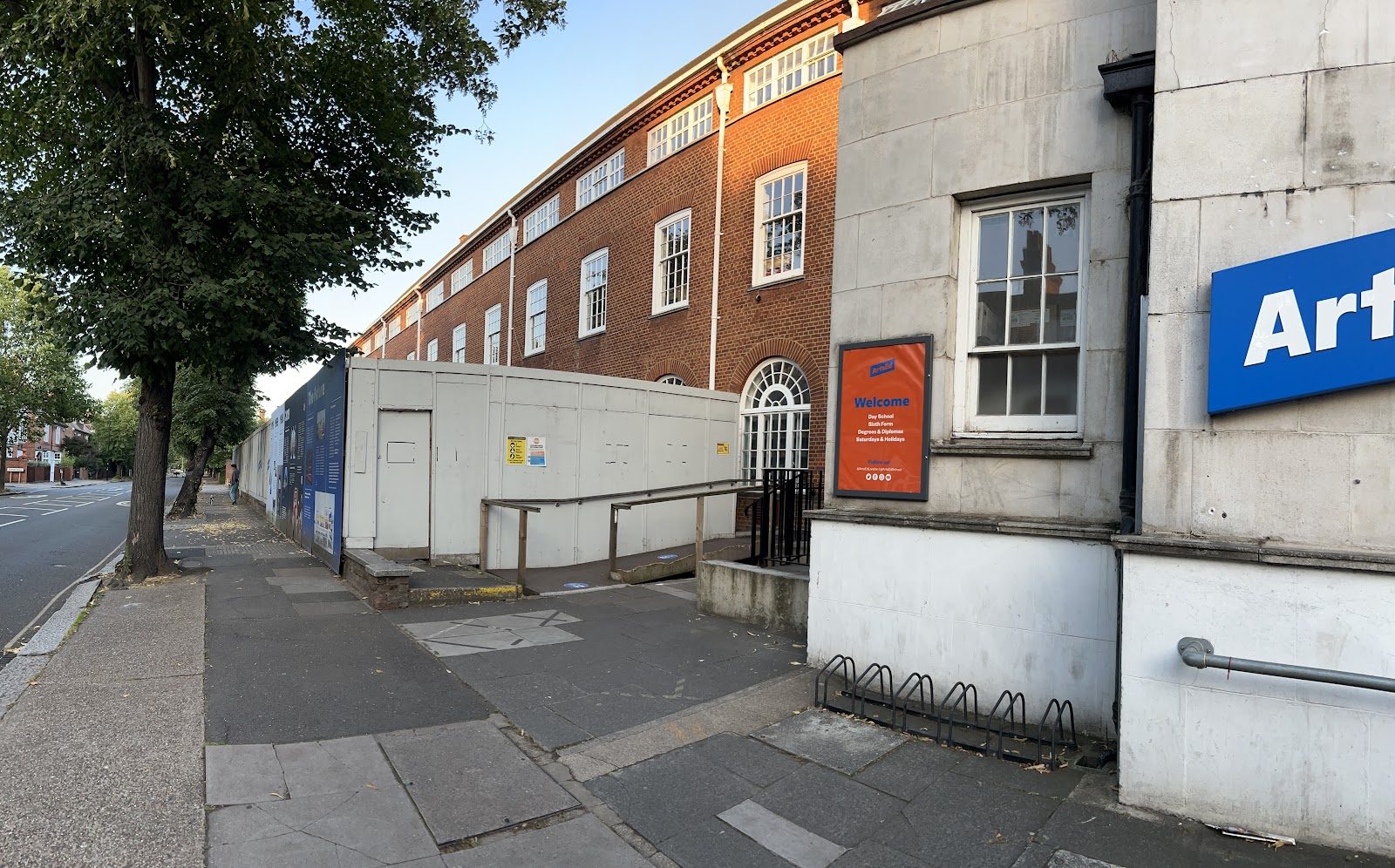
ArtsEd Day School & Sixth Form
Chiswick, London · United Kingdom
Three-quarters academic timetable, one quarter stagecraft: GCSEs and A-Levels run alongside a BTEC Extended Diploma in performing arts on a Chiswick campus built for the stage.
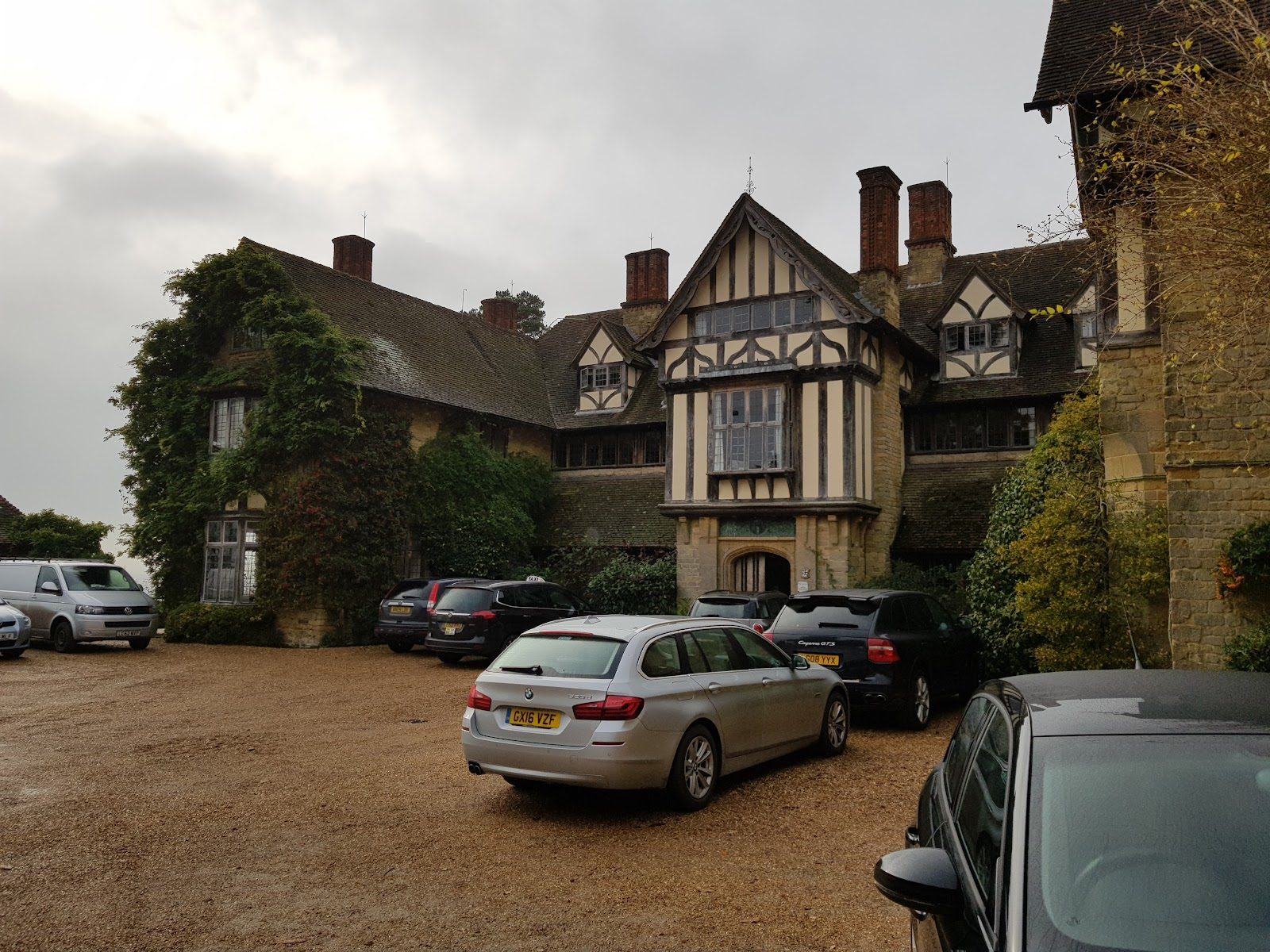
Hurtwood House
Holmbury St Mary, Surrey · United Kingdom
In the Surrey Hills, a sixth-form-only campus mounts 40 productions a year and still teaches filmmaking on 16mm.
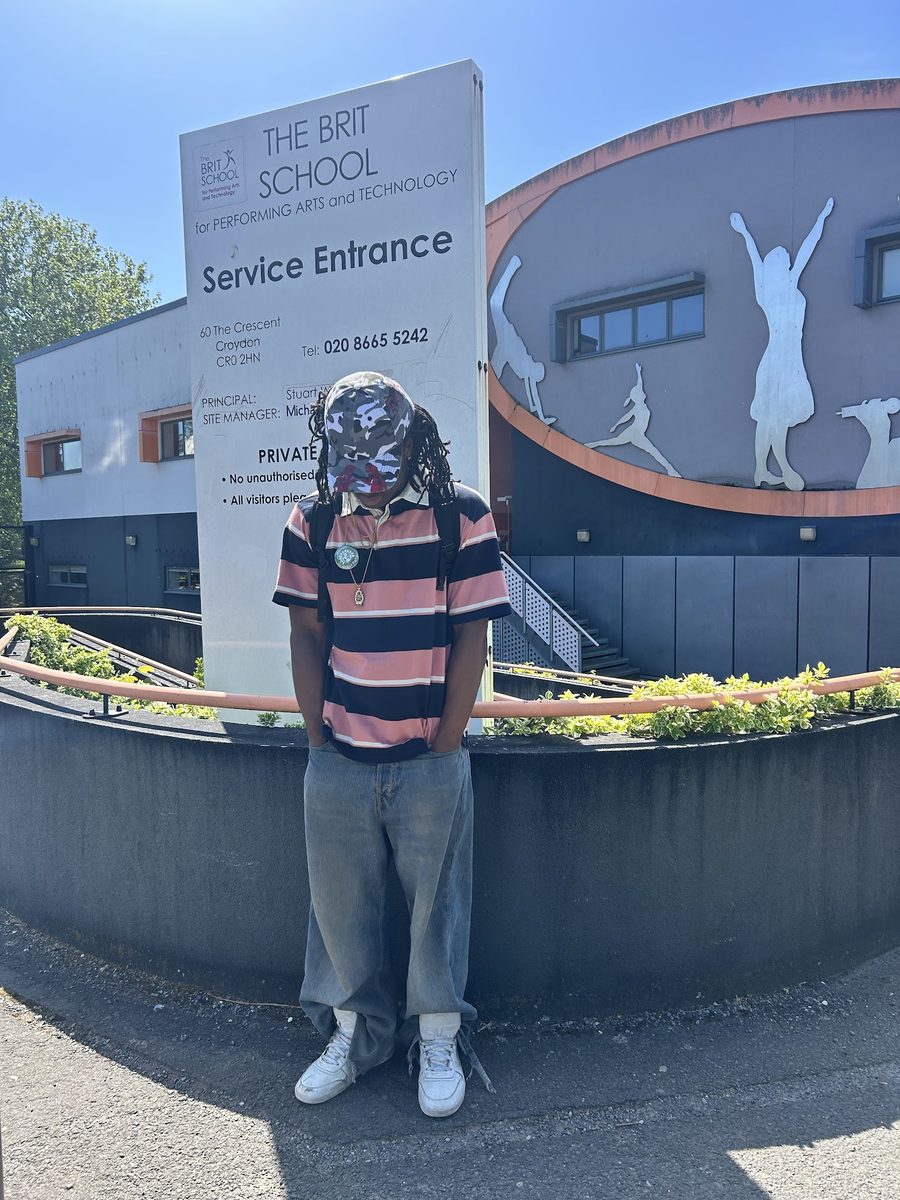
The BRIT School
Croydon, London · United Kingdom
Free tuition-free training in music, dance and theatre, funded by the BRIT Awards and built around a 50/50 split of studio craft and academic study.
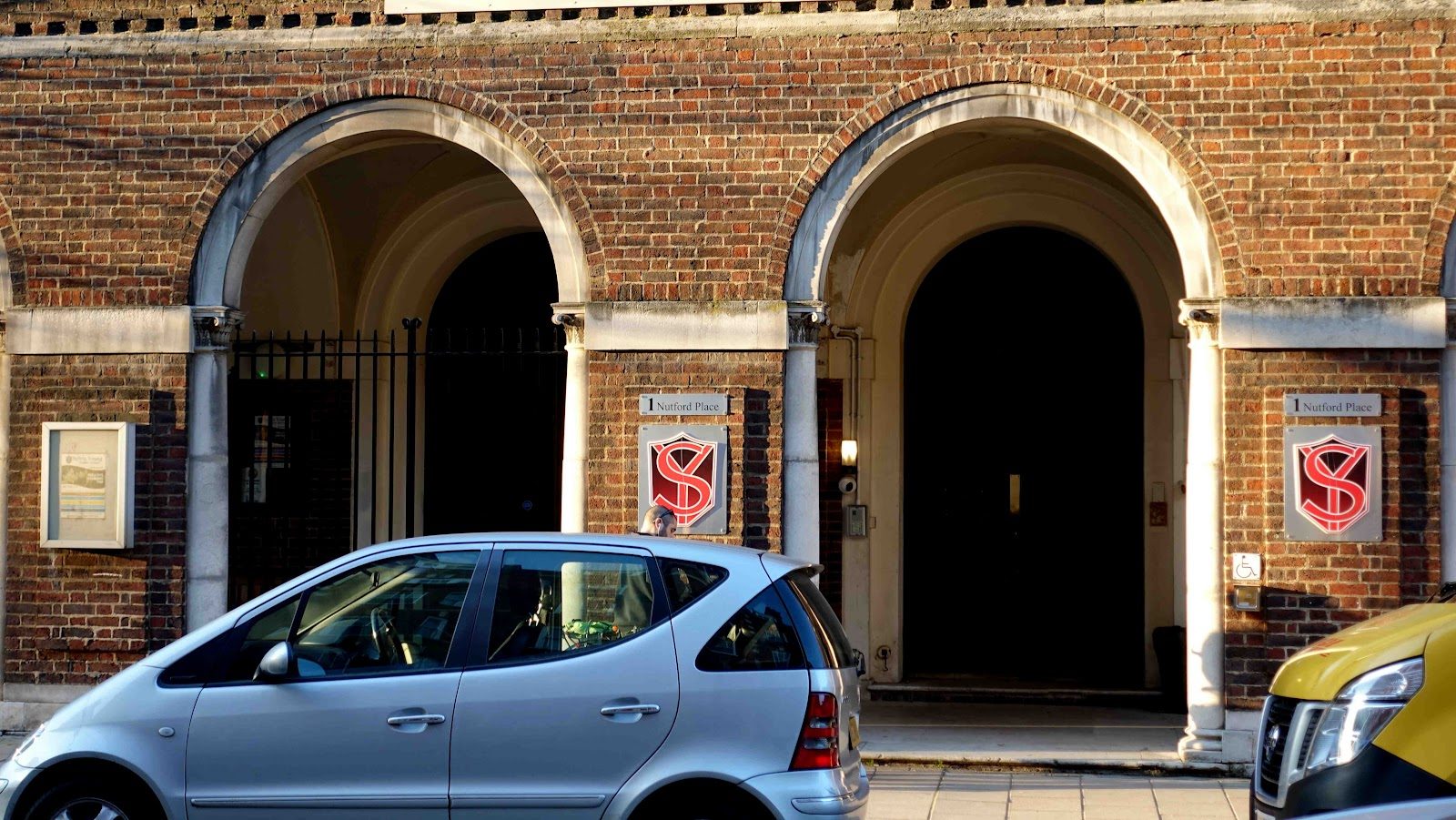
Sylvia Young Theatre School
Marylebone, London · United Kingdom
A split week of GCSEs and stagecraft, taught inside a converted Victorian church off Marble Arch
Same specialism, country and curriculum — closest matches within ±10 points either way