
Greater London
The BRIT School
Free tuition-free training in music, dance and theatre, funded by the BRIT Awards and built around a 50/50 split of studio craft and academic study.

Photo © Cavalli Jack via Google Maps
Type
Day
Ages
14–19
Curriculum
GCSE · BTEC · A-Level
Ratio
—
The Verdict
Editor's commitment
Right for
Teenagers aged 14–19 who want free training in music, dance, theatre or production without dropping GCSE, BTEC and A-Level study.
Wrong for
Families wanting a conventional all-round secondary in Croydon; this secular day school exists to prepare 14–19s for arts careers.
Watch out for
Founded in 1991, The BRIT School sells a 50/50 craft-academic model hard; that intensity suits committed artists, not dabblers.
Ranking breakdown
The BRIT School · #766 of 1591
Composite score 55.9. 8 weighted criteria.
By criterion
Academic Outcomes
Weight 20%
#1313
of 1529 scored
University Placement
Weight 16%
#1414
of 1529 scored
Prestige & Heritage
Weight 12%
#1201
of 1571 scored
Alumni Network
Weight 12%
#1467
of 1530 scored
Facilities
Weight 12%
#125
of 1533 scored
Transparency & Communications
Weight 8%
#551
of 1532 scored
Peer & Industry Review
Weight 10%
#477
of 1548 scored
Admissions Selectivity & Demand
Weight 8%
#991
of 1529 scored
Peer & Industry Review
How The BRIT School is regarded in the sector
88
Strong · medium confidence
The BRIT School occupies an unusual niche among 'best schools' listings: it is a non-fee-paying, specialist performing arts and technology school, so its standing is judged less through conventional independent-school peer networks and more through the creative industries it feeds. Its reputation rests heavily on a widely reported alumni roster -- Adele, Amy Winehouse, Leona Lewis, Jessie J, Katie Melua, FKA twigs and Kate Nash among them -- routinely cited by national newspapers (Guardian, Telegraph, BBC) as evidence of exceptional outcomes in music, drama and media. Because entry is by aptitude audition rather than academic selection, it rarely appears in conventional GCSE/A-level league tables used to benchmark independent schools, and coverage in outlets like Good Schools Guide or WhichSchoolAdvisor tends to frame it as a distinctive vocational alternative rather than a direct competitor to academically selective schools. Its closer peer set is specialist arts sixth-forms and conservatoires (RADA, Guildhall, Royal College of Music, BIMM), which recruit its graduates, alongside continued backing from the BRIT Trust and the music industry (BPI), reinforcing an industry-endorsed rather than strictly academic prestige profile. Ofsted has rated it Outstanding in recent inspections, further supporting its credibility.
Award

Elite Film 50
World's Top School · The Global Ranking
The BRIT School is featured on our Global Top 50 ranking at #5. This seal is available for the school's marketing team to use on their website, prospectus and social channels.
Award
Elite Drama 50
World's Top School · The Global Ranking
The BRIT School is featured on our Global Top 50 ranking at #3. This seal is available for the school's marketing team to use on their website, prospectus and social channels.
Award
Elite Visual & Fine Arts 76
World's Top School · The Global Ranking
The BRIT School is featured on our Global Top 76 ranking at #55. This seal is available for the school's marketing team to use on their website, prospectus and social channels.
- Adele — Singer-songwriter, Music
- Amy Winehouse — Singer-songwriter, Music
- Leona Lewis — Singer, Music
Editors' overview
The BRIT School occupies a rare position in British education: a specialist performing and creative arts school for ages 14–19 with £0 tuition fees. That alone puts it on many shortlists. The more important point is the structure. BRIT is not an after-school arts add-on bolted onto a standard timetable. It is a serious vocational and academic school built for students who want GCSEs, BTECs and A-Levels alongside sustained training in music, dance, theatre, film, design and production. The school states its purpose plainly: to prepare young people for careers in the arts. Parents who want a conventional all-round independent school with a strong drama department are looking at the wrong institution. Parents who want professional-grade creative training without private-school fees are looking at one of the country’s standout options.
What marks BRIT out is intensity, focus and access. Entry starts at 14, not 11, so students arrive at the point when talent, work ethic and ambition can be tested properly. The school’s own language matters here: it frames itself as a place with professional boundaries, a workplace culture and *very high academic and behavioural expectations*. That is the attraction and the warning. This is not a soft landing for casually artistic teenagers who enjoy school plays and the odd music lesson. It is for students who already know that creative practice matters to them and who want their education organised around that fact. The age range itself tells the story: 14–19 education, not a cradle-to-university model, and a mission centred on the arts rather than broad pastoral packaging.
Its market position is therefore clear. BRIT sits between mainstream state schooling and expensive conservatoire-style private training, with a funding model that makes it unusually accessible. Established in 1991, funded by government with support from the British Record Industry Trust and other charity partners, it offers something few schools can match: tuition-free specialist arts education with a national reputation and a broad set of pathways, from Applied Theatre and Musical Theatre to Music Technology, Film & Media Production, Interactive Digital Design and Production Arts. That breadth matters. The school trains performers, but it also trains the students who want to make, design, edit, produce and build the work behind the scenes. For families serious about the creative industries, that gives BRIT far more substance than the usual “arts school” label.
The student who will want BRIT is disciplined, self-directed and hungry for craft. They do not need endless hand-holding or social cachet; they need studios, specialist teaching, peers with similar drive and a timetable that treats the arts as a central discipline rather than enrichment. They will value *a school where creativity is the main event*, not a decorative extra. They will also need resilience. A school built around talent development attracts competition, intensity and scrutiny. For the right teenager, that is a powerful launchpad. For the wrong one, it is a bad fit. Put BRIT on the shortlist if your child wants an arts-focused education with real seriousness, public funding and a clear vocational spine. Leave it off if you want breadth first and specialism second.
A Global Elite 50 Drama & Acting school
The BRIT School (Theatre Stream) sits at #3 on our Global Elite 50 Drama & Acting Schools 2026, with a 92.5 Elite Score and A- evidence-confidence grade, because on the 100-point Elite Acting Progression Model it demonstrates the weighted elite conservatoire progression, faculty pedigree, screen-and-stage training breadth and industry integration that separate a true tier institution from a strong regional feeder.
Its operating model is best described as State Specialist Arts: a structure that shapes both the daily balance of academic and specialist study, and the professional trajectory of graduating actors as they move into major drama-school BA degrees or direct casting.
The Global Elite 50 Drama & Acting Schools methodology is deliberately aggressive: 30 of the 100 available points are directly tied to weighted elite conservatoire and professional-programme conversion between 2016 and 2026 — RADA, Guildhall, LAMDA, Juilliard, NYU Tisch, Yale, WAAPA, NIDA and their peers — with a further 15 points on faculty and industry pedigree and 20 points on training intensity and industry integration. Beautiful campuses, historic alumni and impressive facilities cannot compensate for weak contemporary professional conversion, and are not scored independently.
The evidence-confidence grade is deliberately separate from the ranking position: a lower grade reflects less public disclosure, not weaker performance. Where the school moves substantially better cohort data into the public domain in future audit cycles, the position — but not the underlying professional-conversion reality — may be revised.
International openness is limited. The school is a state-funded pathway and does not operate a casual overseas fee-paying admissions route; it is day-only with no boarding, and realistic access for internationally relocating families is confined to those with existing UK or EEA right of residence. Prospective families are advised to begin application conversations early in the calendar year, applying a full year ahead of the intended entry point.
A Global Elite 50 Film school
The BRIT School in Croydon, London, sits at rank five on the Global Elite 50 Film because it is the only non-fee-paying performing-arts school in the UK, and it delivers that access through a filmmaking course carrying real industry accreditation: Film and Media at The BRIT School is a ScreenSkills Select course, putting professional-grade screen training within reach of any UK-eligible teenager regardless of household income.
The specialism runs through the UAL Level 3 Diploma and Extended Diploma, and this accreditation and industry backing reflects the quality of teaching within the department and prepares students for entry into the industry from age 18, achieved through collaboration with creative-industry partners. Students shoot on industry-standard hardware, including a range of cameras and their own Radio and TV Studio, sponsored by YouTube Music, home to BRIT Live, a termly magazine show. That studio was funded by YouTube Music and opened in 2019 for Film & Media Production students. Graduates are steered toward producing for film, TV, content or radio, directing, camera operating, editing and broadcast journalism, with visiting professionals including alumni photographers Phoebe Fox and Alex Piper and film director Simon Curtis.
The school's marquee screen name is Tom Holland, an alumnus and the recipient of numerous accolades including a BAFTA Award and three Saturn Awards, with films as a lead actor grossing over $9.9 billion worldwide. Named alumni working specifically behind the camera as directors, cinematographers or editors are still emerging; the strongest current evidence is the masterclass pipeline of returning industry professionals feeding directly back into the Film & Media strand.
International openness is limited and should be stated plainly: BRIT is Britain's only free performing-arts and technology school, an independent, state-funded institution, it is day-only with no boarding, and applications for KS4 and Post-16 studies cannot be accepted from students outside the EEA, nor can a Student Visa be accepted. Out-of-catchment UK applicants are capped, as the school may take up to ten percent of applicants from outside the area, and only if they show unusual merit. Families without existing UK or EEA residency should look elsewhere; those who already have it should apply a full year ahead of entry, since offers are made during the preceding academic year.
An Elite Visual & Fine Arts 76 school
The BRIT School in Croydon, London, sits at rank fifty-five on the Elite Visual & Fine Arts 76 because it is the country's only state institution combining a genuinely vocational, industry-facing creative-arts curriculum with zero tuition fees. It is described as the UK's leading non-fee-paying performing and creative-arts school, and entry runs through a practical workshop or audition rather than academic scoring alone. That structure lets a state day school compete on studio culture and industry linkage rather than on exam-board branding.
The relevant specialism is the Visual Arts & Design and Fashion, Styling & Textiles strand, where students study visual arts, sculpture, drawing, painting, illustration, textiles, photography, digital design, graphic design, filmmaking and fine art. The department runs dedicated studios for 2D and 3D work, textiles, screen printing, a photography studio and darkroom, and Mac and PC suites for digital manipulation, and at Post-16 both routes lead to the UAL Level 3 Extended Diploma in Creative Practice, rated equivalent to three A-Levels. Live briefs have connected students to Google, Channel 4's 4Creative, Uniqlo, Vogue, Harper's Bazaar, Lacoste, Dazed Magazine and Burberry. This is honestly a creative-industries and design pipeline built on portfolio and vocational assessment, not a classical fine-art foundation feeding RCA, Slade or Central Saint Martins in any independently verified numbers.
Notable named alumni from the visual-arts stream specifically are still emerging; the strongest verified evidence of outcomes is the placement record into the design-facing employers listed above rather than individual gallery-recognised artists.
International openness here is limited and should be stated plainly. The BRIT School is free to attend, but it draws from a defined catchment covering most of Greater London and parts of Kent and Surrey, taking only up to ten percent of places from outside that area on unusual merit, and the school will not offer a place to any overseas-resident applicant without an existing right of residence in the UK. There is no boarding provision; it is day-only. For a genuinely relocating international family seeking an elite fine-art pathway, this is not a viable entry point. Families already legally resident within the catchment, applying roughly ten months ahead of entry with a strong portfolio, are the realistic audience.
Academic Performance
BRIT makes strong claims about destination success, but public exam transparency is thin. The school says just under 100% of graduates move into work across the creative industries or on to higher education. That is a striking line, and parents will notice it. It is not the same thing as published external examination performance. We have not seen aggregate GCSE grade profiles, A-Level outcomes, BTEC results, value-added data or subject-by-subject attainment tables in the public domain through the sources here. For a school with a national profile and a clear vocational mission, that absence matters. Families can judge the intent and the specialist offer easily; they cannot judge exam strength with the same precision.
Relative to peers, BRIT sits in an awkward category. It does not belong in the same comparison set as a conventional academic sixth form, and it does not escape academic scrutiny because it trains performers and makers. The right benchmark is specialist arts schools that still publish hard attainment data. On that test, BRIT is more opaque than it should be. The school’s own emphasis falls on progression, professional culture and employability rather than headline grades. That fits the model, but it leaves parents without the clean evidence needed to distinguish between excellent teaching, excellent talent selection, and excellent post-school networking. In short: destination outcomes sound impressive; published exam performance remains unclear.
Facilities
The facilities that matter at BRIT are the specialist spaces tied to its pathways: studios for dance and theatre work, music and music technology rooms, film and media production provision, design space for visual arts and fashion/textiles, and technical areas for production arts. That matters more here than manicured sports fields or grand campus architecture. Parents choosing BRIT are buying into a school where the working environment is built around rehearsal, making, recording, staging and critique. The school also describes industry-level experiences and a culture with professional boundaries, which points to spaces used as training environments rather than decorative add-ons. In this sector, that is the correct priority. A specialist arts school without serious studios and production facilities is a gimmick; BRIT is not a gimmick.
Against peers, the picture is strong but not fully transparent. BRIT’s range across performance, backstage production and digital creative work is broader than many rivals, which still cluster around music, drama and dance while treating design or technical theatre as secondary. That breadth gives students more realistic exposure to how creative industries function. What we do not get is the hard facility detail top competitors publish: no clear public inventory of performance venues, recording suites, black box spaces, workshops or specialist equipment. That leaves families with a clear sense of purpose but an incomplete sense of physical resource. In editorial terms: serious specialist provision, thin published detail, and a campus offer that reads as fit for purpose rather than lavish.
The BRIT School occupies a rare position in British education: a specialist performing and creative arts school for ages 14–19 with £0 tuition fees
Prestige
BRIT has real prestige, but it is specialist prestige, not the social polish of a famous independent school. In British arts education, that distinction matters. The school carries weight because entry is selective, the focus is uncompromising and the training has a direct line to the industries students want to enter. The combination of free attendance and serious creative provision gives it a status few schools can match: talented teenagers compete for places that many families could never afford in the private sector. That creates a hard-edged credibility which carries more value in the performing and creative arts than glossy branding. The school also benefits from its long association with the BRIT awards ecosystem and from a public reputation built around visible success in creative fields. For a family targeting music, theatre, dance, production or design, BRIT is a genuinely high-status name.
The limits of that prestige are clear. Outside arts and entertainment circles, BRIT does not carry the same cachet as the most academically elite London day schools. Its reputation rests on creative seriousness, not on broad academic dominance or polished institutional grandeur. That makes it powerfully prestigious in the right lane and less useful in the wrong one. The strongest reason to rate it highly is access plus consequence: a school serving ages 14–19 with £0 tuition and a professional culture strong enough to function as a recognised route into higher study and creative work. In its niche, BRIT is one of the country’s standout names.
BRIT sits between mainstream state schooling and expensive conservatoire-style private training, with a funding model that makes it unusually accessible
Communications
Parent communication reads as functional rather than polished. The website gives the essentials: term dates, contact details, an application route, FAQs, ticketing for events and active social channels across Instagram, Facebook, LinkedIn, TikTok and YouTube. That matters in a school built around performance and public-facing work; families need practical information fast, and BRIT does provide clear routes in. The tone is mission-heavy and institutionally proud, with a lot of emphasis on creativity, values and external praise. That builds identity, but it does not answer every parental question. We do not see the sort of hard-edged transparency many families now expect: little granular explanation of day-to-day routines, limited operational detail on the public site, and thin published evidence on academic outcomes. For a school serving students from 14–19, that gap is not trivial.
The strongest communication channel is visibility through events and social media. A specialist arts school has an advantage here: performances, showcases and student work create a natural public record of what the place values. That gives parents a more lived sense of the school than a prospectus full of slogans. Still, communication looks stronger on culture than on scrutiny. BRIT tells you what it believes, what it celebrates and how to get in touch. It tells you less about the mechanics that help parents judge consistency and standards. Verdict: clear enough for access, less convincing for accountability, and better at projecting ethos than answering every serious parental concern.
Uniqueness
What sets BRIT apart is not celebrity mythology or arts-school romance. It is the structural fact that specialist creative training sits at the centre of the school day, without a private-school fee barrier. In England, that combination is genuinely rare. Many schools offer strong drama, music or dance on the side; BRIT is organised around the proposition that creative work is the core discipline. That changes the peer group, the timetable and the standard of commitment. Students work among other teenagers who have chosen an arts-led education on purpose, which creates a high-pressure, craft-first culture and strips out much of the half-hearted participation that weakens school arts departments elsewhere. The age range also matters: entry at 14 brings in students at the point when aptitude, stamina and seriousness can be tested with more honesty.
The benefit to students is clarity. A young musician, designer, performer or production student does not need to defend their ambition in a school built for different priorities. They get specialist pathways that include not only stage-facing disciplines but also technical and design routes, which is far more realistic about how the creative industries work. They also get a setting the school itself frames in professional terms, with high expectations and an emphasis on employability and progression beyond school. That gives BRIT a working-world edge many arts programmes lack. The trade-off is obvious: this is *not a broad, comfortable catch-all school*. For the right student, that narrowness is the point.
For a family targeting music, theatre, dance, production or design, BRIT is a genuinely high-status name
Student Profile
The BRIT student is not a dabbler. The right fit is a teenager who already has a discipline — or at least a clear creative direction — and wants school life organised around improving at it. They need stamina for rehearsal, critique, deadlines and public performance, plus enough academic resilience to handle classroom study without treating it as an inconvenience. BRIT suits students who are self-propelled, serious about craft and comfortable being surrounded by peers with the same intensity. It also suits students who do not need old-fashioned school prestige or a broad menu of extracurricular padding. They want the main event to be making, performing, designing, producing. The school’s own claim that just under 100% of leavers progress into work or higher education points to a student body with clear onward intent, not vague interest.
Socially, the best-fit student can handle a high-pressure peer group without folding under comparison. This is a place for teenagers who respond well to standards, correction and professional expectations. They do not need to be extroverts; backstage, technical and design pathways widen the profile well beyond obvious performers. But they do need confidence in their own lane, because the culture rewards commitment and exposes drift quickly. Students who want a conventional school experience with creative options on the side will chafe here. Students who want an arts-first education and can live with its demands will find a peer group that takes ambition seriously.
BRIT is not an after-school arts add-on bolted onto a standard timetable
Co-curricular strengths
Arts & sport, on a separate axis
Overall 8.4/10
Scored 0-10 from the school's own published evidence. This axis is editorial-only — it does not feed the main WTS ranking.
Sports
3/10
Drama
9.8/10
Dance
9.8/10
Music
9.8/10
Visual Arts
9.6/10
Strengths
- +Non-fee-paying state school, so there are no tuition costs for UK-resident students who gain a place
- +Alumni include Adele, Amy Winehouse and Leona Lewis, reflecting a strong track record in music and performance
- +Rated Outstanding by Ofsted, with dedicated performance, recording and production facilities on site
- +Offers a specific pathway combining GCSEs, BTECs and A-Levels alongside vocational arts training from age 14
Considerations
- −Entry is highly competitive and audition-based, so a place cannot be guaranteed regardless of talent or fees
- −As a UK state school it is designed primarily for domestic applicants; overseas families face residency and admissions constraints
- −Non-arts academic breadth is narrower than a traditional grammar or independent school, given the vocational focus
- −No boarding provision, so relocating families must arrange local housing and daily commuting in the Croydon area
Gallery
Photo © Johnniewon via Google Maps
Photo © Johnniewon via Google Maps
Photo © Johnniewon via Google Maps
Photo © Johnniewon via Google Maps
Photo © Johnniewon via Google Maps
Photo © Johnniewon via Google Maps
Photo © Johnniewon via Google Maps
Parent reviews
Have you sent your child here?
Voice reviews carry the strongest trust badge — we transcribe them for you to tidy up before they go live. Prefer to type? A written review is fine too.
Add your voice
In 60 seconds, tell other parents: what's the best thing about The BRIT School, and what surprised you when your child joined?
We ask for a Google sign-in so every review has a real face behind it — no anonymous drive-by attacks on schools, and no faked positive reviews. Your email is never shown publicly.
Send this profile to a friend
International parents rely on word-of-mouth. Share this review with someone weighing the same decision.
Schools with places
Similar schools to The BRIT School with places available now.
Tiffin School
Kingston upon Thames · United Kingdom
- 2026-27
- CLOSEDStandard route
- 2027-28
- PLACES OPENCloses 1 Sept '26, 12pm
University College School
London · United Kingdom
- 2026-27
- CLOSEDStandard route
- 2027-28
- PLACES OPEN11+ (9 Nov); 16+ (28 Sept)
City of London School
London · United Kingdom
- 2026-27
- CLOSEDStandard route
- 2027-28
- PLACES OPEN11+/16+ Active
Latymer Upper School
London · United Kingdom
- 2026-27
- CLOSEDStandard route
- 2027-28
- PLACES OPENCloses Nov
Availability first, then country, area, curriculum, price, co-curricular
Consider also
Also worth looking at alongside The BRIT School.
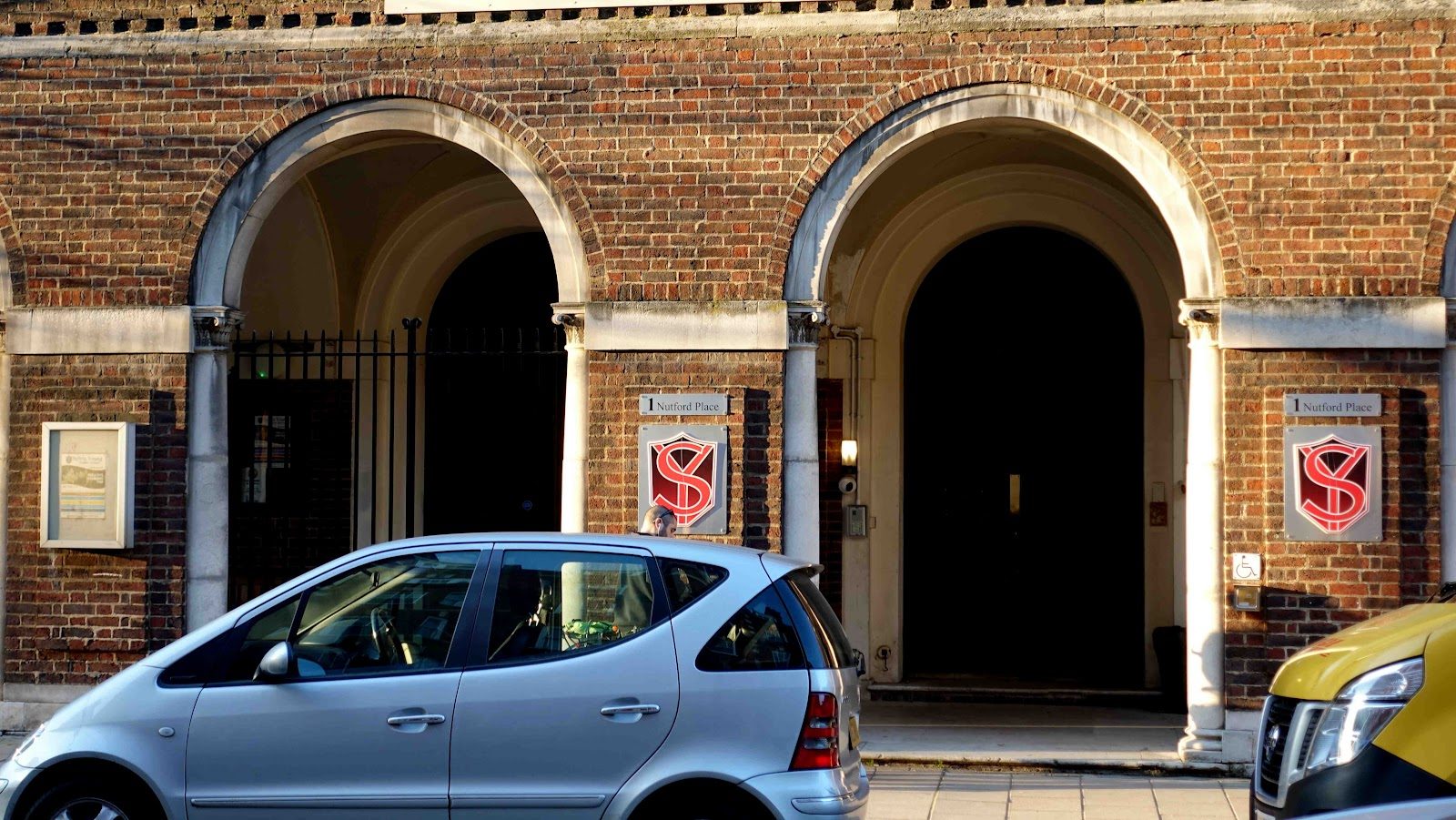
Sylvia Young Theatre School
Marylebone, London · United Kingdom
A split week of GCSEs and stagecraft, taught inside a converted Victorian church off Marble Arch
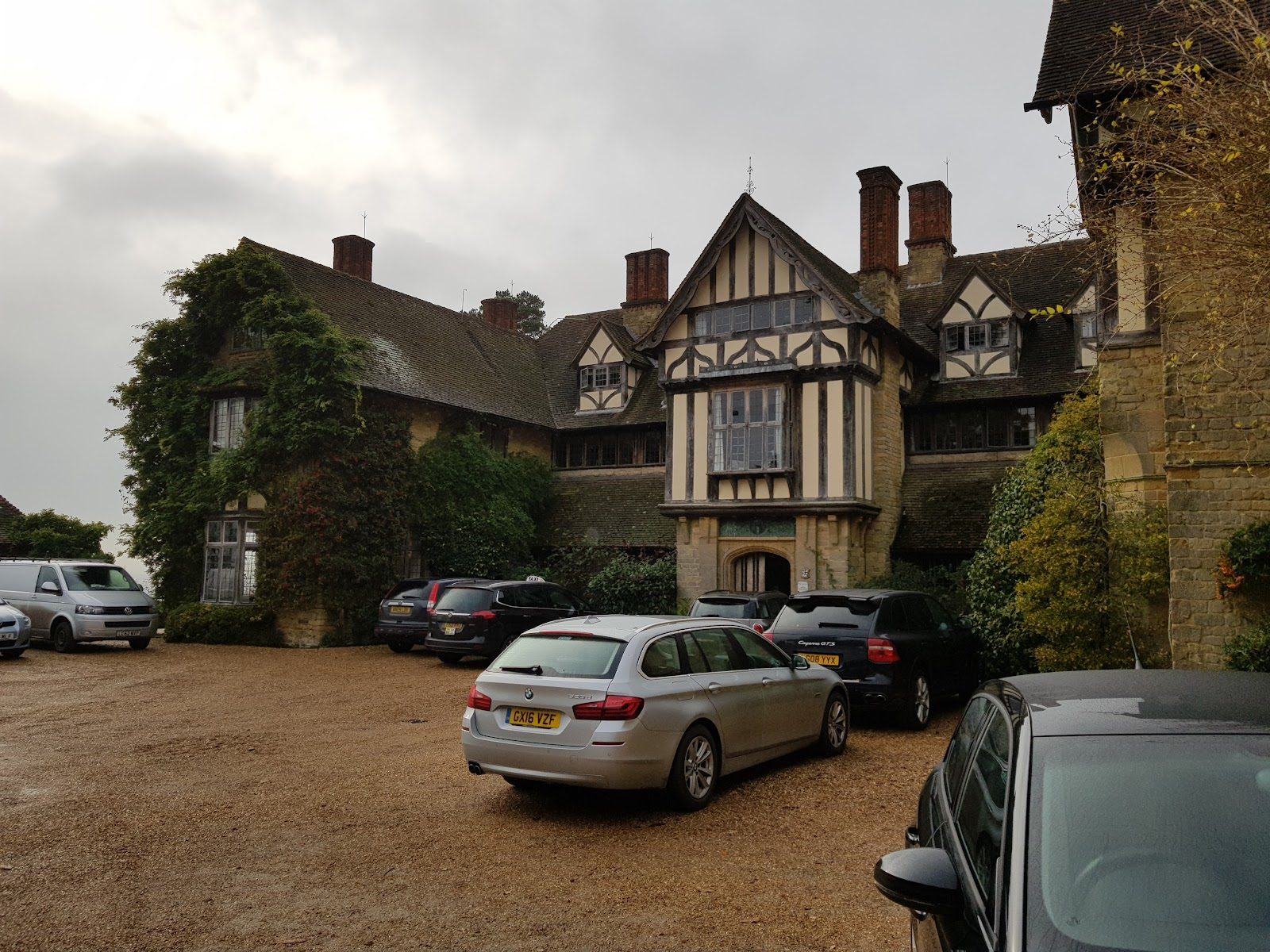
Hurtwood House
Holmbury St Mary, Surrey · United Kingdom
In the Surrey Hills, a sixth-form-only campus mounts 40 productions a year and still teaches filmmaking on 16mm.
ArtsEd Day School & Sixth Form
Chiswick, London · United Kingdom
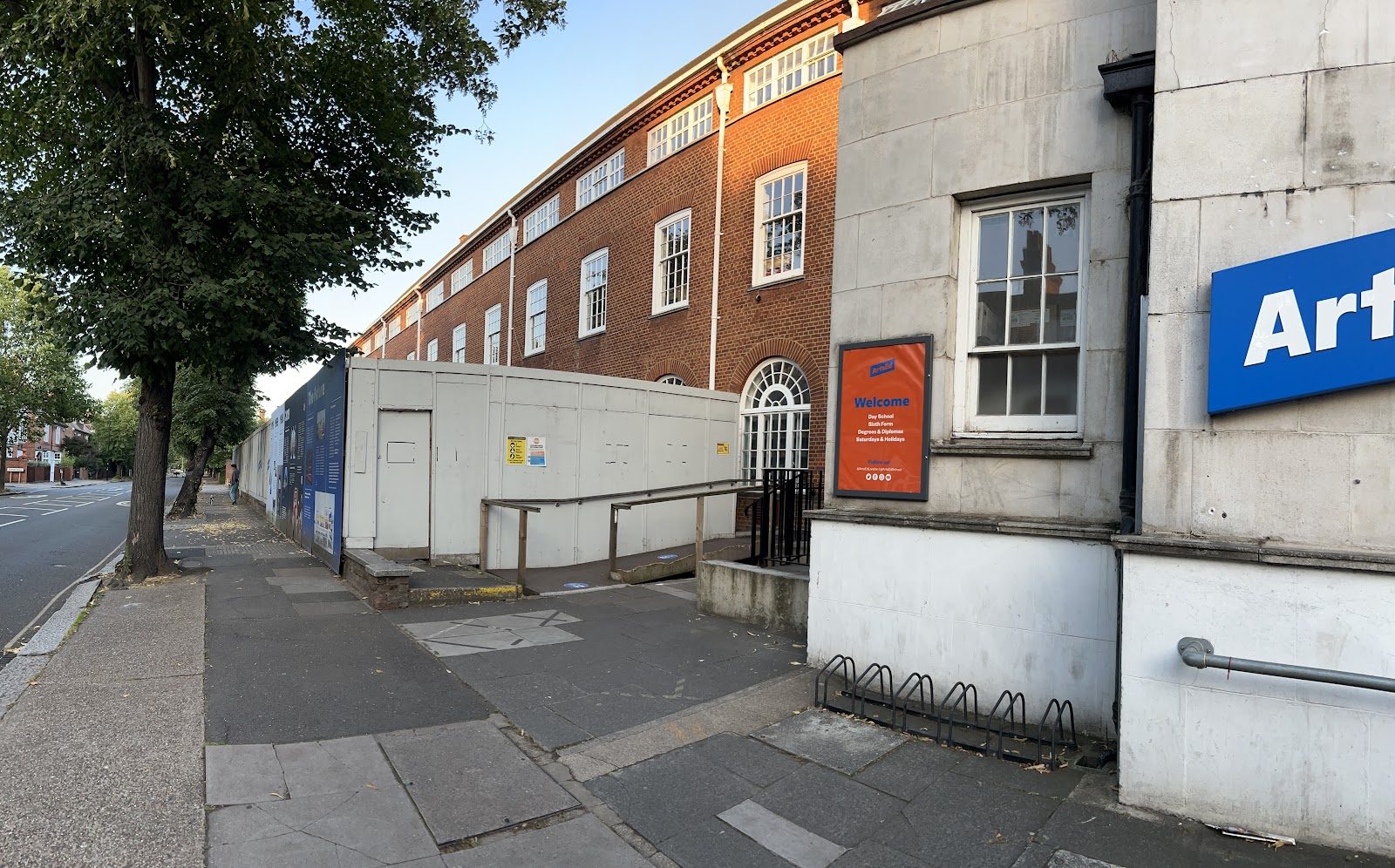
Three-quarters academic timetable, one quarter stagecraft: GCSEs and A-Levels run alongside a BTEC Extended Diploma in performing arts on a Chiswick campus built for the stage.
LIPA Sixth Form College (Acting)
Liverpool · United Kingdom
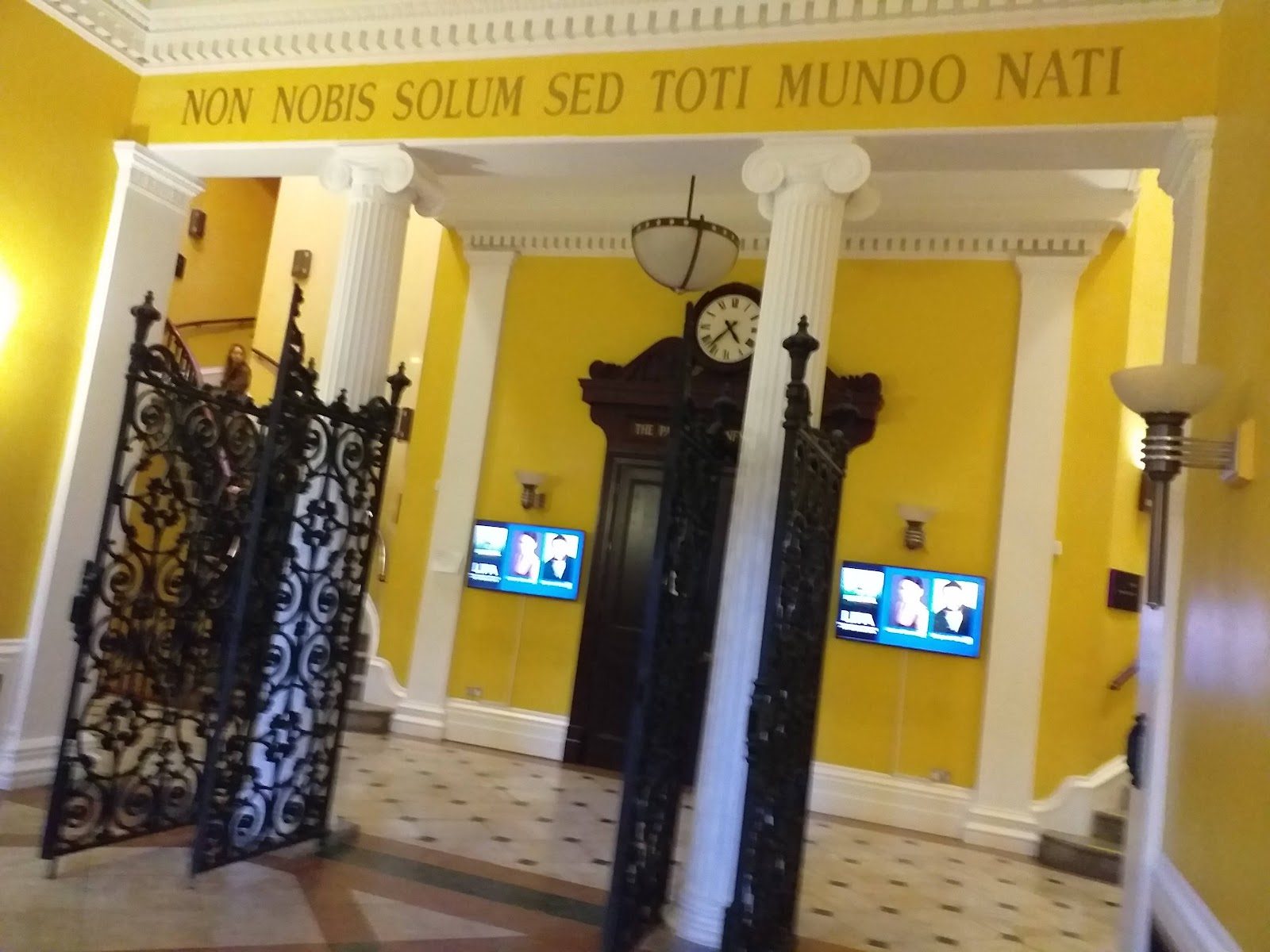
On Liverpool's Hope Street, purpose-built studios and a 100-seat theatre train BTEC actors for the professional stage.
Same specialism, country and curriculum — closest matches within ±10 points either way