
Provence-Alpes-Côte d'Azur
Mouratoglou Academy & School
Elite tennis training and the French Baccalaureate share equal billing across 33 courts on the Cote d'Azur.
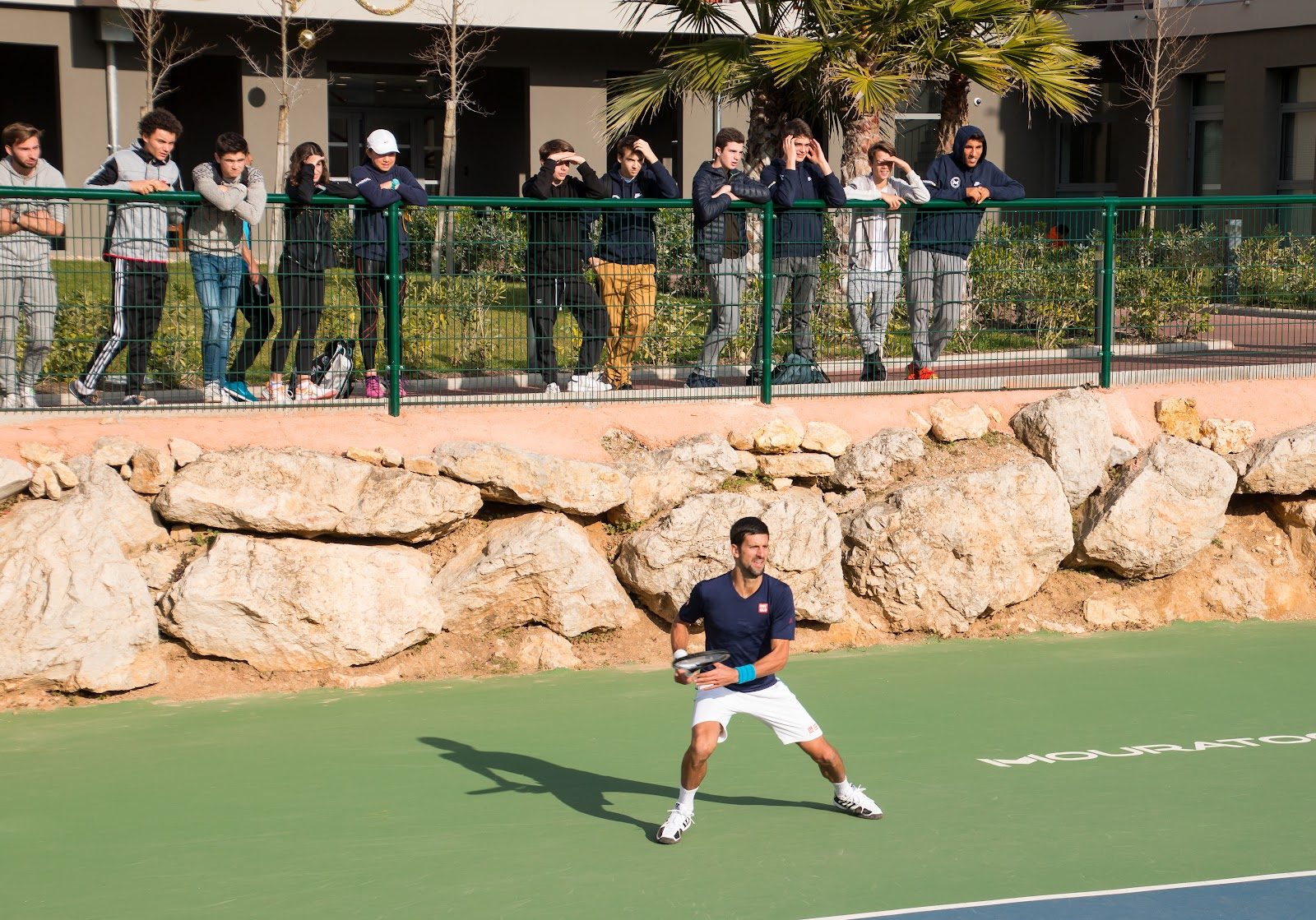
Photo © Mouratoglou Tennis Academy via Google Maps
Type
Boarding + Day
Ages
6–18
Curriculum
French Baccalaureate
Ratio
—
The Verdict
Editor's commitment
Right for
Serious junior players aged 6–18 who want boarding or day school in Sophia Antipolis with French Baccalaureate study beside elite tennis.
Wrong for
Families wanting a conventional school first; this 250-student academy puts intensive training on 33 courts at the centre of daily life.
Watch out for
The academy trades on sporting prestige, not academic disclosure: it publishes French Baccalaureate as curriculum, but no aggregate exam results.
Ranking breakdown
Mouratoglou Academy & School · #1444 of 1591
Composite score 50.7. 8 weighted criteria.
By criterion
Academic Outcomes
Weight 20%
#1518
of 1529 scored
University Placement
Weight 16%
#1517
of 1529 scored
Prestige & Heritage
Weight 12%
#1324
of 1571 scored
Alumni Network
Weight 12%
#1082
of 1530 scored
Facilities
Weight 12%
#12
of 1533 scored
Transparency & Communications
Weight 8%
#1517
of 1532 scored
Peer & Industry Review
Weight 10%
#38
of 1548 scored
Admissions Selectivity & Demand
Weight 8%
#1156
of 1529 scored
Peer & Industry Review
How Mouratoglou Academy & School is regarded in the sector
82
Strong · medium confidence
Mouratoglou Academy & School occupies a distinct niche: it is primarily known within the professional tennis and elite sports-training world rather than within mainstream academic peer networks. Its reputation rests heavily on founder Patrick Mouratoglou's profile as a high-performance coach (notably associated with Serena Williams), and on the academy's roster of touring professionals and junior prospects who train on-site, which gives it strong recognition among sports academies and international tennis federations rather than among traditional academic prep schools. Because its core identity is a sports academy with an attached study program (accredited via partnerships for the academic component), it does not appear in conventional independent-school review outlets such as Good Schools Guide or WhichSchoolAdvisor, nor in national newspaper academic league tables (e.g., Le Figaro or L'Etudiant rankings), which focus on classic French lycees and international schools. University admissions commentary specific to this school is not publicly documented. Its standing is therefore best described as elite within sports-academy and tennis-industry circles, with limited visibility or benchmarking in mainstream academic peer-review contexts.
Award

Elite Sport 80
World's Top School · The Global Ranking
Mouratoglou Academy & School is featured on our Global Top 80 ranking at #30. This seal is available for the school's marketing team to use on their website, prospectus and social channels.
- Grigor Dimitrov — Professional tennis player, Bulgaria
- Coco Gauff — Professional tennis player, USA
- Marcos Baghdatis — Professional tennis player, Cyprus
Editors' overview
Mouratoglou Academy & School sells a clear proposition: serious tennis, with school built around it rather than bolted on afterwards. On the Côte d’Azur campus in Sophia Antipolis, the scale is the first point that matters — 33 courts across a 13-hectare site, more than 250 students in the tennis-study track, and boarding alongside day provision for ages 6–18. The school declares the French Baccalaureate, with teaching in French and English. That combination places it in a narrow market: families who want a conventional school path to run in parallel with elite athletic ambition, not replace it. This is not a broad all-round independent school with strong sport. It is a tennis academy with a school.
What sets it apart is intensity. The academy has built its name on high-performance coaching, daily training, medical follow-up, and a culture organised around repetition, discipline and measurable improvement. Parents looking for polished pastoral rhetoric or a wide menu of extracurriculars are shopping in the wrong category. Mouratoglou’s appeal lies in competitive seriousness, professional routine and a campus where tennis carries equal billing with academics. The multicultural intake also matters: students train and study alongside peers who have travelled for the same reason, which sharpens standards and strips away any illusion that talent alone is enough.
The school belongs on a shortlist for one type of family above all: those with a child whose tennis is already central to family decision-making, and whose academic route still matters. For that group, the offer is compelling. A student who will thrive here is resilient, coachable, and comfortable with a schedule that leaves little room for drift. They need to want long practice blocks, constant correction and the daily grind of performance sport. Students who want a conventional campus life, broad subject choice or an identity not defined in large part by tennis will find the model constraining.
There are limits, and parents should face them directly. The public emphasis falls overwhelmingly on tennis infrastructure, athlete development and star associations; the school does not publish the kind of academic outcome data that would let parents judge the French Baccalaureate provision in the same hard-edged way. That does not weaken the central proposition. It clarifies it. Mouratoglou is for families buying total immersion in a high-performance tennis environment, with formal schooling kept in place. For the right child, that is a rare combination; for the wrong one, it is far too narrow.
An Elite Sport 80 school
The Mouratoglou Academy in Sophia Antipolis on the French Riviera sits at rank thirty on the Elite Sport 80 because it combines a genuinely elite tennis training environment — Serena Williams's former base — with a fully accredited on-site international school offering French, English and IB pathways. Multiple ATP and WTA main-draw juniors have been developed on campus since 2016, and its adult professional-training operation means pupils are constantly training alongside tour players.
The specialism is tennis, delivered under the direction of Patrick Mouratoglou, one of the most decorated coaches on the professional tour. Facilities include 34 courts across multiple surfaces (clay, hard, indoor), a full sports-science and medical department and a video-analysis suite. Padel, physical preparation and mental performance all run alongside as structured programmes. Football has been added in partnership with several European academies as a secondary offering.
Notable alumni and current on-court affiliates include Serena Williams (long-term Mouratoglou-coached), Coco Gauff (developed through associated programmes), Stefanos Tsitsipas (short-term training blocks), Holger Rune and — from the pure-junior side — a growing roster of ITF junior finalists and Grand Slam junior main-draw players.
International openness is a core feature. Roughly 50 nationalities are represented on campus in a typical year; boarding is standard, ESL is integrated, and French student visas are handled by the school. Admissions is by tennis assessment plus academic file — no residency, federation or citizenship gates. Fees sit in the €65,000-85,000 range for full-time residential tennis-plus-school programmes depending on intensity, positioning it slightly below the Nadal Academy but with a similar Grand Slam-adjacent training atmosphere. For a family relocating specifically to develop a tennis prospect through senior school with English-language IB or French Baccalauréat academics, Mouratoglou is one of the two most obvious European destinations alongside the Nadal Academy. Boarding accommodation and the French student visa process should be started 9-12 months in advance for overseas families targeting an entry into the academy.
Academic Performance
Academic performance is the opaque part of the Mouratoglou proposition. The school declares the French Baccalaureate, but it does not publish pass rates, distinction rates, subject-by-subject outcomes, or destination data that would let parents benchmark the academic side against France’s stronger sport-study schools or against conventional independent schools. That gap matters. In a school where elite training drives the timetable, the burden sits on the school to prove that exam preparation remains robust. Here, that proof is absent from the public domain. Families therefore buy into a model built on sporting credibility and institutional confidence, not on published academic evidence. The only scale markers on offer are the wider academy’s intake — more than 5,000 camp participants and over 250 tennis-study students each year — and neither tells you how pupils perform in external examinations.
Relative to peers, that places Mouratoglou in a weak position on transparency and a strong position on specialism. Schools with comparable athletic ambition but serious academic claims publish hard data. Mouratoglou does not. That does not mean results are poor; it means parents cannot verify them before committing to an expensive, high-intensity path. For families whose first question is whether a child can keep academic options open while training at volume, the school needs to provide individualised evidence directly: recent Baccalaureate outcomes, university destinations, and examples of how top athletes manage exam loads. Without that, academic performance remains the least substantiated part of the offer.
Facilities
Facilities are the school’s strongest tangible asset, and they are built for one purpose: high-volume tennis training. The headline is the court stock — 33 courts on a sprawling site — backed by an on-campus boarding set-up, a collège-lycée, dedicated coaching and medical follow-up. That matters more than glossy architecture. At peer sports schools, parents often find a compromise: decent training space grafted onto a conventional campus, or strong sport with weak integration into the school day. Mouratoglou does not operate like that. Here, the physical plant supports a single-minded performance routine in which lessons, recovery and court time sit in one system. For a junior player chasing ranking progress, that is a serious competitive advantage.
Against specialist tennis rivals, the facilities stack up strongly on scale and integration, and less strongly on breadth. Families looking for theatres, science centres, design labs or a deep bench of non-sport spaces will find a narrower proposition. The public case for the campus rests on training infrastructure, not on a rounded educational estate. That is not a flaw in itself; it is the model. The school also talks about innovation and a multicultural environment, but the hard facilities story remains tennis first, school second. For the right student, that focus is exactly the point. For anyone wanting a broader all-round campus experience, it is too specialised by half.
Mouratoglou Academy & School sells a clear proposition: serious tennis, with school built around it rather than bolted on afterwards
Prestige
Mouratoglou carries real prestige, but it is narrow prestige, not the broad social or academic cachet of a famous all-round school. Its status rests on one thing: elite tennis. In that field, the brand is powerful. The academy trades on international recognition, a visible network of global sites, and direct association with players who reached the top tier of the professional game. For ambitious junior players, that matters. Families buying into this model are not paying for old-school institutional polish or a deep academic reputation; they are paying for entry into a high-performance ecosystem with serious credibility in one sport. The scale of the operation reinforces that impression: more than 5,000 annual camp participants and over 250 full tennis-study students create a sense of momentum, competition and professional routine that smaller sports schools cannot match.
That said, the prestige has clear limits. Outside tennis circles, the name does not carry the same weight as an established academic lycée or a grand international school brand. The school’s public case for itself leans heavily on champions, training culture and aspiration. That gives it star power and aspirational shine, but not institutional depth in the conventional educational sense. We rate its prestige as high within its specialist lane and modest beyond it. If your child’s life revolves around competitive tennis, Mouratoglou has clout. If you want prestige that converts cleanly into academic confidence or wider social recognition, the case is thinner.
Mouratoglou’s uniqueness lies in that refusal to dilute its core purpose
Communications
Parent communication is functional, brand-led and built for sales volume. The public-facing operation is multilingual, easy to navigate and clearly designed to channel enquiries fast: contact routes sit front and centre, the team advertises availability 7J/7, and prospective families can sort quickly between camps, tennis-study and other programmes. That level of access matters for an international intake making time-sensitive decisions around travel, training blocks and school placement. The weakness is equally clear. The tone is promotional, relentlessly aspirational and dominated by tennis messaging, ambassadors and performance language. Parents get a strong sense of the academy’s confidence and tempo, but not a strong sense of school life in the ordinary parental sense: reporting rhythms, leadership visibility, academic oversight, complaint routes, or how concerns are handled when a child is injured, struggling or off form.
That makes the communications effective at attracting the right buyer and weaker at informing a cautious parent. The academy communicates its core promise with hard commercial clarity: this is a place for intensive sport, serious routine and constant progression. It communicates less well on the quieter machinery that parents still need once a child has enrolled. We have not seen published detail on academic reporting, parent portals, governance transparency or the cadence of family updates. For a specialist school asking families to hand over a large part of a child’s daily life, that gap is material and not a trivial omission. The messaging is strong on ambition, thin on accountability.
Uniqueness
What makes Mouratoglou distinct is not just that it combines school with sport, but that it organises childhood around performance sport as the main event. Plenty of schools claim to support talented athletes; far fewer build the day, the adult supervision and the peer group around that priority. Here, the student body is shaped by one pursuit, and that changes the atmosphere. A child is not the lone serious player missing lessons for tournaments while the rest of the class gets on with ordinary school life. They are surrounded by others making the same trade-offs, absorbing the same corrections, and living inside the same cycle of practice, recovery and scrutiny. With more than 250 students in the tennis-study stream and over 5,000 camp participants each year, the academy has the scale to create a true specialist culture, not a token elite-sport add-on.
For students, that brings clear advantages and clear costs. The advantage is immersion: coaching, medical follow-up, dedicated support and a hard-edged daily routine that normalises discipline. The multicultural intake adds another layer, exposing children to competitors from different countries and tightening standards fast. For the right student, that is transformative. It builds resilience, time management and comfort with pressure. The cost is breadth. A child who wants to explore many identities at once, drift between interests, or keep tennis in its place as one strength among several will find the model constricting. Mouratoglou’s uniqueness lies in that refusal to dilute its core purpose.
The school declares the French Baccalaureate, with teaching in French and English
Student Profile
The right student for Mouratoglou has already made tennis central to daily life. This is not the place for a child who merely enjoys the sport, wants a stronger games programme, or likes the idea of training in the sun. It suits a young player who can tolerate repetition, correction and comparison without losing heart; who treats practice as work, not recreation; and who can live inside a timetable where school and sport press hard against each other. The peer group matters here. With more than 250 students in the tennis-study stream and more than 5,000 camp participants moving through the wider academy each year, standards are set by other ambitious players, not by the average school athlete. That creates a driven, competitive and at times unforgiving environment.
Personality counts as much as talent. Students who fit well are resilient after bad sessions, coachable when instruction is blunt, and steady enough to handle the emotional swings of individual sport. They also need a degree of independence: boarding, travel, recovery, injury management and academic catch-up all demand self-command. The school’s multicultural intake will suit children who enjoy being pushed by peers from different countries and who do not need a soft social landing. Students who want breadth, spontaneity or a campus identity not dominated by one pursuit will find the culture narrow, intense and not for the faint-hearted.
That combination places it in a narrow market: families who want a conventional school path to run in parallel with elite athletic ambition, not replace it
Co-curricular strengths
Arts & sport, on a separate axis
Overall 6.18/10
Scored 0-10 from the school's own published evidence. This axis is editorial-only — it does not feed the main WTS ranking.
Strengths
- +Founded by Patrick Mouratoglou, a coach who has worked with several top-ranked professional tennis players, giving the tennis programme international visibility.
- +Located within the Sophia Antipolis technology park on the French Riviera, offering a mild climate and extensive outdoor training facilities year-round.
- +Combines the French Baccalaureate curriculum with a structured elite tennis training schedule, allowing student-athletes to pursue academics alongside competitive sport.
- +On-site boarding accommodation is provided, which suits families sending children from overseas specifically for intensive tennis development.
- +The academy has hosted professional and junior tennis events, giving students exposure to a competitive training environment.
Considerations
- −The school's primary identity is as a tennis academy; academic offerings are built around the sport rather than a broad, university-preparatory curriculum.
- −Fees for boarding and elite training programmes are understood to be substantial, though exact current figures are not independently published on the school's site.
- −Its narrow focus on tennis means the cohort is small and specialised, which may not suit students seeking a wide range of subjects, extracurriculars, or a large peer group.
- −Location in Sophia Antipolis is relatively remote from major international transport hubs compared with schools based directly in cities like Nice or Paris.
Gallery
Photo © Mouratoglou Tennis Academy via Google Maps
Photo © Mouratoglou Tennis Academy via Google Maps
Photo © Gautam Ramakrishna via Google Maps
Photo © Iskra Ivanova via Google Maps
Photo © papaioannou gr via Google Maps
Photo © Ivica Strainovic via Google Maps
Photo © Cédric Sette via Google Maps
Parent reviews
Have you sent your child here?
Voice reviews carry the strongest trust badge — we transcribe them for you to tidy up before they go live. Prefer to type? A written review is fine too.
Add your voice
In 60 seconds, tell other parents: what's the best thing about Mouratoglou Academy & School, and what surprised you when your child joined?
We ask for a Google sign-in so every review has a real face behind it — no anonymous drive-by attacks on schools, and no faked positive reviews. Your email is never shown publicly.
Send this profile to a friend
International parents rely on word-of-mouth. Share this review with someone weighing the same decision.
Schools with places
Similar schools to Mouratoglou Academy & School with places available now.
École Alsacienne
Paris · France
- 2026-27
- CLOSEDStandard route
- 2027-28
- OPENS SOONOpens Sept/Oct '26
The British School of Paris
Paris · France
- 2026-27
- WAITPOOLSpace-dependent
- 2027-28
- PLACES OPENRolling
École Saint-Louis de Gonzague
Paris · France
- 2026-27
- CLOSEDStandard route
- 2027-28
- OPENS SOONOpens Oct/Nov '26
École Jeannine Manuel
Paris · France
- 2026-27
- CLOSEDStandard route
- 2027-28
- OPENS SOONOpens Oct '26
Availability first, then country, area, curriculum, price, co-curricular
Consider also
Also worth looking at alongside Mouratoglou Academy & School.
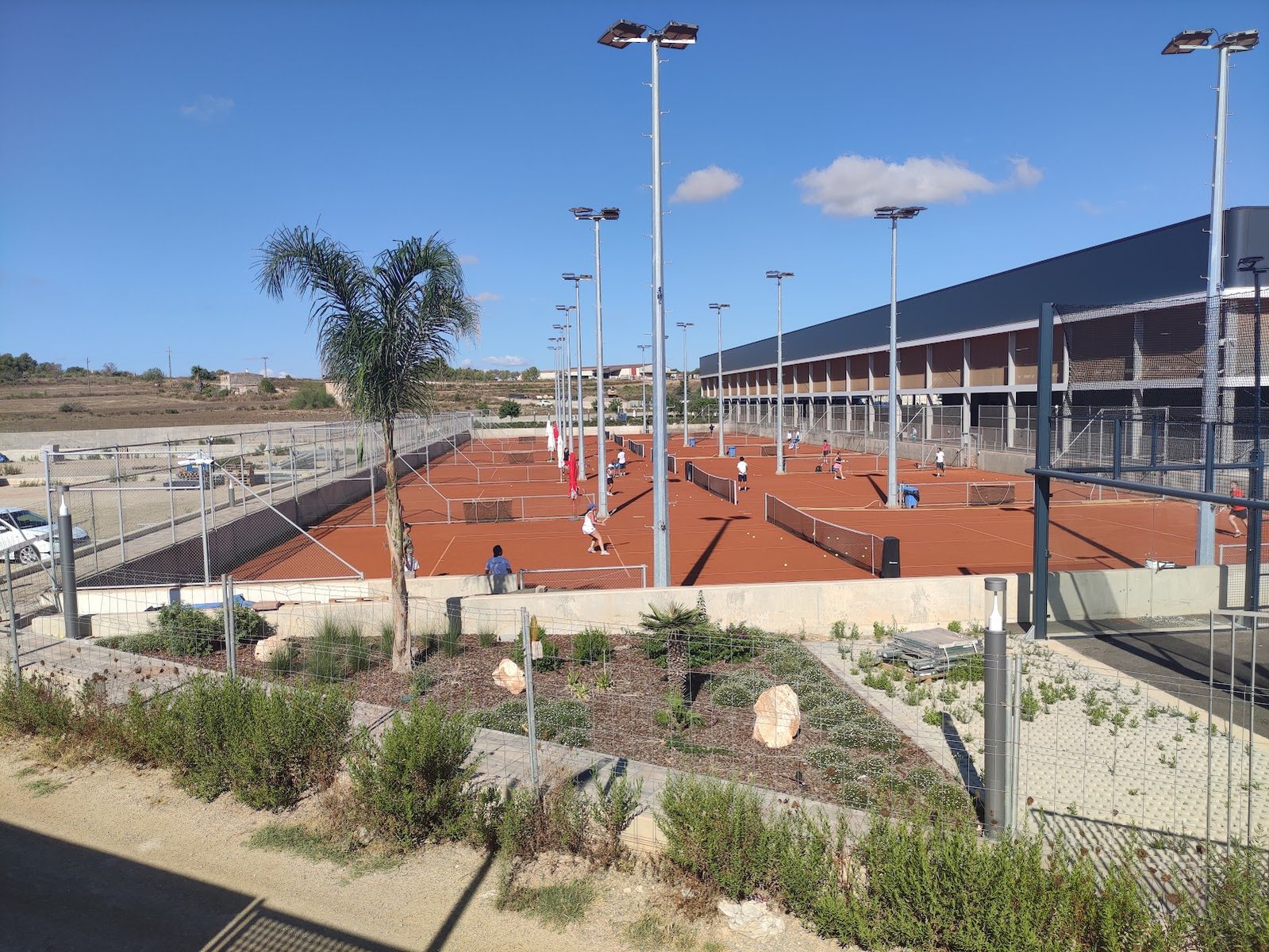
Rafa Nadal Academy
Manacor, Mallorca · Spain
In Manacor, Rafael Nadal's hometown, an American diploma curriculum shares 45 tennis courts with a pipeline toward NCAA scholarships.
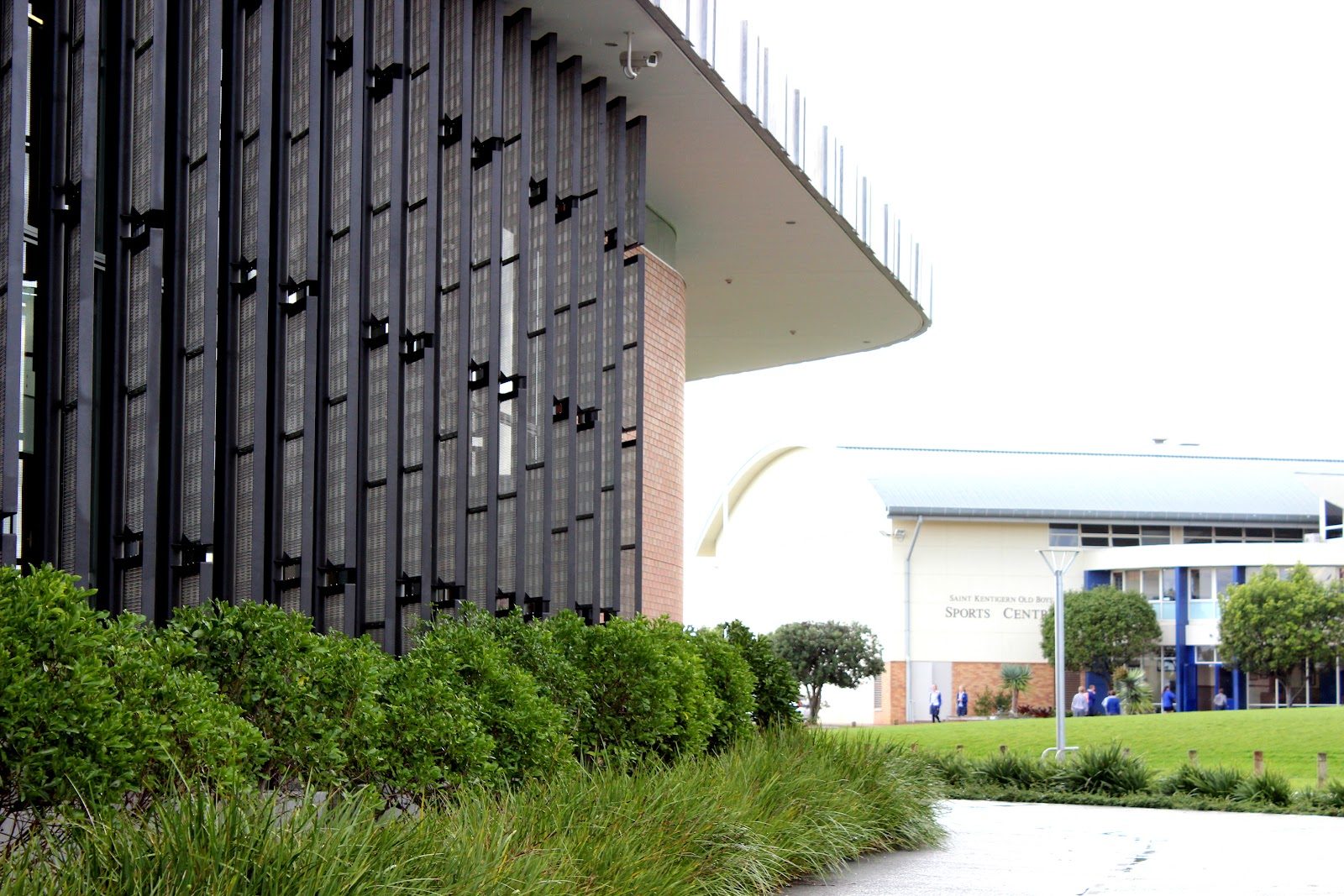
St Kentigern College
Auckland · New Zealand
On a Tamaki Estuary campus, this Presbyterian day-and-boarding school teaches boys and girls in parallel classrooms before NCEA unites them
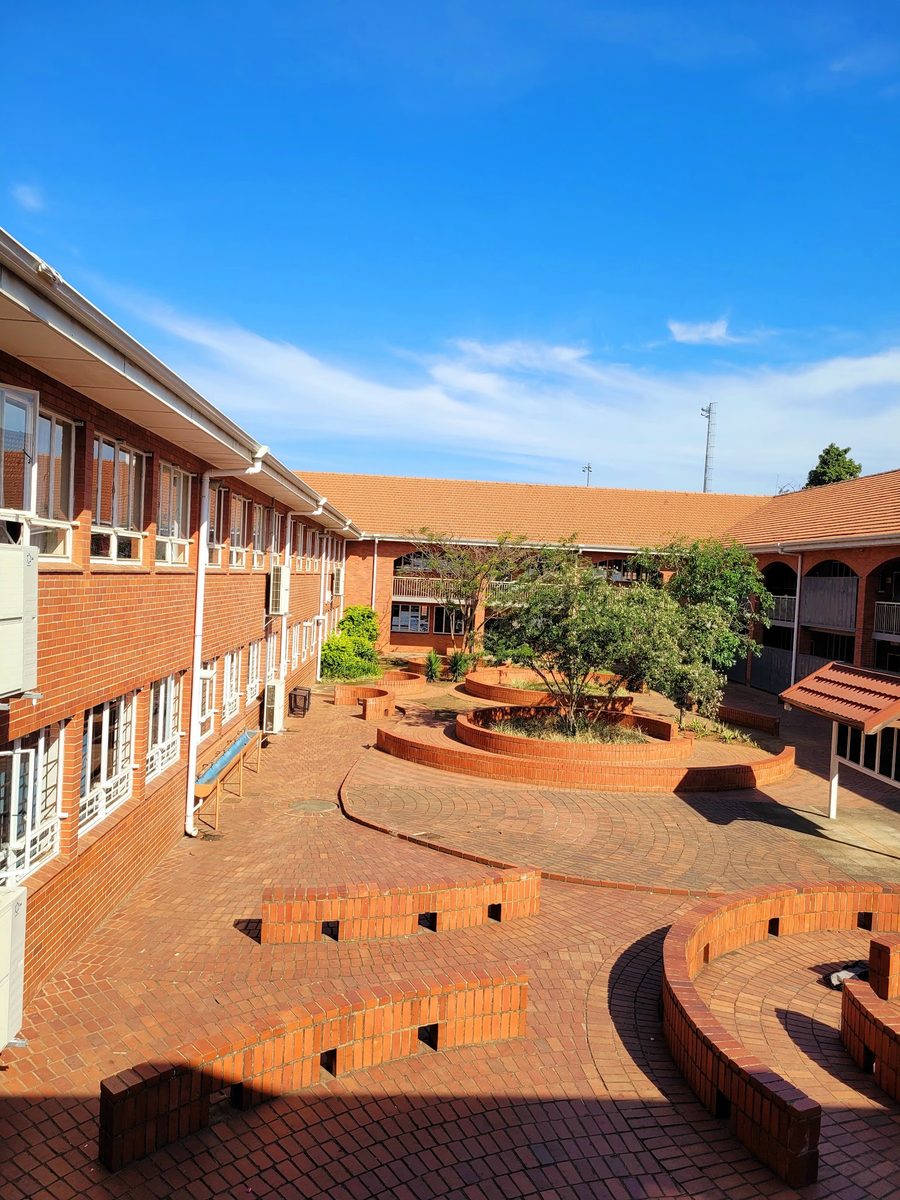
Maritzburg College
Pietermaritzburg · South Africa
Since 1863, KwaZulu-Natal's oldest boys' school has turned Victorian-era tradition into a rugby pedigree few provincial rivals can match.
Hamilton Boys' High School
Hamilton · New Zealand
On Peachgrove Road, boarders and day boys share a rugby and rowing pedigree unmatched among New Zealand's schoolboy programmes.
Same specialism, country and curriculum — closest matches within ±10 points either way