
Waikato
Hamilton Boys' High School
On Peachgrove Road, boarders and day boys share a rugby and rowing pedigree unmatched among New Zealand's schoolboy programmes.
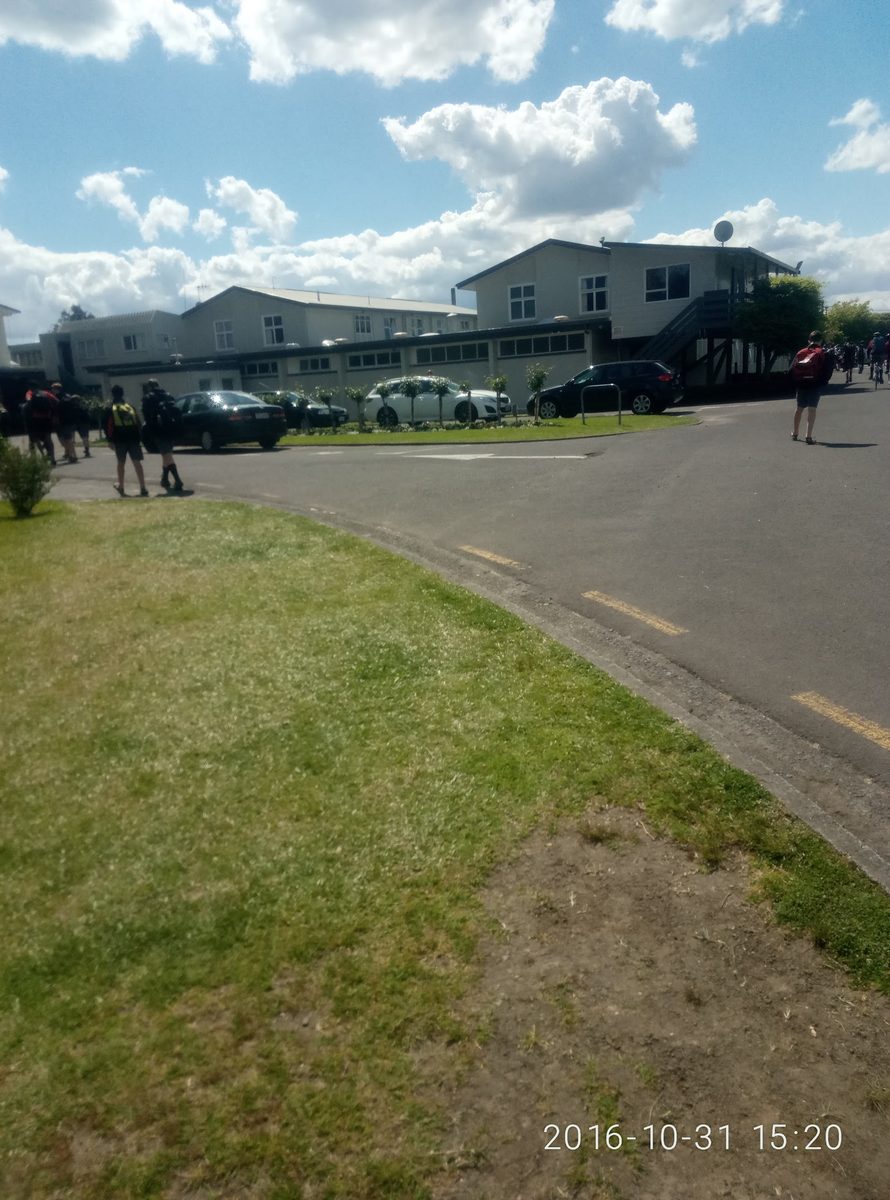
Photo © Jesse White via Google Maps
Type
Both
Ages
13–18
Curriculum
NCEA
Ratio
—
The Verdict
Editor's commitment
Right for
Boys aged 13–18 who want NCEA in English at a secular Hamilton school with day and boarding options on Peachgrove Road.
Wrong for
Families wanting co-education, IB or Cambridge: this is a boys’ secondary school in Hamilton with NCEA, English teaching and boarding.
Watch out for
Opened in 1955 and now the Waikato’s largest secondary school, it carries scale and a hard-edged sporting identity over boutique intimacy.
Ranking breakdown
Hamilton Boys' High School · #1421 of 1591
Composite score 51.5. 8 weighted criteria.
By criterion
Academic Outcomes
Weight 20%
#1481
of 1529 scored
University Placement
Weight 16%
#1488
of 1529 scored
Prestige & Heritage
Weight 12%
#1219
of 1571 scored
Alumni Network
Weight 12%
#900
of 1530 scored
Facilities
Weight 12%
#1333
of 1533 scored
Transparency & Communications
Weight 8%
#725
of 1532 scored
Peer & Industry Review
Weight 10%
#424
of 1548 scored
Admissions Selectivity & Demand
Weight 8%
#1523
of 1529 scored
Peer & Industry Review
How Hamilton Boys' High School is regarded in the sector
72
Respected · medium confidence
Hamilton Boys' High School is consistently ranked among New Zealand's top state boys' schools, regularly cited alongside Auckland Grammar, Wellington College and Christ's College in national secondary league tables based on NCEA and University Entrance results. Its 1st XV rugby and rowing programmes give it strong recognition within New Zealand Secondary Schools sporting circles, with frequent appearances in national finals reported by Fairfax/Stuff and NZ Herald sports pages, reinforcing peer respect among other traditional boys' schools. University of Auckland and University of Otago admissions data and school-leaver destination reports place a significant proportion of HBHS graduates into competitive degree programmes such as engineering, medicine and law, indicating solid academic throughput valued by tertiary institutions. Independent commentary is largely confined to NZ education press (Education Review Office reports, ERO ratings are consistently positive) rather than international guides like Good Schools Guide, since it is a New Zealand state school outside the UK/international independent school review ecosystem; WhichSchoolAdvisor coverage is minimal or absent.
Award

Elite Sport 80
World's Top School · The Global Ranking
Hamilton Boys' High School is featured on our Global Top 80 ranking at #22. This seal is available for the school's marketing team to use on their website, prospectus and social channels.
- Stephen Donald — Rugby player, All Blacks
- Liam Messam — Rugby player, All Blacks
- Sitiveni Sivivatu — Rugby player, All Blacks
Editors' overview
Hamilton Boys' High School sits in a clear segment of the New Zealand market: a big, established boys’ school with boarding, a long competitive tradition and serious reach across the Waikato. It opened in its current form in 1955, after the earlier Hamilton High School split into separate boys’ and girls’ schools, and it now stands as the largest secondary school in the region. That scale matters. Parents are not buying intimacy here; they are buying breadth, institutional muscle and a school culture built around boys in the 13–18 age range. The draw is obvious: hard-edged school spirit, competitive energy and a campus culture where sporting identity carries real weight.
What marks Hamilton Boys’ High out is not a boutique academic proposition but a powerful all-round boys’ school model anchored in NCEA, boarding and a strong public reputation in rugby and rowing. The editorial tagline gets to the point: boarders and day boys share a pedigree in those programmes that few New Zealand schools can match. For the right student, that is not window dressing; it shapes daily life, peer status and ambition. Families who want a school where the pulse of the place runs through teams, fixtures and collective pride will find a compelling option here. Families who want a quieter, more pastoral, less tribal environment need to recognise what this school is and what it is not.
The school belongs on a shortlist for boys who thrive in a structured, traditional setting with clear expectations, strong peer culture and plenty of outlets for competition. It will suit the boy who wants to test himself, who enjoys being part of a large institution and who draws confidence from a sense of belonging to something bigger. Boarders in particular get access to deep-rooted camaraderie that day schools cannot replicate in the same way. It is a weaker fit for boys who need a small-scale environment, a softer social atmosphere or a school identity led first by arts or progressive educational philosophy. Hamilton Boys’ High offers old-school momentum and institutional heft. For many families, that is exactly the point.
An Elite Sport 80 school
Hamilton Boys' High School is at rank twenty-two on the Elite Sport 80 because, from the New Zealand Waikato heartland, it has produced a steady stream of All Blacks, Chiefs Super Rugby regulars and Black Caps cricketers, and consistently competes at the top of New Zealand's national schoolboy rugby competition. It has, in recent years, been national 1st XV champions, and its cricket 1st XI similarly features prominently in national schools tournaments.
The specialisms are rugby (a formal academy model with links to the Chiefs franchise and its Waikato feeder province), cricket (with a Black Caps and Northern Districts pipeline), rowing, athletics and basketball. The school takes rugby with a professionalism unusual even by New Zealand standards, with a full-time performance coaching team and integrated strength-and-conditioning during the season.
Notable alumni across codes include Warren Gatland (former Wales head coach), Sean Fitzpatrick's era of All Blacks captains, current All Blacks such as Damian McKenzie, and — in cricket — a rolling roster of Northern Districts and Black Caps players. Basketball has produced several NBL players and, more recently, NCAA D1 recruits.
International openness is genuine. The school admits overseas pupils each year — approximately 3-4% of the roll is international — with a formal International Department, an on-site boarding hostel and integrated ESL support. Language of instruction is English. Fees are extremely competitive by international-boarding standards, sitting around NZ$40,000-48,000 all-in — substantially below any equivalent British boarding school and roughly a third of most US boarding academies. Admissions is a standard application plus a sport-specific reference or trial where relevant. New Zealand student visas are straightforward for full-time enrolment. For a family targeting a genuine All Blacks pathway from anywhere outside New Zealand, Hamilton Boys' offers one of the highest-value elite-sport-plus-academic packages on this list. Boarding accommodation and the New Zealand student visa process should be started 9-12 months in advance for overseas families targeting an entry into the school.
Academic Performance
Hamilton Boys’ High School does not publish aggregate NCEA outcomes in the source set here, so any parent looking for a clean, school-wide academic scoreboard runs into an immediate problem: the public picture is incomplete. That matters because this is a large, high-profile boys’ school in a competitive part of the market, and schools in that bracket need to show attainment clearly. Without published headline measures such as NCEA pass rates by level, endorsement rates, University Entrance figures or subject-by-subject strength, it is impossible to place the school with precision against New Zealand’s stronger state and state-integrated boys’ schools. The absence of that data does not prove weak results, but it does leave academic performance more opaque than it should be.
What can be said with confidence is that Hamilton Boys’ High operates in a peer group where serious families will compare not just sporting prestige but hard attainment data. On academics, this school’s reputation in the public domain rests less on a forensic results narrative and more on institutional scale, tradition and co-curricular stature. That puts pressure on parents to ask direct questions: NCEA achievement by level, endorsement distribution, University Entrance attainment, scholarship outcomes, and performance at the top end as well as the middle. Until those figures are disclosed in a coherent way, Hamilton Boys’ High sits in the category of schools with real market presence but an academic record that is not publicly nailed down.
Facilities
Hamilton Boys’ High’s facilities matter most where the school’s identity is strongest: sport, scale and boarding. The key asset is not a single signature building but a campus set-up that can sustain a large boys’ roll and the daily logistics that come with it. For families choosing this school, the practical question is whether the grounds, training spaces and boarding provision support a high-pressure, competition-led school culture. On that front, the school starts from a position of strength. A major regional boys’ school with boarders needs substantial playing fields, organised training infrastructure and enough communal space to absorb a big student body without constant friction. That gives Hamilton Boys’ High an edge over smaller local schools that cannot match the same institutional scale or the same intensity of use.
The weakness is disclosure. The school does not publish a clear, detailed public account of its specialist facilities in the source set here, so parents do not get the sort of hard inventory that stronger communicators provide: named performance spaces, science provision, design workshops, strength and conditioning assets, boarding-house details or capital investment priorities. Against top peer schools, that is a gap. Schools with serious confidence in their estate spell out what they have and how boys use it. Hamilton Boys’ High still carries credible weight because its sporting reputation and boarding model require substantial infrastructure, but the public case for the campus remains less concrete than it should be.
Here, Hamilton Boys’ High is less rigorous than top operators
Prestige
Hamilton Boys’ High carries real domestic prestige in its market, but the source of that prestige is narrow and unmistakable. It comes from scale, permanence, regional dominance and a sporting name that travels well beyond its own gates. Being the largest secondary school in the Waikato gives the school public weight; people know it, rival schools measure themselves against it, and families read the badge as shorthand for a certain kind of masculine, competitive schooling. The sister-school pairing with Hamilton Girls’ High also reinforces that standing: this is part of an established local educational order, not a new entrant trying to manufacture status. Its motto and visual identity read traditional and institutionally confident, which matters in a market where prestige still attaches to heritage and recognisable symbols.
That said, this is not prestige in the polished, all-conquering sense of New Zealand’s most academically transparent independent heavyweights. It is sector-specific prestige: strongest among families who value rugby, rowing, house spirit, boarding culture and the social capital of a well-known boys’ school. In those circles, Hamilton Boys’ High has serious clout. Outside them, the case weakens because the school does not publish the kind of academic outcome data that turns reputation into a fully rounded claim of excellence. The result is a school with high name recognition and genuine status, but status built more on identity, tradition and co-curricular force than on a publicly evidenced academic edge.
Hamilton Boys' High School sits in a clear segment of the New Zealand market: a big, established boys’ school with boarding, a long competitive tradition and serious reach across the Waikato
Communications
Hamilton Boys’ High communicates from the standpoint of a big, established school: the essentials are easy to find, the institutional identity is strong, and the public message is disciplined. Parents can identify the school’s place in the local hierarchy, its sister-school relationship, its symbols and its sense of tradition without difficulty. That gives the school a clear public face. The problem sits one level deeper. Strong school communication does not stop at brand and basics; it also gives parents a working account of how the school performs, what it prioritises, and how daily life is organised. Here, Hamilton Boys’ High is less rigorous than top operators. We have not seen a public results narrative, a detailed facilities inventory, or a fuller evidence base that matches the school’s profile and scale.
That gap matters because this is not a small school trading on intimacy; it carries the expectations that come with being the largest secondary school in its region. Parents need more than atmosphere and identity. They need hard information delivered plainly, consistently and in one place: attainment data, boarding detail, pastoral structures, and sharper explanation of where the school is strongest beyond its public sporting cachet. On communications, then, the verdict is mixed. Hamilton Boys’ High does the front-end job capably, but the deeper layer remains too opaque. For families already inclined toward this kind of school, that will not kill interest. For analytical parents comparing options line by line, it is a real weakness.
Uniqueness
What sets Hamilton Boys’ High apart is the concentration of identity. Many schools offer sport, boarding and school spirit; fewer fuse them into a single high-voltage boys’ culture with this degree of public recognition. The school’s black-and-red symbolism, Latin motto and sister-school relationship with Hamilton Girls’ High all reinforce a model that is traditional, tribal and unmistakably local in its authority. This is not a school built around reinvention or educational fashion. It runs on continuity, status within its region and the social force that comes from belonging to a large, well-known institution. For students who want that, the effect is powerful: a strong badge, clear pecking orders, and a daily environment where loyalty and participation carry weight.
That distinctiveness brings real gains and real limits. Boys who thrive in competitive, high-commitment settings get access to a peer culture that rewards resilience, visibility and contribution to the life of the school. Boarders gain even more from that intensity, because community is not confined to the timetable. The upside is deep-rooted camaraderie and a sharpened sense of identity. The downside is just as clear. Boys who dislike overt hierarchy, who do not want their school life shaped by collective masculine codes, or who need a gentler atmosphere will find the culture hard work. Hamilton Boys’ High is unique not because it is unusual on paper, but because it delivers a full-force version of the classic New Zealand boys’ school experience.
Parents are not buying intimacy here; they are buying breadth, institutional muscle and a school culture built around boys in the 13–18 age range
Student Profile
The boy who fits here wants to belong to a big institution and has the temperament to live with its pecking orders. He does not need constant adult hand-holding, and he will not be knocked sideways by noise, scrutiny or competition. This school suits boys who like clear roles, team culture and the discipline that comes from being one among many rather than the centre of attention. Athletes, especially those drawn to the codes that carry status inside the school, will find a natural lane. Boarders and day boys who enjoy tribal school spirit, hard-edged camaraderie and a high-accountability culture will settle faster than boys who need privacy, softness or endless individual tailoring. The age range, 13–18, also matters: this is a full secondary run, so resilience and staying power count.
The weaker fit is just as clear. A shy boy can thrive here, but only if he has a firm internal compass and at least one strong point of attachment, whether academic, social or co-curricular. Boys who dislike masculine group culture, resist uniform expectations, or want a school identity led by introspection, arts-first programming or gentler pastoral rhythms will find the environment demanding. This is also not the place for families who expect every child to be treated as an exception. Hamilton Boys’ High works best for boys who gain energy from scale, tradition and shared endeavour, and who read a school’s reputation as something to carry, defend and add to.
The draw is obvious: hard-edged school spirit, competitive energy and a campus culture where sporting identity carries real weight
Co-curricular strengths
Arts & sport, on a separate axis
Overall 7.46/10
Scored 0-10 from the school's own published evidence. This axis is editorial-only — it does not feed the main WTS ranking.
Strengths
- +Long-established state secondary school for boys, founded in 1911, with a strong tradition in Waikato region education.
- +Large roll of around 2,600 students gives access to a wide range of subjects, sports codes and extracurricular options rarely matched by smaller schools.
- +Well-known nationally for its rugby programme, having developed numerous players who have gone on to provincial, Super Rugby and All Blacks honours.
- +Offers on-site boarding (School House), giving international and rural families a structured pastoral option alongside day schooling.
- +Follows the NCEA framework, which is recognised by New Zealand universities and provides flexible subject-level assessment rather than a single terminal exam.
Considerations
- −Single-sex boys' environment will not suit families wanting co-education throughout secondary schooling.
- −As a large state school, class sizes and pastoral ratios are less individualised than smaller independent or international schools.
- −NCEA is less internationally portable than IB or A-Levels, which can matter for families planning further moves abroad.
- −Being a mainstream state school with a strong local intake, the international/boarding cohort is a minority presence rather than the core of school culture.
Gallery
Photo © Jesse White via Google Maps
Photo © Jesse White via Google Maps
Photo © Jesse White via Google Maps
Photo © Aman Sagoo via Google Maps
Photo © Aman Sagoo via Google Maps
Photo © Jesse White via Google Maps
Parent reviews
Have you sent your child here?
Voice reviews carry the strongest trust badge — we transcribe them for you to tidy up before they go live. Prefer to type? A written review is fine too.
Add your voice
In 60 seconds, tell other parents: what's the best thing about Hamilton Boys' High School, and what surprised you when your child joined?
We ask for a Google sign-in so every review has a real face behind it — no anonymous drive-by attacks on schools, and no faked positive reviews. Your email is never shown publicly.
Send this profile to a friend
International parents rely on word-of-mouth. Share this review with someone weighing the same decision.
Schools with places
Similar schools to Hamilton Boys' High School with places available now.
Christ's College
Christchurch · New Zealand
- 2026-27
- WAITPOOLVacancy-dependent
- 2027-28
- PLACES OPEN
St Cuthbert's College
Auckland · New Zealand
- 2026-27
- WAITPOOLVacancy-dependent
- 2027-28
- PLACES OPEN
King's College (Auckland)
Auckland · New Zealand
- 2026-27
- WAITPOOLVacancy-dependent
- 2027-28
- PLACES OPEN
Auckland Grammar School
Auckland · New Zealand
- 2026-27
- WAITPOOLVacancy-dependent
- 2027-28
- PLACES OPEN
Availability first, then country, area, curriculum, price, co-curricular
Consider also
Also worth looking at alongside Hamilton Boys' High School.
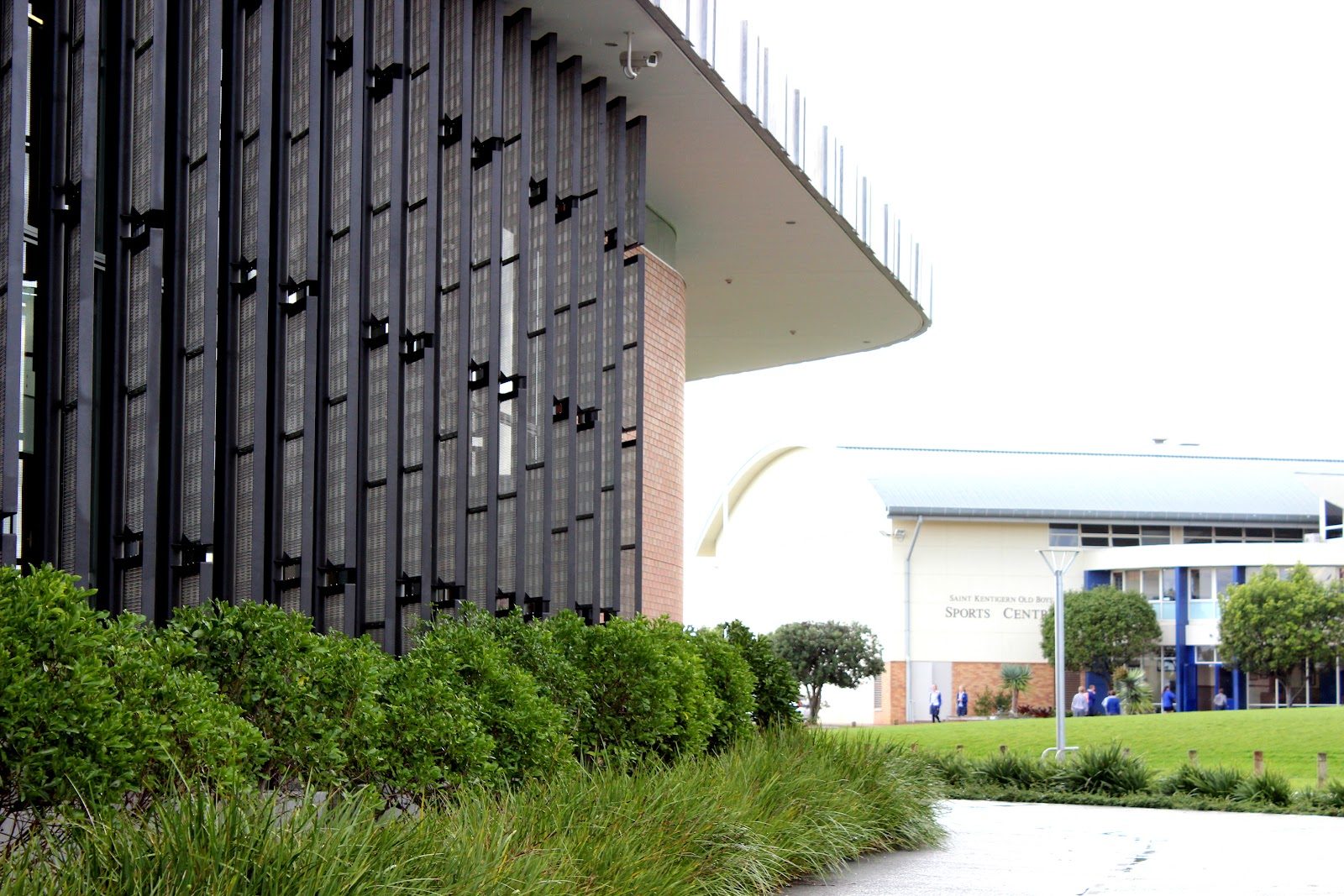
St Kentigern College
Auckland · New Zealand
On a Tamaki Estuary campus, this Presbyterian day-and-boarding school teaches boys and girls in parallel classrooms before NCEA unites them
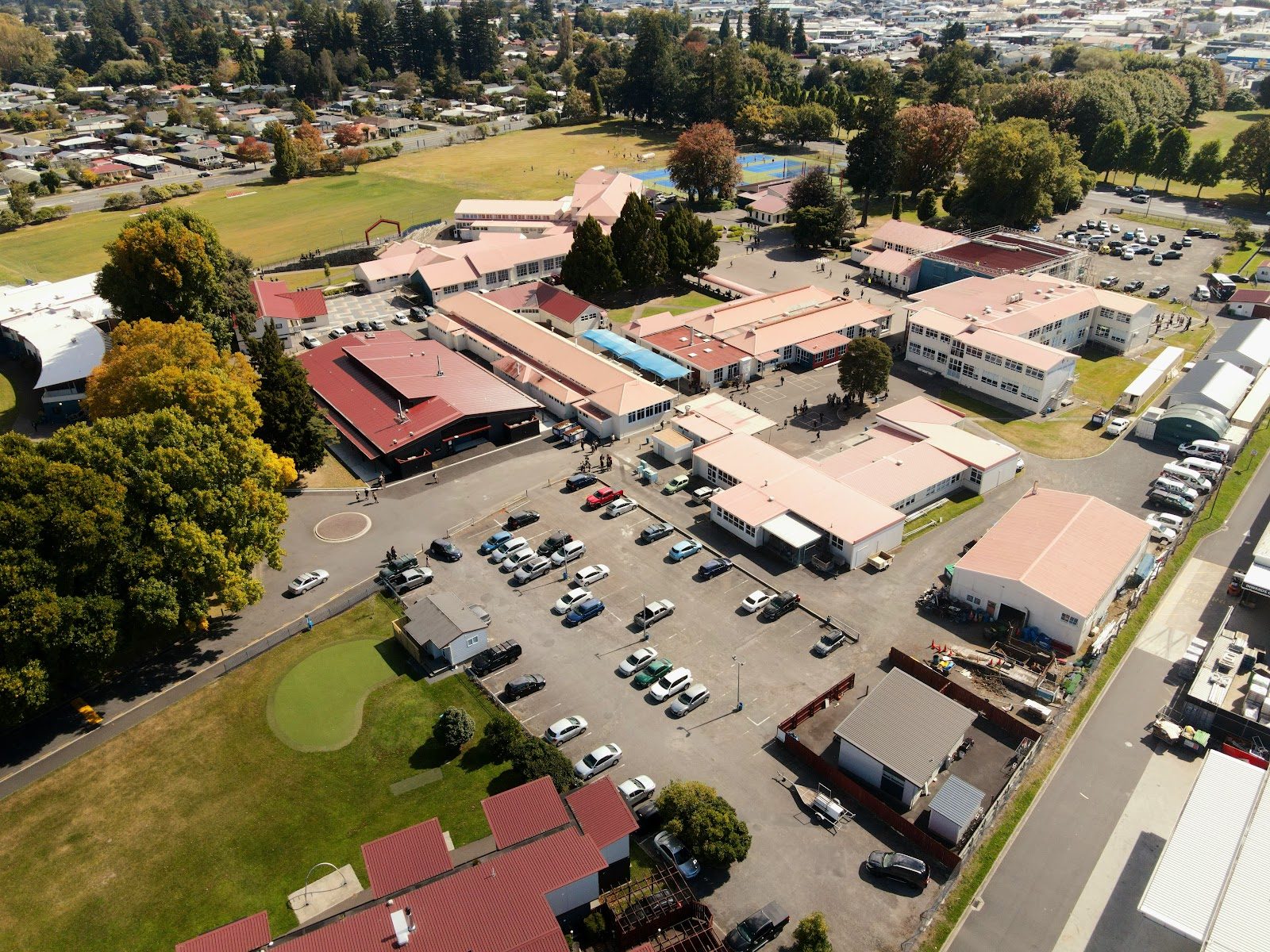
Rotorua Boys' High School
Rotorua · New Zealand
On geothermal ground with a majority-Maori roll, kapa haka and schoolboy rugby carry equal weight in shaping young men.
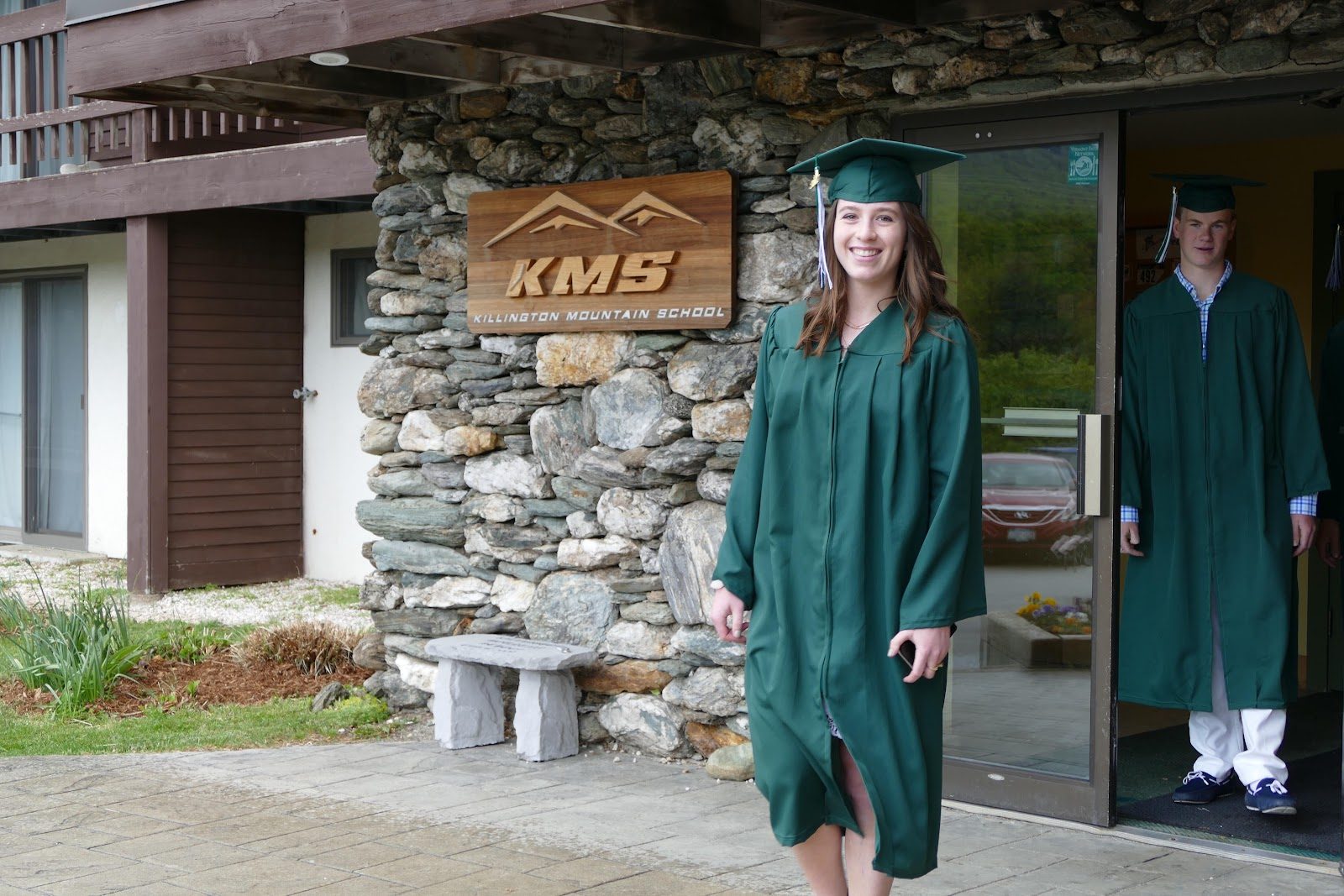
Killington Mountain School
Killington, VT · United States
America's longest-running winter-term ski academy, pairing a 5:1 classroom ratio with daily training on Killington's slopes
Maritzburg College
Pietermaritzburg · South Africa
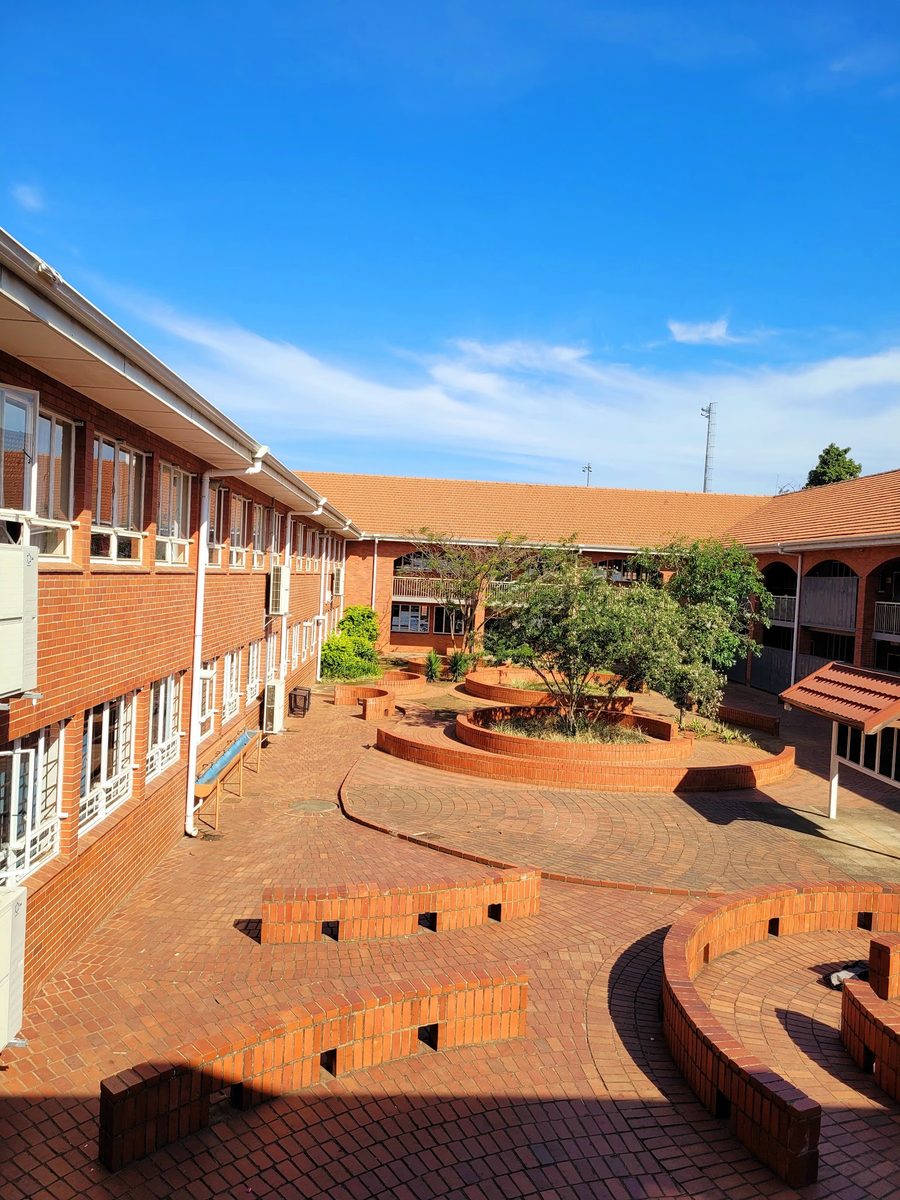
Since 1863, KwaZulu-Natal's oldest boys' school has turned Victorian-era tradition into a rugby pedigree few provincial rivals can match.
Same specialism, country and curriculum — closest matches within ±10 points either way