
Bay of Plenty
Rotorua Boys' High School
On geothermal ground with a majority-Maori roll, kapa haka and schoolboy rugby carry equal weight in shaping young men.
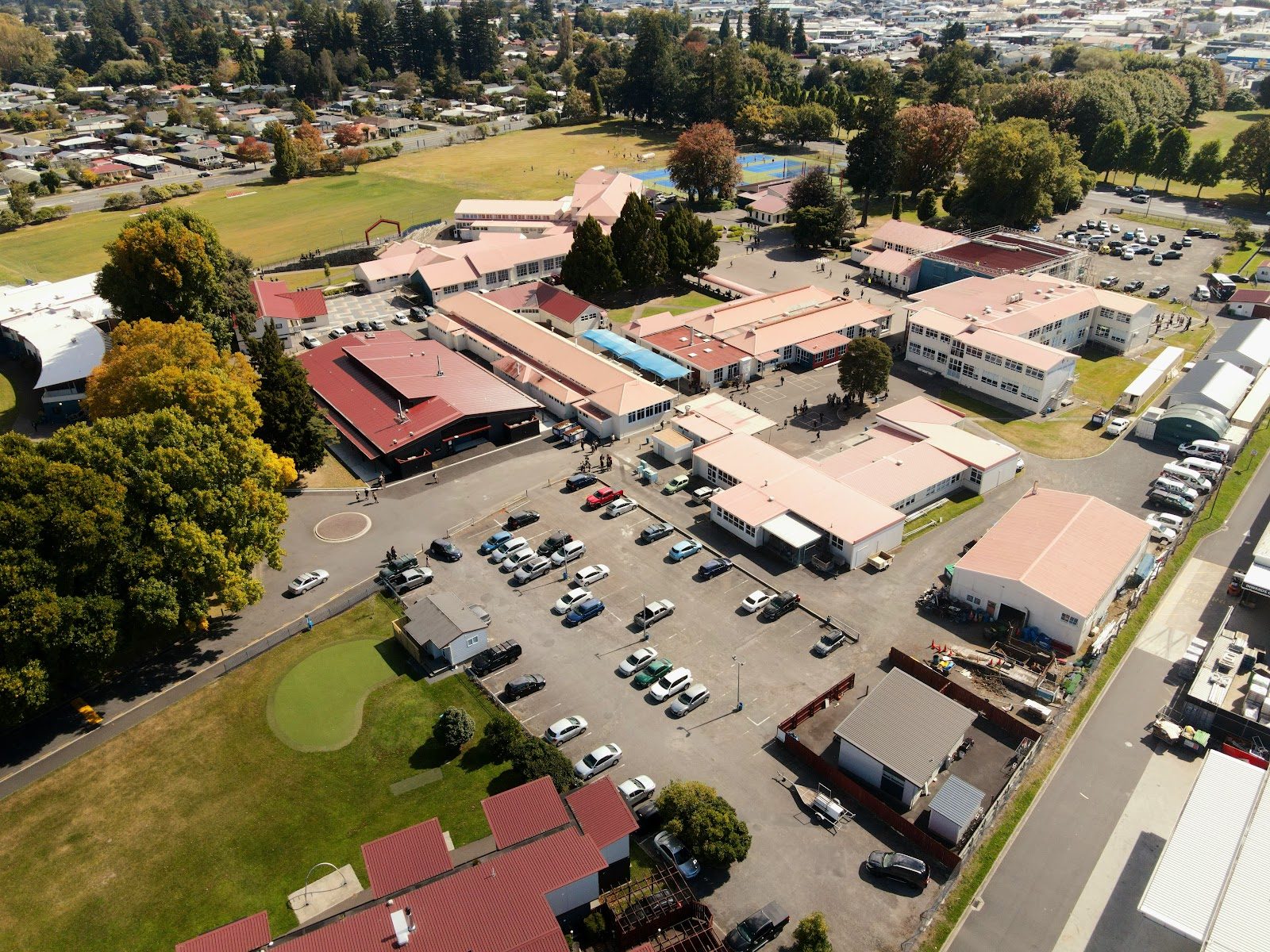
Photo © Big Drone via Google Maps
Type
Both
Ages
13–18
Curriculum
NCEA
Ratio
—
The Verdict
Editor's commitment
Right for
Boys aged 13–18 who want NCEA in a secular Rotorua day-and-boarding school where kapa haka and 1st XV rugby both matter.
Wrong for
Families wanting co-education, a non-NCEA pathway, or a school where sport and culture sit below academics in the pecking order.
Watch out for
Rotorua Boys' High talks big about being New Zealand's outstanding boys' school, but it does not publish aggregate NCEA outcomes here.
Ranking breakdown
Rotorua Boys' High School · #1178 of 1591
Composite score 59.1. 8 weighted criteria.
By criterion
Academic Outcomes
Weight 20%
#1385
of 1529 scored
University Placement
Weight 16%
#1414
of 1529 scored
Prestige & Heritage
Weight 12%
#1026
of 1571 scored
Alumni Network
Weight 12%
#791
of 1530 scored
Facilities
Weight 12%
#979
of 1533 scored
Transparency & Communications
Weight 8%
#456
of 1532 scored
Peer & Industry Review
Weight 10%
#41
of 1548 scored
Admissions Selectivity & Demand
Weight 8%
#1506
of 1529 scored
Peer & Industry Review
How Rotorua Boys' High School is regarded in the sector
84
Strong · medium confidence
Within New Zealand state education, Rotorua Boys' High is consistently cited alongside Hamilton Boys' and Palmerston North Boys' High as a benchmark for boys'-only public schooling, particularly for its bicultural Maori-integrated curriculum and kapa haka strength, regularly referenced in Ministry of Education and ERO review commentary. NZQA-published NCEA data, reported annually in NZ Herald and Stuff league tables, places it above decile-adjusted expectations, a point education commentators have noted when discussing equity outcomes for Maori boys. University of Waikato and University of Auckland admissions staff have publicly acknowledged its graduates' preparedness, especially via STAR and trades academy pathways feeding directly into regional tertiary providers. Its national profile is heavily rugby-driven, with sports journalists and rival First XV coaches routinely citing its production line of provincial and Super Rugby players as evidence of coaching depth. Independent education press (e.g., Education Gazette, Rotorua Daily Post) frame it less as an academic hothouse and more as a values-based, culturally distinctive institution, a reputation echoed by ERO reports praising governance and student engagement rather than international comparative rankings.
Award

Elite Sport 80
World's Top School · The Global Ranking
Rotorua Boys' High School is featured on our Global Top 80 ranking at #58. This seal is available for the school's marketing team to use on their website, prospectus and social channels.
- Kevin Mealamu — Rugby player, former All Blacks hooker
- Byron Kelleher — Rugby player, former All Blacks halfback
- Anaru Rangi — Rugby player, former All Blacks hooker
Editors' overview
Rotorua Boys’ High School occupies a clear niche in New Zealand education: a state boys’ school with boarding, a majority-Māori roll, and a culture where academic progress, kapa haka and first-team sport all carry institutional weight. The school’s own motto, To the stars through hard work, is not subtle, and neither is the programme. This is a place built around boys, discipline, identity and public competition. With Māori enrolment above 75% and a 104-bed hostel supported through the Ngāti Whakaue endowment, RBHS has a social and cultural character that few boys’ schools in the country can match. Parents looking for a polished private-school finish will miss the point. The draw here is grounded confidence, cultural fluency and a school community with a strong sense of who it is.
What puts RBHS on a shortlist is not generic claims about “all-round education” but a specific record in the arenas that matter to its community. The school markets “Academic, Sport, Cultural” as parallel pillars, and the evidence backs that hierarchy: back-to-back Sanix titles in 2003 and 2004, another Sanix victory in 2026, and consecutive Super 8 Cultural Festival overall titles. That combination matters. Many boys’ schools can field a hard-running rugby side; far fewer can pair that with high-level cultural performance and make both central to school status. For a family that wants a son educated in an environment where brotherhood with standards and pride without apology are daily realities, RBHS offers something distinct.
The school will suit boys who respond to structure, team identity and visible expectations. It will suit Māori and Pasifika families who want a school where Māori presence is not decorative but foundational. It will also suit boarders who need a school with a strong communal rhythm rather than a loose, individualised sixth-form atmosphere. Boys who thrive here will value belonging, competition and ritual; boys who want a quiet, boutique academic culture with extensive subject branding and a softer social edge will find stronger fits elsewhere. RBHS is for students who want earned status, collective pride and a school life shaped as much by haka, houses and the sideline as by the classroom.
An Elite Sport 80 school
Rotorua Boys' High School sits at rank fifty-eight on the Elite Sport 80 because it is one of the traditional powerhouses of Māori and Bay of Plenty rugby, with a sustained All Blacks, Māori All Blacks and Chiefs Super Rugby pipeline across generations. The 1st XV competes at national schoolboy rugby finals level, and the school has produced multiple All Blacks captains and Test-level players across the decades.
The specialism is rugby union (delivered with a formal academy model, professional coaching and links to the Chiefs Super Rugby franchise and Bay of Plenty Rugby), and secondary specialisms include Māori and Pacific-influenced sports such as league, kapa haka-supported athletics, and basketball. Cricket, rowing and athletics run at high schoolboy standard.
Notable alumni across codes include Wayne Shelford (former All Blacks captain), Rico Gear, Sam Cane's Bay of Plenty schoolboy contemporaries, Zac Guildford, and a rolling roster of current Chiefs and All Blacks squad members. In rugby league, multiple NZ Warriors and NRL professionals have come through. The Māori All Blacks alumni base is particularly rich.
International openness is genuine but modest. The school admits overseas pupils each year — approximately 3-4% of the roll is international — with a dedicated International Department and an on-site boarding hostel. ESL support and integrated pastoral care are provided. Fees are extremely competitive by international-boarding standards, sitting around NZ$38,000-45,000 all-in — one of the best-value elite-sport packages on this list. Admissions is a standard application plus a sport-specific reference or trial where relevant. New Zealand student visas are straightforward for full-time enrolment. For a family targeting a genuine All Blacks, Māori All Blacks or NRL pathway from anywhere outside New Zealand, Rotorua Boys' offers one of the most culturally rich and best-value elite-rugby schools on the Elite Sport 80. Boarding accommodation and the New Zealand student visa process should be started 9-12 months in advance for overseas families targeting an entry into the school.
Academic Performance
Rotorua Boys’ High School does not publish aggregate NCEA pass rates, endorsement rates or subject-by-subject outcomes in the public domain. That is a real weakness in the academic picture. For parents comparing schools on examination performance, RBHS offers less transparency than it should. There is no clean way to place the school against other boys’ high schools, against strong co-educational state schools, or against national decile peers on results alone because the school does not put the numbers up. What it does put front and centre is a three-part hierarchy of “Academic, Sport, Cultural”, along with senior prelim exams, faculty pages and an Apple Distinguished Schools badge. That signals a school that takes learning seriously, but signals are not results. In this area, public proof matters.
Where RBHS fits relative to peers, then, rests more on institutional culture than published attainment data. This is not a school trading on a thin academic veneer attached to sport; academics sit visibly within the school’s core identity. But nor is it a school making a hard results case in the manner of academically selective or exam-obsessed competitors. The balance points to a broadly demanding state boys’ school where academic progress matters inside a strong communal and cultural framework, rather than a pure marks factory. Families who want published evidence of top-end examination strength will need to ask directly for NCEA pass rates, University Entrance figures, and endorsement splits across the senior years.
Facilities
The most consequential facility here is the hostel. A 104-bed boarding house gives Rotorua Boys’ High School a reach and rhythm that day-only state schools do not match. In practical terms, that means a stronger after-hours culture, more structured supervision, and a school day that extends into evenings and weekends through prep, sport and communal routine. Among New Zealand state boys’ schools, that is a serious institutional asset. The school also makes clear use of dedicated spaces for identity and performance: haka, songs, houses, cultural festival preparation and leadership are not peripheral activities squeezed into spare rooms. They sit inside the school’s daily life in a way that points to facilities built for collective ritual as much as classroom delivery.
Academic and general campus provision look solid rather than lavish. The school highlights an Apple Distinguished Schools badge and there is public reference to a computer laboratory funded through the Ngāti Whakaue endowment, which places digital infrastructure on the map, but there is no detailed public inventory of science labs, workshops, performing arts venues or specialist centres. That absence matters. Many strong peer schools publish far more concrete detail. By contrast, RBHS puts its physical emphasis where its priorities sit: boarding, sport, culture and visible school identity. For families seeking a slick private-school plant, this is not the pitch. For families who value function over polish and facilities that reinforce brotherhood, competition and belonging, the fit is much stronger.
News on cultural titles and top-level rugby success is immediate and emphatic, and that tells parents what the school values enough to publish prominently
Prestige
Rotorua Boys’ High School carries real prestige in New Zealand, but it is domain-specific prestige, not the polished, all-purpose status of an elite independent school. Its name holds weight in schoolboy rugby, in Māori education, and in the cultural life of the central North Island. A boys’ school with a Māori roll above 75% occupies a distinctive place in the national landscape, and RBHS has turned that demographic reality into an institutional identity rather than a slogan. The result is a school whose reputation rests on earned standing in competition, discipline and community leadership. Add a hostel of 104 beds and the school’s reach extends beyond its immediate catchment; that matters because boarding schools shape regional reputation in a different way from local day schools.
The rating stops short of the very top tier because the school’s prestige is not driven by published academic outcomes or by the social cachet that follows selective admissions and high fees. Its strongest public markers are elsewhere: national recognition for educational leadership, a Hall of Fame culture, major sporting success, and repeated cultural wins against serious peers. That gives RBHS a hard-edged credibility and a strong internal status hierarchy that boys will feel every day. For families who value scholarship tables above all else, the prestige case is incomplete. For families who value *mana, visibility and proven collective standards*, it is formidable.
What sets Rotorua Boys’ High School apart is not a single flagship programme but a rarely replicated alignment of identity, expectation and community
Communications
Rotorua Boys’ High School communicates with parents in a serviceable, school-first way. The website does the practical basics cleanly: absence reporting, staff directory, calendar, newsletters, vacancies, contact details, enrolment and boarding all sit in plain reach from the front page. That matters. Parents do not need to dig through slogans to find the machinery of school life. The calendar carries concrete events, from senior prelim exams to year-group functions, and the newsletter archive is current rather than neglected. The school also uses social media and keeps quick links prominent, which suits a community that needs fast, functional communication more than polished storytelling. The weakness is depth. There is less public-facing academic communication than strong comparison schools now provide. Parents can find dates and notices; they get less by way of hard academic clarity.
That pattern fits the institution. RBHS communicates culture, fixtures, milestones and collective identity with absolute confidence. News on cultural titles and top-level rugby success is immediate and emphatic, and that tells parents what the school values enough to publish prominently. For many families, that candour is useful rather than decorative. You know the school’s priorities quickly. But communication is stronger on public achievement than on measurable classroom outcomes, and that imbalance limits trust for academically focused parents. A newsletter cadence running through 2026 shows operational discipline; it does not answer the sharper questions about attainment, progress or subject performance. In short: *clear on rhythm, strong on community, weaker on evidence*.
Uniqueness
What sets Rotorua Boys’ High School apart is not a single flagship programme but a rarely replicated alignment of identity, expectation and community. This is a state boys’ school where Māori presence is not treated as enrichment around the edges of school life; it sits at the centre of the institution. With Māori enrolment above 75%, that changes the social temperature of the place. Boys do not enter a token bicultural setting. They enter a school where haka, song, collective ritual, house identity, leadership and public representation carry real consequence. The Ngāti Whakaue endowment, which helped fund both the hostel and digital provision, also points to something deeper than sponsorship: a school bound into local iwi relationships in a structural way, not a cosmetic one.
That brings clear gains for students. Boys who need belonging, visible standards and a strong male peer culture get a school that runs on shared codes rather than abstract pastoral language. Success here has more than one route: the rugby field, the cultural stage, leadership roles, hostel life, and academic credibility all matter. The result is a high-accountability environment in which status is earned publicly and carried collectively. For Māori boys in particular, that can be powerfully affirming: cultural fluency is a source of authority, not an add-on. The trade-off is plain. Boys who dislike ritual, hierarchy or competitive brotherhood will chafe. Boys who want identity with muscle will find very few schools in New Zealand that do this with equal force.
The school’s own motto, To the stars through hard work, is not subtle, and neither is the programme
Student Profile
The typical RBHS student is not a shrinking violet. He is energised by group identity, public standards and the blunt social hierarchy that comes with a boys’ school where sport, culture and leadership all carry visible status. With Māori students making up more than 75% of the roll, the school’s centre of gravity is clear: boys who are comfortable in a strongly Māori environment, or who want to grow inside one, will find the cultural code legible and the sense of belonging immediate. Students who like ritual, chant, team preparation, interschool competition and being held to account in front of peers will fit. So will boys who need structure around them rather than endless personal choice.
The less suitable student is easy to identify. A boy who wants anonymity, a highly individual academic path, or a gentle social climate will find RBHS hard-edged and demanding. This is a school for boys who can absorb noise, expectation and communal pressure without folding. Boarders in particular need resilience and a tolerance for constant company; the hostel has 104 places, and that scale reinforces a collective, supervised rhythm rather than private space. The best fit is a young man who wants to earn his standing — in the classroom, on the field, on stage or in the house system — and who values brotherhood with bite over polish.
This is a place built around boys, discipline, identity and public competition
Co-curricular strengths
Arts & sport, on a separate axis
Overall 8.24/10
Scored 0-10 from the school's own published evidence. This axis is editorial-only — it does not feed the main WTS ranking.
Strengths
- +State day-and-boarding school in Rotorua offering the NCEA curriculum, making it accessible to both domestic and international families.
- +Long-standing reputation as one of New Zealand's most prominent rugby-producing schools, with a strong first XV and wider sporting programme.
- +Strong Maori language and tikanga component, including a well-regarded Kapa Haka group, reflecting Rotorua's significant Maori population and culture.
- +On-site boarding hostel allows students from outside the Rotorua district, including international students, to attend the school.
- +As a state school, domestic day tuition is government-funded, keeping core costs lower than independent or private New Zealand schools.
Considerations
- −Single-sex boys' school, so it does not suit families seeking coeducation.
- −Located in a smaller regional city, offering fewer of the amenities, transport links and cosmopolitan services found in Auckland or Wellington.
- −As a state school, facilities and per-pupil resourcing are generally more modest than fee-charging independent schools with larger endowments.
- −The school's strong sporting and cultural identity, particularly around rugby, may not suit boys whose interests lie elsewhere academically or socially.
Gallery
Photo © Big Drone via Google Maps
Photo © Eddie Van Gent via Google Maps
Photo © Eddie Van Gent via Google Maps
Photo © Te Oranga Pi Tipoki via Google Maps
Photo © Te Hokinga Edmonds Ututaonga via Google Maps
Parent reviews
Have you sent your child here?
Voice reviews carry the strongest trust badge — we transcribe them for you to tidy up before they go live. Prefer to type? A written review is fine too.
Add your voice
In 60 seconds, tell other parents: what's the best thing about Rotorua Boys' High School, and what surprised you when your child joined?
We ask for a Google sign-in so every review has a real face behind it — no anonymous drive-by attacks on schools, and no faked positive reviews. Your email is never shown publicly.
Send this profile to a friend
International parents rely on word-of-mouth. Share this review with someone weighing the same decision.
Schools with places
Similar schools to Rotorua Boys' High School with places available now.
Christ's College
Christchurch · New Zealand
- 2026-27
- WAITPOOLVacancy-dependent
- 2027-28
- PLACES OPEN
King's College (Auckland)
Auckland · New Zealand
- 2026-27
- WAITPOOLVacancy-dependent
- 2027-28
- PLACES OPEN
Auckland Grammar School
Auckland · New Zealand
- 2026-27
- WAITPOOLVacancy-dependent
- 2027-28
- PLACES OPEN
St Cuthbert's College
Auckland · New Zealand
- 2026-27
- WAITPOOLVacancy-dependent
- 2027-28
- PLACES OPEN
Availability first, then country, area, curriculum, price, co-curricular
Consider also
Also worth looking at alongside Rotorua Boys' High School.
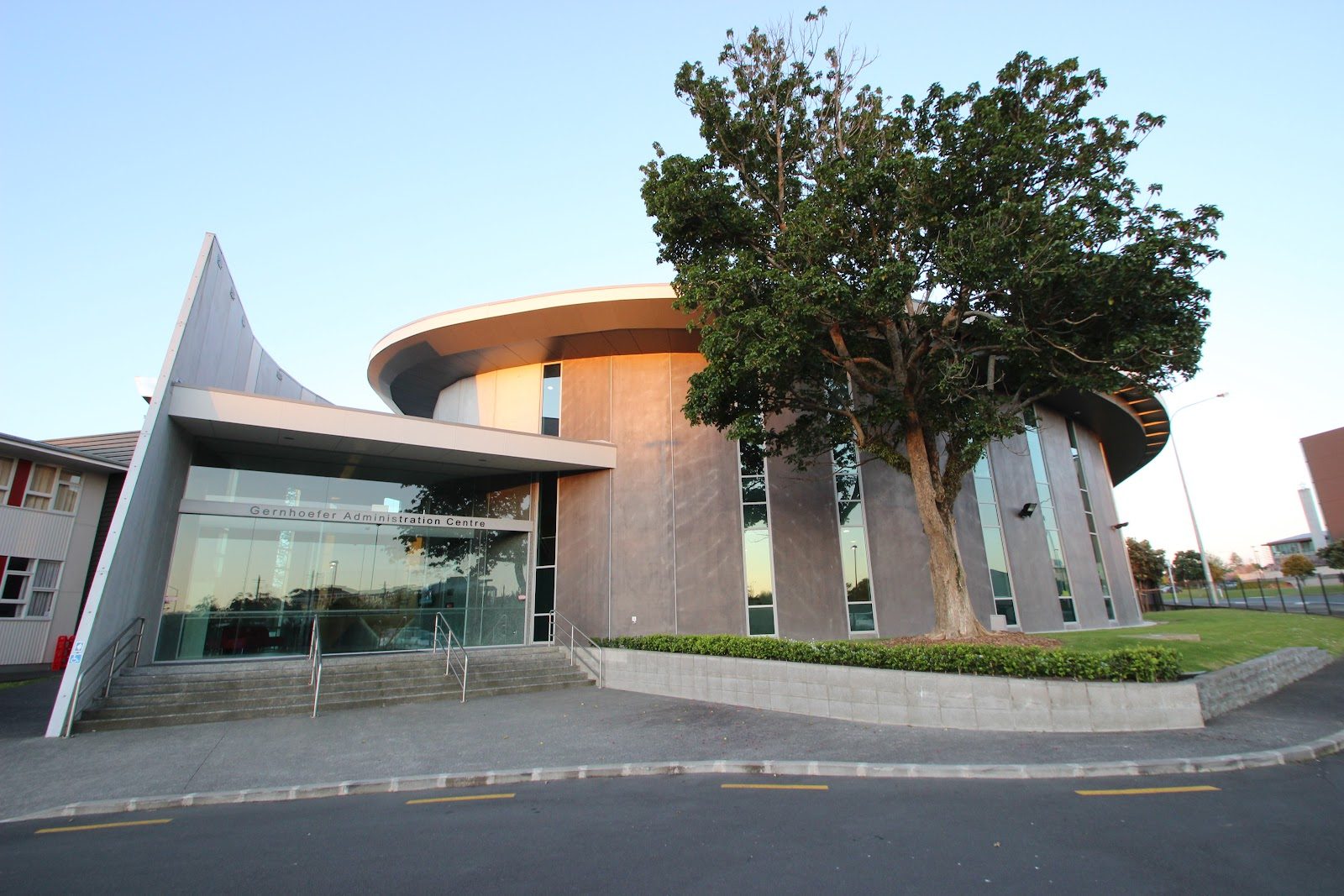
Westlake Girls High School
Auckland · New Zealand
On the shores of Lake Pupuke in Takapuna, one of New Zealand's largest girls' schools builds its identity through a storied rowing programme dating to 1983.
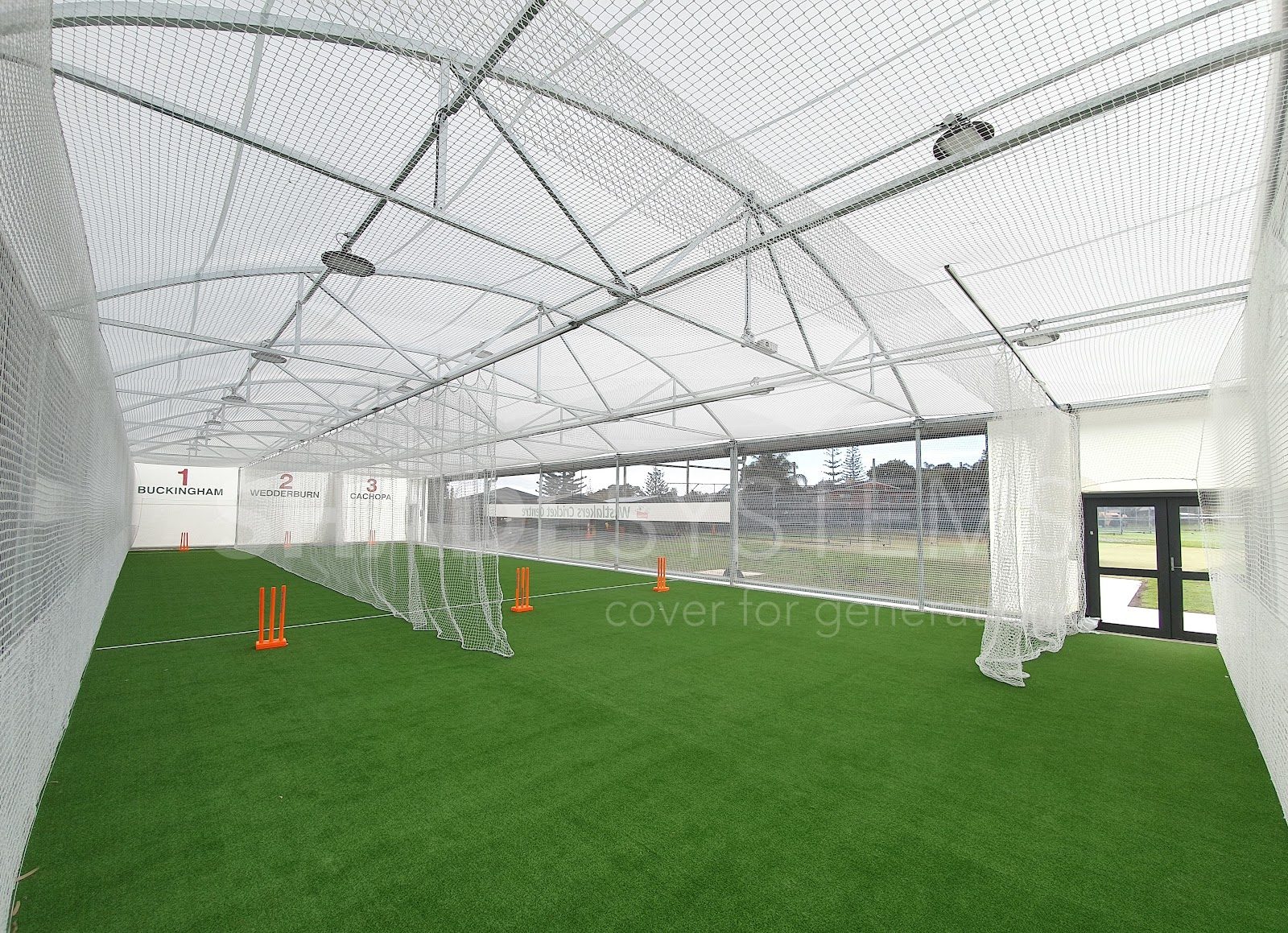
Westlake Boys High School
Auckland · New Zealand
A North Shore Auckland campus where a three-time Maadi Cup and four-time Springbok Shield rowing pedigree anchors the NCEA day school.
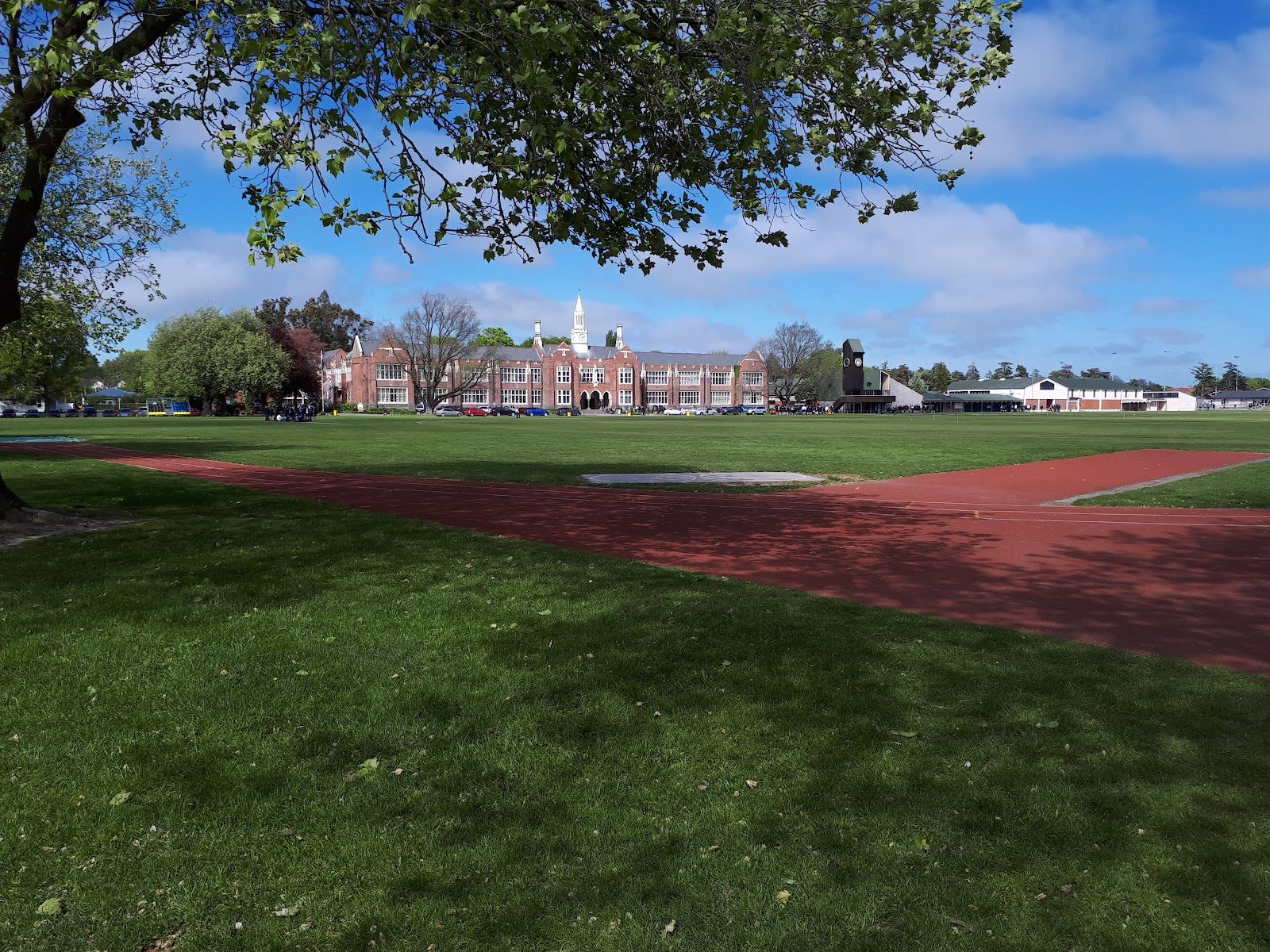
Christchurch Boys' High School
Christchurch · New Zealand
Founded in 1881 to feed Canterbury College, this Riccarton school trails only Auckland Grammar in All Blacks produced.
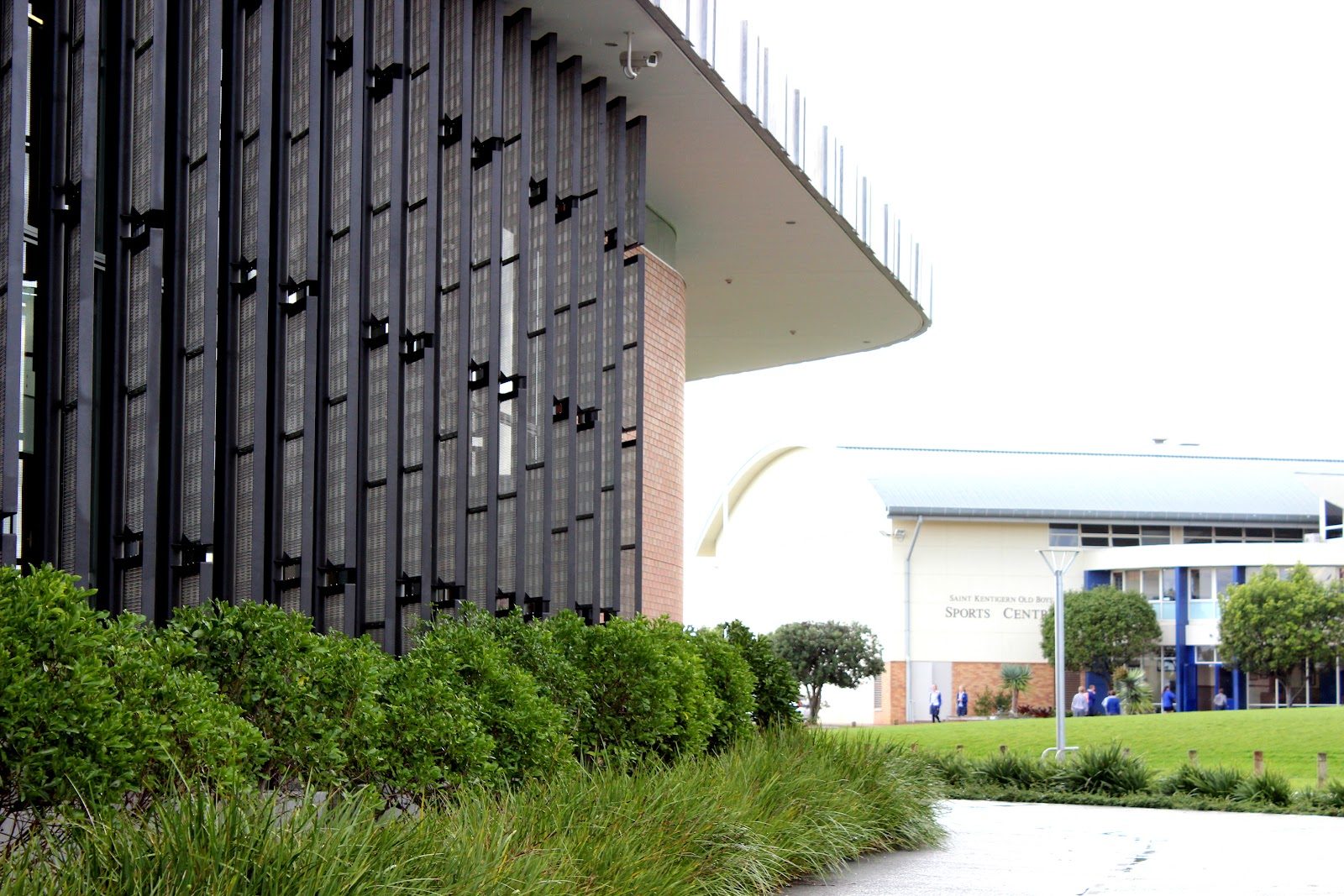
St Kentigern College
Auckland · New Zealand
On a Tamaki Estuary campus, this Presbyterian day-and-boarding school teaches boys and girls in parallel classrooms before NCEA unites them
Same specialism, country and curriculum — closest matches within ±10 points either way