
Auckland
St Kentigern College
On a Tamaki Estuary campus, this Presbyterian day-and-boarding school teaches boys and girls in parallel classrooms before NCEA unites them
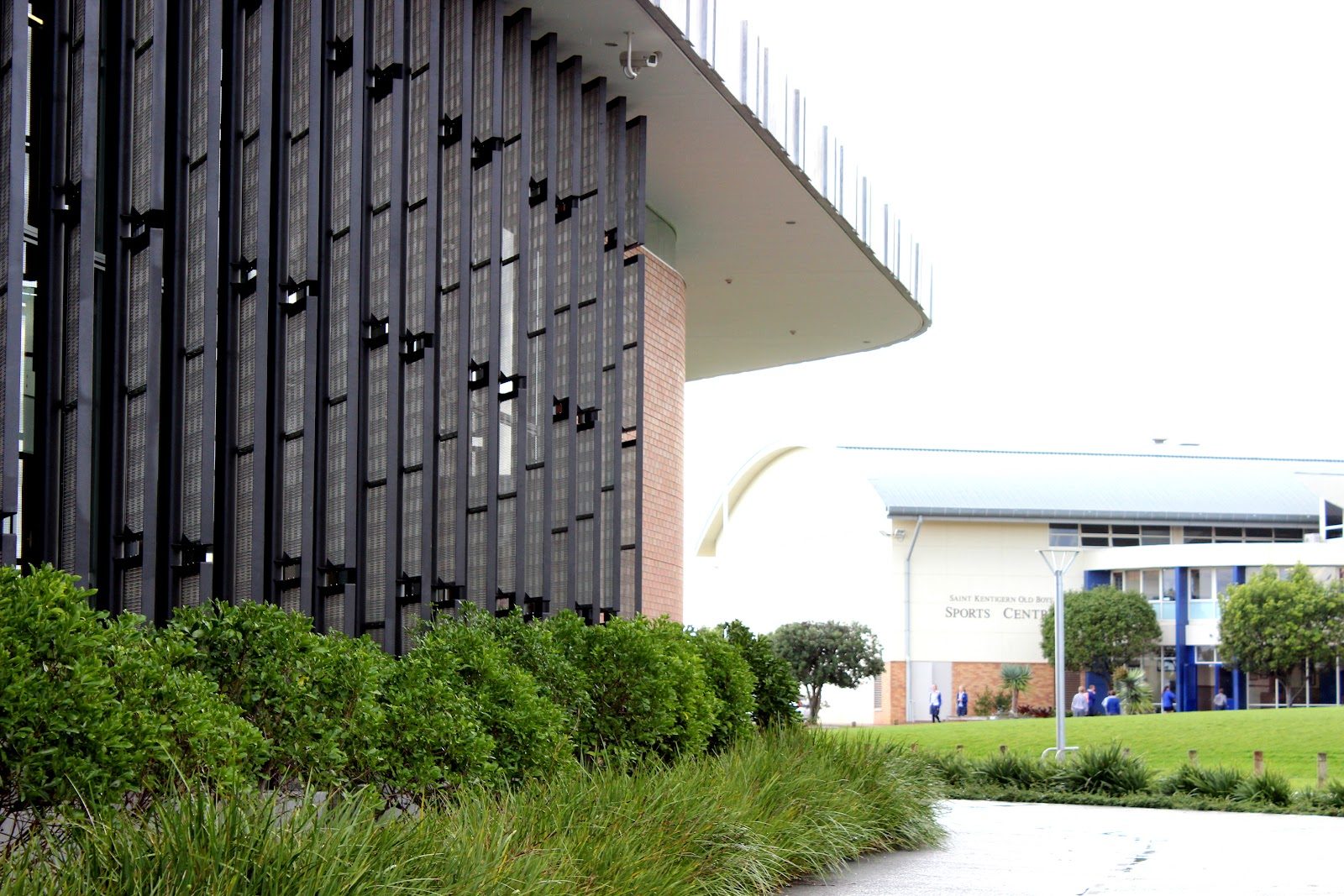
Photo © Saint Kentigern College via Google Maps
Type
Day + Boarding
Ages
13–18
Curriculum
NCEA
Ratio
—
The Verdict
Editor's commitment
Right for
Ages 13–18 on an Auckland campus, with Presbyterian character, day and boarding, and NCEA for families who want structure over educational fashion.
Wrong for
Parents wanting IB, A Levels or full co-education throughout; St Kentigern runs boys and girls in parallel classrooms before NCEA brings them together.
Watch out for
The College spans Years 7–13, but your brief is 13–18: check how middle-school culture, boarding, and the Presbyterian ethos land in practice.
Ranking breakdown
St Kentigern College · #692 of 1591
Composite score 51.3. 8 weighted criteria.
By criterion
Academic Outcomes
Weight 20%
#586
of 1529 scored
University Placement
Weight 16%
#649
of 1529 scored
Prestige & Heritage
Weight 12%
#1542
of 1571 scored
Alumni Network
Weight 12%
#1426
of 1530 scored
Facilities
Weight 12%
#277
of 1533 scored
Transparency & Communications
Weight 8%
#436
of 1532 scored
Peer & Industry Review
Weight 10%
#524
of 1548 scored
Admissions Selectivity & Demand
Weight 8%
#1326
of 1529 scored
Peer & Industry Review
How St Kentigern College is regarded in the sector
70
Respected · medium confidence
St Kentigern College is consistently grouped with Auckland's other high-fee independents - King's College, ACG Parnell and Kristin - in NZ Herald and Education Review coverage of the city's competitive private-school market, reflecting its status as a peer rather than an outlier within that cohort. Its NCEA and Cambridge International results are regularly cited in national league-table roundups alongside these schools, and its rowing (Maadi Cup) and Halberg-linked sporting programmes give it visibility at inter-school events that rival heads and sports directors track closely. New Zealand university admissions offices, particularly Auckland and Otago, list it among the higher-volume feeder schools for medicine, law and commerce cohorts, though independent verification of exact placement numbers is limited compared to UK equivalents. Coverage in local press tends to be factual and results-driven rather than critical, with no substantive independent reviews (WhichSchoolAdvisor, Good Schools Guide) covering New Zealand schools in the depth applied to UK institutions, leaving reputation assessment reliant mainly on domestic league tables and anecdotal peer positioning rather than international editorial scrutiny.
Award

Elite Sport 80
World's Top School · The Global Ranking
St Kentigern College is featured on our Global Top 80 ranking at #47. This seal is available for the school's marketing team to use on their website, prospectus and social channels.
- Israel Dagg — Rugby player, Sport
- Charles Piutau — Rugby player, Sport
- Augustine Pulu — Rugby player, Sport
Editors' overview
St Kentigern College sits in a narrow but powerful segment of the Auckland market: an independent Presbyterian school with both day and boarding provision, a clear institutional backbone, and a structure that gives families access to single-sex teaching without forcing a single-sex school identity all the way through. The distinctive feature is the parallel classroom model for boys and girls before NCEA brings students together. That arrangement will appeal to parents who want the discipline of a traditional school and the social range of a co-educational one. The school also carries the weight of an established trust, founded in 1949, with the College itself opened in 1953. That matters. Governance is not improvised here; it is formal, long-standing and visibly tied to the Saint Kentigern Trust Board.
What puts it on a shortlist is not novelty but clarity. This is a school for families who want a Christian framework, a strong sense of order and a campus life that stretches beyond lessons into sport, performing arts, wellbeing, boarding and a large institutional community. The school’s own structure points to scale and ambition: middle school and senior school, dedicated boarding, international provision, premier sport, private music and drama tuition, productions, and a substantial co-curricular machine. Parents looking for a serious, organised environment will find one. Parents looking for progressive looseness will not. The Presbyterian character is not decorative; it sits inside the governance and the school’s own language around special character and Christian education.
The best fit is a student who thrives with structure, expectation and plenty of adult direction. Boarders, ambitious athletes, committed performers and students who want a full, busy school life are well served. So are families who value tradition and want that tradition expressed in daily practice rather than branding. A child who wants a highly alternative culture, a loose academic atmosphere or a school that downplays faith will chafe here. A child who wants clear rules, high involvement and a strong communal identity has a better match. In market terms, St Kentigern College is not the experimental choice. It is the confident establishment option for Auckland families who want an independent school with history, scale and a defined moral frame.
An Elite Sport 80 school
St Kentigern College in Auckland is at rank forty-seven on the Elite Sport 80 because it has become, over the past two decades, one of New Zealand's most productive multi-sport independent schools, with 1st XV rugby, 1st XI cricket, senior rowing and 1st XI hockey all competing at national schoolboy finals level. The College's rugby programme has produced All Blacks, and its cricket, rowing and hockey squads consistently supply national junior representatives.
The specialisms are rugby union (a formal academy model with professional coaching and links to the Blues Super Rugby franchise and Auckland Rugby), cricket (an Auckland Aces and Black Caps pipeline), rowing (a Maadi Cup fixture), hockey (a Black Sticks Men and Women pipeline), and athletics. Football and basketball operate at nationally competitive schoolboy and schoolgirl standard.
Notable alumni across codes include several current Blues Super Rugby players, All Blacks squad members, Black Caps and Black Sticks representatives, and — in rowing — multiple national schools champions and NZ under-19 representatives. The school's cricket and hockey pipelines have been particularly productive over the past decade.
International openness is genuine. St Kentigern is a co-ed independent school with an established International Department, an on-site boarding hostel and integrated ESL and pastoral support. Approximately 5-8% of pupils are international, with strong pipelines from the Pacific islands, southern Africa, the UK and Asia. Fees for full boarding sit around NZ$60,000-70,000 all-in — well below equivalent UK or US boarding schools with comparable sporting output. Admissions is a standard application process plus a sport-specific reference or trial where relevant. New Zealand student visas are straightforward for full-time enrolment. For a family relocating from a rugby-, cricket-, hockey- or rowing-strong nation to Auckland and targeting a genuine All Blacks, Black Caps, Black Sticks or NCAA D1 recruiting pathway, St Kentigern is one of the top three independent-school options in the country.
Academic Performance
St Kentigern College does not publish headline NCEA outcomes in the sources we have seen, and that matters. For a school that trades on order, ambition and institutional confidence, public exam transparency is a basic test. Without school-level pass rates, endorsement rates or university entrance figures in the public domain, parents cannot place the College cleanly against Auckland’s top independent competitors. That opacity is the central academic story here. It does not prove weak results; it does block scrutiny. In a market where leading schools use external results to substantiate academic claims, silence reads as a conspicuous gap.
What the school does publish points to an academically serious structure: separate middle and senior school organisation, an explicit “Academic Excellence” strand, and a broad senior platform that sits alongside premier sport and performing arts rather than beneath them. That profile fits a high-expectation school with enough scale to support multiple pathways, but fit is not proof. Parents comparing St Kentigern with King’s, Diocesan, St Cuthbert’s or Auckland Grammar need the hard numbers: Level 1–3 pass rates, Merit and Excellence endorsement shares, scholarship counts and trend lines across at least 3 years. Until those figures are published, the College’s academic standing remains under-evidenced in public and harder to rank with confidence than a school of this stature has any excuse for.
Facilities
The facilities picture is broad, integrated and geared to a school that expects students to do more than attend lessons. The public structure points to dedicated provision for performing arts, dance, drama, music, productions, sport, boarding, wellbeing and international students, plus a named “Beyond the College Gates” strand and a published master plan. That breadth places St Kentigern in the upper tier of Auckland independents for range. It gives families a full-service campus life rather than a narrow academic plant. The inclusion of private music tutors and private drama tutors matters too: it signals infrastructure built for sustained participation, not token enrichment. For boarders, that matters doubly. A boarding school without deep after-hours provision feels thin; this one does not.
Against peers, the strength here is not one signature building in the mould of a headline theatre or elite aquatic centre. It is the institutional spread of the offering. Top competitors such as King’s, Diocesan and St Cuthbert’s also field strong arts and sports estates, so St Kentigern does not win on published spectacle alone. It competes on *scale, organisation and operational depth*. The weakness is visibility. The school promotes categories more than concrete detail: we have not seen the kind of public breakdown that lets parents judge specialist labs, performance venues, strength and conditioning spaces, or boarding-house quality with precision. So the verdict is strong but incomplete: facilities support a serious, high-involvement school life, but the public case lacks the hard detail that the best-run peers now publish.
In market terms, St Kentigern College is not the experimental choice
Prestige
St Kentigern College carries real prestige in Auckland’s independent-school market, but it is a specific kind of prestige. This is not the cachet of intellectual mystique or radical selectivity; it is the authority of an entrenched institution with a formal trust structure, visible governance and a large enough operation to sustain serious sport, arts, wellbeing, boarding and international provision under one umbrella. The Saint Kentigern organisation spans multiple schools and a preschool, which gives the College the weight of a wider educational system rather than a stand-alone campus. That breadth matters to parents. It signals permanence, donor confidence, alumni continuity and the ability to build a full-spectrum school life instead of a thin academic offering with extras bolted on.
The school’s Presbyterian character also sharpens its standing. It gives the College a clear moral frame and a tradition-minded identity that many affluent families actively want. Prestige here rests on social confidence, institutional seriousness and brand recognition across the eastern suburbs, not on published academic proof strong enough to silence scrutiny. That limitation stops it short of the most unassailable tier. A genuinely top-rank prestige school publishes results that match its claims. St Kentigern does not. So the rating lands at high-status but not untouchable: a school with strong name recognition, a well-defended establishment position, and enough scale and heritage to command attention, but without the public academic transparency that would make its standing fully impregnable.
St Kentigern College does not publish headline NCEA outcomes in the sources we have seen, and that matters
Communications
Parent communication is organised, centralised and unmistakably top-down. The website runs on a single Saint Kentigern architecture across preschool, girls’ school, boys’ school and college, with persistent links for term dates, fees, uniforms, contact points, open days, virtual tours, applications and parent portals. That matters because it reduces friction for families already moving through the wider organisation. Governance is also public in more detail than many schools manage: named board members, leadership structures, policy links, reports and committee charts are all surfaced rather than buried. For parents, that creates a clear chain of accountability. This is not a school that hides who runs it. The trust board even publishes governance charts as downloadable PDFs, including files of 244.803 KB and 220.599 KB. That level of administrative visibility signals a disciplined institutional culture.
The weakness is that communication reads more corporate than conversational. The public-facing structure is strong on navigation and formal information, but thinner on the lived academic detail parents actually need to judge day-to-day standards. We have not seen headline NCEA outcomes published. We also have not seen a crisp public explanation of how the parallel model works in practice across subjects, timetabling and the point of senior integration. So the verdict is mixed but firm: operational communication is efficient, ordered and serious; educational communication is less convincing. Parents will find the essentials quickly. They will still need sharper academic disclosure and more concrete explanation of student experience before calling the school fully transparent.
Uniqueness
What marks St Kentigern College out is not co-education on its own, nor faith on its own, nor boarding on its own. Auckland has other schools with one or two of those traits. The distinctive mechanism here is the parallel-classroom model: boys and girls are taught separately through much of the College years, then brought together for NCEA. That is an unusual compromise in a market that tends to force families into a binary choice between fully co-educational and fully single-sex schools. For students, the gain is practical. Early adolescence gets more structure, fewer social theatrics in class, and a school culture that can lean deliberately traditional without becoming socially sealed. Later on, students still move into a shared senior experience rather than facing a hard cultural jump at university.
The other point of difference is institutional architecture. This is not a charismatic one-campus school built around a head’s personality. It sits inside a trust-run organisation with multiple schools, a preschool, formal governance charts, sub-committees, chapels, houses and even a farm in the wider Saint Kentigern orbit. That gives students a thick institutional life: more ritual, more continuity, more organisational capacity, and a stronger sense that the place will outlast any one cohort. For some children that is deeply steadying. For others it feels high-control and tradition-bound. Either way, the school’s identity is unusually coherent, and students feel that coherence every day rather than only at prizegiving or in prospectus language.
St Kentigern College carries real prestige in Auckland’s independent-school market, but it is a specific kind of prestige
Student Profile
The students who fit best here are those who do not need a loose atmosphere to thrive. St Kentigern suits adolescents who can live with rules, uniform expectations and a school day shaped by collective standards rather than personal negotiation. The Presbyterian frame, chapel life, house structure and formal governance all feed a culture that prizes composure, participation and respect for hierarchy. In practical terms, that favours students who are steady, coachable and willing to commit to the school beyond lessons, whether in sport, performing arts, service or boarding life. A child who wants anonymity, irony as a defence mechanism, or constant latitude from adults will find the place constraining. A child who likes clear boundaries and a high-control environment will settle faster.
Socially, the school fits families who want tradition without total social separation. The parallel teaching model gives boys and girls a more structured classroom experience before the senior years bring a shared one. That arrangement works best for students who value order in early adolescence but still want a broader peer world later on. Boarders and internationally mobile families also get a school built to absorb a full, busy life rather than just daytime attendance. The strongest fit is not the flamboyant outlier. It is the student who is purposeful, thick-skinned and ready to join a community that asks a lot and expects a lot back.
A genuinely top-rank prestige school publishes results that match its claims
Co-curricular strengths
Arts & sport, on a separate axis
Overall 9.08/10
Scored 0-10 from the school's own published evidence. This axis is editorial-only — it does not feed the main WTS ranking.
Strengths
- +Co-educational day and boarding school covering Years 9-13, one of relatively few in Auckland offering boarding places to both boys and girls.
- +Large Pakuranga campus with extensive sporting facilities, supporting a strong rowing and rugby programme with regular representation at national school competitions.
- +Part of a wider St Kentigern network including separate Boys' and Girls' primary schools, giving a structured pathway from early years through to Year 13.
- +Established performing arts and music programme with dedicated facilities, alongside academic offerings.
- +Presbyterian character school with a defined pastoral and values framework integrated into school life.
Considerations
- −NCEA is the only curriculum offered; families seeking IB or Cambridge pathways for international portability will not find them here.
- −Fees for day students, and substantially more for boarders, represent a significant ongoing cost not disclosed in detail on public sources.
- −Christian (Presbyterian) character and chapel involvement may not suit strictly secular families.
- −Pakuranga location is east of central Auckland, meaning families based centrally or on the North Shore face a longer commute.
Gallery
Photo © Dan via Google Maps
Photo © Cindy Wu via Google Maps
Photo © Cindy Wu via Google Maps
Photo © Cindy Wu via Google Maps
Photo © Liam Gallagher via Google Maps
Photo © Saint Kentigern College via Google Maps
Photo © Zimu Hu via Google Maps
Parent reviews
Have you sent your child here?
Voice reviews carry the strongest trust badge — we transcribe them for you to tidy up before they go live. Prefer to type? A written review is fine too.
Add your voice
In 60 seconds, tell other parents: what's the best thing about St Kentigern College, and what surprised you when your child joined?
We ask for a Google sign-in so every review has a real face behind it — no anonymous drive-by attacks on schools, and no faked positive reviews. Your email is never shown publicly.
Send this profile to a friend
International parents rely on word-of-mouth. Share this review with someone weighing the same decision.
Schools with places
Similar schools to St Kentigern College with places available now.
St Cuthbert's College
Auckland · New Zealand
- 2026-27
- WAITPOOLVacancy-dependent
- 2027-28
- PLACES OPEN
King's College (Auckland)
Auckland · New Zealand
- 2026-27
- WAITPOOLVacancy-dependent
- 2027-28
- PLACES OPEN
Auckland Grammar School
Auckland · New Zealand
- 2026-27
- WAITPOOLVacancy-dependent
- 2027-28
- PLACES OPEN
Availability first, then country, area, curriculum, price, co-curricular
Consider also
Also worth looking at alongside St Kentigern College.

Hamilton Boys' High School
Hamilton · New Zealand
On Peachgrove Road, boarders and day boys share a rugby and rowing pedigree unmatched among New Zealand's schoolboy programmes.

Rotorua Boys' High School
Rotorua · New Zealand
On geothermal ground with a majority-Maori roll, kapa haka and schoolboy rugby carry equal weight in shaping young men.
Maritzburg College
Pietermaritzburg · South Africa
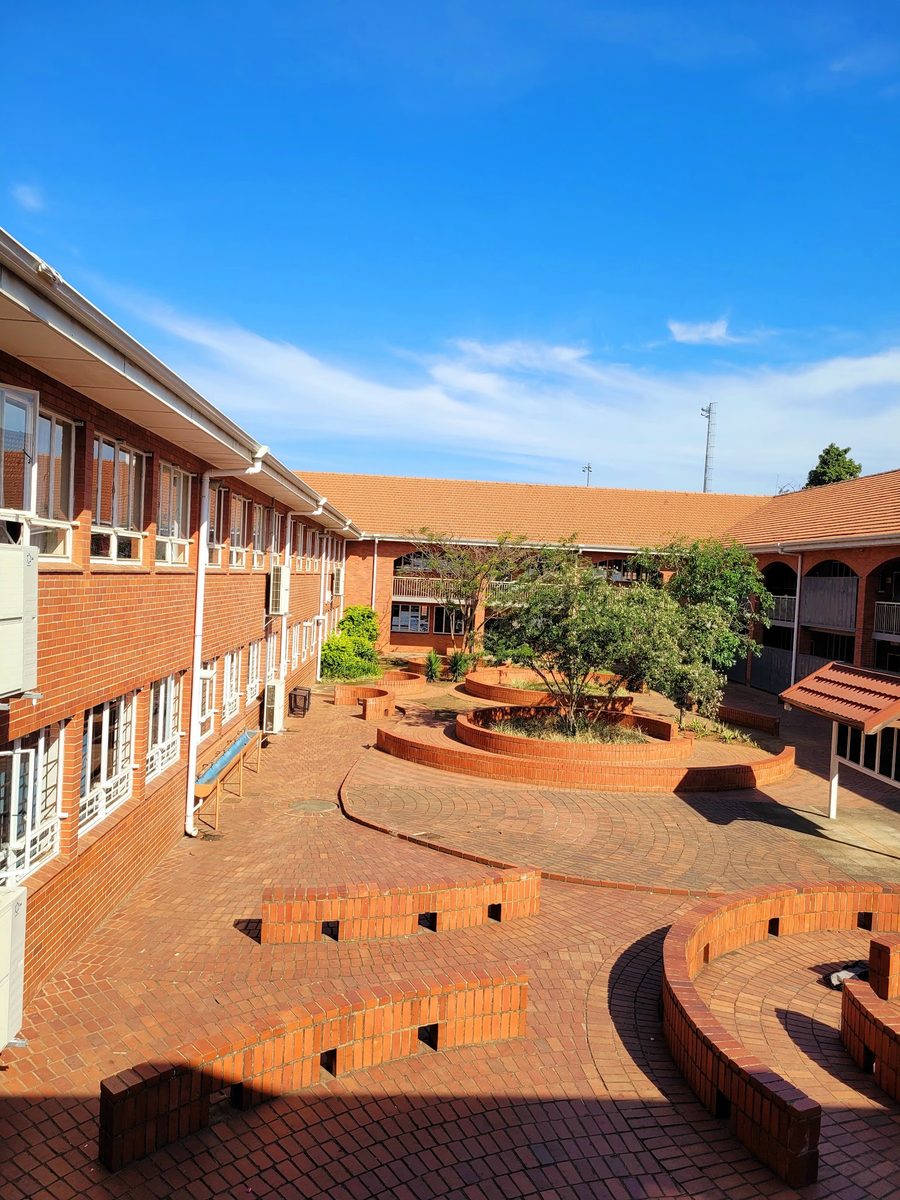
Since 1863, KwaZulu-Natal's oldest boys' school has turned Victorian-era tradition into a rugby pedigree few provincial rivals can match.
Killington Mountain School
Killington, VT · United States
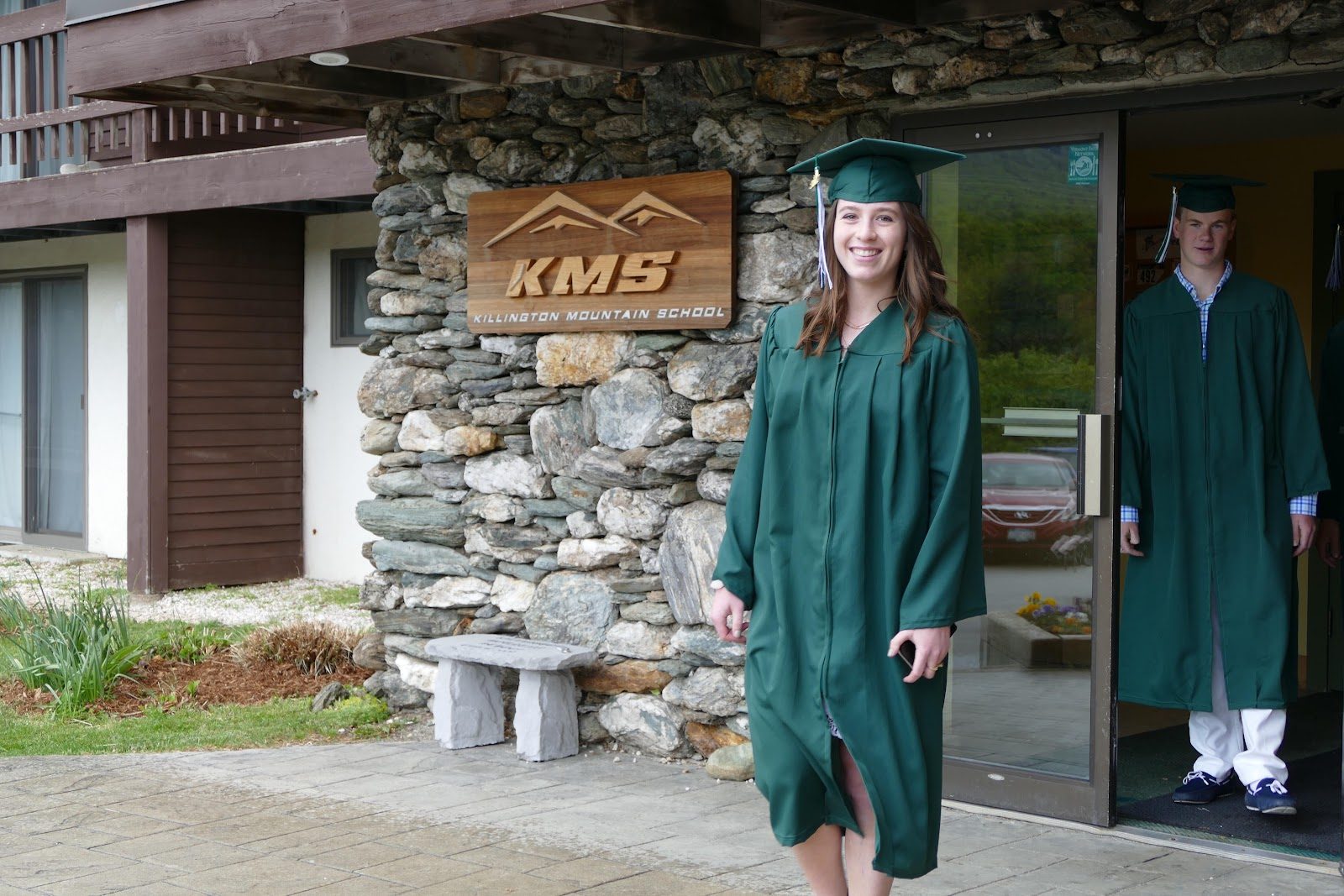
America's longest-running winter-term ski academy, pairing a 5:1 classroom ratio with daily training on Killington's slopes
Same specialism, country and curriculum — closest matches within ±10 points either way