
Balearic Islands
Rafa Nadal Academy
In Manacor, Rafael Nadal's hometown, an American diploma curriculum shares 45 tennis courts with a pipeline toward NCAA scholarships.
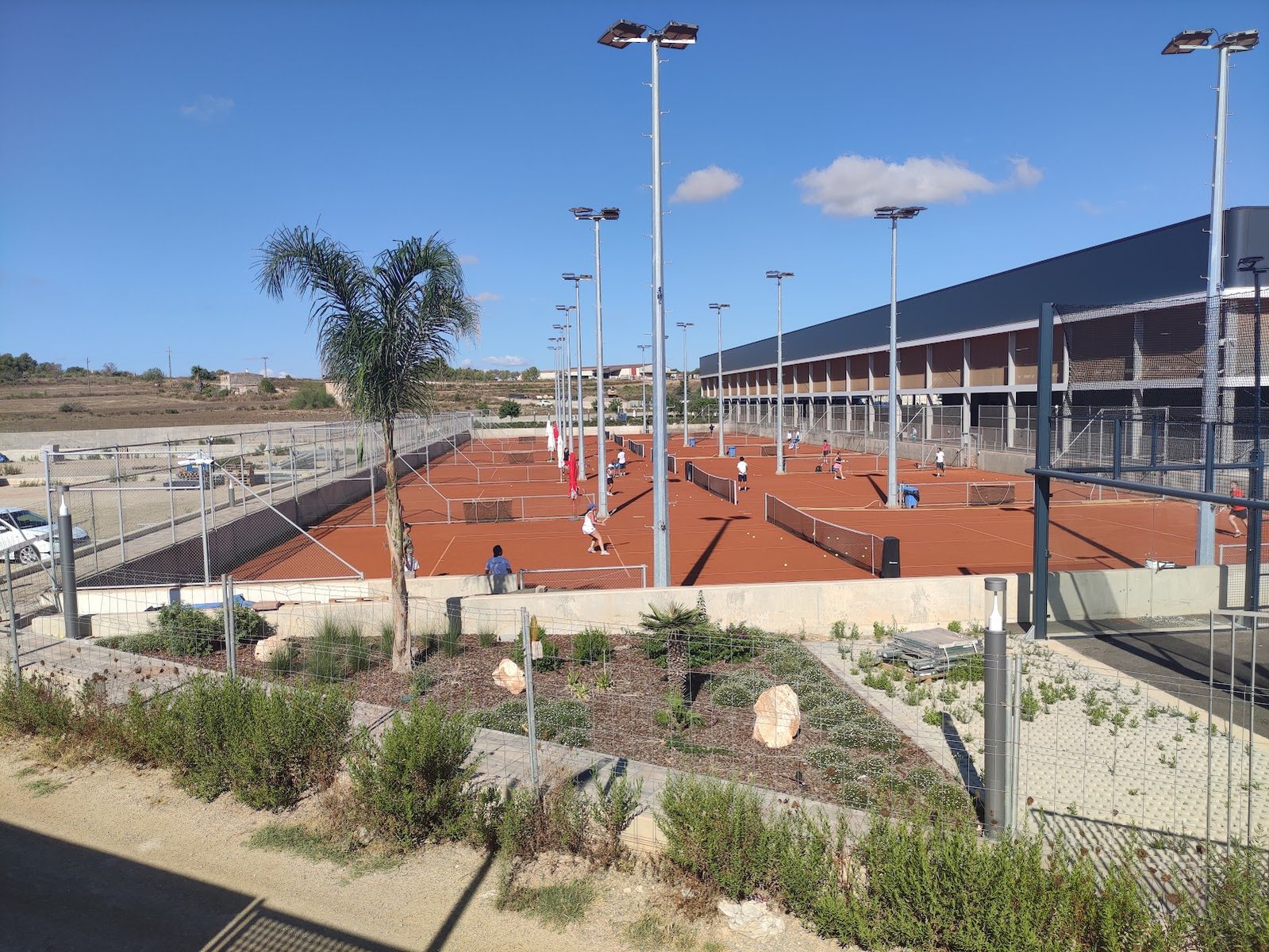
Photo © Laurent Tempez via Google Maps
Type
Boarding + Day
Ages
6–18
Curriculum
US High School Diploma
Ratio
—
The Verdict
Editor's commitment
Right for
Serious junior players who want a US High School Diploma in Manacor, with boarding from ages 6–18 and 45 tennis courts on site.
Wrong for
Families seeking a conventional school first and sport second; this is a secular tennis academy in Mallorca, not a broad academic institution.
Watch out for
Opened in 2016, the academy publishes its tennis method and facilities, but not aggregate academic results or university outcomes.
Ranking breakdown
Rafa Nadal Academy · #1425 of 1591
Composite score 50.5. 8 weighted criteria.
By criterion
Academic Outcomes
Weight 20%
#1514
of 1529 scored
University Placement
Weight 16%
#1510
of 1529 scored
Prestige & Heritage
Weight 12%
#1060
of 1529 scored
Alumni Network
Weight 12%
#1513
of 1529 scored
Facilities
Weight 12%
#48
of 1529 scored
Transparency & Communications
Weight 8%
#1505
of 1529 scored
Peer & Industry Review
Weight 10%
#52
of 1529 scored
Admissions Selectivity & Demand
Weight 8%
#1156
of 1529 scored
Peer & Industry Review
How Rafa Nadal Academy is regarded in the sector
82
Strong · medium confidence
Rafa Nadal Academy sits outside conventional UK/US league tables reviewed by Good Schools Guide or WhichSchoolAdvisor, since its core offering is elite tennis performance paired with bilingual schooling rather than pure academics. Peer comparison instead comes from the high-performance sports-education sector, where it is most often benchmarked against IMG Academy (Florida) and the Mouratoglou Tennis Academy (France) in trade coverage such as SportBusiness and Tennis Majors, which note its Balearic base, Rafael Nadal's direct involvement, and partnership with International School structures for the academic side. Spanish education press covers it more as a sports-tourism and training brand than as an academic institution, and it does not appear in mainstream Spanish school rankings (El Mundo, ABC). Its university pipeline is athletic rather than academic-prestige driven: alumni commentary centers on NCAA tennis scholarships in the US rather than Oxbridge or Ivy admissions. Within Mallorca, local independent schools view it as a specialist adjunct rather than a competitor, since families typically enroll for tennis development first, schooling second.
Award

Elite Sport 80
World's Top School · The Global Ranking
Rafa Nadal Academy is featured on our Global Top 80 ranking at #11. This seal is available for the school's marketing team to use on their website, prospectus and social channels.
Editors' overview
Rafa Nadal Academy is not a conventional international school with a strong sports department. It is a tennis training centre in Manacor, opened in 2016, with schooling attached. That distinction matters. The proposition is clear: a US High School Diploma delivered in English and Spanish alongside an elite tennis programme built around Rafael Nadal’s training method and a large technical staff. For families who want a standard academic pathway first and sport second, this is the wrong shortlist. For families chasing serious daily training without abandoning school, it has real force.
What sets it apart is concentration. The school’s own pitch is full-spectrum formation; the practical draw is simpler: children and teenagers aged 6–18 can train in an environment designed around tennis, with coaching leadership split across junior, ATP and WTA pathways. Add the scale of the campus — 45 tennis courts, as your editorial context notes — and the offer becomes unusually specific. This is not a place for the mildly sporty child who enjoys a weekly lesson. It is for the player who wants repetitions, structure, competitive peers and a campus where tennis is the organising principle. In that market, the academy has serious credibility and a hard competitive edge.
Parents should still keep their eyes open. Academic transparency is thin. The academy states the diploma route, but it does not publish the kind of aggregate academic outcomes that let parents judge classroom strength with confidence. The public story rests far more heavily on coaching, facilities and the Nadal name than on exam data or university destinations. That imbalance will not trouble every family; for some it is the entire point. But this is an expensive specialist choice, not a broad academic all-rounder with tennis as an extra. The right buyer knows that and wants it anyway.
Who belongs here? A disciplined young tennis player, already committed, who can handle a demanding routine, a boarding or day structure, and the fact that sport drives the culture. The academy also suits internationally mobile families targeting US college sport, including NCAA routes flagged in your context, while wanting an American diploma rather than a local Spanish track. The child who thrives here is competitive, resilient and happy in an environment with constant sporting intensity and little room for drift.
An Elite Sport 80 school
The Rafa Nadal Academy in Manacor, Mallorca, is the world's most complete tennis-only school. It sits at rank eleven on the Elite Sport 80 because it pairs a full professional-tennis training environment — 26 tennis courts, a full sports-science department and a coaching staff directly linked to the ATP tour — with a fully accredited International Baccalaureate diploma programme. No other pure-tennis academy in the world runs an IB diploma at this level of tennis quality.
The specialism is tennis, and every element of the school day is engineered around it. Pupils train twice daily under Nadal-approved methodology, receive individualised annual planning, play on the same red-clay surfaces used for professional tournaments, and travel to ITF and ATP/WTA junior events from the campus. A padel programme runs alongside, and the campus doubles as an adult training resort so pupils are constantly surrounded by professional players.
Notable alumni include Casper Ruud (who trained on-site as a teenager), Alcaraz-generation ATP players who used the academy for pre-season blocks, and a growing roster of ITF junior finalists and Grand Slam junior champions produced since the school opened in 2016. The Nadal family remains actively involved: Rafa himself and Toni Nadal are regularly on site, and their coaching philosophy is embedded in the curriculum.
International openness is genuine and central. Roughly 55 nationalities are represented on campus in a typical year; boarding is standard, ESL is embedded, and Spanish student visas are handled by the school. Admissions is by tennis assessment plus an academic file; there are no residency, federation or citizenship gates. Fees are high — full-time residential tuition sits in the €78,000-90,000 range depending on programme intensity — but the offer is unique in world tennis: an IB Diploma, an on-site pro-tour training environment, and direct access to the Nadal ecosystem. For a family relocating specifically to develop a tennis prospect through senior school, the Rafa Nadal Academy is one of the two most obvious global destinations.
Academic Performance
Academic performance is the academy’s weakest public area. The school does not publish aggregate external exam results, average GPA, SAT or ACT data, AP outcomes, or university placement lists in the public domain. That leaves parents without the standard benchmarks used to compare an American diploma school against academic peers in Spain or the wider international market. In a specialist sports setting, that opacity matters more, not less. Families are buying a dual proposition — school and elite training — and the academic half needs hard numbers. Here, those numbers are absent. Against conventional international schools with transparent exam reporting, Rafa Nadal Academy sits at a clear informational disadvantage and asks parents for a large leap of faith.
That does not mean weak classroom standards; it means unproven standards. The academy’s public case rests on coaching infrastructure, technical staff and the strength of its tennis ecosystem, not on published examination performance. For a family whose first priority is competitive tennis and whose academic requirement is continuity toward a US diploma, that trade-off may be acceptable. For a family comparing sixth-form style academic outcomes, merit awards, or selective university entry patterns, it is too opaque. In performance terms, the school fits the category of sport-first specialist provider, not the results-driven academic benchmark that publishes headline data and invites direct comparison.
Facilities
The facilities that matter here are the training facilities, and the academy does not hide that hierarchy. The standout asset is the concentration of courts: 45 tennis courts on one site gives players volume, variety and constant access to peers at their own level. That is a serious competitive advantage over most international schools with a handful of courts attached to a broader campus. The academy also publishes a defined coaching structure, with named leads across junior, ATP and WTA pathways. That matters because specialist sports schools rise or fall on daily training organisation, not glossy campus tours. Add the separate padel offer, the Pro Training Base and the associated museum and shop, and the place reads as a purpose-built tennis ecosystem rather than a school that happens to like sport.
Against peer schools, the comparison is narrow but decisive. Mainstream international schools in Spain and across Europe can match science labs, libraries, theatres or generalist sports halls; many beat specialist academies on academic infrastructure and breadth. Rafa Nadal Academy wins on one thing: single-sport depth. For a young player who needs repetition, court time and immersion, that focus is hard to beat. For a family that wants equally visible investment in the arts, broader athletic provision or standout academic spaces, the public picture is thinner. The academy’s facilities are elite in lane and less convincing outside it.
What makes Rafa Nadal Academy unique is not prestige in the abstract but alignment
Prestige
Rafa Nadal Academy carries strong name prestige and narrow institutional prestige. Those are not the same thing. The Nadal association gives the school instant recognition with international families, junior players and college coaches. In specialist tennis circles, that matters. The academy has a visible technical structure, separate coaching lines for juniors and the professional game, and a campus built around 45 courts. That scale gives it serious sporting cachet. A child enrolled here joins a brand with global reach and a clear athletic identity, not an anonymous private school with a few extra courts attached.
Outside that lane, the prestige weakens. This is not an academically eminent international school with a long public record of examination outcomes, selective university placements or intellectual distinction beyond sport. The school does not publish the academic proof that underpins top-tier educational prestige. Its status rests on elite training culture, the Nadal surname and access to a competitive tennis environment in his hometown, not on classroom reputation. For the family buying a tennis-centred education and chasing NCAA pathways, that is a powerful draw and a credible specialist badge. For the family seeking broad scholastic standing, it is a single-discipline brand with limited academic lustre.
Rafa Nadal Academy is not a conventional international school with a strong sports department
Communications
Parent communication is serviceable and heavily operational. The public-facing site carries the practical machinery families need: direct phone contact, booking routes, employment pages, event space information, an international section, and navigation in multiple languages. That breadth matters for a school serving travelling athletes and overseas parents. The academy also names key figures in the tennis operation, from operations leadership to junior, ATP and WTA coaching leads. That is useful. Parents can see who runs what, rather than dealing with a faceless sports brand. The sales language is relentless, though. Discount banners, camp promotions and retail prompts crowd the page, and the result is commercially noisy. For a premium specialist school, the tone is closer to sports-hospitality marketing than to the calm, information-rich communication families get from strong academic schools.
The bigger weakness is depth. The academy communicates its training identity with absolute clarity, but offers thin public detail on the school experience parents ask about after the first impression: academic oversight, reporting routines, pastoral structures, day-to-day boarding life, and how school and training loads are managed in practice. The website tells you how to book, whom to call and where the tennis authority sits. It tells you far less about the educational mechanics behind the pitch. That makes communication effective for recruitment and less effective for scrutiny. Parents already sold on the tennis proposition will get enough to enquire. Parents who want transparent, hard-edged answers before making contact will find the communication too polished in the wrong places and too thin where it counts.
Uniqueness
What makes Rafa Nadal Academy unique is not prestige in the abstract but alignment. Very few schools put a child’s sport at the centre of the day with this degree of organisational seriousness. The place is built for players who do not want a conventional school timetable plus after-school coaching, but a fully integrated tennis life in which training, competition and study run on the same track. The Nadal method is not a decorative branding exercise; the academy states that Rafael Nadal and the technical team around him developed the training system used on site. That gives students access to a high-performance routine shaped by people who have worked across junior, professional and adult development. The result is specialist intensity, not broad educational balance.
For the right student, that structure brings clarity. A committed player gets daily immersion, technical coaching with visible role separation across pathways, and a peer group selected by the same obsession. The scale of the tennis operation — 45 courts — changes the practical experience: more court time, more competitive matching, fewer compromises. The academy also pushes beyond tennis into padel and a Pro Training Base, reinforcing the sense that this is a sport-first environment with school attached, not the other way round. That sharpness benefits disciplined athletes who want momentum, routine and NCAA-facing ambition. It narrows the experience for everyone else. Children who need breadth, experimentation or a campus culture not dominated by one sport will find it constricting by design.
Rafa Nadal Academy carries strong name prestige and narrow institutional prestige
Student Profile
The student who fits here is a serious junior tennis player, not a child browsing for a well-rounded school with strong sport on the side. Daily life revolves around training volume, technical correction, match play and the discipline that follows from all three. That suits children who already accept repetition, physical fatigue and close performance scrutiny as normal. It also suits families who treat education and sport as a single project, with school arranged around competitive ambition rather than the reverse. The age span — 6–18 — creates a pipeline feel: younger players enter a culture shaped by older athletes, and the standard of commitment rises fast. The social centre of gravity is high-performance sport, competitive routine and constant comparison.
The wrong student will feel trapped. Children who need broad extracurricular choice, a relaxed adolescence, or a campus identity not dominated by one pursuit will find the atmosphere intense, narrow and not forgiving of drift. The right student is resilient, coachable and emotionally steady after losses as well as wins. They need to cope with peers who share the same aim, the same seriousness and, in many cases, the same fixation on college sport pathways. This is also a strong match for internationally mobile families who want a school where tennis culture is the common language. For the self-motivated player with genuine competitive intent, it is a hard-edged fit. For everyone else, it is too specialised by half.
The school does not publish the academic proof that underpins top-tier educational prestige
Co-curricular strengths
Arts & sport, on a separate axis
Overall 6.28/10
Scored 0-10 from the school's own published evidence. This axis is editorial-only — it does not feed the main WTS ranking.
Strengths
- +Founded by Rafael Nadal in his hometown of Manacor, offering direct access to elite clay and hard-court tennis facilities used by professional players.
- +Combines a US-accredited high school diploma with a structured high-performance tennis program, allowing academics and elite sport to run in parallel rather than in conflict.
- +On-site boarding, sports science, medical and nutrition support give student-athletes a fully integrated training and living environment rather than a bolt-on sports program.
- +Attracts a genuinely international student body, giving boarders exposure to a wide range of nationalities and languages rather than a single expat cohort.
- +Location on Mallorca offers a safe, Mediterranean setting with good transport links to mainland Europe, useful for families splitting time between countries.
Considerations
- −Academic offering is narrower than a traditional international school, since the core mission and daily schedule are built around tennis training rather than broad curriculum choice.
- −Fees for the combined boarding-and-tennis program are high relative to mainstream Spanish international schools, reflecting the specialist coaching and facilities on offer.
- −Geographic isolation of Manacor, away from Palma's wider expat and cultural infrastructure, may be a drawback for non-tennis families seeking a conventional school community.
- −The model suits a narrow profile of highly committed junior tennis players; it is not designed for students seeking a standard, non-sport-intensive academic pathway.
Gallery
Photo © Álvaro Casado Manso via Google Maps
Photo © 蕭玉芬 via Google Maps
Photo © 蕭玉芬 via Google Maps
Photo © natalia nieto via Google Maps
Photo © RS via Google Maps
Photo © Laura Herrlein via Google Maps
Photo © ben via Google Maps
Parent reviews
Have you sent your child here?
Voice reviews carry the strongest trust badge — we transcribe them for you to tidy up before they go live. Prefer to type? A written review is fine too.
Add your voice
In 60 seconds, tell other parents: what's the best thing about Rafa Nadal Academy, and what surprised you when your child joined?
We ask for a Google sign-in so every review has a real face behind it — no anonymous drive-by attacks on schools, and no faked positive reviews. Your email is never shown publicly.
Send this profile to a friend
International parents rely on word-of-mouth. Share this review with someone weighing the same decision.
Schools with places
Similar schools to Rafa Nadal Academy with places available now.
Colegio Estudio Madrid
Madrid · Spain
- 2026-27
- WAITPOOLSpace-dependent
- 2027-28
- FUTURE CYCLEDates TBC
Highlands School Madrid
Madrid · Spain
- 2026-27
- WAITPOOLSpace-dependent
- 2027-28
- FUTURE CYCLEDates TBC
ES International School of Barcelona
Barcelona · Spain
- 2026-27
- WAITPOOLSpace-dependent
- 2027-28
- FUTURE CYCLEDates TBC
Caxton College
Puçol · Spain
- 2026-27
- WAITPOOLSpace-dependent
- 2027-28
- FUTURE CYCLEDates TBC
Availability first, then country, area, curriculum, price, co-curricular
Consider also
Also worth looking at alongside Rafa Nadal Academy.
Killington Mountain School
Killington, VT · United States
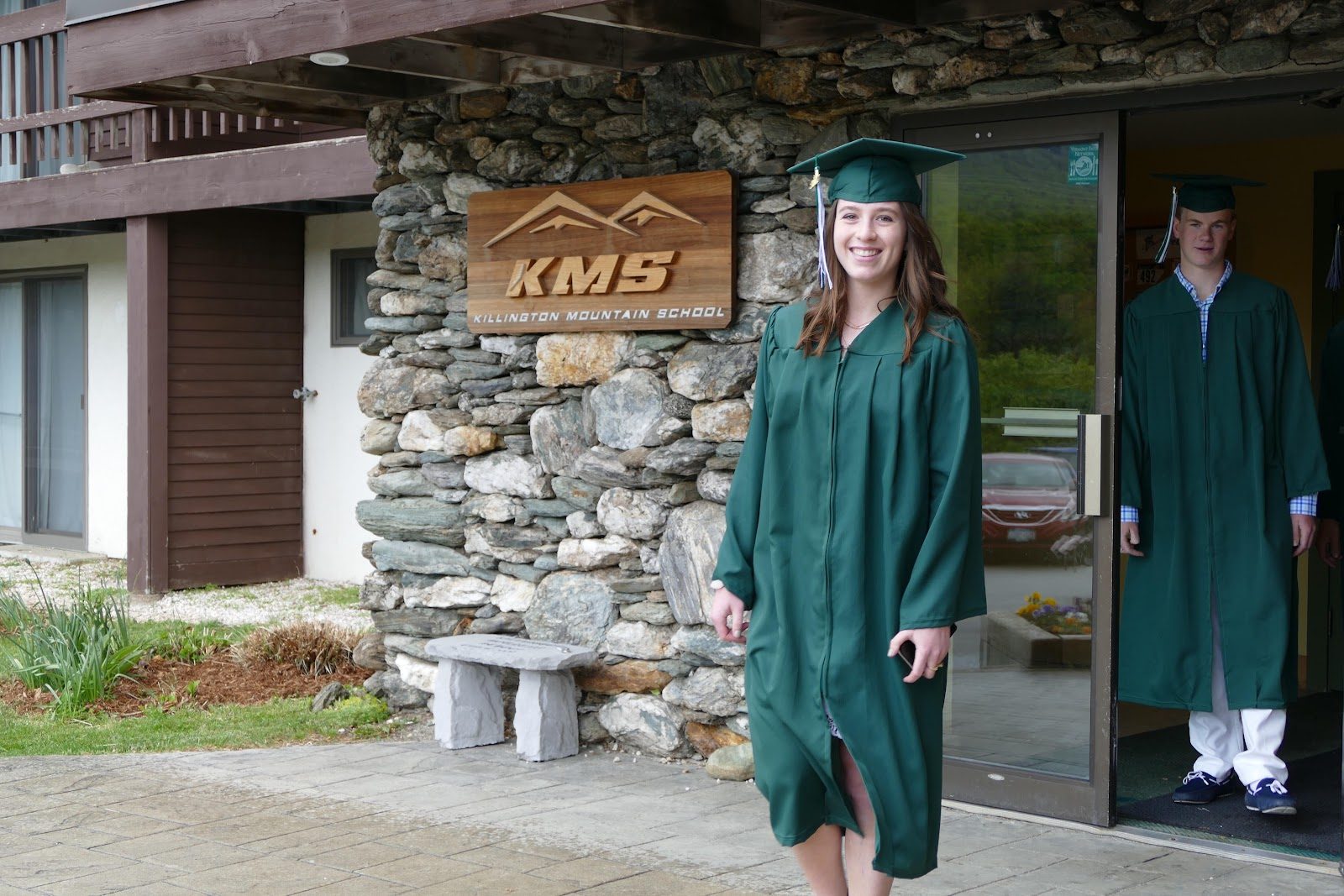
America's longest-running winter-term ski academy, pairing a 5:1 classroom ratio with daily training on Killington's slopes
Green Mountain Valley School
Waitsfield, VT · United States
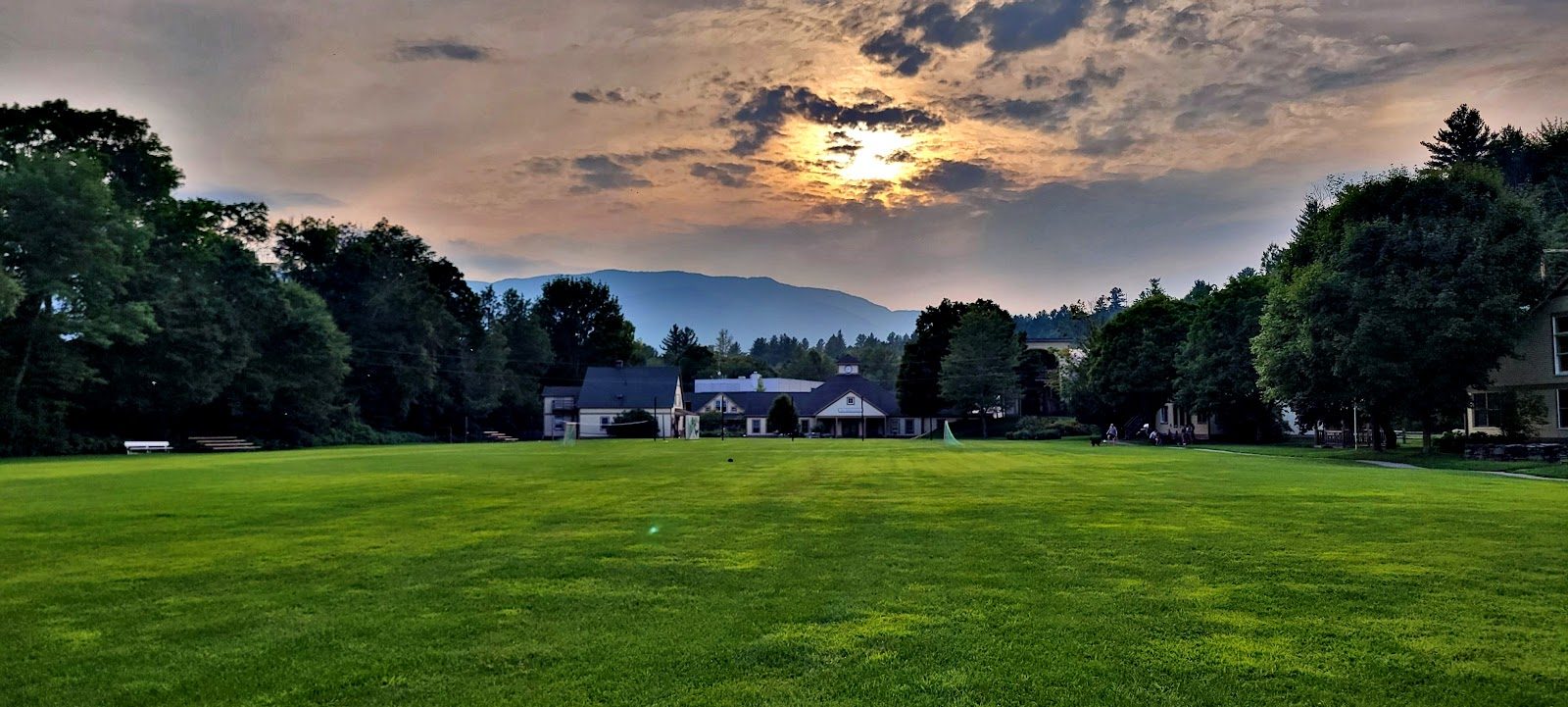
Alpine and Nordic race training at Sugarbush Resort pairs with a college-prep curriculum in Vermont's Mad River Valley
Northwood School
Lake Placid, NY · United States
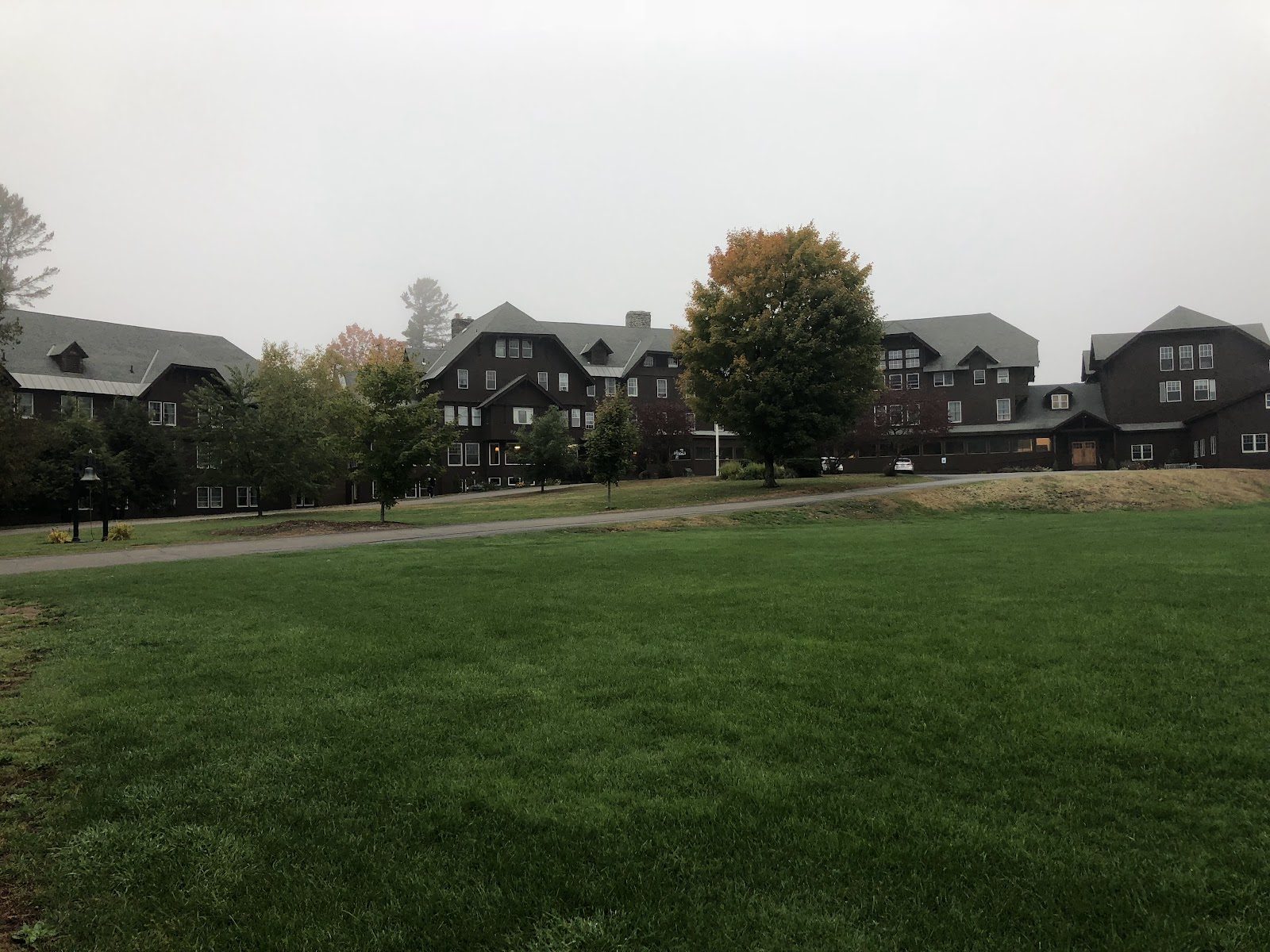
In Lake Placid's Olympic village, a college-prep campus that has sent an alumnus to every Winter Games since 1964.
Duncanville High School
Duncanville, TX · United States
In this Dallas-suburb powerhouse, a four-decade band dynasty holds dual Sudler honors alongside a Grammy Signature choir.
Same specialism, country and curriculum — closest matches within ±10 points either way