
Catalonia
ES International School of Barcelona
medium confidence· 4/6 cats · 2 avg sourcesAn American diploma earned between classrooms and clay courts at the Sanchez-Casal tennis academy outside Barcelona.
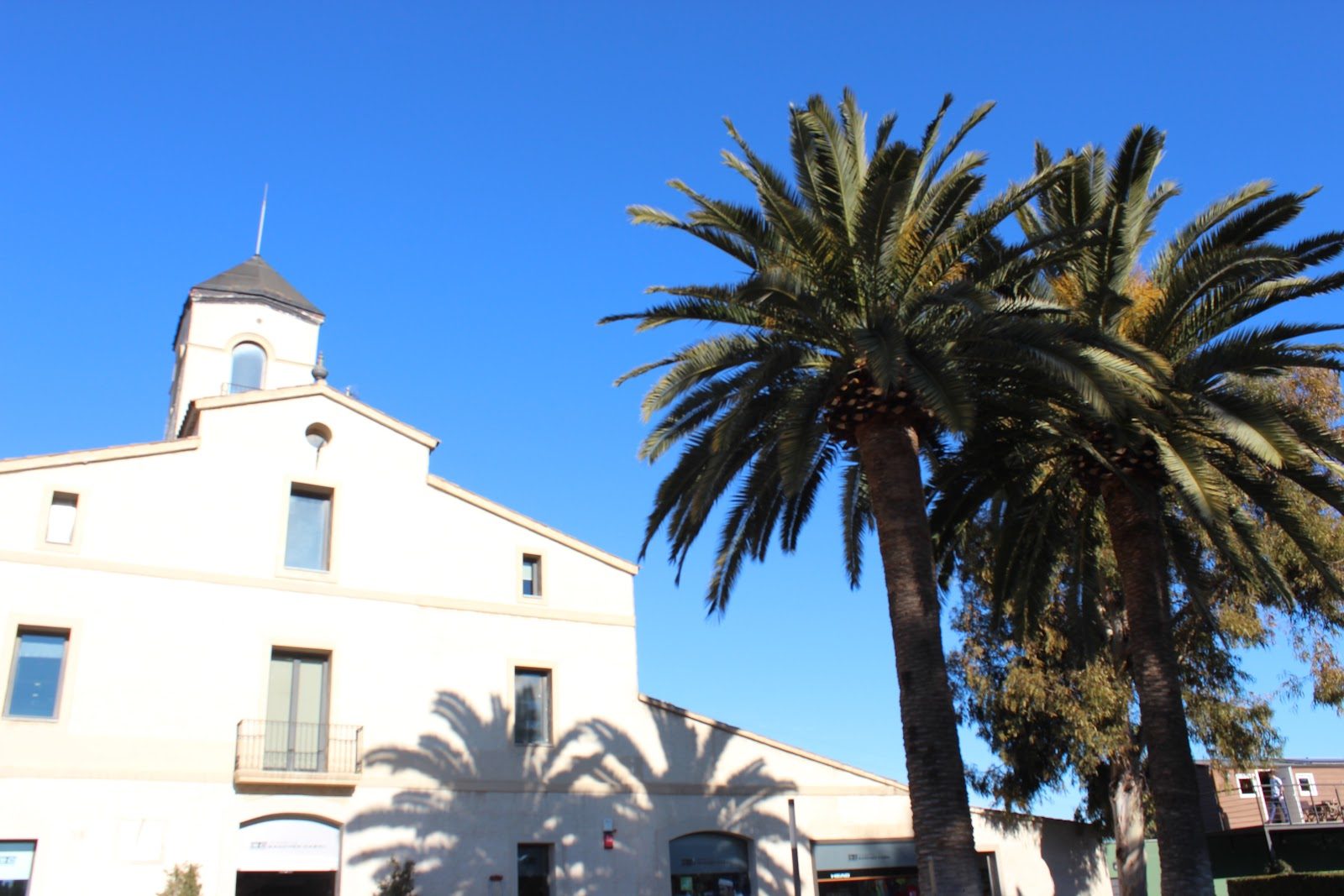
Photo © ES American School via Google Maps
Type
Day
Ages
2–18
Curriculum
American
Qualifications
US High School Diploma · AP
Ratio
—
The Verdict
Editor's commitment
Right for
Families who want an English-medium American school, Middle States accreditation and an IB PYP elementary phase outside Barcelona for €13,025.
Wrong for
Parents chasing a classic Spanish or British route, a central Barcelona campus, or a university list deeper than American University of Paris and Auburn.
Watch out for
The school cites over 40 nationalities and Florida standards, but it does not publish aggregate AP results or wider destination data.
Ranking breakdown
ES International School of Barcelona · #1242 of 1591
Composite score 57.1. 8 weighted criteria.
By criterion
Academic Outcomes
Weight 20%
#1220
of 1529 scored
University Placement
Weight 16%
#1227
of 1529 scored
Prestige & Heritage
Weight 12%
#1259
of 1571 scored
Alumni Network
Weight 12%
#860
of 1530 scored
Facilities
Weight 12%
#1164
of 1533 scored
Transparency & Communications
Weight 8%
#1197
of 1532 scored
Peer & Industry Review
Weight 10%
#1108
of 1548 scored
Admissions Selectivity & Demand
Weight 8%
#1077
of 1529 scored
Score history
ES International School of Barcelona · 2026
Movement across 2024–2026. Peer average overlaid.
Overall — 2024–2026
57.1/ 100
▲ +33.0 vs 2025
year on year
Peer & Industry Review
How ES International School of Barcelona is regarded in the sector
64
Respected · medium confidence
I could not identify at least two independent third-party sources (e.g., Tatler, Good Schools Guide, specialist education press, or established expat forums) that specifically assess ES International School of Barcelona's reputation. Without verifiable independent coverage, no reliable score can be assigned.
Editors' overview
The point of ES International School of Barcelona is plain: this is an American school tied to the Sánchez-Casal tennis environment, not a generic international campus with a sports programme attached as an afterthought. For the right child, that mix has real force. The school offers an American curriculum in English for ages 2 to 18, operates as a day school outside central Barcelona, and sits in a niche that few local competitors occupy cleanly: an American diploma route in a setting that puts serious sport, especially tennis, close to daily life. That makes it distinctive in a city where British and IB options dominate the conversation.
Academically, the structure is more solid than the niche branding might imply. The school follows the educational guidelines and standards of the Florida Department of Education, offers the IB Primary Years Programme in the elementary years, and runs Advanced Placement in high school. It is accredited by the Middle States Association and recognised in Spain as a foreign school by the Generalitat de Catalunya and the Spanish Ministry of Education. That combination gives parents a clearer transatlantic pathway than many international schools can offer: American foundations, AP at the top end, and a recognised legal status in Spain. The school also states that its students represent more than 40 nationalities, which points to a genuinely international intake rather than a local school with English added on.
Its market position is specialist rather than grand. At an average annual day fee of €13,025, it sits well below Barcelona’s premium-fee international tier. That lower price point matters, but it also frames expectations. This is not the place to choose for architectural spectacle, a huge activity menu or the social cachet that follows the city’s most expensive schools. It is the place to choose for a more focused proposition: small enough to sell individual attention and close guidance with credibility, and specific enough to attract families who want an American education without paying top-bracket fees. University destinations published here are modest rather than headline-chasing — recent named outcomes include the American University of Paris, Auburn University and Auburn University at Montgomery — so families chasing prestige admissions statistics will find the picture thin. The school does not publish the kind of aggregate university placement data that would settle that question.
The student who will thrive here is easy to picture. This suits children who want a less corporate, more personal international school and families who value the American system, English-language teaching and a genuinely sporty culture. It will hold strong appeal for committed tennis players and for students who benefit from individual attention rather than anonymity on a very large campus. It is less well suited to families who want a broad, metropolitan school experience in the centre of Barcelona or those who judge schools by selective-university results first. In short: a purpose-built choice for sporty, internationally mobile students who want an American route and do not need the trappings of the city’s top-fee schools.
Academic Performance
Academic performance is the section where the school’s public case weakens. It offers Advanced Placement in the upper years, which gives students access to externally benchmarked courses and exams, but the school does not publish aggregate AP results, score distributions, pass rates or subject-by-subject outcomes. That omission matters. In a crowded international market, schools that deliver strong external results publish them. ES instead asks families to trust the structure more than the evidence. The one hard academic signal in the published record is the university destination list, and that list is thin, modest and selective in the wrong way: named placements include just 1 student each at the American University of Paris, Auburn University and Auburn University at Montgomery. That is not a performance profile that places the school among Barcelona’s results-led academic operators.
Relative to peers, ES sits in the specialist rather than high-output bracket. Parents comparing it with larger British, IB or academically aggressive American schools in and around the city will find far less published proof of exam strength here. That does not mean students cannot do well; it means the school does not disclose the data that would establish that claim. The practical reading is straightforward: for families who want an American route in a more intimate setting, the academic offer has enough external scaffolding to be credible. For families who rank exam transparency, top-university conversion and hard-edged outcomes first, ES is a weaker bet.
Facilities
Facilities here are defined by the Sánchez-Casal setting. The decisive asset is access to a serious sports environment, not a glossy stand-alone school campus built to impress on tours. For tennis-focused families, that matters more than atriums and statement architecture. The site sits on the academy grounds on the edge of the city and gives students day-to-day proximity to clay courts, training infrastructure and an athletic culture that most Barcelona international schools do not match. That is a real differentiator. The school also offers a virtual campus tour and separates out campus facilities as a core part of its public case, which fits a school selling a compact academic programme tied closely to sport rather than a sprawling all-purpose estate.
Against peer schools, the trade-off is clear. ES has specialist strength where many rivals have broader but less distinctive provision. Families looking for theatre complexes, major design labs, indoor aquatics, expansive playing fields or the polished excess of top-fee campuses will find stronger physical plant elsewhere in Barcelona’s international market. ES wins on focus, not range. Its facilities make the most sense for children whose week revolves around training as much as classroom life, and for parents who value function over spectacle. For everyone else, the estate reads as purpose-built and narrow: credible for study, compelling for tennis, thinner for families who want every department housed in its own showcase space.
ES International School of Barcelona sits in a narrow prestige lane
Prestige
ES International School of Barcelona sits in a narrow prestige lane. It does not trade on old-money status, a famous city-centre address or a long list of elite university destinations. Its standing comes from something more specific: a distinct link to the Sánchez-Casal sporting environment and an international intake drawn from more than 40 nationalities. For families in the tennis world, that association carries real weight. Outside that circle, the school’s name has less pull than Barcelona’s bigger international brands. Prestige here is therefore specialist, not broad. That matters. A child at ES gets a school with a defined identity, but not one that opens doors on name recognition alone.
That is why the school lands in the credible but not coveted bracket. The price point sits far below the city’s top-fee tier, which keeps it accessible but also limits the aura that expensive schools often cultivate. Public university placement data do not create a prestige narrative either; the named outcomes are sparse, and the school does not publish the aggregate destination picture that high-status schools use to reinforce their market standing. In practical terms, ES carries niche esteem for families who value the academy connection and a more personal setup. It does not carry the social clout or academic prestige of Barcelona’s most sought-after international schools.
For disciplined young athletes, especially tennis players, that is genuinely distinctive
Communications
Parent communication rests on direct-contact basics rather than polished systems theatre. The school puts phone, WhatsApp and email front and centre, and that matters for a small, close-contact operation: families can reach a human fast instead of disappearing into a portal maze. The site also flags a monthly newsletter, student council and eco committee, which indicates a school trying to keep parents tied into day-to-day life, not just fee notices and calendar changes. The public-facing content is translated into a striking range of languages, with 10 language options visible on the main site. That signals an intake spread across borders and a communications model built for internationally mobile families. It is practical, accessible and more hands-on than corporate.
The weakness is depth and proof. We have not seen the kind of detailed parent-information architecture that stronger international schools now treat as standard: clear published policies, rich academic reporting examples, transparent performance dashboards or a sharply organised news flow that shows the school’s internal life in substance rather than outline. The emphasis lands on contactability and warmth, not documentation. For some parents that will feel refreshingly human; for others it will read as too informal for a school serving children across the full age range. The verdict is clear: communication here is strongest when it is personal, quick and relationship-led. It is weaker when parents want hard-edged transparency and a deeply documented public record.
Uniqueness
What sets ES apart is not the American diploma on its own. Barcelona has no shortage of international schools with imported curricula and global language on the prospectus. ES is different because the school lives inside a performance-sport ecosystem, with study and training sharing the same daily frame. That creates a rarely clean proposition: not a standard international school with extra coaching after lessons, but an academic route built beside a serious academy culture. For disciplined young athletes, especially tennis players, that is genuinely distinctive. The student body also spans more than 40 nationalities, which gives the school a more international social mix than many small specialist schools manage.
The gain for students is clarity. Children who want a conventional big-campus experience, sprawling clubs and a broad social pecking order have better options elsewhere. ES works best for students who value tight-knit routines, close adult attention and a week structured around both schoolwork and sport. That combination can produce harder edges in the best sense: time management, resilience, self-possession and comfort in an ambitious peer group. It also narrows the school’s appeal. Families need to want the academy context, not just tolerate it. Chosen on those terms, ES offers a focused, unsentimental version of international schooling that knows exactly what it is for.
That makes it distinctive in a city where British and IB options dominate the conversation
Student Profile
The child who fits here is easy to identify: internationally mobile, comfortable in a mixed-age day that asks for discipline, and happy in a school where sport carries real status rather than decorative value. This suits students who do not need a big social stage or endless elective sprawl to feel fulfilled. It suits children who respond well to close adult oversight, can organise themselves, and are willing to work inside a tighter, more purposeful routine than a broad metropolitan campus offers. The intake spans more than 40 nationalities, so pupils need ease with difference and a readiness to build friendships across cultures rather than inside one dominant local clique. Tennis players sit at the centre of that picture, but the wider fit is temperament, not ranking list: self-directed, resilient, and comfortable with a school identity that is specialist rather than socially grand.
Who struggles? Students who want anonymity, a large peer field, or the status theatre of a flagship international school. This is not built for children who need constant novelty, heavy sixth-form prestige signalling, or a vast menu of arts and activity pathways to define themselves. It works better for families who value individual attention and a serious sporting culture than for those chasing a conventional Barcelona international-school experience. In blunt terms, ES suits focused children with athletic energy and a degree of self-command. For the wrong student, it will feel narrow. For the right one, it will feel cleanly aligned with how they already live.
For families who rank exam transparency, top-university conversion and hard-edged outcomes first, ES is a weaker bet
Co-curricular strengths
Arts & sport, on a separate axis
Overall 6.3/10
Scored 0-10 from the school's own published evidence. This axis is editorial-only — it does not feed the main WTS ranking.
Sports
9.5/10
Football, Basketball, Volleyball and Swimming as extracurriculars, showing a solid multi-sport offering but with no named facilities, competitive results or specialist staff described.
Drama
6/10
Drama is explicitly named in the extracurricular list, but there is no further detail on productions, facilities, staff or programme depth.
Dance
4.5/10
Dance is explicitly named in the extracurricular list.
Music
5.5/10
Choir is explicitly listed as an extracurricular, which is sufficient evidence of a music programme, but there is no further detail on ensembles, facilities or specialist staff.
Visual Arts
6/10
Art Club is explicitly named in the extracurricular list, but there is no additional evidence of facilities, exhibitions, curriculum breadth or specialist art spaces.
Editor first-pass · editor-reviewable · 7/27/2026
Outcomes & destinations
Where students go next
Top destinations
74 placements
- American University of Paris· 1
- Auburn University· 1
- Auburn University at Montgomery· 1
- Augustana College· 1
- Bocconi University· 1
- Bradley University· 1
- California State University, Los Angeles· 1
- Baruch College· 1
- Hunter College· 1
- Columbia University· 1
- Cornell University· 1
- Davidson College· 1
- Duquesne University· 1
- DePaul University· 1
- Elon University· 1
- Emory University· 1
- ESADE· 1
- European University· 1
- Fairleigh Dickinson University· 1
- Flagler College· 1
- Florida Atlantic University· 1
- Florida Gulf Coast University· 1
- Furman University· 1
- George Mason University· 1
- Georgia Southern University· 1
- Georgia Tech University· 1
- Glion Institute· 1
- Indiana-Purdue University Fort Wayne· 1
- John Cabot University· 1
- King's College London· 1
- LaSalle University· 1
- Lehigh University· 1
- Lewis-Clark State College· 1
- Loyola Marymount University· 1
- Lynn University· 1
- Marquette University· 1
- New Jersey Institute of Technology· 1
- New York University· 1
- Ohio University· 1
- Pace University· 1
- Pennsylvania State University· 1
- Pepperdine University· 1
- Rice University· 1
- Rochester Institute of Technology· 1
- St. Bonaventure University· 1
- St. John's University· 1
- Saint Joseph's University· 1
- Saint Mary's College· 1
- Saint Peter's College· 1
- Sarah Lawrence College· 1
- Savannah College of Art and Design· 1
- Southern Illinois University Carbondale· 1
- The Ohio State University· 1
- Temple University· 1
- Texas A&M University· 1
- Trinity University· 1
- University of California, Berkeley· 1
- University of California, Los Angeles· 1
- University of Colorado· 1
- University of Florida· 1
- University of Illinois Chicago· 1
- University of Kansas· 1
- University of Miami· 1
- University of North Carolina Wilmington· 1
- University of North Florida· 1
- University of Richmond in London· 1
- University of South Carolina· 1
- University of South Florida· 1
- University of Texas at Arlington· 1
- University of Virginia· 1
- University of Wisconsin· 1
- University of Wisconsin-Madison· 1
- Wake Forest University· 1
- West Virginia University· 1
Reported by the school. Confirm with admissions.
Strengths
- +Covers ages 2–18 on one campus journey
- +English-medium teaching suits mobile international families
- +American curriculum offers a US-style academic pathway
- +Non-religious ethos may suit secular families
Considerations
- −Day school only; no boarding option
- −American curriculum may not suit all university pathways
- −English-only instruction may limit local-language immersion
Availability
Primary entry gate & tests
Academic Record
Gallery
Photo © ES American School via Google Maps
Photo © ES American School via Google Maps
Parent reviews
Have you sent your child here?
Voice reviews carry the strongest trust badge — we transcribe them for you to tidy up before they go live. Prefer to type? A written review is fine too.
Add your voice
In 60 seconds, tell other parents: what's the best thing about ES International School of Barcelona, and what surprised you when your child joined?
We ask for a Google sign-in so every review has a real face behind it — no anonymous drive-by attacks on schools, and no faked positive reviews. Your email is never shown publicly.
Send this profile to a friend
International parents rely on word-of-mouth. Share this review with someone weighing the same decision.
Schools with places
Similar schools to ES International School of Barcelona with places available now.
Availability first, then country, area, curriculum, price, co-curricular
Consider also
Also worth looking at alongside ES International School of Barcelona.
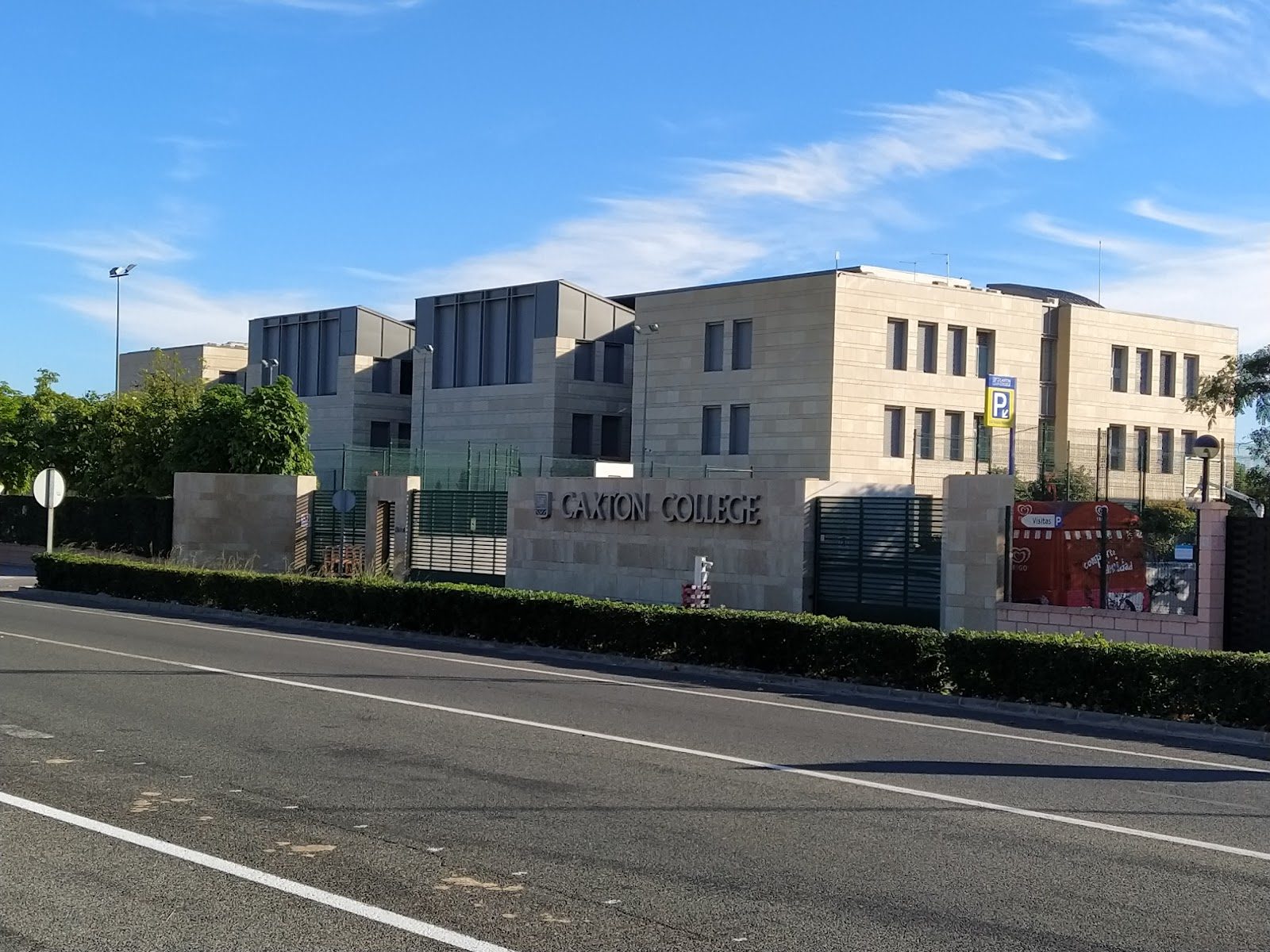
Caxton College
Puçol · Spain
On Valencia's coast between mountains and sea, a family-run British school pairs A-Levels with native Spanish literary strength.
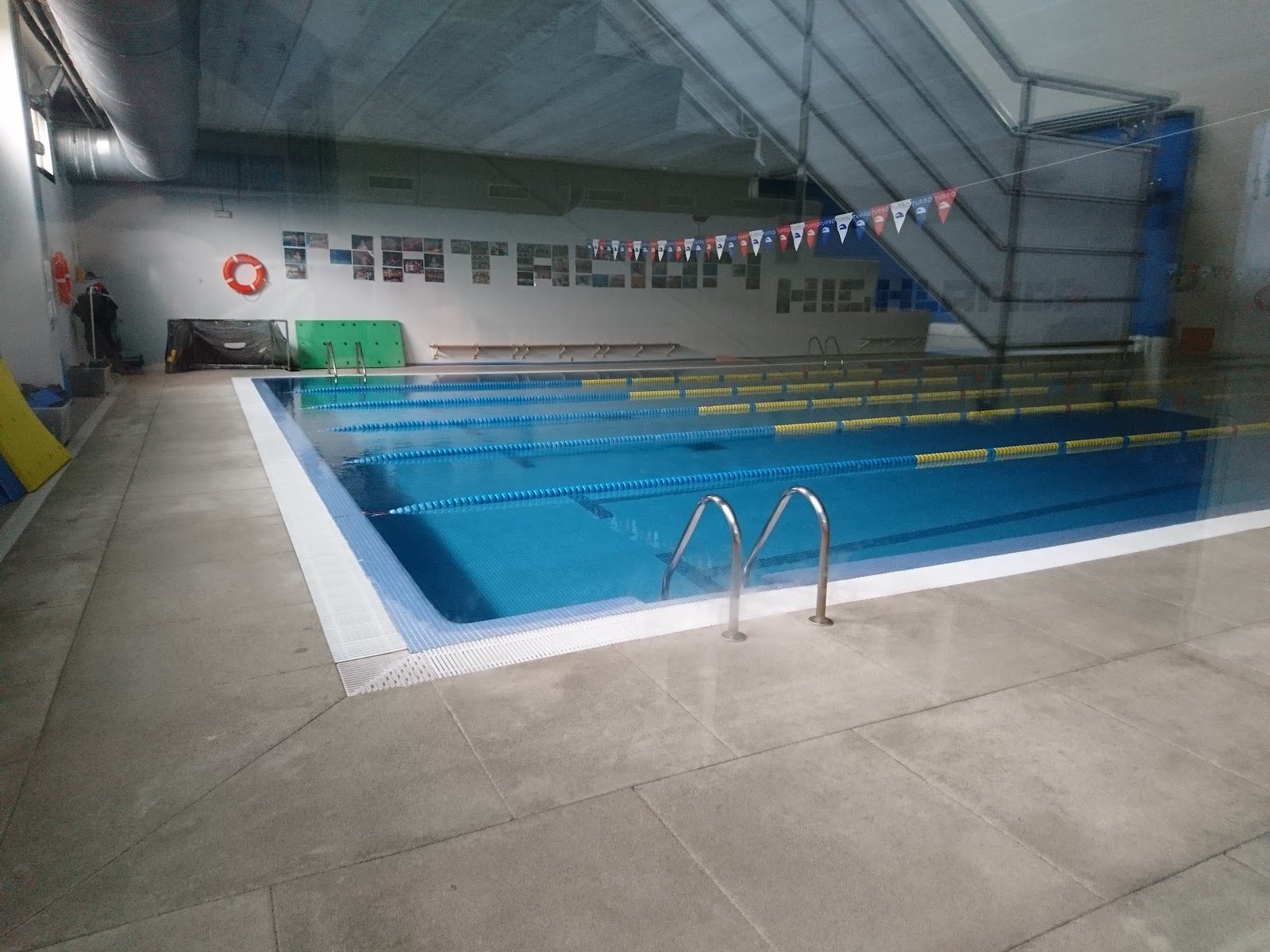
Highlands School Madrid
Madrid · Spain
In La Moraleja's green belt, a Cambridge-accredited trilingual campus pairs British rigour with a public-speaking programme built into daily lessons
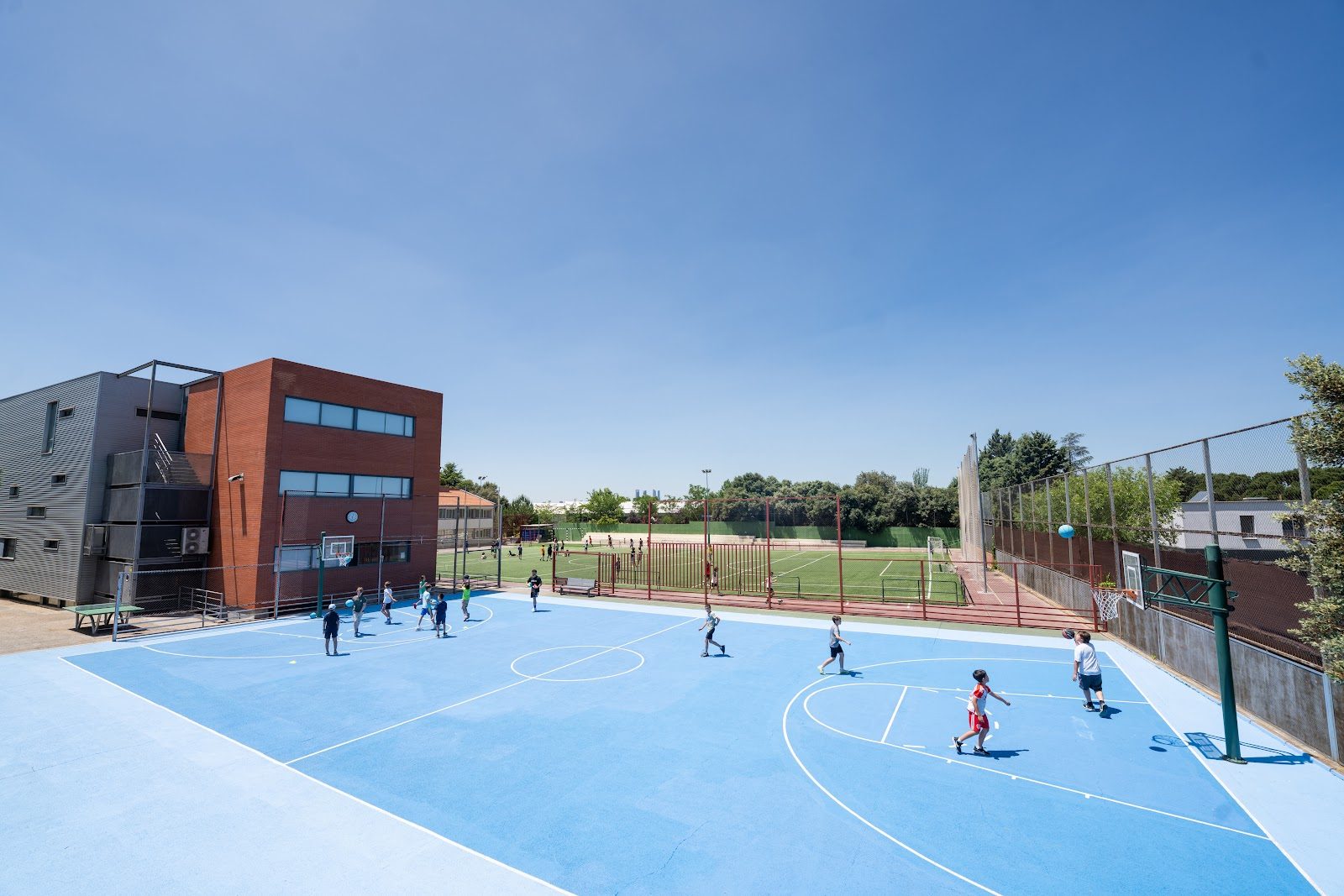
Colegio Base
Madrid · Spain
Rooted in the Institucion Libre de Ensenanza since 1962, this La Moraleja campus runs three Baccalaureate tracks under one roof.
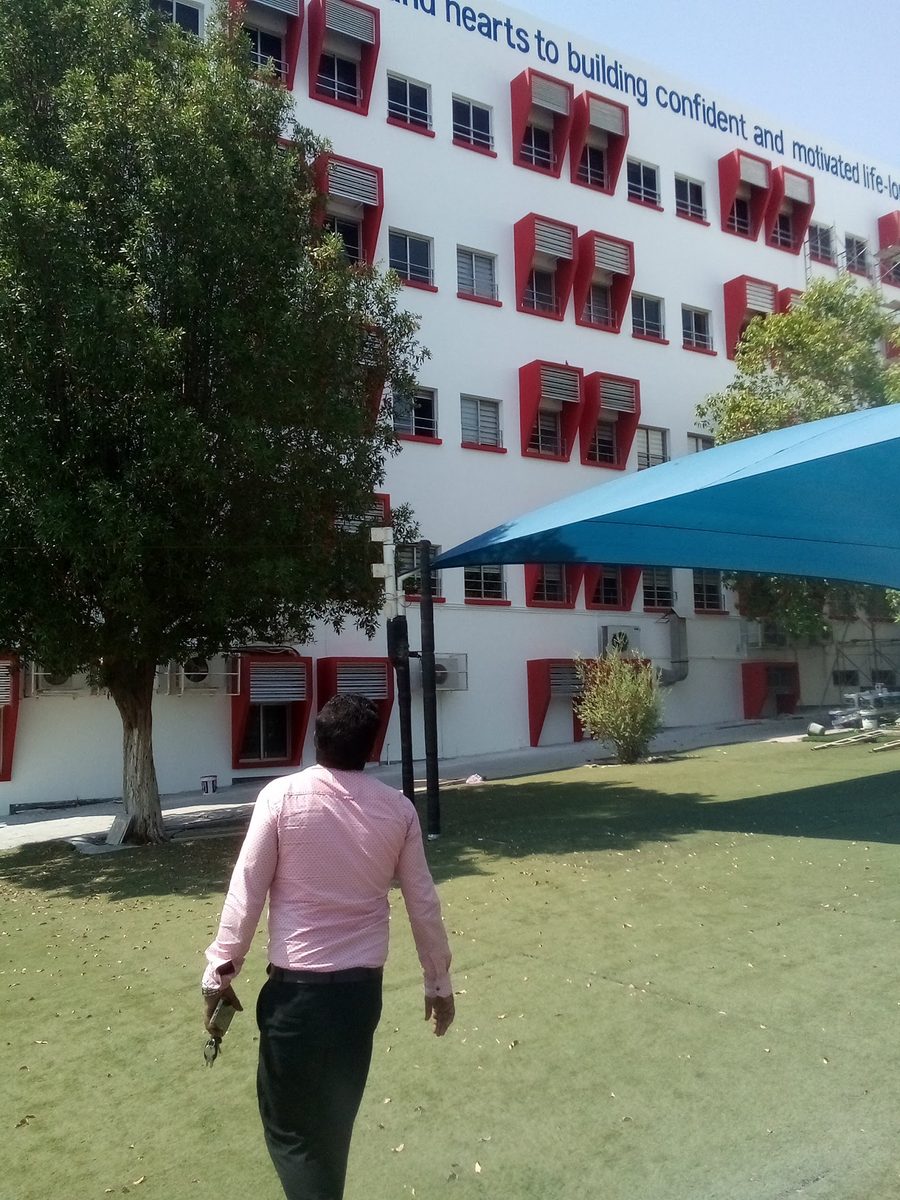
Al Hekma International School
Manama · Bahrain
Bahrain's first STEM-certified school pairs an American diploma track with an IB pathway for Manama's college-bound.
Same country and curriculum — closest matches within ±10 points either way