
Eastern Province
Dhahran Academy
low confidence· 4/6 cats · 1 avg sourcesFounded in 1962 for US Consulate families, this Eastern Province campus now pairs AP Capstone rigor with a full IB Diploma pathway.
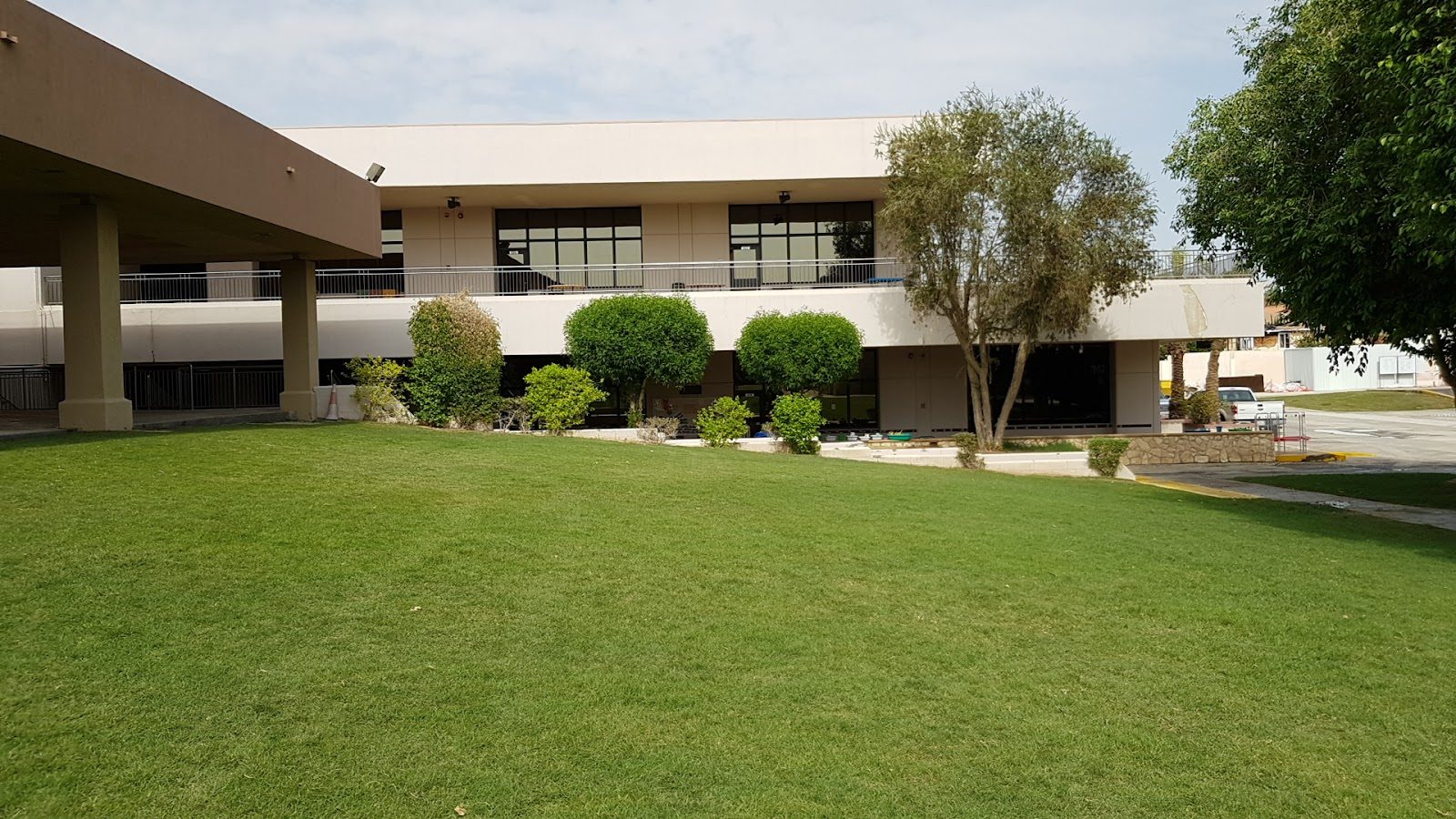
Photo © Алексей Алексеенко via Google Maps
Type
Day
Ages
3–18
Curriculum
American · IB
Qualifications
AP · IB Diploma · US High School Diploma
Ratio
—
The Verdict
Editor's commitment
Right for
Families in Dhahran who want a day school founded in 1962 with American teaching, AP Capstone rigour and a full IB Diploma route.
Wrong for
Parents who want boarding, religious framing or a single-curriculum school; this is non-religious, English-medium and runs American plus IB.
Watch out for
At 93,043 SAR average annual day fees, Dhahran Academy charges at the premium end; Middle States and IB World status do not guarantee warmth.
Ranking breakdown
Dhahran Academy · #1243 of 1591
Composite score 57.1. 8 weighted criteria.
By criterion
Academic Outcomes
Weight 20%
#1220
of 1529 scored
University Placement
Weight 16%
#1227
of 1529 scored
Prestige & Heritage
Weight 12%
#1259
of 1571 scored
Alumni Network
Weight 12%
#860
of 1530 scored
Facilities
Weight 12%
#1164
of 1533 scored
Transparency & Communications
Weight 8%
#1197
of 1532 scored
Peer & Industry Review
Weight 10%
#1108
of 1548 scored
Admissions Selectivity & Demand
Weight 8%
#1077
of 1529 scored
Peer & Industry Review
How Dhahran Academy is regarded in the sector
55
Credible · medium confidence
Dhahran Academy, now operating as American School Dhahran (ASD) since a 2021 merger, carries the historical weight of being one of the oldest expatriate schools in the Eastern Province, tracing its roots to 1962 as the schooling arm for US Consulate families. WhichSchoolAdvisor's independent review confirms its lineage and not-for-profit ISG governance, noting the school now serves over a thousand students from 54 nationalities on its purpose-built Al Khobar campus. Expat parent commentary on directories such as Edarabia is consistently warm, praising staff diversity and facilities, though this reads as community sentiment rather than sector benchmarking. Coverage is solid but largely descriptive rather than comparative; the school has not featured in independently scored "best of Saudi Arabia" rankings, so its reputation rests on institutional pedigree and steady expat goodwill rather than a documented industry verdict.
Evidence sources
Editors' overview
Dhahran Academy has a pedigree few Gulf schools can match: it opened in 1962 for US Consulate families and still carries the stamp of an American international school with serious academic intent. The defining point now is breadth at the top end. This is not a school that stops at a standard US high-school diploma. It runs an American curriculum alongside the IB and offers a full IB Diploma pathway, with AP Capstone in the mix according to the school’s own positioning. That combination puts it in a small, exacting niche: families who want US-style schooling without closing off the IB, and who value a campus with institutional memory rather than a freshly launched premium product.
Its market position is clear. At an average annual day fee of 93,043 SAR across ages 3 to 18, Dhahran Academy sits in the premium end of the Eastern Province market, and it needs to justify that with substance rather than spectacle. The substance here is academic structure and external validation. The school holds Middle States accreditation, IB World School status, US State Department OSA recognition and NESA affiliation. That is a serious accreditation stack, and it matters more than polished branding. Parents looking for glitter, grand claims and inflated lifestyle language will find stronger theatre elsewhere; parents looking for a school with a long institutional track record, English-medium teaching and a credible American-plus-IB academic route will put this on the shortlist.
The pupil who fits Dhahran Academy is straightforward to identify. This is for children who can handle a demanding academic runway, especially in the secondary years, and for internationally mobile families who want optionality between US and IB trajectories. It also suits parents who care about continuity: a non-religious day school in Dhahran serving ages 3–18 under one roof, with English as the language of instruction, gives families a stable through-school rather than a patchwork of phases. Students who need a softer, less structured environment, or whose strengths sit far more in vocational or highly specialised creative pathways, will find tighter fits elsewhere. For academically ambitious families in Saudi Arabia’s Eastern Province, this is a credible, grown-up option with more depth than flash.
Academic Performance
Dhahran Academy’s public case on academic performance rests on pathway breadth and rigour, not on a rich bank of published outcome data. The school offers both AP and the full IB Diploma, which places it in a more exacting academic bracket than many American schools in the region that stop at a standard diploma. That matters: parents choosing between US-style flexibility and the heavier structure of the IB have both routes here. What is missing is the hard comparative layer. The school does not publish a consolidated run of IB averages, Diploma pass rates, AP score distributions or matriculation data detailed enough to benchmark it cleanly against the Gulf’s results-driven heavyweights. For a school at this level, that is a real gap.
So where does it fit? In market terms, Dhahran Academy belongs with academically serious international schools whose sixth form carries genuine external examination weight. It does not belong in the glossy but thin category. Equally, without transparent headline results, it does not earn automatic placement among the region’s data-rich top performers. The strongest conclusion is narrower and more useful: this is a school built for pupils who want demanding courses and credible exit options, but parents who rank published outcomes above programme architecture will want more than a prospectus claim of rigour. Until the school puts IB and AP performance into the public domain in a consistent way, its academic reputation rests more on structure than proof.
Facilities
Dhahran Academy’s facilities profile reads as that of a mature through-school built for daily use, not a showroom campus. The key assets are the ones that support breadth across the school day: science laboratories for upper-school practical work, library provision, sports spaces, and specialist rooms for the arts and technology. For families weighing peers in the Eastern Province, that matters more than atrium architecture. Many premium schools now compete on scale and visual impact; Dhahran Academy’s advantage lies in having the core academic and co-curricular infrastructure a serious all-through school needs, without the resort-style excess that pads brochures but adds little to teaching. At an average annual fee of 93,043 SAR, parents can expect well-kept, functional provision across classrooms, labs and activity spaces. They should also expect clearer public detail than the school currently gives.
Against direct competitors, the facilities case is solid rather than dazzling. This does not read as a campus built to overpower newer rivals with headline amenities, elite sporting complexes or theatrical design. It reads as a school where the physical plant serves the programme, and where students have the spaces required for a full school experience from the early years to sixth form. That is a defensible position, but it leaves Dhahran Academy short of the arms-race end of the market, where schools publish exhaustive room lists, performance venues, aquatic centres and maker facilities to justify premium fees. Parents who prize substance over spectacle will live with that. Parents who want visible hardware to match the price will ask harder questions on the tour.
The pupil who fits Dhahran Academy is straightforward to identify
Prestige
Dhahran Academy carries real legacy prestige in the Eastern Province, but it is a restrained kind of status rather than a loud one. Its origins in consular service give it a distinct institutional pedigree that newer premium schools cannot manufacture, and that history still matters to internationally minded families who value continuity, governance and a school culture built over decades rather than assembled for the market. The price point — an average annual fee of 93,043 SAR — places it firmly among the area’s expensive schools, which confers a degree of social cachet on its own. More important, the school’s standing rests on seriousness. The combination of Middle States recognition, IB World School status, US State Department OSA recognition and NESA affiliation gives it earned credibility with mobile professional families.
That said, prestige here has clear limits. Dhahran Academy does not command the same brand glamour as the most aggressively marketed names in Dubai, Doha or Abu Dhabi, and it does not publish the kind of headline outcomes that turn reputation into undisputed academic prestige. This is not a school that trades on spectacle, celebrity alumni or relentless publicity. Its status is quiet, old-guard and professional: strongest among families who know the region, know the international-school landscape, and care more about academic seriousness and institutional reliability than social theatre. That is respectable prestige, not magnetic prestige.
Dhahran Academy’s public case on academic performance rests on pathway breadth and rigour, not on a rich bank of published outcome data
Communications
Dhahran Academy communicates with parents in a direct, institutional register rather than a polished lifestyle one. The website does the essential jobs: admissions pathways, academic structure, calendars, contacts and practical school information are easy to locate, and the tone stays workmanlike instead of promotional. That matters. Families choosing an expensive all-through school need clarity more than mood-setting copy. The school also benefits from being part of a larger education organisation, which tends to impose baseline discipline on notices, forms and process information. What the school does not do, at least in public-facing communication, is offer the high-transparency standard now common at the sharp end of the market. There is no deep bank of published performance data, little granular explanation of day-to-day school life, and limited public evidence of the kind of frequent principal-level messaging that reassures parents between reporting points.
So the verdict is mixed, with a clear tilt. For operational communication, Dhahran Academy looks competent and orderly. For strategic communication — explaining outcomes, culture, expectations and the lived experience behind fees of 93,043 SAR — it is too restrained. Parents already inside the school community may get what they need through portals, email and routine contact, but prospective families face a thinner picture than they should at this price. In practical terms, that means the school communicates *better as an institution than as a public-facing narrator of itself*. The result is credible but not persuasive.
Uniqueness
What sets Dhahran Academy apart is not novelty but combination. Very few schools in the Kingdom offer a genuine choice between two demanding end-of-school routes inside one through-school, and fewer still do so with the institutional habits of a school that has served internationally mobile families for decades. That gives students something valuable: real academic optionality without the disruption of changing schools at a pivotal stage. A child can grow up in one community, then choose the pathway that fits their strengths, university plans and tolerance for assessment pressure. For families who move for diplomatic, energy or multinational work, that continuity is a practical advantage, not a branding line.
The other distinctive feature is tone. Dhahran Academy reads as a school built around work, structure and dependable delivery rather than market theatre. In a regional sector crowded with polished overstatement, that restraint has value. Students benefit from a culture that points them towards substance: external examinations with weight, a broad age range under one roof, and a peer group shaped by internationally minded families rather than a purely local intake. The trade-off is clear. This is not the place for parents chasing flashy prestige or children who need a loose, highly cushioned environment. It suits pupils who thrive when standards are clear, expectations are high, and school feels like a serious preparation for what comes next. At an average annual fee of 93,043 SAR, that distinctiveness needs to translate into daily academic quality.
In market terms, Dhahran Academy belongs with academically serious international schools whose sixth form carries genuine external examination weight
Student Profile
The best fit at Dhahran Academy is the student who works well in a structured, academically serious environment and does not need a school to disguise its expectations. This suits children from internationally mobile families who value continuity, clear routines and peers with similar horizons. It also suits sixth-form students who want choice at the end of school without sacrificing rigour along the way. Pupils who are organised, self-directed and comfortable with external assessment will have the stronger run here. Those who need constant hand-holding, a highly therapeutic atmosphere or a loose classroom culture will find the pace less forgiving. So will children whose main strengths sit outside the academic core unless the school can show stronger depth in those areas on a visit.
Socially, the school fits families who prefer professional, low-drama school culture over status theatre. It has the feel of a place for parents who care about substance, stability and adult standards of behaviour, and for students who can thrive in a community shaped by expatriate and internationally minded households. The fee level — 93,043 SAR on average each year — puts it firmly in the premium bracket, so the intake will skew towards families with serious means or employer support. That does not make it socially flashy. If anything, the stronger fit is the child who is quietly ambitious, comfortable in a serious-minded peer group, and happy in a school that prizes work over performance.
Dhahran Academy’s facilities profile reads as that of a mature through-school built for daily use, not a showroom campus
Co-curricular strengths
Arts & sport, on a separate axis
Overall 6.74/10
Scored 0-10 from the school's own published evidence. This axis is editorial-only — it does not feed the main WTS ranking.
Sports
7.6/10
Drama
6.8/10
Dance
5.8/10
Music
6.9/10
Visual Arts
6.6/10
Editor first-pass · editor-reviewable · 7/30/2026
Strengths
- +Offers a dual-curriculum pathway (American high school diploma and IB), giving families flexibility on university destinations.
- +Operates as a day school, avoiding boarding fees and suiting expatriate families placed in the Eastern Province for defined work postings.
- +Located in Dhahran, a long-established expatriate hub historically linked to Saudi Aramco's international workforce and schooling needs.
- +Part of the ISS (International Schools Group) network in Saudi Arabia, giving some institutional continuity and shared administrative infrastructure.
Considerations
- −Editorial rank of 1219 indicates a limited international profile compared with globally benchmarked schools.
- −Candidate tier status reflects a lack of independently published inspection reports, exam outcome data or accreditation detail available for public review.
- −Catchment is effectively tied to Dhahran's expatriate population, which may limit the diversity or scale of extracurricular and peer networks compared to larger international hubs like Riyadh or Jeddah.
- −Published fee schedules and detailed admissions statistics are not transparently available online, making cost and competitiveness hard to verify in advance.
Availability
Primary entry gate & tests
CAT4 / Assessment
Gallery
Photo © Алексей Алексеенко via Google Maps
Photo © Алексей Алексеенко via Google Maps
Photo © Алексей Алексеенко via Google Maps
Photo © Алексей Алексеенко via Google Maps
Photo © Алексей Алексеенко via Google Maps
Parent reviews
Have you sent your child here?
Voice reviews carry the strongest trust badge — we transcribe them for you to tidy up before they go live. Prefer to type? A written review is fine too.
Add your voice
In 60 seconds, tell other parents: what's the best thing about Dhahran Academy, and what surprised you when your child joined?
We ask for a Google sign-in so every review has a real face behind it — no anonymous drive-by attacks on schools, and no faked positive reviews. Your email is never shown publicly.
Send this profile to a friend
International parents rely on word-of-mouth. Share this review with someone weighing the same decision.
Schools with places
Similar schools to Dhahran Academy with places available now.
Misk Schools
Riyadh · Saudi Arabia
- 2026-27
- PLACES OPENApps open / space-dependent
- 2027-28
- WAITPOOL2027/28 timetable TBC
Manarat Al Riyadh Schools
Riyadh · Saudi Arabia
- 2026-27
- WAITPOOLSpace-dependent
- 2027-28
- PLACES OPENRolling
KAUST School
Thuwal · Saudi Arabia
- 2026-27
- WAITPOOLRestricted eligibility / KAUST channels
- 2027-28
- WAITPOOLRestricted eligibility / not general public
Kingdom Schools
Riyadh · Saudi Arabia
- 2026-27
- WAITPOOLSpace-dependent
- 2027-28
- PLACES OPENRolling
Availability first, then country, area, curriculum, price, co-curricular
Consider also
Also worth looking at alongside Dhahran Academy.
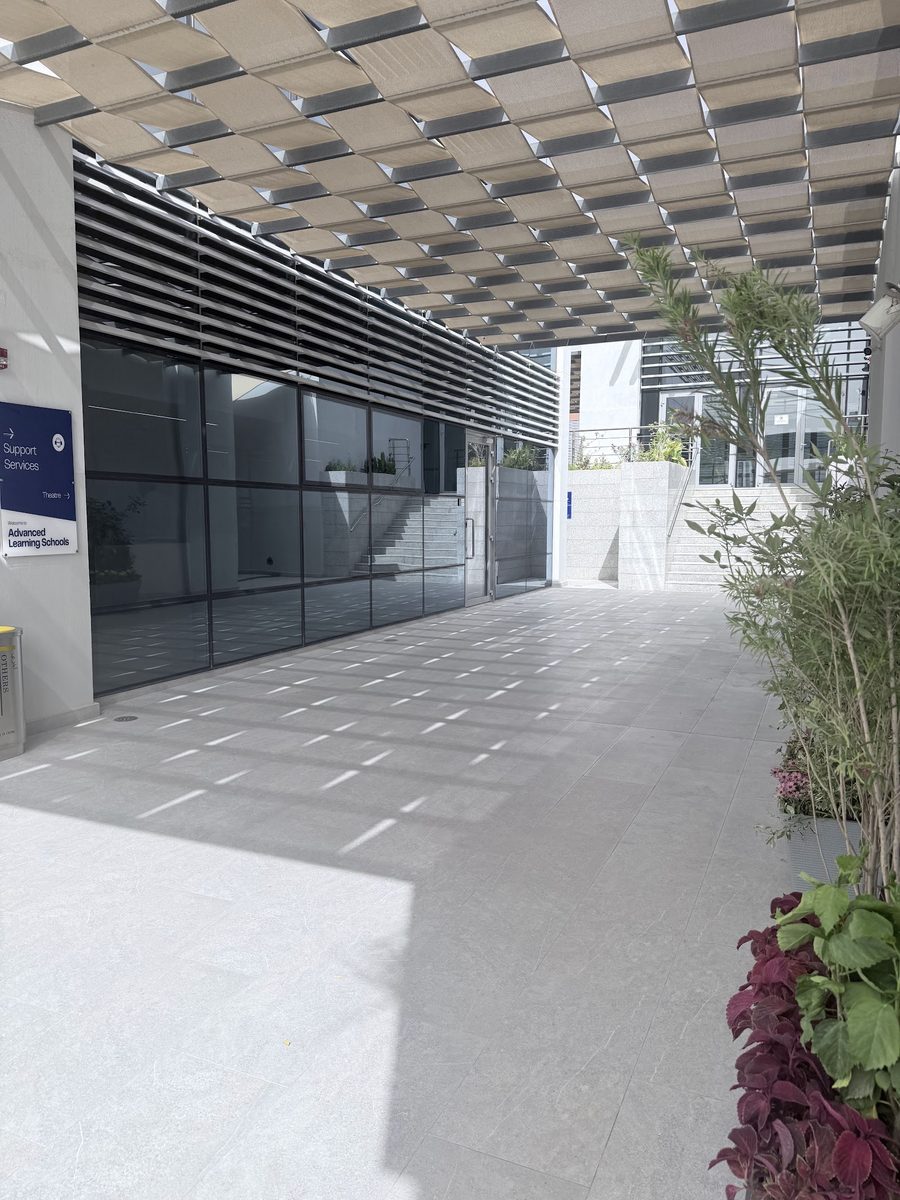
Advanced Learning Schools
Riyadh · Saudi Arabia
In central Riyadh, a full IB continuum meets American college prep for a student body that is majority Al Saud.
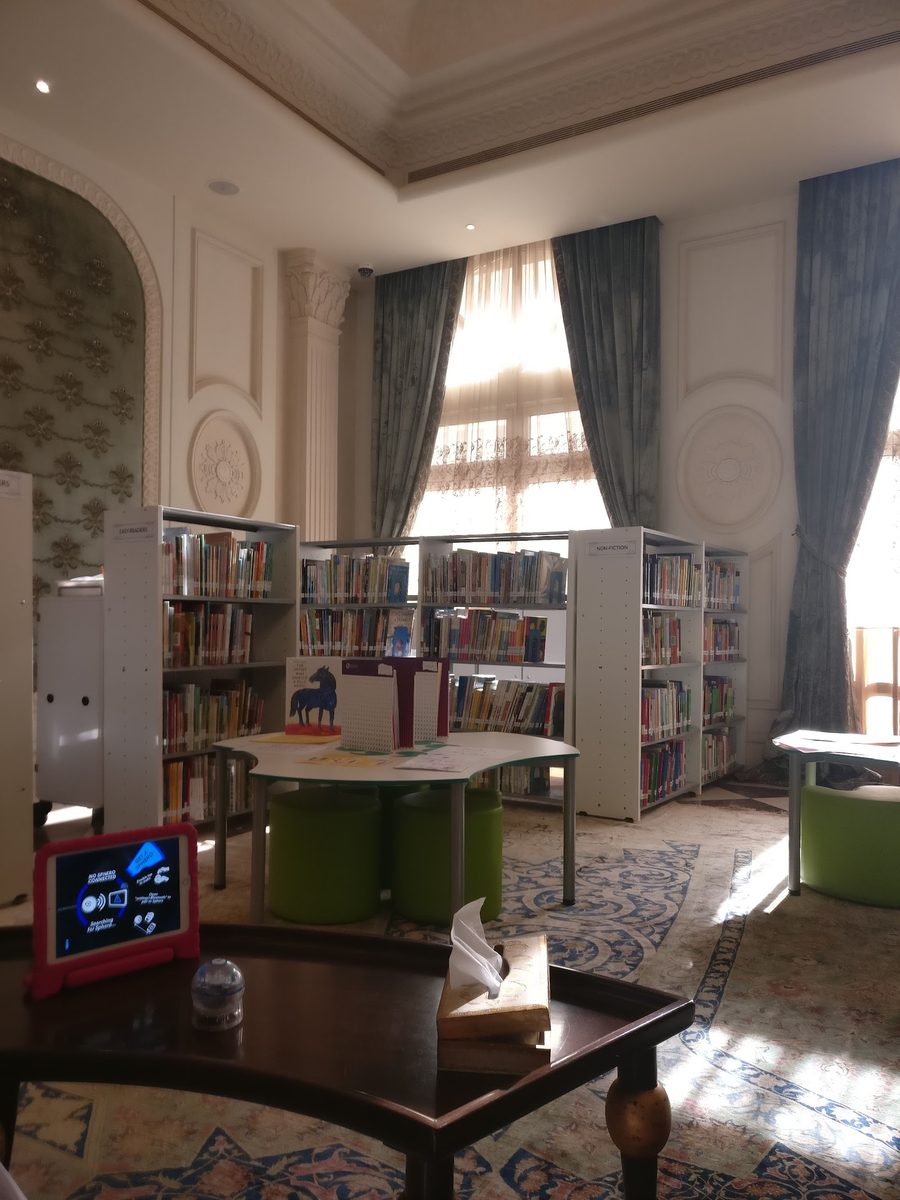
Misk Schools
Riyadh · Saudi Arabia
Nine single-sex academies share one royally founded Riyadh campus, built to engineer Vision 2030's next leaders.

International School of Bergen
Bergen · Norway
Fifty years on from its American School roots, PYP and MYP learners trade classrooms for Bergen's fjord-side countryside.
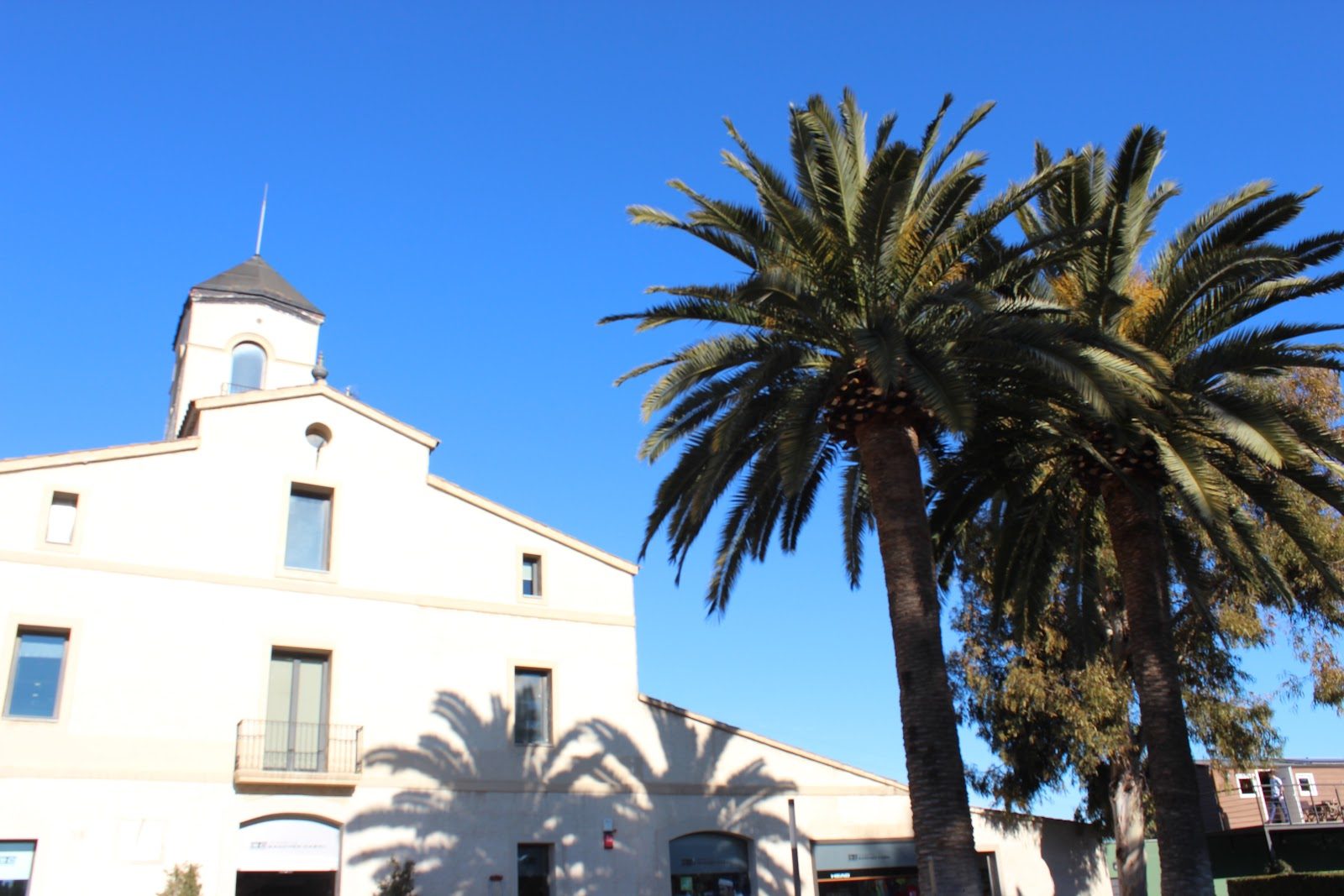
ES International School of Barcelona
Barcelona · Spain
An American diploma earned between classrooms and clay courts at the Sanchez-Casal tennis academy outside Barcelona.
Same country and curriculum — closest matches within ±10 points either way