
Riyadh Province
Manarat Al Riyadh Schools
medium confidence· 4/6 cats · 3 avg sourcesA Maarif-network day school where American diploma and British A-level tracks run alongside Riyadh's only inter-school Quran competition.

Photo © Manarat Al Riyadh School via Google Maps
Type
Day
Ages
3–18
Curriculum
American
Qualifications
AP
Ratio
—
The Verdict
Editor's commitment
Right for
Riyadh families wanting one day school, founded in 1972, with English and Arabic teaching plus American diploma and British A-level routes.
Wrong for
Families seeking boarding, a non-Muslim environment or a single-curriculum school; Manarat Al Riyadh runs American and British tracks in Riyadh.
Watch out for
At ages 3–18, this is a large all-through proposition; parents need clarity on where the American track ends and A-level begins.
Ranking breakdown
Manarat Al Riyadh Schools · #655 of 1591
Composite score 68.4. 8 weighted criteria.
By criterion
Academic Outcomes
Weight 20%
#667
of 1529 scored
University Placement
Weight 16%
#649
of 1529 scored
Prestige & Heritage
Weight 12%
#462
of 1571 scored
Alumni Network
Weight 12%
#307
of 1530 scored
Facilities
Weight 12%
#869
of 1533 scored
Transparency & Communications
Weight 8%
#593
of 1532 scored
Peer & Industry Review
Weight 10%
#646
of 1548 scored
Admissions Selectivity & Demand
Weight 8%
#760
of 1529 scored
Score history
Manarat Al Riyadh Schools · 2026
Movement across 2024–2026. Peer average overlaid.
Overall — 2024–2026
68.4/ 100
▲ +28.6 vs 2025
year on year
Peer & Industry Review
How Manarat Al Riyadh Schools is regarded in the sector
46
Credible · low confidence
Manarat Al Riyadh sits within Maarif for Education, described by industry profilers as the largest owner and operator of private schools in Saudi Arabia, with owns 13 private campuses with over 60 schools across the country, and the group is credited with an excellent reputation in the sector, supported by its experienced team of academic professionals and important brand schools including Manarat itself. Neither WhichSchoolAdvisor nor comparable specialist sector press has published an independent verdict on this campus, so its standing rests largely on aggregated parent sentiment rather than editorial scrutiny. That sentiment is genuinely split: ischooladvisor logs a rating of 3.5 out of 5 based on 829 existing reviews, while Wanderlog's synthesis notes the school has received mixed reviews from former students and parents ... noted for its focus on results but has faced criticism for slipping in reputation over time. The result is a credible, well-established Riyadh institution with strong group-level accreditation credentials but a peer reputation that remains local and unevenly reviewed rather than sector-benchmarked.
Evidence sources
Editors' overview
Manarat Al Riyadh Schools occupies a specific place in the Riyadh market: an established 1972 day school with an American curriculum, English and Arabic instruction, and a Muslim identity that is not treated as an add-on. The distinguishing feature is the breadth of route through the senior years. Families can enter for a conventional American-school trajectory and still find a British A-level option in the mix, which widens university planning without forcing a change of school at age 18. That matters in a city where many schools offer one academic lane and leave parents to solve the rest themselves. Add the claim to Riyadh’s only inter-school Quran competition and the school’s character sharpens: this is not a generic international campus with a token religious layer, but a school that binds academic progression to clear cultural confidence.
Why shortlist it? First, longevity. A school that has been operating for 50+ years has had time to build habits, networks and a recognisable local reputation. Second, it serves a broad span from 3–18, which suits families who value continuity over repeated school moves. Third, its bilingual English-Arabic environment fits households that want strong access to international higher education while keeping Arabic and Islamic life at the centre of the school day. In market terms, Manarat sits between two poles: not a stripped-down local school, and not a rootless expatriate enclave. That middle ground will appeal to parents who want serious academic structure without sacrificing religious steadiness or local belonging.
The right student for Manarat is one who thrives in an environment with defined expectations and a visible moral framework. Students who want a school where faith has public weight, where Arabic matters, and where the community reads as grounded rather than performative will find a strong fit. It also suits families who want optionality in the upper years without the churn of transferring elsewhere for a different qualification route. The trade-off is clear: parents looking for a detached, ultra-cosmopolitan atmosphere or a school built around westernised branding will find other Riyadh schools more aligned to that taste. Manarat’s strength lies elsewhere — in institutional continuity, bilingual fluency, and a model that ties academic ambition to identity rather than treating the two as rivals.
Academic Performance
Public exam performance is the weak point in Manarat’s public case. We have not seen aggregate SAT, AP, GCSE, IGCSE or A-level outcomes, and the school does not publish a consolidated university destinations table that would let parents benchmark attainment against Riyadh’s more data-forward competitors. That matters. In this segment of the market, serious schools disclose enough hard numbers to show whether top-set pupils secure consistently strong results or whether outcomes rest on a narrower group of high achievers. Here, that line of sight is missing. For families assessing academic return with any rigour, the absence of published headline results is a material handicap.
That does not place Manarat in the weak-academic bracket; it places it in the opaque one. Its senior offering gives students more than one examination route, which can be a practical advantage for university planning, but route breadth is not the same as published attainment. Relative to peers, Manarat sits behind the schools that issue annual score distributions, subject-level pass rates and destination lists, and ahead of schools that offer little beyond generic claims. The school’s academic credibility rests more on longevity, local standing and programme range than on disclosed external exam evidence. Parents who want hard proof of sixth-form performance need to ask for cohort-level results, top-grade distributions and destination patterns before treating this as a top-tier academic bet.
Facilities
Manarat’s facilities case is functional rather than showpiece-led. The school highlights a broad spread of specialist spaces across science, technology, sport and the arts, including laboratories, computer rooms, libraries, indoor and outdoor sports areas, art rooms and a theatre. That gives students access to the core infrastructure a full-through school needs, and it matters because many long-established campuses in this segment trade on reputation while offering thin specialist provision. The theatre stands out as a useful asset for performances and assemblies, and the sports provision reads as serviceable rather than lavish. Nothing here points to the kind of arms-race campus seen at Riyadh’s premium international schools with arena-scale sports centres, black-box theatres and extensive maker facilities.
Where Manarat separates itself is less through architectural spectacle than through the fit between facilities and school character. The inter-school Quran competition signals dedicated space for religious and community events, which carries real weight for families who want Islamic life embedded in the physical rhythm of the school rather than confined to a timetable slot. Against direct peers, that makes the campus purpose-built in ethos even if not headline-grabbing in hardware. The gap sits in public detail: the school does not publish the depth parents now expect on specialist equipment, performing arts infrastructure or sports capacity. In peer comparison, this leaves Manarat in the competent middle: more rounded than bare-bones operators, less ambitious than the city’s best-resourced campuses.
Manarat does not publish the exam and destinations data that would lift it into the city’s clear top bracket
Prestige
Manarat carries solid local prestige rather than the glossy, exportable status of Riyadh’s most internationally branded schools. Its standing rests on durability, recognisable name value and a model that speaks directly to Saudi families who want academic ambition tied to religious and cultural seriousness. That matters in a market where plenty of schools sell polish first and substance second. The school’s claim to Riyadh’s only inter-school Quran competition gives it a distinct marker of status within that constituency: not elite by borrowed western cachet, but prestigious on its own cultural terms. For families who prize public Islamic identity, continuity and social familiarity, that counts for a great deal.
The limit on prestige sits in the school’s public academic disclosure. Top-tier prestige in this sector requires more than reputation and breadth; it requires visible outcomes, selective university placement and confidence with scrutiny. Manarat does not publish the exam and destinations data that would lift it into the city’s clear top bracket. That keeps its prestige in the established-but-not-ascendant category: respected, known, and credible, but not the school that wins a status contest through hard academic proof or international brand power. In practical terms, this is a school whose name carries weight with the right families across a 3–18 journey, but whose public case stops short of undisputed academic prestige.
Manarat’s distinctiveness lies in the way it treats Islamic life as a public organising principle rather than a private add-on
Communications
Manarat’s parent communications read as serviceable rather than polished. The school maintains the standard channels parents expect — website, social media and direct contact routes — and it uses them to broadcast events, religious activities, student achievements and day-to-day school life. That gives families a steady view of the school’s priorities. The tone is institutional and community-facing, not sleek. For some parents, that will feel reassuringly straightforward; for others, it will feel dated next to rivals that package every notice, deadline and academic update with sharper structure. The practical weakness is the same one that shows up elsewhere in the school’s public case: communication is stronger on identity and activity than on hard accountability.
That distinction matters. A school communicates well when parents can find the essentials quickly, track academic expectations clearly and judge outcomes without chasing staff for answers. Manarat does the first part better than the last two. We have not seen the kind of public-facing academic reporting, performance dashboards or detailed destinations information that marks out confident, data-literate parent communication. Families who value culture, belonging and visible school life will find enough to work with. Families who want a forensically clear picture of standards, progression and sixth-form results will need to ask more questions than they should. In communications terms, this is a school that explains its character clearly and its academic delivery less well.
Uniqueness
Manarat’s distinctiveness lies in the way it treats Islamic life as a public organising principle rather than a private add-on. Plenty of schools in this market offer religion classes; far fewer build a recognisable identity around them. The inter-school Quran competition matters for that reason. It gives students a form of achievement and visibility that sits outside the standard exam script, and it signals a school culture where recitation, discipline and religious knowledge carry real institutional weight. For the right family, that creates a clear moral centre: pupils do not have to split themselves between academic ambition in one setting and faith in another. The value is coherence.
There is also a practical kind of distinctiveness in the school’s through-path and breadth of student life. Manarat gives families a less fragmented school experience than the Riyadh norm of piecing together different environments across the years, and that continuity can steady friendships, expectations and parental engagement. Its public activity range points to a school that wants students visible in debate, sport, culture and service, not only in classrooms. That does not make it a rarefied academic outlier; the weak point in published results still stands. What it does make it is a grounded, identity-first school with a stronger internal character than many polished competitors. For students who want belonging with structure, that is a serious advantage.
There is also a practical kind of distinctiveness in the school’s through-path and breadth of student life
Student Profile
The best fit at Manarat is the student who does not need a school to dilute its values in order to feel welcoming. This is a community for children who are comfortable with clear boundaries, public religious life and a school culture that treats conduct as part of education, not a side issue for pastoral posters. Pupils who value routine, respect for authority and a visible moral framework will settle more easily here than students who want a loose, highly individualistic atmosphere. The all-through age span — 3–18 — also suits families who prize continuity of friendships, expectations and home-school relationships over repeated reinvention.
It will also suit students who want to operate confidently across more than one social and linguistic register: formal academics, Arabic-speaking community life, assemblies, competitions and the everyday etiquette of a Muslim school. Children who enjoy belonging to a structured mainstream rather than a niche or experimental environment will fit best. The weaker fit is easy to identify. Students chasing a hyper-westernised, ultra-casual school culture, or families who want public academic intensity backed by constant data and visible sixth-form outcomes, will find the match less comfortable. Manarat works best for households that want identity with discipline and are happy for school life to carry a strong communal shape.
The distinguishing feature is the breadth of route through the senior years
Co-curricular strengths
Arts & sport, on a separate axis
Overall 5.84/10
Scored 0-10 from the school's own published evidence. This axis is editorial-only — it does not feed the main WTS ranking.
Sports
7.2/10
Multiple sports—Football, Basketball, Volleyball, Swimming, and Table Tennis—showing a solid multi-activity offering, but gives no named facilities, teams, staff, or competitive results.
Drama
5.5/10
School Theatre is offered.
Dance
4.5/10
Music
5.8/10
Visual Arts
6.2/10
Art Club is offered, but there is.
Editor first-pass · editor-reviewable · 7/27/2026
Strengths
- +American curriculum from age 3 to 18
- +English and Arabic instruction suits bilingual families
- +Day school avoids boarding for Riyadh-based families
- +Muslim setting may suit practising Muslim families
Considerations
- −No boarding option for families needing residential care
- −Religious setting may not suit non-Muslim families
- −American curriculum may not suit British-system families
Availability
Primary entry gate & tests
Academic Record
Gallery
Photo © Manarat Al Riyadh School via Google Maps
Photo © Manarat Al Riyadh School via Google Maps
Photo © Manarat Al Riyadh School via Google Maps
Photo © Manarat Al Riyadh School via Google Maps
Photo © Manarat Al Riyadh School via Google Maps
Parent reviews
Have you sent your child here?
Voice reviews carry the strongest trust badge — we transcribe them for you to tidy up before they go live. Prefer to type? A written review is fine too.
Add your voice
In 60 seconds, tell other parents: what's the best thing about Manarat Al Riyadh Schools, and what surprised you when your child joined?
We ask for a Google sign-in so every review has a real face behind it — no anonymous drive-by attacks on schools, and no faked positive reviews. Your email is never shown publicly.
Send this profile to a friend
International parents rely on word-of-mouth. Share this review with someone weighing the same decision.
Schools with places
Similar schools to Manarat Al Riyadh Schools with places available now.
Kingdom Schools
Riyadh · Saudi Arabia
- 2026-27
- WAITPOOLSpace-dependent
- 2027-28
- PLACES OPENRolling
American International School – Riyadh
Riyadh · Saudi Arabia
- 2026-27
- PLACES OPENApps active / space-dependent
- 2027-28
- PLACES OPENApps active / space-dependent
Availability first, then country, area, curriculum, price, co-curricular
Consider also
Also worth looking at alongside Manarat Al Riyadh Schools.
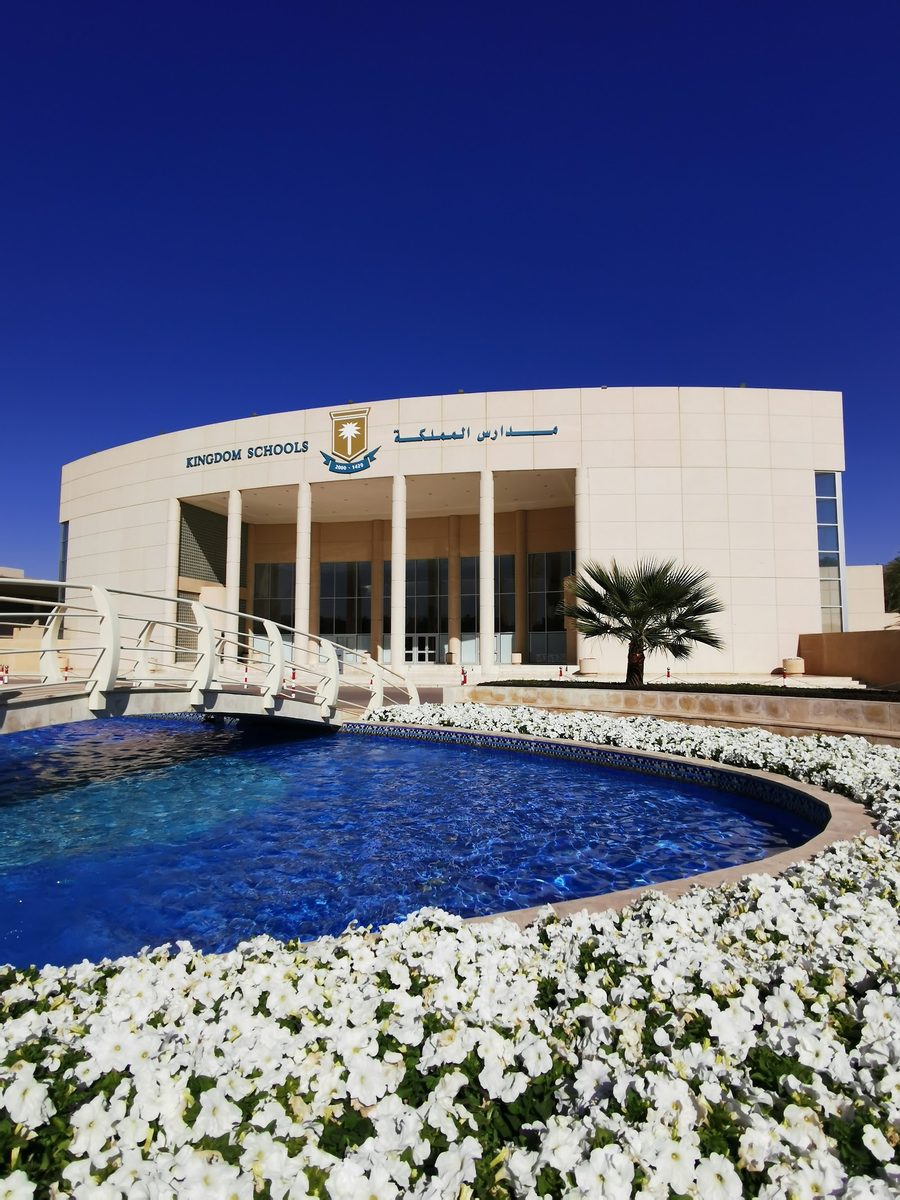
Kingdom Schools
Riyadh · Saudi Arabia
Twin single-sex campuses in Riyadh pair American Common Core rigor with Arabic and Islamic studies, plus a bid for IB Primary Years status.
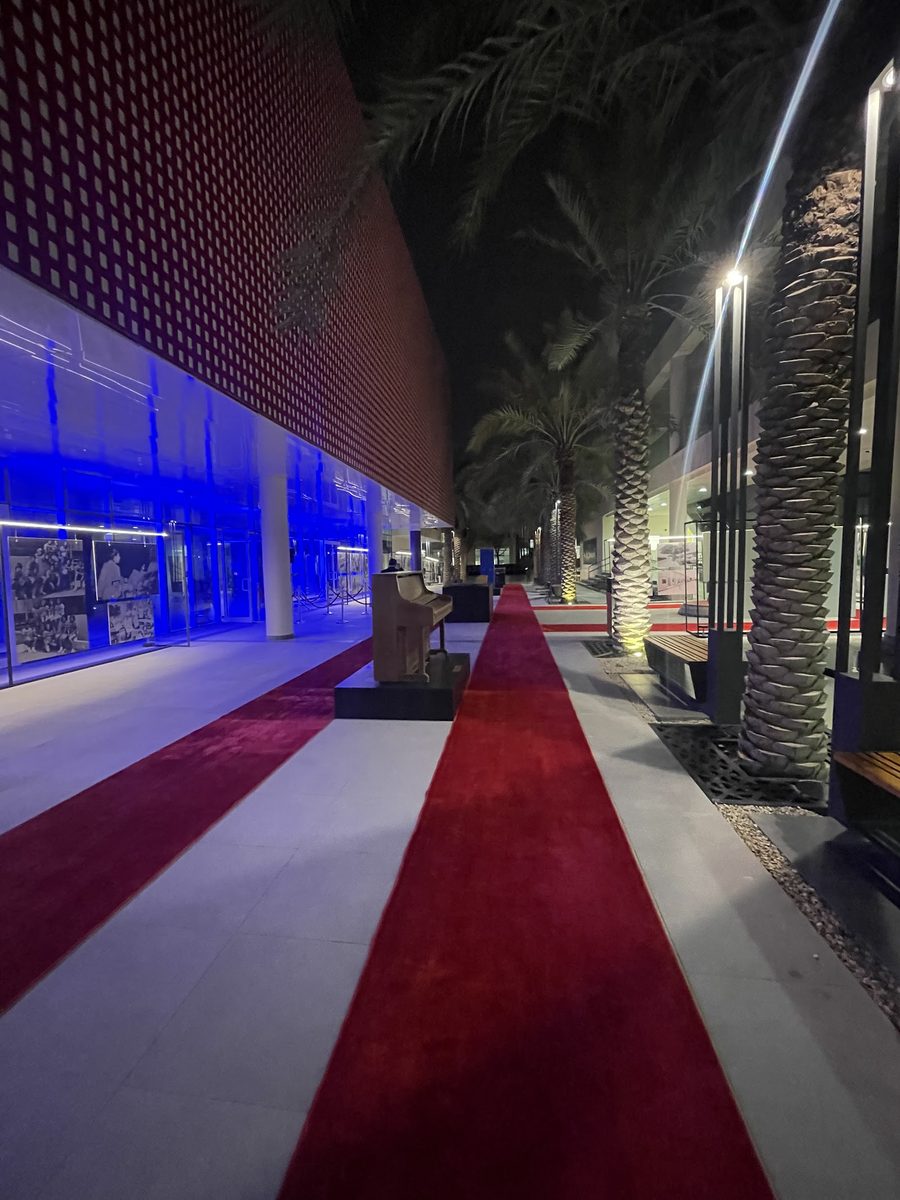
American International School – Riyadh
Riyadh · Saudi Arabia
Since 1963, north Riyadh's dual-diploma pioneer pairs an American high school degree with the IB, drawing 65-plus nationalities to one campus.
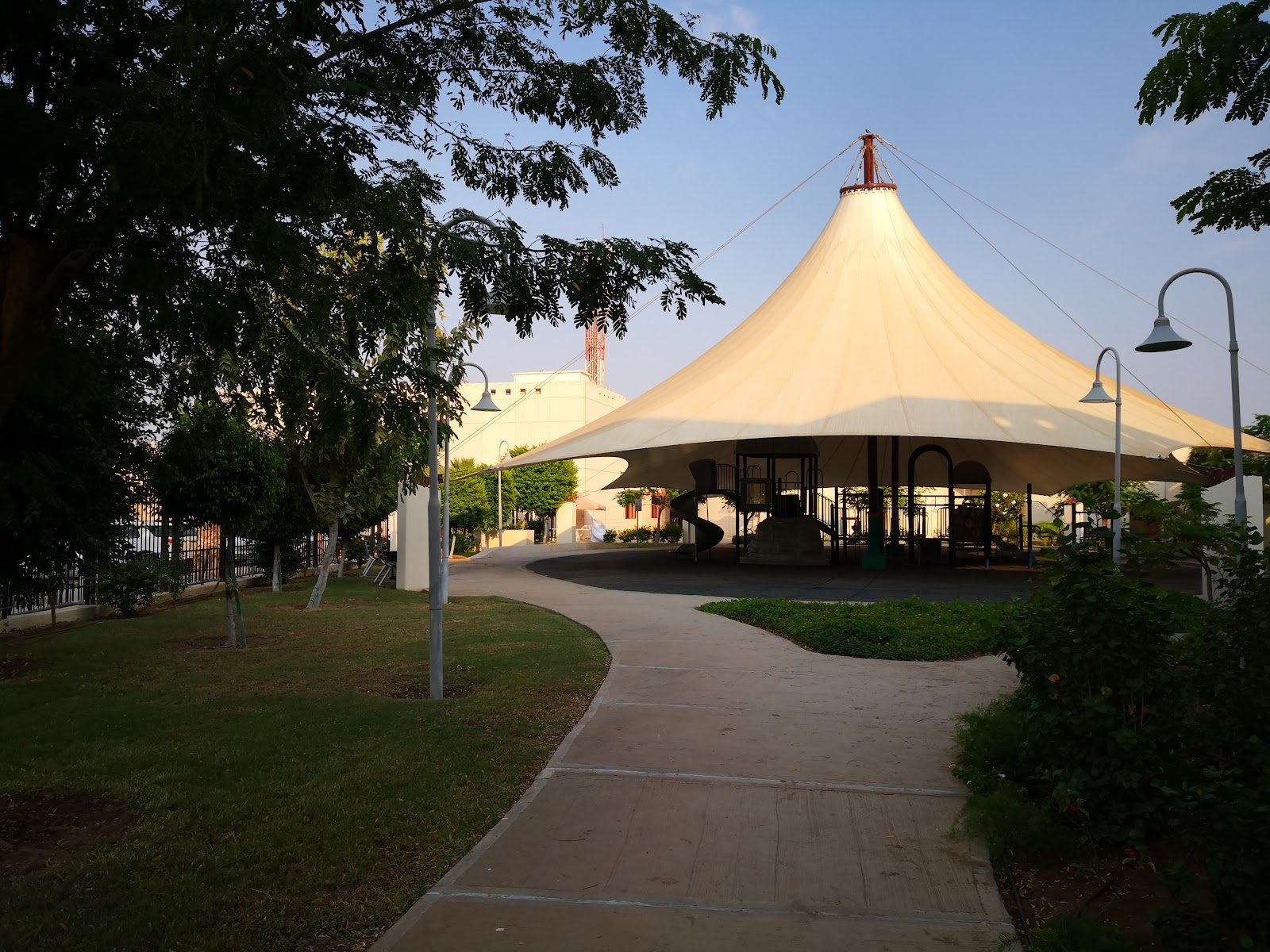
KAUST School
Thuwal · Saudi Arabia
Set inside a Red Sea research university campus, this IB continuum school pairs inquiry-based learning with a working scientific community.

Jeddah Prep and Grammar School
Jeddah · Saudi Arabia
Founded in 1967 as the region's first British school, blending Cambridge rigor with a not-for-profit, fifty-nation community ethos.
Same country and curriculum — closest matches within ±10 points either way