
California
Mayfield Senior School
low confidence· 2/6 cats · 2 avg sourcesIn Pasadena, an all-girls Holy Child campus builds ninth-grade pathways into STEM, finance and data long before college applications begin.
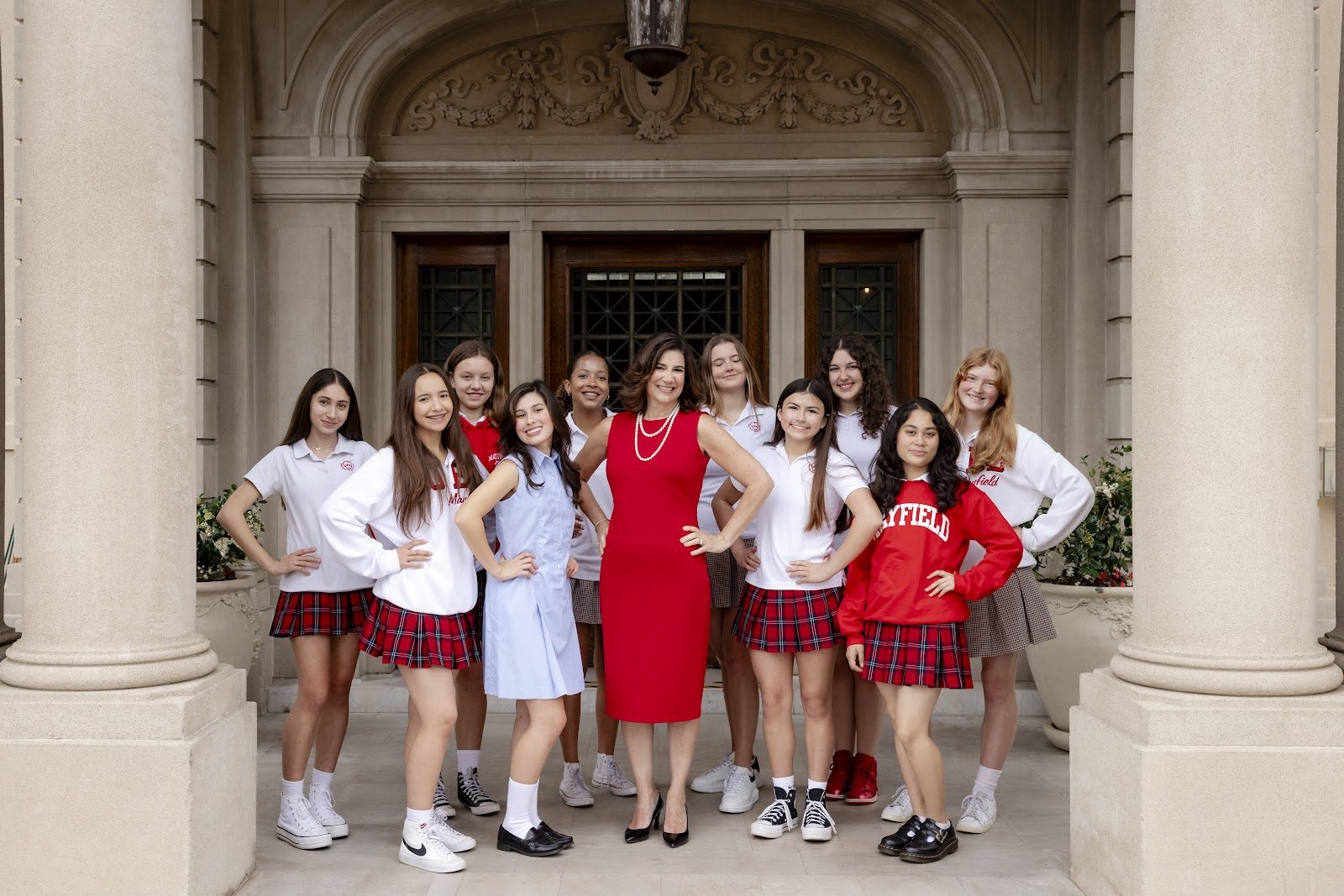
Photo © Mayfield Senior School via Google Maps
Type
Day
Ages
13–18
Curriculum
American
Qualifications
AP · US High School Diploma
Ratio
6:1
The Verdict
Editor's commitment
Right for
Girls who want a Catholic day school with a 6:1 ratio, 15-pupil classes and 34+ AP and honours courses.
Wrong for
Families wanting co-education, boarding or a broad age range: Mayfield only serves girls aged 13–18 in grades 9–12.
Watch out for
At an average $37,435 a year, this 1931 Holy Child school is expensive, and 80% AP Scholars still leaves outcomes partially opaque.
Ranking breakdown
Mayfield Senior School · #654 of 1591
Composite score 68.4. 8 weighted criteria.
By criterion
Academic Outcomes
Weight 20%
#667
of 1529 scored
University Placement
Weight 16%
#649
of 1529 scored
Prestige & Heritage
Weight 12%
#706
of 1571 scored
Alumni Network
Weight 12%
#418
of 1530 scored
Facilities
Weight 12%
#677
of 1533 scored
Transparency & Communications
Weight 8%
#593
of 1532 scored
Peer & Industry Review
Weight 10%
#646
of 1548 scored
Admissions Selectivity & Demand
Weight 8%
#647
of 1529 scored
Peer & Industry Review
How Mayfield Senior School is regarded in the sector
68
Respected · medium confidence
Within the small American network of Holy Child schools - Flintridge Sacred Heart Academy, Oak Knoll, and Academy of the Holy Child - Mayfield is regarded as a sister institution sharing curriculum philosophy rather than a competitor. Among Pasadena-area heads, it is generally seen as a solid but second-tier all-girls option relative to the more nationally prominent Westridge School and Marlborough School in Los Angeles, which draw heavier coverage in regional private-school rankings. University admissions offices appear to treat it as a reliable, mission-consistent feeder toward regional Catholic universities and University of California campuses, though public matriculation data is limited and volumes to highly selective national universities are modest compared with larger prep rivals. Independent education press coverage is thin: the school registers on consumer platforms like Niche and Private School Review but is largely absent from higher-profile outlets such as the Good Schools Guide or WhichSchoolAdvisor, which concentrate on UK and international markets rather than small US Catholic single-sex schools.
- Kate Walsh — Actress, Film/Television
Editors' overview
Mayfield’s case is straightforward: this is a Catholic all-girls day school in Pasadena that starts building serious academic direction in Year 9, not in the last stretch before university applications. The school covers grades 9–12, runs an American curriculum, and does it on a notably intimate scale, with a 6:1 student-teacher ratio and an average class size of 15. That matters because the school is explicit about sustained academic advising and four years of academic and college counselling. For families who want a school to do more than deliver classes and a transcript, that is a clear structural advantage.
What lifts Mayfield above the crowded field of US private college-prep schools is the shape of its sixth-form equivalent years: girls are not pushed into a generic “well-rounded” mould, but into defined avenues of ambition. The school advertises more than 34 AP and honours courses, says 80% of students are AP Scholars, and points to four academic teams in math modelling, investment, speech and debate, and robotics. That combination gives the school a distinctive pre-professional edge. The presence of both investment and robotics is telling: Mayfield is not just serving future humanities majors with polish; it is also giving mathematically inclined girls and aspiring engineers a serious platform in a single-sex environment built to push them forward.
The Catholic and Holy Child identity is not incidental decoration. Founded in 1931 and sponsored by the Society of the Holy Child Jesus, Mayfield has a religious framework that will suit families who want moral formation and a coherent school ethos alongside academic ambition. At the same time, nothing in the public case for the school rests on piety alone; the emphasis sits squarely on leadership, advanced coursework, global studies opportunities and visible student participation. The average annual day fee is $37,435, which places Mayfield in the expensive bracket, but not at the outer edge of the Pasadena-Los Angeles independent-school market. Parents are paying for high-contact teaching, counselling over the full four years, and a campus culture designed around girls’ confidence rather than co-ed compromise.
The student who will want Mayfield is bright, purposeful and ready to use a small school hard. It suits girls who want to speak up, lead, compete and test themselves in areas that still skew male in many schools, especially STEM, finance and technical clubs. It also suits families who want a contained, intentional grades 9–12 environment rather than a sprawling K–12 campus. It will not be the right fit for a student who wants a large, anonymous high school, broad adolescent social sprawl, or a secular setting. On a shortlist, Mayfield earns its place because it offers a focused proposition: an all-girls Catholic education with unusually direct pathways into advanced study, leadership and high-trust adult guidance.
Academic Performance
Mayfield publishes enough to signal academic seriousness, but not enough to rank it cleanly against Pasadena’s most data-forward independents. The useful headline is 80% AP Scholars, paired with a course catalogue that runs well beyond a token advanced offering. That points to a school where a large share of pupils sits external examinations with real success, and where advanced study is part of the mainstream rather than a preserve for a small top set. In peer terms, that places Mayfield in the serious college-prep bracket: stronger than schools that trade on atmosphere while disclosing little academic substance, but less transparent than institutions that publish full AP distributions, mean scores or matriculation patterns in detail.
The limit is plain: the school does not publish aggregate AP score averages, total test volume, or a year-by-year breakdown of top grades. That makes precision impossible. “AP Scholar” is a credible indicator, but it is not the same thing as seeing how many pupils secure the highest bands across multiple subjects. So the verdict is positive but qualified: Mayfield has a convincing advanced-academic culture, and the evidence supports a reputation for pupils who are challenged and examination-ready. Against direct competitors, though, it stops short of full academic candour. Parents who care about hard outcomes should ask for score distributions, subject-level strength, and university destinations rather than settling for a broad success marker.
Facilities
Mayfield’s most important facilities are the ones tied directly to how the school wants girls to work: classrooms and teaching spaces built for close scrutiny, regular discussion and advanced course delivery, rather than the grand, multi-building sprawl that larger Californian independents use to advertise scale. The public emphasis falls on small learning environments, academic teams and a broad upper-level course menu, which points to specialist rooms and programme space that support robotics, maths modelling, investment work, speech and debate, and AP-level study. That gives the campus a purpose-built academic spine. Against peers, this is a stronger proposition than schools with attractive general facilities but no clear evidence that pupils use them for disciplined, competitive academic work.
What Mayfield does not trumpet is just as telling. There is no public parade of arena-scale sports infrastructure, headline-grabbing maker complexes or vast performing-arts builds. Parents should read that plainly: this is not a facilities arms race school. It is a high-contact, intellect-first campus where the most valuable asset is the setting for sustained guidance and serious classroom teaching. In a market where many schools sell spectacle, Mayfield puts its chips on access, supervision and daily use. The result is less ostentatious than some rivals, but more coherent for families who care about whether facilities serve girls’ confidence and academic stretch rather than brochure photography. The memorable numbers sit in the teaching model, not the real-estate boast: 15 pupils in a class, 34+ advanced courses.
That combination gives the school a distinctive pre-professional edge
Prestige
Mayfield carries real local prestige, but it is not the showiest name in American independent education. Its status rests on a tighter proposition: an established Catholic girls’ school with selective social cachet, strong parental confidence, and a serious record of preparing young women for competitive university trajectories. The Holy Child connection adds identity and continuity rather than glamour. What gives the school weight is the combination of intimate teaching, sustained guidance, and a sixth-form-equivalent experience that pushes girls into visible academic and leadership roles instead of letting them drift through high school. The school’s own headline indicators — 80% AP Scholars, 34+ AP and honours courses, and academic teams that include both investment and robotics — give that prestige substance. This is earned prestige, not branding.
That still places Mayfield in a specific tier. It has clear esteem in its market, especially for families who want an all-girls setting with intellectual seriousness and a defined religious ethos. It does not command prestige through published outcome data on the scale of the most transparent top-flight US independents; the school does not disclose aggregate AP score averages or a full outcomes picture. That limits its standing in a hard-data comparison. So the rating sits below the national trophy-school bracket and above schools that rely on atmosphere and lineage alone. For the right family, Mayfield’s prestige lies in focused credibility: a school respected for forming confident, ambitious young women, not for cultivating spectacle.
The limit is plain: the school does not publish aggregate AP score averages, total test volume, or a year-by-year breakdown of top grades
Communications
Mayfield communicates with parents in the same way it educates its pupils: through structure, regular contact and a strong sense that adults are meant to stay involved. The clearest reason for confidence here is the school’s emphasis on sustained advising and counselling across all 4 years. Schools do not build that model without routine parent contact around course choices, academic direction and university planning. The school also frames student life in organised, visible strands — advanced courses, academic teams, global opportunities, leadership — which gives parents concrete reference points rather than vague pastoral language. That makes for coherent, high-accountability communication. Families who want clarity on where their daughter stands, what she is pursuing and who is guiding her get a strong fit.
There is, however, a limit to the school’s public communications style. Mayfield is better at stating priorities than publishing hard outcome detail. It promotes a compact set of headline indicators — including 80% AP Scholars and more than 34 advanced courses — but stops short of the fuller academic disclosure that the best data-sharing schools now provide. That matters because parent communication is not only warmth and responsiveness; it is also candour. On that test, Mayfield is strong but controlled: persuasive on ethos, clear on programme shape, less open on aggregate results. For many parents, that will feel reassuringly ordered. For the more forensic ones, it will feel too managed until they can press for fuller numbers in person.
Uniqueness
What marks Mayfield out is not the all-girls label on its own. Plenty of schools trade on single-sex identity. Mayfield ties that identity to a clear operational choice: it starts career-shaped academic formation early, then backs it with visible structures that push girls into fields where confidence and representation still matter. The strongest evidence sits in the mix of academic teams — maths modelling, investment, speech and debate, and robotics — alongside 6 global studies opportunities and more than 4 years’ worth of joined-up academic and university counselling embedded across the whole secondary experience. That is a sharper proposition than the standard US college-prep formula of classes, clubs and generic university advising. The school is building habit, direction and intellectual self-command, not just polishing applications.
For students, the gain is concrete. Girls get repeated practice in speaking with authority, competing publicly, handling quantitative work, and testing interests before university choices harden. In many co-ed settings, boys still dominate the loudest rooms and the most technical clubs; Mayfield removes that drag. Its Holy Child framework adds a coherent moral centre without displacing academic ambition, which gives the school a distinct tone: purposeful, supervised, and quietly demanding. The result is a pupil experience that prizes leadership with substance. Not every teenager wants that degree of structure or intensity. Those who do get a school that treats confidence as something to be trained, not merely admired.
Against direct competitors, though, it stops short of full academic candour
Student Profile
The Mayfield student is not hunting for anonymity. She wants teachers to know her work well, adults to track her decisions closely, and classmates who treat effort as normal. This suits girls who are ready to use a high-accountability school properly: speak in class, take intellectual risks, join teams, and let advice shape the route through school. The all-girls setting matters most for pupils who will use it as a working advantage, not a slogan — especially those with serious interest in quantitative subjects, public speaking, leadership or technical competition. A teenager who wants room to grow into authority, rather than fight for airtime, gets that here. The school’s small-scale teaching model — 6:1 and 15 in the classroom — favours pupils who like being known and who can handle sustained adult attention.
The best fit is purposeful, self-directed and comfortable with a school culture that links ambition to responsibility. Catholic families who want a clear moral framework will find that embedded, not ornamental. So will parents who value structure, routine and adults who intervene early rather than late. The weaker fit is just as clear: girls who want a large social field, a looser atmosphere, or the freedom to drift without being checked. This is not a school for the wilfully disengaged or for students who prefer to hide in the back row. It is for girls who want a serious launchpad and are willing to be pushed.
That matters because the school is explicit about sustained academic advising and four years of academic and college counselling
Co-curricular strengths
Arts & sport, on a separate axis
Overall 8.66/10
Scored 0-10 from the school's own published evidence. This axis is editorial-only — it does not feed the main WTS ranking.
Sports
8/10
Drama
9/10
Dance
9/10
Music
8.5/10
Visual Arts
8.8/10
Strengths
- +15 average class size allows close teacher attention
- +6:1 student-teacher ratio supports individual guidance
- +34+ AP and Honours courses offer academic range
- +Four years of academic and college counselling
Considerations
- −Girls-only Catholic school limits coeducational experience
- −Grades 9–12 only; no middle school entry
- −Day school only; no boarding for overseas families
Availability
Primary entry gate & tests
HSPT + Interview (Girls)
Gallery
Photo © Jason w via Google Maps
Photo © Mayfield Senior School via Google Maps
Photo © Jesus ramirez via Google Maps
Photo © Mayfield Senior School via Google Maps
Photo © Mayfield Senior School via Google Maps
Parent reviews
Have you sent your child here?
Voice reviews carry the strongest trust badge — we transcribe them for you to tidy up before they go live. Prefer to type? A written review is fine too.
Add your voice
In 60 seconds, tell other parents: what's the best thing about Mayfield Senior School, and what surprised you when your child joined?
We ask for a Google sign-in so every review has a real face behind it — no anonymous drive-by attacks on schools, and no faked positive reviews. Your email is never shown publicly.
Send this profile to a friend
International parents rely on word-of-mouth. Share this review with someone weighing the same decision.
Schools with places
Similar schools to Mayfield Senior School with places available now.
Head-Royce School
Oakland · United States
- 2026-27
- CLOSEDRegular cycle
- 2027-28
- OPENS SOONOpens Sept '26
The Branson School
Ross · United States
- 2026-27
- CLOSEDRegular cycle
- 2027-28
- OPENS SOONOpens Sept '26
Crystal Springs Uplands School
Hillsborough · United States
- 2026-27
- CLOSEDRegular cycle
- 2027-28
- OPENS SOONOpens Sept '26
Lick-Wilmerding High School
San Francisco · United States
- 2026-27
- CLOSEDRegular cycle
- 2027-28
- OPENS SOONOpens early Sept '26
Availability first, then country, area, curriculum, price, co-curricular
Consider also
Also worth looking at alongside Mayfield Senior School.
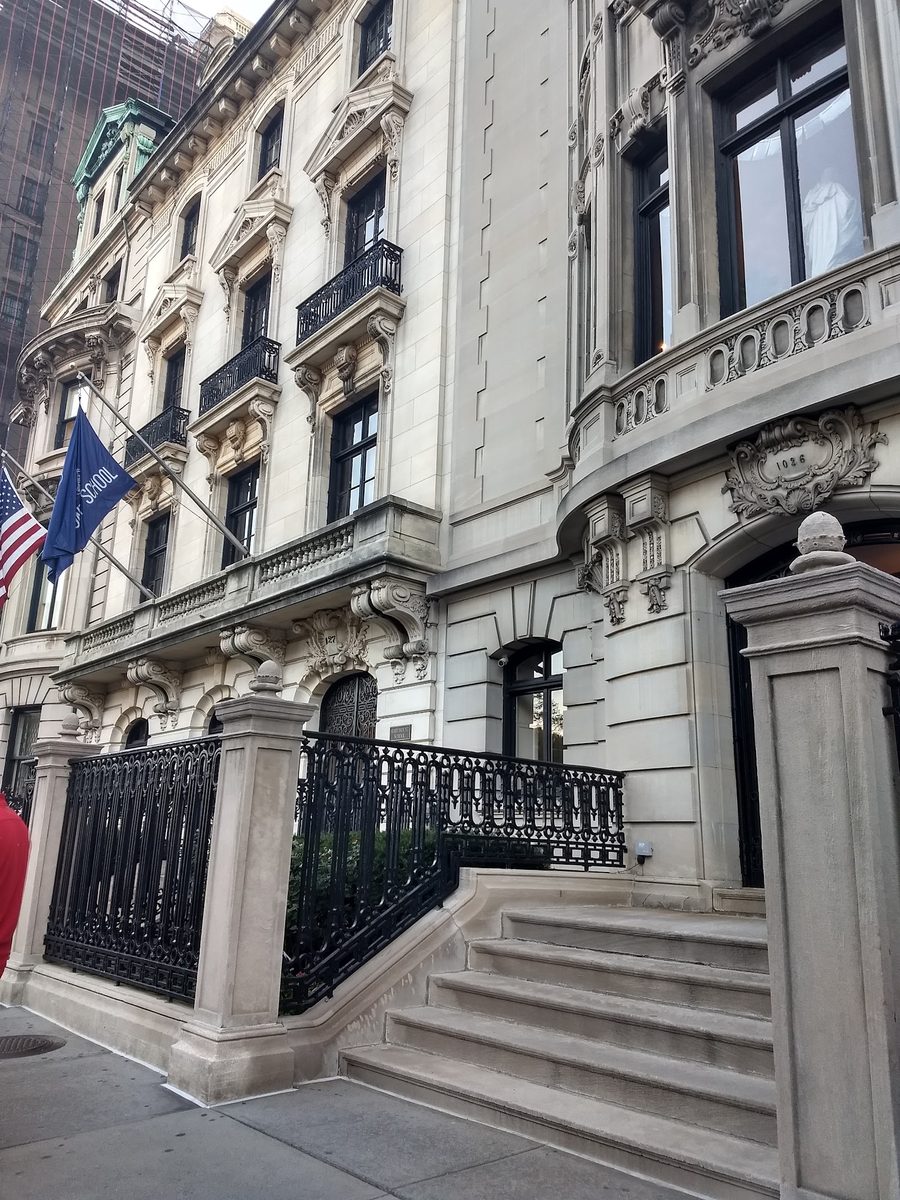
Marymount School of New York
New York City · United States
On Fifth Avenue, landmark mansions give way to Bloomberg terminals and classrooms inside the Met.
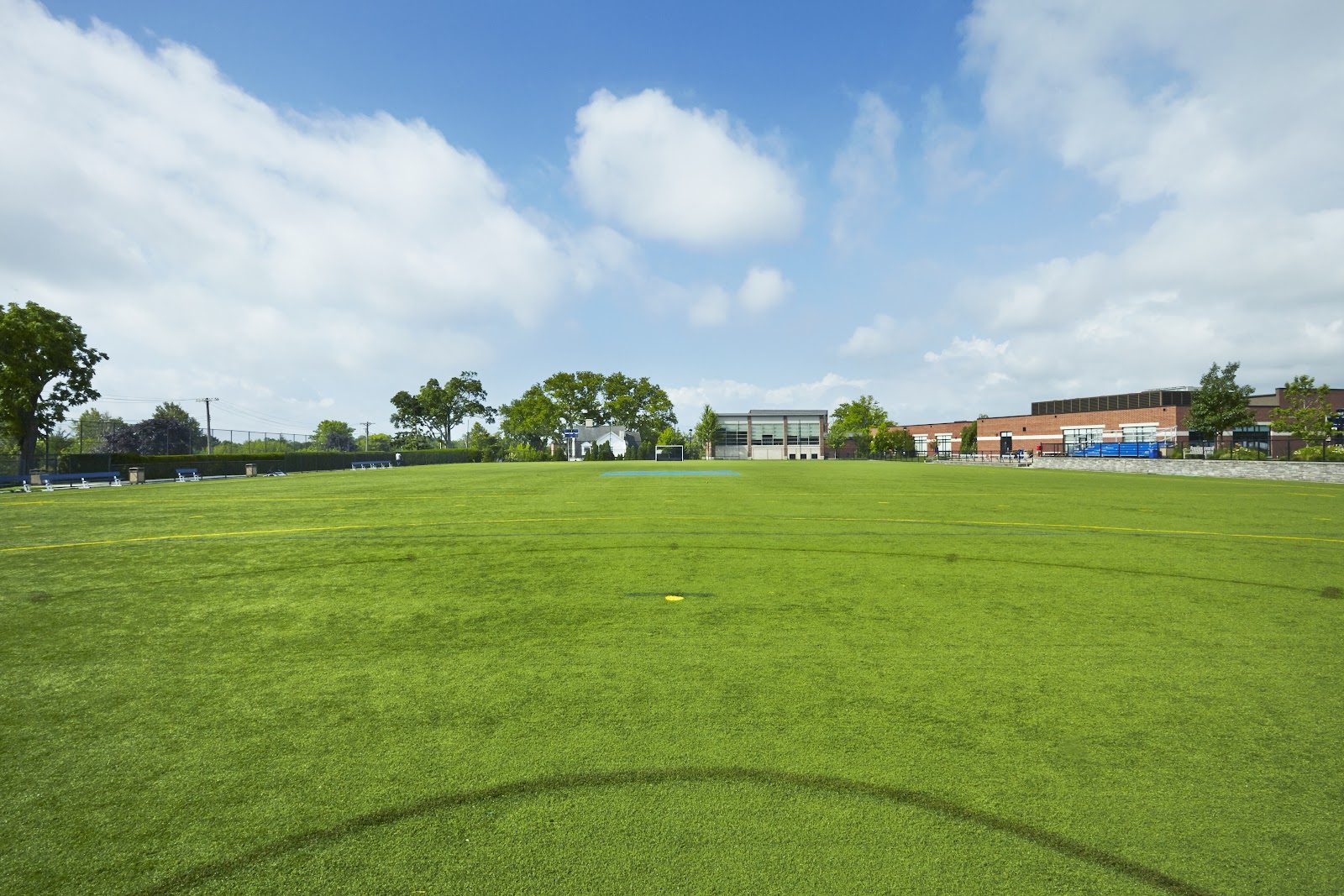
Rye Country Day School
Rye · United States
Founded in 1869 as a girls' seminary in Westchester, this campus still measures success by its motto: not for self, but for service.
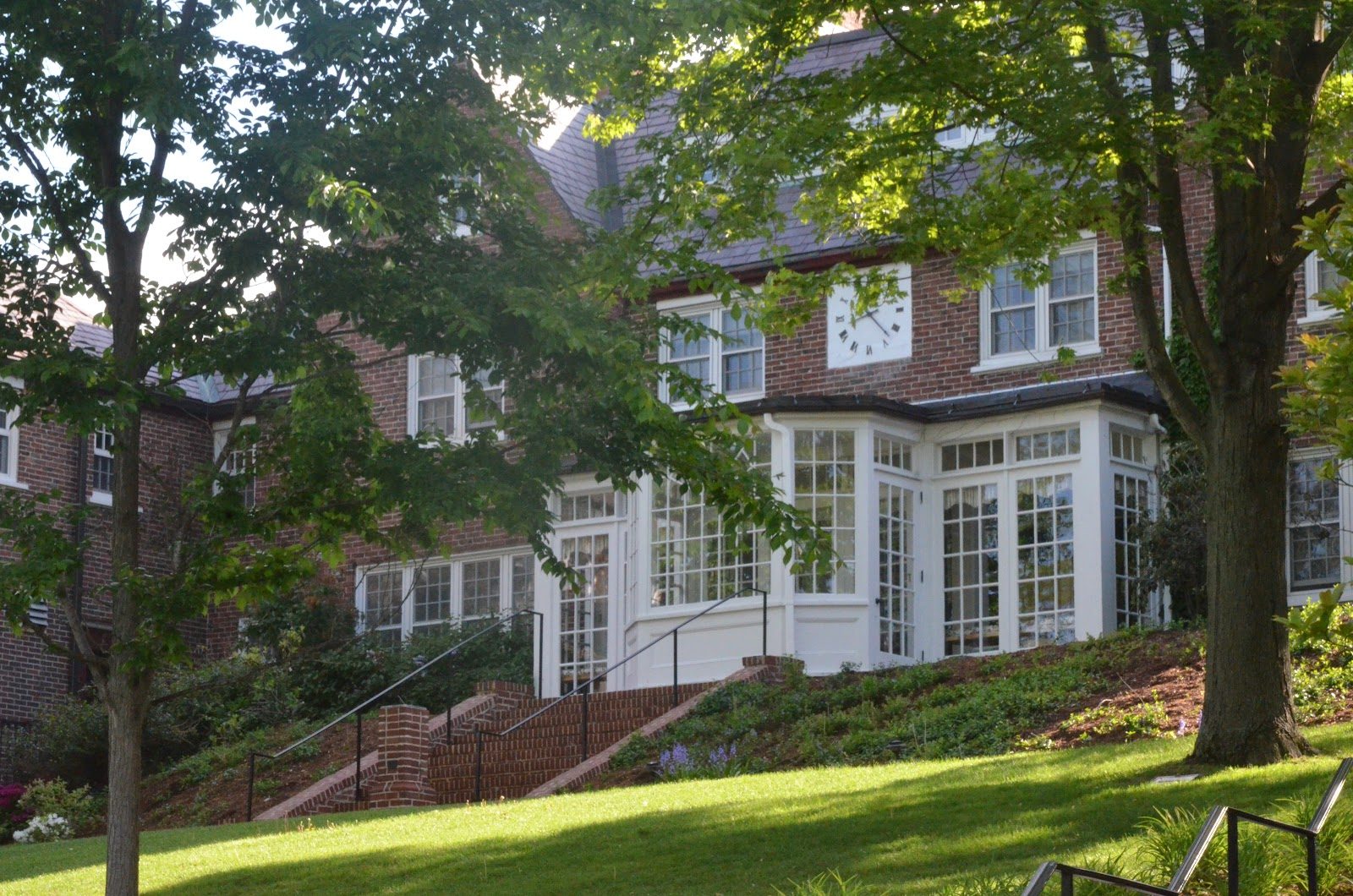
Belmont Hill School
Belmont · United States
A hilltop day school outside Boston, where jacket-and-tie ritual and family-style lunch anchor a century-old all-boys formation.
Ethical Culture Fieldston School
New York City · United States
Rooted in Felix Adler's 1878 Ethical Culture movement, its wooded Riverdale hilltop campus still anchors progressive American pedagogy.
Same country and curriculum — closest matches within ±10 points either way