
Sharjah
Australian International School Sharjah
low confidence· 1/6 cats · 3 avg sourcesThe UAE's only full Australian Curriculum school, pairing Queensland's QCE/ATAR pathway with deep Emirati cultural grounding since 2005.
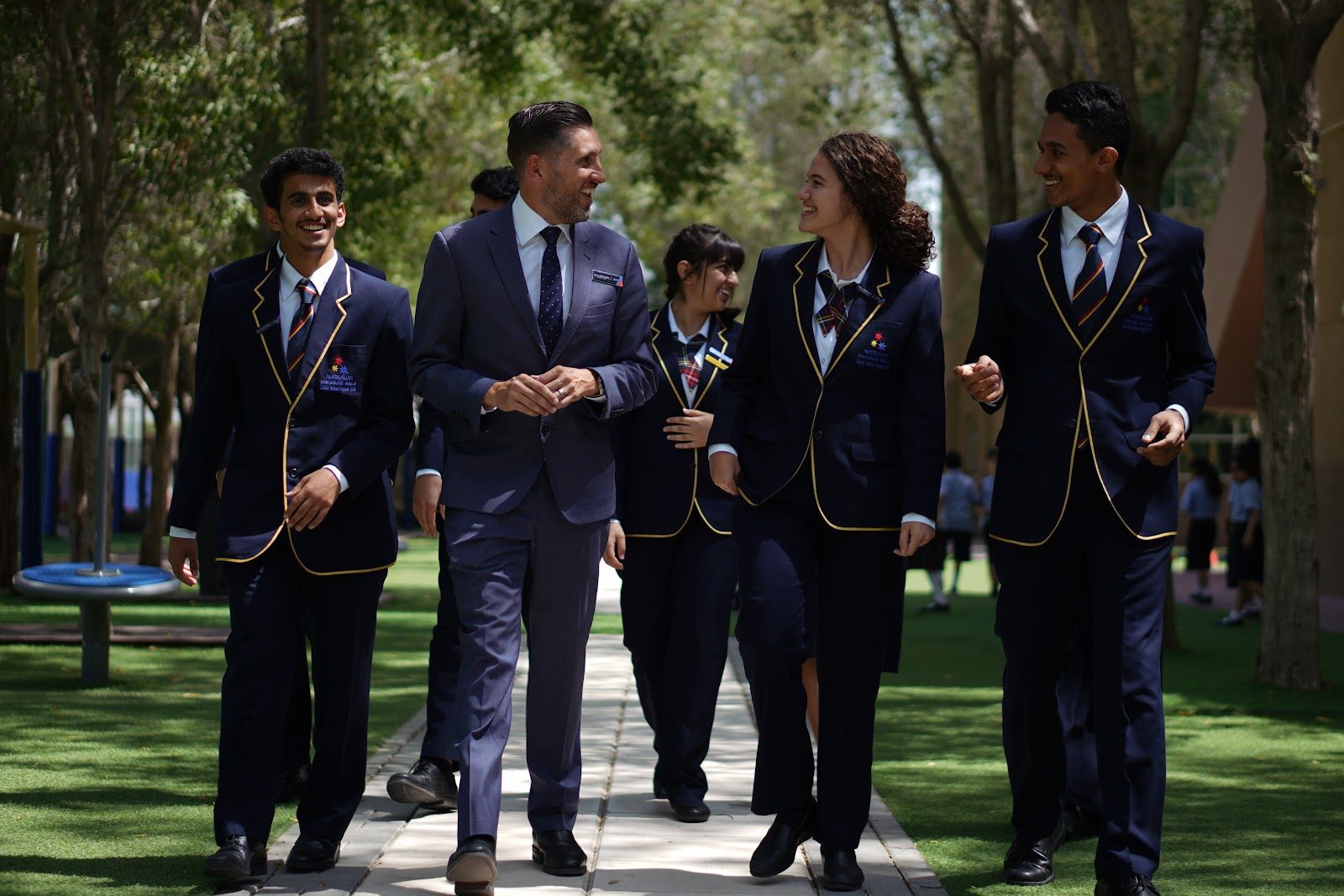
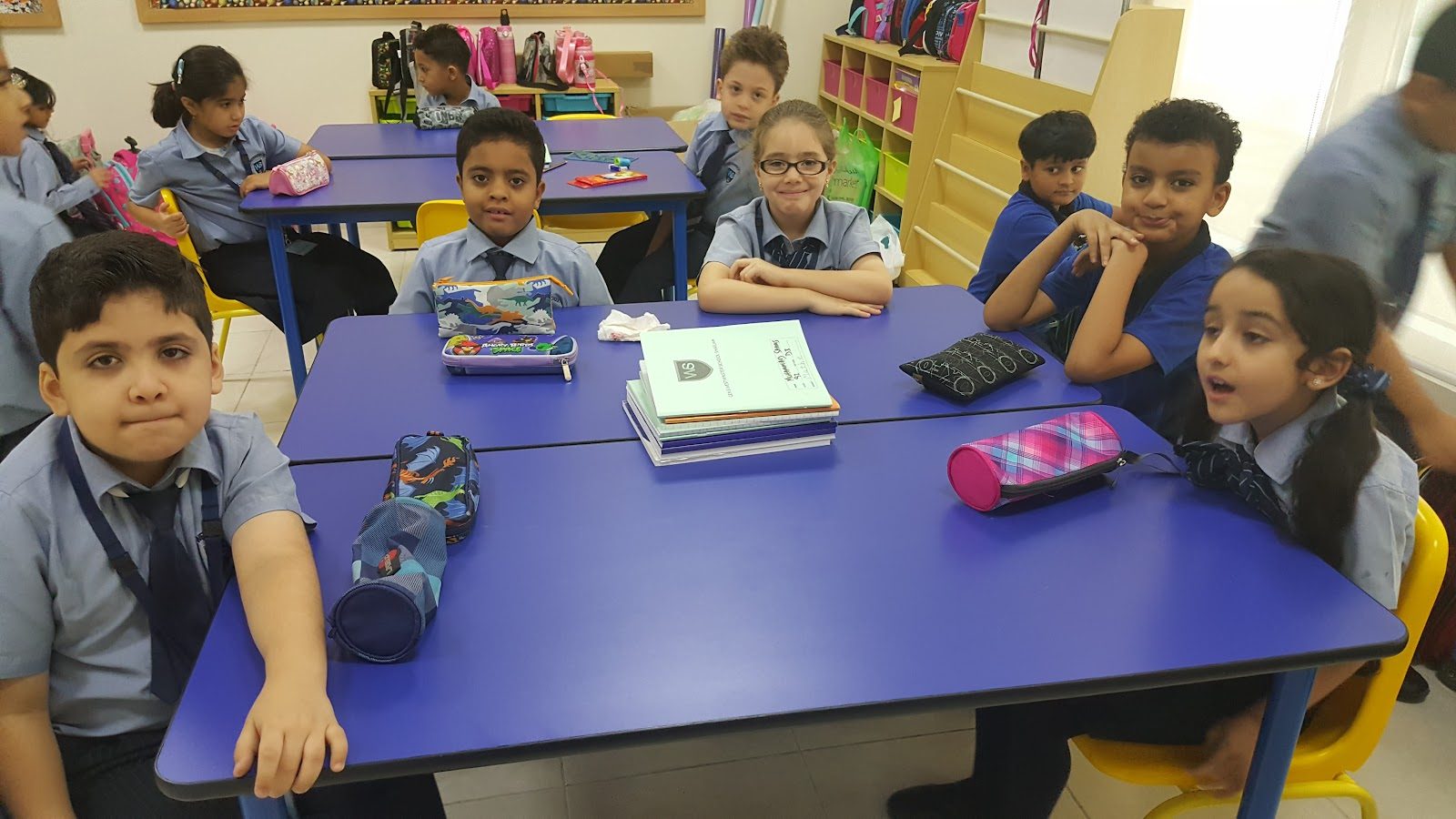
Photo © Australian International School via Google Maps
Type
Day
Ages
3–18
Curriculum
Australian
Qualifications
IB Diploma
Ratio
—
The Verdict
Editor's commitment
Right for
Families in Sharjah who want the UAE's only Australian Curriculum school, with English teaching from age 3 to 18.
Wrong for
Parents chasing a British or IB teaching model; despite IB World accreditation, AIS runs an Australian pathway and is day-only.
Watch out for
The average annual fee is AED 46,346, and the school does not publish hard public outcome data beyond 1700+ students.
Ranking breakdown
Australian International School Sharjah · #1178 of 1591
Composite score 58.9. 8 weighted criteria.
By criterion
Academic Outcomes
Weight 20%
#1003
of 1529 scored
University Placement
Weight 16%
#1057
of 1529 scored
Prestige & Heritage
Weight 12%
#1324
of 1571 scored
Alumni Network
Weight 12%
#1082
of 1530 scored
Facilities
Weight 12%
#857
of 1533 scored
Transparency & Communications
Weight 8%
#594
of 1532 scored
Peer & Industry Review
Weight 10%
#1415
of 1548 scored
Admissions Selectivity & Demand
Weight 8%
#1471
of 1529 scored
Peer & Industry Review
How Australian International School Sharjah is regarded in the sector
63
Respected · medium confidence
Australian International School Sharjah has carved out a durable niche as the founding hub of Australian curriculum education in the Gulf, a status both specialist review sites treat as central to its standing. WhichSchoolAdvisor lists it among its Sharjah "Best of" rankings and its parent survey data shows an overall rating of 3.5 out of 5 with 79% of parents saying they would recommend the school to other families. SchoolsCompared rates it 70% "Very Good" in its Sharjah schools overview, its verdict drawing on Ministry inspectors' praise for a school "through its love and support for the small number of students with particular physical and emotional challenges", tempered by a noted need to lift participation among older students. Gulf News coverage of SPEA's Itqan inspections corroborates the Very Good rating, placing AIS among a small tier of top-performing Sharjah schools rather than the emirate's very top outlier. Peer reputation is solid and regionally visible, though it remains a respected specialist player rather than a headline UAE name.
Editors' overview
Australian International School Sharjah occupies a narrow slot in the UAE market: it is the country’s only school built around the Australian curriculum, with the Queensland senior pathway feeding into QCE and ATAR rather than A levels, IB Diploma or the US system. That alone puts it on a shortlist for families who want a straight Australian academic route without improvisation. The school covers ages 3 to 18, has operated in Sharjah since 2005, and runs as a day school in English. Its IB World accreditation adds an extra layer of external credibility, even though the core offer here is clearly Australian rather than a mixed-curriculum proposition. The average annual fee across the full ladder is AED 46,346, which places it in the market as a serious but not stratospheric option: not cheap, but below the top fee bands charged by Dubai’s premium brands.
What gives AIS Sharjah its distinction is not glamour or scale, but clarity. This is a school with 1,700+ students, 60+ nationalities and 150+ qualified educators, so it has enough size to feel established without drifting into the anonymity that affects some larger UAE campuses. The school leans hard into wellbeing, inclusion and family continuity, and the leadership structure reflects that: there is a Director of Wellbeing, an Inclusive Education department, and phase heads running from early years through Grade 12. That points to a deliberately structured school rather than one trading on a generic international-school script. Parents who want a campus with a strong Emirati setting, a broad expatriate mix and a school culture built around routine, familiarity and pastoral oversight will find a clear identity here.
This is not the school for families chasing the prestige shorthand of British boarding traditions, US college-brand theatre or the cachet of an all-IB sixth form. It suits children who benefit from consistency, a grounded atmosphere and a curriculum that stays coherent from Nursery to Grade 12. It will also appeal to Australian families, or to globally mobile parents who want university eligibility through a system that remains underused in the Emirates. Students who thrive here will value community over flash, pastoral steadiness over pressure-cooker competition, and a school that treats inclusion as part of the operating model rather than a slogan.
Academic Performance
AIS Sharjah makes a confident claim on university eligibility, but the school does not publish the exam data that would let parents test that claim properly. We have no aggregate QCE outcomes, no ATAR distribution, no subject-by-subject breakdowns, and no year-on-year trend line. That is a serious gap. In a market where academically ambitious schools use public results to prove traction, this level of opacity leaves AIS outside the top tier of evidence-led comparison. Parents can see the leadership architecture, the all-through pathway and the scale of the student body at 1,700+, but they cannot see the hard academic yield at the end of it. For a school asking families to commit to a full-through education, that is too thin.
Relative to peers, AIS therefore sits in a hard-to-rank position: distinctive in pathway, but opaque on outcomes. The school clearly has the machinery to support senior students, and the public emphasis on graduation and university eligibility indicates a functioning post-school route. That matters. It does not replace published results. Among schools offering British, IB or US pathways in the UAE, the stronger operators disclose averages, pass rates, top scores or destination patterns with enough precision to assess academic strength. AIS does not. Until it releases that data, parents should treat academic performance here as credible but unproven in public terms, and ask directly for recent QCE and ATAR results before making a decision.
Facilities
The campus offer reads as broad rather than lavish. The school points parents towards labs, fields and creative spaces, and the all-through structure from nursery to the senior years matters here: families are buying into a site built to serve children across the full age range, not a stitched-together phase school with weak transition spaces. That gives AIS a practical advantage over smaller Sharjah operators that do the basics well but lack specialist rooms or age-specific zoning. The school also leans hard on tour access and phase-based leadership, which reinforces the sense of a well-run, family-facing environment where facilities support daily school life rather than trophy architecture. For many parents, that is a sensible proposition.
What is missing is detail. The school uses phrases such as “state-of-the-art facilities” but does not publish the kind of granular campus information that stronger peer schools now provide as standard: no library specification, no theatre or performance venue detail, no pool information, no design or technology provision, no sports inventory beyond fields, and no serious visual record of specialist teaching spaces. That leaves AIS in a credible but under-evidenced position on facilities. Against top-tier UAE campuses, the offer lacks the showpiece clarity that signals real capital depth. Against mid-market peers, it holds up as serviceable and coherent, with enough visible breadth to cover the essentials for an all-through school serving 1,700+ students.
Relative to peers, AIS therefore sits in a hard-to-rank position: distinctive in pathway, but opaque on outcomes
Prestige
AIS Sharjah carries niche prestige, not mass-market status. Its value sits in clarity of offer rather than cachet. In the UAE, most prestige hierarchies still revolve around British legacy brands, high-fee Dubai flagships, or schools with public exam results that dominate comparison tables. AIS does not trade in any of that shorthand. What it has instead is rarity: a full Australian pathway that runs cleanly through to senior graduation, a long-serving all-through structure, and a community large enough to feel established at 1,700+ students without feeling corporate. For families who want that exact route, the school has real specialist credibility. For families shopping on name recognition alone, it does not carry the same social currency as the market’s louder premium operators.
That is why the prestige rating lands in the middle rather than the top band. The leadership roster is extensive, the staffing base at 150+ educators signals institutional depth, and the school projects a settled, serious operation with clear pastoral intent. That gives it substance. The missing ingredient is public academic proof. Prestige in international schooling rests on three things: brand power, outcomes, and selectivity. AIS has a distinct identity and enough scale to command attention; it does not publish the results data that would convert that identity into full academic authority. The result is a school with earned respect in its lane, but not one that sets the wider UAE prestige agenda.
Against top-tier UAE campuses, the offer lacks the showpiece clarity that signals real capital depth
Communications
Parent communication is one of AIS Sharjah’s stronger operational signals. The school gives families a clear route into the campus experience: book-a-visit prompts are prominent, tours run through the working week, and the visit format is framed around direct contact with educators rather than a sales script. That matters. Schools that take communication seriously make it easy for parents to see the place, meet the people who run it and ask awkward questions in real time. AIS also publishes an unusually granular leadership map, with named responsibility sitting across age phases, wellbeing, inclusion, teaching and learning, and operations. For parents, that creates clean lines of accountability. You know who holds which brief. In a school serving 1,700+ students and 60+ nationalities, that structure is not decorative; it is basic institutional discipline.
The weakness sits in depth and candour once you move past access and tone. The public messaging leans heavily on warmth, belonging and aspiration, with repeated emphasis on thriving, care and family feeling. That gives the school a steady, reassuring voice, but it also blunts precision. There is little public-facing substance on outcomes, limited detail on how concerns are escalated, and not enough hard operational information for parents who want more than atmosphere. In other words, AIS communicates confidently on culture and less well on proof. For day-to-day parental confidence, the contact architecture looks sound. For strategic decision-making, families need sharper disclosure than the school currently provides.
Uniqueness
What separates AIS Sharjah from the pack is not branding theatre but structural clarity. In a market crowded with British, IB and US variants, this school gives families a single-track academic route from the earliest years to graduation, with no handover into a different system at senior level. That matters. It reduces the curricular friction that can unsettle children during key transition points, and it gives parents a cleaner line of sight on how classroom learning builds over time. The school’s organisation reinforces that coherence: phase leadership runs right through the age range, there is a dedicated inclusion function, and wellbeing sits as an explicit operational priority rather than an afterthought. For students, the benefit is a more joined-up school life with fewer institutional jolts and a stronger chance of being known well across the years.
Its other point of distinction sits in culture. AIS combines a broad international intake — 60+ nationalities — with a grounded local setting in Sharjah, and that is not the same social proposition as a high-gloss Dubai flagship. The tone is more settled than aspirational, more community-based than status-driven. For some families, that is the draw: children grow up in a school that values continuity, routine and belonging without wrapping itself in elite mythology. Add a student body of 1,700+ and 150+ educators, and the result is a school large enough to offer breadth, but still built around the promise of familiarity. That combination is genuinely unusual in the UAE.
That is why the prestige rating lands in the middle rather than the top band
Student Profile
This is a school for families who want continuity, routine and a known, settled community rather than social theatre. The intake is plainly international — 60+ nationalities — but the tone is not transient or rootless. Children who fit well here are comfortable in a school where adults put pastoral oversight front and centre, where inclusion has formal leadership, and where parents want staff to know their child properly across phases rather than reset the relationship every few years. It suits pupils who benefit from clear structures, steady expectations and a campus culture that leans more towards belonging than competition. Families entering early and staying through the school tend to make the most sense here.
It is a weaker fit for children who want a high-pressure, prestige-driven peer culture or a senior school defined by public academic peacocking. The student body is large enough at 1,700+ to give breadth of friendships and backgrounds, but the school’s public identity stays community-first rather than status-first. That will work well for grounded, sociable pupils, for internationally mobile families who still want consistency, and for students who need a school to take wellbeing and inclusive practice seriously in day-to-day life. It will suit children who thrive when school feels orderly, warm and familiar. It will not suit families chasing exclusivity, elite signalling or a visibly cut-throat atmosphere.
That alone puts it on a shortlist for families who want a straight Australian academic route without improvisation
Co-curricular strengths
Arts & sport, on a separate axis
Overall 7.52/10
Scored 0-10 from the school's own published evidence. This axis is editorial-only — it does not feed the main WTS ranking.
Sports
8/10
Multiple sports—Football, Basketball, Volleyball, Swimming, Athletics and Cricket—and fields, indicating a solid multi-sport offering without evidence of specialist facilities, staff or competitive results.
Drama
7.5/10
Drama appears explicitly only as 'Drama club' in the extracurricular list, with no further detail.
Dance
6.5/10
Music
7.8/10
A School choir and creative spaces, evidencing a modest but real music offering without specialist facilities, staff or broader programme detail.
Visual Arts
7.8/10
An Art club and creative spaces, showing a real visual arts presence but no named studios, department, specialist staff or exhibition record.
Editor first-pass · editor-reviewable · 7/27/2026
Official inspection · Sharjah
SPEA report · 2023/24
Official · SPEAInspectorate
Sharjah Private Education Authority
Sharjah's private-school regulator; Irtiqa'a six-standard framework.
Curriculum
Australian
Held vs previous cycle
Full report
SPEA private-school directoryRating history
Strengths
- +Australian Queensland curriculum leading to the QCE
- +English-medium teaching from Nursery to Grade 12
- +SPEA inspection rating of Very good
- +Strong emphasis on wellbeing and inclusive education
- +Broad international community of 60+ nationalities
Considerations
- −The school does not publicly publish detailed exam-results data
- −Website gives limited curriculum detail on senior years
- −Pitch centres on care and community rather than measurable academic stretch
Availability
Primary entry gate & tests
CAT4 / Assessment
Gallery
Photo © Sarah Ahmad via Google Maps
Photo © Sarah Ahmad via Google Maps
Recommended reading
Independent write-ups of this school from editorial outlets we trust.
- Australian International School Sharjah ReviewWhichSchoolAdvisor
- Australian International School Sharjah ReviewSchoolsCompared
Parent reviews
Have you sent your child here?
Voice reviews carry the strongest trust badge — we transcribe them for you to tidy up before they go live. Prefer to type? A written review is fine too.
Add your voice
In 60 seconds, tell other parents: what's the best thing about Australian International School Sharjah, and what surprised you when your child joined?
We ask for a Google sign-in so every review has a real face behind it — no anonymous drive-by attacks on schools, and no faked positive reviews. Your email is never shown publicly.
Send this profile to a friend
International parents rely on word-of-mouth. Share this review with someone weighing the same decision.
Schools with places
Similar schools to Australian International School Sharjah with places available now.
Emirates National Schools - Abu Dhabi Campus
Abu Dhabi · United Arab Emirates
- 2026-27
- PLACES OPENApps open / space-dependent
- 2027-28
- WAITPOOL2027/28 timetable TBC
Uptown International School
Dubai · United Arab Emirates
- 2026-27
- PLACES OPENApps open / space-dependent
- 2027-28
- WAITPOOL2027/28 timetable TBC
Dwight School Dubai
Dubai · United Arab Emirates
- 2026-27
- PLACES OPENApps open / space-dependent
- 2027-28
- WAITPOOL2027/28 timetable TBC
Raffles International School
Dubai · United Arab Emirates
- 2026-27
- PLACES OPENApps open / space-dependent
- 2027-28
- WAITPOOL2027/28 timetable TBC
Availability first, then country, area, curriculum, price, co-curricular
Consider also
Also worth looking at alongside Australian International School Sharjah.
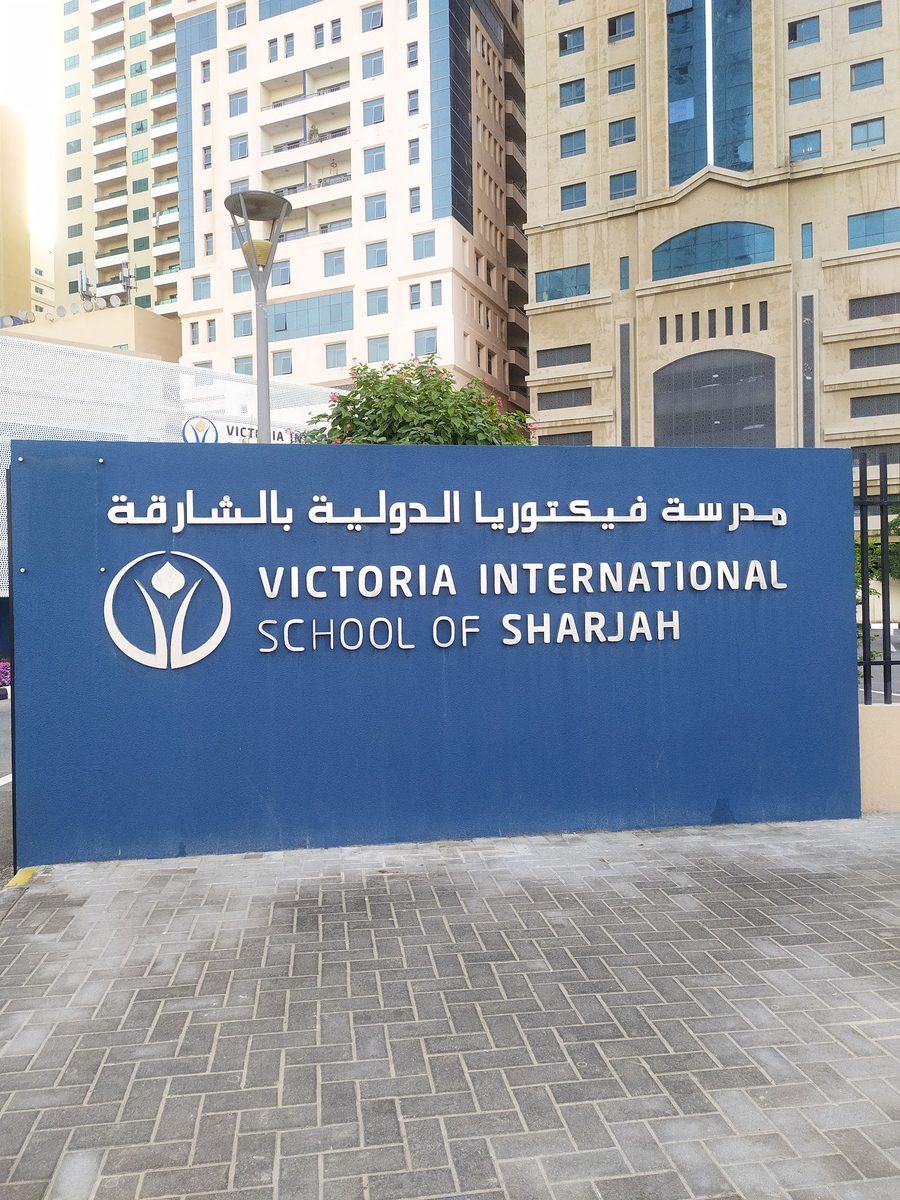
Victoria International School of Sharjah
Sharjah · United Arab Emirates
A 2005 government pact with the Australian state of Victoria seeded this Sharjah campus, its syllabus culminating in the IB Diploma.
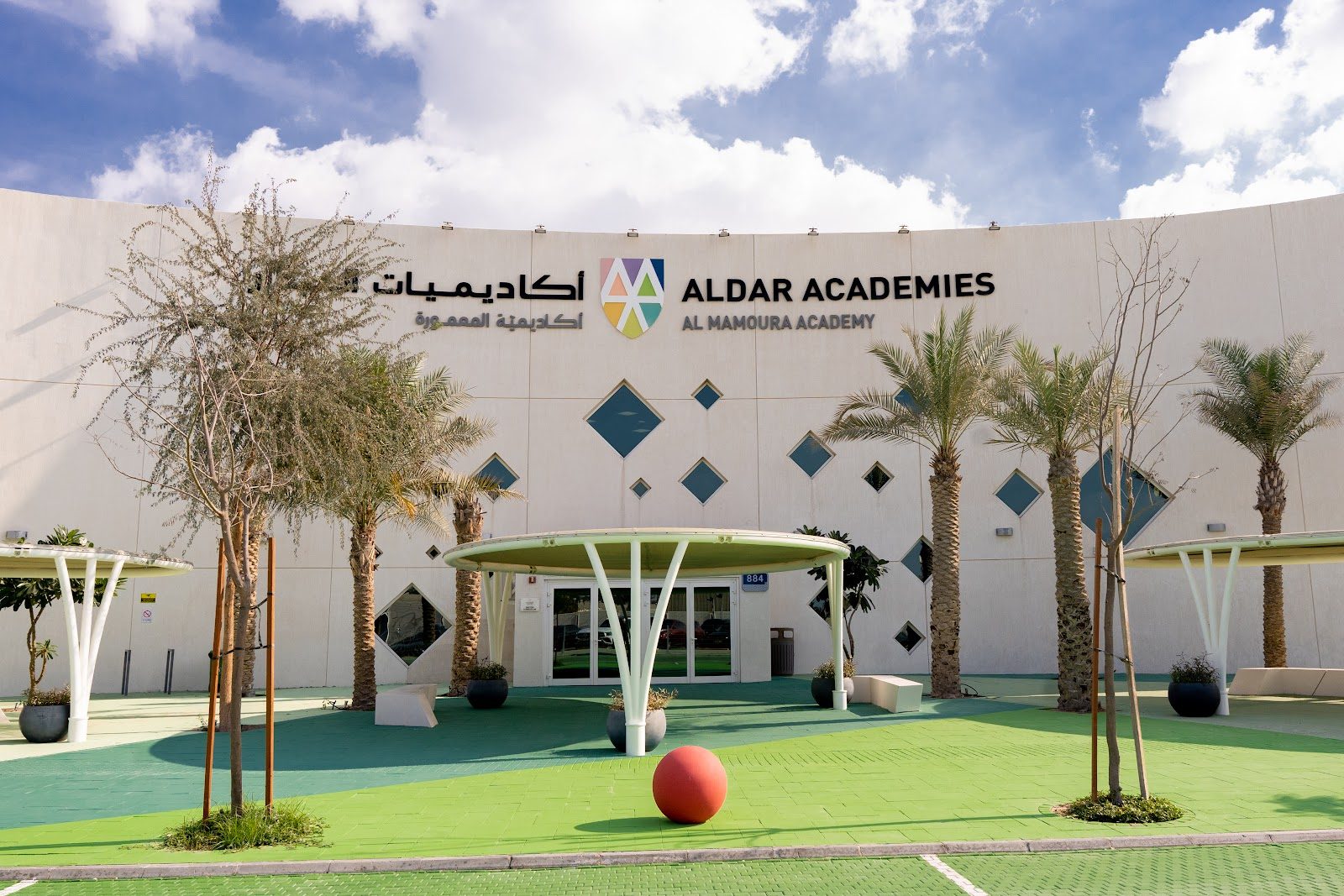
Al Mamoura Academy
Abu Dhabi · United Arab Emirates
Structured industry partnerships with the Louvre Abu Dhabi and Khalifa University run from nursery through sixth form.
The Sheffield Private School
Sharjah · United Arab Emirates
On the Dubai-Sharjah border, Al Nahda's campus pairs affordable fees with a notably broad range of IGCSE and A-Level subjects.
GEMS Westminster School - Sharjah
Sharjah · United Arab Emirates
A flexible two- or three-year IGCSE pathway in Muwaileh gives Sharjah families room to pace their children's British education.
Same country and curriculum — closest matches within ±10 points either way