
Catalonia
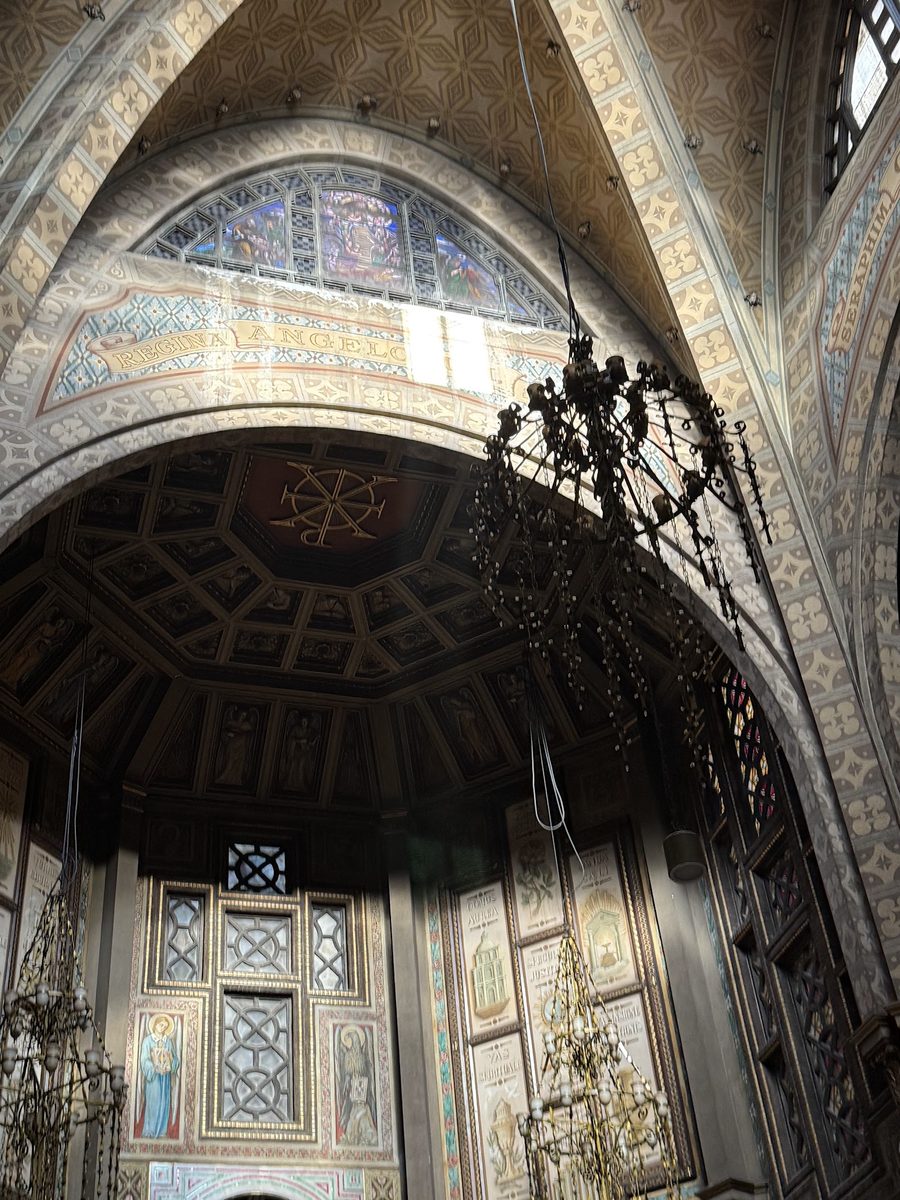
Mare de Déu dels Àngels
low confidence· 1/6 cats · 0 avg sourcesIn a Modernista building in La Sagrera, this 1898 Manyanet school pairs Cambridge English prep with Nazarene tradition.
Type
Day
Ages
3–18
Curriculum
Spanish
Qualifications
Bachillerato
Ratio
—
The Verdict
Editor's commitment
Right for
Barcelona families wanting a Catholic day school from ages 3–18, with Spanish and Catalan teaching and Cambridge English preparation.
Wrong for
Parents seeking IB, A Levels or boarding; Mare de Déu dels Àngels is a Spanish-curriculum Catholic day school founded in 1913.
Watch out for
The pull is tradition and setting: a Manyanet school in La Sagrera, in a Modernista building, with Nazarene framing front and centre.
Ranking breakdown
Mare de Déu dels Àngels · #1179 of 1591
Composite score 58.8. 8 weighted criteria.
By criterion
Academic Outcomes
Weight 20%
#1085
of 1529 scored
University Placement
Weight 16%
#1089
of 1529 scored
Prestige & Heritage
Weight 12%
#1150
of 1571 scored
Alumni Network
Weight 12%
#761
of 1530 scored
Facilities
Weight 12%
#1247
of 1533 scored
Transparency & Communications
Weight 8%
#1098
of 1532 scored
Peer & Industry Review
Weight 10%
#1373
of 1548 scored
Admissions Selectivity & Demand
Weight 8%
#991
of 1529 scored
Peer & Industry Review
How Mare de Déu dels Àngels is regarded in the sector
60
Respected · medium confidence
There is no verifiable evidence that Mare de Deu dels Angels registers on the radar of Barcelona's internationally oriented schools, whose heads and admissions officers engage publicly through bodies like ECIS or COBIS conferences; the school has no listing in WhichSchoolAdvisor or the Good Schools Guide, both of which focus on the international and premium private segment rather than Catalonia's concertado network. Spanish national outlets such as El Mundo's annual 'Los 100 Mejores Colegios' list, which does rank concertado and public schools, show no confirmed entry for this institution in accessible archives. Equally, no university admissions office, Spanish or international, has published commentary referencing its graduates. This absence is best read as reflecting scale and local orientation rather than negative assessment: small neighbourhood concertado schools generally exist outside the comparative frameworks used by league tables and specialist press, which concentrate on larger, fee-charging or examination-differentiated institutions. Until primary sources -- a working website, Generalitat inspection data or diocesan schools-office records -- become available, any claim of peer or press regard would be unsupported.
Editors' overview
Mare de Déu dels Àngels occupies a distinct niche in Barcelona: a Catholic day school for ages 3–18 with deep local roots, housed in a Modernista building in La Sagrera and tied to the Manyanet tradition. That combination matters. Parents are not buying a generic urban colegio; they are choosing a school with a defined religious character, a long institutional memory and a setting that carries real architectural presence. Founded in 1913, it offers continuity without the social theatre that surrounds some of the city’s better-known international names. The draw here is not global branding. It is structure, identity and permanence.
What puts it on a shortlist is the blend of mainstream Spanish schooling with Cambridge English preparation and a clear Nazarene ethos. Instruction in Spanish and Catalan suits families who want firm integration into the local system rather than an expatriate bubble. At the same time, the Cambridge strand gives English measurable weight, which sharpens the offer for parents who want stronger language credentials without leaving the domestic curriculum. This is a school for families comfortable with Catholic formation being part of daily life, not a decorative add-on. That religious framework will appeal to some and rule it out for others. The school’s strength lies in that clarity: a school that knows what it is.
The right student for Mare de Déu dels Àngels is one who thrives in a school with explicit expectations, adult authority and a community shaped by tradition. Children who benefit from routine, collective culture and clear moral framing will fit better here than students who want maximum informality or a highly personalised, progressive model. For local and internationally minded Catalan or Spanish-speaking families, the attraction is practical: day schooling, a broad 3–18 age span and English preparation without abandoning local academic and cultural fluency. In market terms, this is not the flashy option. It is the grounded, serious choice for parents who value belonging, discipline and a school identity that has held its line for more than 100 years.
Academic Performance
The school does not publish aggregate external exam results. We have not seen EvAU averages, Bachillerato pass rates, subject-level distributions, university destination data or any comparative benchmarking against Barcelona peers. That leaves academic performance opaque at the point where parents need hard proof. The Cambridge English strand adds one external reference point, but the school does not disclose cohort entry numbers, pass rates by level or the share of pupils reaching advanced certificates. Without those figures, it is impossible to place the school with confidence among the city’s stronger academic operators, and that matters. In a market where many schools trade on outcomes, silence on outcomes is a real weakness.
That does not mean weak results; it means unverified results. For some families, a settled all-through structure and a disciplined ethos will count for a lot. For academically exacting parents, though, the absence of published data keeps Mare de Déu dels Àngels out of the top evidential tier. Schools that want credit for serious academic delivery need to show the numbers: public exam performance, progression patterns and consistency over time. Here, the school asks parents to trust institutional culture more than measurable attainment. That is credible enough for families buying into its identity. It is not enough for parents comparing academic return with forensic care.
Facilities
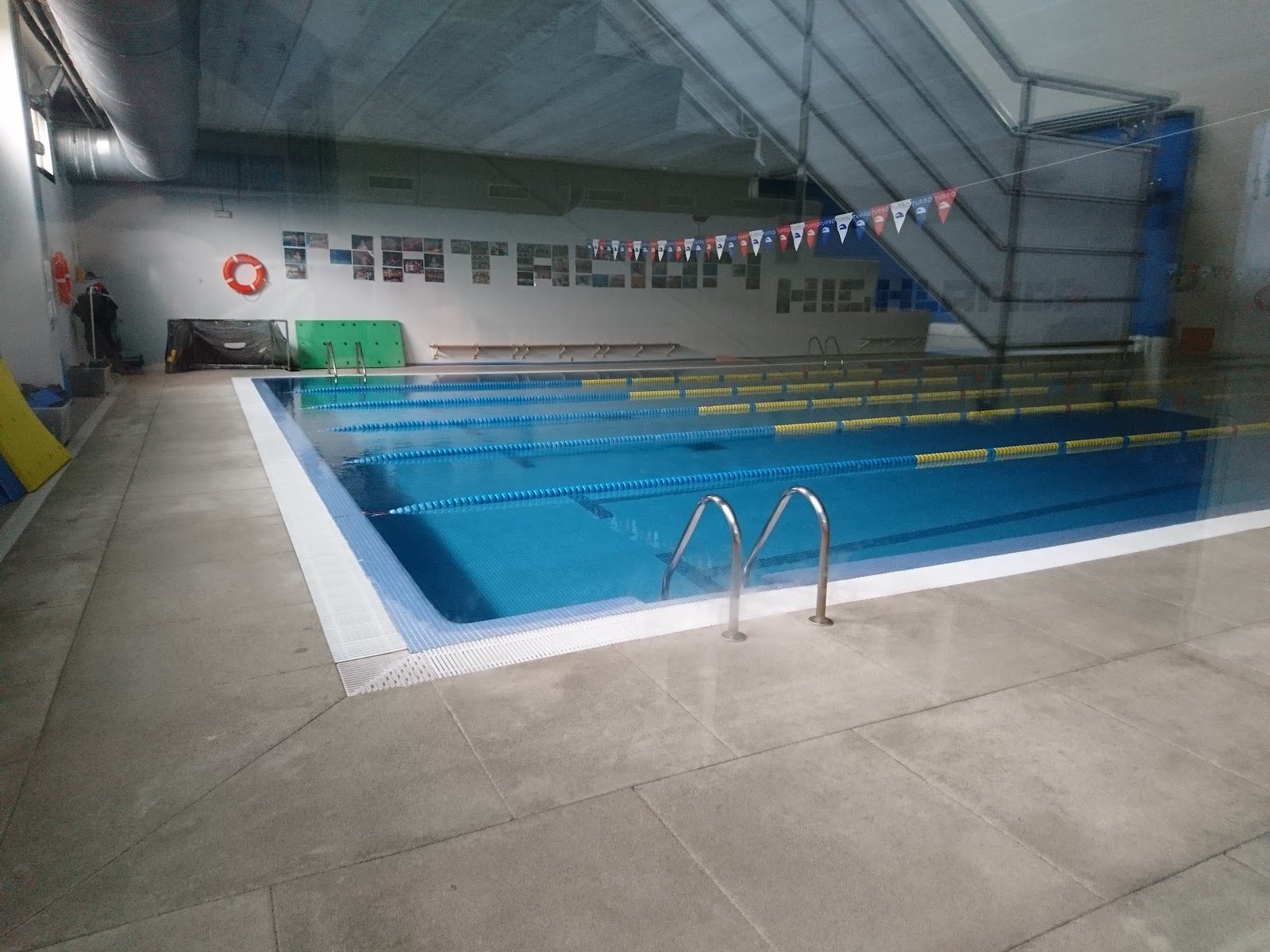
Facilities are defined first by the building itself. A school housed in a Modernista property gains atmosphere and identity, but it also inherits constraints. Parents should expect character rather than the slick scale of a purpose-built suburban campus. That means corridors, classrooms and shared spaces shaped by an older urban footprint, not vast atriums, showpiece science blocks or extensive grounds. For some families, that is a real asset: pupils learn in a setting with texture, history and civic presence. Against Barcelona peers with newer estates, though, this is not a facilities-led proposition. The key attraction is the architectural substance of the site, not a long list of specialist infrastructure.
What matters more is whether the school has enough practical teaching space to support daily life across the full age range, and the public picture is thin. We have not seen detailed publication of laboratories, performance venues, indoor sports provision, outdoor play areas, library stock, design workshops or dedicated sixth-form spaces. That absence does not prove weak provision, but it leaves parents without the hard campus detail that stronger operators now publish as standard. In peer terms, Mare de Déu dels Àngels sits behind schools that use sport, STEM and performing arts facilities as a clear competitive edge. Its estate reads as serviceable, distinctive and constrained rather than expansive. Families choosing it are buying ethos and setting first, not big-ticket campus advantage.
For academically exacting parents, though, the absence of published data keeps Mare de Déu dels Àngels out of the top evidential tier
Prestige
Mare de Déu dels Àngels carries local prestige, not metropolitan glamour. Its standing rests on continuity, recognisable religious identity and the sort of rooted reputation that matters within established Barcelona family networks. A school like this earns trust through endurance and social familiarity, not through selective branding, elite admissions theatre or publicly trumpeted outcomes. The Manyanet connection gives it a discernible place within the Catholic school landscape, and the setting adds cultural heft that many newer schools cannot manufacture. For families who value seriousness, order and inherited institutional character, that has real cachet. For parents chasing the city’s most internationally legible or academically advertised names, it does not.
That is why the prestige rating sits in the solid middle ground: respectable, credible and quietly status-bearing within its constituency, but not a school with wide cross-border pull or obvious top-tier signal value. The absence of published aggregate results limits external authority. So does the lack of the prestige machinery that lifts a school into a different bracket: conspicuous university placement data, high-profile alumni, major sporting profile, aggressive facilities narrative or a dominant place in the fee-conscious aspirational market. This is reputation by rootedness. It will impress families who want belonging and institutional seriousness. It will not carry the same weight with parents who read prestige through measurable academic dominance or international visibility.
The right student for Mare de Déu dels Àngels is one who thrives in a school with explicit expectations, adult authority and a community shaped by tradition
Communications
Parent communication looks functional rather than polished. The school maintains the standard channels families now expect from a long-established local school — website, direct contact routes and routine notices — but it does not project the high-transparency discipline that stronger operators use to make daily school life legible from the outside. Key information is present in broad terms, yet depth is thin where parents value precision: detailed academic reporting, richer explanation of school processes, and a clearer sense of how different stages of school life are handled. That leaves communication competent but plain, with more emphasis on institutional identity than on systematic parent-facing clarity.
For existing families who already buy into the school’s culture, that will be enough. A settled community can run effectively on familiarity, repetition and trust. For new families, especially those comparing several schools at once, the communication standard is less reassuring than it should be. The issue is not tone; it is disclosure. Schools that communicate well do more than announce events and state values. They publish the practical detail that lets parents judge quality, consistency and responsiveness without guesswork. Here, too much still depends on direct enquiry and in-person interpretation. That gives the school a closed, old-school feel — appealing to parents who value discretion, frustrating for those who expect crisp information and modern administrative openness.
Uniqueness
What marks Mare de Déu dels Àngels out is the combination of an all-through age span, a Catholic frame that is structural rather than decorative, and a home in a building with genuine civic character. Plenty of schools offer religion; plenty occupy old premises; fewer fuse those elements into a daily experience that runs from nursery to university entry. That continuity gives pupils one institutional grammar for the whole of childhood: the same expectations around conduct, worship, celebration and community belonging, reinforced over 15 school years rather than reset at each phase. For the right family, that breeds deep institutional loyalty, stable friendships and a strong sense of place. It also narrows the margin for reinvention. Children who need a clean break between primary and secondary will find the culture more fixed than liberating.
The other point of difference is the school’s refusal to chase the international-school script. This is not a bilingual lifestyle brand dressed up for mobile families; it is a local school with an English qualification strand attached. That matters because it gives students access to stronger external validation in English without pulling them out of the social and academic mainstream around them. The result is a profile that is rooted rather than portable: pupils gain local fluency, a durable community identity and exposure to formal religious formation, with Cambridge English adding a practical extra layer. For families who want cosmopolitan polish above all else, that mix will feel too anchored, too tradition-bound. For families who want coherence, it is unusually clear-eyed.
In peer terms, Mare de Déu dels Àngels sits behind schools that use sport, STEM and performing arts facilities as a clear competitive edge
Student Profile
The best fit is a child who responds well to clear authority, shared routines and a school culture where conduct is taught, not negotiated. Pupils who like knowing where the lines are — and who do not need endless choice or reinvention — will settle more easily here than students drawn to looser, student-led environments. Because the school carries children from the early years through to the end of secondary, it suits families looking for one continuous institutional world rather than a sequence of tactical moves. That continuity works well for steady, community-minded children who value familiarity and are happy growing up with many of the same peers across 15 years. It suits them less well if they crave anonymity, rapid social change or a dramatic reset in adolescence.
This is also a school for families comfortable with faith shaping the ordinary texture of school life. Students do not need to be grand extroverts or hyper-competitive strivers, but they do need to tolerate structure, collective expectations and a degree of tradition-bound seriousness. The Cambridge English element adds a practical outlet for diligent pupils who like working towards external milestones, even if the wider school identity remains firmly local rather than internationally styled. Children who thrive here will value belonging over display, routine over experimentation and adult guidance over constant self-expression. For independent spirits who want a free-form, highly personalised education, this will feel too bounded. For grounded pupils who want stability and a recognisable moral frame, it is a strong cultural fit.
Mare de Déu dels Àngels carries local prestige, not metropolitan glamour
Co-curricular strengths
Arts & sport, on a separate axis
Overall 5.9/10
Scored 0-10 from the school's own published evidence. This axis is editorial-only — it does not feed the main WTS ranking.
Sports
6.5/10
Competes actively within local Spanish and international tracking networks, balancing traditional field tracking with excellent urban recreation.
Drama
5.5/10
Highly engaging dramatic curriculum, staging classical and contemporary productions inside modern spaces.
Dance
5.5/10
Active ensemble choreography integrated heavily into school arts festivals and multicultural showcases.
Music
6/10
Robust instrumental setups supporting cross-cultural performance groups, jazz bands, and acoustic arrangements.
Visual Arts
6/10
High-end digital graphics design setups paired with traditional fine painting to meet advanced portfolio criteria.
Strengths
- +Barcelona location suits city-based families.
- +Catholic ethos offers faith-based schooling.
- +Spanish curriculum suits local system continuity.
- +Spanish and Catalan instruction builds regional fluency.
Considerations
- −Spanish curriculum may limit non-Spanish transferability.
- −Catholic character may not suit secular families.
- −Spanish and Catalan instruction may challenge newcomers.
Availability
Primary entry gate & tests
Academic Record
Gallery
Parent reviews
Have you sent your child here?
Voice reviews carry the strongest trust badge — we transcribe them for you to tidy up before they go live. Prefer to type? A written review is fine too.
Add your voice
In 60 seconds, tell other parents: what's the best thing about Mare de Déu dels Àngels, and what surprised you when your child joined?
We ask for a Google sign-in so every review has a real face behind it — no anonymous drive-by attacks on schools, and no faked positive reviews. Your email is never shown publicly.
Send this profile to a friend
International parents rely on word-of-mouth. Share this review with someone weighing the same decision.
Schools with places
Similar schools to Mare de Déu dels Àngels with places available now.
Availability first, then country, area, curriculum, price, co-curricular
Consider also
Also worth looking at alongside Mare de Déu dels Àngels.
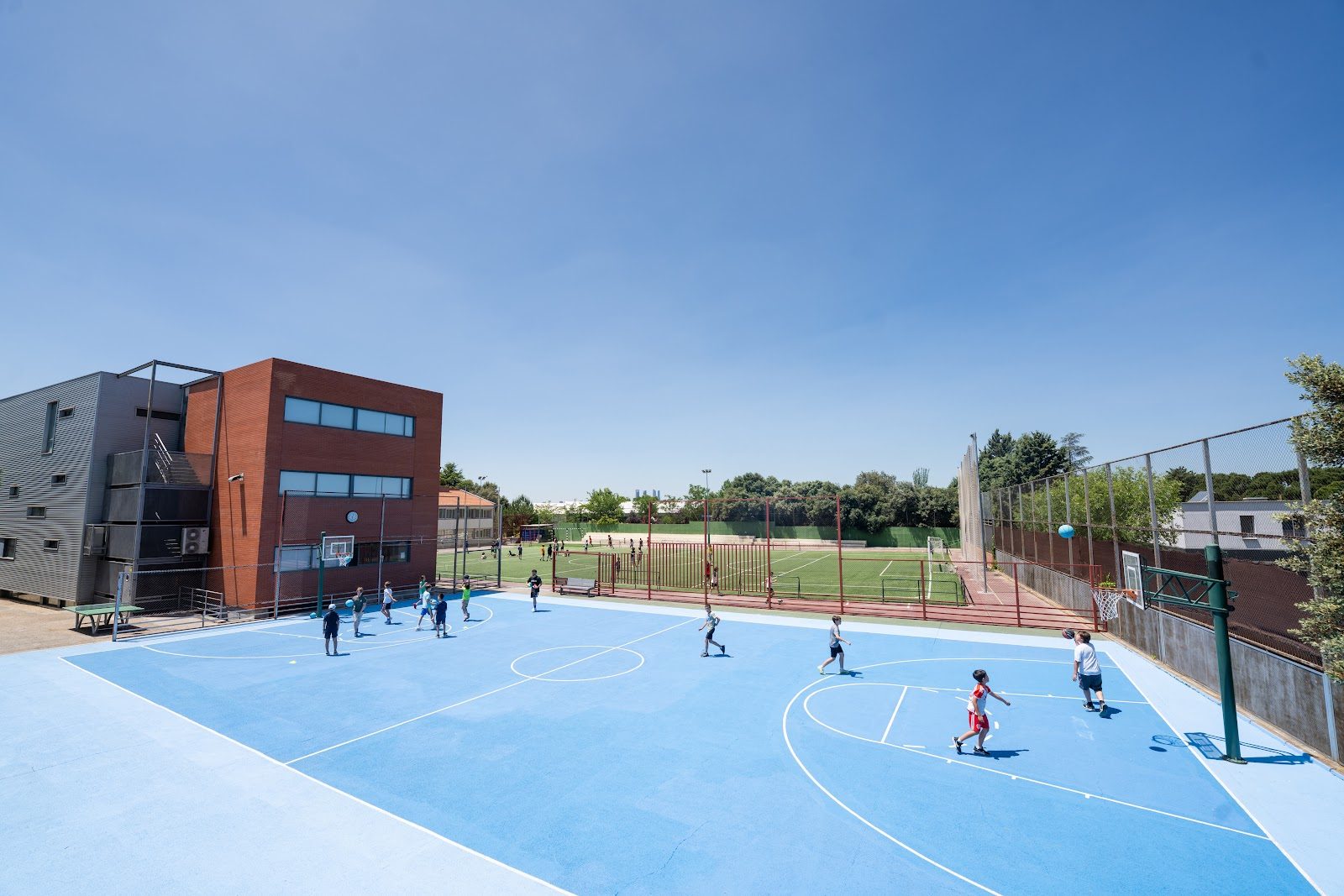
Colegio Base
Madrid · Spain
Rooted in the Institucion Libre de Ensenanza since 1962, this La Moraleja campus runs three Baccalaureate tracks under one roof.
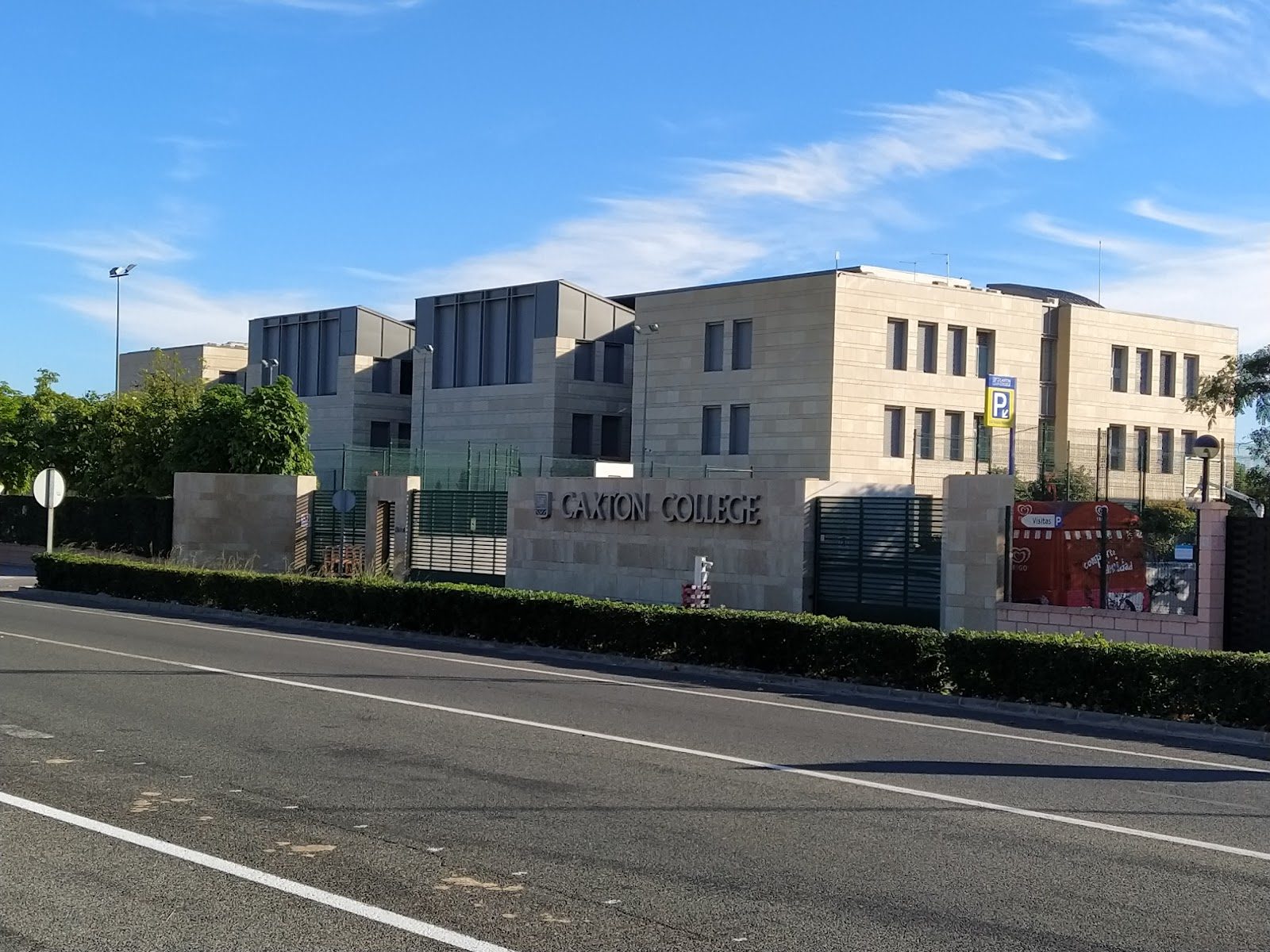
Caxton College
Puçol · Spain
On Valencia's coast between mountains and sea, a family-run British school pairs A-Levels with native Spanish literary strength.
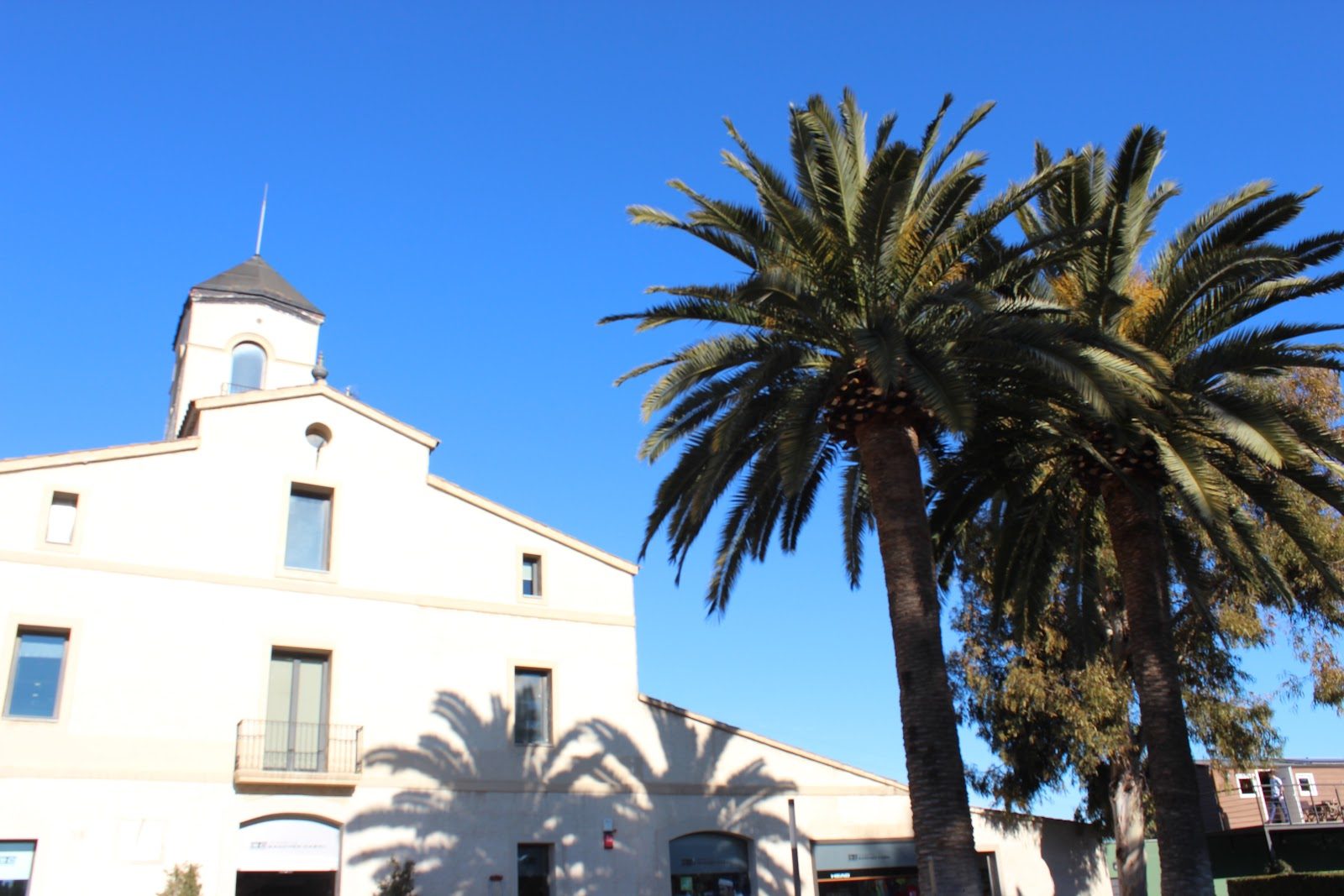
ES International School of Barcelona
Barcelona · Spain
An American diploma earned between classrooms and clay courts at the Sanchez-Casal tennis academy outside Barcelona.
Highlands School Madrid
Madrid · Spain
In La Moraleja's green belt, a Cambridge-accredited trilingual campus pairs British rigour with a public-speaking programme built into daily lessons
Same country and curriculum — closest matches within ±10 points either way