
Madrid
American School of Madrid
high confidence· 5/6 cats · 2.89 avg sourcesOn Calle America in Pozuelo, a 1961 founding became the first Spanish school to pair a US diploma with the full IB Diploma Programme.
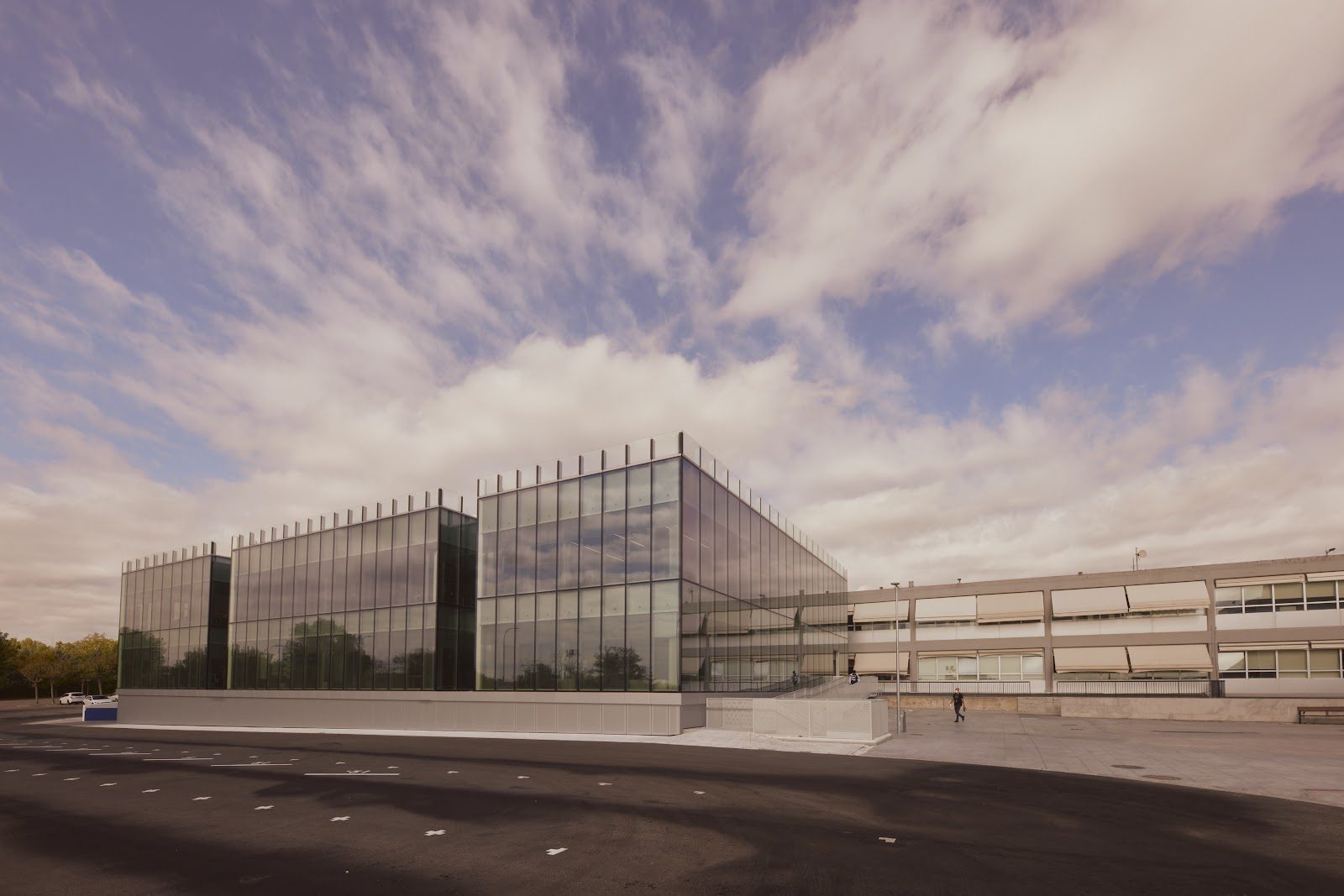
Photo © Lisa Kerr via Google Maps
Type
Day
Ages
3–18
Curriculum
American
Qualifications
AP · IB Diploma
Ratio
1:8
The Verdict
Editor's commitment
Right for
Families wanting an English-medium American school with IB World status, a 1:8 ratio, and a direct line to NYU and Boston University.
Wrong for
Parents after boarding, religious formation, or a British curriculum: ASM is day-only, non-religious, founded in 1961 on an American model.
Watch out for
The sell is breadth, not published hard outcomes: beyond NYU 4, Boston University 3 and Columbia 1, aggregate IB results are not disclosed.
Ranking breakdown
American School of Madrid · #391 of 1591
Composite score 70.8. 8 weighted criteria.
By criterion
Academic Outcomes
Weight 20%
#511
of 1529 scored
University Placement
Weight 16%
#459
of 1529 scored
Prestige & Heritage
Weight 12%
#438
of 1571 scored
Alumni Network
Weight 12%
#289
of 1530 scored
Facilities
Weight 12%
#246
of 1534 scored
Transparency & Communications
Weight 8%
#288
of 1532 scored
Peer & Industry Review
Weight 10%
#527
of 1548 scored
Admissions Selectivity & Demand
Weight 8%
#991
of 1529 scored
Score history
American School of Madrid · 2026
Movement across 2024–2026. Peer average overlaid.
Overall — 2024–2026
70.8/ 100
▲ +39.9 vs 2025
year on year
Peer & Industry Review
How American School of Madrid is regarded in the sector
65
Respected · low confidence
American School of Madrid is consistently cited in expat-parent forums (e.g., Expat Focus, InterNations discussions) and international school directories as one of the longest-established and most reputable international schools in Madrid, often mentioned alongside British Council School and King's College as a top choice for American/international curriculum families. It holds AdvancED/Cognia and NEASC accreditation, which is referenced in specialist international-schooling directories, but it lacks the broader UK-style media coverage (Tatler, Good Schools Guide, Sunday Times) that would place it in the highest tier, since those outlets focus on UK/British-curriculum schools rather than American-curriculum schools abroad.
Evidence sources
Editors' overview
American School of Madrid occupies a clear niche in the city’s international market: a long-established, English-medium, non-religious day school with an American spine and a full IB finish. Founded in 1961, it has had decades to refine that formula. The sharp point is not novelty but combination. ASM was the first school in Spain to pair a US diploma with the full IB Diploma Programme, and that still matters for families who want optionality across US, Spanish and wider international university routes. The school also carries two pieces of institutional weight that parents care about: Middle States accreditation and IB World School status. In a crowded Madrid market, that gives ASM a serious academic identity rather than a lifestyle pitch.
What puts it on a shortlist is breadth without incoherence. Some international schools bolt programmes together and leave families to decode the logic. ASM’s model is more legible: American college-preparatory education, English as the language of instruction, and access points that extend beyond the US system. The school states that recognition by the Spanish Ministry of Education allows Spanish citizens to pursue its programme and access Spanish universities; the IB certification extends reach across Europe and beyond. That is a practical advantage, not a branding line. The published student–teacher ratio of 1:8 signals a school built for attention, and the recent destination list — including NYU, Boston University and Columbia — gives at least a glimpse of real university traction. We have not seen aggregate IB or MAP figures here, so parents who want hard outcomes data should ask for cohort-wide results, score distributions and multi-year university destinations.
The right student for ASM is academically ambitious, internationally minded and comfortable in an environment where English drives classroom life from age 3–18. It suits families who want a US-style school experience without closing off European options, and it fits students who value a diverse peer group over a national silo. Children who thrive in structured, outward-facing schools and who benefit from close teacher access will fit well. Families seeking boarding, a religious framework or a purely local Spanish school culture should look elsewhere. Families seeking cross-border university flexibility, a mature institutional base and a disciplined academic route should look closely.
Academic Performance
ASM talks openly about results but stops short of full transparency. The school says its annual report contains MAP and IB results, yet no aggregate figures, score distributions or multi-year trend lines are in the public domain here. That matters. In Madrid’s upper tier, parents comparing serious academic schools need more than selective snapshots and university acceptances; they need cohort-wide attainment data. Without that, ASM sits in the category of schools with a credible academic proposition but an incomplete public outcomes record. The destination list does show movement into selective universities, and the school’s college-preparatory structure gives that claim substance, but admissions names alone do not replace exam data.
Relative to peers, ASM fits the group of established international schools that offer genuine university optionality and enough institutional heft to command attention, yet it does not publish the kind of hard performance evidence that the most data-confident schools use to prove strength. The low staffing ratio of 1:8 points to conditions that support attainment, and the annual report’s inclusion of results signals that the school tracks performance closely. Still, families should ask direct questions: average and highest IB scores, pass rates, subject-by-subject outcomes, MAP growth data, and results over at least 3 years. Until those figures are published plainly, ASM’s academic performance reads as promising but opaque.
Facilities
ASM does not publish a clean, detailed facilities inventory, which puts parents in the awkward position of inferring the campus from broad claims and an annual-report wrapper rather than from a proper room-by-room account. That lack of specificity is a weakness. A school asking families to trust an ambitious college-preparatory model should show the physical infrastructure that supports it: laboratories, arts spaces, sports provision, libraries, specialist rooms, and the quality of social areas for older students. Here, the public picture is under-documented. The annual report points to divisional highlights and a World of Work programme, which indicates there is more than a bare-bones classroom setup, but the school does not lay out its plant with the clarity that facilities-conscious parents expect.
Against Madrid peers, that matters because strong schools in this bracket tend to make their capital investment visible. They show performance spaces, serious sport, well-equipped science, and age-appropriate early years environments without forcing families to decode vague language. ASM’s low 1:8 staffing ratio softens that concern: close adult access can compensate for a campus that is less showpiece-driven than rivals. Still, families should ask direct questions on specialist teaching spaces, indoor and outdoor sport, music practice provision, design and technology, and sixth-form study areas. Until ASM publishes that detail plainly, its facilities profile reads as credible but thinly evidenced rather than sector-leading.
ASM talks openly about results but stops short of full transparency
Prestige
ASM has solid prestige in the international-school market, but it sits in the serious middle of the top tier rather than at the level of a global brand that carries instant cachet in every admissions office. Its standing rests on substance: long institutional continuity, a clear university-preparatory model, recognised external quality control, and a track record that reaches selective universities. For Madrid families, that combination has weight. The school’s low 1:8 staffing ratio strengthens the case further, because prestige in this segment does not come from slogans; it comes from access to teachers, stable delivery and credible post-school routes. The recent destination list is useful here. 4 students to NYU, 3 to Boston University and 1 to Columbia do not make ASM a university-placement powerhouse, but they do show real traction with well-known institutions.
The ceiling on prestige is visibility. ASM does not publish the kind of comprehensive outcomes data that turns a respected school into a data-backed academic leader. Nor does it project the aura of an ultra-selective, socially rarefied institution whose name alone opens doors. Its prestige is earned rather than theatrical: strong among internationally minded families who understand the value of a US diploma combined with the IB, less potent for parents chasing pure brand glamour. That still amounts to a compelling level of status. ASM offers credible, durable esteem built on educational utility, not mythology.
Until ASM publishes that detail plainly, its facilities profile reads as credible but thinly evidenced rather than sector-leading
Communications
ASM’s parent communication is orderly but incomplete. The website does the basics cleanly: clear navigation, a downloadable viewbook, an annual report, and direct signposting to divisional sections. That gives families a usable front door rather than a maze. The annual report matters most. A school that packages board messaging, divisional highlights, university acceptances and programme updates into one document is signalling institutional discipline and a serious internal rhythm. The inclusion of a “World of Work” update also points to communication that extends beyond pure exam choreography. For current parents, that mix usually translates into a school that keeps its community informed about priorities, not just events. The published 1:8 staffing ratio also supports the case for close-contact communication: schools with that level of adult access have the capacity to answer quickly and know families well.
The weakness is public transparency. ASM tells parents that results sit in the annual report, yet it does not publish the full outcome detail that demanding families expect. That gap matters because communications are not only about warmth and frequency; they are about candour. A school with strong communication habits gives parents a crisp account of performance, facilities and strategy without requiring extra chasing. ASM communicates with institutional polish, but not with full openness. Families considering entry should test this directly: ask for cohort-wide attainment data, examples of routine parent updates, and clarity on who responds to academic or pastoral concerns. If those answers arrive promptly and specifically, the school’s communications will have earned confidence rather than merely projecting reassurance.
Uniqueness
ASM’s distinctiveness lies in its route structure. Plenty of international schools offer an American education; plenty offer the IB. ASM’s claim matters because it combines the two in a way that also preserves access to the Spanish system. That three-way bridge is genuinely useful, not decorative. For students, it means fewer forced trade-offs in the later secondary years: they can build towards US admissions while keeping credible routes into Spanish and wider European universities. For internationally mobile families, that is a hard practical advantage. For Spanish families who want an outward-facing education without severing local university options, it is even more valuable.
The other point of difference is institutional maturity without overt theatrics. ASM has had decades to settle on what it is, and the proposition is clear: a college-preparatory school with a diverse international intake, close adult access and a serious academic finish. The published 1:8 ratio matters here because this model works best when students are known well, guided closely and pushed with consistency. The school also frames student development in broader terms than exam entry alone, with explicit reference to social and emotional growth and a World of Work programme. That gives ASM a more grounded identity than schools that sell aspiration in abstract terms. The result is a school for families who want cross-border flexibility, stable academic purpose and a community that values substance over display.
American School of Madrid occupies a clear niche in the city’s international market: a long-established, English-medium, non-religious day school with an American spine and a full IB finish
Student Profile
The best fit is a student who wants breadth without drift. ASM suits children who are comfortable moving between nationalities, social circles and university horizons without needing a single-country identity to anchor school life. The intake the school describes — students of all nationalities seeking an American college-preparatory education — points to a community where international fluency matters day to day. Students who enjoy discussion, adapt quickly and can handle a classroom culture with clear academic expectations will do well. The low 1:8 ratio also points to a setting where adults know students closely, so it suits children who benefit from being seen, challenged and followed up rather than left to disappear into the crowd.
It is a strong match for families who value serious academic purpose but do not want a narrow exam factory. The school talks about academic, social and emotional growth, and that combination fits students who are ambitious yet still need pastoral structure and adult oversight. It also fits Spanish families who want outward-facing university options without abandoning local routes, and expatriate families who want practical flexibility rather than ideological commitment to one system. Children who need a heavily local social atmosphere, a highly traditional national culture or a hands-off, sink-or-swim environment will find the fit weaker. ASM is for students who are engaged, outward-looking and ready for a school that expects effort, organisation and cross-cultural ease.
The school also carries two pieces of institutional weight that parents care about: Middle States accreditation and IB World School status
Co-curricular strengths
Arts & sport, on a separate axis
Overall 8.46/10
Scored 0-10 from the school's own published evidence. This axis is editorial-only — it does not feed the main WTS ranking.
Sports
8.8/10
Basketball, Soccer, Volleyball and Swimming, showing a solid multi-sport extracurricular offering.
Drama
8.5/10
Drama productions, which goes beyond a bare club listing by evidencing actual staged activity, but gives no theatre, department or recurring awards/results.
Dance
8/10
Music
8.5/10
Choir and Jazz band, indicating multiple named music ensembles and visible participation, though no dedicated music facility, specialist staff or notable distinctions are cited.
Visual Arts
8.5/10
Editor first-pass · editor-reviewable · 7/28/2026
Outcomes & destinations
Where students go next
90 graduates
Top destinations
30 placements
- NYU· 4
- Boston University· 3
- Columbia University· 1
- Cornell University· 2
- Emory University· 2
- Cambridge· 1
- UCL· 3
- Imperial College London· 2
- IE University· 5
- IESE Business School· 2
- McGill University· 2
- University of Edinburgh· 3
Reported by the school. Confirm with admissions.
Strengths
- +American School of Madrid was the first school in Spain to offer a full IB Diploma Programme alongside its American curriculum, giving students a choice of two internationally recognized diplomas.
- +The school holds triple accreditation from the Middle States Association of Colleges and Schools, the Spanish Ministry of Education, and the International Baccalaureate Organization.
- +The Class of 2026 achieved a 92% IB Diploma pass rate, with more than four in five students scoring 30 points or higher, above the global average.
- +Enrollment of roughly 1,000-1,050 students draws from 60+ nationalities, split roughly one-third American, one-third Spanish, and one-third other nationalities.
- +The 11-acre campus in Pozuelo de Alarcon includes a zero-energy Middle School building, a Center for the Arts with a 600-seat auditorium, and a dedicated robotics and design hub.
Considerations
- −Fees are substantial for a challenger-tier school: 2025-26 private-payer tuition runs from about EUR 11,593 in early years to EUR 31,596 for Grades 9-12, plus a one-time EUR 6,000 capital fee and a EUR 250 application fee.
- −The editorial ranking (576, challenger_300 tier) places it outside the top bracket of internationally benchmarked schools, despite solid IB outcomes.
- −It is a day school only, with no boarding option, which limits suitability for families relocating without a Madrid-based household.
- −The school itself notes that the average student stays only three to five years, reflecting a transient expat population rather than a stable K-12 cohort for every family.
Availability
Primary entry gate & tests
Academic Record
Gallery
Photo © Colegio Americano De Madrid via Google Maps
Photo © Mateo Rujas via Google Maps
Photo © Lisa Kerr via Google Maps
Photo © Lisa Kerr via Google Maps
Photo © Lisa Kerr via Google Maps
Parent reviews
Have you sent your child here?
Voice reviews carry the strongest trust badge — we transcribe them for you to tidy up before they go live. Prefer to type? A written review is fine too.
Add your voice
In 60 seconds, tell other parents: what's the best thing about American School of Madrid, and what surprised you when your child joined?
We ask for a Google sign-in so every review has a real face behind it — no anonymous drive-by attacks on schools, and no faked positive reviews. Your email is never shown publicly.
Send this profile to a friend
International parents rely on word-of-mouth. Share this review with someone weighing the same decision.
Schools with places
Similar schools to American School of Madrid with places available now.
Availability first, then country, area, curriculum, price, co-curricular
Consider also
Also worth looking at alongside American School of Madrid.
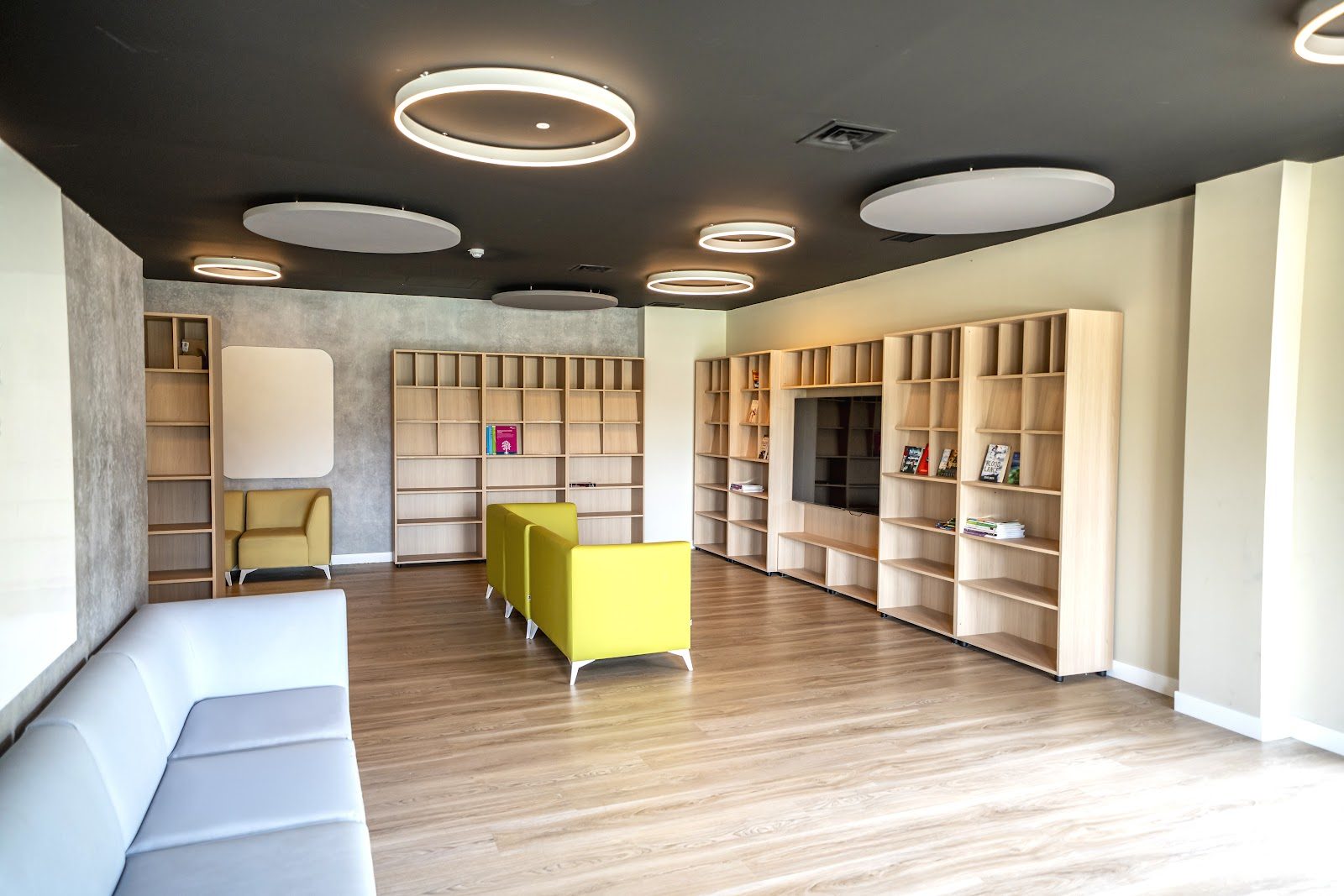
King's College, Soto de Viñuelas
Madrid · Spain
On a 12-acre campus between Madrid and the Sierra de Guadarrama, the only school in the capital offering both A-Levels and the IB in English.
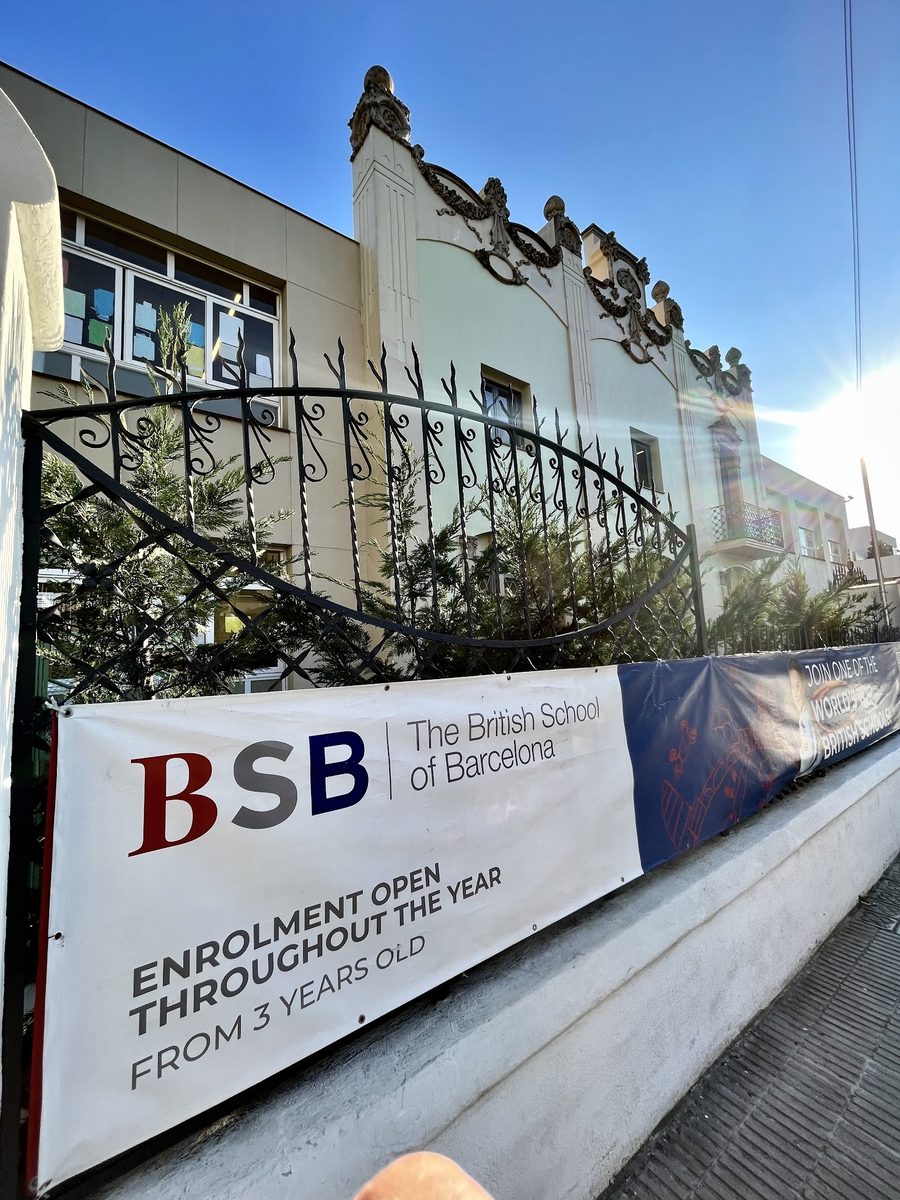
The British School of Barcelona
Sitges · Spain
An intimate Sitges campus for the early years, delivering the English National Curriculum minutes from the beach.
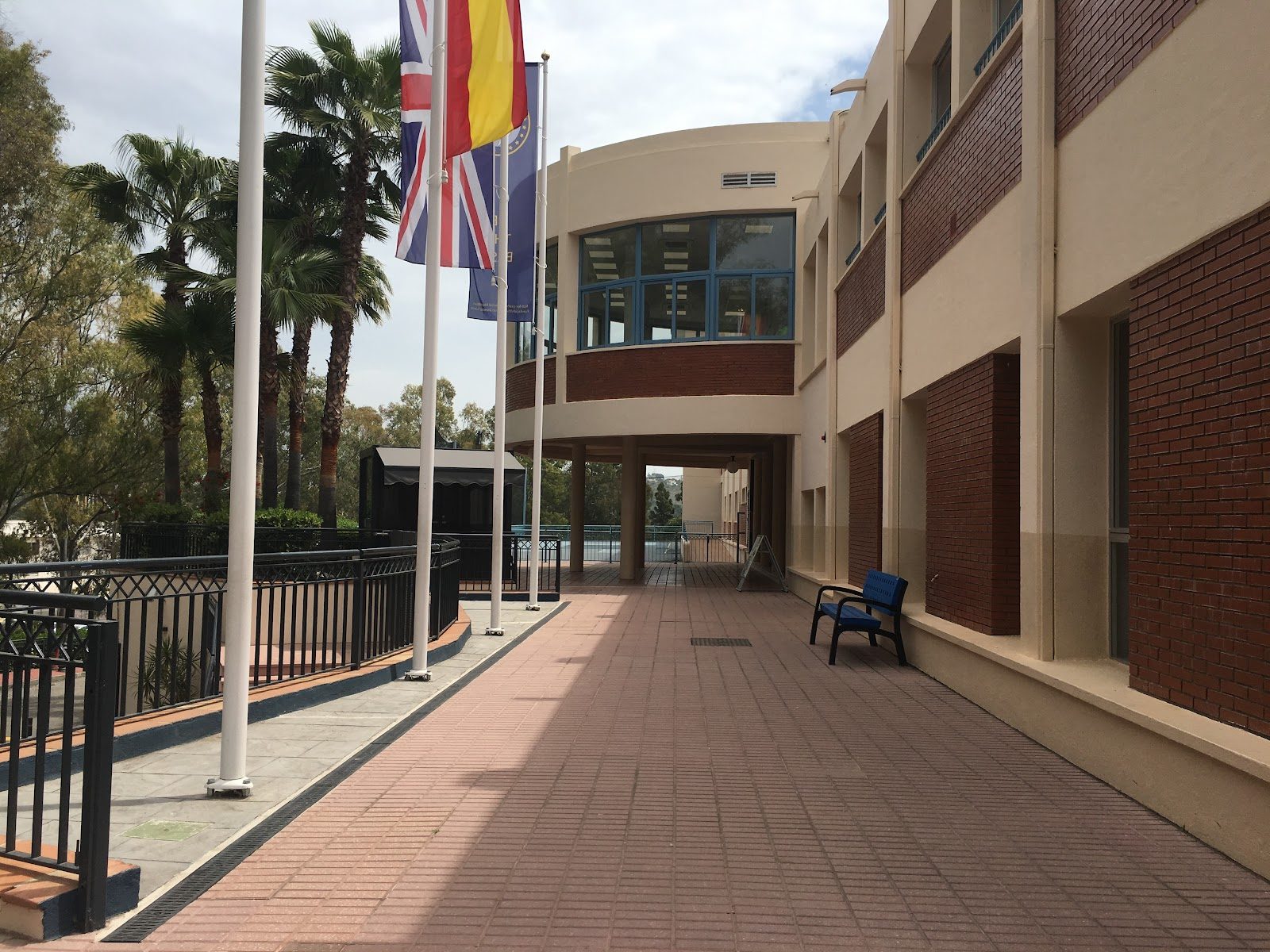
Aloha College
Marbella · Spain
Founded in 1982 by six teachers as a parent-run, not-for-profit trust, among the first in Spain to teach the IB Diploma.
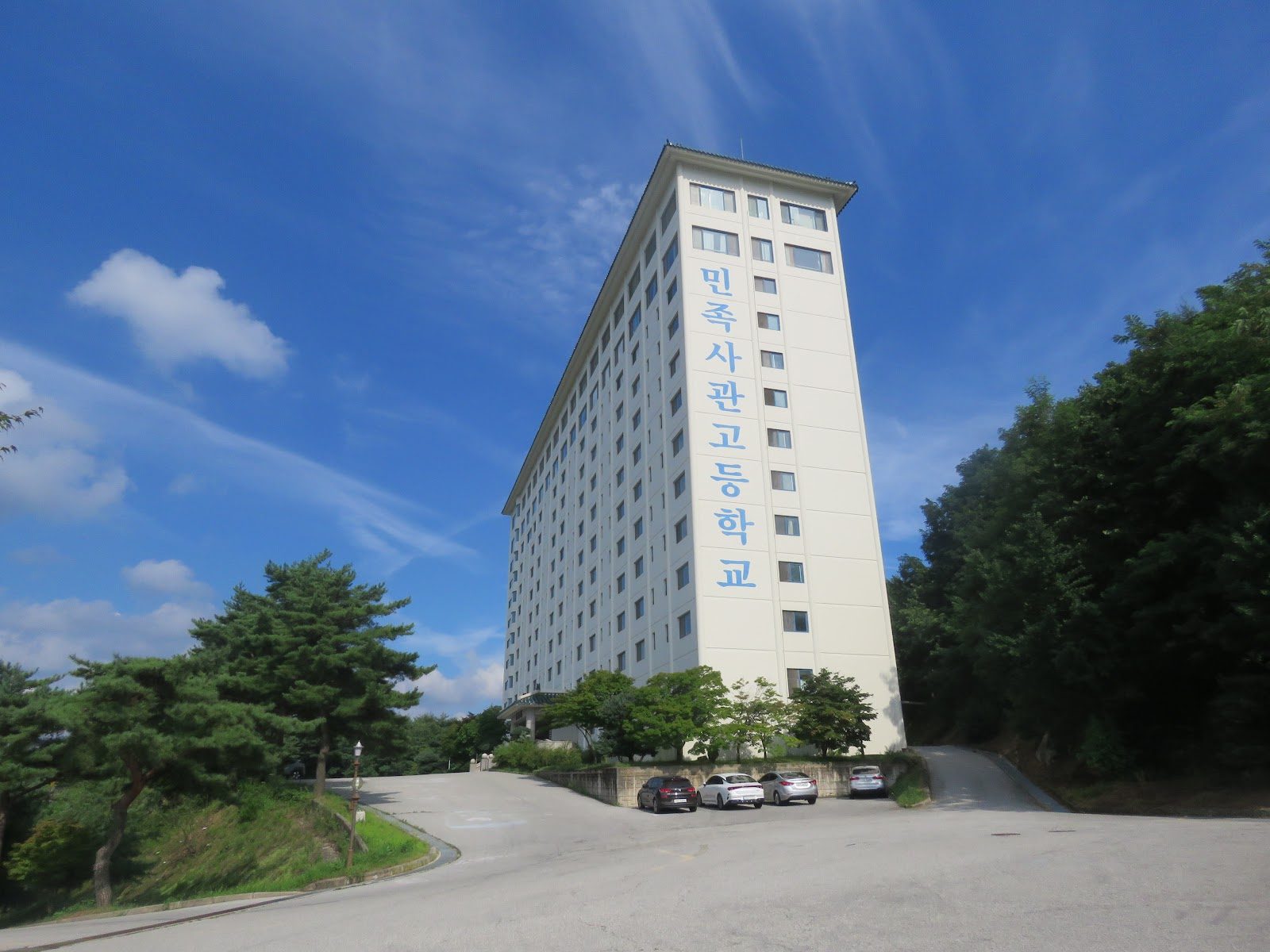
Korean Minjok Leadership Academy
Hoengseong · South Korea
On a Gangwon mountainside, hanbok-uniformed students hold English-only seminars, chasing an IB curriculum built to rival Eton.
Same country and curriculum — closest matches within ±10 points either way