
Dubai
Nord Anglia International School Dubai
high confidence· 5/6 cats · 3.1 avg sourcesJuilliard-trained arts coaching and MIT-designed STEAM projects anchor this British-IB day school in Al Barsha South.

Photo © Nord Anglia International School Dubai (NAS Dubai) via Google Maps
Type
Day
Ages
3–18
Curriculum
British · IB
Qualifications
A-Level · IGCSE · IB Diploma
Ratio
10:1
The Verdict
Editor's commitment
Right for
Families wanting a British school with an IB World sixth form, KHDA Outstanding status and a 10:1 ratio, not a budget compromise.
Wrong for
Anyone hoping for Arabic-led schooling, boarding, or a cheap Dubai option; the average annual fee is AED 89,232.
Watch out for
The Nord Anglia machine brings Juilliard and MIT polish, but published destinations list only American, Babson and Barnard, one student each.
Ranking breakdown
Nord Anglia International School Dubai · #470 of 1591
Composite score 70.8. 8 weighted criteria.
By criterion
Academic Outcomes
Weight 20%
#333
of 1529 scored
University Placement
Weight 16%
#354
of 1529 scored
Prestige & Heritage
Weight 12%
#835
of 1529 scored
Alumni Network
Weight 12%
#937
of 1529 scored
Facilities
Weight 12%
#73
of 1529 scored
Transparency & Communications
Weight 8%
#153
of 1529 scored
Peer & Industry Review
Weight 10%
#479
of 1529 scored
Admissions Selectivity & Demand
Weight 8%
#991
of 1529 scored
Score history
Nord Anglia International School Dubai · 2026
Movement across 2024–2026. Peer average overlaid.
Overall — 2024–2026
70.8/ 100
▲ +18.7 vs 2025
year on year
Peer & Industry Review
How Nord Anglia International School Dubai is regarded in the sector
78
Strong · high confidence
Nord Anglia International School Dubai has rapidly built a reputation as one of the sector's reference points for how to launch a premium new school in the UAE, with SchoolsCompared noting that "many continue to see" it as the benchmark for opening an outstanding school in the emirate and describing its swift rise to "high performing" status. WhichSchoolAdvisor confirms the Outstanding KHDA rating and highlights strong academic outcomes, a broad IB/A Level/BTEC offer and "world-class facilities" backed by ongoing group investment, including the 2023 acquisition of Swiss International Scientific School Dubai and a 2026 Dubai Holding schools partnership. It has also picked up sector recognition such as SchoolsCompared's Best School for Music award. The one notable caveat from independent parent-survey data is comparatively weaker satisfaction with senior leadership communication versus premium-tier peers, a point both publishers flag as worth watching rather than disqualifying.
Editors' overview
Nord Anglia International School Dubai sells a clear proposition: a British school with the IB at the top, sharpened by branded enrichment that reaches beyond the standard Dubai premium-school formula. The Juilliard link and MIT-designed STEAM projects are not decorative extras; they are the school’s main point of difference in a crowded market of British curriculum schools that promise breadth but deliver a conventional classroom experience. In Al Barsha South, that gives NAS Dubai a distinctive edge for families who want strong academics without a narrow exam factory. The KHDA rating of Outstanding in 2023/24 matters here. So does the 10:1 student-teacher ratio, which points to a school with the staffing to support individual attention rather than simply advertise it.
This is a day school for ages 3 to 18, founded in 2014, with English as the language of instruction and both British and IB pathways in the mix; the regulator attests the school as British, while the school itself declares British and IB. That combination suits internationally mobile families who want a recognisable British structure in the early and middle years and the broader reach of the IB later on. The school also holds BSO and IB World accreditation, which gives parents a useful baseline: external scrutiny is in place, and the sixth-form offer is not improvised. The fee level places it firmly in Dubai’s upper tier: AED 89,232 a year on average across the full age range. Parents are paying for specialist staffing, premium facilities and a global brand, and they should expect substance in return.
Who thrives here? Students with range. A child who wants serious arts coaching, enjoys project-based science and engineering work, and still needs a school that can carry academic ambition through to university will find a compelling fit. It also suits families who value scale and polish over intimacy and eccentricity; this is not a scrappy start-up school or a boutique alternative. The published recent destinations are still a thin list — American University, Babson College and Barnard College of Columbia University, one student each — so parents looking for a long, data-rich destinations track record will find less public evidence than at older rivals. Even so, for a family seeking an Outstanding-rated British-IB school with serious enrichment and ages 3–18 continuity, NAS Dubai belongs on the shortlist.
Academic Performance
Academic performance is the weak point in NAS Dubai’s public case. The school does not publish aggregate GCSE, A level or IB Diploma results in the public domain, and that matters in a market where strong competitors put headline outcomes front and centre. Parents can infer a serious academic operation from the regulator grade and the school’s premium staffing model, but inference is not data. For a school charging at this level, the absence of published whole-cohort exam figures leaves a material gap in accountability. The published university destinations list is also thin: three named placements, with one student listed for each. That does not discredit the school’s sixth-form provision, but it does leave families without the long-run outcomes record that older Dubai rivals use to prove academic depth.
Relative to peers, NAS Dubai sits in an opaque middle ground: stronger on external validation and branded enrichment than many schools, weaker on disclosed exam evidence than the best-documented operators in the city. Families choosing it are buying into a school with a clear academic ambition and a premium structure, but not a publicly evidenced results profile. That distinction matters. If exam performance transparency is a deciding factor, parents need to ask for recent cohort-level attainment data, subject spread at the top grades, and multi-year university destination patterns before treating NAS Dubai as an academic leader rather than a school with promising but unpublished outcomes.
Facilities
Facilities are one of NAS Dubai’s strongest cards, because the school has money to spend and a brand promise to fulfil. Parents paying at this level expect more than standard classrooms and a multipurpose hall; they expect specialist spaces that support serious delivery in the arts, sciences and sport. The school’s public identity places arts coaching and STEAM work at the centre, so the key test is whether rooms, equipment and timetabling back that up. Against premium British schools in Dubai, that matters. Plenty advertise “innovation” and “creativity” while offering little beyond neat labs and attractive display boards. NAS Dubai sits in the upper-premium group where facilities need to do real academic and co-curricular work, not just decorate the prospectus.
The strongest inference is that families are buying into a well-resourced, high-spec campus built for breadth rather than charm. That usually means dedicated performance, music, science and sports provision of the kind expected in Dubai’s top fee bracket, with the arts given more weight than in a standard exam-driven school. Against peers, that is a genuine advantage if the specialist spaces are used hard and taught well. The limitation is disclosure: the school does not publish a sharply detailed public account of its facilities in the way some rivals do, room by room and programme by programme. So the verdict stays precise. Expect a polished campus with strong specialist provision; do not expect the architectural theatre or ultra-granular facilities transparency that some competitor schools use to close the sale.
Nord Anglia International School Dubai sells a clear proposition: a British school with the IB at the top, sharpened by branded enrichment that reaches beyond the standard Dubai premium-school formula
Prestige
Prestige here rests on three things: regulator standing, price point and brand architecture. In Dubai’s crowded premium tier, an Outstanding KHDA grade still cuts through. It gives the school hard-edged credibility that glossy campuses and enrichment partnerships alone do not buy. The fees reinforce that status. At an average AED 89,232 a year, NAS Dubai sits in the bracket where parents expect polished operations, specialist teaching and a university-facing sixth form, not just pleasant classrooms. Add the Nord Anglia name — a UK-headquartered international operator with global recognition among expatriate families — and the school carries instant market cachet before a parent has visited.
That does not make it elite in the deepest sense. The school’s prestige is brand-led rather than historic, and its public outcomes record remains *too thin for unquestioned academic authority*. We have not seen the kind of long-run exam disclosure or destinations depth that turns a premium school into a first-rank academic reference point. The published destinations list is narrow, and that limits the force of the school’s claim on top-tier university preparation. So the verdict is clear: NAS Dubai has strong contemporary prestige in the Dubai market, driven by regulator validation, premium pricing and the Nord Anglia network. It does not yet command the old-money certainty or data-backed academic prestige that the strongest schools in the region can demonstrate.
In Al Barsha South, that gives NAS Dubai a distinctive edge for families who want strong academics without a narrow exam factory
Communications
Parent communication carries the stamp of a large, well-managed operator: polished, regular and tightly branded. That brings strengths and limits. The strengths are obvious. Families get a school that knows how to package information cleanly, keep channels active and connect day-to-day school life to a wider institutional story. The Nord Anglia name helps here; network schools do not leave communications to chance. For busy international parents, that matters. A school with a broad co-curricular offer, premium fees and a full age-range needs to explain itself clearly and repeatedly, and NAS Dubai has every incentive to do that well. The low staffing ratio of 10:1 also supports parent contact in practice, because communication is easier when teachers are not stretched across oversized classes.
The limitation is depth. NAS Dubai communicates its selling points crisply — arts, innovation, premium experience, strong regulation — but gives less public academic detail than the best schools in its bracket. That weakens trust at the sharp end, where parents want hard evidence rather than brand-slick reassurance. The problem is not silence; it is selectivity. We have not seen whole-cohort exam data in the public domain, and that leaves a serious blind spot in the school’s external communications. So the verdict is mixed but clear: operational communication is confident and probably efficient for existing families, while accountability communication to prospective parents is less convincing than it needs to be at an average annual fee of AED 89,232.
Uniqueness
What separates NAS Dubai from the British-school pack is not the badge alone but the way it builds enrichment into the school’s core offer. The Juilliard connection and MIT-designed STEAM work are not tacked-on clubs for the prospectus; they shape what students do in music, drama, creative thinking and interdisciplinary problem-solving across the week. In a market full of polished campuses with formulaic enrichment, that gives the school a sharper identity. The Nord Anglia network adds another layer. This is not an isolated stand-alone campus improvising its own extras. It sits inside a large international operator, which gives students access to programmes, exchanges and collaborations that a single-site school cannot match. For families, that creates a more expansive school experience than the standard premium British model.
What does that bring to students? Range, first of all. A child can pursue high academic ambition without being pushed into a narrow exam track, and can develop artistic or technical strengths with serious institutional backing. The low staffing ratio — 10:1 — matters here because this kind of broad offer collapses without enough adults to teach, coach and guide it properly. The result is a school that suits students who want structure without rigidity: children who thrive when arts, performance, design and science carry real status, not token status. That does not make NAS Dubai eccentric or radically experimental. Its uniqueness is disciplined rather than quirky: premium, networked and deliberately built for students with multiple strengths.
The published destinations list is narrow, and that limits the force of the school’s claim on top-tier university preparation
Student Profile
The best fit is a student with breadth: a child who wants academic structure but does not want school life reduced to test preparation. NAS Dubai suits pupils who will use the arts properly, not treat them as decorative timetable filler, and who enjoy making links across disciplines rather than keeping music, science, design and performance in separate boxes. The low staffing ratio — 10:1 — strengthens that profile. Students who need adults to know them, notice them and stretch them will get more traction here than they do in a larger, looser operation. This is a school for engaged generalists, high-functioning busy students and children with more than one serious strength.
The weaker fit is just as clear. A child who wants an intensely traditional, exam-narrow culture will find the school’s broader offer less compelling. So will families who judge peers and status through long public lists of elite university destinations and published top-grade exam tables; NAS Dubai does not put that evidence into the public domain. Socially, the school suits internationally minded families who are comfortable in a polished, high-expectation environment and willing to pay AED 89,232 on average each year for it. Students who thrive here are ambitious without being single-track, confident enough to participate, and open to a school culture that prizes visible involvement as much as private diligence.
Its uniqueness is disciplined rather than quirky: premium, networked and deliberately built for students with multiple strengths
Co-curricular strengths
Arts & sport, on a separate axis
Overall 9.28/10
Scored 0-10 from the school's own published evidence. This axis is editorial-only — it does not feed the main WTS ranking.
Sports
9.3/10
The extracurriculars explicitly list Football, Swimming, Basketball, Netball, Tennis and Athletics, showing a solid multi-sport offering but with no named facilities, specialist staff or competitive results cited.
Drama
9.3/10
Drama club is offered, but there is no further detail on productions, facilities, staff or programme depth.
Dance
9.3/10
Music
9.3/10
The extracurriculars explicitly list School orchestra and Choir, and Nord Anglia Education is noted as collaborating with Juilliard, indicating a structured music offering, but no school-specific facilities, staff or results are cited for this campus.
Visual Arts
9.2/10
Art club is offered, but there is.
Editor-verified · 8/5/2026
Outcomes & destinations
Where students go next
Top destinations
137 placements
- American University· 1
- Babson College· 1
- Barnard College of Columbia University· 1
- Boston University· 1
- Bryant University· 1
- Brown University· 1
- University of California, Berkeley· 1
- University of California, Davis· 1
- University of California, Irvine· 1
- University of California, San Diego· 1
- University of California, Santa Barbara· 1
- University of California, Santa Cruz· 1
- California State Polytechnic University, Pomona· 1
- California Polytechnic State University, San Luis Obispo· 1
- Case Western Reserve University· 1
- Chapman University· 1
- Claremont McKenna College· 1
- Embry-Riddle Aeronautical University· 1
- University of Chicago· 1
- University of Colorado Boulder· 1
- Colorado College· 1
- Columbia University· 1
- Cornell University· 1
- Dartmouth College· 1
- University of Delaware· 1
- Florida Institute of Technology· 1
- Fordham University· 1
- George Washington University· 1
- Georgia Institute of Technology· 1
- Harvey Mudd College· 1
- University of Illinois Urbana-Champaign· 1
- Loyola Marymount University· 1
- University of Maryland· 1
- University of Massachusetts Amherst· 1
- University of Miami· 1
- University of Michigan· 1
- Middlebury College· 1
- University of Pennsylvania· 1
- New York University· 1
- New York University Tisch School of the Arts· 1
- Northeastern University· 1
- University of Notre Dame· 1
- Penn State University· 1
- Pepperdine University· 1
- Pratt Institute· 1
- Purdue University· 1
- Rice University· 1
- Rollins College· 1
- Rose-Hulman Institute of Technology· 1
- University of San Francisco· 1
- Santa Clara University· 1
- School of the Art Institute of Chicago· 1
- University of Southern California· 1
- Stanford University· 1
- Syracuse University· 1
- Texas A&M University· 1
- Tufts University· 1
- Tulane University· 1
- Union College· 1
- University of Virginia· 1
- University of Washington· 1
- Wesleyan University· 1
- University of Wisconsin-Madison· 1
- AA School of Architecture· 1
- University of the Arts London· 1
- University of Bath· 1
- University of Birmingham· 1
- University of Bristol· 1
- University of Cambridge· 1
- University of Oxford· 1
- City, University of London· 1
- Durham University· 1
- University of Edinburgh· 1
- University of Exeter· 1
- Imperial College London· 1
- King's College London· 1
- Lancaster University· 1
- University of Leeds· 1
- University of Liverpool· 1
- London School of Economics· 1
- Loughborough University· 1
- University of Manchester· 1
- University of Nottingham· 1
- Queen Mary University of London· 1
- Royal College of Music· 1
- Royal Holloway, University of London· 1
- University of Sheffield· 1
- University of Southampton· 1
- University of St Andrews· 1
- University of Strathclyde· 1
- University of Surrey· 1
- University College London· 1
- University of Warwick· 1
- University of Alberta· 1
- University of British Columbia· 1
- Carleton University· 1
- Concordia University· 1
- McGill University· 1
- McMaster University· 1
- University of Ottawa· 1
- Queen's University· 1
- Simon Fraser University· 1
- University of Toronto· 1
- University of Waterloo· 1
- Western University· 1
- York University· 1
- University of Amsterdam· 1
- Amsterdam University College· 1
- Bocconi University· 1
- University College Cork· 1
- École Hôtelière de Lausanne· 1
- École Polytechnique· 1
- EDHEC Business School· 1
- Eindhoven University of Technology· 1
- Erasmus University Rotterdam· 1
- ESCP Business School· 1
- IE University· 1
- Leiden University· 1
- KU Leuven· 1
- UCLouvain· 1
- Luiss University Rome· 1
- Lund University· 1
- Maastricht University· 1
- Polytechnic University of Milan· 1
- Università Vita-Salute San Raffaele· 1
- Munich Business School· 1
- University of Nicosia· 1
- Trinity College Dublin· 1
- City University of Hong Kong· 1
- Hong Kong Polytechnic University· 1
- National University of Singapore· 1
- Nanyang Technological University· 1
- American University of Beirut· 1
- Heriot-Watt University Dubai· 1
- New York University Abu Dhabi· 1
- University of Birmingham Dubai· 1
- Australian National University· 1
Reported by the school. Confirm with admissions.
Official inspection · Dubai
KHDA report · 2023/24
Official · KHDAInspectorate
Knowledge & Human Development Authority
Dubai's mandatory education regulator; annual DSIB inspections.
Curriculum
British
Improved vs previous cycle
Full report
KHDA report finderRating history
Strengths
- +Holds the KHDA's top Outstanding rating, placing it at the summit of Dubai's inspected market.
- +Wellbeing is a recognised strength, with dedicated wellbeing leaders and counsellors embedded across the school.
- +Offers a genuine Sixth Form choice of IB Diploma, A Levels or BTEC, alongside the National Curriculum for England from Foundation Stage.
- +Publishes strong, verified results: a 2026 IB Diploma average of 37.1 points with 100 percent pass rate, and 55 percent of 2025 GCSE entries graded 9-7 (WSA).
- +Part of the global Nord Anglia Education group, giving access to enrichment partnerships including collaborations with MIT and The Juilliard School.
- +World-class co-curricular provision, with sport, drama, dance, music and visual arts all scoring above 9.2, on a single Al Barsha campus for ages 3 to 18.
Considerations
- −Fees run from roughly AED 69,625 to AED 105,288 a year, placing it in the ultra-premium end of Dubai's British and IB school market.
- −KHDA inspectors have flagged Arabic as a second language as a relative weak point compared with the school's otherwise strong profile.
- −As a large all-through school with an average class size of around 22, its scale may not suit families seeking a small, intimate setting.
- −Cultural focus is international British and IB rather than deep Emirati or Arabic immersion.
Availability
Primary entry gate & tests
CAT4 / Assessment
Gallery
Photo © ASIF via Google Maps
Photo © ASIF via Google Maps
Recommended reading
Independent write-ups of this school from editorial outlets we trust.
- Nord Anglia International School Dubai ReviewWhichSchoolAdvisor
- Nord Anglia International School Dubai — review on SchoolsComparedSchoolsCompared
Parent reviews
Have you sent your child here?
Voice reviews carry the strongest trust badge — we transcribe them for you to tidy up before they go live. Prefer to type? A written review is fine too.
Add your voice
In 60 seconds, tell other parents: what's the best thing about Nord Anglia International School Dubai, and what surprised you when your child joined?
We ask for a Google sign-in so every review has a real face behind it — no anonymous drive-by attacks on schools, and no faked positive reviews. Your email is never shown publicly.
Send this profile to a friend
International parents rely on word-of-mouth. Share this review with someone weighing the same decision.
Schools with places
Similar schools to Nord Anglia International School Dubai with places available now.
GEMS Modern Academy
Dubai · United Arab Emirates
- 2026-27
- PLACES OPENApps open / space-dependent
- 2027-28
- FUTURE CYCLE2027/28 cycle TBC
Brighton College Dubai
Dubai · United Arab Emirates
- 2026-27
- PLACES OPENApps open / space-dependent
- 2027-28
- PLACES OPENAdmissions active year-round
Dubai British School Emirates Hills
Dubai · United Arab Emirates
- 2026-27
- PLACES OPENApps open / space-dependent
- 2027-28
- WAITPOOL2027/28 timetable TBC
North London Collegiate School Dubai
Dubai · United Arab Emirates
- 2026-27
- WAITPOOLSpace-dependent
- 2027-28
- OPENS SOONOpens Sept '26
Availability first, then country, area, curriculum, price, co-curricular
Consider also
Also worth looking at alongside Nord Anglia International School Dubai.
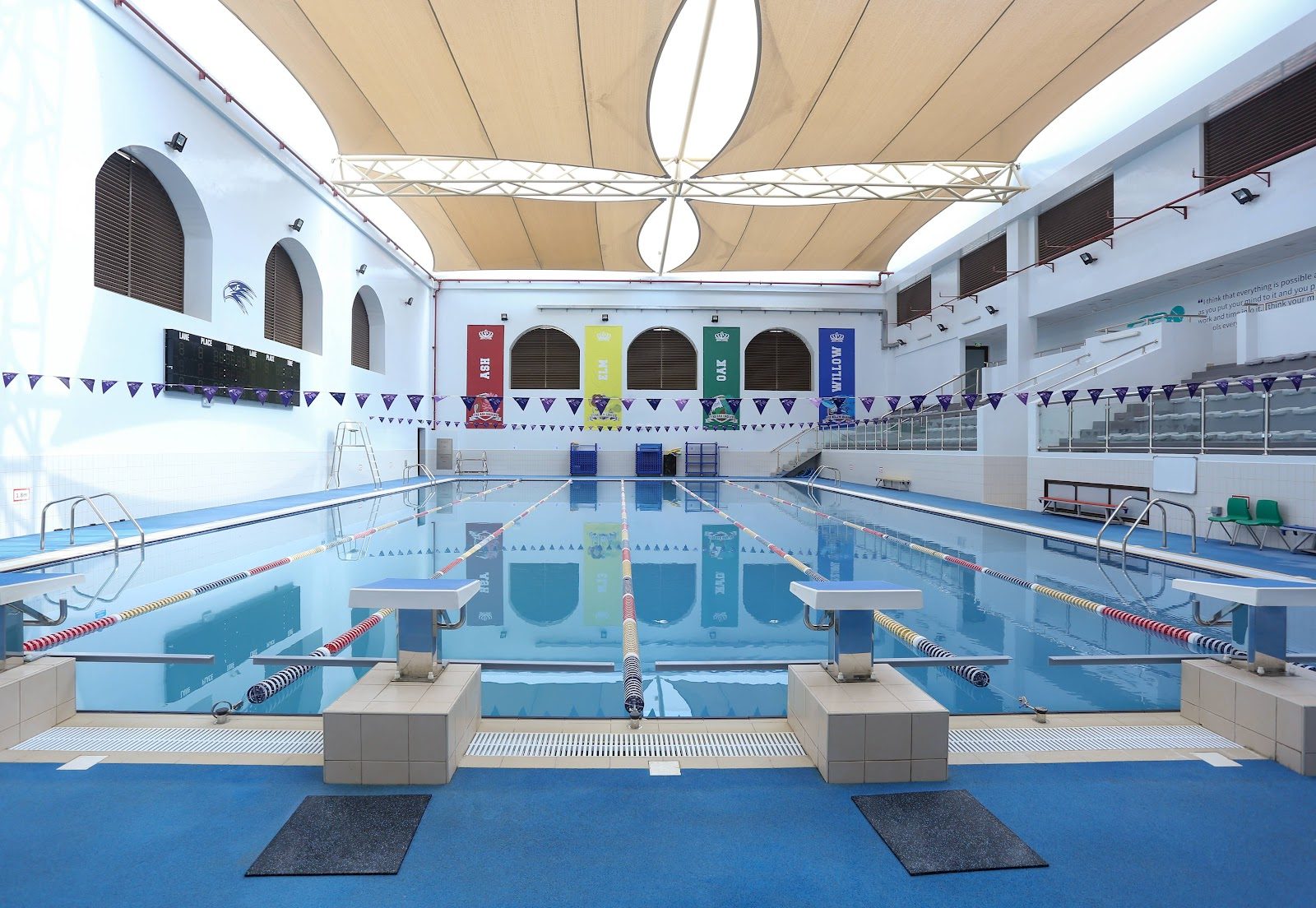
The British International School Abu Dhabi
Abu Dhabi · United Arab Emirates
In Zayed City, Juilliard-shaped arts and MIT-linked science underpin an IB average of 34.1, well above the global norm.
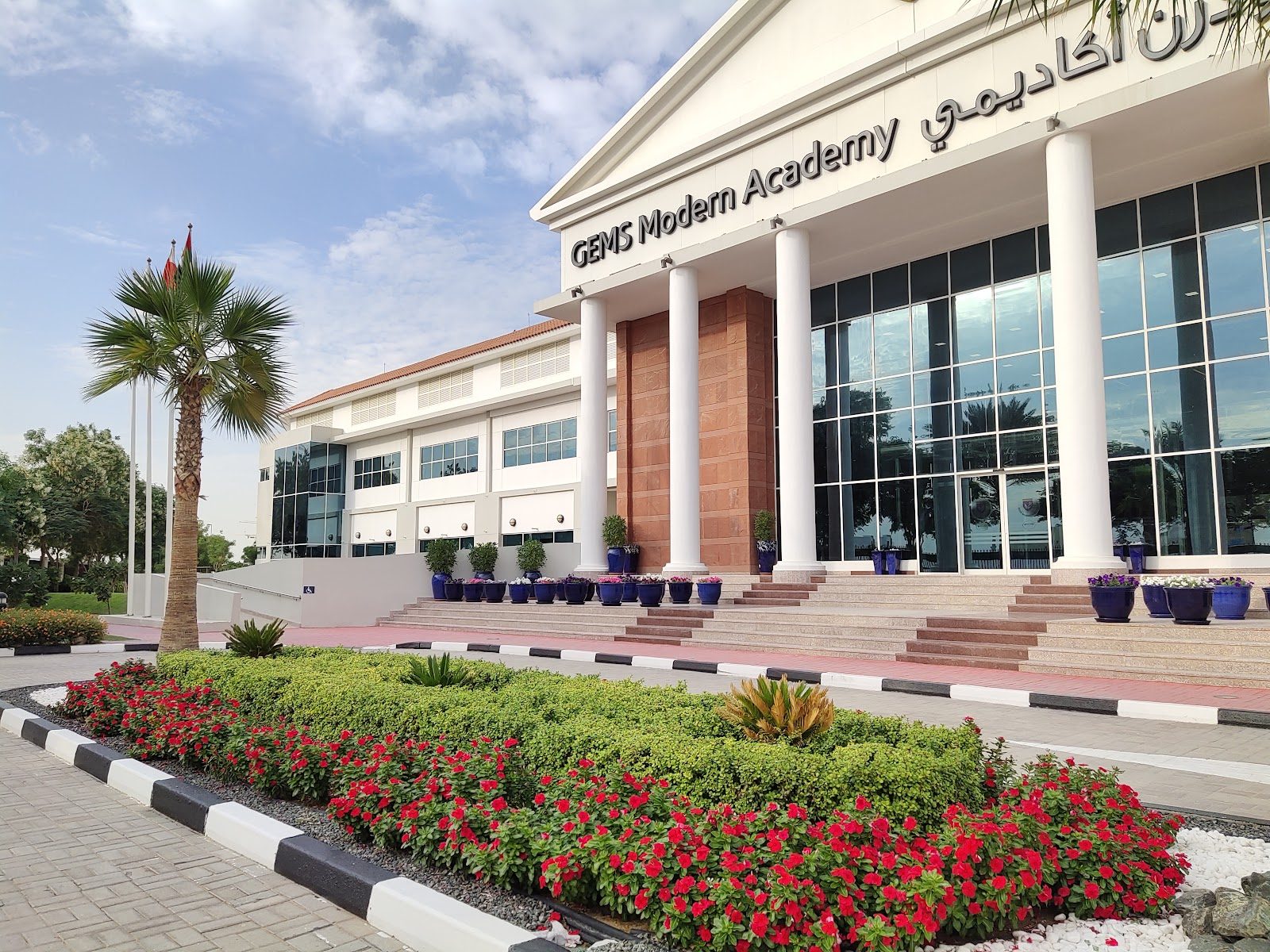
GEMS Modern Academy
Dubai · United Arab Emirates
Where the CISCE curriculum and the IB Diploma share one campus, and the only Indian-curriculum school in Dubai rated Outstanding by KHDA.
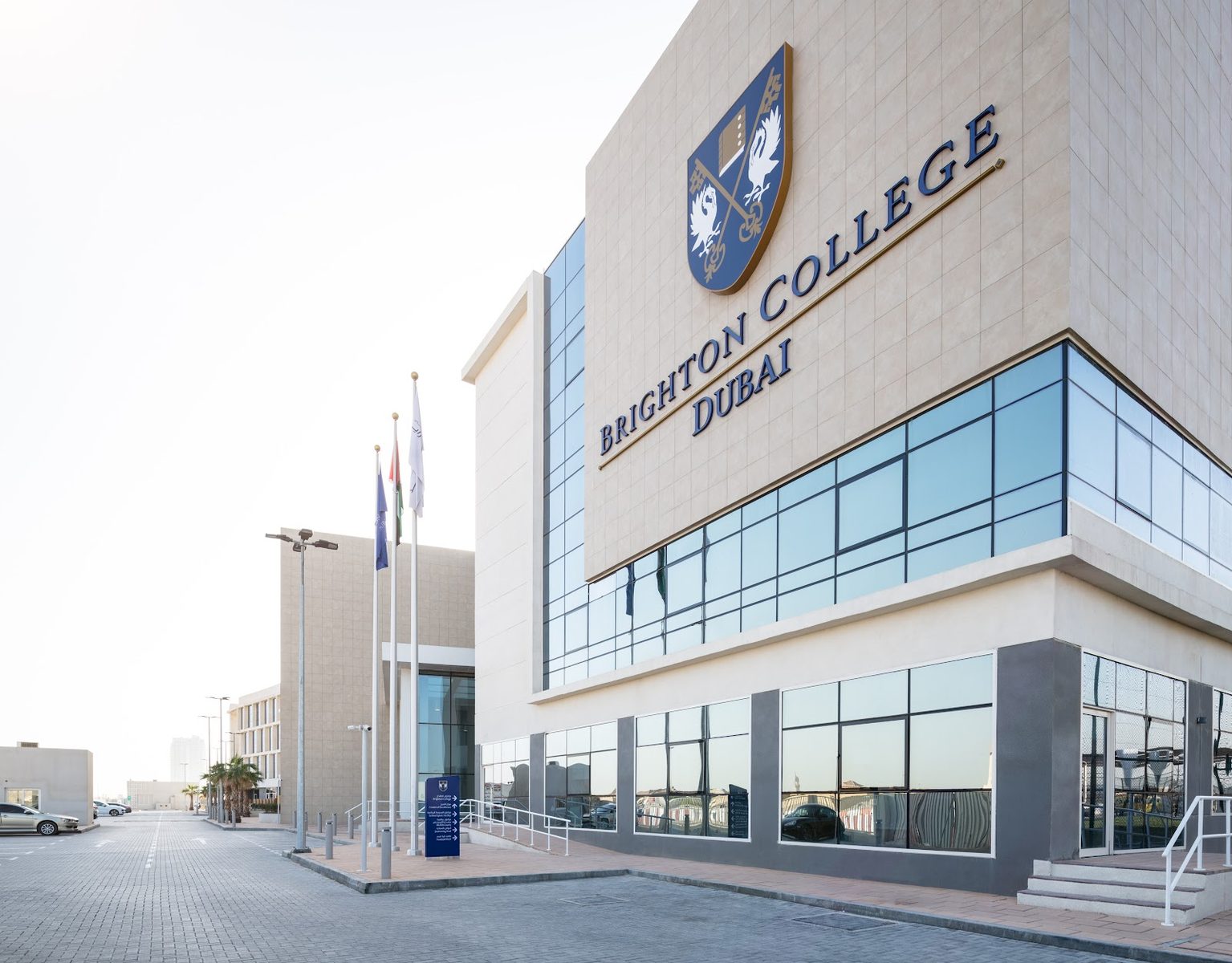
Brighton College Dubai
Dubai · United Arab Emirates
In Al Barsha South, this outpost of England's Brighton College turns a 'cool to care' culture into record-breaking A-level results.

Dubai British School Emirates Hills
Dubai · United Arab Emirates
Tucked in Emirates Hills' villa lanes, a deliberately small-scale British day school that has held its top KHDA rating unbroken since 2017
Same country and curriculum — closest matches within ±10 points either way