
Wellington Region
New Zealand School of Dance
Born in 1967 to feed the Royal New Zealand Ballet, this conservatoire trains just eighty dancers inside a shared national arts centre.
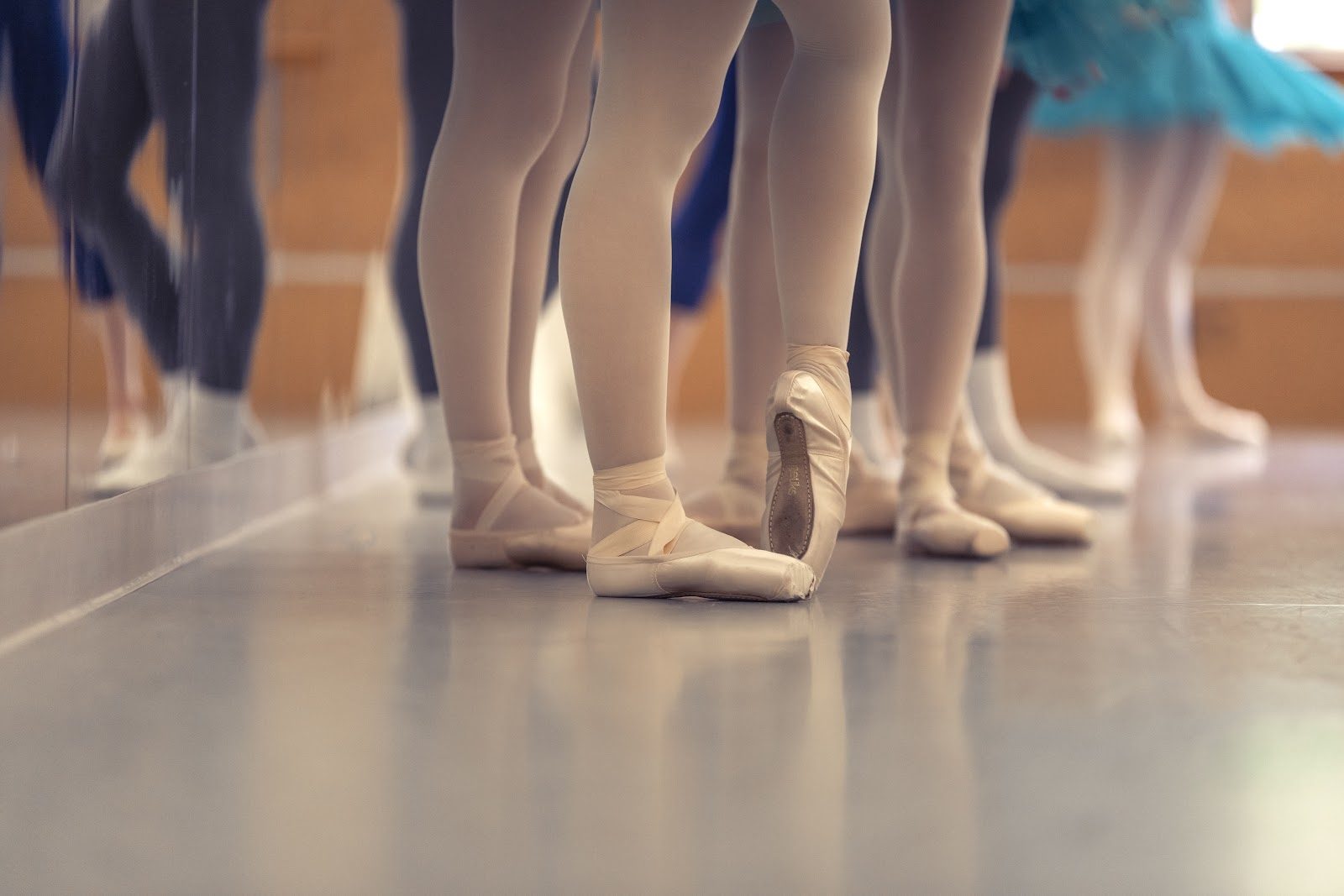
Photo © New Zealand School of Dance via Google Maps
Type
Day + Boarding
Ages
16–19
Curriculum
Diploma in Professional Dance Performance
Ratio
—
The Verdict
Editor's commitment
Right for
Serious 16–19 dancers who want NZQA-accredited professional training in Wellington, inside a conservatoire founded in 1967, not a broad school life.
Wrong for
Anyone wanting A-levels, IB, sport or academic breadth; this English-medium school teaches one course, the Diploma in Professional Dance Performance.
Watch out for
The average annual day fee is NZD 10,536, but the real constraint is scale: the school trains just eighty dancers.
Ranking breakdown
New Zealand School of Dance · #1226 of 1591
Composite score 57.5. 8 weighted criteria.
By criterion
Academic Outcomes
Weight 20%
#1522
of 1529 scored
University Placement
Weight 16%
#1502
of 1529 scored
Prestige & Heritage
Weight 12%
#212
of 1571 scored
Alumni Network
Weight 12%
#584
of 1530 scored
Facilities
Weight 12%
#339
of 1533 scored
Transparency & Communications
Weight 8%
#1019
of 1532 scored
Peer & Industry Review
Weight 10%
#38
of 1548 scored
Admissions Selectivity & Demand
Weight 8%
#120
of 1529 scored
Peer & Industry Review
How New Zealand School of Dance is regarded in the sector
82
Strong · medium confidence
As a specialist vocational conservatoire rather than an academic secondary school, New Zealand School of Dance sits outside conventional league tables and university admissions pipelines, so peer regard is best read through the professional dance sector. It is widely treated within Australasia as the country's premier classical and contemporary training ground, its status reinforced by its formal partnership with Royal New Zealand Ballet, which regularly draws dancers and choreographic staff from its graduating cohorts. Placement outcomes into companies such as Royal New Zealand Ballet, The Australian Ballet, Sydney Dance Company and Europe-based troupes are the industry's real 'admissions' signal, functioning as the equivalent of elite university offers in this field. NZQA accreditation of its diploma programmes gives it standing among the small group of full-time New Zealand dance institutions recognised for qualification-level training. Coverage in New Zealand arts and education press (Stuff, RNZ, The Dominion Post) tends to frame it as the establishment pathway for serious dance students, though it receives little attention from mainstream school-ranking outlets like WhichSchoolAdvisor or Good Schools Guide, which do not cover single-discipline tertiary conservatoires. Its reputation is therefore narrow but genuinely authoritative within its niche.
Award
Elite Dance 50
World's Top School · The Global Ranking
New Zealand School of Dance is featured on our Global Top 50 ranking at #40. This seal is available for the school's marketing team to use on their website, prospectus and social channels.
- Aloalii Tapu — Dancer/Choreographer, Performing Arts
- Turid Revfeim — Choreographer, Performing Arts
- Cameron McMillan — Choreographer, Performing Arts
Editors' overview
New Zealand School of Dance is not a conventional school at all; it is a national conservatoire with a single-minded brief. Born in 1967 to supply the Royal New Zealand Ballet, it now trains just 80 dancers in Wellington and keeps its focus on one programme only: the Diploma in Professional Dance Performance. That narrowness is the point. Students aged 16 to 19 arrive for classical ballet or contemporary dance, not for a broad sixth-form menu, extensive sports provision or the social sprawl of a large campus. Parents need to read it in that light: this is vocational training at full tilt, with all the intensity and trade-offs that implies.
What puts it on a shortlist is the combination of scale, lineage and professional seriousness. Few schools in the market are this small, this specialised or this tightly tied to a national art form. Instruction is in English, the school is secular, and NZQA accreditation gives the diploma formal standing. Leadership has also been stable: Garry Trinder has led the school since 1998, after training at The Royal Ballet School, Rambert School of Ballet and MUDRA, and after senior professional posts in Hong Kong and South Africa. The school also sits inside a wider professional ecosystem, with a board, foundation trustees and a Professional Advisory Panel supporting standards. That structure matters. Specialist arts schools can drift into personality cults or vague creative rhetoric; this one has institutional ballast.
Fees strengthen its case. An average annual day fee of NZD 10,536 places it far below the private-school fee bracket that international parents often associate with elite arts training. That makes NZSD strikingly accessible for a conservatoire-level pathway, though parents should remember that low fees do not mean a soft landing. The right student for NZSD is disciplined, resilient and already serious about dance as a profession. A teenager who wants a broad academic safety net, multiple subject choices or a conventional school experience will find the model too narrow by design. A dancer who wants concentrated pre-professional training, close attention in a very small cohort and a school built around performance standards rather than school-pageantry will find a rarely matched fit.
A Global Elite 50 Dance school
New Zealand School of Dance sits in Band 32-50 of our Global Elite 50 Dance Schools 2026 because it meets the standard for inclusion within the Global Elite 50 — public evidence supports its elite professional-conversion status, but does not currently allow a definitive one-place distinction against its band peers.
The Global Elite 50 Dance Schools methodology is deliberately aggressive: half of the 100 available points are directly tied to professional conversion between 2016 and 2026 — main-company contracts, elite junior-company positions, apprenticeships and second companies. Beautiful campuses, historic alumni and impressive facilities cannot compensate for weak contemporary professional conversion, and are not scored independently.
Because this school currently publishes limited cohort-level data, no evidence-confidence grade is attached to its position at this stage. As with all band-32-50 schools, the exact ordering will be revised when materially better 2016-2026 destination evidence enters the public domain.
International openness is a defining feature. Boarding or residential arrangements are standard, and overseas dancers apply on a rolling international audition + video pre-screen basis without residency, federation or citizenship gates. Student visas are handled by the school or its host-family partner. This is one of the internationally-open pipelines on the Global Elite 50 Dance Schools list that a relocating family can consider directly. Prospective families are advised to begin overseas application conversations early in the calendar year, with detailed audition and boarding logistics arranged 12-18 months ahead of the intended entry point. Prospective families are advised to begin overseas application conversations early in the calendar year, with detailed audition and boarding logistics arranged 12-18 months ahead of the intended entry point. Prospective families are advised to begin overseas application conversations early in the calendar year, with detailed audition and boarding logistics arranged 12-18 months ahead of the intended entry point. Prospective families are advised to begin overseas application conversations early in the calendar year, with detailed audition and boarding logistics arranged 12-18 months ahead of the intended entry point.
Academic Performance
Academic performance here does not fit the standard independent-school template, because there are no GCSE, A level, IB or AP tables to inspect. The school runs a single pre-professional dance diploma, so the meaningful question is not league-table position but whether training holds weight with the profession. On that measure, the signals are solid but not fully transparent. NZQA approval gives the programme formal external standing, and admission expectations are exacting: applicants need prior secondary completion and advanced ballet training is given priority. That points to a cohort selected for technical readiness rather than broad academic range. It also means any raw completion figure, if published, would need careful reading; a conservatoire that filters hard at entry protects results at the back end.
Relative to peers, NZSD sits in the serious vocational camp rather than the academically expansive one. Its strongest performance indicators are structural: a professional advisory panel chaired from within the national dance sector, direct links to major companies, and alumni showcased in working careers. That is a credible marker of industry relevance, but it is not the same as published outcome data. The school does not disclose aggregate diploma results, distinctions rates or graduate destination percentages in the public domain. For parents, that creates a clear trade-off: training carries professional legitimacy, but measurable attainment is more opaque than it should be. In a specialist arts market, that still places NZSD as a focused conservatoire with real professional traction, not a data-rich academic institution.
Facilities
Facilities here serve one purpose: turning a small intake of late-teen dancers into stage-ready professionals. That gives NZSD an advantage over broader schools with a dance department bolted on. A shared national arts-centre setting places students inside a working performance ecosystem rather than a self-contained school campus, and that matters more than landscaped grounds or sports acreage. The school also publishes something many specialist institutions bury: health practitioners form part of the support structure, with student support management in place and insurance arrangements set out for international students. For a physically demanding training route, that practical scaffolding is not decorative; it is mission-critical. Boarding and accommodation support also matter here, because students arrive from outside the city and from overseas for an intensive, adult-leaning course of study.
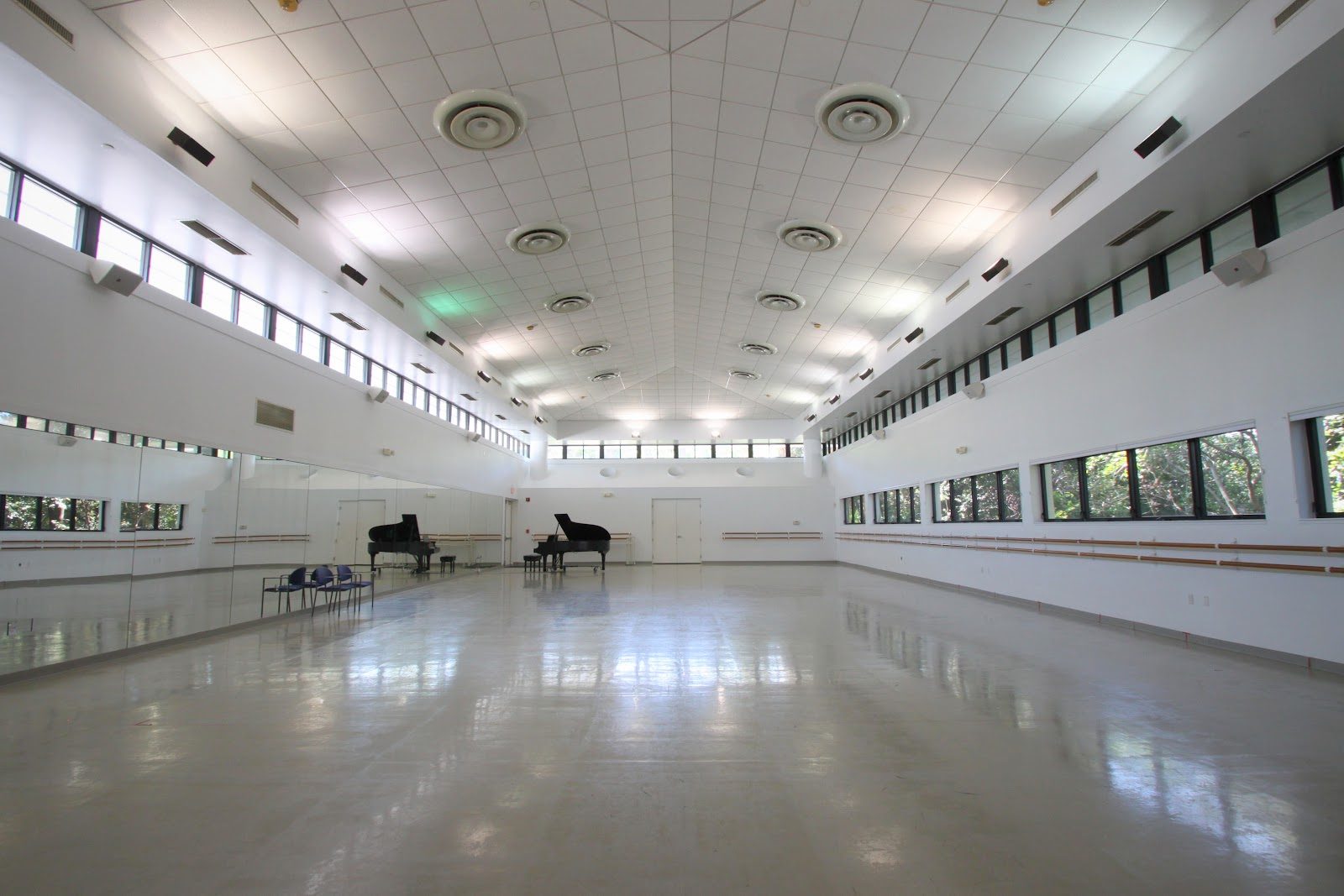
Against peer conservatoires, the facilities proposition is *strong in the right areas and thin elsewhere by design*. Parents should not expect laboratories, a broad library estate, multiple playing fields or the campus sprawl of a full independent school. They should expect studios and performance-facing infrastructure to carry the weight. The school trains only 80 dancers, so specialist spaces do not need to be vast to be effective; they need to be available, disciplined and professionally run. That compact scale can give dancers more consistent access than at larger performing-arts schools where space is fought over across drama, music and dance. The trade-off is plain: NZSD offers a focused conservatoire environment, not a rounded campus experience.
New Zealand School of Dance is not a conventional school at all; it is a national conservatoire with a single-minded brief
Prestige
Prestige here is sector prestige, not social prestige. That distinction matters. New Zealand School of Dance carries weight inside ballet and contemporary dance because it sits close to the profession itself: the advisory structure pulls in senior figures from the Royal New Zealand Ballet and the New Zealand Dance Company, and the school’s original purpose tied it directly to national company training. In a niche field, that proximity counts for more than glossy branding or a grand campus. The school’s reputation also benefits from institutional seriousness: long-standing leadership, a board structure, health-practitioner support, and admission standards that demand prior technical attainment before a student even gets through the door. For the right dancer, that gives the qualification real professional cachet.
Outside dance, the name has narrower pull. This is not the kind of institution that impresses on general academic prestige alone, and it does not publish the breadth of outcome data that would strengthen its standing with sceptical parents. That limits its authority beyond the performing arts world. Within its lane, though, prestige is strong because the school does one thing and does it at high intensity for a cohort of only 80. Scarcity helps, but selectivity and industry recognition matter more. My rating lands in the serious national-conservatoire bracket: highly regarded by professionals who know the field, less legible to families hunting broad-status schooling.
That does not stop the core message landing: this is a serious, narrow institution with no patience for fluff
Communications
Communication is functional, detailed and aimed at families who already know they are buying into a specialist training route. The school spells out the mechanics that matter to international parents: entry requirements, visa steps, insurance arrangements, accommodation verification, English thresholds and the pastoral-care code it follows. That is useful, adult information, not lifestyle padding. The site also gives proper visibility to governance, with named trustees and an advisory panel rather than the anonymous institutional fog many small arts schools hide behind. Leadership is identifiable, support structures are named, and the school does not dodge the practicalities of relocation and medical cover. For a conservatoire with only 80 students, that level of published operational detail is reassuringly concrete.
Where communication is weaker is in outcome reporting and audience balance. The school talks clearly about admission, wellbeing and institutional structure, but it gives parents less hard evidence on graduate destinations, course results or placement rates than a hard-nosed family deserves. Alumni are showcased, yet showcase is not data. Some website copy also reads as if it is serving prospective students and overseas agents at the same time, which blunts precision and leaves odd phrasing in places. That does not stop the core message landing: this is a serious, narrow institution with no patience for fluff. But parents still need more than process. They need proof. On communications, NZSD is strong on logistics, thin on accountability, and effective up to the point where scrutiny turns to outcomes.
Uniqueness
What sets NZSD apart is not polish or breadth but institutional concentration. This is a training school built around one art form, one late-teen age band and one professional end point. That creates a rare degree of alignment between admissions, teaching and student expectation. Entry requirements are not casual: the school gives priority to applicants with substantial prior ballet training, and international students need usable English or pre-arrival language study. The result for students is a cohort that has already crossed an early seriousness threshold. In practical terms, that means fewer classmates treating dance as an extracurricular interest and more treating it as a trade. The professional advisory panel sharpens that edge further. When standards are scrutinised by figures tied to major national companies, the school stays close to the labour market it feeds. For ambitious dancers, that is professionally hard-edged and refreshingly unsentimental.
Its other point of difference is scale married to support. In a student body of about 80, anonymity is hard to sustain, and that matters in a discipline where physical strain, correction and psychological resilience sit at the centre of daily life. The school pairs artistic training with student support management, health-practitioner involvement and published pastoral-care commitments for tertiary and international learners. That mix gives students a conservatoire experience that is intense without being chaotic. It also strips away the comforting clutter of mainstream schooling. There is nowhere to hide, no broad subject buffet, and no pretence that this is for everyone. For the right dancer, that single-track seriousness is the advantage.
Parents need to read it in that light: this is vocational training at full tilt, with all the intensity and trade-offs that implies
Student Profile
This school suits teenagers who have already chosen dance over almost everything else. The age band is narrow, the intake is tiny, and entry expects prior secondary completion plus serious technical preparation. Applicants with advanced classical training get priority, which tells you a lot about the baseline: students arrive with habits already formed, bodies already conditioned and a clear tolerance for correction. International students also need workable English or pre-arrival language study, so this is not a place for a tentative cultural experiment. It fits disciplined dancers who can manage physical fatigue, repetition and the daily scrutiny that comes with elite studio training. In a cohort of only 80, talent is visible and so are weaknesses.
The right student is ambitious, resilient and emotionally sturdy. They need to cope with a peer group full of other committed dancers, not hobbyists filling an elective. They also need to accept a life organised around class, rehearsal, recovery and professional standards rather than broad adolescent variety. Students who thrive here tend to value structure, accept hierarchy and want direct feedback without drama. Those still weighing dance against other futures, or wanting the safety of a wide academic menu, will find the model too narrow and the atmosphere unforgiving. For the dancer who wants pre-professional intensity and can live with a single-track adolescence, the fit is strong.
What puts it on a shortlist is the combination of scale, lineage and professional seriousness
Co-curricular strengths
Arts & sport, on a separate axis
Overall 10/10
Scored 0-10 from the school's own published evidence. This axis is editorial-only — it does not feed the main WTS ranking.
Sports
—
Drama
—
Dance
10/10
Music
—
Visual Arts
—
Strengths
- +Specialist conservatoire status recognised by NZQA, offering a Level 7 Diploma in Professional Dance Performance across classical ballet and contemporary streams.
- +Purpose-built studio facility on Hutchison Road, Wellington, shared with Toi Whakaari: New Zealand Drama School, giving access to cross-disciplinary performance opportunities.
- +Long-standing working relationship with Royal New Zealand Ballet, giving students visibility to a professional company based in the same city.
- +Small, intensive cohort sizes typical of vocational dance conservatoires, allowing close staff attention to technique and injury management.
- +Established international audition circuit, drawing applicants from Australasia and further afield rather than functioning as a purely local feeder school.
Considerations
- −Curriculum is narrowly vocational; students receive no broad academic diploma (IB, A-levels, NCEA) alongside dance training, limiting fallback options.
- −Entry is by competitive audition with prior technical training expected, so it is unsuitable for beginners or late starters seeking a general schooling environment.
- −'Boarding' provision relies on homestay or private accommodation arrangements rather than an on-campus dormitory system, a structural difference from typical boarding schools.
- −Wellington is geographically distant from major Northern Hemisphere dance markets, which can matter for families weighing long-term company placement options.
Gallery
Photo © New Zealand School of Dance via Google Maps
Photo © New Zealand School of Dance via Google Maps
Photo © New Zealand School of Dance via Google Maps
Photo © Michael McGimpsey via Google Maps
Photo © New Zealand School of Dance via Google Maps
Photo © New Zealand School of Dance via Google Maps
Photo © Pieter Koekemoer via Google Maps
Parent reviews
Have you sent your child here?
Voice reviews carry the strongest trust badge — we transcribe them for you to tidy up before they go live. Prefer to type? A written review is fine too.
Add your voice
In 60 seconds, tell other parents: what's the best thing about New Zealand School of Dance, and what surprised you when your child joined?
We ask for a Google sign-in so every review has a real face behind it — no anonymous drive-by attacks on schools, and no faked positive reviews. Your email is never shown publicly.
Send this profile to a friend
International parents rely on word-of-mouth. Share this review with someone weighing the same decision.
Schools with places
Similar schools to New Zealand School of Dance with places available now.
Christ's College
Christchurch · New Zealand
- 2026-27
- WAITPOOLVacancy-dependent
- 2027-28
- PLACES OPEN
St Cuthbert's College
Auckland · New Zealand
- 2026-27
- WAITPOOLVacancy-dependent
- 2027-28
- PLACES OPEN
King's College (Auckland)
Auckland · New Zealand
- 2026-27
- WAITPOOLVacancy-dependent
- 2027-28
- PLACES OPEN
Auckland Grammar School
Auckland · New Zealand
- 2026-27
- WAITPOOLVacancy-dependent
- 2027-28
- PLACES OPEN
Availability first, then country, area, curriculum, price, co-curricular
Consider also
Also worth looking at alongside New Zealand School of Dance.

Houston Ballet Academy
Houston, TX · United States
Inside America's largest professional dance facility, Vaganova-rooted training pipelines students straight into Houston Ballet's company.
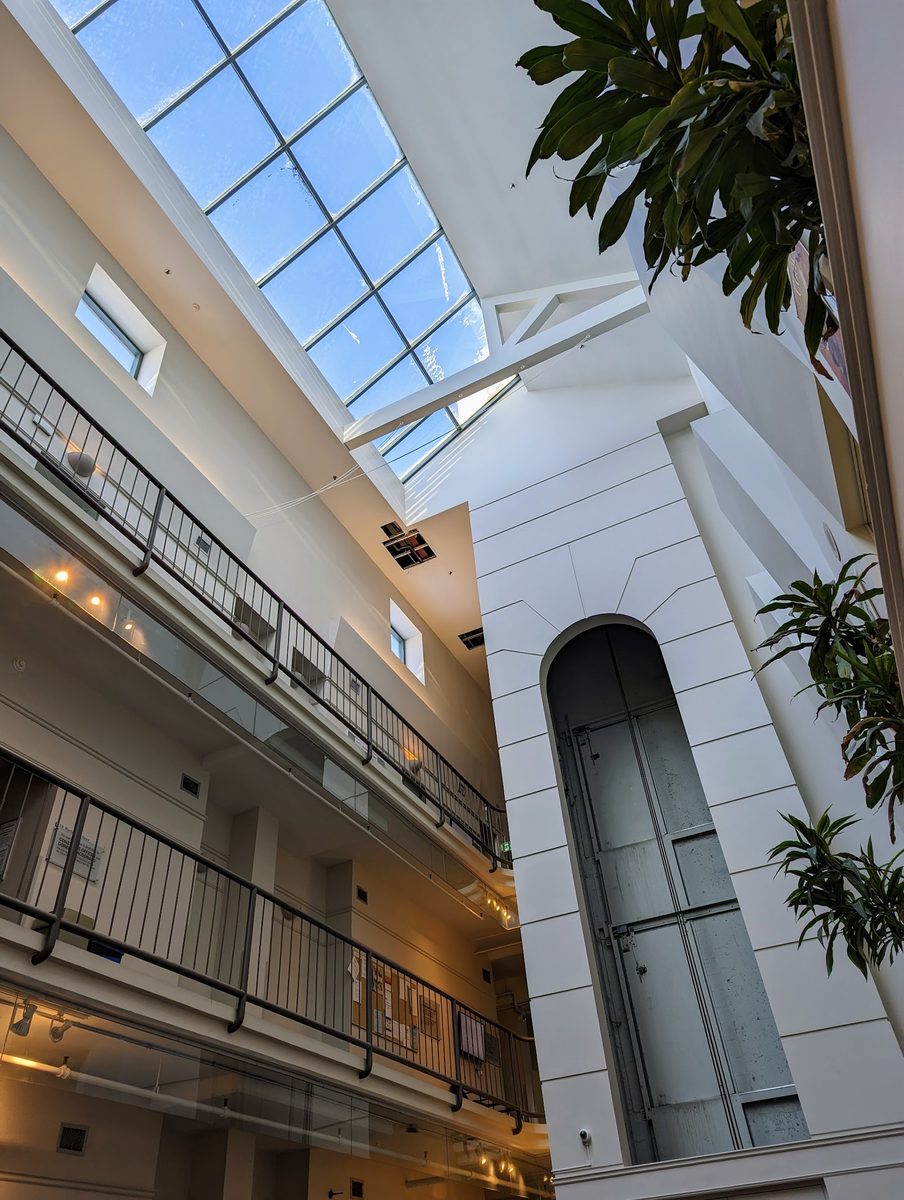
Royal Winnipeg Ballet School, Professional Division
Winnipeg, Manitoba · Canada
A Russian-method training ground on the Prairies, feeding a ballet company where three in four dancers are its own graduates.
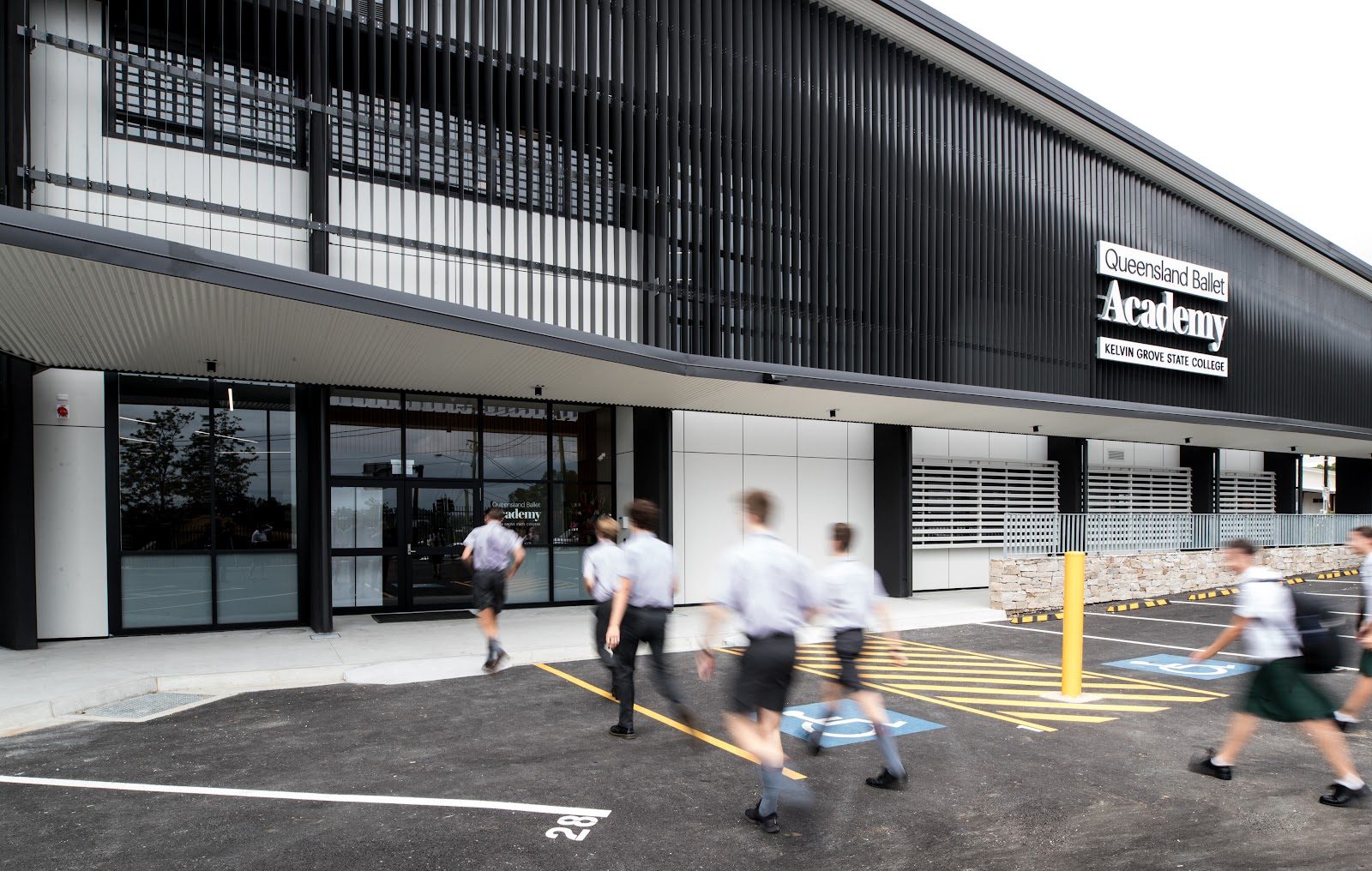
Academy of Queensland Ballet
Brisbane · Australia
Pointe work and QCE credits share a timetable, as Kelvin Grove State College classrooms feed straight into Queensland Ballet's own studios
The HARID Conservatory
Boca Raton, Florida · United States
Tuition-free, audition-only ballet conservatory where teenage dancers train full days for professional company careers
Same specialism, country and curriculum — closest matches within ±10 points either way