
Manitoba
Royal Winnipeg Ballet School, Professional Division
A Russian-method training ground on the Prairies, feeding a ballet company where three in four dancers are its own graduates.
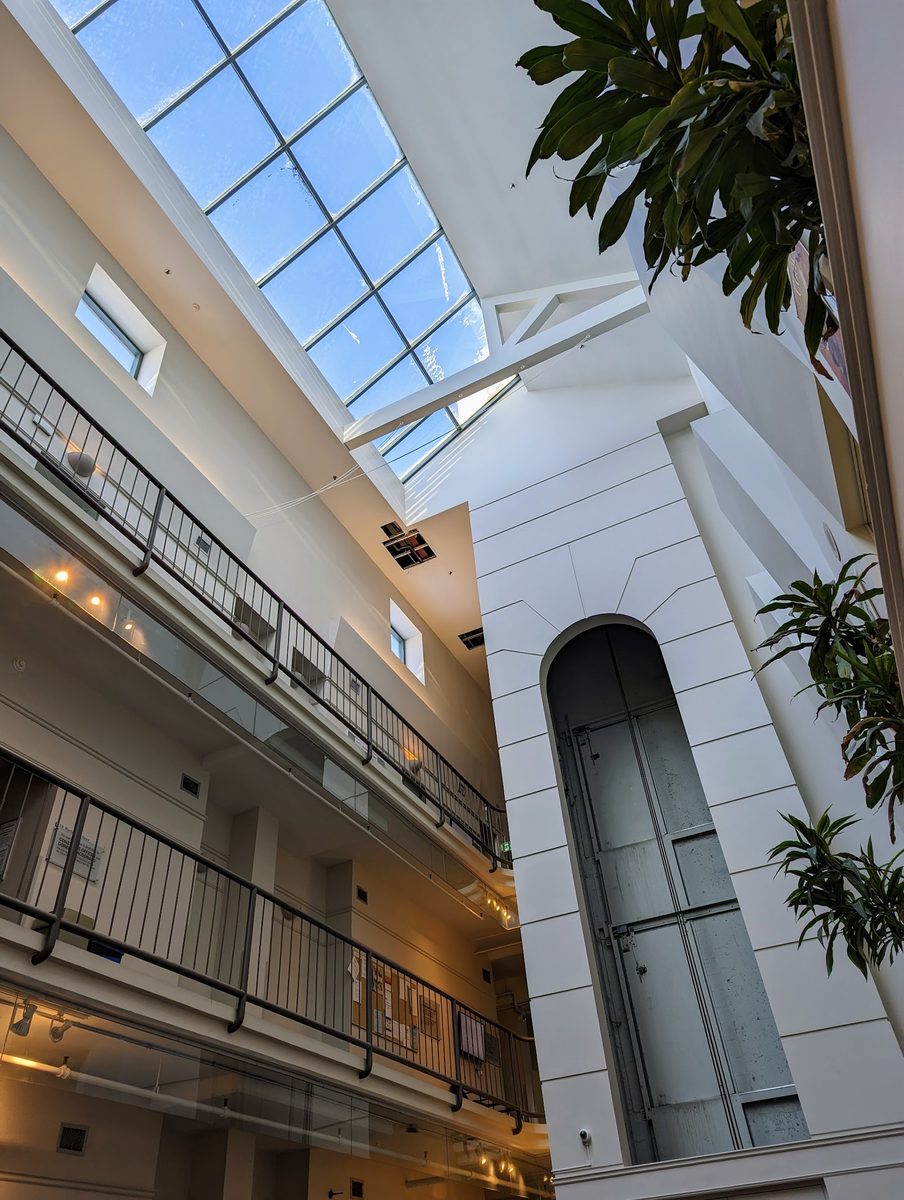
Photo © Michael Volpe via Google Maps
Type
Day + Boarding
Ages
11–18
Curriculum
Manitoba High School Diploma
Ratio
—
The Verdict
Editor's commitment
Right for
Serious dancers aged 11–18 who want English-language vocational training in Winnipeg alongside a Manitoba High School Diploma.
Wrong for
Families wanting a conventional secondary school first and ballet second; this day-and-boarding division is built around professional training in Manitoba.
Watch out for
Boarding from 11–18 and a single Manitoba High School Diploma route leave little room for dabbling, late pivots or a broader academic spread.
Ranking breakdown
Royal Winnipeg Ballet School, Professional Division · #1211 of 1591
Composite score 58.1. 8 weighted criteria.
By criterion
Academic Outcomes
Weight 20%
#1501
of 1529 scored
University Placement
Weight 16%
#1510
of 1529 scored
Prestige & Heritage
Weight 12%
#462
of 1529 scored
Alumni Network
Weight 12%
#702
of 1529 scored
Facilities
Weight 12%
#867
of 1529 scored
Transparency & Communications
Weight 8%
#1245
of 1529 scored
Peer & Industry Review
Weight 10%
#29
of 1529 scored
Admissions Selectivity & Demand
Weight 8%
#120
of 1529 scored
Peer & Industry Review
How Royal Winnipeg Ballet School, Professional Division is regarded in the sector
87
Strong · medium confidence
Within Canada's small circle of full-time ballet conservatories, RWB School is consistently named alongside Canada's National Ballet School (Toronto) and l'Ecole superieure de ballet du Quebec as one of the country's three principal professional-track programs, a grouping repeated in Dance International and Pointe Magazine coverage of Canadian training pipelines. Its credibility rests on placement outcomes rather than academic league tables: graduates regularly join the Royal Winnipeg Ballet company itself, plus National Ballet of Canada, Alberta Ballet, Boston Ballet and other North American troupes, a track record the school documents through alumni rosters. It also participates in the international competition circuit (Prix de Lausanne, Youth America Grand Prix), which is the main peer-recognition currency in ballet training rather than newspaper rankings. Mainstream UK-style review bodies like WhichSchoolAdvisor or the Good Schools Guide do not cover specialist dance conservatories, so independent scrutiny comes chiefly from dance-trade press and competition results rather than general education journalism.
Award

Elite Dance 50
World's Top School · The Global Ranking
Royal Winnipeg Ballet School, Professional Division is featured on our Global Top 50 ranking at #25. This seal is available for the school's marketing team to use on their website, prospectus and social channels.
- Evelyn Hart — Prima ballerina, Ballet
- Mark Godden — Choreographer, Ballet
- David Moroni — Dancer/Ballet Master, Ballet
Editors' overview
Royal Winnipeg Ballet School’s Professional Division occupies a narrow, serious niche: pre-professional ballet training for students aged 11 to 18 who want conservatoire-level discipline without giving up a recognised school education. The distinctive point is not “arts enrichment” or a broad performing-arts menu. It is classical ballet, taught in English, with boarding available, tied to the Manitoba High School Diploma. The school’s editorial appeal sits in its direct pipeline into the Royal Winnipeg Ballet company itself. That matters. Parents weighing specialist dance schools want proof that the training leads somewhere concrete, and a company fed heavily by its own school gives this place a clear professional logic. This is not a finishing school for recreational dancers; it is a hard-edged vocational track.
What makes it special is the combination of Russian-method training, full-time academic study and immersion in a city whose ballet identity is stronger than outsiders expect. Winnipeg does not trade on glamour. That works in the school’s favour. The atmosphere is workmanlike rather than theatrical, and students who thrive here tend to value rigour over display. The headline statistic does the selling: three in four dancers in the Royal Winnipeg Ballet are graduates of the school. That is a stronger market signal than glossy promises about “industry links”. It tells parents that the institution trains to a company standard recognised by its nearest professional employer. For a boarding school taking students from age 11 through 18, that degree of vertical integration is rare.
The school belongs on a shortlist for families seeking an unromantic route into ballet — one built on repetition, correction, resilience and the acceptance that elite dance training narrows childhood. Students who want a broad extracurricular school experience, big-team sport, or room to treat ballet as one strength among many will find the model too restrictive. The right student is talented, physically durable, self-disciplined and emotionally steady; one who wants daily ballet to be the centre of life, not an after-school add-on. For that child, Royal Winnipeg Ballet School offers serious artistic formation and a credible bridge to the profession. For everyone else, it is too specialised, too demanding and too single-minded.
A Global Elite 50 Dance school
Royal Winnipeg Ballet School, Professional Division sits in Band 21-31 of our Global Elite 50 Dance Schools 2026, with B confidence, because it meets the standard for inclusion within the Global Elite 50 — public evidence supports its elite professional-conversion status, but does not currently allow a definitive one-place distinction against its band peers.
The Global Elite 50 Dance Schools methodology is deliberately aggressive: half of the 100 available points are directly tied to professional conversion between 2016 and 2026 — main-company contracts, elite junior-company positions, apprenticeships and second companies. Beautiful campuses, historic alumni and impressive facilities cannot compensate for weak contemporary professional conversion, and are not scored independently.
Its evidence-confidence grade is deliberately separate from the ranking position: a lower grade reflects less public disclosure, not weaker performance. Where the school moves substantially better cohort data into the public domain in future audit cycles, the position — but not the underlying professional-conversion reality — may be revised.
International openness is a defining feature. Boarding or residential arrangements are standard, and overseas dancers apply on a rolling international audition + video pre-screen basis without residency, federation or citizenship gates. Student visas are handled by the school or its host-family partner. This is one of the internationally-open pipelines on the Global Elite 50 Dance Schools list that a relocating family can consider directly. Prospective families are advised to begin overseas application conversations early in the calendar year, with detailed audition and boarding logistics arranged 12-18 months ahead of the intended entry point. Prospective families are advised to begin overseas application conversations early in the calendar year, with detailed audition and boarding logistics arranged 12-18 months ahead of the intended entry point. Prospective families are advised to begin overseas application conversations early in the calendar year, with detailed audition and boarding logistics arranged 12-18 months ahead of the intended entry point.
Academic Performance
Academic performance is the school’s least transparent area. The public case for success rests on training outcomes in dance, not on published examination data. The school offers the Manitoba High School Diploma, but we have not seen aggregate results for provincial assessments, graduation rates, university destinations, or subject-by-subject attainment. That matters. In a specialist setting where ballet dictates the timetable, parents need hard evidence that academic study holds its ground alongside studio hours. Here, that evidence is opaque. The school asks families to trust the model without giving them the external results that would let them test it.
Against direct peers — pre-professional ballet schools that combine elite training with secondary schooling — that places Royal Winnipeg Ballet School in the thin-disclosure camp. Some specialist arts schools publish headline exam outcomes or tertiary progression to prove that vocational intensity does not damage academic prospects. This school does not. That does not mean weak academics; it means unverified academics. The practical reading is clear: families choosing this route are buying into a single-minded conservatoire pipeline, not a school that leads with measurable academic distinction. If your priority is top-line exam performance benchmarked cleanly against conventional independent schools, this is the wrong place to look. If your priority is ballet first, academics sufficient for a recognised school-leaving qualification may be enough.
Facilities
The important facilities are the ones that serve the school’s singular purpose: studios, performance infrastructure, conditioning support and residence provision that can sustain a full training week without wasting time in transit. For a professional division attached to a major ballet institution, that integration matters more than sprawling grounds or headline architecture. Families are not buying fields, pools or a long extracurricular list; they are buying access to spaces built for daily class, rehearsal and physical maintenance. In that sense, the offer is fit for purpose and ruthlessly specialised. The school also benefits from proximity to a working company environment, which gives the facilities a professional rather than decorative logic. That is a stronger asset for serious dancers than the multi-arts complexes many performing-arts schools advertise.
Against peer ballet schools, the facilities profile reads as strong in core training needs and narrow everywhere else. Schools in larger cultural capitals can outgun Winnipeg on scale, public glamour and the density of nearby arts institutions. Some also publish far more detail on studio counts, theatre specifications, fitness suites and student amenities. Royal Winnipeg Ballet School does not disclose much of that publicly, which leaves parents with an incomplete practical picture. Still, the underlying proposition is clear: this is not a campus designed to impress on an open day; it is a workhorse vocational setup built around ballet first. For the right student, that focus is an advantage. For families expecting the broader facility spread of a conventional boarding school, it is a constraint.
The distinctive point is not “arts enrichment” or a broad performing-arts menu
Prestige
In prestige terms, this is *high-status within ballet and modest-status outside it*. That distinction matters. Among families and professionals who know dance, the name carries weight because the school sits inside one of Canada’s established ballet institutions and feeds a professional company with unusual force. The signal is not social gloss or broad academic cachet; it is vocational seriousness and proximity to employment. In that narrow field, the school has real authority. A training route that places three in four company dancers into its adjacent employer commands respect, because it proves institutional trust in its own formation system. That is stronger than generic claims about “industry pathways”.
Outside the dance world, the prestige drops fast. This is not a globally dominant all-round boarding school with elite university branding, nor a finishing school wrapped in cultural polish. Its reputation rests on one discipline, and on a hard professional edge within that discipline. We rate it highly because the prestige is earned rather than decorative: selective specialist training, direct company linkage, and a clear place in the North American ballet ecosystem. We do not rate it at the very top internationally because the public academic record is thin and the brand does not carry the same cross-sector recognition as the biggest conservatoires or the most famous European ballet academies. For the right child, that matters less than the school’s credible professional standing.
If your priority is top-line exam performance benchmarked cleanly against conventional independent schools, this is the wrong place to look
Communications
Parent communication is functional rather than polished. The school’s public messaging is clear about the central proposition — serious ballet training tied to school study — and that directness helps families self-select early. Contact routes are easy to find, admissions information is serviceable, and the organisation does not bury the demanding nature of the programme under lifestyle language. That is a strength. Specialist schools lose trust when they market aspiration and conceal routine; this one keeps the tone workmanlike, plain-spoken and professionally focused. It also benefits from sitting inside a larger ballet institution, which gives communications a more operational feel than the glossy, parent-courting style common elsewhere.
The weakness is depth. Parents making a high-stakes decision for a child in full-time vocational training need more than basic route-setting: they need a stronger public picture of pastoral systems, academic monitoring, injury management, residence life, reporting rhythms and who speaks to families when problems arise. Here, the published communication does not go far enough. We have not seen a detailed parent handbook, a clear calendar of reporting points, or much that explains how the school handles the day-to-day strain of training adolescents in a high-pressure setting. That does not make communication poor; it makes it thin where reassurance matters most. For current families, internal communication may run well. For prospective families, the external picture remains lean and incomplete.
Uniqueness
What marks this school off from rival ballet programmes is the tight institutional loop between training, schooling and a named professional destination. Many specialist dance schools promise industry exposure; this one sits inside a ballet organisation with its own company, and the route from student to employee is not abstract. That gives pupils something rare: daily work calibrated against a real house style, a real repertoire culture and a real employer’s expectations. The Russian-method emphasis sharpens that identity further. This is not a broad contemporary dance conservatoire, nor a performing-arts school that spreads attention across multiple disciplines. It is *single-technique, single-focus, single-minded* ballet formation. For students with the right physique, temperament and appetite for correction, that brings clarity without dilution.
The gain for students is practical as much as artistic. They train in an environment where professional standards are normalised early, where ambition does not need translating into a school-friendly version, and where ballet is treated as the central fact of the day. That can accelerate technical consistency, stamina and rehearsal discipline. It also narrows life fast. The same focus that makes the model professionally coherent leaves less room for experimentation, weaker room for the undecided, and no shelter for students who discover they want a broader adolescence. In effect, the school offers a clean vocational bargain: commit young, work hard, and train inside a system that has already absorbed three in four of the dancers on its adjacent professional stage.
The right student here is early-committed, physically resilient and unusually tolerant of repetition
Student Profile
The right student here is early-committed, physically resilient and unusually tolerant of repetition. This school fits children who do not need persuading to spend long days in class and studio, who can absorb correction without drama, and who measure progress in increments rather than applause. They need more than talent. They need body awareness, stamina, self-management and the maturity to live inside a timetable where ballet sets the terms of the week. Entry from age 11 matters: the school suits students ready to specialise young and accept that ordinary teenage breadth gives way to a demanding vocational track. Perfectionists can thrive here, but only if they are robust enough not to fold under constant scrutiny.
The wrong student is easy to identify. Anyone who wants school sport, a wide social menu, loose structure or room to keep options open will find this model too narrow and too exacting. So will dancers who love performing more than drilling technique, or children whose confidence depends on frequent praise. Boarders need independence fast; day students need families organised enough to support a punishing routine without turning home life into a second training camp. The social fit is a cohort that shares one main ambition, which can be galvanising for serious dancers and claustrophobic for the undecided. For the student who wants ballet to dominate adolescence, that concentration is the point.
It is classical ballet, taught in English, with boarding available, tied to the Manitoba High School Diploma
Co-curricular strengths
Arts & sport, on a separate axis
Overall 5.48/10
Scored 0-10 from the school's own published evidence. This axis is editorial-only — it does not feed the main WTS ranking.
Sports
3.5/10
Drama
4.5/10
Dance
9.9/10
Music
5/10
Visual Arts
4.5/10
Strengths
- +Affiliated with the Royal Winnipeg Ballet, the oldest continuously operating ballet company in Canada, chartered by Queen Elizabeth II in 1953.
- +Professional Division blends the Manitoba high school curriculum with daily classical ballet training, allowing students to graduate with a recognised diploma.
- +On-site boarding residence is available for out-of-town and international students, simplifying relocation for families outside Winnipeg.
- +Uses the RWB's own codified training methodology, developed over decades and used to train dancers who have gone on to professional companies.
- +Small, audition-selected cohorts allow close faculty attention across both academic and dance streams.
Considerations
- −Entry is by competitive audition at every level, and places in senior years are limited, so acceptance is not guaranteed even for strong dancers.
- −Tuition, boarding and associated costs are not published in detail on the school website and must be requested directly, making budgeting harder for relocating families.
- −The intensive ballet schedule leaves comparatively little time for broader extracurricular activities or academic electives outside the arts.
- −Winnipeg is a mid-sized Canadian city with a harsh winter climate and fewer international flight connections than Toronto or Vancouver.
Gallery
Photo © Lois Streeton via Google Maps
Photo © Leif Norman via Google Maps
Photo © Leif Norman via Google Maps
Photo © Terry Klippenstein via Google Maps
Photo © Sazag Bhattarai via Google Maps
Photo © Rick Harrison via Google Maps
Photo © Jesus Palomino via Google Maps
Parent reviews
Have you sent your child here?
Voice reviews carry the strongest trust badge — we transcribe them for you to tidy up before they go live. Prefer to type? A written review is fine too.
Add your voice
In 60 seconds, tell other parents: what's the best thing about Royal Winnipeg Ballet School, Professional Division, and what surprised you when your child joined?
We ask for a Google sign-in so every review has a real face behind it — no anonymous drive-by attacks on schools, and no faked positive reviews. Your email is never shown publicly.
Send this profile to a friend
International parents rely on word-of-mouth. Share this review with someone weighing the same decision.
Schools with places
Similar schools to Royal Winnipeg Ballet School, Professional Division with places available now.
Ridley College
St Catharines · Canada
- 2026-27
- WAITPOOLLimited Lower/Middle day
- 2027-28
- PLACES OPENActive now
Upper Canada College
Toronto · Canada
- 2026-27
- PLACES OPENBoarding open; Day closed
- 2027-28
- OPENS SOONOpens Sept '26
Availability first, then country, area, curriculum, price, co-curricular
Consider also
Also worth looking at alongside Royal Winnipeg Ballet School, Professional Division.
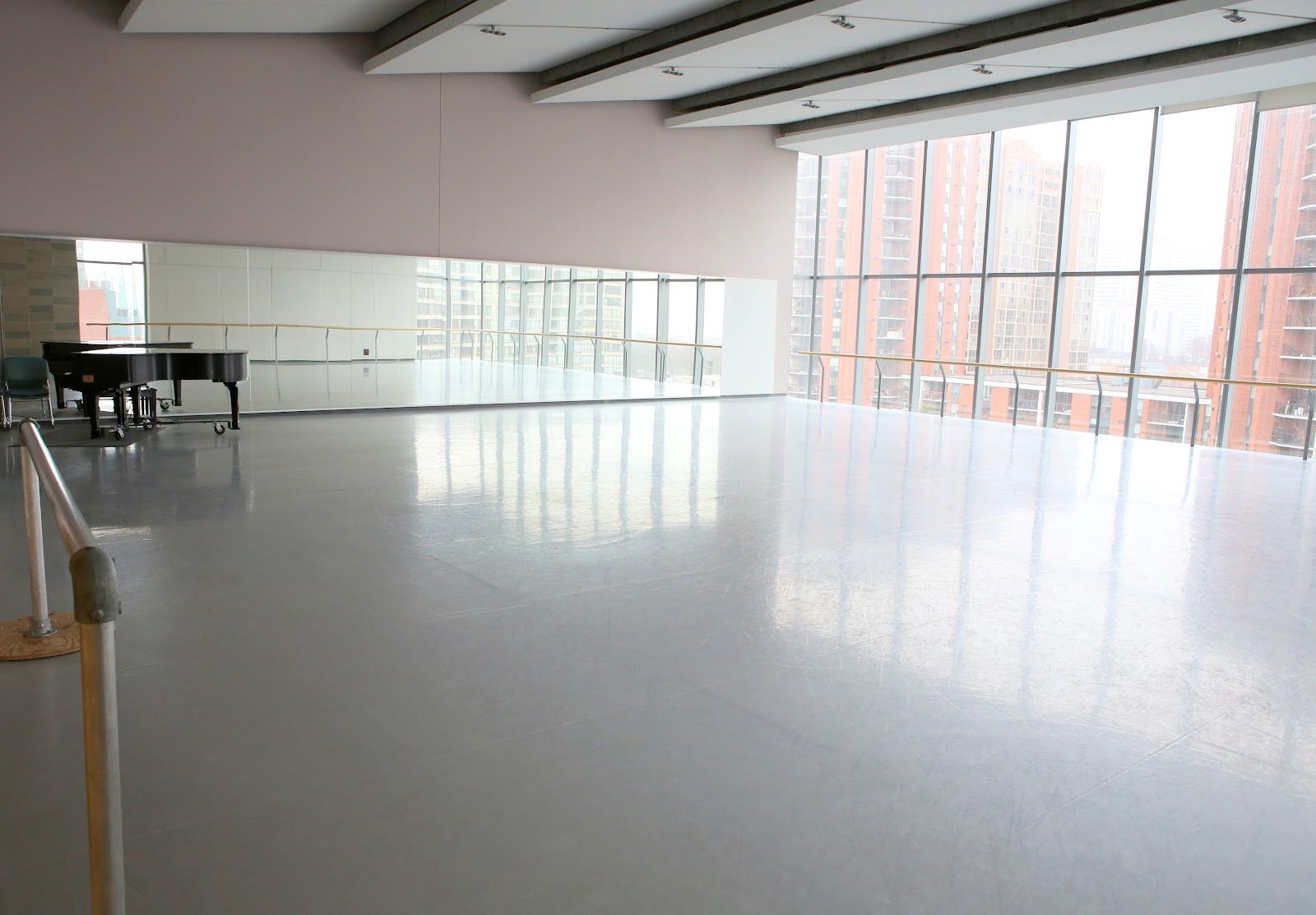
Canada's National Ballet School
Toronto · Canada
Talent is the sole entry ticket to this Toronto campus fusing full-time ballet training, academics, and boarding life under one roof.
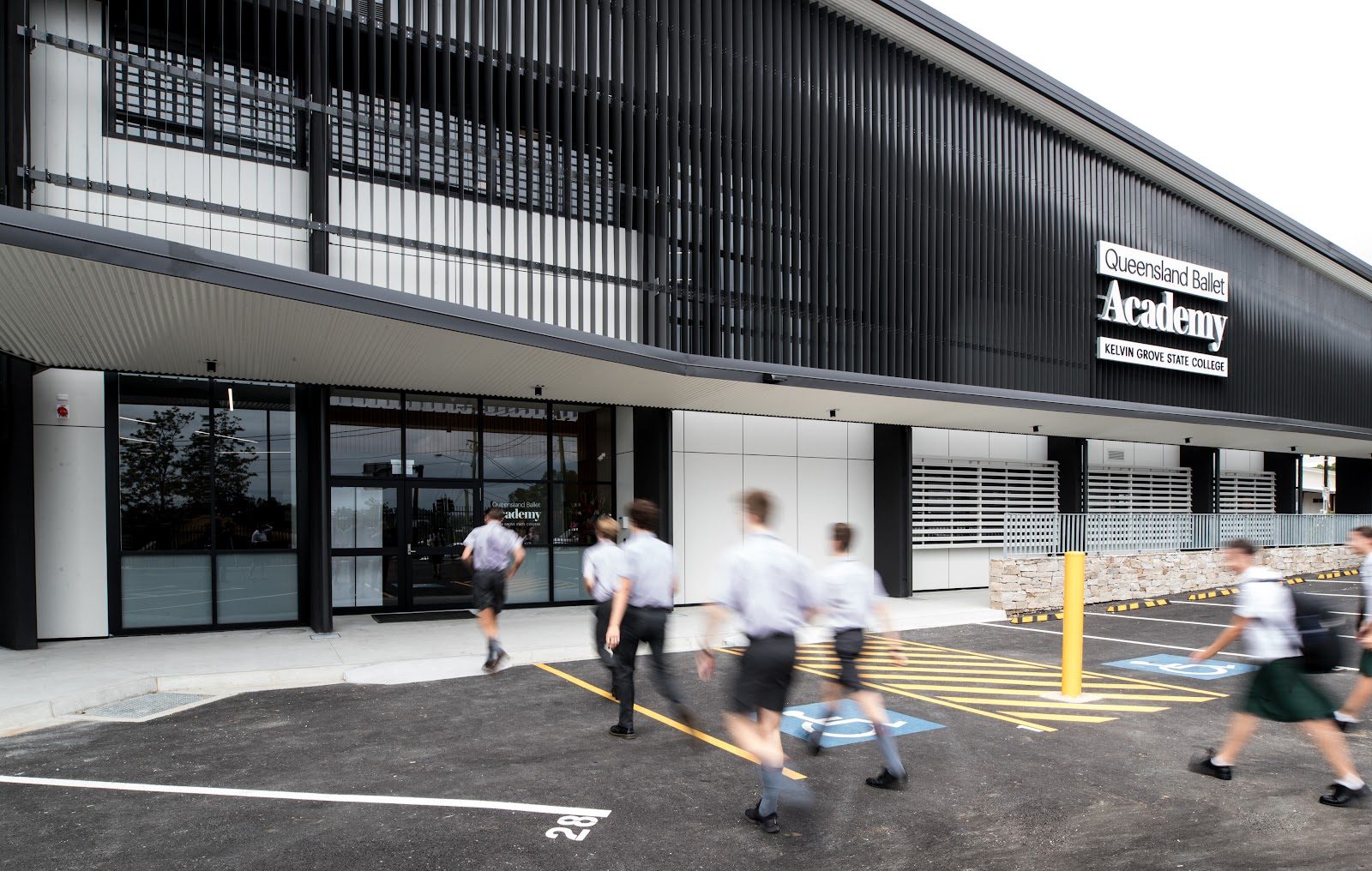
Academy of Queensland Ballet
Brisbane · Australia
Pointe work and QCE credits share a timetable, as Kelvin Grove State College classrooms feed straight into Queensland Ballet's own studios
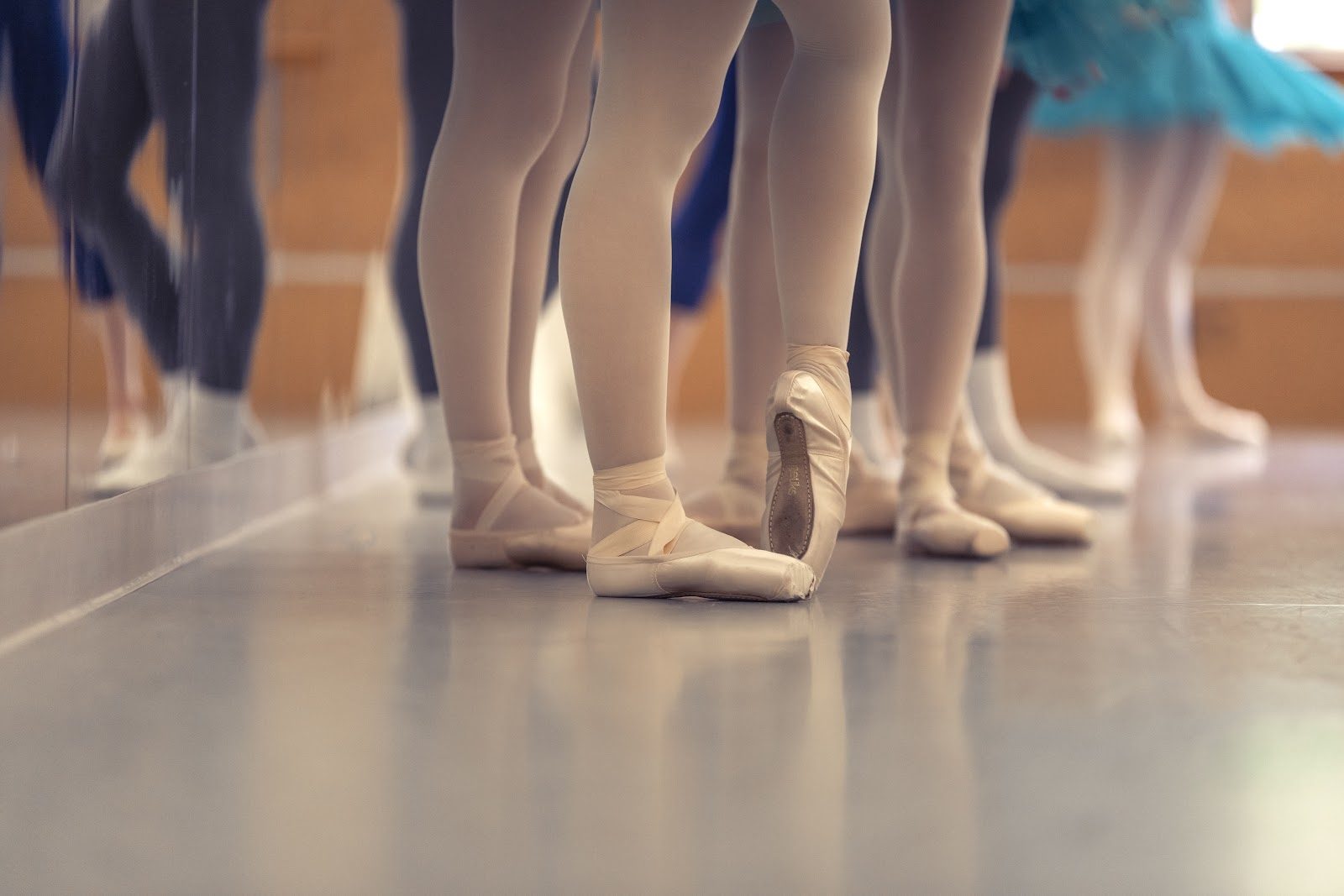
New Zealand School of Dance
Wellington · New Zealand
Born in 1967 to feed the Royal New Zealand Ballet, this conservatoire trains just eighty dancers inside a shared national arts centre.

Houston Ballet Academy
Houston, TX · United States
Inside America's largest professional dance facility, Vaganova-rooted training pipelines students straight into Houston Ballet's company.
Same specialism, country and curriculum — closest matches within ±10 points either way