
Hampshire
Six hundred years on College Street, still built around Div - unexamined seminars in history, literature and philosophy.
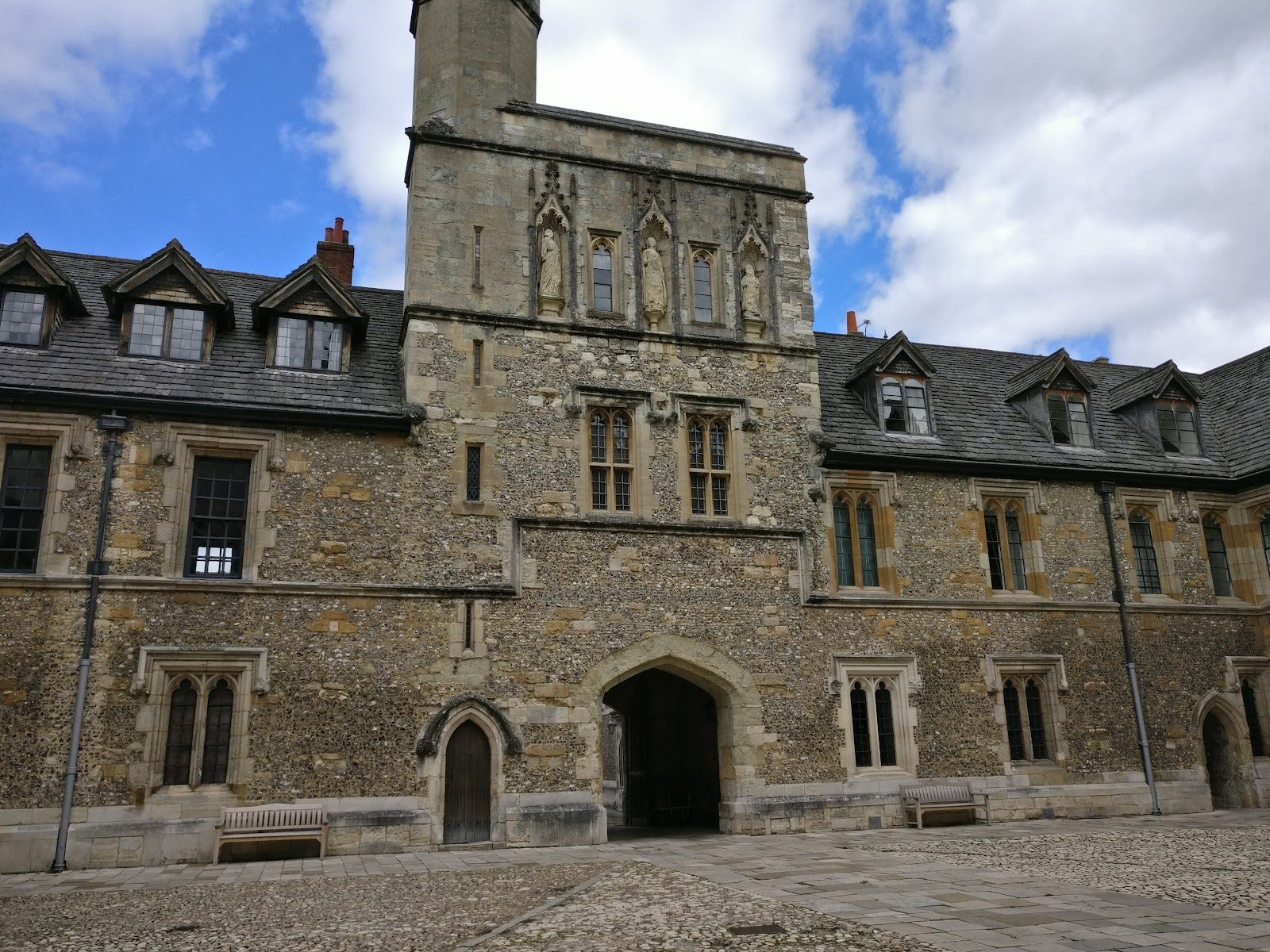
Photo © L via Google Maps
Type
Both
Ages
13–18
Curriculum
British
Qualifications
A-Level
Ratio
10:1
The Verdict
Editor's commitment
Right for
Scholars who want full boarding from 13, a 10:1 ratio, and Div at the centre rather than bolted on.
Wrong for
Families wanting a conventional co-ed run from 13: girls enter at 16, and 40 of 138 leavers went to Oxford or Cambridge.
Watch out for
This is expensive at £55,000 boarding and £45,954 day; sixth-form day places for boys and girls do not define the school.
Ranking breakdown
Winchester College · #28 of 1591
Composite score 80.6. 8 weighted criteria.
By criterion
Academic Outcomes
Weight 20%
#119
of 1529 scored
University Placement
Weight 16%
#136
of 1529 scored
Prestige & Heritage
Weight 12%
#9
of 1571 scored
Alumni Network
Weight 12%
#5
of 1530 scored
Facilities
Weight 12%
#280
of 1534 scored
Transparency & Communications
Weight 8%
#153
of 1532 scored
Peer & Industry Review
Weight 10%
#70
of 1548 scored
Admissions Selectivity & Demand
Weight 8%
#180
of 1529 scored
Score history
Winchester College · 2026
Movement across 2024–2026. Peer average overlaid.
Overall — 2024–2026
80.6/ 100
▲ +19.6 vs 2025
year on year
Peer & Industry Review
How Winchester College is regarded in the sector
96
Top-tier · high confidence
Winchester College sits at the very apex of Britain's independent sector, with WhichSchoolAdvisor stating it has "an extraordinary, and deserved, reputation for academic excellence" and describing it as setting "the benchmark in Independent sector education worldwide." The Good Schools Guide is equally emphatic, calling it "one of the most prestigious schools in the world" with "arguably the finest tradition of scholarship of any school in the country." Tatler Asia rates it "one of the most academically rigorous all-boys boarding schools in the UK" with "a superb track record for entry to Oxbridge," while its alumni roster, including a serving-era Prime Minister in Rishi Sunak, cements a peer standing few schools worldwide can match. The only caveat sector commentators raise is that its punishing entrance testing and single-sex, boarding-only tradition (now easing with co-education) make it a narrow fit rather than a universal one.
Evidence sources
Editors' overview
Winchester’s defining feature is not the medieval frontage or the 1382 foundation date, but Div: a non-examined programme in history, literature and philosophy taught across all year groups, built around discussion for its own sake. That matters because it tells you what the school values. This is a place for pupils who enjoy argument, abstraction and reading beyond the syllabus, not just efficient exam collection. The structure is still traditional: boys join at 13 for full boarding, while day and boarding places for boys and girls open in the sixth form. The academic environment is intimate by major boarding-school standards, with a 10:1 student-teacher ratio and average class sizes of 18. Winchester is old, Anglican and unapologetically cerebral; for the right child, that remains electrifying.
It also has the outcomes to justify the seriousness. In the class of 2024, 138 pupils left and 94.0% progressed to top-100 universities; 40 went to Oxbridge, 43 to Russell Group institutions and 7 to the Ivy League, with Oxford, Cambridge and UCL the most frequent destinations. Those figures place Winchester firmly in the top-flight academic market, and parents should treat it as such on fees too: the average annual day fee across the school is £45,954, and the average annual boarding fee is £55,000. This is expensive, highly selective schooling with a clear intellectual proposition, not a broad church trying to be all things to all families.
Why shortlist it? Because few British schools combine this depth of history with such a distinctive intellectual identity. Many schools promise “critical thinking”; Winchester has formalised it into the curriculum. It also offers the full boarding structure that suits independent, self-directed teenagers, while sixth form entry opens the door to girls as well as boys. The best fit is a student who wants serious academic company, can thrive in a culture with strong traditions, and enjoys ideas that do not end with the exam paper. The wrong fit is just as clear: children who want a relaxed, modernised, less ritualised school experience will find Winchester demanding, rarefied and, at times, not for the faint-hearted.
Academic Performance
Winchester publishes exam results and university destinations as part of the same academic story, which is appropriate: this is a school judged not by pass rates alone but by where its pupils land after a demanding sixth form. The destination profile is elite by any serious standard. A striking 40 leavers progressed to Oxbridge in the latest cycle, alongside strong movement into Russell Group and Ivy League universities. That places Winchester in the top echelon of British independent schools for academic progression. The pattern also fits the school’s intellectual design. Div, taught across all year groups and detached from public examinations, signals that Winchester does not train pupils only to maximise grades; it builds a culture of discussion, reading and argument that feeds directly into competitive humanities and social science admissions, and also suits selective courses across the board.
The missing piece is raw exam data. The school has a page for “Exam Results & Futures”, but no aggregate GCSE or A-level results are published in the sources we have seen here, so parents cannot test headline destinations against full grade distributions. That is a real gap. Among schools in this bracket, opacity on results invites scrutiny, not deference. Still, the outcomes after school are strong enough to confirm that Winchester operates at a rarefied academic level. Relative to peers, it sits with the hard-edged scholarly boarding schools rather than the polished all-rounders: less interested in mass-market shine, more interested in producing pupils who can hold their own in tutorials, interviews and demanding undergraduate courses.
Facilities
Facilities at Winchester are strongest where the school’s academic and cultural identity is strongest. The standout asset is not a single building but the combination of a historic teaching environment with a serious programme in music, art, societies and sport. The school puts real weight behind the arts: it promises exceptional facilities, expert staff and a vibrant activity programme, and the public site gives those areas unusual prominence rather than treating them as decorative extras. Music also reads as central rather than supplementary, with performance pitched for all levels, not just a narrow elite. For parents comparing old British boarding schools, that matters. Some heritage-heavy schools live off architecture and chapel while under-explaining the practical life of the pupil; Winchester gives a clearer sense of active intellectual and cultural use. The setting itself is inspirational, deeply traditional and full of institutional gravitas.
Boarding infrastructure also carries weight here. The school has dedicated pages for boarding and houses, sixth form girls’ boarding, pastoral care and spiritual life, which signals a residential system with substance rather than an afterthought bolted onto academics. That places Winchester in the serious full-service boarding bracket alongside top peers, not in the day-school-with-boarding-options category. The trade-off is equally clear: if you want glossy, resort-style facilities marketed as a product in themselves, Winchester is less showroom-polished than newer competitors with recent capital projects. Its advantage lies elsewhere — in atmosphere, continuity and facilities that serve a hard-edged scholarly culture rather than distract from it.
Because few British schools combine this depth of history with such a distinctive intellectual identity
Prestige
Winchester sits in the top rank of English independent schools because its prestige rests on more than old buildings and selective admissions. It has institutional weight, national name recognition and a serious hold on the imagination of universities, employers and old-school British networks. That matters, but it is not the whole story. Plenty of ancient schools trade on heritage; fewer sustain a live intellectual culture that still feels sharply defined. Winchester does. Div gives the school a recognisable academic signature, and the connection with New College, Oxford remains part of the school’s cultural capital even now. Add a leavers’ profile in which 40 pupils reached Oxbridge and 94.0% moved on to top-100 universities, and the prestige stops being ceremonial and turns into something measurable.
I rate it this highly because Winchester’s status has substance. It is fiercely academic, socially coded and still carries the aura of a school that expects its pupils to think, speak and write at a high level. That combination gives it a distinct place even among expensive British boarding schools. It does not have the broad, glossy accessibility of more commercial independents; its reputation is *more austere, more intellectual, more exacting*. For the right family, that is the attraction. For the wrong one, it reads as rarefied and insular. Prestige here is not mass appeal. It is the authority that comes from endurance, selectivity and a house style that has not been diluted.
That places Winchester in the top echelon of British independent schools for academic progression
Communications
Winchester communicates with parents in the same register it uses for pupils: serious, text-heavy and unapologetically intellectual. The public site is well organised, with clear routes into admissions, boarding, pastoral care, safeguarding, policies, reports, calendars and contact points, so the practical essentials are easy to find. That matters at a school with full boarding at its core and a more complex sixth-form entry route. The school also publishes a steady stream of essays, news items and education commentary under its “original thinking” banner. That gives parents a strong sense of institutional mind and educational priorities. You do not get the stripped-down, sales-led communications style common in newer independents; you get something more exacting and more adult. For families drawn to Winchester’s culture, that will feel refreshingly substantive. For others, it will feel dense.
The weakness is transparency at the sharp end. The school gives prominent space to ideas, ethos and inspection endorsement, and it does publish destinations, but we have not seen aggregate GCSE or A-level results in the public domain. For a school charging average annual fees of £55,000 for boarding and £45,954 for day places, that omission matters. Parents paying at this level need crisp academic disclosure, not just confidence in the institution. So the verdict is mixed: communication is coherent, intellectually distinctive and operationally clear, but not fully candid where hard performance data should sit.
Uniqueness
What makes Winchester distinct is that it has built a school around a piece of intellectual architecture most rivals would never dare protect: Div. This is not an enrichment club or a sixth-form extra. It runs through the school, is taught to every year group, and is deliberately detached from external assessment. That gives pupils something rare in an exam-driven system: sanctioned time to read, argue and test ideas without the dead hand of mark schemes. The effect is genuinely unusual. At schools that talk about critical thinking, the phrase is marketing filler; here it has timetable space. Pair that with a staffing ratio of 10:1 and classes averaging 18, and pupils get a form of academic attention that suits discussion rather than passive note-taking. For a certain kind of adolescent, that is intellectually liberating.
The second point of difference is the school’s refusal to smooth away its own strangeness. Winchester keeps its rituals, its language, its Anglican frame and its old public-school seriousness. Even its guide to school “Notions” advertises that internal vocabulary rather than hiding it. That gives pupils a strong sense of belonging and institutional memory, but it also makes the culture highly coded and not instantly permeable. Some children will relish that density; others will find it claustrophobic or self-conscious. The gain, for the right pupil, is a community with real texture rather than generic polish — and an education that treats thought as an activity worth pursuing even when no grade follows.
That places Winchester in the serious full-service boarding bracket alongside top peers, not in the day-school-with-boarding-options category
Student Profile
The Winchester pupil is an intellectual self-starter. This school suits teenagers who like reading past the set text, arguing a case in full sentences and being surrounded by peers who treat ideas as social currency. The timetable space given to Div matters here: pupils need the appetite for open-ended discussion, not just the discipline to bank top grades. Sixth form girls joining a historically male institution also need a measure of confidence and social ease; this is not a school for children who want anonymity or a low-pressure fresh start. With classes averaging 18 and a staffing ratio of 10:1, there is limited room to hide. The right student will find that stimulating, serious and intellectually bracing.
The fit is also cultural, not just academic. Winchester suits adolescents who can live comfortably inside a tradition-heavy, highly coded community with its own language, rituals and Anglican frame. Boarders need independence and emotional ballast; day pupils entering later need the confidence to slot into an established social order without resenting it. Sport, music, arts and societies are all there, but this is not an easy-going all-rounder built around effortless belonging. It rewards pupils who are resilient, articulate and happy in a rarefied environment that expects commitment. Children who want a casual atmosphere, constant affirmation or a more informal relationship with authority will struggle. This is a strong fit for the bookish, the self-possessed and the genuinely curious.
Winchester sits in the top rank of English independent schools because its prestige rests on more than old buildings and selective admissions
Co-curricular strengths
Arts & sport, on a separate axis
Overall 8.68/10
Scored 0-10 from the school's own published evidence. This axis is editorial-only — it does not feed the main WTS ranking.
Sports
9.6/10
Deeply institutionalized sports culture, notably tracking soccer, cricket, and their unique internal "Winchester College Football," alongside elite rowing.
Drama
9.5/10
The magnificent Queen Elizabeth II Theatre operates as a professional-grade creative hub for classical and modern stagings.
Dance
5.5/10
Kept strictly as a minor auxiliary asset for musical choreography or physical theater elements.
Music
9.8/10
World-class choral lineage anchored by the historic Quiristers (chapel choir), alongside massive orchestral and chamber operations.
Visual Arts
9/10
The open, highly resourced art school studios run elite portfolios across fine painting, sculpture, and architectural layout.
Editor-verified · 8/6/2026
Outcomes & destinations
Where students go next
Verified by schoolClass of 2024
138 graduates
Results distribution
100% covered
- A*49%
- A34%
- B13%
- C4%
Top destinations
90 placements
- Oxford· 22
- Cambridge· 18
- Yale· 3
- Harvard· 2
- Princeton· 2
- UCL· 10
- Durham· 8
- Imperial College London· 8
- Edinburgh· 6
- St Andrews· 6
- Bristol· 5
Winchester publishes an annual leavers' destinations summary. Figures approximate the most recent three-year rolling report.
Attested by the school. Confirm with admissions.

WTS 300 badge
2025/26 editionWinchester College is one of the World's Top 300 Schools for 2025/26. Add it to your site →
Strengths
- +Founded by William of Wykeham in 1382 as a feeder school for New College, Oxford, and has operated continuously on its present site ever since, giving it the longest unbroken institutional history of any English school.
- +The school publishes strong 2024/2025 results: 44% of A-Level grades at A*, 92% at A*-B, and 93% of GCSE grades at 9-7, per its own results page.
- +In 2024, 94% of leavers progressed to top-100 universities, with 40 to Oxbridge, 43 to other Russell Group universities and several to the Ivy League.
- +Sixth Form girls can now enter as day or boarding pupils, widening access at 16+ while the boys' full-boarding tradition from 13 continues.
- +The 13+ 'Election' academic scholarship, combining written examinations and interviews, reflects a distinctive intellectual culture beyond standard entrance testing.
- +Around 20% of pupils receive some financial support, with the college distributing means-tested bursaries of up to full fee remission.
Considerations
- −Girls cannot enter before the Sixth Form, so there is no route into the school for girls before age 16.
- −Fees are among the highest in the UK independent sector at £55,000 a year for boarding and £30,000 for day pupils.
- −Winchester does not use the standard Common Entrance exam; instead it runs the Winchester Entrance and the Election scholarship examination, so families must prepare for a bespoke process.
- −The school's identity remains heavily traditional and boarding-centred, which will not suit families wanting a relaxed, broadly progressive or highly international environment.
Availability
Primary entry gate & tests
13+ ISEB
(3-year delay)
Gallery
Photo © Han Kuo via Google Maps
Photo © Eimantas Grabskis via Google Maps
Photo © Cliff Cairns via Google Maps
Photo © Cliff Cairns via Google Maps
Photo © YOERIAN via Google Maps
Photo © Clive B via Google Maps
Photo © P Picasso via Google Maps
Photo © Mark Stocker via Google Maps
Photo © Julie Mckay via Google Maps
Recommended reading
Independent write-ups of this school from editorial outlets we trust.
- Winchester College reviewGood Schools Guide
Parent reviews
Have you sent your child here?
Voice reviews carry the strongest trust badge — we transcribe them for you to tidy up before they go live. Prefer to type? A written review is fine too.
Add your voice
In 60 seconds, tell other parents: what's the best thing about Winchester College, and what surprised you when your child joined?
We ask for a Google sign-in so every review has a real face behind it — no anonymous drive-by attacks on schools, and no faked positive reviews. Your email is never shown publicly.
Send this profile to a friend
International parents rely on word-of-mouth. Share this review with someone weighing the same decision.
Schools with places
Similar schools to Winchester College with places available now.
Availability first, then country, area, curriculum, price, co-curricular
Consider also
Also worth looking at alongside Winchester College.
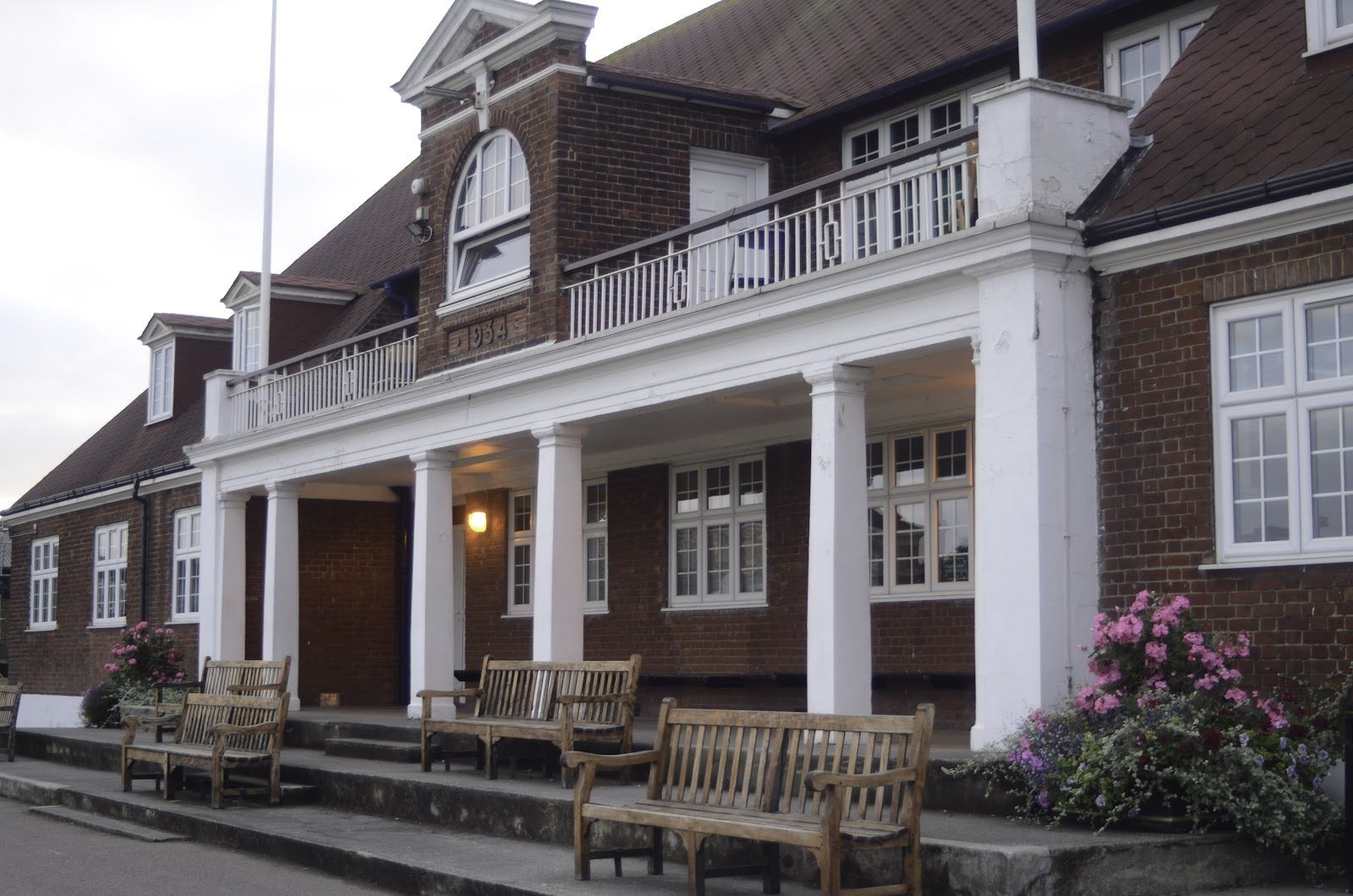
Dulwich College
London · United Kingdom
Founded in 1619 by an Elizabethan stage actor, its 75-acre South London campus still runs on three historic boarding houses.
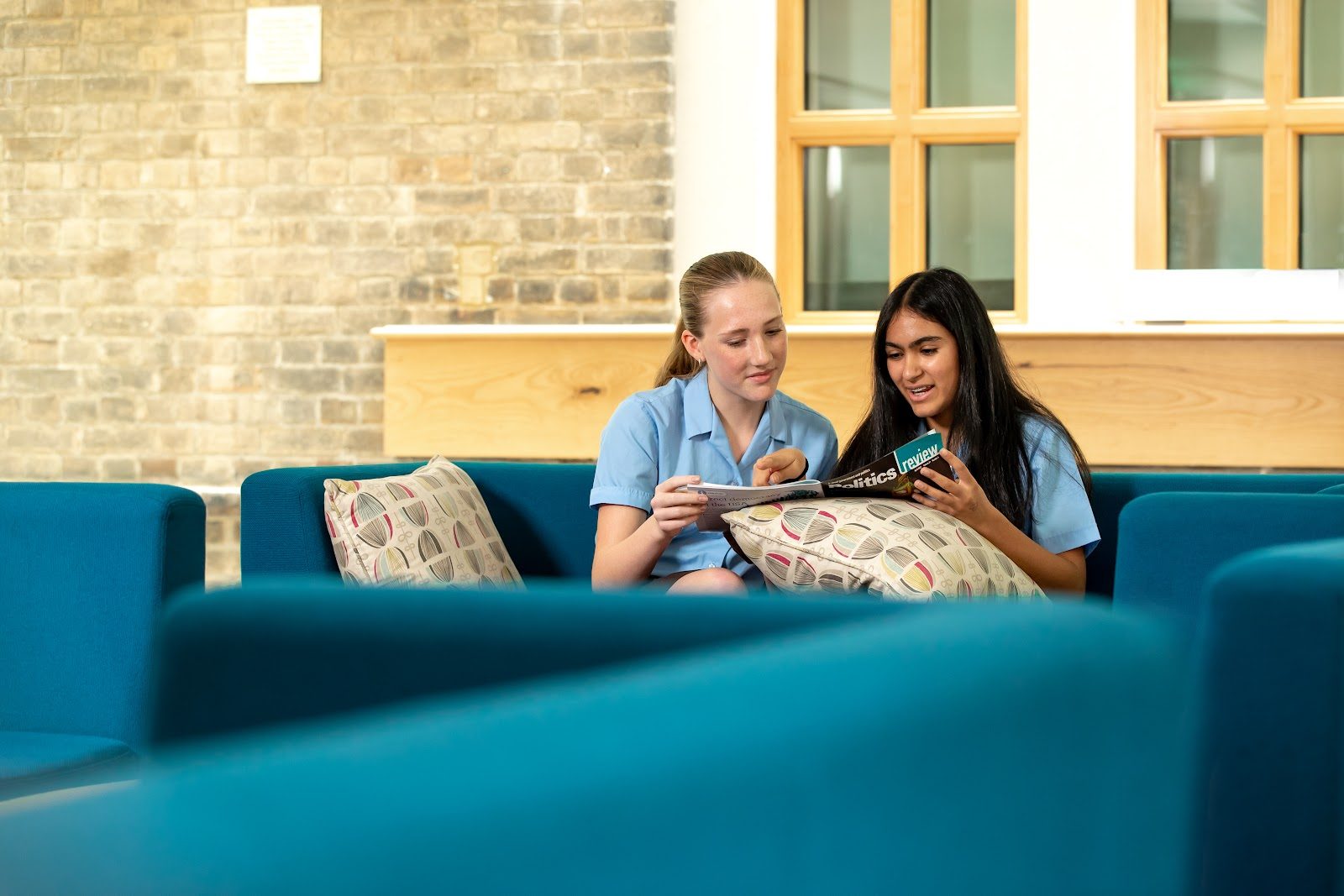
North London Collegiate School
London · United Kingdom
Founded in 1850 as Britain's first day school giving girls a boys'-standard education, it still tops national GCSE and A-level tables from its Edgware campus.
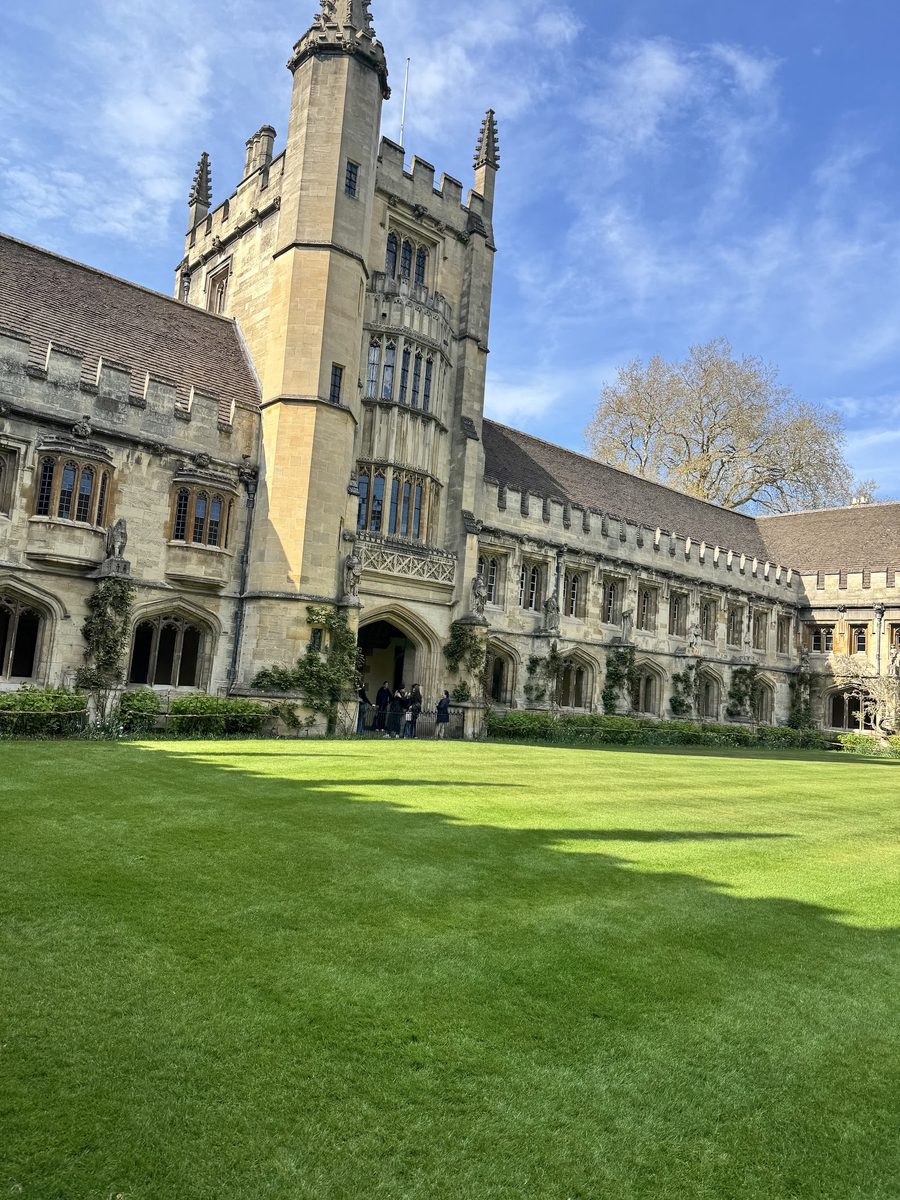
Magdalen College School
Oxford · United Kingdom
Educating Magdalen College's choristers since 1480, this Oxford day school is now opening its ancient choir stalls to girls for the first time.
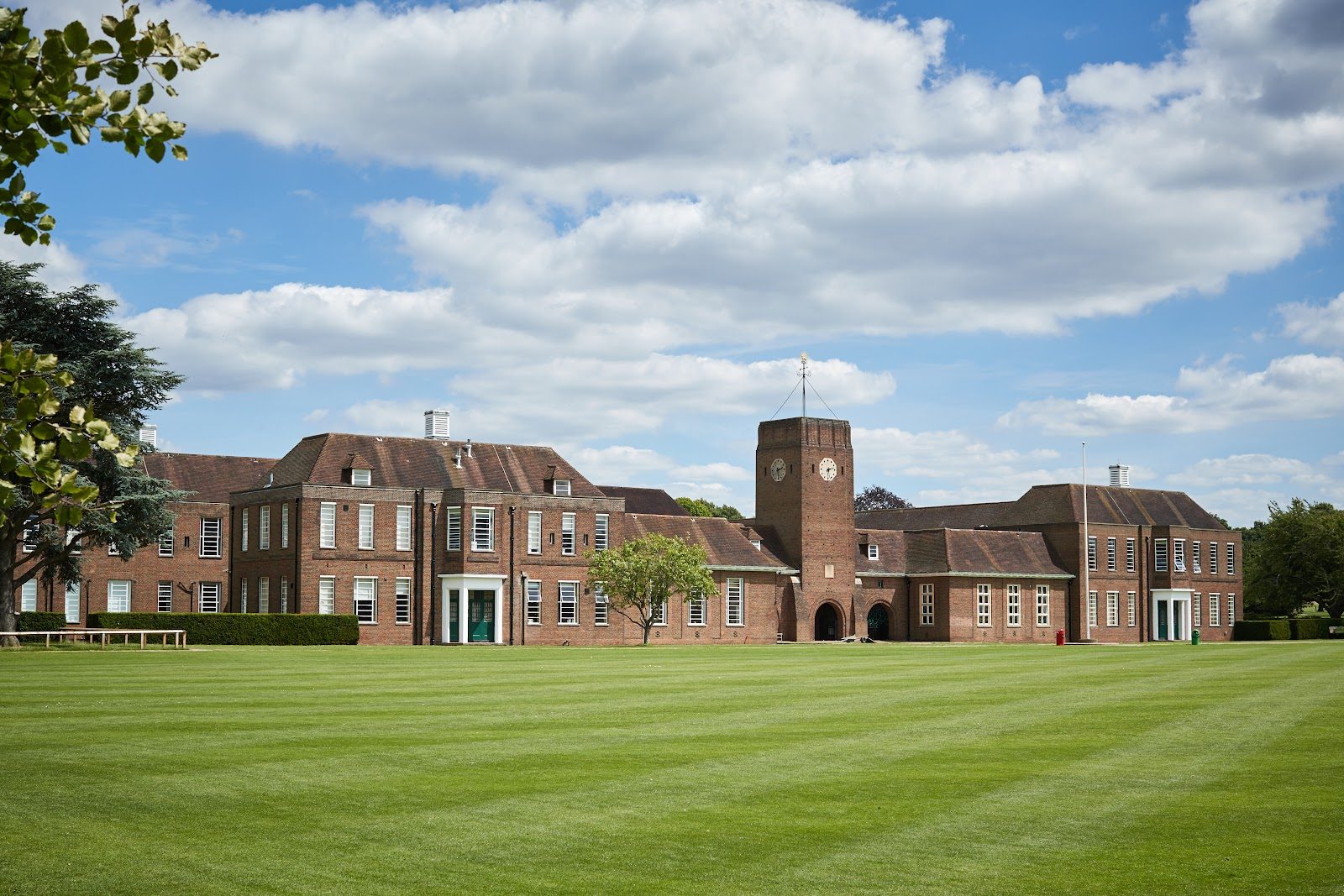
Merchant Taylors' School
Northwood · United Kingdom
A 1561 City livery-company foundation now spans 285 Art Deco acres near Northwood, its GCSE grades among England's top one percent.
Same country and curriculum — closest matches within ±10 points either way