
Norte
Oporto British School
Founded in 1894 by Porto's port wine growers, this Douro-side campus remains mainland Europe's oldest British school.
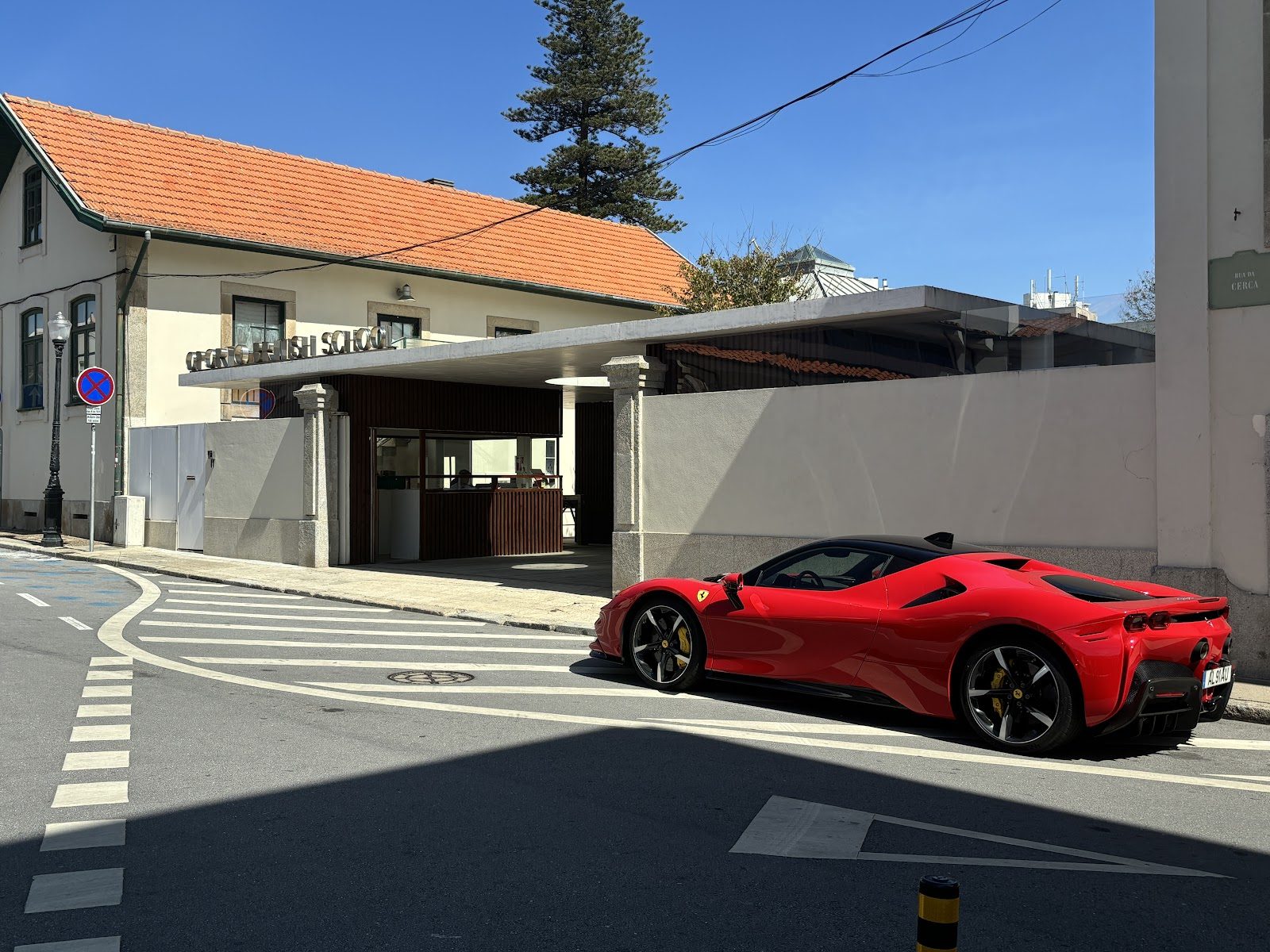
Photo © Du Hangkuan via Google Maps
Type
Day
Ages
3–18
Curriculum
British
Qualifications
IGCSE · A-Level
Ratio
—
The Verdict
Editor's commitment
Right for
Families wanting a secular, English-medium day school in Porto with COBIS and Cambridge International accreditation, 577 pupils and 16-average class sizes.
Wrong for
Parents chasing boarding, a giant campus culture or Portuguese-medium teaching; OBS is day-only, English-language and deliberately small at 577 students.
Watch out for
The school pushes a British identity and IB induction week, but does not publish sixth-form pathways or exam outcomes; test that before signing.
Ranking breakdown
Oporto British School · #1124 of 1591
Composite score 58.2. 8 weighted criteria.
By criterion
Academic Outcomes
Weight 20%
#1087
of 1533 scored
University Placement
Weight 16%
#1164
of 1529 scored
Prestige & Heritage
Weight 12%
#728
of 1580 scored
Alumni Network
Weight 12%
#1110
of 1530 scored
Facilities
Weight 12%
#1188
of 1540 scored
Transparency & Communications
Weight 8%
#970
of 1547 scored
Peer & Industry Review
Weight 10%
#1383
of 1564 scored
Admissions Selectivity & Demand
Weight 8%
#1156
of 1529 scored
Peer & Industry Review
How Oporto British School is regarded in the sector
60
Respected · medium confidence
Among Portugal's small British international sector, Oporto British School is generally positioned just behind Lisbon's larger, longer-established St Julian's School and Carlucci American International School, reflecting its smaller cohort size and northern location outside the capital's expatriate hub. Its COBIS accreditation and British Schools Overseas inspection status are the main external validation points cited in sector directories such as WhichSchoolAdvisor's Portugal guide and NABSS listings, which note strong pastoral care and continuity from its 1894 founding but do not rank it among the country's most selective feeders to Oxbridge or Russell Group medicine courses. Portuguese national press (Publico, Expresso) rarely singles out British schools individually, so its profile is built mainly through COBIS conference participation and inclusion in expatriate education guides rather than mainstream league tables. University admissions commentary specific to OBS is limited in the public domain; most independent verification centers on curriculum accreditation (Cambridge/Edexcel exam board affiliation) rather than named admissions-officer endorsements. Overall, it is regarded as a solid, accredited regional British school rather than a nationally headline institution.
Editors' overview
Oporto British School has one fact that matters in this market: it was founded in 1894 and remains mainland Europe’s oldest British school. That gives it a lineage few schools can match, but heritage is not the whole story. The stronger selling point is scale. With 577 students and an average class size of 16, OBS sits in a useful middle ground: large enough to run a full 3–18 school, small enough for families to expect to be known. The setting helps. A Douro-side campus in Foz do Douro, 300 metres from the beach, gives the school a distinct Porto identity rather than the interchangeable feel of many international schools. For parents who want continuity without sprawl, a school with memory, and a clear family rhythm, OBS earns a place on the shortlist.
Its market position is straightforward. This is a secular, English-medium British school with Cambridge International accreditation and COBIS membership, aimed at families who want a British framework in Porto without boarding, franchise gloss or mega-campus scale. The school talks heavily about the “whole child”; that language is standard, but the numbers do support a more intimate environment than many competitors offer. The mix of 30 student nationalities adds international breadth without turning the school into a transient diplomatic outpost. The drawback is also clear: parents who want the scale, facilities and subject breadth of a much larger international school may find OBS constrained by size. Small schools can be warm, grounded and personal; they can also feel narrow for pupils who want a very large peer group or a huge menu of niche options.
The students who fit OBS best are those who thrive in a close community and do not need the anonymity of a bigger institution. This suits families planning to stay in Porto for years, not months; children who benefit from stable relationships with staff; and parents who value old-rooted credibility over novelty. It also suits internationally minded local families who want English as the language of instruction from ages 3 to 18 in a school with a long local foothold. Pupils seeking a calm, human-scale education with a British spine will find OBS compelling. Those who want a louder, more corporate international-school experience should look elsewhere.
Academic Performance
OBS does not publish aggregate external exam results, average point scores, top grades distributions or university destination data in the public domain. That is the central fact for parents assessing academic performance. The school signals academic ambition through its secondary messaging and its IB induction activity, but signal is not outcome. In a market where stronger schools put headline attainment data front and centre, this level of opacity is a clear weakness. It leaves OBS harder to place against direct competitors on raw academic strength, and it forces families to rely on admissions conversations rather than published evidence. For a school with 3–18 provision and a long-established name, that gap is striking.
Where does that leave it relative to peers? Not in the exam-factory tier, because schools in that bracket publish results aggressively. Not in the category of underpowered start-ups either, because OBS has the continuity and institutional depth to run a full school. The most accurate reading is solid but unproven in public. Parents who care about outcomes need to ask blunt questions: IGCSE and IB averages over several years, subject-by-subject grade profiles, cohort sizes, value added, and destination lists that distinguish aspiration from offer and enrolment. Until OBS discloses that data, its academic standing sits on trust, not proof.
Facilities
The facility fact that matters most at OBS is not a theatre, a pool or a science complex; it is the setting. The campus sits in Foz do Douro, within 300 metres of the beach, and that gives the school an everyday physical advantage few urban international schools can match. For younger children, that means air, light and room to move rather than a boxed-in city footprint. For older pupils, it gives the place a grounded, civilised feel that many purpose-built edge-of-town campuses lack. The school also points to small, well-staffed classes, which matters operationally: a modest campus works far better when teaching groups are kept under control. Parents looking for a human-scale environment will read that as a strength.
Against peer schools, the picture is mixed. OBS does not sell itself on big-ticket facilities, and no extensive specialist inventory is in the public domain. We have not seen claims for the kind of sprawling sports provision, black-box theatres, design labs or headline-making STEM centres that larger international schools use to justify premium positioning. That does not make OBS under-equipped; it makes it selective in scale. Families who want a campus that feels intimate, manageable and woven into daily life in Porto will value that. Families who judge schools by the breadth of on-site hardware need to ask direct questions before enrolling, because the school does not publish enough detail to win that case in advance.
Oporto British School has one fact that matters in this market: it was founded in 1894 and remains mainland Europe’s oldest British school
Prestige
Prestige at OBS rests on pedigree, continuity and local standing, not on global brand power. Among families in Porto, the school has old-established credibility: it was built into the fabric of the city’s expatriate and internationally minded community long before the current boom in international schooling. That matters. A school with that kind of institutional memory carries social weight, and the fact that families return across generations gives OBS a deep-rooted cachet that newer operators cannot manufacture. Its intake is also international enough to avoid feeling parochial, with 30 nationalities on roll, which adds breadth without tipping into the airport-lounge transience that weakens identity elsewhere.
Set against the top prestige tier globally, the verdict is more restrained. OBS does not have the name recognition of Britain’s elite independents, nor the public academic disclosure that would push it into a more hard-edged, outcomes-driven status bracket. Its prestige is therefore quiet rather than flashy: strong in Porto, meaningful in Portugal, respectable in the wider British international sector, but not a school that trades on worldwide glamour. The school’s compact scale and family reputation reinforce that position. For some parents, that is the attraction: prestige without grandiosity, history without corporate theatre. For others, especially those chasing maximum international signalling value, OBS will read as well-regarded rather than formidable.
OBS does not publish aggregate external exam results, average point scores, top grades distributions or university destination data in the public domain
Communications
OBS communicates in a plain, serviceable way. The public site gives parents the essentials without fuss: direct admissions, general and recruitment email addresses; a phone number; a clear invitation to book a visit; and a live stream of school events and news. That matters. Schools that bury contact routes behind enquiry forms or glossy slogans make basic engagement harder than it needs to be. OBS does not. The site also signals an active calendar, with items ranging from prize giving to trips and careers activity, which tells parents that communication is tied to the life of the school rather than left at the level of brand language. For a school of 577 pupils, that practical clarity counts for a lot.
The limitation is depth. OBS communicates warmth, continuity and accessibility, but not enough hard information. Parents can find evidence of community life; they cannot find the kind of detailed operational disclosure that builds serious confidence before enrolment. We have not seen strong public communication on outcomes, detailed facilities, or the full academic and co-curricular offer by phase. That leaves the school sounding open-door but under-explained. For current families, a close-knit school can carry a great deal through direct contact and day-to-day responsiveness. For prospective families comparing options at speed, OBS needs sharper public communication: less soft-focus reassurance, more concrete substance.
Uniqueness
What sets OBS apart is not a gimmick or a branded specialism. It is the combination of institutional memory, human scale and a setting that ties the school to real life in Porto rather than to the placeless international-school circuit. Families are not buying a glossy export model; they are joining a school with roots, habits and a social identity of its own. That matters for children. A school with this kind of continuity gives pupils a stronger sense of belonging, steadier adult relationships and a clearer cultural frame than the transient, expansion-driven campuses that dominate the sector. The roll is also international without tipping into churn, with 30 nationalities in a community small enough to stay coherent.
That distinctiveness brings practical benefits. Younger children get a school that can feel secure, contained and easier to navigate. Older pupils get visibility: more chance of being known by staff, more pressure to contribute, and less room to disappear into the crowd. The average class size of 16 reinforces that. It supports closer attention, but it also means fewer hiding places for disengaged students and a narrower social pool than in a very large school. That trade-off is central to the OBS proposition. For the right child, this is deeply grounding: a school with character, continuity and a settled rhythm. For families chasing scale, spectacle or endless choice, it is not the strongest fit.
Set against the top prestige tier globally, the verdict is more restrained
Student Profile
The student body reads as international but settled. With 30 nationalities in one school, pupils get cross-cultural breadth without the atomised feel of a giant expat institution. That suits children who enjoy knowing people across year groups, recognising families at the gate and growing up in a community with real continuity. New arrivals who need instant anonymity or a fresh social reset every term will find the environment less forgiving. In a school this size, reputations travel fast, friendships carry weight and adults know who is thriving and who is drifting.
The best fit is the child who does well in a close community and can handle being visible. OBS will suit pupils who join in, build steady relationships and value a school life that feels grounded rather than performative. It will also suit internationally minded local families who want their children educated alongside peers from beyond Portugal without the social churn of a transient enclave. The harder fit is the teenager who wants a huge friendship pool, a more anonymous social scene or the status theatre of a larger campus. With an average class size of 16, this is not a place to hide. For engaged, steady, socially confident pupils, that is a strength. For children who need constant novelty, high-drama intensity or endless reinvention, it is not.
That gives it a lineage few schools can match, but heritage is not the whole story
Co-curricular strengths
Arts & sport, on a separate axis
Overall 7.56/10
Scored 0-10 from the school's own published evidence. This axis is editorial-only — it does not feed the main WTS ranking.
Sports
7.8/10
Drama
7.8/10
Dance
6/10
Music
8.2/10
Visual Arts
8/10
Strengths
- +Founded in 1894, OBS is the oldest British school in mainland Europe, giving it deep institutional roots in the Foz do Douro community rather than being a recent international-school start-up.
- +The school's 2018 British Schools Overseas inspection found IB Diploma results consistently higher than worldwide averages by about five points, with a few candidates achieving scores of more than 40.
- +The school's most recent British Schools Overseas inspection found it meets all the Standards for British Schools Overseas, including those relating to the quality of education, with no further action required.
- +Pupil numbers exceed 570, with the proportion of international and local families perfectly balanced, reducing the risk of an insular expatriate-only bubble.
- +Average class size is 16, a structural advantage for pastoral attention and teacher-pupil contact compared with larger regional international schools.
Considerations
- −Secondary pupils follow the UK National Curriculum to Key Stage 3, then Cambridge IGCSE, before moving directly into the IB Diploma Programme, so there is no A-level exit route for families who specifically want that qualification.
- −The school is a not-for-profit trust with a board of nine governors drawn from an Association of key British community members, and the majority of the board must be British passport holders, a legacy governance structure that newer international families may find unusual.
- −Annual tuition runs from roughly EUR 9,500 up to the mid-EUR 17,000s depending on year group, a substantial outlay relative to the local Portuguese cost of living, on top of a refundable one-term deposit payable before admission.
- −The single campus is situated in the coastal suburb of Foz do Douro, meaning families settling in central Porto or other suburbs face a regular commute.
Availability
Primary entry gate & tests
Academic Record
Gallery
Photo © Jorge Félix Cardoso via Google Maps
Photo © Renato Gomes via Google Maps
Photo © Renato Gomes via Google Maps
Photo © Duarte Azeredo via Google Maps
Parent reviews
Have you sent your child here?
Voice reviews carry the strongest trust badge — we transcribe them for you to tidy up before they go live. Prefer to type? A written review is fine too.
Add your voice
In 60 seconds, tell other parents: what's the best thing about Oporto British School, and what surprised you when your child joined?
We ask for a Google sign-in so every review has a real face behind it — no anonymous drive-by attacks on schools, and no faked positive reviews. Your email is never shown publicly.
Send this profile to a friend
International parents rely on word-of-mouth. Share this review with someone weighing the same decision.
Schools with places
Similar schools to Oporto British School with places available now.
St Peter's International School
Palmela · Portugal
- 2026-27
- WAITPOOLSpace-dependent
- 2027-28
- PLACES OPENRolling
St. Julian's School
Carcavelos · Portugal
- 2026-27
- WAITPOOLMostly full / waitlist
- 2027-28
- PLACES OPEN
Availability first, then country, area, curriculum, price, co-curricular
Consider also
Also worth looking at alongside Oporto British School.
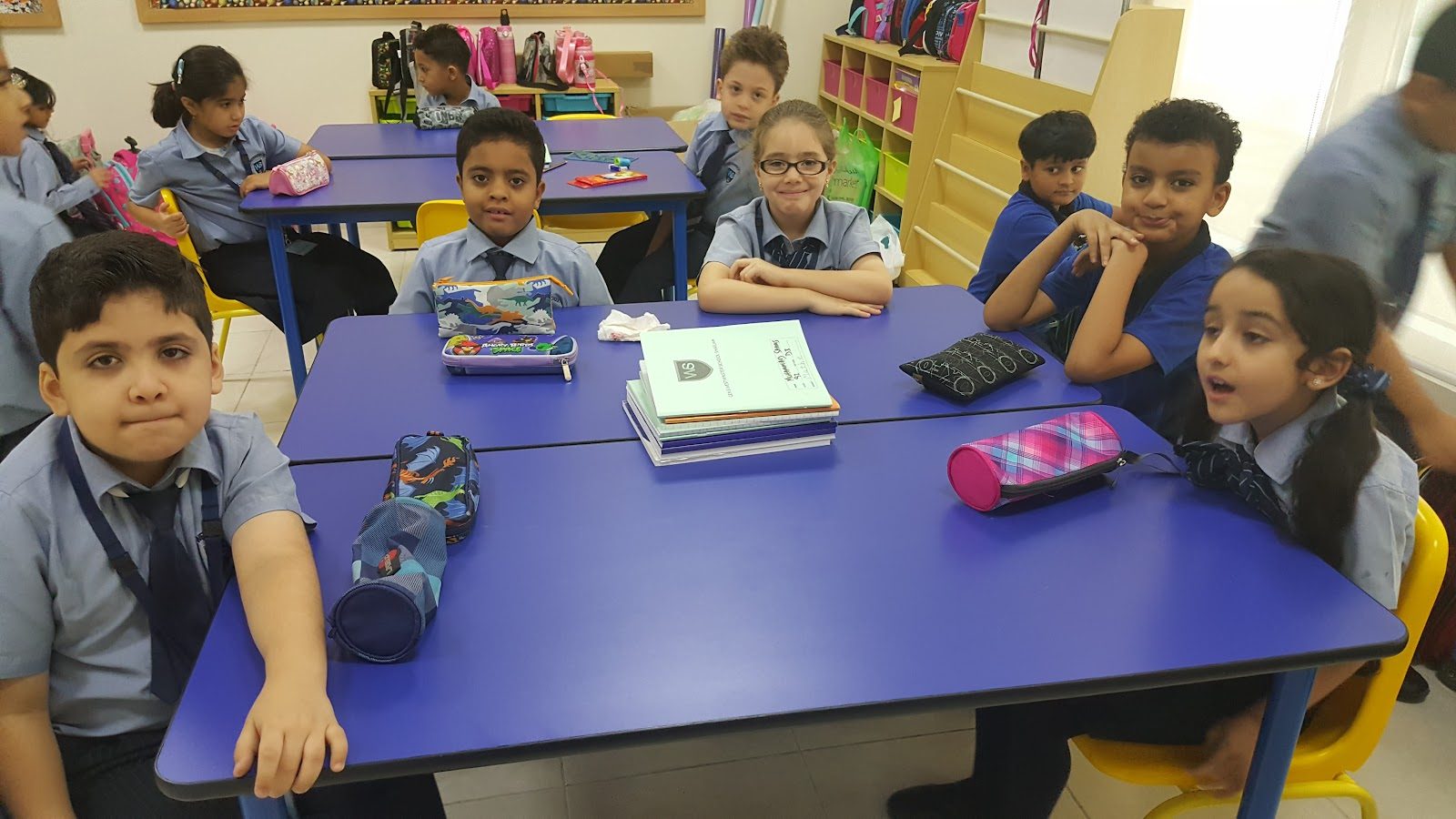
GEMS Westminster School - Sharjah
Sharjah · United Arab Emirates
A flexible two- or three-year IGCSE pathway in Muwaileh gives Sharjah families room to pace their children's British education.
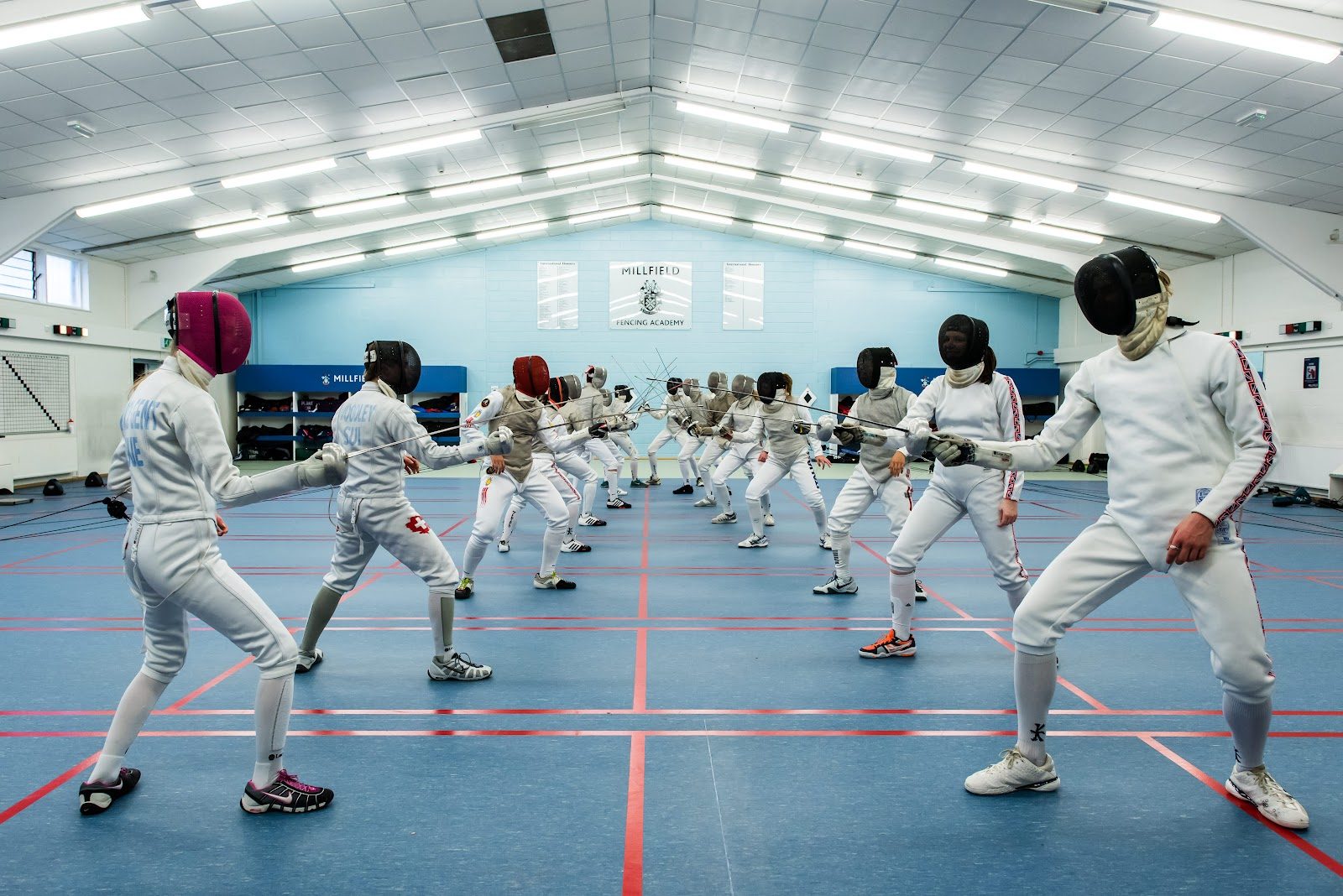
Millfield School
Street · United Kingdom
Sixty-plus sports and an Olympic-length pool anchor a 240-acre Somerset campus built for athletes and scholars alike.
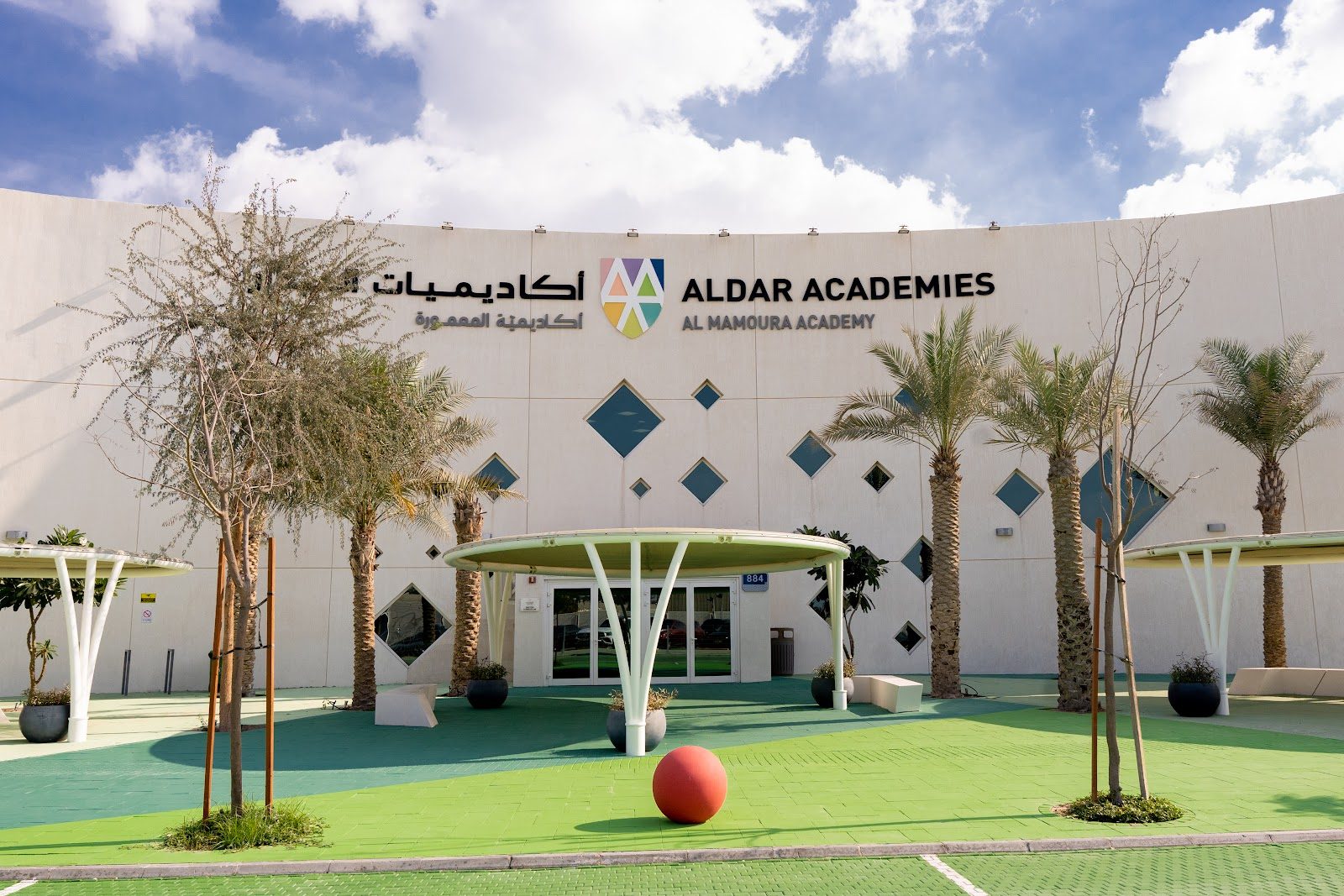
Al Mamoura Academy
Abu Dhabi · United Arab Emirates
Structured industry partnerships with the Louvre Abu Dhabi and Khalifa University run from nursery through sixth form.
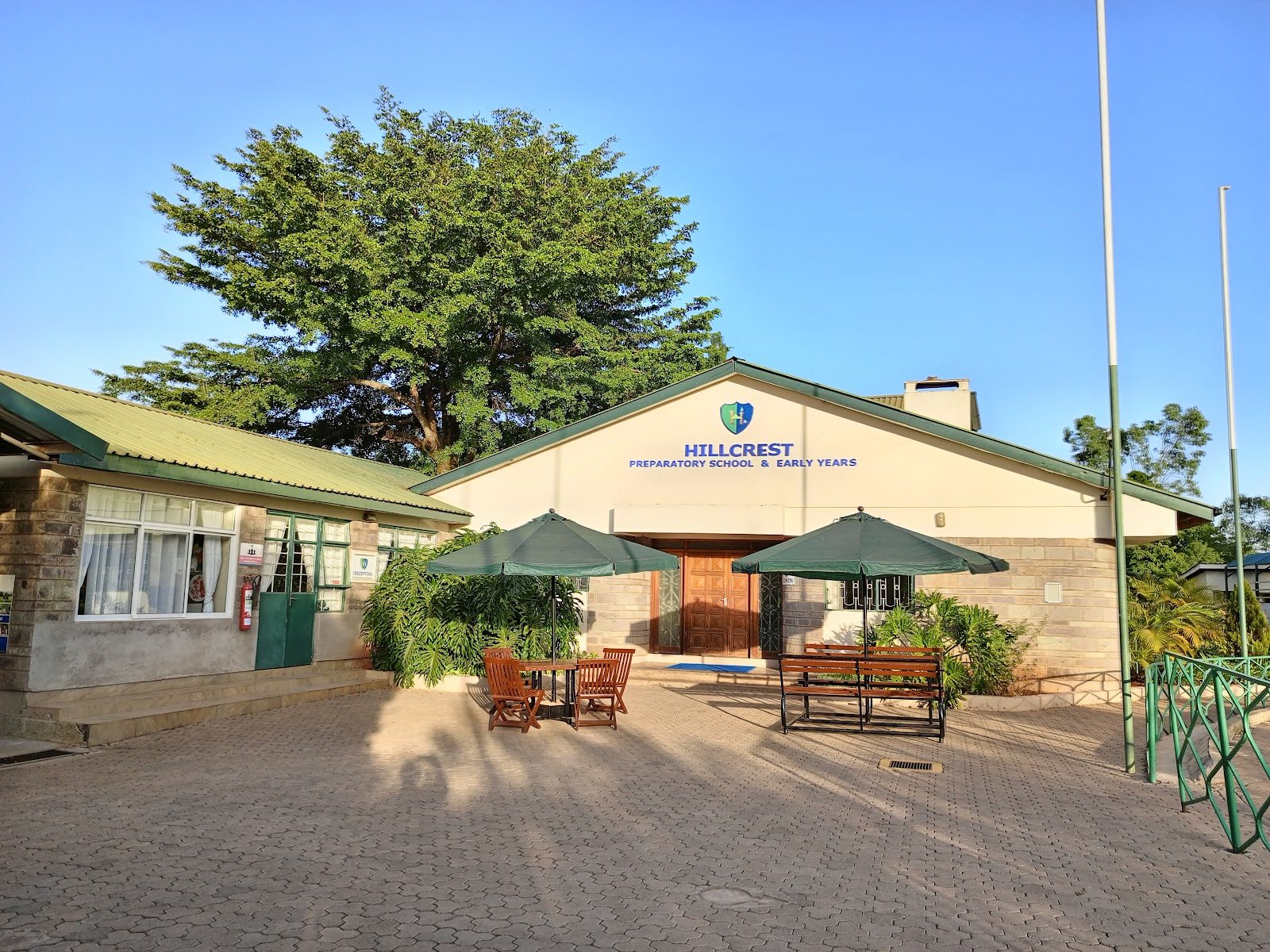
Hillcrest International School
Nairobi · Kenya
On a 35-acre Karen campus since 1965, sixth formers choose between Cambridge A-Levels and BTEC vocational pathways.
Same country and curriculum — closest matches within ±10 points either way