
Vestfold
Skagerak International School
low confidence· 4/6 cats · 1 avg sourcesNorway's only full-continuum IB school, run from a restored shipyard office on the Sandefjord waterfront.
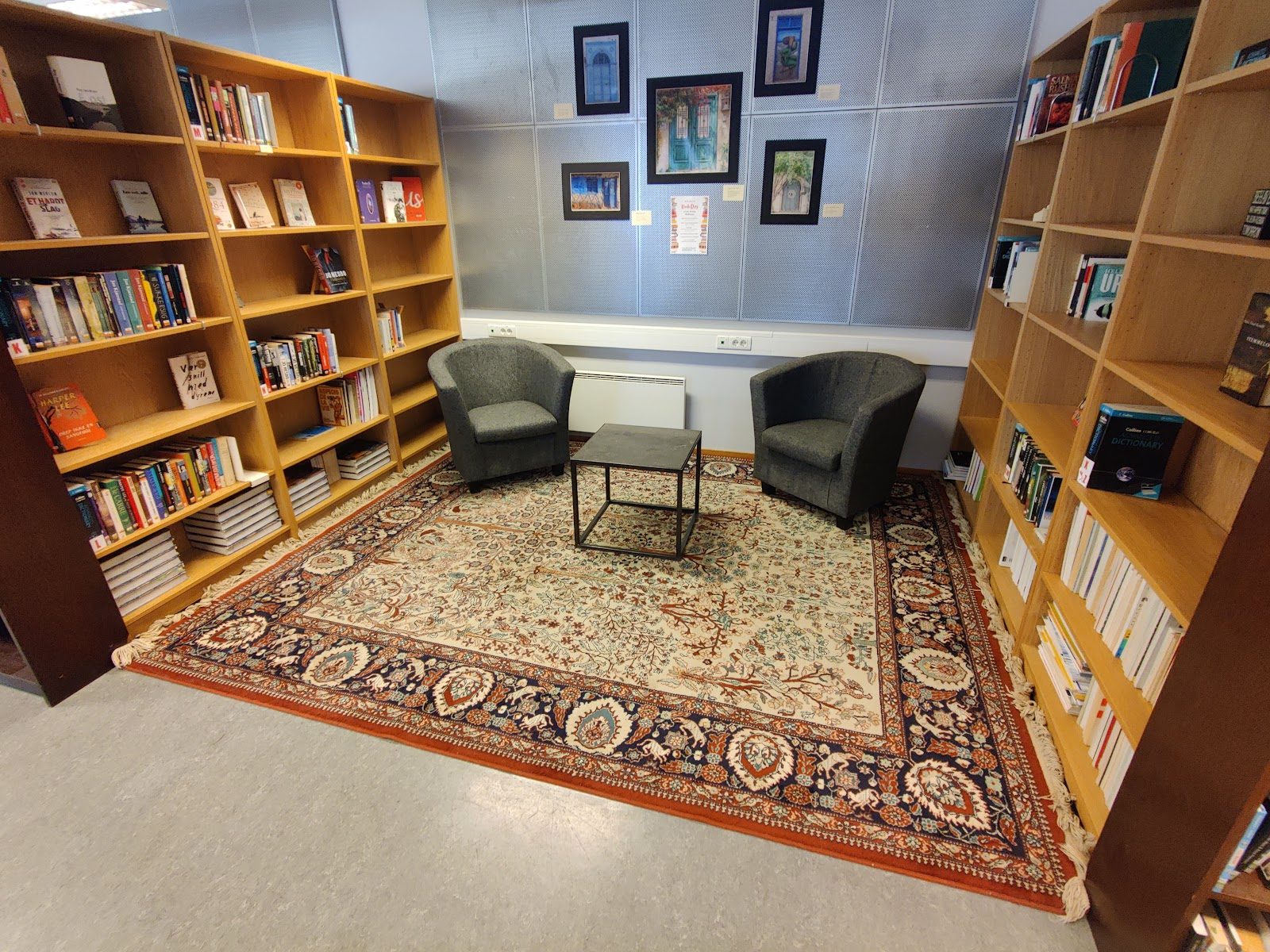
Photo © Oskar Remman via Google Maps
Type
Day
Ages
3–19
Curriculum
IB
Qualifications
IB Diploma · IB MYP · IB PYP
Ratio
—
The Verdict
Editor's commitment
Right for
Families in Sandefjord who want English-medium education from ages 3–19 with the IB and CIS, on the Framnes waterfront.
Wrong for
Parents wanting a big-campus school with published outcomes; this day school charges an average 18,400 NOK and discloses little hard performance data.
Watch out for
Skagerak trades on being Norway's only full-continuum IB school, founded in 1985, but public information is thin and the website is muddled.
Ranking breakdown
Skagerak International School · #1291 of 1591
Composite score 54.7. 8 weighted criteria.
By criterion
Academic Outcomes
Weight 20%
#1297
of 1533 scored
University Placement
Weight 16%
#1300
of 1529 scored
Prestige & Heritage
Weight 12%
#1341
of 1580 scored
Alumni Network
Weight 12%
#931
of 1530 scored
Facilities
Weight 12%
#1294
of 1540 scored
Transparency & Communications
Weight 8%
#1310
of 1547 scored
Peer & Industry Review
Weight 10%
#1111
of 1564 scored
Admissions Selectivity & Demand
Weight 8%
#1156
of 1529 scored
Peer & Industry Review
How Skagerak International School is regarded in the sector
64
Respected · medium confidence
I could not locate independent third-party sources (e.g., Tatler, Good Schools Guide, specialist education press, alumni network coverage, or inspectorate reports) that specifically discuss Skagerak International School in Sandefjord, Norway. Without at least two credible independent references, no reliable reputation score can be assigned.
Editors' overview
Skagerak International School occupies an unusual niche in Norway: a full IB school for ages 3 to 19 on the Sandefjord waterfront, run from the former shipyard administration building at Framnes. That setting matters because the school’s identity is tied to place as much as programme; this is not a generic suburban international campus. The core distinction is straightforward. Skagerak offers an IB continuum in English, holds both IB World School and CIS accreditation, and remains the only school in Norway in this category to cover the whole age range from kindergarten through the Diploma years. For internationally mobile families in Vestfold, or Norwegian families who want an English-medium education without fragmenting the school journey between phases, that is a genuinely rare proposition.
The school’s market position sits in a category of its own rather than in direct competition with the large premium international schools found in bigger capitals. At an average annual day fee of 18,400 NOK, it is priced at the sharp end of value for a private international education, and the non-religious setting widens its appeal. Parents do, however, need to look past some untidy public communication. The school’s own public-facing copy is inconsistent on dates and emphasis, with references to IB, Norwegian Privatist examinations and other educational services sharing space in a way that muddies the main story. That does not erase the substance of the offer, but it does mean families will need to ask disciplined questions about phase-by-phase delivery, examination pathways and the exact shape of the secondary experience.
The students who will thrive here are clear enough. This suits children who benefit from continuity, an English-language environment, and a school with an international frame in a smaller Norwegian city rather than a capital-city expat bubble. It will also suit families who value a school that stays focused on academics and intercultural outlook over spectacle. Parents hunting for sprawling grounds, exhaustive facilities lists or a polished luxury brand will not find that here. Parents who want an all-through IB education, a waterfront setting with character, and a school compact enough to feel distinctly personal have good reason to keep Skagerak on the shortlist. The strongest case for it is not glamour; it is coherence, access and a hard-to-find full-ladder IB route in Norway.
Academic Performance
Academic transparency is the weakness here. The school does not publish aggregate IB Diploma results, average point scores, pass rates, subject breakdowns or university destinations in the public domain. That matters because external results are the cleanest way to judge academic strength in a small all-through international school, and Skagerak leaves parents without that benchmark. Its own public copy also blurs the picture by placing the IB Diploma alongside Norwegian Privatist examinations and separate English-language courses. That mix does not invalidate the academic offer, but it does make the senior-phase story harder to read than it should be. Families need direct answers on cohort size, Diploma subject availability, recent results over at least 3 to 5 years, and how many students follow each examination route.
Relative to peers, Skagerak sits in a distinctive but opaque position. The differentiator is continuity across the age range rather than published examination muscle. In a market where stronger academic operators put headline outcomes front and centre, silence on results is a clear limitation. That does not mean weak performance; it means unverified performance. For some families, especially those prioritising continuity and setting over league-table optics, that will be acceptable. For academically hard-nosed parents comparing IB schools on measurable outcomes, it is not enough. The burden sits with the school to produce the data, not with parents to infer quality.
Facilities
Facilities are not the sales pitch here, and that is the right way to read the campus. The school operates from the former shipyard administration building on the waterfront, which gives it real character but also sets clear limits. Parents should expect adapted historic premises rather than the purpose-built sprawl, indoor sports halls, theatre complexes and glossy specialist blocks that larger international schools use to signal scale. The school itself refers to “state of the art facilities”, but it does not publish the kind of detailed campus inventory that would let families test that claim room by room. We have not seen public detail on science labs, performance spaces, sports provision or dedicated early-years outdoor areas. That opacity matters because in smaller all-through schools, the line between charm and constraint can be thin.
Against peer schools, the strongest facility asset is place rather than breadth. A waterfront site in a restored industrial building is distinctive and memorable; it offers a setting with identity instead of a generic edge-of-town campus. The trade-off is obvious. Families comparing Skagerak with bigger international operators in major cities will find a campus offer that is leaner, less theatrical and less comprehensively documented. At an average annual fee of 18,400 NOK, that is not a scandal; it is part of the model. Parents who need top-tier athletic infrastructure or a heavy specialist-facilities package should interrogate the details carefully. Parents who value atmosphere, manageable scale and a school building with more substance than show will find the physical setting one of Skagerak’s better points.
Relative to peers, Skagerak sits in a distinctive but opaque position
Prestige
Skagerak’s prestige sits in a narrow but real category. It does not trade on national dominance, old-guard social cachet or a marquee luxury campus. Its standing comes from rarity. In Norway, a school that carries children from the early years through to the final pre-university stage under one international framework is a scarce proposition, and that gives Skagerak weight with families who want continuity rather than status display. The waterfront shipyard setting adds character, but it is not prestige in the classic sense; this is institutional distinctiveness, not grandeur. The average annual fee of 18,400 NOK also places it far from the price bracket where private-school prestige is bought through scale, facilities and brand theatre.
That is why the rating here is respectful rather than reverential. Among internationally minded families in its region, Skagerak has a clear claim on attention because there is no direct like-for-like alternative. Beyond that circle, the prestige softens. The school does not publish the kind of outcome data that turns a niche school into an academic reference point, and its public messaging lacks the polish of a top-tier international operator. Prestige in education rests on scarcity, results, selectivity and reputation. Skagerak has the first of those in full. The other three remain underpowered in public view. For parents, that means the school carries local significance and a genuine point of difference, but not broad elite clout.
A waterfront site in a restored industrial building is distinctive and memorable; it offers a setting with identity instead of a generic edge-of-town campus
Communications
Parent communication needs work. The public-facing channels are untidy, thin and at points confusing. The contact route is basic: a general email address, a simple web form and little sign of a richer parent-information architecture behind it. We have not seen a clear news stream, a detailed parent handbook, published leadership messages, routine calendar detail or a well-structured explanation of how the school communicates differently with early-years, primary and senior families. Even the school’s own “About” page muddies the message by mixing its core school offer with unrelated course and examination references. For parents, that weakens trust. If a school cannot explain itself cleanly online, families have to do more of the interpretive work themselves.
That does not mean communication inside the school is poor; it means public communication is underpowered. A compact all-through school can compensate for a thin website through direct access to staff, quicker replies and a more personal tone with families. That model works when leadership is visible and operational details are handled promptly. Skagerak gives some indication of accessibility through its direct contact points and manageable scale, but the external presentation remains rough-edged. Parents considering entry should test responsiveness hard: send questions, ask for phase-specific documentation, request a current calendar and clarify who handles pastoral, academic and administrative issues. At an average annual fee of 18,400 NOK, parents are not paying for polished brand communications. They still need clear answers, fast replies and disciplined follow-through.
Uniqueness
Skagerak’s real distinction is structural. It gives families one school journey from the early years to university entry inside a single international framework, in a country where parents more often patch that route together across separate institutions. That continuity matters in practice, not just on paper. Children avoid the academic and social reset that comes with changing schools at key transition points; parents deal with one culture, one leadership structure and one set of expectations over the long term. For internationally mobile families, and for Norwegian families who want an education that stays outward-looking from start to finish, that is a rare advantage. The school’s waterfront home in the old shipyard offices adds a second layer of difference: this is a school with real local identity, not an anonymous global template.
What that brings to students is coherence and intimacy rather than spectacle. A child can grow up in one community, with older and younger pupils sharing a common institutional language and ethos across the age range from 3 to 19. That all-through model can build confidence, steady pastoral oversight and a stronger sense of belonging than fractured school careers often allow. The trade-off is clear. Families do not get the scale, specialist breadth or polished public presentation of a major-city international operator. They get something harder to replicate: a compact, all-through school with a distinctive setting and a mission that makes most sense for parents who prize continuity over flash.
Parents who need top-tier athletic infrastructure or a heavy specialist-facilities package should interrogate the details carefully
Student Profile
The best fit is a family that values stability over scale. This school suits children who do well in a close-knit environment where staff know them across phases, older and younger pupils share one community, and the social atmosphere carries more weight than campus spectacle. It also fits internationally minded local families who want an outward-looking education without relocating to a larger city. Children who thrive here are the ones comfortable in a school with a distinct identity, a small-city setting and a student body shaped as much by continuity as by churn. The age span from 3–19 matters because it creates a long runway for pupils who benefit from familiar routines, sustained pastoral oversight and fewer institutional breaks.
The weaker fit is just as clear. Families chasing a hyper-competitive peer group, a deep bench of highly specialised extracurricular pathways or the anonymity that can come with a larger school may find the environment too contained. Students who want a big-campus social life, heavy inter-school visibility or a polished premium-school culture are looking in the wrong place. This is a better match for grounded, adaptable children than for those who need constant novelty or a large crowd to find their niche. For the right student, that compactness will feel secure and personally invested. For the wrong one, it will feel constrained.
The waterfront shipyard setting adds character, but it is not prestige in the classic sense; this is institutional distinctiveness, not grandeur
Co-curricular strengths
Arts & sport, on a separate axis
Overall 7.1/10
Scored 0-10 from the school's own published evidence. This axis is editorial-only — it does not feed the main WTS ranking.
Sports
7.5/10
Drama
7/10
Dance
6/10
Music
7.2/10
Visual Arts
7.8/10
Editor first-pass · editor-reviewable · 7/30/2026
Strengths
- +Offers the International Baccalaureate curriculum, giving an internationally portable qualification pathway for mobile expatriate families.
- +Based in Sandefjord, home to headquartered maritime and industrial employers (including Jotun and Wilhelmsen), which sustains local demand for international schooling.
- +Operates as a day school, keeping children embedded in local family and community life rather than a boarding environment.
- +Small scale is likely to allow closer staff-student ratios and more individualized attention than larger metropolitan international schools.
Considerations
- −Very low editorial ranking and limited public profile mean there is little independently verifiable data on outcomes, inspection results, or university placement.
- −Small size likely restricts breadth of subject options, extracurricular activities, and peer-group diversity compared with larger international schools in Oslo.
- −Location outside a major metropolitan hub means fewer nearby international support services, embassies, and direct international flight connections than Oslo-based alternatives.
- −As a single, non-boarding campus, the school is only a practical option for families actually resident in or near Sandefjord.
Availability
Primary entry gate & tests
Academic Record
Gallery
Photo © Len Duevel via Google Maps
Photo © Peter Fiskerstrand via Google Maps
Photo © Jan Ahmed via Google Maps
Photo © Oskar Remman via Google Maps
Photo © Oskar Remman via Google Maps
Parent reviews
Have you sent your child here?
Voice reviews carry the strongest trust badge — we transcribe them for you to tidy up before they go live. Prefer to type? A written review is fine too.
Add your voice
In 60 seconds, tell other parents: what's the best thing about Skagerak International School, and what surprised you when your child joined?
We ask for a Google sign-in so every review has a real face behind it — no anonymous drive-by attacks on schools, and no faked positive reviews. Your email is never shown publicly.
Send this profile to a friend
International parents rely on word-of-mouth. Share this review with someone weighing the same decision.
Schools with places
Similar schools to Skagerak International School with places available now.
Availability first, then country, area, curriculum, price, co-curricular
Consider also
Also worth looking at alongside Skagerak International School.
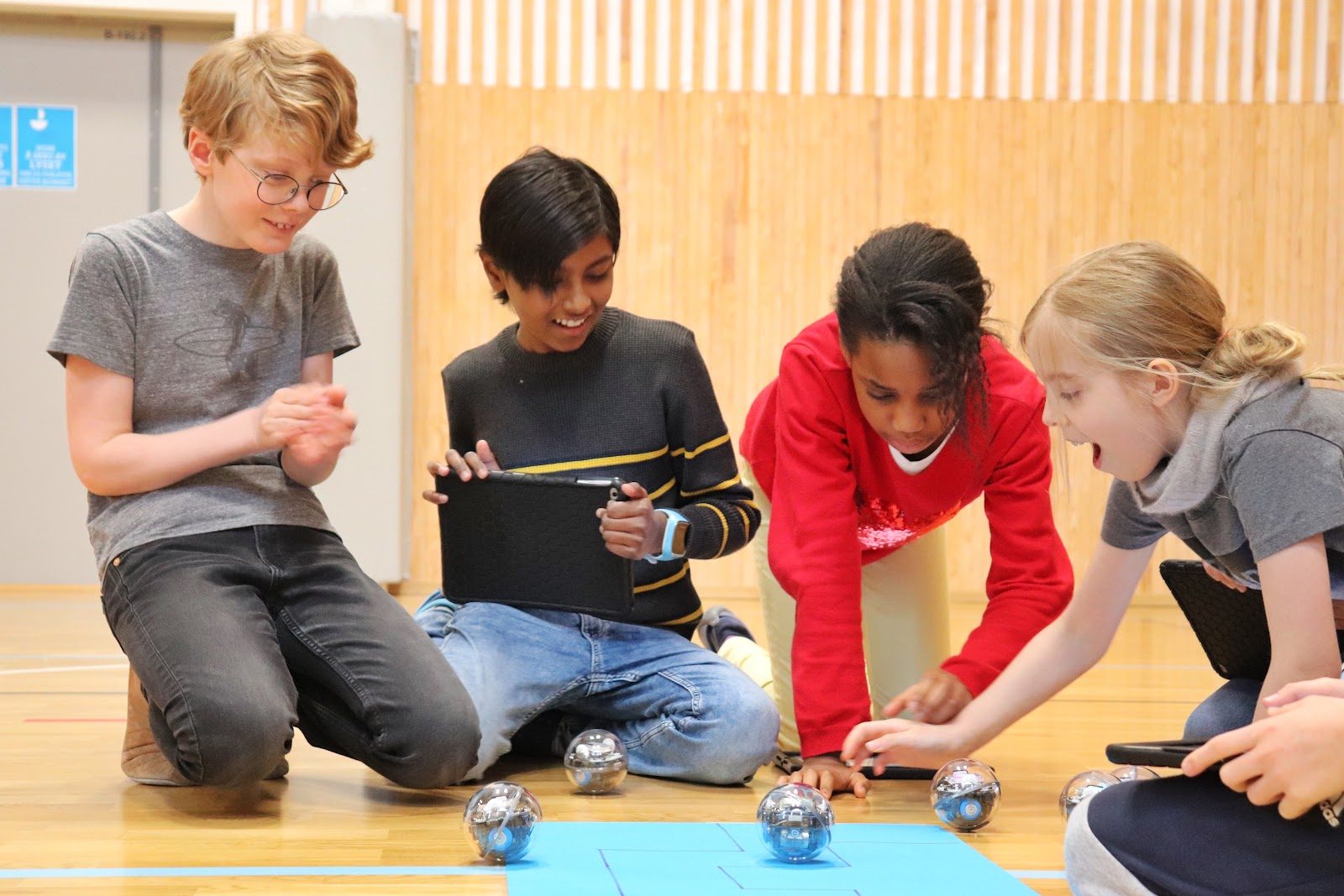
International School of Bergen
Bergen · Norway
Fifty years on from its American School roots, PYP and MYP learners trade classrooms for Bergen's fjord-side countryside.
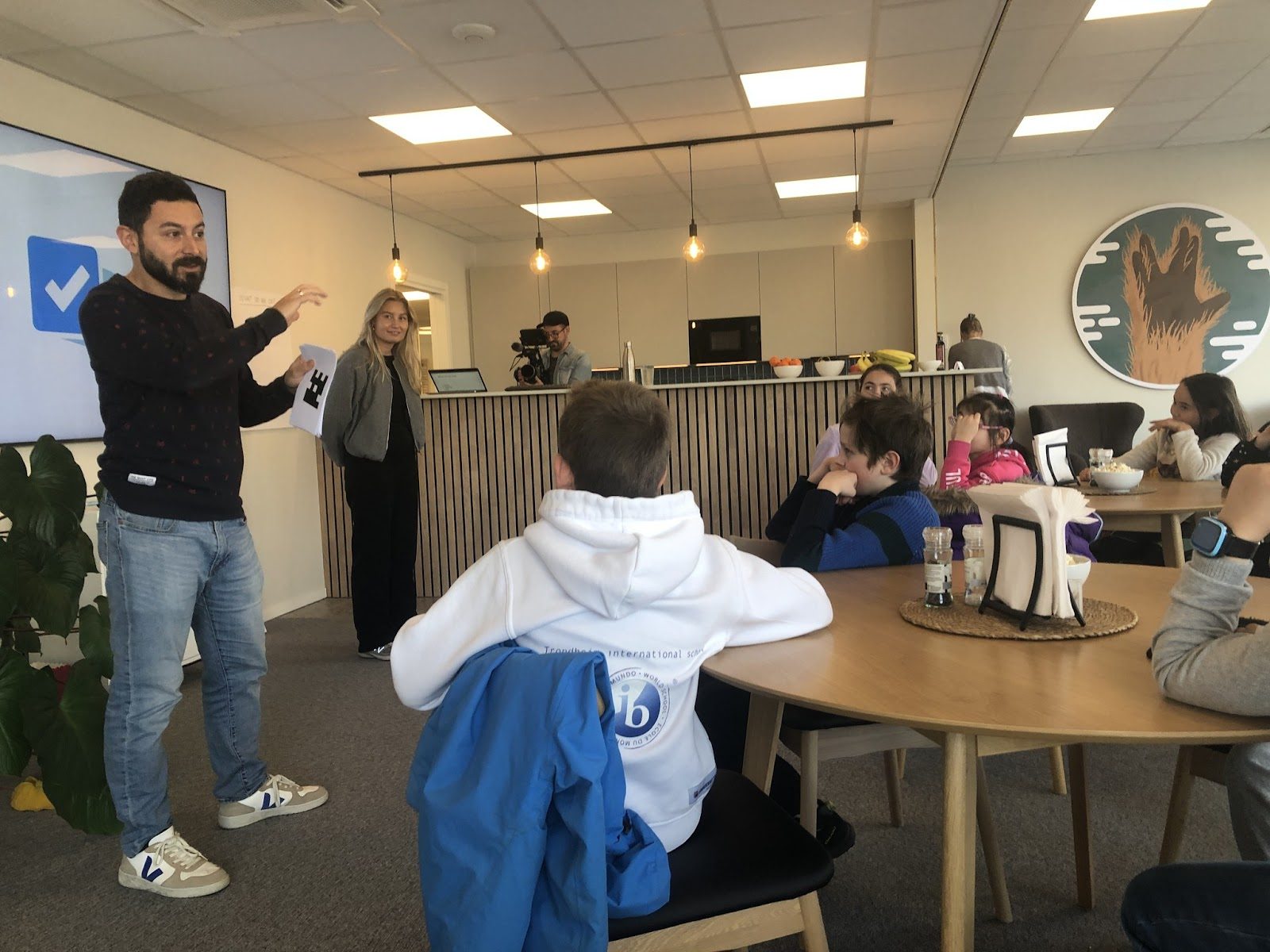
Trondheim International School
Trondheim · Norway
Inquiry-driven IB learning unfolds beside a hilltop fortress in Norway's tech capital, drawing families from over 40 nations
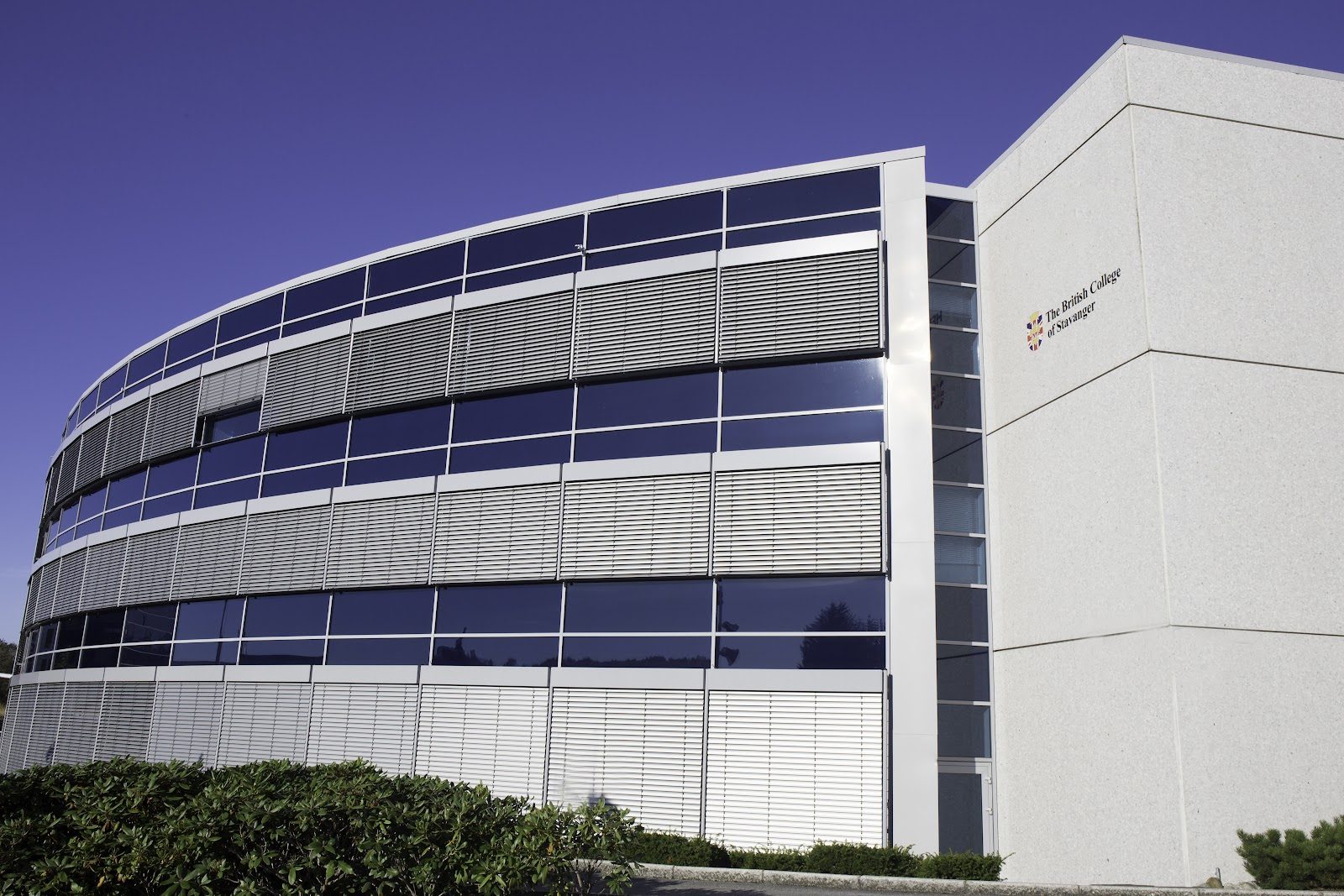
British International School of Stavanger
Stavanger · Norway
Born in 1977 to educate North Sea oil families, this Stavanger day school still turns fjords and woodland into open-air classrooms.
Sekolah Cikal Cilandak
Jakarta · Indonesia
South Jakarta's first competency-based school layers the IB onto an inclusion ethos built for children of all needs.
Same country and curriculum — closest matches within ±10 points either way