
Pennsylvania
The Episcopal Academy
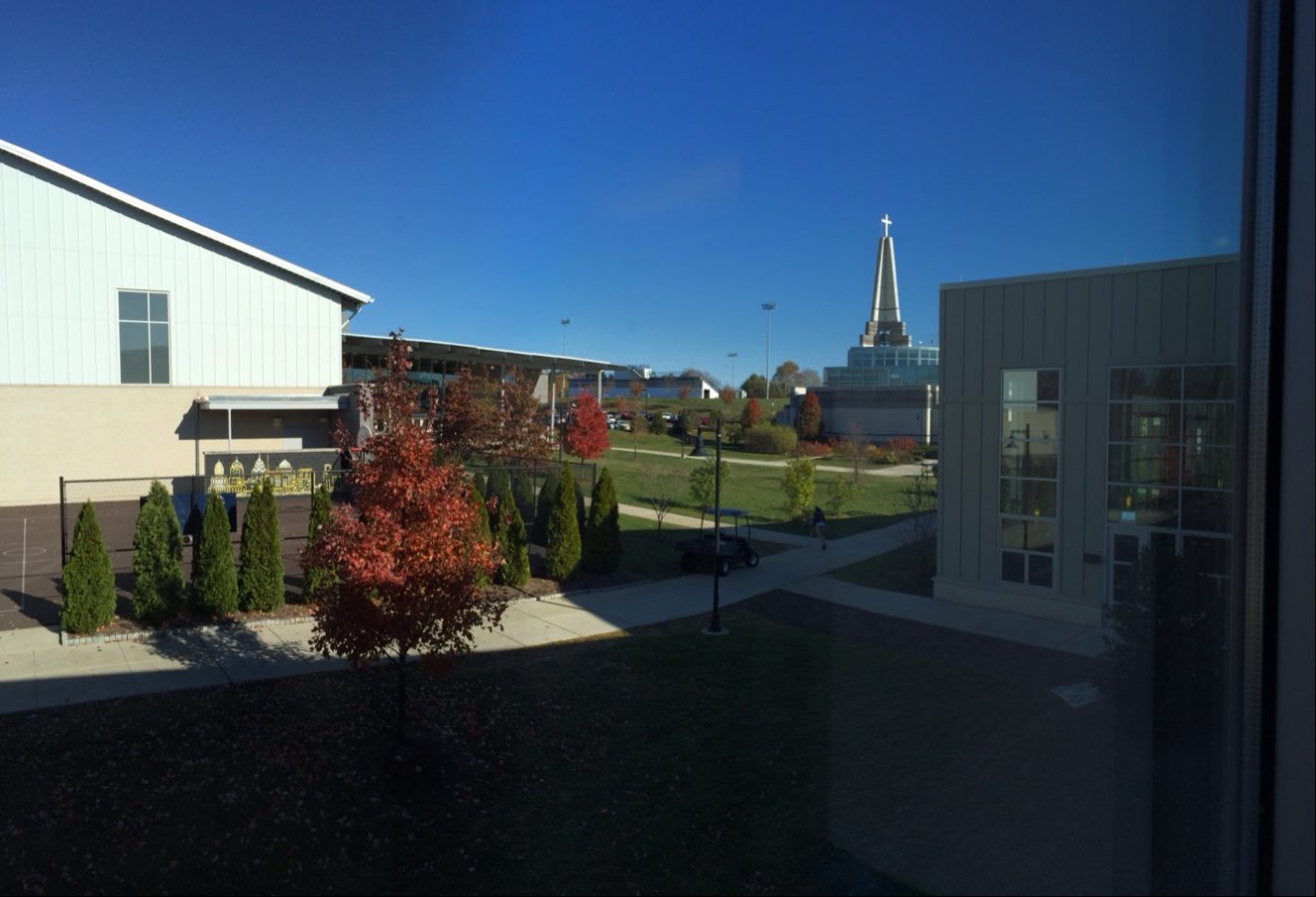
low confidence· 2/6 cats · 2.67 avg sourcesFounded four years before the Constitution, this Main Line day school pairs colonial pedigree with a 123-acre campus built for elite athletics.
Type
Day
Ages
4–18
Curriculum
American
Qualifications
AP
Ratio
1:8
The Verdict
Editor's commitment
Right for
Families wanting a 3–18 Episcopal day school with 1,300 pupils, a 1:8 ratio and a 123-acre campus geared to sport.
Wrong for
Parents after boarding, a non-religious ethos or a small-school feel: this is a 1,300-pupil American school rooted in the Episcopal Church.
Watch out for
Founded in 1785 and polished by money, EA sells pedigree and dominant athletics; families must decide if that culture suits their child.
Ranking breakdown
The Episcopal Academy · #614 of 1591
Composite score 67.4. 8 weighted criteria.
By criterion
Academic Outcomes
Weight 20%
#293
of 1529 scored
University Placement
Weight 16%
#263
of 1529 scored
Prestige & Heritage
Weight 12%
#206
of 1571 scored
Alumni Network
Weight 12%
#1327
of 1530 scored
Facilities
Weight 12%
#188
of 1534 scored
Transparency & Communications
Weight 8%
#254
of 1532 scored
Peer & Industry Review
Weight 10%
#283
of 1548 scored
Admissions Selectivity & Demand
Weight 8%
#334
of 1529 scored
Peer & Industry Review
How The Episcopal Academy is regarded in the sector
75
Strong · medium confidence
Within the Philadelphia independent-school landscape, Episcopal is treated as a core member of the Inter-Ac tier alongside The Haverford School, Penn Charter, Germantown Academy and Malvern Prep, with athletic rivalry serving as the main public barometer of standing among these institutions. University admissions offices in the mid-Atlantic region know it as a reliable, if not exceptional, feeder of well-prepared applicants, comparable to other strong Main Line day schools rather than to national boarding powerhouses. Coverage in independent-education circles is largely local rather than international: the Philadelphia Inquirer and regional education press track its campus, leadership and athletics more than national outlets or UK-oriented guides such as the Good Schools Guide, which rarely profile it. It does not feature prominently in national league tables or in the conference circuits that anchor elite boarding-school reputations, reflecting its identity as a strong regional day school rather than a globally benchmarked institution.
- John Wanamaker — Department Store Founder, Retail Business
- Sean Landeta — NFL Punter, Sports
- Reece Whitley — Competitive Swimmer, Sports
Editors' overview
The Episcopal Academy occupies a clear niche at the top end of the Philadelphia market: an old, moneyed Main Line day school with serious scale, serious resources and an unapologetic commitment to competition. Founded in 1785, four years before the US Constitution, it trades on real institutional history rather than borrowed heritage. The move to Newtown Square gave it a 123-acre campus that few peer day schools can match, and the school uses that space hard: athletics, arts and co-curricular life are not decorative extras here. This is a school of colonial pedigree, athletic muscle and institutional self-confidence.
What puts it on a shortlist is not novelty but execution. EA serves about 1,300 pupils from Pre-K to Grade 12, with a published student-teacher ratio of 1:8, and that combination matters: it is large enough to offer breadth, yet structured enough to keep individual students in view. The American curriculum sits inside a distinctly values-led Episcopal frame, with the school’s ten core values, “The Stripes”, placed at the centre of community life. Parents who want a soft, progressive, anti-hierarchical culture should look elsewhere. EA sells challenge, leadership, service and school spirit, and it does so with old-school seriousness. The public language around “top universities”, “dominant athletics” and “bold leaders” tells you exactly what game this school is playing.
The special quality here is the blend of historic prestige with a modern, heavily resourced day-school experience. Plenty of old schools have charm and tradition; fewer have the physical plant and organisational scale to convert that legacy into daily opportunity for children aged 3 to 18. EA has both. It also has the advantages of being a day school rather than a boarding school: intense campus life without the full social enclosure that boarding creates. For families in or relocating to the Main Line, that is a compelling proposition.
The student who will thrive here is ambitious, energetic and comfortable in a high-performance environment. Athletes will find a school that takes sport seriously. Pupils who like structure, clear expectations and competitive polish will fit better than children who need a looser, more experimental atmosphere. This is not a refuge for the hesitant. It is a school for students who want visible opportunity, a strong peer culture and the kind of institutional platform that can carry them a long way.
Academic Performance
The school talks confidently about preparation for “top universities”, but confidence is not the same as published outcomes. We have not seen aggregate SAT or ACT profiles, AP score distributions, National Merit figures, Ivy or equivalent matriculation breakdowns, or any other hard external attainment data that would let parents place Episcopal cleanly against Philadelphia’s strongest independents. That matters. In the US private-school market, selective colleges are an incomplete proxy for academic strength; without exam data or a serious university-destination table, academic performance remains more opaque than it should be for a school of this stature and fee level. The scale of the school and its institutional self-belief raise expectations. The public evidence does not meet them.
That does not put Episcopal in weak company; it puts it in a familiar American independent-school pattern, where schools prefer broad college-placement messaging to hard-score disclosure. Relative to direct peers, this reads as a school that trades on reputation, counselling strength and brand rather than published external metrics. Parents who prize transparent academic benchmarking will find the picture frustratingly thin. Parents content with a high-status, college-focused environment will read the same silence more generously. The crucial point is simple: Episcopal sits in the academically ambitious end of its market, but the school does not publish the exam evidence needed to prove exactly how far up that ladder it belongs.
Facilities
The decisive facility here is the campus itself. For a day school, 123 acres is an exceptional advantage, and Episcopal uses it in the way wealthy American independents do when they have real space: to build a full-service student life rather than a compressed academic plant with a few playing fields attached. The school’s own emphasis on “dominant athletics”, “dazzling arts” and “unparalleled classroom and campus resources” tells you where the investment has gone. Against peer schools in the Philadelphia independent sector, that breadth matters. Many old urban or near-urban schools carry prestige but operate on tighter footprints and harder timetables. Episcopal has room for training, rehearsal, performance and informal movement across the day. That gives the place a large-scale, high-capacity feel that smaller Main Line rivals cannot match.
The trade-off is cultural as much as physical. Big, heavily programmed campuses reward organised children who want activity built into school life; they do less for families seeking intimacy, eccentricity or a quieter educational texture. We have not seen a detailed public breakdown of specialist buildings, labs, studios or theatre infrastructure, so the school does not make technical facilities easy to audit in the way some competitors do. Still, the broad picture is clear: this is a seriously resourced campus whose strongest comparative edge lies in sport, co-curricular range and sheer operating scale, not in the publication of granular facility specifications.
The public language around “top universities”, “dominant athletics” and “bold leaders” tells you exactly what game this school is playing
Prestige
Episcopal carries genuine social and institutional cachet in the Philadelphia independent-school market. Its prestige rests on three things that parents recognise quickly: deep roots, an affluent Main Line address and the kind of scale that lets a school project power beyond the classroom. This is not a niche progressive school or a modest parish school with local reach. It is a high-status old establishment with the confidence, visibility and alumni depth that signal durable standing. The school’s own language leans hard into leadership, top universities and broad accomplishment, and that tone is not accidental. It reflects a place that expects to be counted among the region’s most socially recognised schools. The roll size of about 1,300 pupils reinforces that position: large enough to build serious networks, teams, productions and institutional presence.
That prestige is strongest in *traditional markers of elite American schooling*: sport, polish, legacy and access. The school advertises “dominant athletics” and a global alumni network, which tells you where it locates status and how it wants to be read. For many families, that is attractive. For others, it will feel consciously patrician and too invested in hierarchy. Either way, the prestige is real. What stops it short of the very top echelon nationally is not a lack of confidence or resources, but weak public disclosure on academic outcomes. In plain terms: Episcopal has serious local prestige and strong regional name recognition; it does not publish enough hard performance data to claim equivalent academic prestige on a national evidential basis.
The school talks confidently about preparation for “top universities”, but confidence is not the same as published outcomes
Communications
Episcopal communicates with the confidence of a school that expects parents to buy into the programme rather than negotiate it line by line. The public-facing message is clear, polished and relentlessly on-brand: challenge, leadership, service, sport, arts and character all sit inside one coherent institutional story. That coherence counts. Parents can tell quickly what the school values, who it is for and what kind of child will flourish there. The “My EA” portal and heavy use of quick-link navigation point to a school with a formal parent-information architecture rather than an improvised one, and the prominence given to the head of school reinforces a top-down, high-control style of communication. For a community of about 1,300 pupils, that kind of structure is necessary.
What is less convincing is transparency. The school communicates identity extremely well; it communicates evidence less well. We have not seen the kind of hard public disclosure that would strengthen parental trust on academic outcomes, nor much granular explanation of how resources are distributed across departments or programmes. That leaves families with a strong sense of ethos and a weaker grasp of measurable performance. Some parents will welcome the confident institutional voice and the absence of fuss. Others will read it as carefully managed and too dependent on brand authority. In practical terms, Episcopal looks effective at broadcasting culture and maintaining community alignment; it is less strong on the forensic openness that exacting parents now expect from expensive schools.
Uniqueness
What sets Episcopal apart is not one headline feature but the way old establishment culture, large-scale infrastructure and overt institutional ambition are fused into a single day-school model. Plenty of historic schools have pedigree. Plenty of wealthy suburban schools have land and strong sport. Episcopal combines both, then pushes them through a culture that prizes leadership, service, visibility and competitive success across school life. The school’s 10 core values, “The Stripes”, matter here because they give the place a codified moral grammar rather than a vague pastoral ethos. That produces a school with clear internal rules, a strong sense of belonging and little tolerance for drift. Children do not need to guess what the institution values; it tells them directly and organises itself accordingly.
For students, that brings real advantages. Ambitious children get high-voltage opportunity in a setting big enough to sustain serious teams, productions, clubs and leadership roles without feeling makeshift. The co-educational structure also matters: this is not a legacy boys’ school merely updated for modern optics, but a fully mixed school that has had time to build a settled identity around that shift. The result is a high-performance, highly social environment where pupils can test themselves in public and build confidence through repetition, responsibility and scrutiny. The cost is equally clear. Children who dislike competition, resist institutional culture or need a looser, less programmed education will find Episcopal too structured and too polished for comfort.
The school’s own language leans hard into leadership, top universities and broad accomplishment, and that tone is not accidental
Student Profile
The best fit is a child who wants to be busy, visible and tested in public. Episcopal suits students who gain energy from teams, performances, leadership posts and the constant hum of organised school life. With around 1,300 pupils and a published staffing ratio of 1:8, it has the scale to offer range and the adult capacity to keep expectations high. That combination favours young people who can handle pace, scrutiny and competition without falling apart when standards rise. Social confidence helps. So does resilience. This is a school for children who do not mind being measured against capable peers and who can live inside a culture with clear rules, high polish and a strong pecking order.
The less natural fit is just as clear. A child who needs anonymity, dislikes organised sport, resists institutional culture or prefers a looser, more eccentric atmosphere will find the place too managed and too performative. The Episcopal framework and the school’s own emphasis on service, leadership and character also mean families need some sympathy for a values-led environment, even if they are not deeply religious. Pupils with academic ambition but no appetite for wider participation miss part of the point here. Episcopal rewards students who will use the platform fully: the athlete, the joiner, the polished all-rounder, the teenager happy to compete, contribute and be seen. It is not for the hesitant.
What stops it short of the very top echelon nationally is not a lack of confidence or resources, but weak public disclosure on academic outcomes
Co-curricular strengths
Arts & sport, on a separate axis
Overall 9.12/10
Scored 0-10 from the school's own published evidence. This axis is editorial-only — it does not feed the main WTS ranking.
Sports
9.4/10
Absolute athletic powerhouse with massive acreage in Newtown Square; fields historic, fiercely competitive Inter-Ac league football, squash, and lacrosse programs.
Drama
9/10
The spectacular arts complexes anchor an ambitious dramatic tracking program, mounting complex classical and modern plays inside a professional-tier theater.
Dance
9/10
Active afternoon performance track providing core choreography assets for major collaborative musical theater shows.
Music
9/10
Robust private vocal and instrumental infrastructure feeding active jazz big bands and full symphonies.
Visual Arts
9.2/10
Studio-intensive fine arts focus housed within custom studio environments, prioritizing landscape painting and portfolio layout.
Strengths
- +Founded in 1785 by Bishop William White in Philadelphia, it is one of the oldest continuously operating independent schools in the United States, now set on a 123-acre (0.50 km2) campus in Newtown Square.
- +Low staffing ratios support individual attention: the school reports a Student to teacher ratio: 7:1 with a faculty of 180 across roughly 1,270 pupils.
- +Academic and co-curricular breadth is unusually wide for a day school, with EA offers 47 honors courses and 24 AP courses alongside Athletics: 29 varsity teams competing in the Inter-Academic League.
- +Financial aid is genuinely substantial rather than token: approximately 24% of the student population is awarded financial aid, and on average, this award is approximately 88% of the average tuition.
- +College outcomes are strong on paper, with graduates attending 4-year colleges: 100% and the Class of 2022 National Merit: 6 Semi-Finalists; 15 Commended students.
Considerations
- −It is a day-only school located in suburban Delaware County, and the closest major city is Philadelphia, which is about 13 miles away from school, so families without a car or willing to manage a bus route face a real commute.
- −Tuition sits at the upper end of the regional private-school market, quoted at Tuition (9-12): $44,700 in one source and $46,300 in another, before fees and extras.
- −The school retains a formal Episcopal Church identity and chapel program; the school's Episcopalian heritage, with its respect for all faiths, provides the foundation upon which the community is built, which strictly secular families should weigh.
- −It is not built around an international student body -- one estimate puts the school at about 1300 students, 0.30% of whom are international students -- so relocating expat families will be a small minority rather than a served constituency.
Availability
Primary entry gate & tests
ISEE/SSAT + Interview
Gallery
Photo © Felix Jacomino via Google Maps
Photo © Felix Jacomino via Google Maps
Parent reviews
Have you sent your child here?
Voice reviews carry the strongest trust badge — we transcribe them for you to tidy up before they go live. Prefer to type? A written review is fine too.
Add your voice
In 60 seconds, tell other parents: what's the best thing about The Episcopal Academy, and what surprised you when your child joined?
We ask for a Google sign-in so every review has a real face behind it — no anonymous drive-by attacks on schools, and no faked positive reviews. Your email is never shown publicly.
Send this profile to a friend
International parents rely on word-of-mouth. Share this review with someone weighing the same decision.
Schools with places
Similar schools to The Episcopal Academy with places available now.
The Haverford School
Haverford · United States
- 2026-27
- CLOSEDRegular cycle closed
- 2027-28
- OPENS SOONOpens Sept '26
The Hill School
Pottstown · United States
- 2026-27
- CLOSEDRegular cycle closed
- 2027-28
- OPENS SOONOpens Sept '26
The Baldwin School
Bryn Mawr · United States
- 2026-27
- CLOSEDRegular cycle closed
- 2027-28
- OPENS SOONOpens 1 Sept '26
Germantown Friends School
Philadelphia · United States
- 2026-27
- CLOSEDRegular cycle closed
- 2027-28
- OPENS SOONOpens Sept '26
Availability first, then country, area, curriculum, price, co-curricular
Consider also
Also worth looking at alongside The Episcopal Academy.
Ethical Culture Fieldston School
New York City · United States
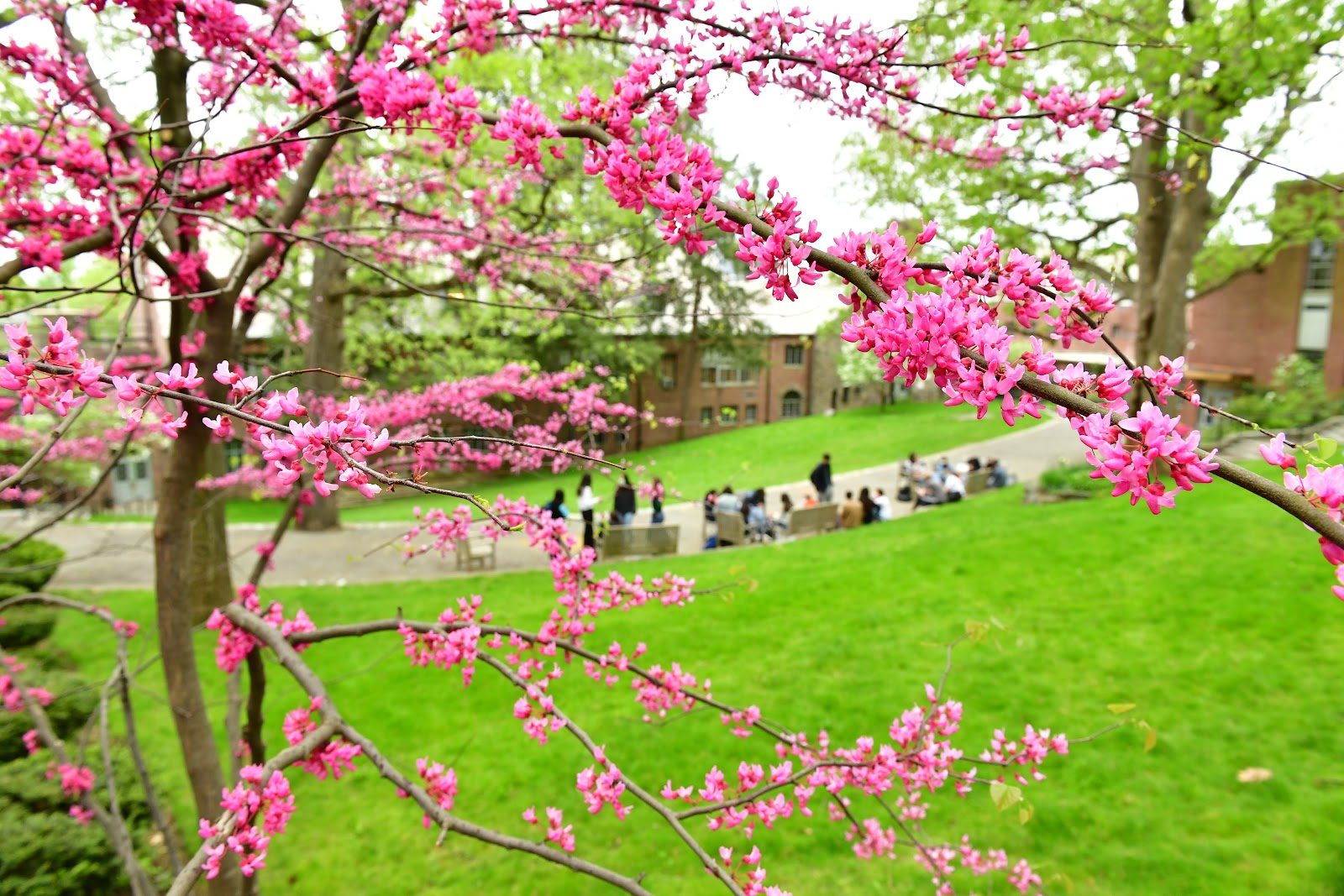
Rooted in Felix Adler's 1878 Ethical Culture movement, its wooded Riverdale hilltop campus still anchors progressive American pedagogy.
Rye Country Day School
Rye · United States
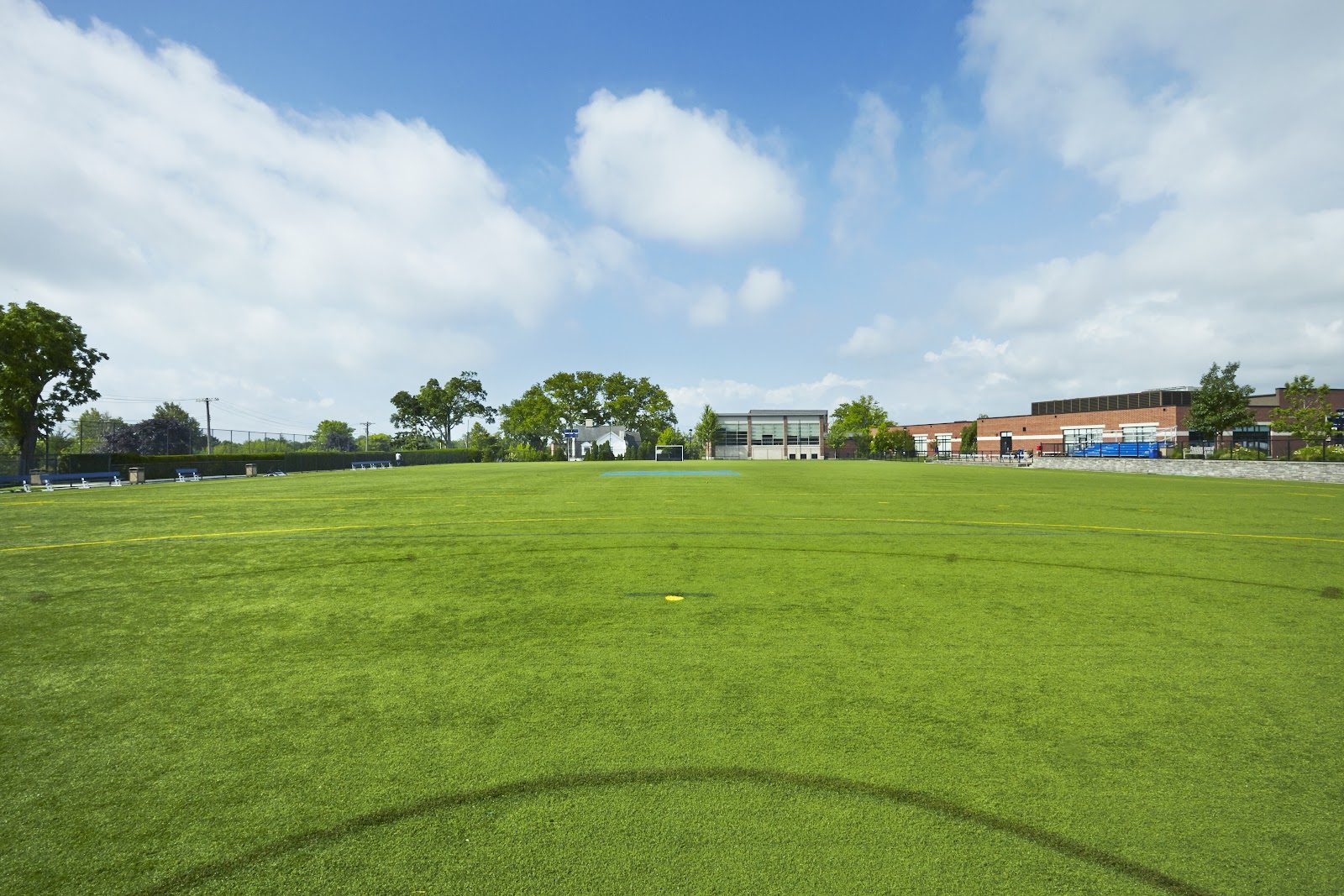
Founded in 1869 as a girls' seminary in Westchester, this campus still measures success by its motto: not for self, but for service.
The Haverford School
Haverford · United States
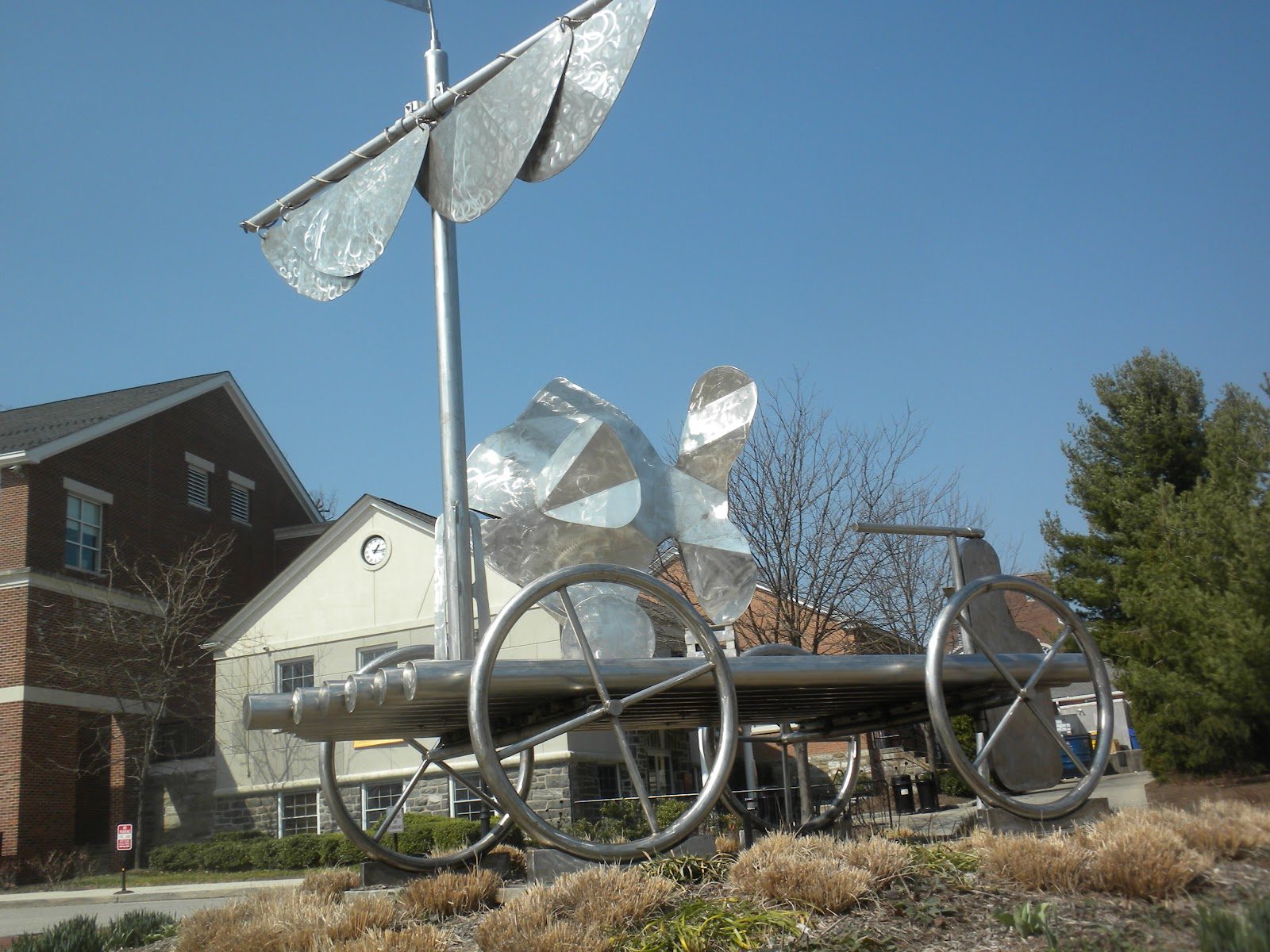
Since 1884 on Philadelphia's storied Main Line, an all-boys campus balances rigorous academics with athletics and the arts.
Belmont Hill School
Belmont · United States
A hilltop day school outside Boston, where jacket-and-tie ritual and family-style lunch anchor a century-old all-boys formation.
Same country and curriculum — closest matches within ±10 points either way