
Hong Kong
St. Paul's College
Founded in 1851 on Bonham Road, Hong Kong's oldest continuously run school still sorts Paulines into six tree-named houses.
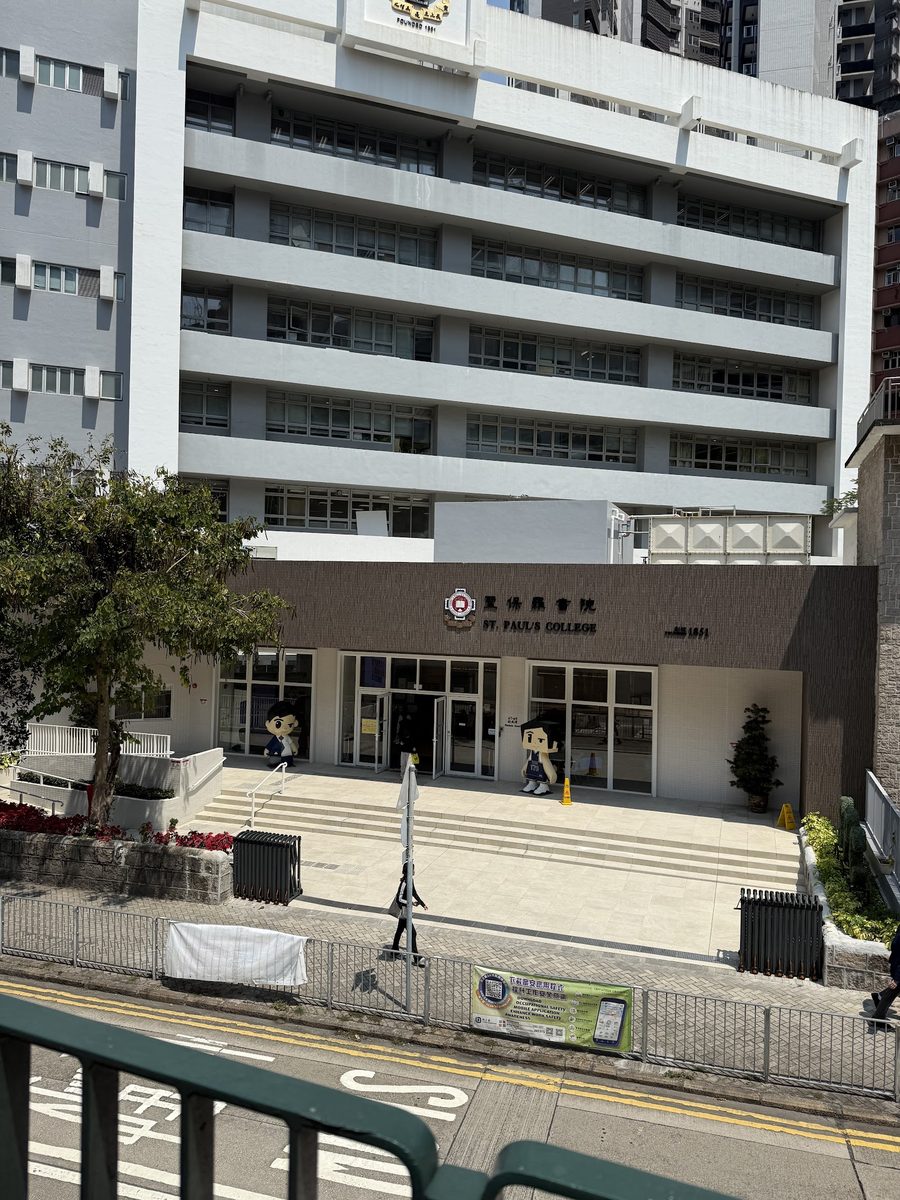
Photo © H HW via Google Maps
Type
Day
Ages
12–18
Curriculum
HKDSE
Qualifications
HKDSE
Ratio
—
The Verdict
Editor's commitment
Right for
Families wanting a day school in Hong Kong founded in 1851, teaching in English and Cantonese, with HKDSE to age 18.
Wrong for
Parents seeking boarding, IB or A-Levels; St. Paul's College is day-only, runs HKDSE, and serves ages 12–18.
Watch out for
Public facts are thin beyond Bonham Road, 1851 and HKEAA; the school does not publish the data serious parents need.
Ranking breakdown
St. Paul's College · #1020 of 1591
Composite score 60.7. 8 weighted criteria.
By criterion
Academic Outcomes
Weight 20%
#791
of 1529 scored
University Placement
Weight 16%
#911
of 1529 scored
Prestige & Heritage
Weight 12%
#206
of 1571 scored
Alumni Network
Weight 12%
#1229
of 1530 scored
Facilities
Weight 12%
#1182
of 1534 scored
Transparency & Communications
Weight 8%
#870
of 1532 scored
Peer & Industry Review
Weight 10%
#998
of 1548 scored
Admissions Selectivity & Demand
Weight 8%
#607
of 1529 scored
Peer & Industry Review
How St. Paul's College is regarded in the sector
65
Respected · medium confidence
St. Paul's College is consistently classed as a Band One, Direct Subsidy Scheme school in Hong Kong, a status that places it alongside long-established rivals such as Diocesan Boys' School, Queen's College and La Salle College in interschool academic, debating and sports competitions, where its participation is treated as a benchmark of quality by peer heads. Its HKDSE results are regularly cited in Hong Kong's public examination league tables published by the Education Bureau and covered by the South China Morning Post, reinforcing its reputation as a strong feeder to the University of Hong Kong and the Chinese University of Hong Kong, as well as to UK and North American universities via its sixth-form and IB-adjacent pathways. Education commentators in Hong Kong's DSS sector discussions frequently reference its century-plus Anglican heritage and stable admissions demand as evidence of enduring parental and institutional confidence. While it does not feature prominently in international guides like Good Schools Guide or WhichSchoolAdvisor, which focus on British and international curricula schools, within Hong Kong's own local-school press and DSS policy commentary it is treated as a heritage-tier institution comparable to the territory's most established grammar-style schools.
- Sun Yat-sen — Revolutionary leader, First President of the Republic of China
- Vincent Lo — Chairman, Shui On Group, Business
- Gordon Wu — Chairman, Hopewell Holdings, Business
Editors' overview
St. Paul’s College sits in a rare category in Hong Kong: a historic boys’ day school with real civic weight, not borrowed prestige. Founded in 1851, it is the city’s oldest continuously run school, and that matters because institutional memory shapes culture. The school’s identity is not vague. It runs the HKDSE, teaches in English and Cantonese, and keeps a house structure built around six tree-named houses. That combination gives it a clear profile: old-school discipline, ritual without gimmick, and a deeply rooted sense of place on Bonham Road.
What puts it on a parent’s shortlist is not novelty but continuity. In a market crowded with newer international and bilingual brands, St. Paul’s offers something harder to replicate: a long-settled academic culture, a recognisable local reputation, and a social fabric that has had more than 170 years to harden into tradition. Parents looking for a school that feels serious, exacting and established will find that here. The Anglican/Catholic foundation also sets a distinct tone, though this is not the school for families seeking a secular, loose, pick-and-mix model of schooling. It belongs to Hong Kong’s traditional academic mainstream, and it does not dilute that character to chase fashion.
The right student for St. Paul’s is a boy who thrives with structure, expects standards and does not need hand-holding to find his footing. He will value institutional pride, respond to competition that is channelled rather than chaotic, and want a school where belonging carries obligations as well as benefits. A child who wants maximum curricular flexibility, a progressive classroom atmosphere, or the softer edges of newer private schools will find stronger fits elsewhere. St. Paul’s suits families who want a school with earned authority, cultural ballast and a record of staying power from 12–18.
Academic Performance
St. Paul’s College has the reputation of a high-pressure academic school, but the public picture on results is less clear than parents deserve. We have not seen published whole-school HKDSE outcome data in the public domain here: no aggregate score profile, no subject-by-subject breakdown, no university destination matrix that would let a reader place the school precisely against Hong Kong’s strongest direct-grant and aided competitors. That opacity matters. In a market where top schools trade on examination performance, the absence of clean, current headline data leaves families relying on reputation, selectivity and institutional standing rather than hard comparative evidence.
Even so, the school sits in the part of the Hong Kong landscape where expectations are unambiguously demanding. Its long-settled status, academically competitive intake and durable local prestige put it in the bracket parents read as serious business, not broad-access all-rounder schooling. That does not make it automatically top-tier on published outcomes; it means the burden of proof rests on the school to show how boys perform at the sharp end of the HKDSE and where they progress afterwards. Until those figures are disclosed, the academic verdict stays strong in reputation, thin in data. For some families that is enough. For others, it is a reason to ask harder questions before applying.
Facilities
Facilities are not where St. Paul’s makes its sharpest case. We have not seen a published, detailed campus inventory that would let parents map specialist spaces with confidence, and that matters in a city where rival schools now advertise black-box theatres, design labs, elite sports complexes and purpose-built performing arts centres in forensic detail. What can be said is narrower: this is an established urban school whose house structure runs across 6 houses, and whose physical environment serves a tradition-heavy, academically driven model rather than a glossy arms race in new-build amenities. Parents hunting for a campus that dazzles on first tour should look elsewhere. Parents content with a school where facilities support institutional culture, not the other way round, will find the proposition easier to accept.
Against Hong Kong peers, that puts St. Paul’s in a mixed position. It has the advantage of embedded identity and the practical coherence that older schools often hold better than newer campuses built around spectacle. It also faces the hard limit shared by many central-city schools: constrained space and less room for the sprawling specialist provision that richer, newer competitors can showcase. If science, sport, music or technology provision is a deciding factor, ask direct questions and insist on specifics. This is not a school that sells itself on architectural theatre or resort-style abundance. Its appeal lies in seriousness and continuity, not in facilities that outgun the market.
It makes it top-down, old-school and less parent-friendly than the best-run contemporary schools, which pair authority with detail
Prestige
St. Paul’s College carries real old-establishment prestige in Hong Kong. The source of that prestige is not branding gloss or imported cachet; it is local standing built over generations, reinforced by selectivity, continuity and the social recognition that attaches to a school long associated with the city’s professional and civic class. In practical terms, the name still opens conversations. Among employers, universities and Hong Kong families who know the school landscape, St. Paul’s reads as serious, traditional and high-status. Its house system, with 6 tree-named houses, adds to that sense of institutional inheritance: not a decorative feature, but part of a culture that signals belonging, hierarchy and durable internal identity.
I rate its prestige highly because it sits in a narrow band of schools whose reputations extend beyond exam season and admissions chatter. This is earned prestige, not inflated prestige. The caveat is important: prestige is stronger than transparency. The school’s status rests on history, social recognition and competitive reputation more than on publicly disclosed outcome data. For many families, that distinction matters less than the name itself. For others, it matters a great deal. St. Paul’s remains a formidable badge in Hong Kong education, but parents who want prestige backed by clear published performance metrics will ask sharper questions than the school currently answers.
Paul’s College sits in a rare category in Hong Kong: a historic boys’ day school with real civic weight, not borrowed prestige
Communications
St. Paul’s College communicates like an old, self-confident school: formal, functional and more interested in transmitting instructions than performing warmth. That works up to a point. Parents choosing a tradition-heavy boys’ school do not need chirpy app notifications or lifestyle-brand storytelling; they need timely calendars, clear operational notices, discipline expectations and straightforward access to the school’s priorities. The problem is that the public-facing picture does not show much depth beyond the institutional surface. We have not seen the kind of transparent parent-information architecture that stronger communicators now treat as standard: detailed pastoral explanations, clear academic reporting frameworks, or a public-facing bank of practical guidance that anticipates parental questions rather than answering them case by case. For a school with 6 houses and a dense internal culture, communication needs to decode the system, not just announce it.
My read is that communication here is competent but guarded. That suits families already fluent in Hong Kong’s traditional school culture and comfortable reading between the lines. It suits newcomers less well. In schools with strong internal identity, weak explanation can slide into institutional opacity: parents hear what the school has decided, but not always how decisions are made or how support works in practice. That does not make communication poor. It makes it top-down, old-school and less parent-friendly than the best-run contemporary schools, which pair authority with detail. Ask direct questions about reporting, parent access and channels for concerns. The quality of the answers will tell you more than the website does.
Uniqueness
What sets St. Paul’s apart is not innovation but inheritance with teeth. Plenty of schools claim tradition; this one has a tradition that still organises daily life. The house system is the clearest example. Sorting boys into 6 tree-named houses gives the school a social structure that is older, more coded and more binding than the token house arrangements found elsewhere. That brings competition, loyalty and a clear internal pecking order. For students, the gain is a strong sense of belonging and a ready-made identity inside the school. The cost is just as clear: boys who dislike hierarchy, ritual or collective expectation will find the culture unyielding, status-conscious and not for the faint-hearted.
Its other distinctive trait is civic weight. St. Paul’s belongs to the small group of schools that function as part of Hong Kong’s institutional fabric, not just its education market. That gives students access to something hard to manufacture: a deep-rooted culture of duty, self-command and intergenerational loyalty. The Anglican/Catholic foundation adds moral structure without turning the place into a devotional niche. Done well, that produces boys who are highly socialised, resilient and confident in formal settings. Done badly, it can breed conformity and inherited self-importance. Parents who want a school that shapes character through pressure, ritual and expectation will recognise the appeal at once. Parents who want looseness, experimentation or a softer emotional climate will not.
Founded in 1851, it is the city’s oldest continuously run school, and that matters because institutional memory shapes culture
Student Profile
The boy who fits St. Paul’s is self-propelled, thick-skinned and comfortable inside a school culture that rewards conformity to a common standard. This is not a forgiving environment for students who need constant reassurance, broad personal latitude or a negotiated relationship with authority. It suits boys who take pride in belonging, respond to competition without drama and can absorb correction without folding. The house structure matters here: with 6 houses shaping loyalty and status, social life has definition and consequences. For the right student, that produces strong internal identity, serious peer culture and a clear sense that effort carries public weight. For the wrong one, it can feel hierarchical, exacting and socially cramped.
The strongest fit is a family that values discipline, tradition and academic ambition more than self-expression for its own sake. Boys who enjoy ceremony, team allegiance and measured formality will settle faster than those who want a looser, more exploratory atmosphere. This is also a school for students who can live with comparison. In an established boys’ school, peers watch, standards travel quickly and reputations stick. That can sharpen performance; it can also punish drift. A student who wants to test himself in a high-expectation culture will find the structure useful. A boy who needs a gentler pastoral climate, more visible emotional scaffolding or wider room to reinvent himself will find better fits elsewhere.
It runs the HKDSE, teaches in English and Cantonese, and keeps a house structure built around six tree-named houses
Co-curricular strengths
Arts & sport, on a separate axis
Overall 7.4/10
Scored 0-10 from the school's own published evidence. This axis is editorial-only — it does not feed the main WTS ranking.
Sports
8/10
Drama
7.3/10
Dance
6/10
Music
8.5/10
Visual Arts
7.2/10
Strengths
- +One of the oldest continuously operated schools in Hong Kong, founded in 1851, with a 175-year institutional history and strong alumni network.
- +Notable alumni network includes historical figures such as Wu Tingfang, Sir Sze-yuen Chung, Jasper Tsang and architect I. M. Pei.
- +Direct Subsidy Scheme status gives the school more flexibility over curriculum and admissions than a fully government-funded aided school.
- +Offers both the HKDSE and, from 2018 onwards, the International Advanced Level (IAL) curriculum alongside it, giving senior students an alternative exit qualification.
- +Reports a majority of students meeting the core JUPAS entrance benchmark, with the school stating 77.9% of students met the '3322' requirement for local university admission.
Considerations
- −Single-sex boys' school only, which will not suit families wanting co-education.
- −As a DSS school it charges tuition fees on top of any government subsidy, with published rates up to roughly HK$44,000 a year at full fee, unlike fully free government-aided schools.
- −Curriculum is predominantly HKDSE-oriented; the IAL option is a comparatively recent addition and does not offer the breadth of an established IB or A-level programme.
- −Entry is competitive and based on interview/assessment, so places are not guaranteed even for families in the local school net.
Availability
Primary entry gate & tests
Academic + Interview (Boys)
Gallery
Photo © Wallace Lau via Google Maps
Photo © Ivan Au via Google Maps
Photo © Henry Man via Google Maps
Photo © Sunny Hiker via Google Maps
Photo © Kelvin Ng via Google Maps
Photo © Galen Yau via Google Maps
Photo © E. N. via Google Maps
Parent reviews
Have you sent your child here?
Voice reviews carry the strongest trust badge — we transcribe them for you to tidy up before they go live. Prefer to type? A written review is fine too.
Add your voice
In 60 seconds, tell other parents: what's the best thing about St. Paul's College, and what surprised you when your child joined?
We ask for a Google sign-in so every review has a real face behind it — no anonymous drive-by attacks on schools, and no faked positive reviews. Your email is never shown publicly.
Send this profile to a friend
International parents rely on word-of-mouth. Share this review with someone weighing the same decision.
Schools with places
Similar schools to St. Paul's College with places available now.
Availability first, then country, area, curriculum, price, co-curricular
Consider also
Also worth looking at alongside St. Paul's College.
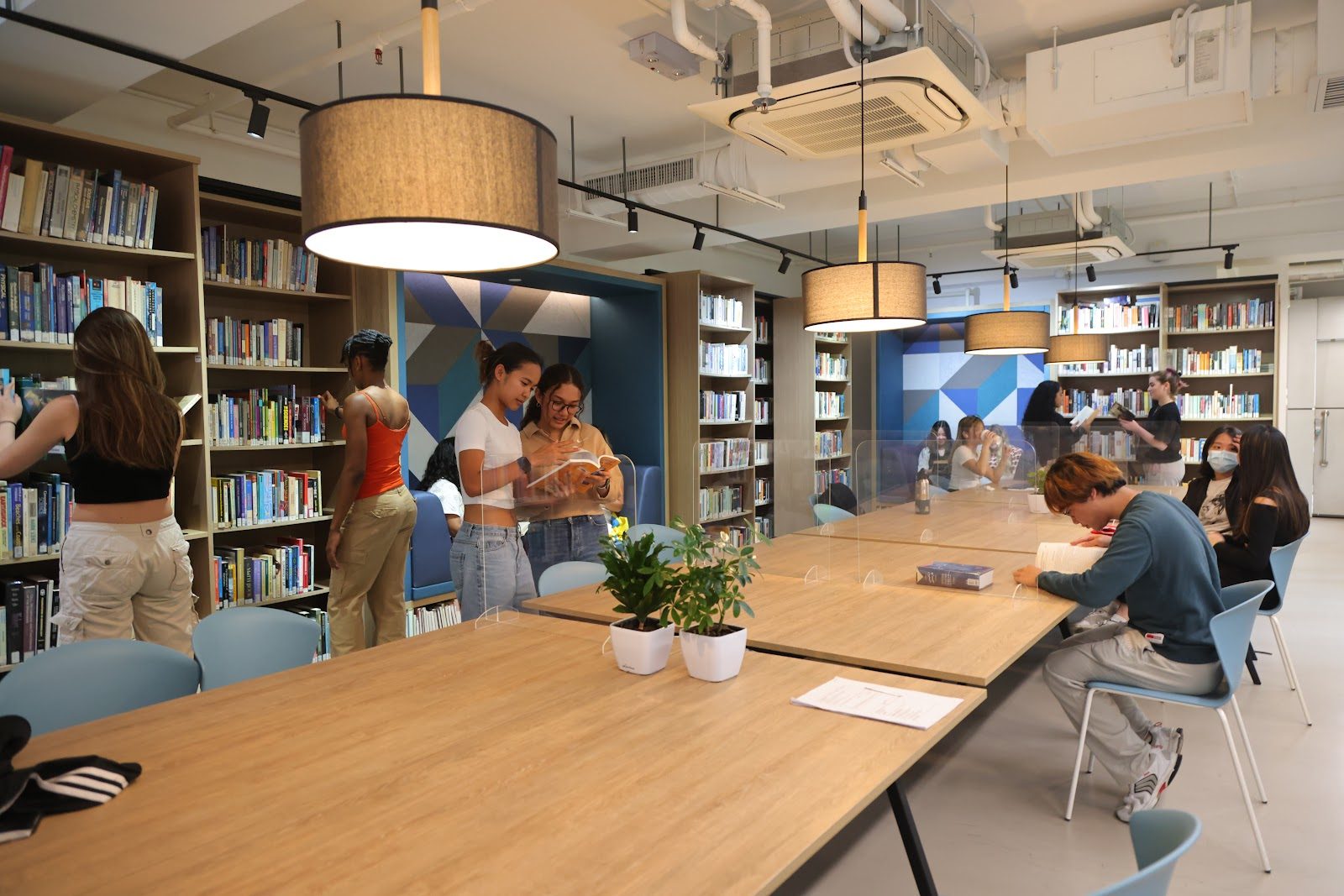
Li Po Chun United World College of Hong Kong
Hong Kong · Hong Kong
Perched above Tolo Harbour, this United World College gathers scholars from 90 nations for a service-driven IB Diploma.
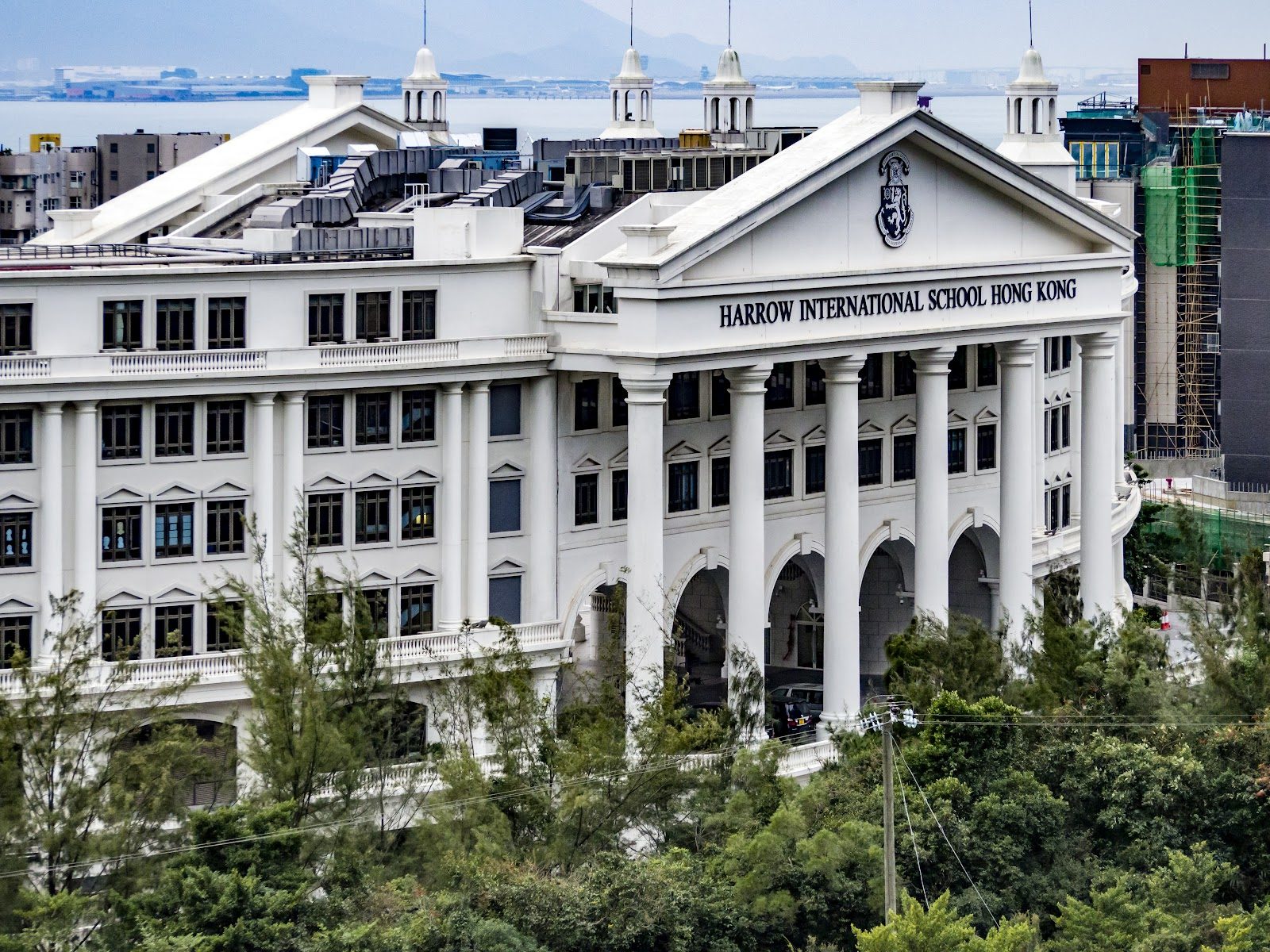
Harrow International School Hong Kong
Hong Kong · Hong Kong
A crescent-shaped Tuen Mun campus, modelled on Bath's Royal Crescent, houses Hong Kong's only formal weekly boarding and house system.
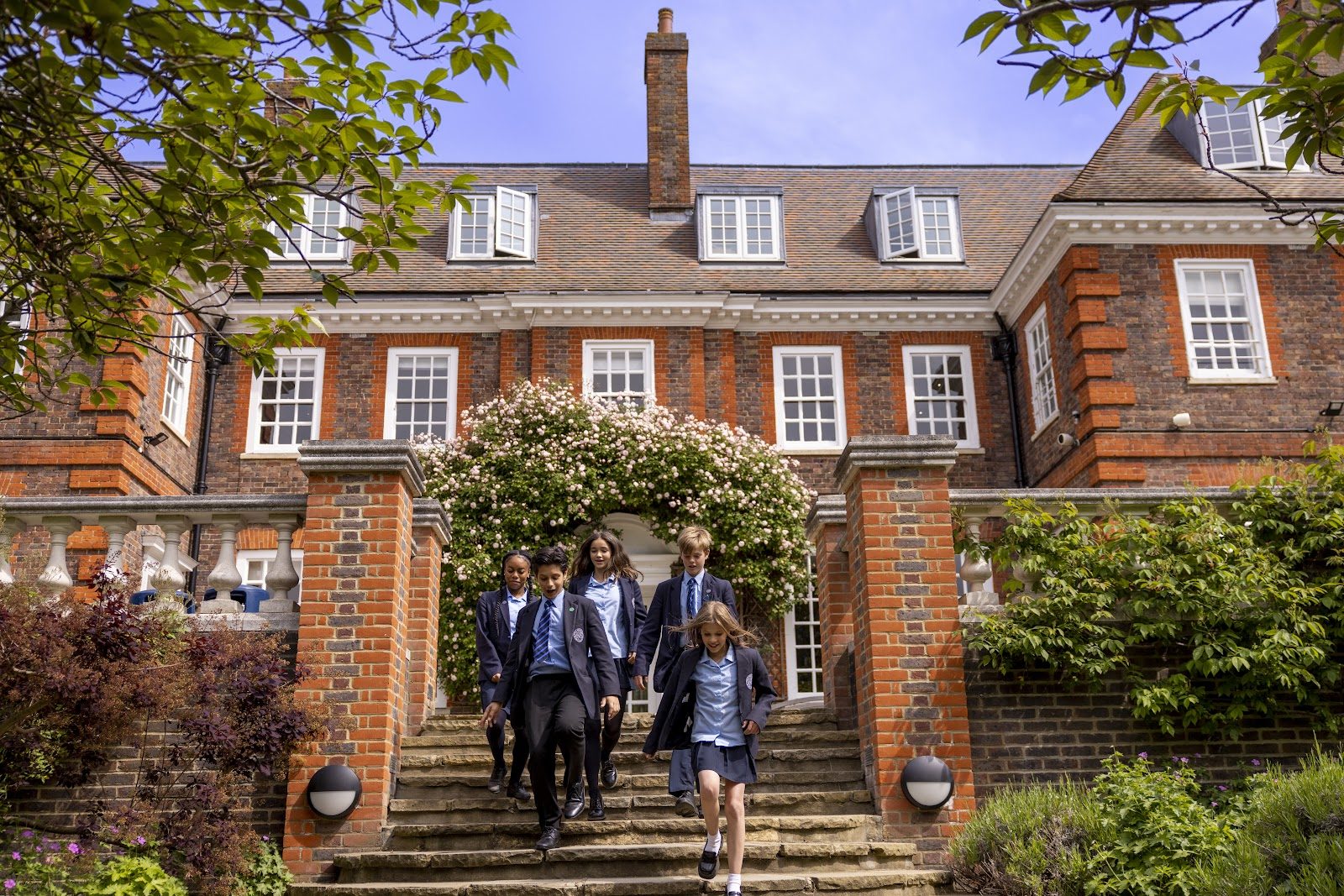
Ibstock Place School
London · United Kingdom
On the fringe of Richmond Park, a Froebel-founded day school has championed co-education since 1894.
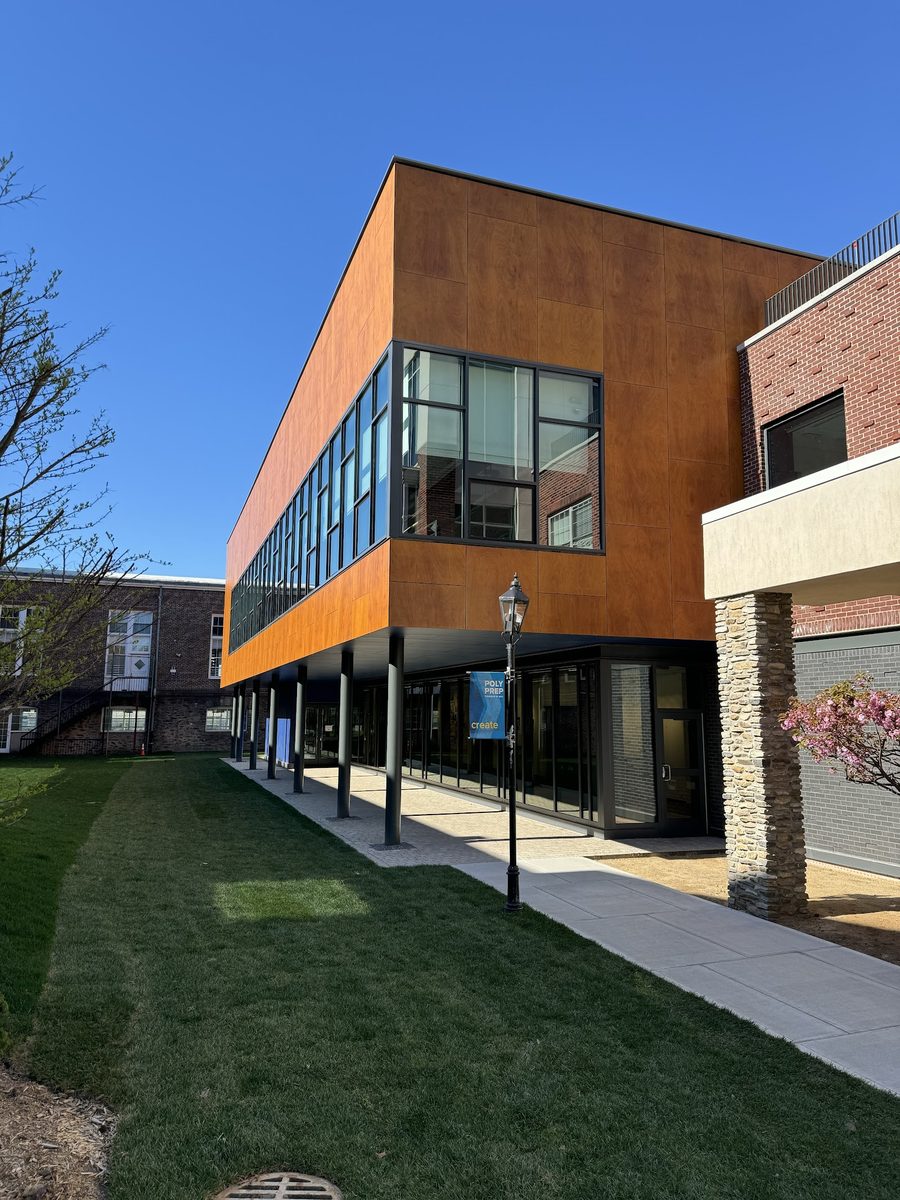
Poly Prep Country Day School
Brooklyn · United States
Founded in 1854 as Brooklyn's first boys' school, this day school pairs a Prospect Park mansion with a 25-acre Dyker Heights campus.
Same country and curriculum — closest matches within ±10 points either way