
Rio de Janeiro
Colégio de São Bento
Benedictine monks still teach theology and classics inside a hilltop monastery that has repeatedly topped Brazil's ENEM rankings.
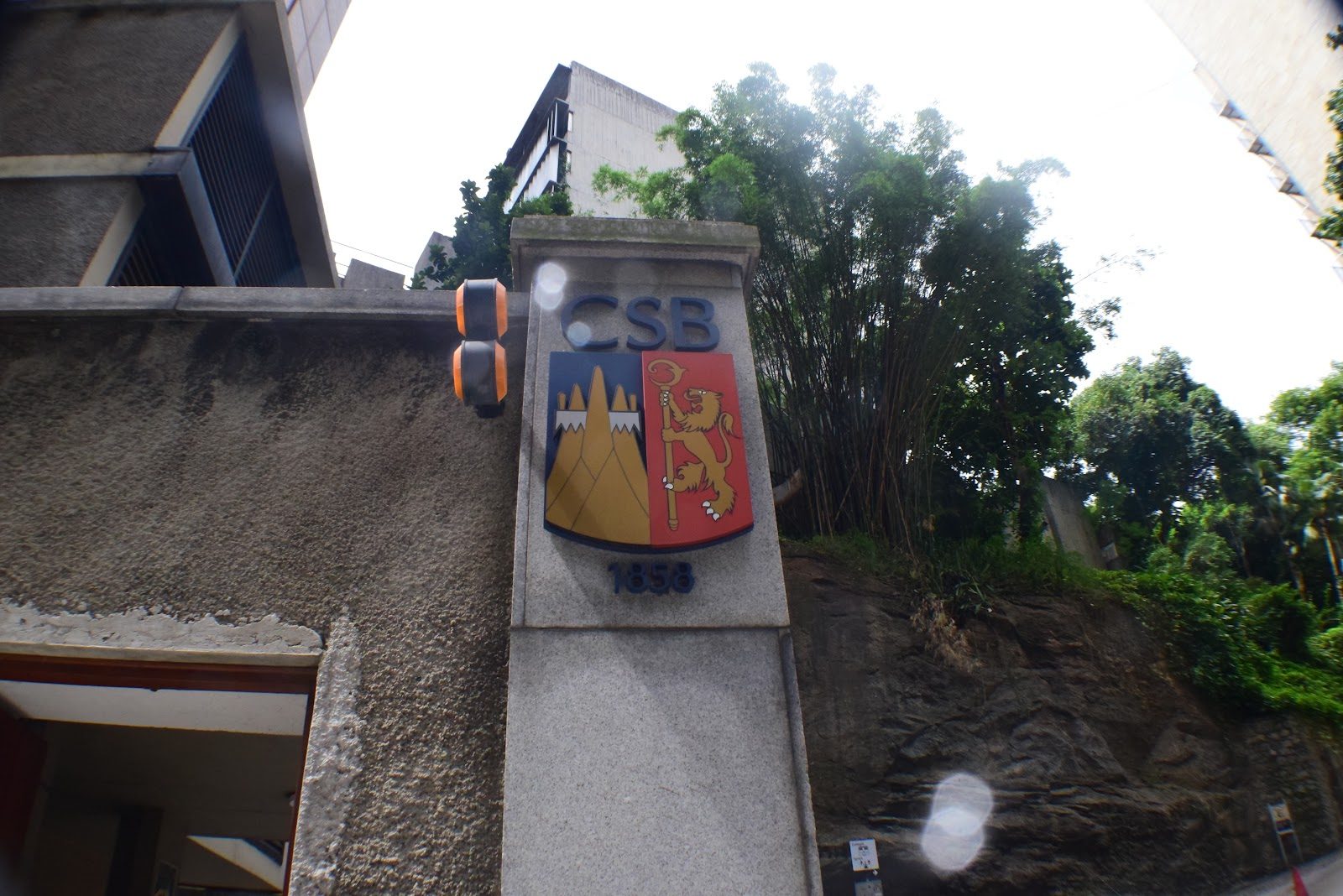
Photo © Bento Emanuel via Google Maps
Type
Day
Ages
6–18
Curriculum
Brazilian
Qualifications
ENEM · Brazilian national curriculum
Ratio
—
The Verdict
Editor's commitment
Right for
Families who want a day school founded in 1858, taught in Portuguese, English and Latin, with Catholic Benedictine formation built in.
Wrong for
Parents seeking a secular education, boarding, or an imported curriculum; Colégio de São Bento is day-only, Catholic and explicitly Brazilian.
Watch out for
The monastery setting and Benedictine life are not decorative extras: masses, chapel events and theology sit inside school life from ages 6–18.
Ranking breakdown
Colégio de São Bento · #1021 of 1591
Composite score 60.7. 8 weighted criteria.
By criterion
Academic Outcomes
Weight 20%
#1084
of 1529 scored
University Placement
Weight 16%
#1164
of 1529 scored
Prestige & Heritage
Weight 12%
#289
of 1571 scored
Alumni Network
Weight 12%
#856
of 1530 scored
Facilities
Weight 12%
#994
of 1534 scored
Transparency & Communications
Weight 8%
#1324
of 1532 scored
Peer & Industry Review
Weight 10%
#1216
of 1548 scored
Admissions Selectivity & Demand
Weight 8%
#760
of 1529 scored
Peer & Industry Review
How Colégio de São Bento is regarded in the sector
63
Respected · medium confidence
Within Rio's traditional school circuit, Colegio de Sao Bento is consistently grouped with Santo Inacio and Santa Monica as one of the city's most academically demanding Catholic institutions, a status reinforced by its Benedictine monastery setting and century-plus continuous operation. Its reputation rests less on international guides such as WhichSchoolAdvisor or the Good Schools Guide, which rarely cover Brazilian national-curriculum schools, and more on domestic proxies: annual Enem and vestibular approval-rate tables published by outlets like Veja Rio and Folha de S.Paulo, where Sao Bento regularly appears among Rio's top feeders into UFRJ, ITA, IME and federal medical courses. Admissions staff at these public universities informally cite its graduates as well-prepared in mathematics, Portuguese composition and classical humanities, reflecting the school's monastic pedagogical rigor. Independent education commentary in Brazil treats it as a benchmark for disciplined, low-marketing academic culture rather than a globally benchmarked international school, so its standing is regional and press-verified rather than internationally rated.
Editors' overview
Colégio de São Bento occupies a narrow and valuable niche in Rio: a 1858 Benedictine boys’ day school with full-time education from ages 6–18, rooted in a monastery and unapologetically academic. The defining fact is not branding but structure. This is a school where monks still shape the intellectual and religious life, where Mass, Lectio Divina, confirmation preparation and family spirituality meetings sit inside the ordinary school calendar, and where Latin remains part of the linguistic offer alongside Portuguese and English. That combination gives the place a monastic seriousness, a rare sense of continuity and a culture that treats scholarship, ritual and discipline as normal parts of a boy’s education, not decorative extras.
For parents, the shortlist case rests on two things. First, São Bento has a long-standing reputation in Brazil for academic strength, reinforced by the school’s own plain statement that secondary education includes “preparação intensa para o vestibular”. This is not a progressive, child-led experiment. It is a full-time Brazilian school with a dense timetable, a broad curriculum and a clear university-prep engine in the final years. Second, the school’s religious identity is not diluted for the market. Weekly liturgy, chapel life, pastoral activity, volunteer work and Benedictine spirituality are built into the institutional rhythm. Families who want Catholic education with actual theological and liturgical substance, rather than a nominal badge, will find the real thing here.
The trade-off is equally clear. This is a boys’ school with a strong internal culture and a defined moral framework. It suits students who thrive with routine, respect authority, and do not need a school to flatter them with endless choice. It will appeal to boys who enjoy academic competition, can handle a long school day, and respond to high expectations plainly enforced. It also fits families who value intellectual tradition and are comfortable with religion occupying visible space in school life. Boys who want a looser, more contemporary social atmosphere, or families seeking a secular environment, will find the ethos too exacting and too confessional.
What is special about São Bento is its refusal to modernise away its identity. The hilltop monastery setting, the Benedictine governance, the use of Latin, and the integration of worship, study and service give it an old-world gravity that very few schools can match. In a market crowded with schools promising innovation, São Bento offers something harder to replicate: institutional depth. For the right student — diligent, intellectually capable, steady under pressure, and at ease in a Catholic environment — it deserves serious attention.
Academic Performance
Academic performance sits at the centre of São Bento’s case. The school itself states that secondary education includes “preparação intensa para o vestibular”, and the wider public reputation rests on exactly that: hard-edged exam preparation and strong outcomes in Brazil’s university-entrance ecosystem. The editorial line attached to this listing notes repeated top ENEM performance, which places the school in elite academic company among Rio and national peers. That matters more than any generic claim about “solid formation”. In practical terms, São Bento belongs in the conversation with Brazil’s most selective academic day schools, not with softer all-rounders that balance exam ambition with lifestyle branding.
What the school does not publish here is the data a rigorous parent would want next: recent ENEM averages, subject-by-subject breakdowns, approval lists by university, and trend lines across multiple cohorts. The absence of those figures limits forensic comparison with peer schools that disclose outcomes in detail. Even so, the institutional signals are clear. Full-time schooling, recovery exams, language olympiads, science programming and a timetable structured around sustained study point to a results-driven culture, not a loose pastoral model. The academic proposition is *demanding, traditional and unapologetically competitive*. For families seeking proof in public exam tables, São Bento’s reputation is strong but the school’s own disclosure is too opaque.
Facilities
The physical estate carries more weight here than at most city day schools because it is tied directly to the monastery and to the school’s religious life. Chapel use is not ceremonial window-dressing: weekly Mass, confirmation meetings, Hora Média and other faith activities sit inside the ordinary timetable, so parents can expect functioning liturgical spaces rather than a token prayer room. The school also points to a defined “Estrutura Física”, an auditorium at Emaús, and regular off-site academic visits that range from the Biblioteca Nacional and Fortaleza de São João to science and food-industry outings. That gives boys access to a wider learning geography than the campus alone. The hilltop setting overlooking the harbour adds real atmosphere and a strong sense of enclosure, which suits the school’s disciplined culture.
Against Rio’s top private peers, though, São Bento does not sell itself on sports complexes, design labs or spectacle architecture. The public picture is institutionally serious but thin on hard facility detail. We do not get the clean inventory that demanding parents need: no published theatre specifications, no library data, no laboratory list, no pool, no pitch count, no performing-arts suite detail. For a school with students on site full-time from 1st through 3rd year secondary, that omission matters. The campus looks functional, purposeful and tied to worship and study. It does not read as a luxury plant. Parents comparing it with better-disclosed premium schools will find the facilities case too opaque and too dependent on the school’s wider reputation.
That sharpness is precisely what makes São Bento genuinely distinctive
Prestige
The prestige here is old, local and hard-earned. In Rio’s private-school hierarchy, São Bento carries serious academic cachet and a social recognition that extends well beyond Catholic families. The monastery setting, the boys-only intake and the school’s long continuity give it a distinctive institutional stamp that newer premium schools cannot copy. Prestige also rests on selectivity of culture, not only admissions. This is a place with strong internal codes, visible religious practice and a daily structure that filters for families who value discipline, scholarship and tradition over fashion. The school serves ages 6–18, which deepens loyalty and strengthens its network: boys are formed inside one system for the whole of their school life, not passed through a series of disconnected phases.
We rate that prestige highly because it combines public academic status with a rare social identity. In Brazil, many schools market excellence; fewer command automatic recognition. São Bento does. Its name carries weight with universities, professional families and Rio’s educated Catholic circles because the school has held the same line for generations and still ties intellectual formation to ritual, hierarchy and duty. That gives it real stature, but also narrows its appeal. This is not prestige built on glossy internationalism or lifestyle amenities. It is prestige built on difficulty, continuity and institutional seriousness. For the right family, that is top-tier prestige. For families who want a more relaxed or more plural culture, it will feel too enclosed to justify the badge.
The editorial line attached to this listing notes repeated top ENEM performance, which places the school in elite academic company among Rio and national peers
Communications
Parent communication is active, calendar-driven and unapologetically institutional. The school publishes a dense stream of notices covering admissions, events, liturgy, recovery exams, field trips, volunteer work and family-facing religious formation. Contact routes are plain: email, telephone and a “Fale Conosco” channel sit in clear view, and the admissions cycle is signposted with exact dates rather than vague invitations. For current families, that matters. This is a school with boys on site full-time across all phases, plus weekly worship and a steady run of off-campus activities, so parents need constant operational clarity. On that front, São Bento does the job. The event listing is busy, specific and hard to misread. A family can see where a child needs to be, for what purpose, and when.
The limitation is depth and usability. The site broadcasts information well; it does not offer much evidence of transparent, parent-facing explanation beyond schedules and announcements. We do not get a clear public view of academic reporting routines, parent portal functions, leadership letters, policy detail or the cadence of school-home feedback. The communications style also mirrors the school itself: formal, top-down and more administrative than conversational. That suits families who value order and do not need hand-holding. It will frustrate parents who expect polished digital systems, rich pastoral updates or a warmer tone. In short, communication looks disciplined and functional, not open-textured or especially modern.
Uniqueness
What sets São Bento apart is not just age or reputation, but institutional continuity with teeth. This is a school still shaped by the monastery next door, with Benedictine life operating inside the daily programme rather than sitting on a crest. Boys encounter Mass, chapel time, confirmation preparation, volunteer work and family spirituality events as part of the school week. That gives the place a rare moral coherence. Many religious schools keep faith language and drop the practice; São Bento keeps the practice. It also preserves elements most schools abandoned long ago, including Latin and a serious theological strand taught by monks. For students, that creates an education with real internal logic: scholarship, ritual, discipline and service are treated as connected duties, not separate departments.
The benefit is depth, and the cost is obvious. A boy at São Bento gets more than exam coaching: he gets a high-pressure formation in habits, hierarchy and intellectual seriousness across the whole span from 6–18. The school’s full-time structure reinforces that intensity. So does the calendar, which mixes recovery exams, language competition, science programming, field study and religious observance without apology. Boys who respond to order, repetition and adult authority will gain resilience, focus and a strong sense of belonging to something larger than themselves. Boys who want freedom of self-invention, lighter pastoral framing or a more socially open culture will find the model too narrow and too exacting. That sharpness is precisely what makes São Bento genuinely distinctive.
The hilltop setting overlooking the harbour adds real atmosphere and a strong sense of enclosure, which suits the school’s disciplined culture
Student Profile
The boy who fits here is bright, steady and receptive to structure. He does not need a school to entertain him or negotiate every rule. He can handle long days on campus from 6–18, sustained academic pressure and a timetable that treats worship, service, study and routine as one system. He is the sort of student who will not flinch at recovery exams, subject olympiads, field-study days and formal religious observance all sitting in the same month. Boys who do well here tend to be self-disciplined, habit-forming and comfortable in male company shaped by hierarchy and expectation. A family does not need to be Benedictine, or even Catholic, but it does need real tolerance for a school culture where chapel life and Christian formation are public, regular and non-negotiable.
This is a poor fit for boys who need a loose pastoral atmosphere, broad freedom of self-expression or constant emotional cushioning. It also does not suit families chasing progressive educational fashion or a socially relaxed, co-ed tone. The school asks for endurance, conformity to a clear code and respect for adult authority. In return, it gives boys a demanding, high-control environment with strong cultural identity and a peer group selected as much by temperament as by attainment. For the right student, that can be formative and deeply stabilising. For the wrong one, it will feel claustrophobic fast.
Against Rio’s top private peers, though, São Bento does not sell itself on sports complexes, design labs or spectacle architecture
Co-curricular strengths
Arts & sport, on a separate axis
Overall 7.1/10
Scored 0-10 from the school's own published evidence. This axis is editorial-only — it does not feed the main WTS ranking.
Sports
7.5/10
Drama
7/10
Dance
5.5/10
Music
8/10
Visual Arts
7.5/10
Strengths
- +Founded in 1858, it is one of Brazil's most historically significant and traditional operating schools, run by Benedictine monks, giving it an unusually long institutional continuity for a Rio day school.
- +The school is known as one of the institutions in the country that has most frequently led the national ENEM (Exame Nacional do Ensino Medio) ranking, a standardised measure of academic outcomes at the end of secondary school.
- +The curriculum is broad, inspired by Benedictine monastic tradition, and includes Theology, Music, Algebra, Geometry, Physics, Chemistry, Biology, Classical Culture, Brazilian and Portuguese Literature, Geography, History, Spanish, French and English, Philosophy and Sociology, alongside music history and fine arts.
- +Alumni include figures such as composer Heitor Villa-Lobos, musician Pixinguinha, songwriter Noel Rosa, and jurist Benjamin Constant, reflecting a long record of producing notable figures in Brazilian arts and public life.
- +Located in central Rio rather than a residential neighbourhood, it draws students from across the city and neighbouring municipalities such as Niteroi, Nova Iguacu and Caxias, giving it a genuinely metro-wide catchment.
Considerations
- −The school is exclusively for boys, and it only began accepting female teachers from the 1960s onward, a legacy that still generates some debate; families wanting coeducation must look elsewhere.
- −The school does not admit new students into the second or third year of Ensino Medio, which restricts options for families relocating to Rio partway through their son's upper-secondary years.
- −There are currently no scholarships (bolsas de estudo) on offer, and discounts that existed in the past are not expected to return, so fees must be paid in full.
- −Entry beyond the first year of primary school is exam-based and gives explicit priority to siblings, staff and alumni children, which can disadvantage newly arrived families with no prior school connection.
Availability
Primary entry gate & tests
Entrance Exam (Boys)
Gallery
Photo © Yan Un via Google Maps
Photo © Marcelo Cavalheiro via Google Maps
Photo © Marcelo Cavalheiro via Google Maps
Photo © Gilmar Fernandes via Google Maps
Photo © Bento Emanuel via Google Maps
Parent reviews
Have you sent your child here?
Voice reviews carry the strongest trust badge — we transcribe them for you to tidy up before they go live. Prefer to type? A written review is fine too.
Add your voice
In 60 seconds, tell other parents: what's the best thing about Colégio de São Bento, and what surprised you when your child joined?
We ask for a Google sign-in so every review has a real face behind it — no anonymous drive-by attacks on schools, and no faked positive reviews. Your email is never shown publicly.
Send this profile to a friend
International parents rely on word-of-mouth. Share this review with someone weighing the same decision.
Schools with places
Similar schools to Colégio de São Bento with places available now.
Availability first, then country, area, curriculum, price, co-curricular
Consider also
Also worth looking at alongside Colégio de São Bento.
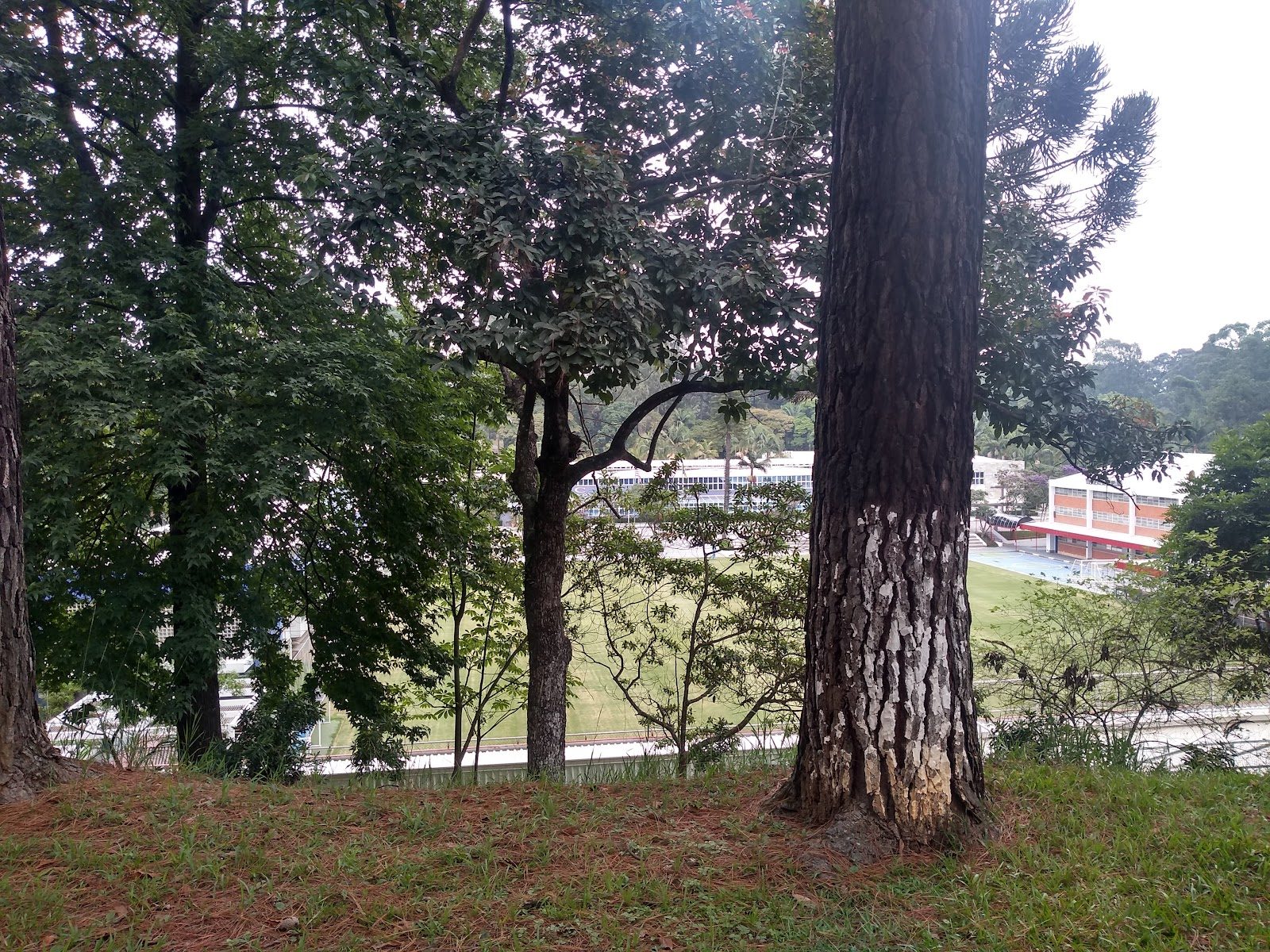
Chapel School
São Paulo · Brazil
Founded in 1947 by Oblate priests for American Catholic families, this Sao Paulo day school runs American, Brazilian and IB diplomas side by side.

Graded - The American School of São Paulo
São Paulo · Brazil
Born in 1920 as a corporate venture of Citibank, Ford and GE, this Morumbi campus still sends seniors off with three diplomas at once.
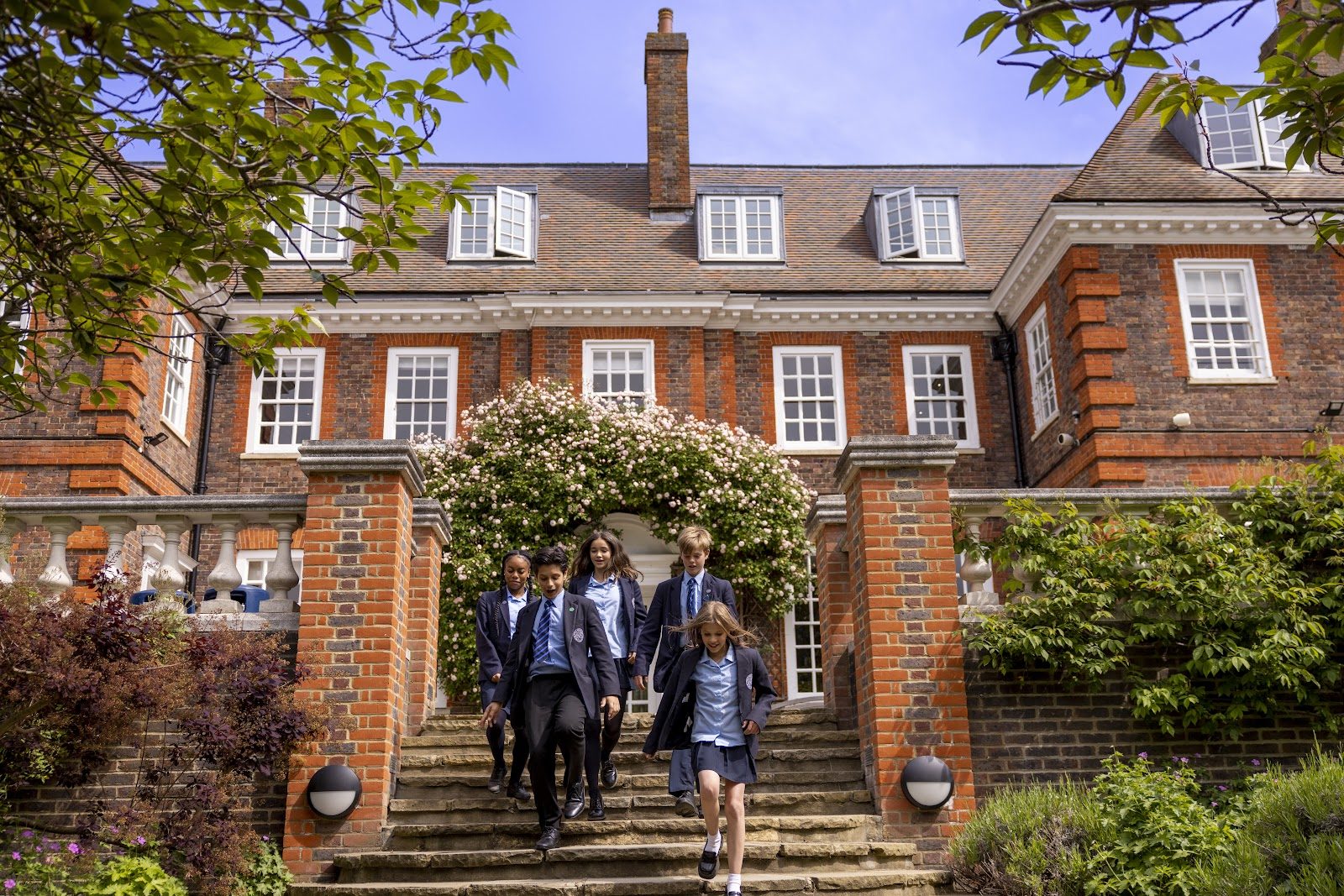
Ibstock Place School
London · United Kingdom
On the fringe of Richmond Park, a Froebel-founded day school has championed co-education since 1894.
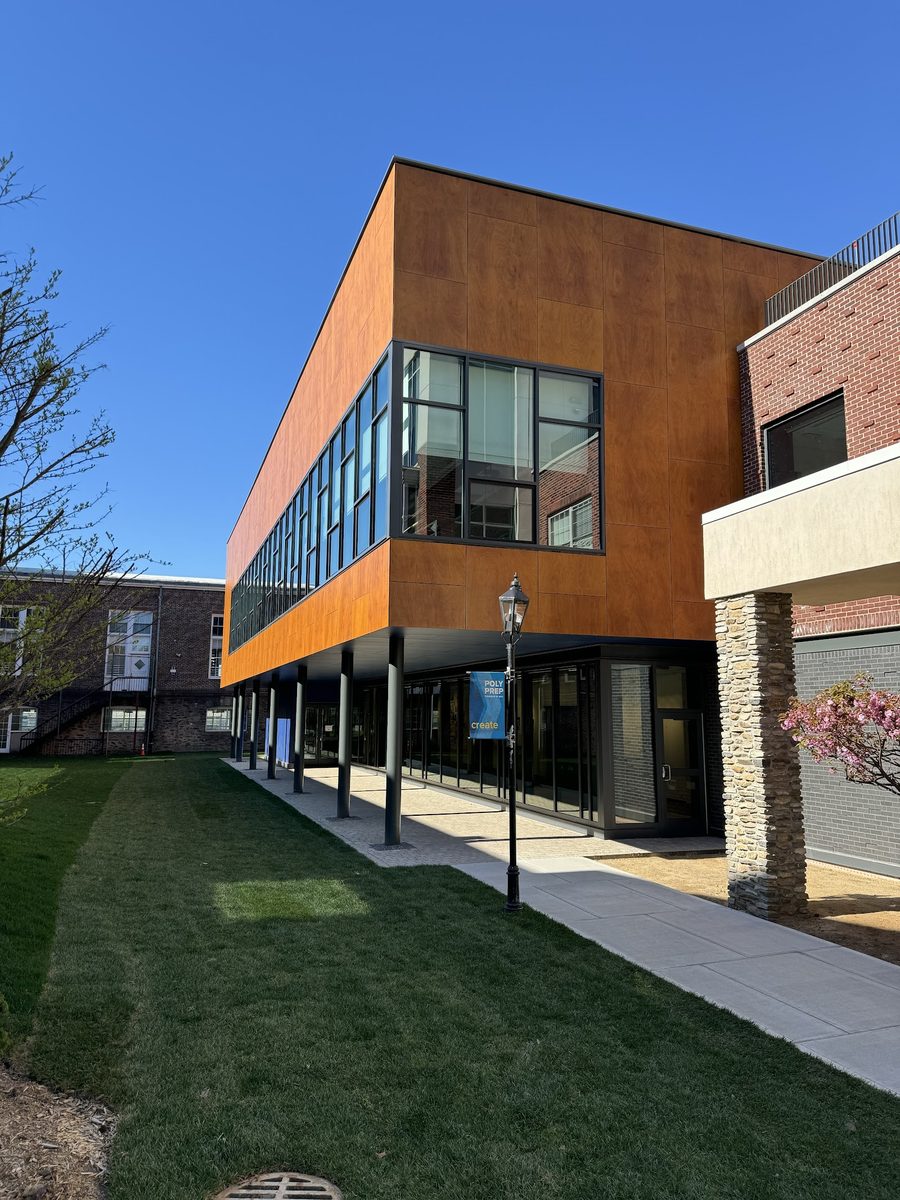
Poly Prep Country Day School
Brooklyn · United States
Founded in 1854 as Brooklyn's first boys' school, this day school pairs a Prospect Park mansion with a 25-acre Dyker Heights campus.
Same country and curriculum — closest matches within ±10 points either way