
Bangkok
Vajiravudh College
Royal-founded historic Thai boarding school modelled on English public schools; strong prestige and alumni depth.
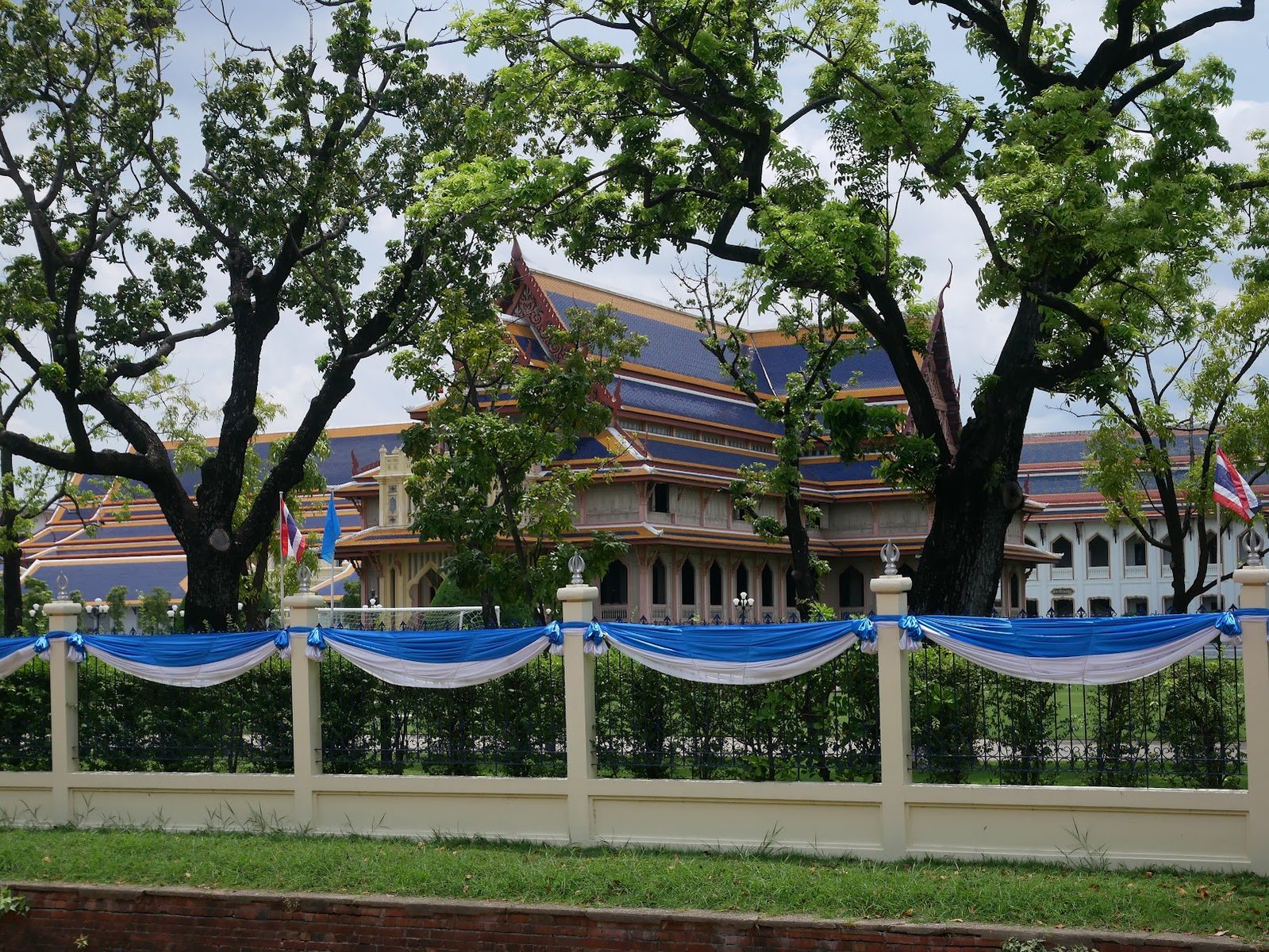
Photo © Phonlakrit Sunthornhon via Google Maps
Type
Day
Ages
12–18
Curriculum
Thai National
Qualifications
Thai Matthayom 6
Ratio
—
The Verdict
Editor's commitment
Right for
Families who want Bangkok prestige: Vajiravudh College, founded in 1910, is a private all-boys school for ages 12–18.
Wrong for
Girls, families needing co-education, or parents wanting a non-Thai curriculum: teaching follows the Thai National curriculum in Thai and English.
Watch out for
The listing conflicts on format: the context says day school, Wikipedia says boarding; confirm arrangements directly before treating it as either.
Ranking breakdown
Vajiravudh College · #1098 of 1591
Composite score 60.7. 8 weighted criteria.
By criterion
Academic Outcomes
Weight 20%
#1313
of 1529 scored
University Placement
Weight 16%
#1259
of 1529 scored
Prestige & Heritage
Weight 12%
#91
of 1571 scored
Alumni Network
Weight 12%
#432
of 1530 scored
Facilities
Weight 12%
#1004
of 1533 scored
Transparency & Communications
Weight 8%
#1497
of 1532 scored
Peer & Industry Review
Weight 10%
#1319
of 1548 scored
Admissions Selectivity & Demand
Weight 8%
#647
of 1529 scored
Peer & Industry Review
How Vajiravudh College is regarded in the sector
62
Respected · medium confidence
Vajiravudh College holds a distinctive position among Thai schools as the country's premier royally-founded boys' boarding school, modeled on English public schools and established by King Vajiravudh (Rama VI) in 1910. Among Thailand's elite institutions, it is consistently ranked alongside Suankularb Wittayalai and Debsirin as one of the oldest and most prestigious secondary schools, with its alumni network including numerous senior civil servants, military officers, judges, and members of the aristocracy, reflecting deep historical ties to the Thai establishment. Its boarding-house system, modeled explicitly on British public schools, is frequently cited in Thai education commentary as a rare survival of that tradition in Southeast Asia. However, unlike Thailand's leading international schools, it does not appear in Good Schools Guide International or WhichSchoolAdvisor rankings, nor does it feature prominently in international university admissions data or independent Anglophone education press, since it operates within the Thai national curriculum rather than the IB or A-level pathways that attract global university attention. Its reputation is therefore strongest domestically and historically rather than through contemporary international peer benchmarking or verifiable global press coverage.
- Kukrit Pramoj — Prime Minister, Politics
- Seni Pramoj — Prime Minister, Politics
- Chatichai Choonhavan — Prime Minister, Politics
Editors' overview
Vajiravudh College occupies a singular niche in Bangkok: a royal-founded boys’ school from 1910 with a deep national reputation and a culture consciously modelled on the English public-school tradition. That combination matters. In a market crowded with international schools selling global curricula and glossy facilities, Vajiravudh offers something different: old-institution confidence, ceremony with backbone and a distinctly Thai educational identity delivered through the Thai National curriculum in Thai and English. Parents choosing it are not buying an expatriate school experience. They are choosing immersion in Thai elite culture, a long-established network and a school with genuine historical weight.
Its appeal rests less on curricular novelty than on formation. This is a school for families who value discipline, hierarchy, tradition and the social capital that attaches to a famous name. The all-boys structure and the school’s age range of 12–18 sharpen that identity further. For the right student, that can be a powerful sense of belonging and institutional seriousness; for the wrong student, it will feel rigid, narrow and socially coded. Parents need to be clear-eyed here: this is not the choice for a child who wants a progressive, highly personalised or overtly international school culture. It is for boys who thrive in structured environments, respect authority and can make use of a school community shaped by prestige and expectation.
Why shortlist it? Because very few schools in Thailand can match its blend of heritage, status and recognisable national standing. Vajiravudh College offers rare historical depth, strong symbolic capital and a brand that carries weight far beyond the campus. That matters in Bangkok. It also gives the school a market position no new premium school can replicate. The trade-off is equally clear: parents seeking transparent international benchmarking, alternative pathways or a broad co-educational social environment will find stronger options elsewhere. Vajiravudh belongs on the shortlist for families who want a boys’ school with established prestige, a Thai academic base and the cultural force of one of the country’s best-known historic institutions.
Academic Performance
Academic performance is hard to judge with precision because the school does not publish aggregate external examination data in the public domain. We have not seen school-level score distributions, university placement breakdowns, or any benchmarking against Thailand’s most academically transparent selective schools. That opacity matters. For parents who want hard proof of value added, this is a clear weakness. A school with this level of name recognition and social standing should publish outcomes cleanly and annually. Without that, claims about academic strength rest on reputation, selectivity and alumni prestige rather than disclosed results. That leaves Vajiravudh in a trust-us category that serious data-minded families will find unsatisfactory.
Relative to peers, the school sits in a distinctive segment: not the international market where IB, A Level and AP results are routinely itemised, but a Thai elite-school tradition where status, institutional culture and old-boy networks carry heavy weight. That does not make standards weak; it makes them harder to verify. Among Thai families who value established prestige, the school retains real academic credibility. Among parents comparing measurable outcomes across top schools, it loses ground to institutions that publish examination performance in detail. The bottom line is blunt: Vajiravudh College has the cachet of a top-tier historic boys’ school, but its academic results are not transparently evidenced in the way strong contemporary competitors now manage as standard.
Facilities
Public detail on facilities is thin, and that in itself is a useful signal. We have not seen the school publish the sort of granular campus inventory that top fee-charging peers now treat as standard: no clear breakdown of science provision, arts spaces, performance venues, specialist technology rooms or sports infrastructure. For a school with this level of profile, that gap is disappointing. What is clear is the institutional type: a long-established boys’ school with a traditional frame, where the campus experience carries ceremonial and communal weight rather than the polished, amenity-heavy pitch favoured by newer premium schools. Parents should not expect the glossy facilities arms race of Bangkok’s international sector; they should expect a setting shaped by institutional habit, routine and inherited school culture.
Against peer schools, that cuts both ways. If your benchmark is a top international campus with extensive STEM labs, black-box theatres, design studios and competition-grade sports complexes, Vajiravudh does not publish enough to compete on evidence. That leaves it behind the transparency curve. If your benchmark is an old prestige school where buildings serve identity and continuity first, the equation changes: atmosphere, tradition and daily structure matter more than architectural spectacle. That can be deeply attractive for families who value school culture over hardware. It is less attractive for parents who want proof of heavy investment in specialist learning spaces before they commit to fees.
Vajiravudh College offers rare historical depth, strong symbolic capital and a brand that carries weight far beyond the campus
Prestige
Vajiravudh College carries high prestige in Thailand because its status rests on more than school marketing or recent exam spin. It has royal origin, a famous name, and the sort of institutional longevity that confers old-establishment authority. In Bangkok’s education market, that still counts for a great deal. The school sits inside a narrow band of institutions whose value includes access to a recognisable social network, inherited rituals and a public reputation built over generations rather than purchased through new facilities or international branding. For many Thai families, that gives a Vajiravudh education serious social weight.
We rate its prestige highly because the school’s standing is embedded in national history and elite culture, not just parent chatter. Its all-boys identity sharpens that profile further: this is a school with a clear caste of expectation, and families choosing it know exactly what that signals. That prestige has real force with employers, universities and social circles that recognise traditional Thai establishment markers. The qualification is important. Prestige here is culturally specific, not universally transferable. Outside Thailand, and outside circles that understand the school’s place in the national imagination, the name carries less automatic meaning than a globally benchmarked international school. Within its home market, though, Vajiravudh remains *one of the country’s most symbolically powerful school names*.
Vajiravudh College carries high prestige in Thailand because its status rests on more than school marketing or recent exam spin
Communications
Parent communication does not look like a school priority here. We have not seen the level of public-facing clarity that strong fee-charging schools now treat as basic: regular performance reporting, detailed handbooks, transparent calendars, leadership updates, or a clean stream of parent information that explains how the school runs day to day. That does not mean communication inside the school is weak; it means external communication is opaque, old-fashioned and thinly evidenced. For a school with this degree of public standing, that is a real issue. Prestige can carry a school only so far. Parents still need timely, usable information, and Vajiravudh does not publish enough to show that it handles communication with modern discipline.
The more traditional the institution, the more this matters. Schools built on hierarchy and inherited custom can communicate very effectively with families already fluent in the culture, while leaving outsiders to decode tone, expectations and process for themselves. That is the risk here. Families with existing social proximity to the school will navigate it more easily; families entering cold face a closed-shop problem. The school’s communications profile fits its identity: formal, selective in what it discloses, and not designed to reassure data-hungry parents. Some families will read that as confidence. Others will read it correctly as insufficient transparency.
Uniqueness
What sets Vajiravudh College apart is not novelty but inheritance. This is a boys’ school built in deliberate imitation of the English public-school model, then absorbed into Thai elite culture so completely that it now reads as its own category. Very few schools in the country combine royal foundation, single-sex tradition and that specific institutional grammar of houses, hierarchy, ceremony and loyalty. The result for students is a schooling experience with strong internal identity and clear behavioural expectations. Boys do not enter a neutral academic platform; they enter a tribe. For some families, that offers rare continuity between school life, social codes and future networks. For others, it is too socially scripted.
That distinctiveness brings concrete gains and clear limits. Students who respond well to ritual, competition and collective belonging get an environment that can build confidence, resilience and institutional pride with unusual force across the 12–18 span. They also gain access to an old-boy culture with real long-tail value in Thai public life and professional circles. The cost is breadth. A school this steeped in tradition does not offer the looser, more plural culture of a contemporary co-educational international campus. It asks boys to fit a pre-existing mould, not to redefine it. For the right child, that is formative and energising. For the wrong one, it is constraining from the start.
What sets Vajiravudh College apart is not novelty but inheritance
Student Profile
The boys who fit best here are those who want structure, accept rank and do not need school to negotiate endlessly around their preferences. This is a place for students who can live inside a rule-bound culture, absorb formal expectations and find energy in belonging to a strong collective rather than standing apart from it. Social confidence matters. So does resilience. In an all-boys setting spanning 12–18, younger pupils enter a hierarchy already thick with custom, and older ones are expected to carry it. Boys who enjoy ritual, team identity, inter-house competition and visible standards of conduct will gain traction quickly. Boys who resist authority, dislike institutional formality or need a more individualised, emotionally expansive environment will not.
The strongest fit is a family already comfortable with Thai establishment codes, or at least willing to enter them without romanticism. This school suits students who value status-bearing affiliation as much as classroom experience, and who can handle peers shaped by expectation, confidence and inherited ambition. It will also suit boys who like clear roles, male camaraderie and the discipline of a single-sex environment. It will not suit a child who wants a progressive social climate, low-pressure self-expression or a broad mix of educational styles and identities. In blunt terms: this is a school for boys ready to join a serious, tradition-heavy tribe, not for those who want school to bend around them.
Among parents comparing measurable outcomes across top schools, it loses ground to institutions that publish examination performance in detail
Co-curricular strengths
Arts & sport, on a separate axis
Overall 7.46/10
Scored 0-10 from the school's own published evidence. This axis is editorial-only — it does not feed the main WTS ranking.
Sports
9/10
Drama
7/10
Dance
5/10
Music
8.8/10
Visual Arts
7.5/10
Strengths
- +Vajiravudh College is an all-boys non-profit boarding school, founded by King Rama VI, King Vajiravudh, on December 29, 1910, giving it over a century of continuous royal-founded heritage.
- +The school was built as an all-boy boarding school in the same tradition as English public schools such as Eton and Harrow, with traditions inspired by British boarding schools, with separate residential houses, uniforms, and formal ceremonies that shape daily life.
- +Students are accommodated in residential houses (kana); primary students are assigned to three houses, and secondary students are divided into six houses, giving structured pastoral care and identity-building across age groups.
- +The campus blends traditional Thai architectural style with contemporary educational buildings, and reviewers describe the area as spacious, estimated to be approximately 100 rai.
- +The school has a strong alumni network, which plays an active role in the school's management, providing support for programs, fundraising efforts, and community outreach.
Considerations
- −It is a full-boarding, all-boys institution only — all enrollees must commit to full-time boarding as a core requirement of admission, and Vajiravudh College is an exclusively male institution, so it is not an option for families wanting a day-school or coeducational setting.
- −Instruction follows the Thai national system rather than an international curriculum, and the school accepts students who are Thai citizens or permanent residents of Thailand, which limits access for many transient expat families.
- −Places are scarce and the process is selective: the admission process for Vajiravudh College is highly competitive, with a limited number of spaces available each year, and selection incorporates a quota system that balances academic merit with factors like regional representation and preferences for children of alumni (legacy admissions).
- −The overall student body is modest for a school of this profile — the school offers education from Grade 4 to Grade 12 and currently has 838 students and 318 staff members — meaning limited flexibility in subject choice compared to larger international campuses.
Availability
Primary entry gate & tests
Royal Foundation Entrance Exam (Boys)
Gallery
Photo © บาลู สยามย่ำเก้า via Google Maps
Photo © บาลู สยามย่ำเก้า via Google Maps
Photo © Darling Scuba via Google Maps
Photo © xiaoming via Google Maps
Photo © วีรสิทธิ์ มีอําพล via Google Maps
Photo © Pi Si via Google Maps
Photo © Pi Si via Google Maps
Parent reviews
Have you sent your child here?
Voice reviews carry the strongest trust badge — we transcribe them for you to tidy up before they go live. Prefer to type? A written review is fine too.
Add your voice
In 60 seconds, tell other parents: what's the best thing about Vajiravudh College, and what surprised you when your child joined?
We ask for a Google sign-in so every review has a real face behind it — no anonymous drive-by attacks on schools, and no faked positive reviews. Your email is never shown publicly.
Send this profile to a friend
International parents rely on word-of-mouth. Share this review with someone weighing the same decision.
Schools with places
Similar schools to Vajiravudh College with places available now.
NIST International School
Bangkok · Thailand
- 2026-27
- WAITPOOLSpace-dependent
- 2027-28
- PLACES OPENRolling
Bangkok Patana School
Bangkok · Thailand
- 2026-27
- CLOSEDThai closed / Non-Thai open
- 2027-28
- OPENS SOONThai 1 Sept / Non-Thai rolling
Shrewsbury International School Bangkok
Bangkok · Thailand
- 2026-27
- WAITPOOLSpace-dependent
- 2027-28
- PLACES OPENRolling
International School Bangkok
Bangkok · Thailand
- 2026-27
- WAITPOOLSpace-dependent
- 2027-28
- OPENS SOONOpens Sept '26
Availability first, then country, area, curriculum, price, co-curricular
Consider also
Also worth looking at alongside Vajiravudh College.
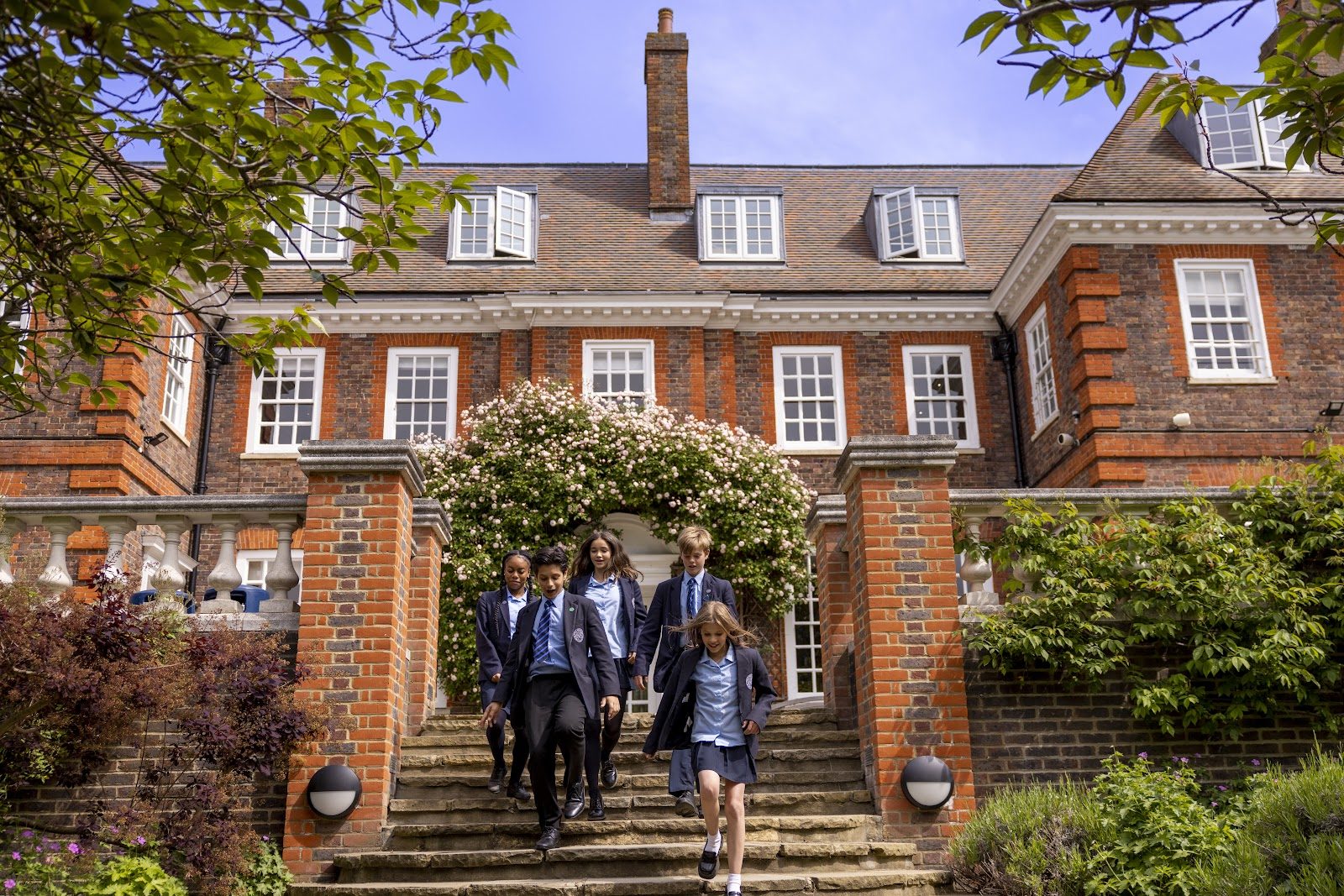
Ibstock Place School
London · United Kingdom
On the fringe of Richmond Park, a Froebel-founded day school has championed co-education since 1894.
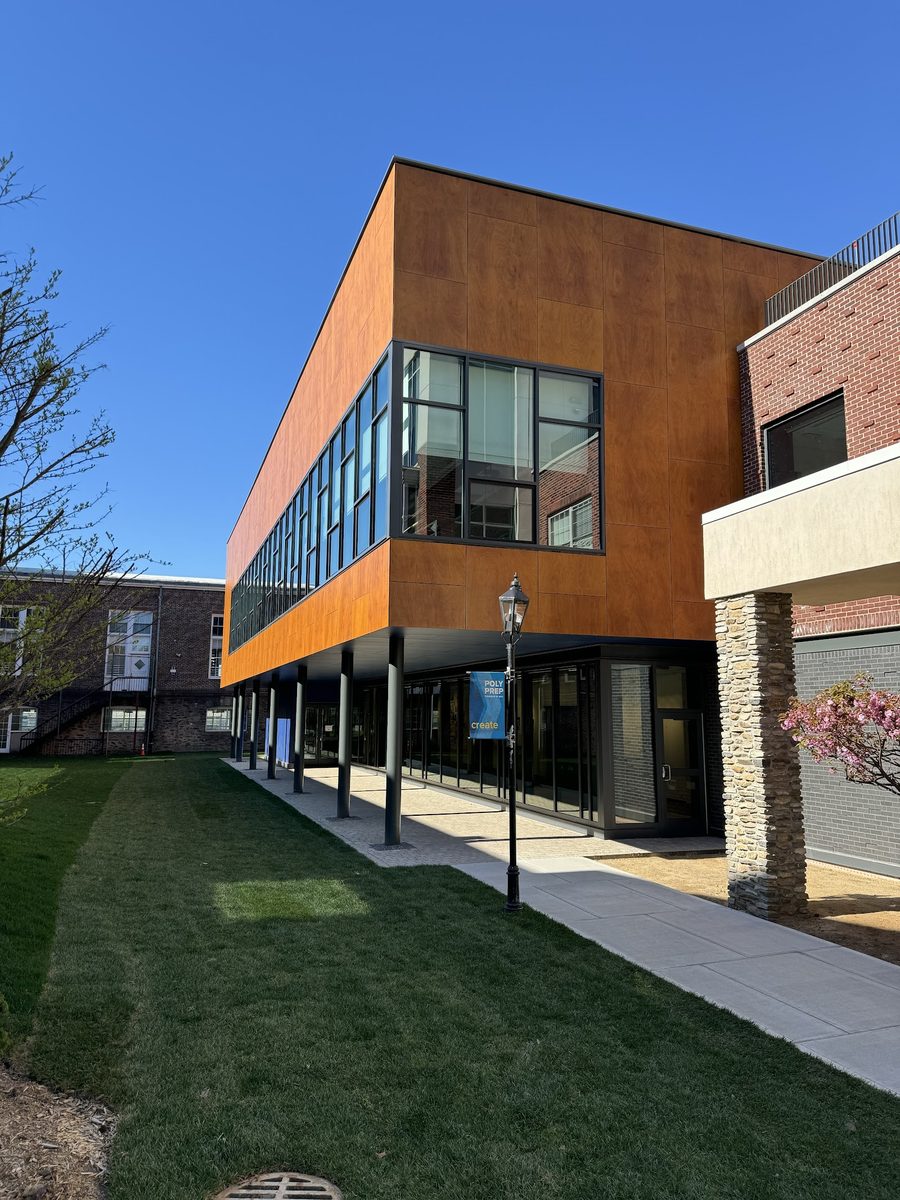
Poly Prep Country Day School
Brooklyn · United States
Founded in 1854 as Brooklyn's first boys' school, this day school pairs a Prospect Park mansion with a 25-acre Dyker Heights campus.
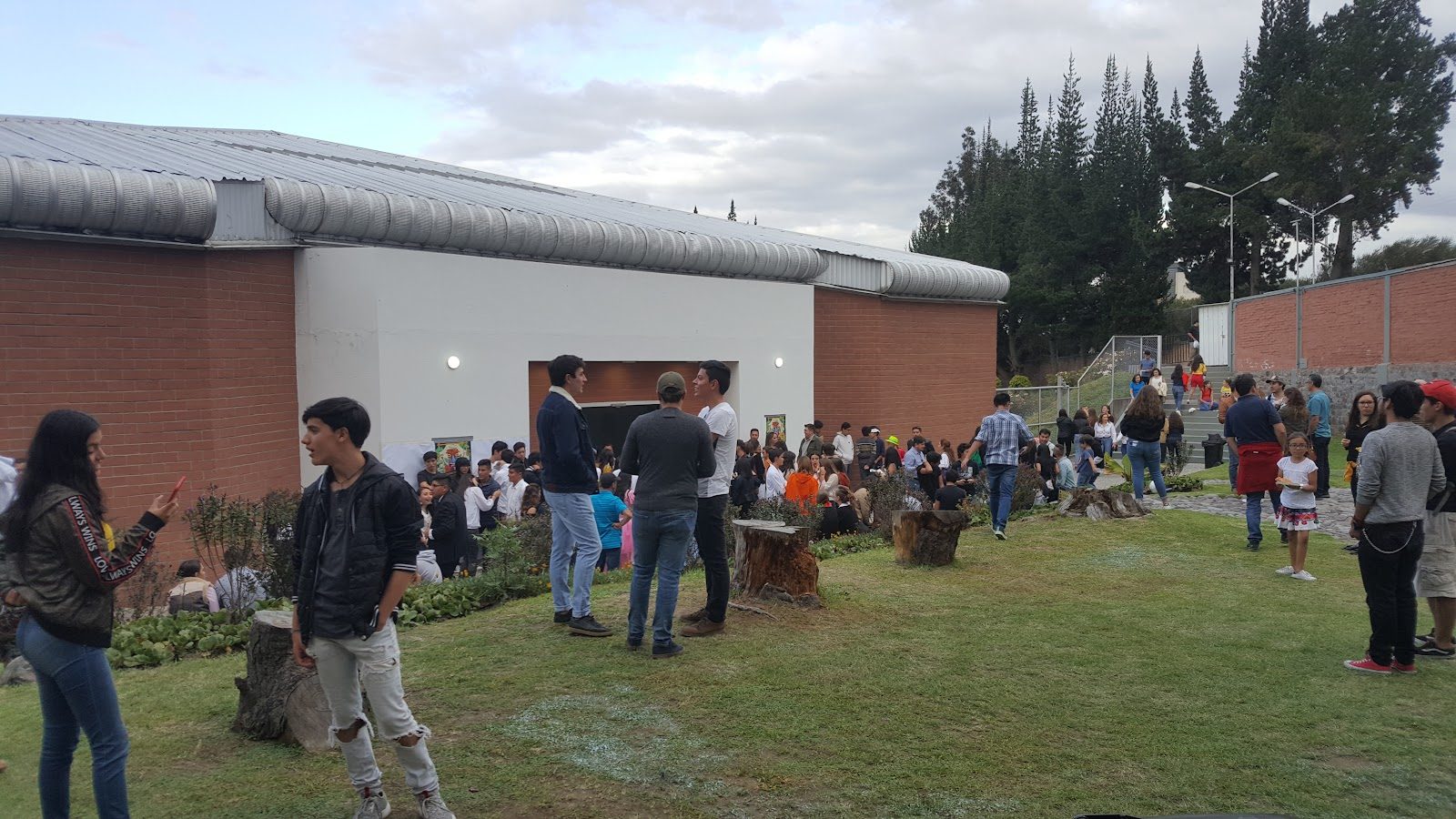
Colegio Alberto Einstein
Quito · Ecuador
Founded by Ecuador's Jewish community in 1973, its full IB continuum now unfolds on a Harvard-advised Puembo campus.
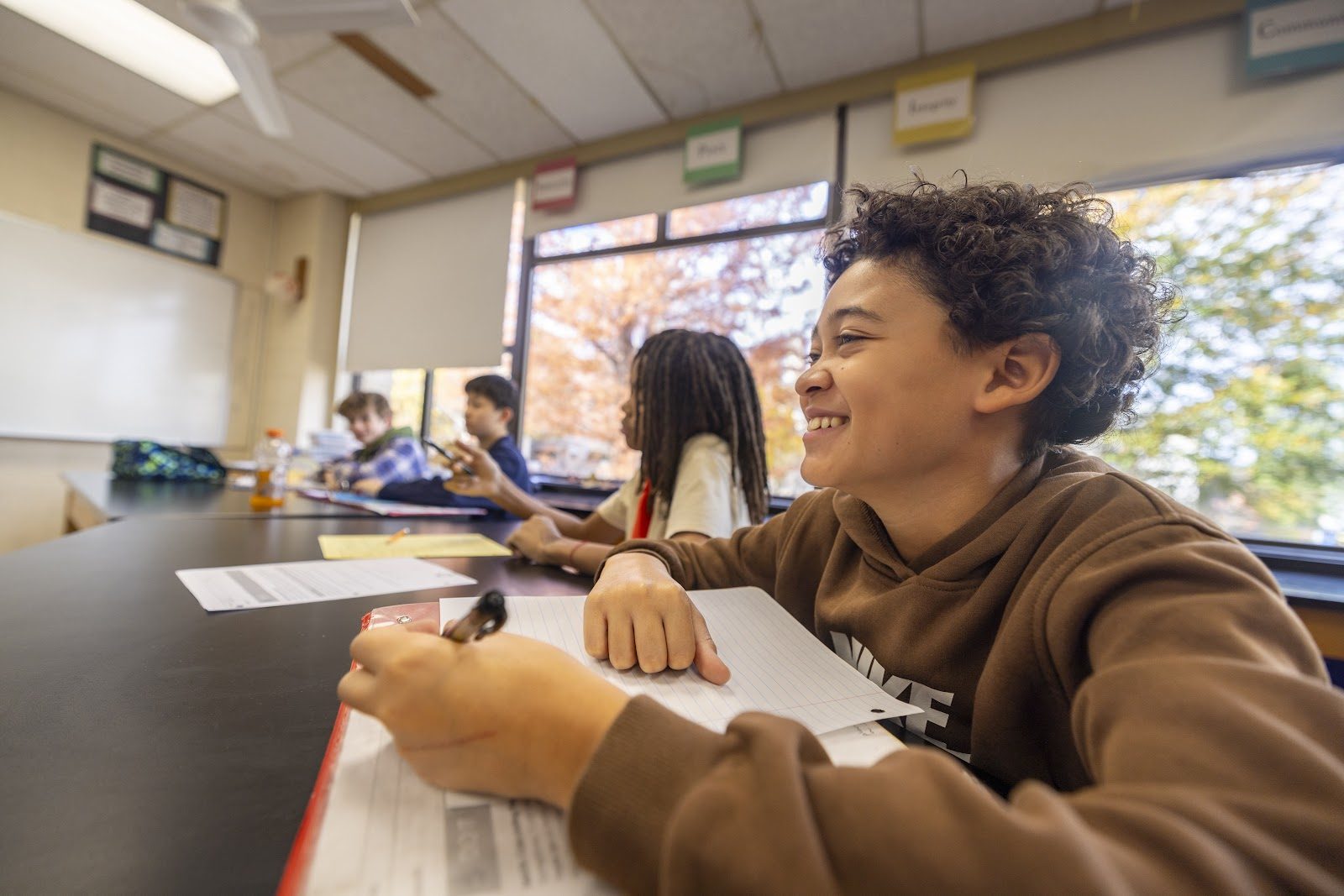
Germantown Friends School
Philadelphia · United States
Rooted in an 1845 Quaker meeting in historic Germantown, where juniors design a month-long independent study of their own.
Same country and curriculum — closest matches within ±10 points either way