
Gloucestershire
Cheltenham College
low confidence· 2/6 cats · 3.2 avg sourcesBirthplace of the 'Cheltenham Rules' that shaped English rugby, set behind Regency facades in a full-boarding, festival-season spa town
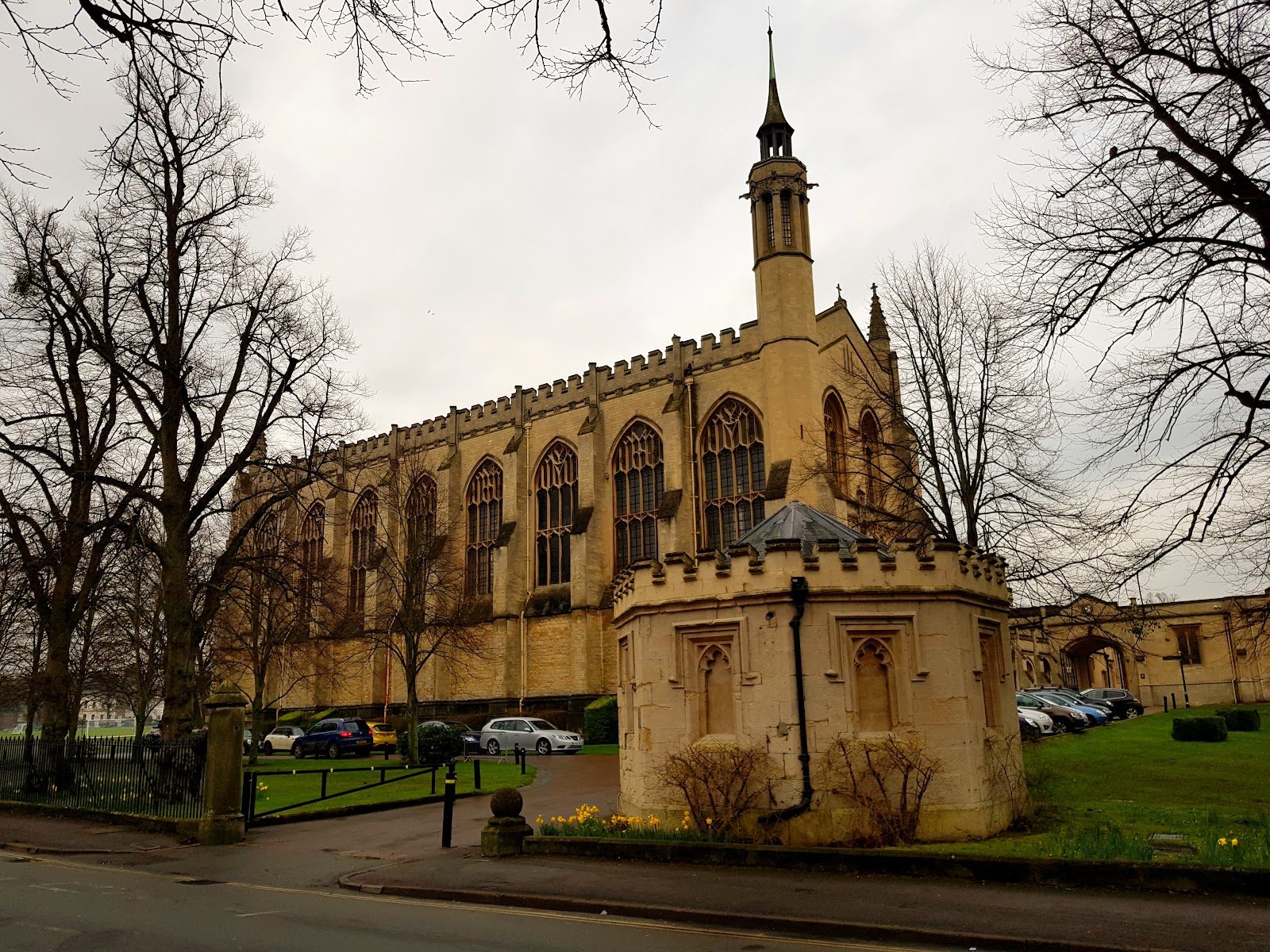
Photo © Satish Chandran via Google Maps
Type
Both
Ages
3–18
Curriculum
British
Qualifications
A-Level · GCSE
Ratio
1:9
The Verdict
Editor's commitment
Right for
Families wanting a British, Anglican day-and-boarding school from ages 3–18, with a 1:9 ratio and one shared Cheltenham campus.
Wrong for
Parents who want published academic data beyond a nod to 2025 Sixth Form results, or a secular school without chapel roots.
Watch out for
This is expensive: average annual fees run to £31,427 for day pupils and £39,401 for boarders across the full ladder.
Ranking breakdown
Cheltenham College · #600 of 1591
Composite score 60.1. 8 weighted criteria.
By criterion
Academic Outcomes
Weight 20%
#857
of 1529 scored
University Placement
Weight 16%
#793
of 1529 scored
Prestige & Heritage
Weight 12%
#446
of 1571 scored
Alumni Network
Weight 12%
#1436
of 1530 scored
Facilities
Weight 12%
#489
of 1533 scored
Transparency & Communications
Weight 8%
#725
of 1532 scored
Peer & Industry Review
Weight 10%
#793
of 1548 scored
Admissions Selectivity & Demand
Weight 8%
#760
of 1529 scored
Peer & Industry Review
How Cheltenham College is regarded in the sector
67
Respected · medium confidence
Among HMC schools, Cheltenham College is treated as a respectable second-tier boarding option, regularly listed in national newspaper independent-school guides but rarely cited in the same breath as Eton, Winchester or Harrow when heads discuss academic selectivity. Good Schools Guide-style commentary typically frames it as strong in sport and pastoral care, with academics described as solid rather than exceptional. University admissions tutors recognise it as a reliable, if modest, Oxbridge feeder, with the bulk of leavers progressing to Russell Group institutions rather than a concentrated elite pipeline. Locally it is often discussed alongside Cheltenham Ladies' College and Dean Close, with which it competes for day and boarding families in the Cotswolds catchment. Independent education press coverage tends to focus on its coeducational transition and sporting fixtures rather than academic innovation, reflecting a reputation for steady reliability over headline-grabbing distinction.
- General Sir Adrian Carton de Wiart VC — Military officer
- Dr E.M. Grace — Cricketer
- John Masters — Novelist, military officer
Editors' overview
Cheltenham College trades on two things that still matter in the British boarding market: pedigree and scale. Founded in 1841, Anglican in origin, and split between prep and senior school on one shared campus, it offers the full independent-school arc from age 3 to 18 without the sprawl or brand abstraction of a giant group. The headline attraction is the setting: a substantial campus in Cheltenham, with the town’s Regency architecture and festival calendar on the doorstep. That gives the school a distinct tone — old-school English boarding culture in a civilised spa town, not an isolated rural estate. Parents who want British tradition without country-house remoteness will notice the difference at once.
What sets Cheltenham apart is breadth with enough critical mass to sustain it. The school counts 685 pupils in the College and 420 in the Prep, with day, day boarding and full boarding all in play. A 1:9 student-teacher ratio points to serious staffing depth. The school talks heavily about facilities across academics, sport, the arts and boarding; that matters more here than at schools where “all-round” is a slogan pasted over thin provision. Cheltenham has the size to run a busy co-curricular life properly, and the history to make that life feel rooted rather than manufactured. It also carries a sporting distinction few schools can claim: the “Cheltenham Rules” sit in the early history of rugby. For some families that is trivia; for others it captures the school’s appeal exactly — institutional heft, boarding-house camaraderie, competitive sport with lineage.
This belongs on a shortlist for parents seeking a traditional British education in English, under ISI accreditation, with a co-educational intake and a strong boarding spine. It suits families who want structure, ritual and visible standards, but not a museum piece. The school itself leans on being innovative behind a traditional exterior; the more grounded reading is that Cheltenham updates an established model rather than trying to reinvent it. That is a strength. The market position is clear: not the most rarefied, not the most experimental, but a *well-drilled full-service boarding school* with enough confidence in its identity to avoid gimmickry.
The right student for Cheltenham is one who will use range, not hide in it: sporty, busy, resilient and happy in a community where house life counts. Pupils who thrive on clear routines, team allegiance and a packed school day will get more from Cheltenham than highly self-directed iconoclasts who want a loose, progressive culture. For international parents, the appeal is straightforward: a recognisable British school experience, substantial pastoral and boarding infrastructure, and a setting that feels quintessentially English without tipping into caricature.
Academic Performance
Cheltenham does at least put external examinations front and centre, with a dedicated results page for the sixth form. That matters because too many established British boarding schools hide behind atmosphere, history and co-curricular range when the academic picture is less flattering. Here, the public signal is that results count. What the school does not publish in the extracts we have seen is the actual headline breakdown for A-levels or GCSEs, nor any multi-year trend data, subject-by-subject outcomes, or destination pattern detailed enough to place Cheltenham precisely against the fiercely academic end of the boarding market. That absence limits any hard-edged claim about where it sits among top rivals.
The more defensible reading is that Cheltenham belongs in the solid upper-middle tier of British independent schools academically: strong enough that examination performance is part of the sales case, but not transparent enough in the public domain to rank with the results-obsessed schools that publish full grade profiles and long-run consistency. For parents, that distinction matters. If your benchmark is the tiny set of schools with relentlessly disclosed, table-topping outcomes, Cheltenham does not make that case here. If your benchmark is a broad, well-run boarding school where academics hold serious weight alongside sport, arts and house life, the school fits more comfortably. It reads as credible rather than cut-throat.
Facilities
The school’s core facilities matter because Cheltenham sells an all-round boarding education, not a narrow academic hothouse. The public case rests on breadth across academics, sport, the arts and boarding, shared by prep and senior pupils on one large site. That integrated campus is a practical advantage over split-site schools where younger and older pupils live in separate worlds. It supports a joined-up sense of progression and gives the place more day-to-day life than polished but thinly used estates. The low staffing ratio of 1:9 also points to facilities that are staffed and programmed, not just photographed. Against peers in the traditional boarding sector, that places Cheltenham in the serious full-service category: not a specialist conservatoire, not a sports factory, but a school with enough infrastructure to run many things well at once.
The stronger question is not whether Cheltenham has facilities, but whether they carry distinction against rival schools charging similar fees. On the evidence in public view, the answer is solid rather than spectacular. The school claims “outstanding” provision, but it does not publish the kind of granular inventory that top competitors use to prove the point — named performance spaces, standout laboratories, elite training centres, or design and technology provision with real technical bite. That leaves parents with a clear if unsentimental conclusion: Cheltenham offers broad, credible, heavily used facilities that fit its boarding model, but not a publicly documented estate of the arms-race kind that shifts a school into the top bracket on buildings alone.
Cheltenham College trades on two things that still matter in the British boarding market: pedigree and scale
Prestige
Cheltenham carries real, old-market prestige in British independent education, but it sits a rung below the tiny cluster of schools whose names function as shorthand for automatic national dominance. Its status rests on durability, recognisable institutional culture, and the kind of boarding-school identity that families across the UK and overseas still understand at once. The Anglican foundation, the substantial house-based community, and the school’s place in the early codification of rugby all add to that aura. So does scale. With 685 pupils in the senior school and 420 in the prep, this is not a boutique operation living off nostalgia; it is a sizeable, established institution with the staffing depth and activity range to sustain its reputation in daily practice.
That said, prestige here is broad-based rather than glittering. Cheltenham has name recognition, social cachet and a strong pull for families who want a proper English boarding education with visible tradition. It does not project the same rarefied academic intimidation as the most selective scholarly brands, and the public academic data we have seen does not justify placing it in that bracket. Its prestige is stronger in the all-round British boarding sense: sport, houses, chapel, co-curricular life, and a polished sense of continuity. For many parents, that is exactly the point. Cheltenham offers substantial, socially legible prestige without the frostiness, narrowness or monocultural edge that can attach to more forbidding schools.
That absence limits any hard-edged claim about where it sits among top rivals
Communications
Cheltenham communicates like an established British boarding school that expects parents to value structure. The public-facing site is orderly, easy to navigate and sensibly segmented: staff, chapel, governance, equality and diversity, sustainability, ISI reports, relocation to Cheltenham, vacancies, support, and an international section all sit in plain view rather than buried in a maze of marketing fluff. That matters. Parents can identify who runs the prep and senior school, see the school’s charity and governance footing, and find a direct route to enquiry or a visit without friction. The split between prep and college is also handled cleanly. For a school with more than 1,100 pupils across the two phases, that baseline clarity counts as competent, adult communication rather than brochure theatre.
The limits are just as clear. Cheltenham gives a strong sense of institutional shape, but less hard operational detail than the best communicators in this market. We do not see rich public disclosure on academic outcomes beyond a pointer to sixth form results, nor the kind of parent-facing detail on day-to-day life, pastoral systems or boarding routines that reassures families making a high-cost, high-distance decision. The tone stays traditional, controlled and institutionally confident; it does not work hard to demystify the school. For British families already fluent in the genre, that is enough. For international parents, it leaves useful questions unanswered and makes the admissions conversation carry more weight than the website should.
Uniqueness
Cheltenham’s distinctiveness lies in the way institutional history still shapes daily school life without turning the place into a period piece. Plenty of British boarding schools trade on heritage; fewer can point to a direct role in the early codification of a major sport. The link to the “Cheltenham Rules” gives the school a concrete claim in rugby history, and that matters beyond trivia. It reinforces a culture where organised games, house identity and collective endeavour carry real weight. For students, that brings a school experience with more backbone than branding: sport is not an add-on, and tradition has practical force in the timetable, the expectations and the social fabric.
The other point of difference is structural. Cheltenham runs prep and senior schools on one shared campus, with 420 pupils in the prep and 685 in the college, creating unusual continuity across the full age range. That gives children a clear runway through school rather than a series of disconnected transitions. Add the Regency setting and the town’s festival culture, and Cheltenham offers something many rural boarding schools do not: a civilised, outward-facing version of English boarding life. Students get the rituals and intensity of a house-based school, but with more contact with a functioning cultural town around them. That mix of boarding seriousness, urban amenity and historic sporting identity is rare.
If your benchmark is the tiny set of schools with relentlessly disclosed, table-topping outcomes, Cheltenham does not make that case here
Student Profile
Cheltenham suits students who can live comfortably inside a structured boarding culture without becoming stiff or joyless. The fit is a child who likes being busy, joins in without endless coaxing, and has enough social confidence to handle house life, teams, rehearsals and the public rhythms of a traditional school. This is not the place for a student who wants anonymity, resists routine or treats co-curricular life as optional decoration. The all-through setting, from age 3 to 18, also gives the community a distinctive shape: long institutional memory, strong peer continuity, and a social world where younger pupils grow up watching older ones carry visible responsibilities. That can be steadying for some children and constricting for others.
The school works best for pupils with range. Sporty students will find plenty of status in the culture, but Cheltenham also needs children who can balance games with music, drama, clubs and ordinary academic discipline. Because the school serves both day and boarding families, it avoids the sealed-off intensity of some full-boarding institutions, yet the centre of gravity still sits with collective life rather than radical individualism. International families who want a recognisably English school community, with chapel, ceremony and clear expectations, will understand the appeal. Students who flourish here are resilient, sociable and game; students who need a loose, highly personalised, progressive atmosphere will feel pinned down.
Cheltenham’s distinctiveness lies in the way institutional history still shapes daily school life without turning the place into a period piece
Co-curricular strengths
Arts & sport, on a separate axis
Overall 8.92/10
Scored 0-10 from the school's own published evidence. This axis is editorial-only — it does not feed the main WTS ranking.
Sports
9.5/10
Drama
9.4/10
Dance
7.5/10
Music
9.7/10
Visual Arts
8.5/10
Strengths
- +Founded 1841; long-established Gloucestershire boarding school.
- +ISI Outstanding rating.
- +Government data places Sixth Form pupils in the top 5% nationally for academic progress.
- +World-class sport, particularly rugby and hockey; world-class music.
- +Flexible day, day-boarding and boarding options from age 7.
Considerations
- −Anglican character may not suit non-religious families.
- −English-only instruction limits bilingual learning.
- −Brand recognition lags the household names of English independent education, especially overseas.
Availability
Primary entry gate & tests
Written Exams + Interview
Gallery
Photo © Arman Amjad via Google Maps
Photo © Ray Verlaque via Google Maps
Photo © Brian Muir via Google Maps
Photo © Brian Muir via Google Maps
Photo © Neil via Google Maps
Parent reviews
Have you sent your child here?
Voice reviews carry the strongest trust badge — we transcribe them for you to tidy up before they go live. Prefer to type? A written review is fine too.
Add your voice
In 60 seconds, tell other parents: what's the best thing about Cheltenham College, and what surprised you when your child joined?
We ask for a Google sign-in so every review has a real face behind it — no anonymous drive-by attacks on schools, and no faked positive reviews. Your email is never shown publicly.
Send this profile to a friend
International parents rely on word-of-mouth. Share this review with someone weighing the same decision.
Schools with places
Similar schools to Cheltenham College with places available now.
Availability first, then country, area, curriculum, price, co-curricular
Consider also
Also worth looking at alongside Cheltenham College.
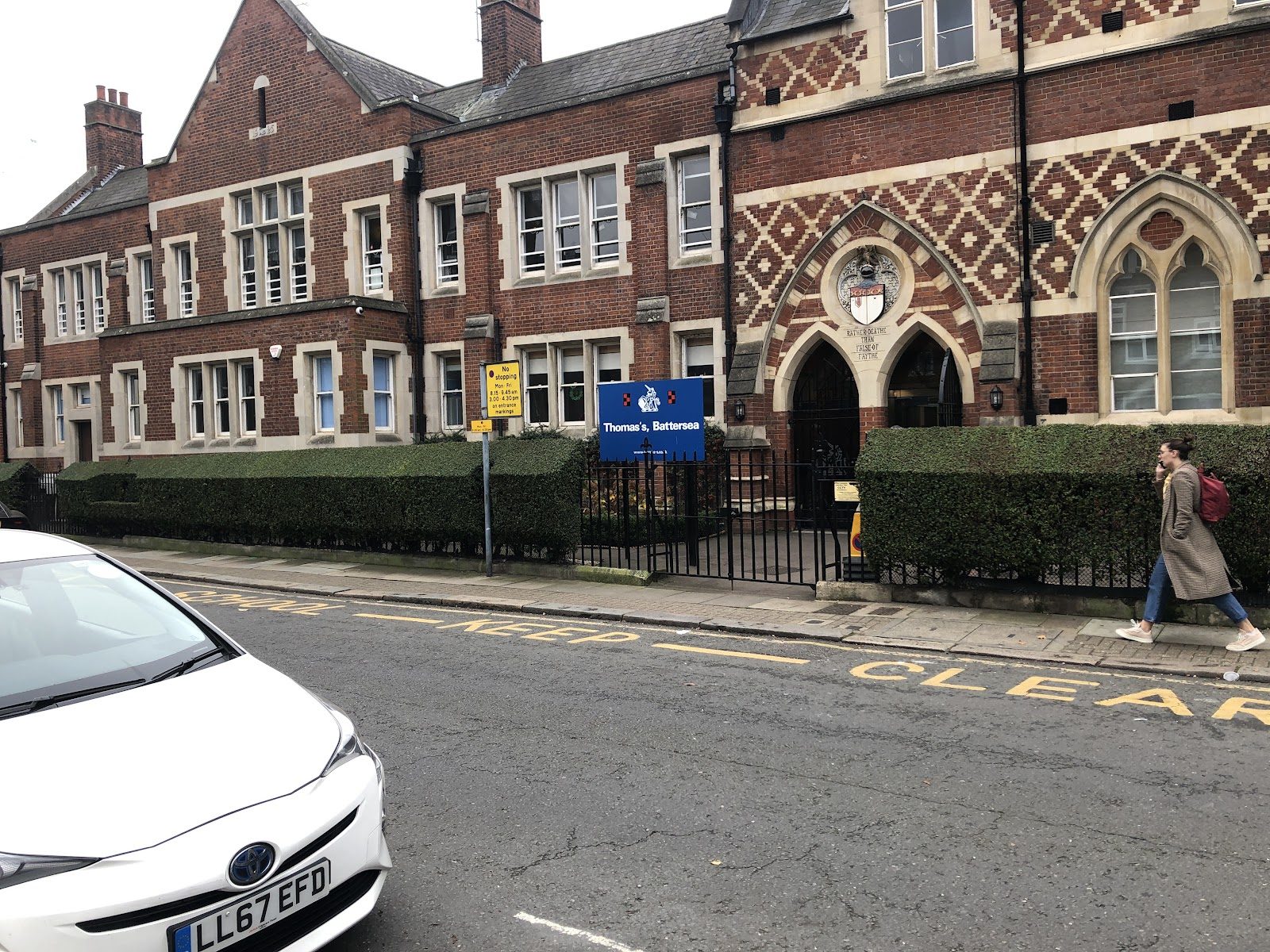
Thomas's Battersea
London · United Kingdom
In a former Victorian art school, an 'enquiry mindset' and a 'Be Kind' ethos feed London's top senior schools.
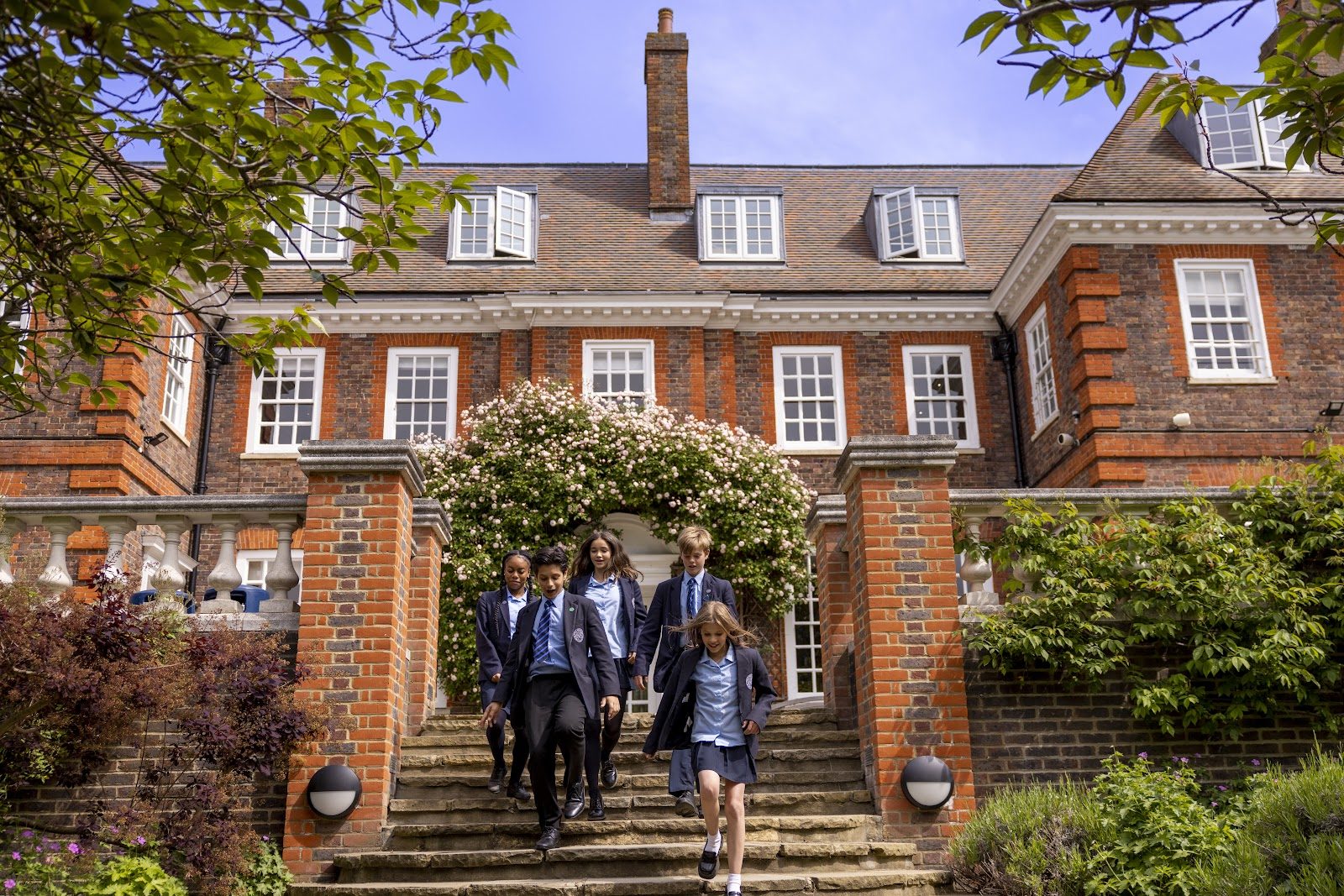
Ibstock Place School
London · United Kingdom
On the fringe of Richmond Park, a Froebel-founded day school has championed co-education since 1894.
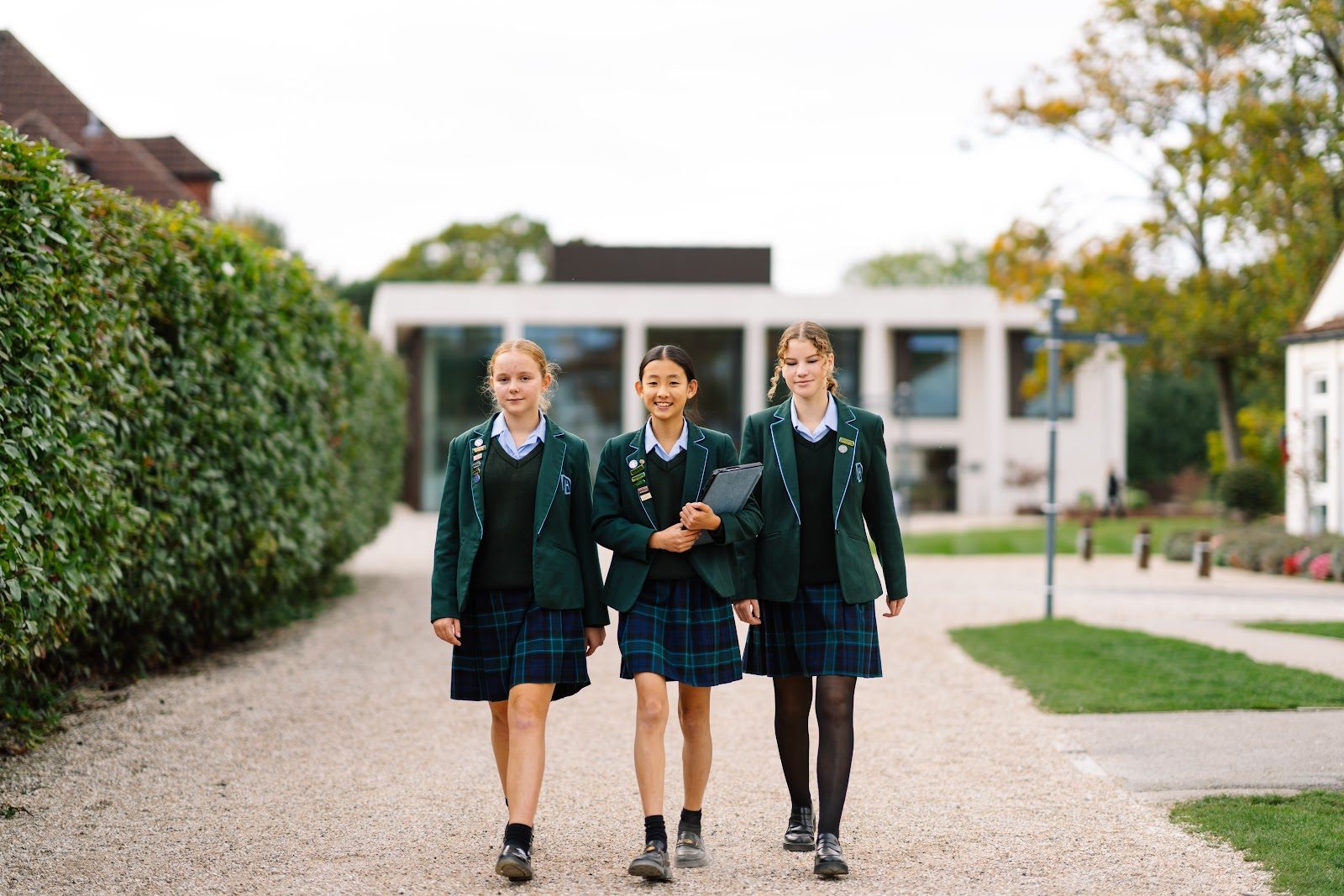
Downe House School
Cold Ash · United Kingdom
Rooted in Charles Darwin's former home, now a 110-acre Berkshire estate where science thrives and Oxbridge ambition runs deep.

Oakham School
Oakham · United Kingdom
Where a 1584 market-town foundation meets Rutland Water sailing, early co-education, and a long-standing IB Diploma alongside A-levels.
Same country and curriculum — closest matches within ±10 points either way