
Île-de-France
International School of Paris
high confidence· 6/6 cats · 3.2 avg sourcesFrance's only school running all three IB programmes, housed in twin converted townhouses in the 16th arrondissement.
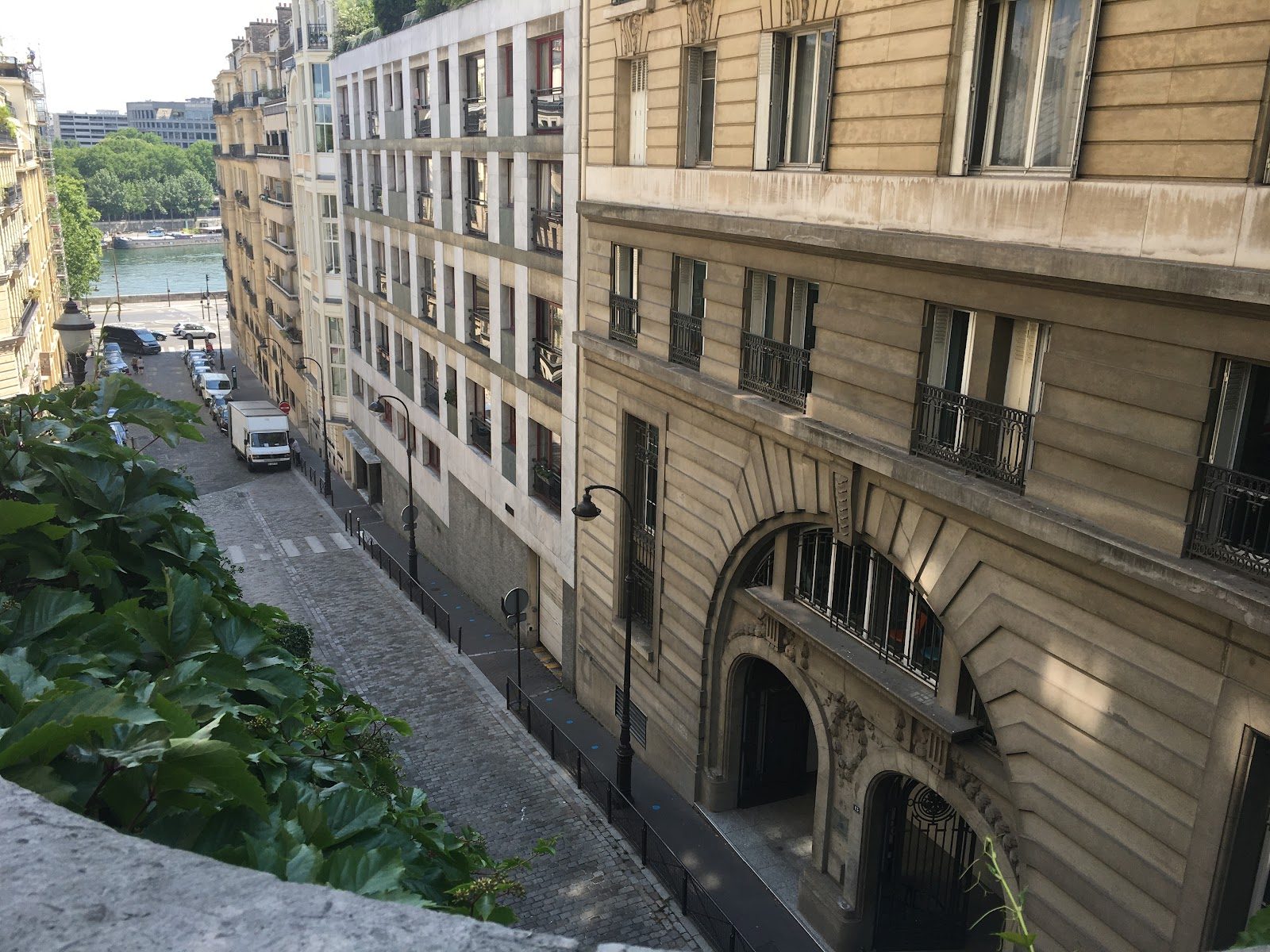
Photo © shingo neko via Google Maps
Type
Day
Ages
3–18
Curriculum
IB
Qualifications
IB Diploma · IB MYP · IB PYP
Ratio
—
The Verdict
Editor's commitment
Right for
Families wanting all three IB programmes in English, from age 3 to 18, at a CIS-accredited day school in Paris.
Wrong for
Parents expecting a sprawling campus or boarding; this 1964-founded school is day-only and housed in twin townhouses in the 16th.
Watch out for
Class of 2025 sent 13 leavers to UCL and 9 to Bath, but 74 leavers is a small cohort with limited destination breadth.
Ranking breakdown
International School of Paris · #452 of 1591
Composite score 69.6. 8 weighted criteria.
By criterion
Academic Outcomes
Weight 20%
#511
of 1529 scored
University Placement
Weight 16%
#516
of 1529 scored
Prestige & Heritage
Weight 12%
#597
of 1571 scored
Alumni Network
Weight 12%
#389
of 1530 scored
Facilities
Weight 12%
#654
of 1534 scored
Transparency & Communications
Weight 8%
#592
of 1532 scored
Peer & Industry Review
Weight 10%
#640
of 1548 scored
Admissions Selectivity & Demand
Weight 8%
#400
of 1529 scored
Score history
International School of Paris · 2026
Movement across 2024–2026. Peer average overlaid.
Overall — 2024–2026
69.6/ 100
▲ +17.6 vs 2025
year on year
Peer & Industry Review
How International School of Paris is regarded in the sector
65
Respected · low confidence
International School of Paris is a well-established IB World School (founded 1967) frequently referenced in expat parent forums (e.g., Expat Arrivals, FrenchEntree) and specialist directories like the Good Schools Guide International as a solid choice for the Anglophone expat community in Paris, alongside peers like ISP, ASP, and Marymount. It lacks the frequent top-tier 'best schools' list placement or Tatler-level coverage seen in globally top-ranked international schools, positioning it as a respected but not exceptional regional player.
Evidence sources
Editors' overview
International School of Paris occupies a narrow but powerful niche in the Paris market. It is France’s only school running all three IB programmes, which gives it a clean all-through academic spine from the early years to the Diploma. For internationally mobile families, that matters more than glossy facilities or a sprawling campus. The proposition is coherence: one curriculum, one language of instruction, one school from age 3 to 18. Add its 16th-arrondissement setting and non-profit status, and ISP lands on the shortlist for parents who want central Paris without sacrificing continuity. The physical reality is less grand than some competitors: twin converted townhouses, not a purpose-built estate. For some families that feels urban and intimate; for others it feels constrained.
What is special here is not scale or spectacle. It is the combination of full IB delivery, English-medium teaching and a long-established international identity dating back to 1964. In a city where many schools offer one or two stages of the IB, ISP offers the entire route. That makes admissions logic and academic progression easier for families who move countries, and it gives the school a distinct claim in a crowded premium market. Governance also matters: ISP is a non-profit managed by a board of trustees, with many parent trustees. That structure brings close parental oversight and a clear community stake, though it also keeps the school firmly in the category of institutions where parent expectations carry weight.
This is a strong fit for children who are internationally minded, academically resilient and comfortable in a compact, city-centre environment. Students who value continuity over flash, who thrive in discussion-heavy classrooms, and who are heading towards universities in the UK and other international destinations will find the offer coherent. The Class of 2025 destinations underline that point: 74 leavers, with University College London, Bath and University for the Creative Arts among the top destinations. ISP suits families who want Paris but do not want a bilingual or French-national curriculum pathway. It suits students who need portability, who can handle high adult expectations, and who do not need the country-campus version of international schooling to flourish.
Academic Performance
ISP does not publish aggregate Diploma outcomes in the public domain here: no average score, no points distribution, no subject-level breakdown, no comparison against world IB figures. That is a real weakness for a school whose academic case rests on a clean, all-through IB pathway. In the premium international market, parents expect hard exam data. Without it, ISP sits in the category of academically serious schools that ask families to trust destination lists and institutional continuity more than published attainment. The university destinations offer one useful signal: 74 leavers in the latest class, with a clear pull towards UK universities and a cluster of placements that points to solid, internationally portable outcomes rather than a headline-grabbing Oxbridge machine.
Relative to peers, that places ISP in the middle of the Paris top tier on transparency and academic proof. The school has a coherent route to the Diploma and a long-established international profile, but it does not give parents the forensic results data that the strongest academic operators use to make their case. That does not mean weak outcomes; it means opaque outcomes. For some families, especially those prioritising continuity and mobility, that is enough. For parents comparing selective international schools on pure academic firepower, the missing score data is a material handicap and keeps ISP short of the most results-forward competitors.
Facilities
Facilities are the trade-off. ISP operates from twin converted townhouses, and that brings charm, centrality and a distinctly urban feel, but it does not deliver the spatial ease of a purpose-built international campus. Parents should picture vertical circulation, tighter communal areas and less of the broad, open footprint that schools on suburban sites use for large sports halls, expansive playing fields and specialist blocks. That does not make the school under-equipped; it makes it space-conscious. In Paris terms, that is a familiar compromise. Against peer schools with larger estates, ISP loses on acreage, spectacle and the simple convenience of having every specialist room under one roof. Families who equate quality with campus scale will find this setup constrained.
The more persuasive reading is that the school uses a compact estate in one of the city’s most desirable districts to support a coherent day-school model. For younger children, a townhouse environment can feel close-knit rather than impersonal. For older students, the limitation is clearer: sport, performance and large-group activity cannot rival the dedicated infrastructure of bigger competitors. Peer schools with extensive grounds hold the advantage in athletics, outdoor play and sheer room to breathe. ISP’s facilities suit families who value location, intimacy and daily practicality over campus theatre. They do not suit parents seeking the country-campus version of international schooling. The physical plant is functional, central and characterful; it is not lavish.
International School of Paris occupies a narrow but powerful niche in the Paris market
Prestige
ISP carries real prestige in the international schools market, but it is specialist prestige, not the social-club grandeur of a vast campus school or the old-money aura of a famous national institution. Its standing rests on a narrow set of strengths executed with discipline: full IB continuity, a long-established place in the expatriate fabric of Paris, and a university destination profile that keeps it in serious company. For globally mobile families, that combination has weight. The school’s non-profit structure also adds credibility. It reads as a school built around educational continuity and community governance, not a branded luxury product. That matters in a city where image can outpace substance.
The limits are clear, and they temper the rating. This is not a school with commanding public academic visibility: aggregate Diploma results are not published, which weakens its claim to top-table academic prestige. Its alumni footprint, at least in publicly catalogued notable names, is modest at 4, so it does not trade on a deep bench of famous graduates. Its latest leaver cohort, 74, points to a school with influence and reach, but not the scale that creates an outsized global network. In prestige terms, ISP sits in the serious but not mythic bracket: respected, well known among internationally minded Paris families, and credibly elite within its niche, but short of the automatic brand dominance enjoyed by the most globally recognisable schools.
Relative to peers, that places ISP in the middle of the Paris top tier on transparency and academic proof
Communications
Communication at ISP has one structural advantage that many bigger schools lack: governance sits close to the parent body. A non-profit school overseen by trustees, with many parents on the board, has fewer places to hide when communication slips. That does not guarantee excellence, but it does create direct accountability and a parent culture that expects answers. In practice, that tends to favour a high-contact, community-minded style rather than a distant corporate one. Families who want easy access to decision-makers will value that. Families who prefer a firmer buffer between home and school may find the atmosphere intense. In a compact day school, parent communication is not an add-on; it is part of the operating model.
Effectiveness is stronger at the relational end than at the evidential one. The school gives a clear institutional shape — trustees, non-profit status, an all-through structure — and that supports confidence in day-to-day dialogue. Where it falls short is public academic disclosure. A school asking parents to buy into a premium, academically serious proposition needs to publish hard outcomes with more rigour than ISP does. That gap matters because communications are not only about warmth, responsiveness and community tone; they are also about what a school is prepared to show plainly. On that test, ISP is less transparent than the best operators in its bracket. The result is a communications profile that feels personable but incomplete: strong on closeness, weaker on proof.
Uniqueness
What sets ISP apart is not scale, architecture or social cachet. It is structural clarity. In France, no other school offers the full sequence of all three IB stages under one roof, and that gives students a rarely matched continuity from the earliest years to university applications. The gain is practical as much as philosophical: fewer curriculum jolts, fewer shifts in teaching culture, and a cleaner academic narrative for families who move countries or plan several years ahead. That matters in Paris, where international options fragment quickly between national systems, bilingual hybrids and partial IB offers. ISP’s model is unusually coherent. Children grow up inside one academic logic, and older students reach the final years without having to translate themselves into a new system halfway through school.
Its other distinction lies in the combination of that all-through structure with a compact, city-based, non-profit school governed by trustees, many of them parents. That creates a close-grained community rather than an expansive campus machine. Students get a school that feels adult, international and tightly run, with less room for anonymity and more pressure to engage. The upside is strong for self-directed pupils: relationships span age groups, transitions are smoother, and the school’s identity stays consistent. The downside is just as clear. This is not a place that reinvents itself at each stage or hides weaknesses behind sprawl and spectacle. For the right child, that through-line is the point.
It is France’s only school running all three IB programmes, which gives it a clean all-through academic spine from the early years to the Diploma
Student Profile
The students who fit best here are internationally mobile, academically steady and comfortable in a school where there is nowhere to hide. ISP suits children who can handle a compact social world, move easily between cultures and do not need the stimulus of a vast campus to stay engaged. The cohort will skew towards expatriate and globally minded families who want continuity through school rather than a local French pathway. That creates a student body with a strong international reflex: pupils used to transition, used to newcomers, and used to classmates whose parents work across borders. For self-possessed children, that is energising. For pupils who want a bigger peer pool, broader subcultures or a looser social atmosphere, the scale will feel tight.
The right student here is independent, articulate and able to cope with high adult expectations in a day-school setting where parents are closely invested. Creative students and academically focused generalists both have room, but the common denominator is adaptability, not niche specialism. The latest graduating class of 74 reinforces that sense of a school with a real senior cohort, but not one large enough to dilute individual visibility. Students who flourish in close-grained communities, who value international university routes and who can thrive without the theatre of a major campus will do well. Those seeking anonymity, intensive sporting culture or the social breadth of a much larger school will not.
For internationally mobile families, that matters more than glossy facilities or a sprawling campus
Co-curricular strengths
Arts & sport, on a separate axis
Overall 8.12/10
Scored 0-10 from the school's own published evidence. This axis is editorial-only — it does not feed the main WTS ranking.
Sports
7.8/10
Competes actively within local French and international tracking networks, though infrastructure is adapted to its urban Parisian city layout.
Drama
8.5/10
Highly engaging IB-driven dramatic curriculum, staging multilingual classical and contemporary productions.
Dance
7/10
Active ensemble choreography integrated heavily into school arts festivals and multicultural showcases.
Music
8.5/10
Robust instrumental setups supporting cross-cultural performance groups, jazz bands, and acoustic arrangements.
Visual Arts
8.8/10
Exceptional studio depth designed for the intensive demands of the IB Visual Arts portfolio, featuring top-tier digital media suites.
Editor-verified · 8/6/2026
Outcomes & destinations
Where students go next
Class of 2025
74 graduates
Top destinations
409 placements
- University College London· 13
- University for the Creative Arts· 3
- University of Bath· 9
- University of Birmingham· 4
- University of Brighton· 1
- University of Bristol· 9
- University of Cambridge· 1
- University of Edinburgh· 9
- University of Essex· 3
- University of Exeter· 4
- University of Glasgow· 10
- University of Kent· 1
- University of Leeds· 3
- University of Liverpool· 1
- University of Manchester· 15
- University of Nottingham· 8
- University of Southampton· 5
- University of St Andrews· 4
- University of Surrey· 1
- University of the Arts London· 11
- University of Warwick· 15
- University of West London· 1
- University of Westminster· 3
- University of York· 3
- American University· 2
- Arizona State University· 1
- Babson College· 1
- Berklee College of Music· 1
- Bryn Mawr College· 1
- Case Western University· 1
- Clarkson University· 1
- Colgate University· 1
- Columbia University-SciencesPo DDP· 1
- Fordham University· 2
- George Washington University· 4
- Lafayette College· 1
- Lehigh University· 1
- Loyola Marymount University· 1
- New York Film Academy· 1
- New York University· 1
- Northeastern University· 2
- Northwestern University· 1
- Occidental College· 1
- Ohio State University· 1
- Penn State University· 2
- Purdue University· 1
- Rensselaer Polytechnic Institute· 1
- San Diego State University· 1
- Concordia University· 4
- HEC Montreal· 1
- Laval University· 1
- McGill University· 8
- University of British Columbia· 4
- University of Montreal· 1
- University of Ottawa· 1
- University of Sherbrooke· 1
- University of Toronto· 7
- American University of Paris· 2
- Atelier de Sèvres· 1
- CentraleSupélec-McGill University DDP· 1
- École Polytechnique· 1
- Edhec Business School· 4
- EM Lyon Business School· 2
- Esag Penninghen· 2
- ESCP Business School· 3
- Esra International Film School· 1
- ESSEC Business School· 3
- ISG International Business School· 1
- NEOMA· 1
- Paris College of Art· 1
- Paris School of Business· 1
- Sciences Po· 1
- Sciences Po-Columbia DDP· 1
- Skema Business School· 2
- Sorbonne Université· 1
- Université Paris Cité· 3
- Bocconi University· 3
- Humanitas University· 2
- Istituto Marangoni· 1
- John Cabot University· 1
- Luiss Guido Carli University· 4
- Nuova Accademia Di Belle Arti· 1
- Politecnico di Milano· 2
- Scuola Orafa Ambrosiana· 1
- Vita-Salute San Raffaele University· 1
- Amsterdam U. of Applied Sciences· 1
- Erasmus University Rotterdam· 2
- Hague U. of Applied Sciences· 2
- Leiden University· 2
- Maastricht University· 5
- Tilburg University· 2
- TU Delft· 1
- TU Eindhoven· 1
- University College Roosevelt· 1
- University of Amsterdam· 6
- University of Twente· 4
- University of Utrecht· 1
- Vrije Universiteit Amsterdam· 1
- Wageningen University· 1
- Complutense University of Madrid· 1
- Esade Business School· 1
- EU Business School· 1
- European University of Madrid· 1
- IE University· 22
- Universidad Carlos III· 1
- Cesar Ritz Colleges· 1
- EHL· 3
- EPFL· 1
- Geneva Business School· 1
- Glion Institute· 2
- Institute of Finance & Management· 1
- Aberystwyth University· 1
- Arts University Bournemouth· 1
- Ayrshire College· 1
- Brunel University London· 1
- Cardiff University· 2
- City University of London· 8
- Coventry University· 1
- Goldsmiths University of London· 2
- Hult International Business School· 1
- Imperial College London· 3
- Istituto Marangoni London· 2
- King’s College London· 29
- Kingston University· 2
- LAMDA· 1
- Liverpool Hope University· 1
- London Metropolitan University· 2
- London School of Economics· 4
- London South Bank University· 1
- Loughborough University· 1
- Manchester Metropolitan University· 1
- Northeastern U. London· 7
- Norwich University of Arts· 2
- Queen Mary University London· 14
- Royal Holloway University London· 7
- SOAS University of London· 3
- TEDI London· 1
Reported by the school. Confirm with admissions.
Strengths
- +ISP received authorisation for the IB Diploma Programme in 1982, for the IB Middle Years Programme in 2003 and for the IB Primary Years Programme in 2004, making it the only school in France to offer all three International Baccalaureate programmes: the IB Primary Years Programme, the IB Middle Years Programme and the IB Diploma Programme.
- +Recent IB Diploma results have been solid: a 90% pass rate for the 2024-25 academic year with an average points score of 32 points, and 26% of all ISP students attained 36 points or above.
- +The International School of Paris (ISP) is an English-speaking day school located in the heart of the 16th arrondissement, giving families an easy, central commute rather than a suburban campus.
- +The school is accredited by the Council of International Schools, the New England Association of Schools and Colleges (NEASC) and the International Baccalaureate Organization (IB).
- +ISP operates as a fully private school, managed by a Board of Trustees composed of parents, operating under the statute of French association Loi 1901, i.e. a not-for-profit governance model rather than a for-profit chain.
Considerations
- −Fees sit at the top of the Paris market: top-tier names such as the American School of Paris and the International School of Paris cluster at the high end of these ranges, and published extras include an Entry Fee of EUR 10,000, plus Learning Support of EUR 2,750 (A1) to EUR 3,800 (A2) and a nursery-to-grade-9 bus fee of EUR 5,550.
- −Admission is deliberately non-selective, and as a non-selective school, it diverts considerable resources toward SEN support, though only a basic level of SEN support is included in the tuition fees - meaning classrooms span a wide ability range rather than a narrowly academically screened cohort.
- −One independent review platform notes that the school's added value is limited, and extra-curricular activity options are, in particular, poor, a view not universally shared but worth weighing against the central-Paris premium.
- −Academically, ISP's low-to-mid-30s average IB score, while above the global mean, trails France's strongest IB performer: Ecole Jeannine Manuel ranked first in France in 2025 with an average of 38.1, well above the global mean of 30.5.
Availability
Primary entry gate & tests
Academic Record
Gallery
Photo © Éric Talagrand via Google Maps
Photo © Éric Talagrand via Google Maps
Photo © Éric Talagrand via Google Maps
Photo © Éric Talagrand via Google Maps
Photo © Éric Talagrand via Google Maps
Parent reviews
Have you sent your child here?
Voice reviews carry the strongest trust badge — we transcribe them for you to tidy up before they go live. Prefer to type? A written review is fine too.
Add your voice
In 60 seconds, tell other parents: what's the best thing about International School of Paris, and what surprised you when your child joined?
We ask for a Google sign-in so every review has a real face behind it — no anonymous drive-by attacks on schools, and no faked positive reviews. Your email is never shown publicly.
Send this profile to a friend
International parents rely on word-of-mouth. Share this review with someone weighing the same decision.
Schools with places
Similar schools to International School of Paris with places available now.
The British School of Paris
Paris · France
- 2026-27
- WAITPOOLSpace-dependent
- 2027-28
- PLACES OPENRolling
École Jeannine Manuel
Paris · France
- 2026-27
- CLOSEDStandard route
- 2027-28
- OPENS SOONOpens Oct '26
Availability first, then country, area, curriculum, price, co-curricular
Consider also
Also worth looking at alongside International School of Paris.
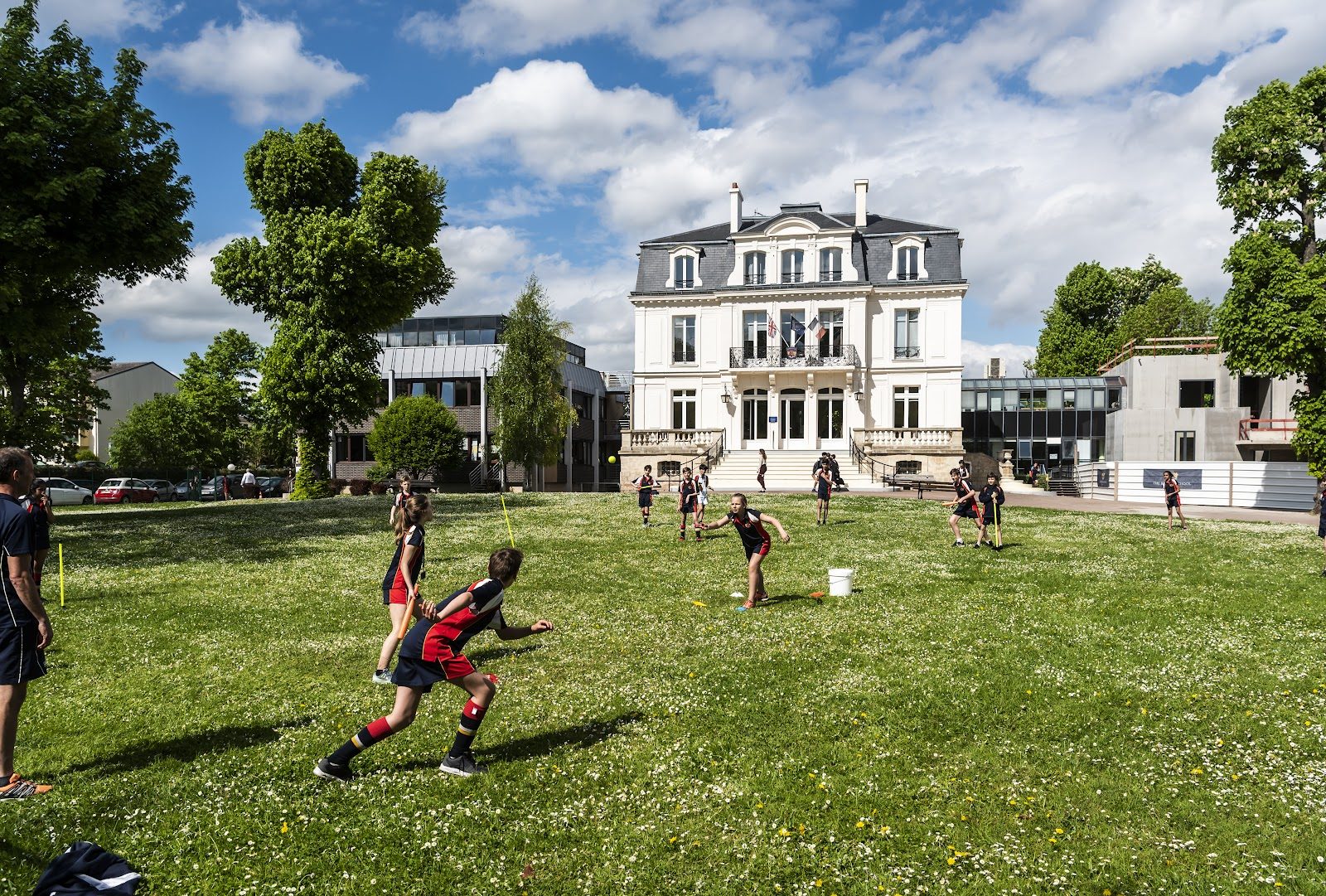
The British School of Paris
Paris · France
The only UK-government-accredited British School Overseas in France, pairing A-Levels and IB on the Seine west of Paris
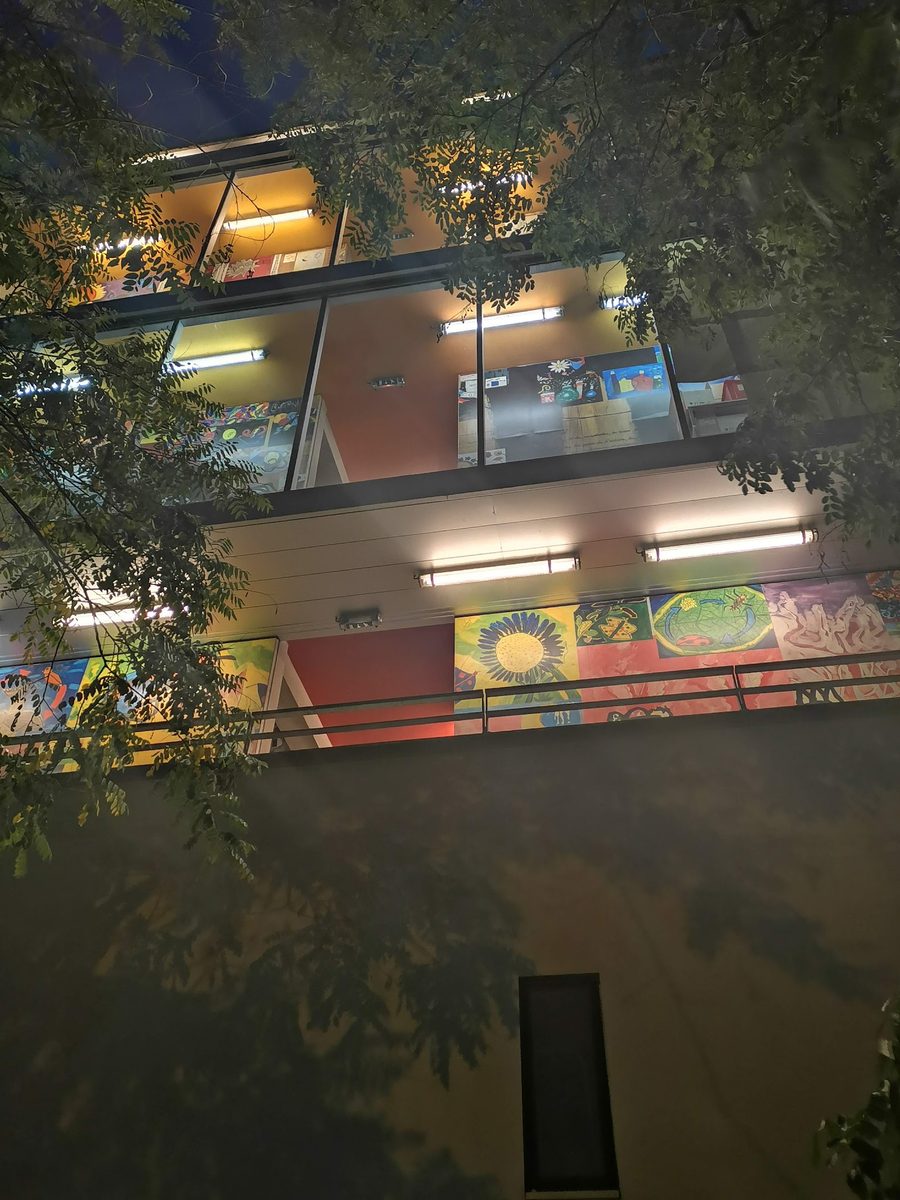
École Jeannine Manuel
Paris · France
Founded by a Resistance veteran, this Left Bank lycee teaches core subjects bilingually and has topped France's rankings for a decade.
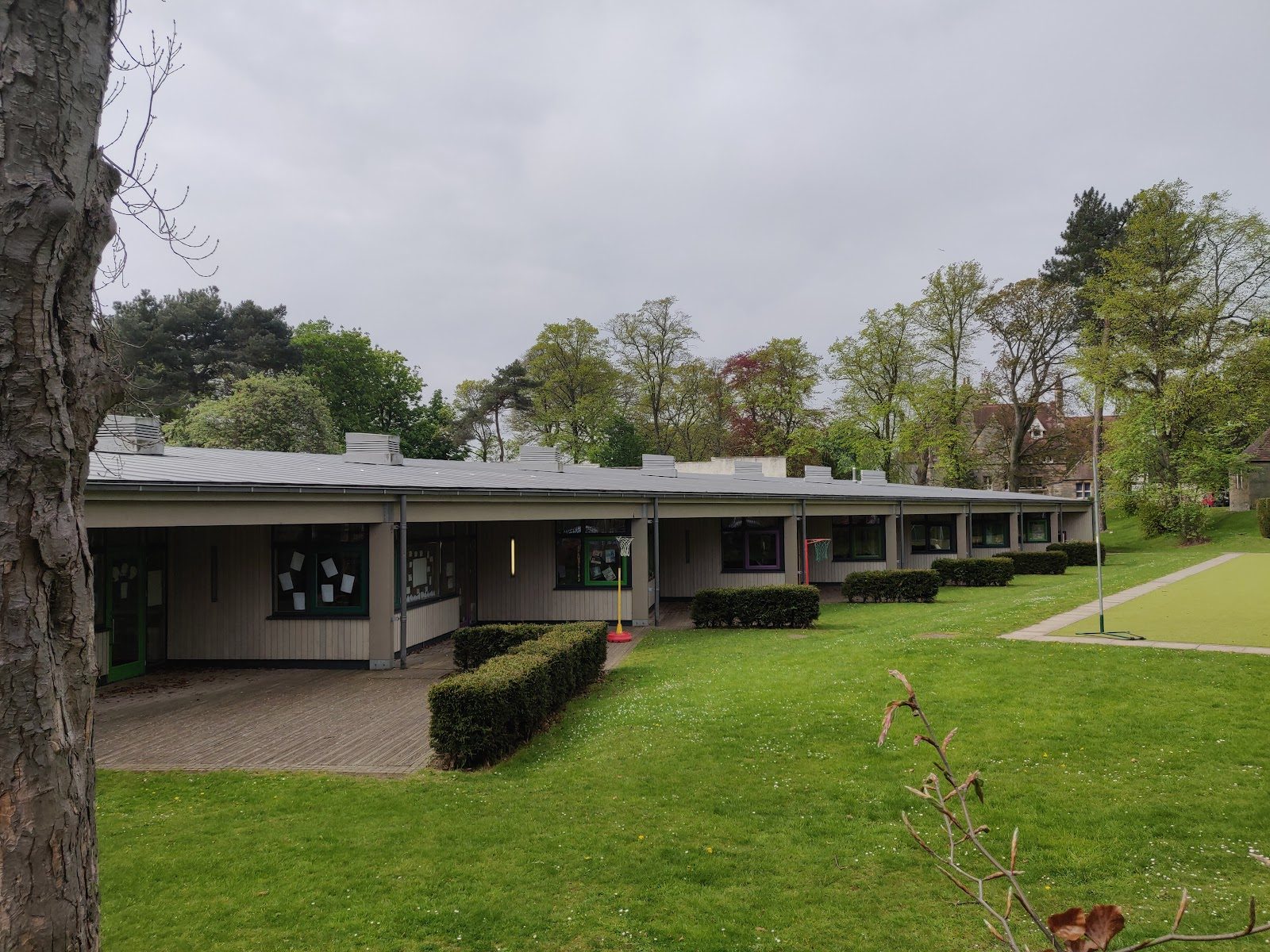
Fettes College
Edinburgh · United Kingdom
Gothic turrets said to have inspired Hogwarts frame Scotland's only sixth form pairing A Levels with a full IB Diploma pathway.
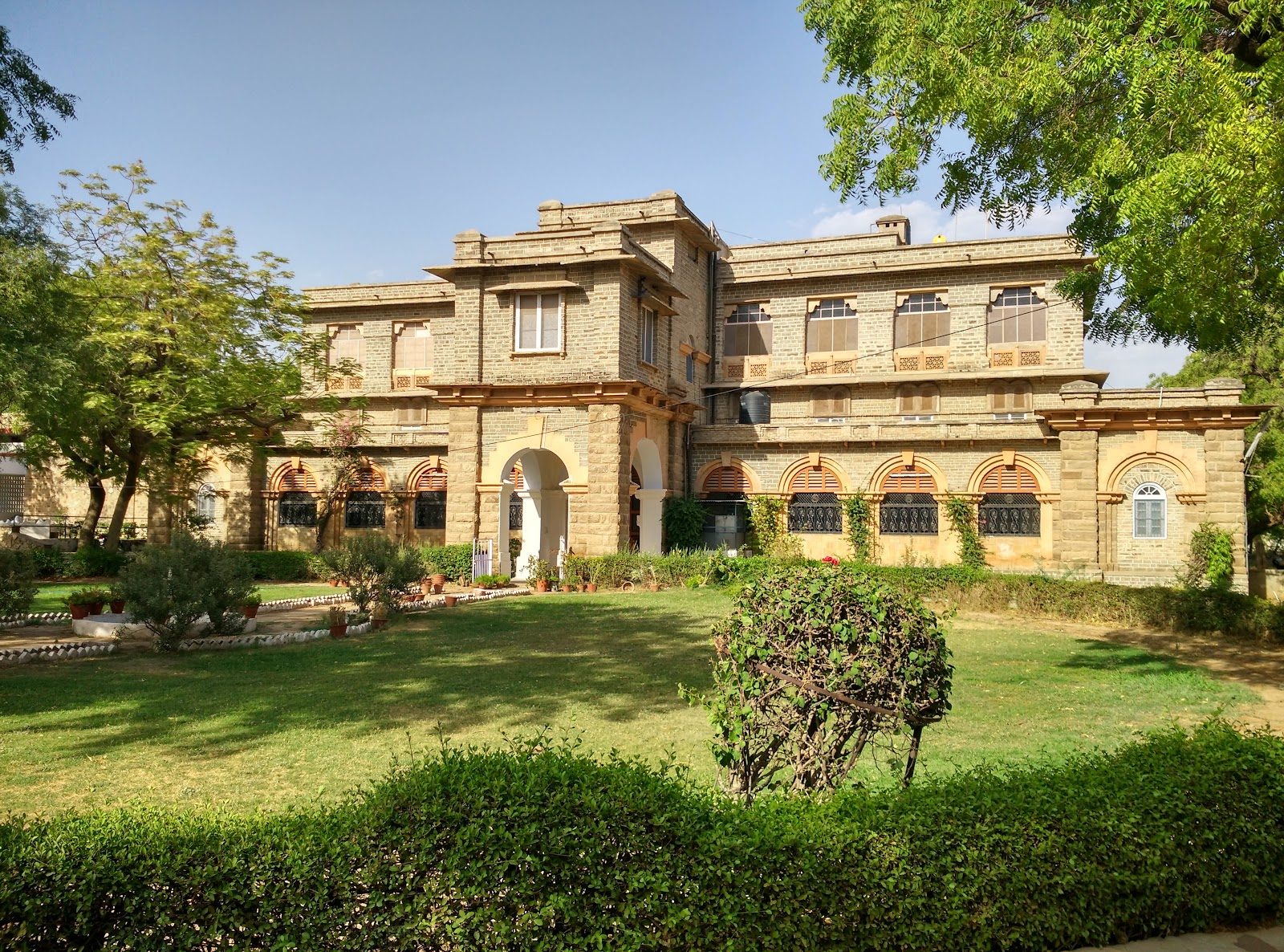
Mayo College
Ajmer · India
Historic all-boys boarding school in Ajmer offering the CBSE and Cambridge IGCSE curricula.
Same country and curriculum — closest matches within ±10 points either way