Western Cape
Rondebosch Boys' High School
low confidence· 6/6 cats · 0 avg sourcesBelow Table Mountain, this 1897 Cape day school helps keep alive the country's longest-running interschool athletics meet, since 1934.
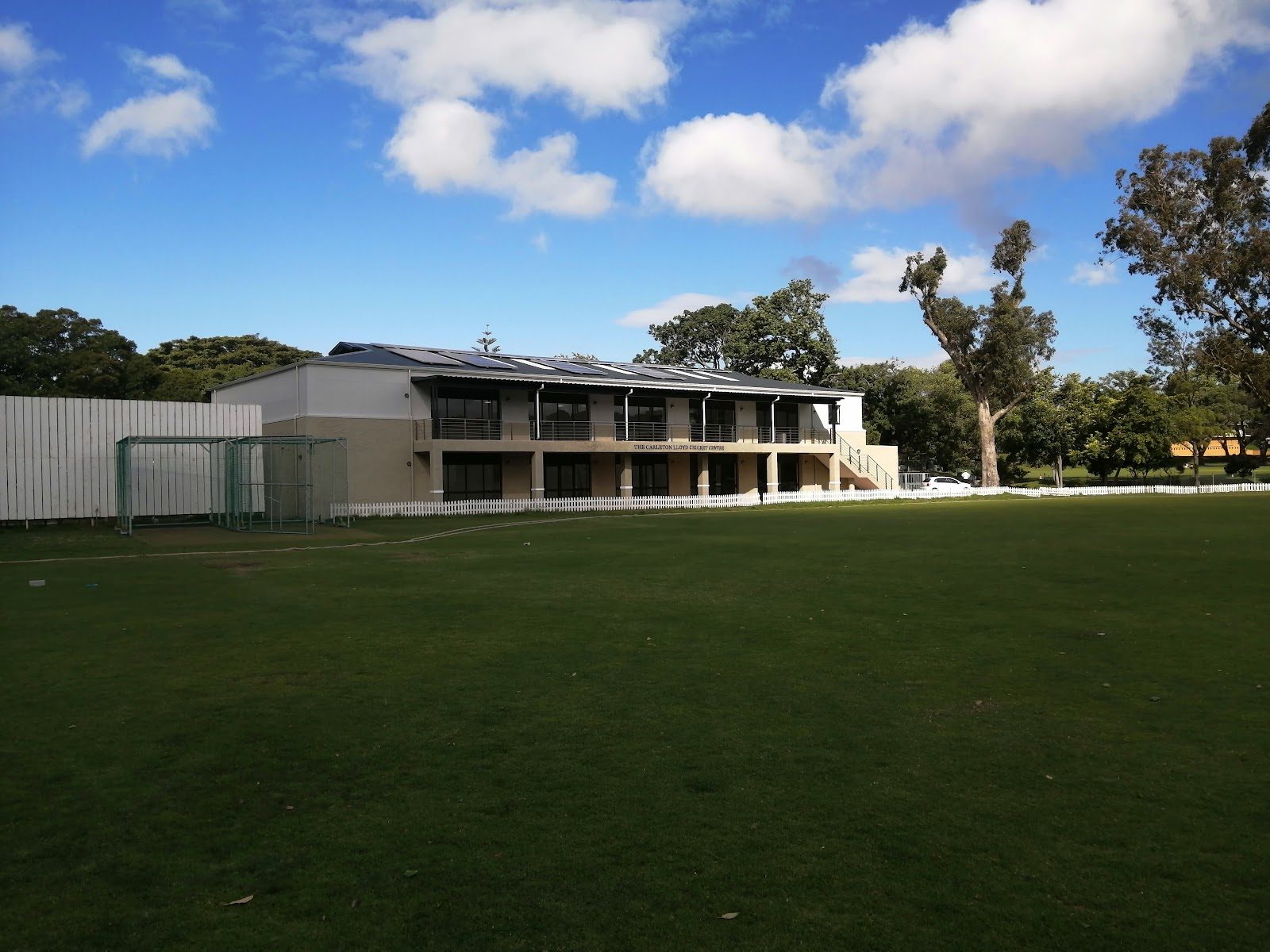
Photo © Ian Pells via Google Maps
Type
Day
Ages
5–18
Curriculum
IEB
Ratio
14:1
The Verdict
Editor's commitment
Right for
Families wanting an English-medium, non-religious Cape Town day school with IEB academics, ages 5–18, and a 14:1 student-teacher ratio.
Wrong for
Parents seeking co-education, boarding or a softer culture: this is a boys' day school, founded in 1897, with average classes of 28.
Watch out for
Public-school status matters: for all its 1897 pedigree and Table Mountain cachet, the school does not publish headline academic outcomes.
Ranking breakdown
Rondebosch Boys' High School · #453 of 1591
Composite score 69.6. 8 weighted criteria.
By criterion
Academic Outcomes
Weight 20%
#512
of 1529 scored
University Placement
Weight 16%
#584
of 1529 scored
Prestige & Heritage
Weight 12%
#446
of 1571 scored
Alumni Network
Weight 12%
#293
of 1530 scored
Facilities
Weight 12%
#808
of 1533 scored
Transparency & Communications
Weight 8%
#725
of 1532 scored
Peer & Industry Review
Weight 10%
#645
of 1548 scored
Admissions Selectivity & Demand
Weight 8%
#369
of 1529 scored
Peer & Industry Review
How Rondebosch Boys' High School is regarded in the sector
82
Strong · medium confidence
Rondebosch Boys' High School is consistently featured in South African 'top schools' rankings and media coverage (e.g., BusinessTech and other national rankings lists of top public schools by matric results), and it has a strong reputation among Cape Town's public school peer group, being frequently mentioned alongside Bishops, SACS, and Wynberg Boys' in comparative discussions. Its rugby and academic alumni network (including notable Springboks and public figures) receives regular independent press coverage in South African sports and news media, reinforcing a well-established peer and public reputation, though it has less international/expat press visibility than top private schools like Bishops.
Evidence sources
Award
Elite Sport 80
World's Top School · The Global Ranking
Rondebosch Boys' High School is featured on our Global Top 80 ranking at #40. This seal is available for the school's marketing team to use on their website, prospectus and social channels.
Editors' overview
Rondebosch Boys' High School sits in the top tier of Cape Town’s established boys’ schools: old, public, academically serious and culturally entrenched. Founded in 1897, it carries the weight of history without needing to advertise it. This is a non-religious English-medium day school for boys aged 5–18, running the IEB curriculum and doing so at scale, with an average class size of 28 and a student–teacher ratio of 14:1. The distinction here is not novelty but continuity: institutional confidence, deep-rooted tradition and a school identity tied tightly to Cape Town itself. The reference to the country’s longest-running interschool athletics meet, sustained since 1934, tells you a great deal. Rondebosch values ritual, rivalry and belonging.
What puts it on a shortlist is the combination of public-school heritage and a broad, disciplined education in a major city setting. Parents looking for glossy reinvention will not find it here; parents looking for a school with serious academic intent, a settled culture and a strong extra-curricular backbone will. The all-boys format remains a decisive factor. For the right family, that brings focus, camaraderie and a clear sense of identity. For others, it will rule the school out immediately. That is not a weakness; it is a precise market position. Rondebosch also carries genuine intellectual cachet: it counts Allan M. Cormack, Nobel laureate in Physiology and Medicine, among its former pupils. That matters less as a marketing line than as evidence of long memory and academic ambition.
The student who thrives here is not chasing experimentation or a progressive educational philosophy. He wants structure, competition and a school with backbone. He will value sport, house spirit and tradition, and he will not be intimidated by an environment shaped by more than a century of precedent. Boys who enjoy being part of something bigger than themselves, and who respond well to high expectations and visible standards, will fit. Families who want extensive public disclosure on outcomes will find some opacity; the school does not publish the kind of headline performance data that international parents now expect as routine. Even so, for parents seeking a respected Cape Town day school with stature, continuity and earned local standing, Rondebosch warrants close attention.
An Elite Sport 80 school
Rondebosch Boys' High School in Cape Town is at rank forty on the Elite Sport 80 because it is one of the historic engines of Cape rugby and cricket, with a sustained pipeline of Springboks and Proteas across generations. The Rondebosch 1st XV is a consistent national-schoolboy-rugby-finals fixture, and the 1st XI cricket squad is a regular Western Province Cricket and Proteas feeder.
The specialisms are rugby union (with a formal academy model, professional coaching and links to the Stormers Super Rugby franchise), cricket (a Proteas and Cape Cobras pipeline), athletics, hockey and rowing. Basketball and swimming operate at high schoolboy standard.
Notable alumni across codes include Percy Montgomery (Springbok World Cup winner), Deon Fourie, several current Springboks and Currie Cup professionals; in cricket, Owais Shah (as an early cricketing schoolboy), Vernon Philander's contemporaries at Cape Town cricket, and current Proteas squad members. In hockey and athletics, multiple South African representatives have come through.
International openness is genuine but modest. The school admits pupils from neighbouring African countries and, in smaller numbers, from Europe, Australasia and the Americas, and runs a boarding house on-site. Fees are very modest by international-boarding standards, sitting around ZAR 90,000-115,000 including boarding, making Rondebosch one of the highest value-for-money elite-sport schools on this list. Language of instruction is English (with Afrikaans as a second language). Overseas admissions go through the normal application process plus a rugby or cricket trial, and the residency permit process for South Africa is straightforward. For a family relocating from a rugby- or cricket-strong nation and targeting a genuine Springbok or Proteas pathway, Rondebosch Boys' offers one of the most efficient Cape Town-based options. Overseas boarding families typically begin conversations 12-18 months before the intended entry point, particularly for the Grade 8 (Standard 6) intake where competition for house places is at its highest. Sport-scholarship windows in rugby and cricket usually open in the second half of the preceding year.
Academic Performance
Rondebosch has clear academic standing inside South Africa’s competitive boys’ school market, but the public evidence is thinner than international parents now expect. The school runs the IEB, and that matters: this is a demanding external assessment route, taken by many of the country’s strongest independent and public schools, so weak outcomes are hard to hide over time. Rondebosch’s enduring reputation rests on that context rather than on a stream of published headline metrics. The problem is straightforward: the school does not publish aggregate matric results, university placement data, subject distinctions, or multi-year performance summaries in the way top fee-charging peers increasingly do. For an overseas family trying to benchmark schools at a distance, that opacity is a real weakness.
Even so, Rondebosch sits in the bracket of Cape schools that are treated as academically serious business, not as sport-first institutions with classroom work added on. Its age, selection pressure, and entrenched local reputation all point in the same direction: this is a school where examination performance matters and where underperformance would damage the brand quickly. That places it in the upper tier of established local competitors, though not in the small group of schools that back academic claims with hard public data. Parents who need clean comparative numbers will find the picture frustratingly opaque; parents with strong local networks will get a clearer read from reputation, leavers’ destinations and the calibre of boys who stay the course through to matric.
Facilities
Facilities are not the school’s main selling point in the way they are at newer, fee-heavy competitors. This is not a campus built to impress on a tour with glass, steel and branded specialist blocks. The strength lies elsewhere: a well-established, hard-working physical plant that supports the school’s core priorities of sport, routine and full participation. Given the school’s place in Cape Town’s boys’ school circuit, parents can expect the essential sporting infrastructure to be strong and heavily used, with athletics carrying particular weight. That matters, because in this market serious sport requires more than a token field and a gym hall; it requires grounds, maintenance and scheduling capacity. On academic facilities, the public picture is thinner. We have not seen the kind of detailed breakdown of laboratories, performing arts spaces, design workshops or senior study centres that top private-sector peers now publish as a matter of course.
Against benchmark schools in the city, that leaves Rondebosch in a clear middle position. It outmuscles schools with limited outdoor space or weaker sporting culture, but it does not trade on showpiece infrastructure. Families choosing between this and Cape Town’s best-resourced independents will notice the difference in capital spend and public presentation. Families choosing for institutional substance rather than architectural theatre will care less. The practical conclusion is simple: the facilities do the job for a tradition-heavy, high-participation boys’ school, but they are not a reason on their own to choose it.
Rondebosch Boys' High School sits in the top tier of Cape Town’s established boys’ schools: old, public, academically serious and culturally entrenched
Prestige
Rondebosch carries real prestige in the South African context, but it is a specific kind of prestige: public, old, male, competitive and deeply local. This is not the prestige of a polished global brand or a school that courts international families with exhaustive data and slick positioning. It is the prestige of a place that has sat near the top of its market for generations and has kept its status through continuity, standards and cultural weight. In Cape Town, that counts for a great deal. The school’s place in one of the country’s longest-running school sporting rivalries adds to that status, because prestige in this segment rests not only on exam performance but on institutional presence, memory and the ability to produce loyalty long after boys leave.
I rate it highly because the signals are strong even where the school’s own public disclosure is thin. A public boys’ school does not retain this level of standing over such a long period without delivering substance. The association with a Nobel laureate strengthens the academic case, but the bigger point is reputational durability: Rondebosch has remained socially recognisable and educationally serious across generations in a crowded, status-conscious market. The constraint is clear. Outside South Africa, the name carries less immediate force than the country’s best-known private schools, and the school does not publish the outcome data that would turn local esteem into fully bankable international prestige. Even so, within its home market, this is high-status schooling with weight behind it.
It is the prestige of a place that has sat near the top of its market for generations and has kept its status through continuity, standards and cultural weight
Communications
Rondebosch communicates in the manner of an old, self-assured school: functional, direct and not remotely built around parent hand-holding. The public-facing website covers the essentials, but it does not offer the level of granular, continuously refreshed parent information that international families now treat as standard. That matters. Schools with a strong internal culture can drift into assuming that existing families already know how things work. For local parents with established networks, that is manageable. For newcomers, it is a barrier. The published basics — including practical markers such as an average class size of 28 and a staff ratio of 14:1 — give some shape, but they do not amount to a fully transparent communication culture. We have not seen detailed public reporting on academic outcomes, which weakens trust at the point where many parents want the clearest answers.
Effectiveness, then, depends heavily on who the parent is. Families already fluent in Cape Town’s school culture will read the signals, ask the right questions and cope well with a system that runs on institutional memory as much as published explanation. International or first-time parents face a steeper climb. That does not make the school disorganised; it makes it inward-facing. In a tradition-rich boys’ school, communication often prioritises continuity and routine over persuasion. The upside is clarity of identity. The downside is avoidable opacity. Parents who want exhaustive disclosure and polished digital communication will find stronger operators elsewhere.
Uniqueness
What sets Rondebosch apart is not innovation but institutional endurance. Plenty of schools claim tradition; far fewer still animate it in daily life. Here, rivalry, ceremony and collective memory are not decorative extras added for prospectuses. They shape the school’s social fabric and give boys a clear sense that they are joining a line, not just enrolling for classes. The athletics fixture that has run since 1934 captures that difference neatly: continuity at this length creates obligation, pride and pressure. For students, that brings belonging with teeth. A boy is not left to drift anonymously through the timetable; he is pulled into a culture that expects participation, loyalty and public commitment.
That identity is sharpened by the school’s place in the public sector. Rondebosch does not rely on boutique positioning, imported educational fashions or luxury infrastructure to signal status. Its distinction rests on earned seriousness, competitive masculinity and a durable local standing that boys can feel around them. The upside is obvious: resilience, camaraderie and a strong sense of standards. The downside is just as clear. This is a tradition-bound environment, and boys who dislike hierarchy, ritual or open competition will feel the friction quickly. For the right student, though, that friction is productive. It builds confidence, presence and the habit of holding one’s place in a demanding peer culture.
Founded in 1897, it carries the weight of history without needing to advertise it
Student Profile
The boy who fits here is competitive, resilient and comfortable being measured in public. He does not need constant affirmation from adults and he will not wilt in a culture where standards are visible and peer comparison carries force. This is a school for boys who gain energy from team identity, fixtures, routine and the daily expectation that they pull their weight. The all-boys setting sharpens that dynamic. For some students, that brings focus and hard-edged camaraderie; for others, it creates noise, status games and a social climate that feels unforgiving. A child who needs a gentle, highly personalised environment will find stronger options elsewhere, even with a staffing ratio of 14:1.
The strongest match is a boy with solid self-command, decent organisational habits and a willingness to join in beyond the classroom. He does not need to be a star athlete, but he does need to tolerate a school where sport and collective life carry real social currency. Boys who like hierarchy, house spirit and old-school expectations will settle well. Boys who resist authority on principle, dislike competition, or want a more experimental, emotionally explicit model of schooling will hit friction quickly. With classes averaging 28, this is not a boutique pastoral setup built around individual tailoring. It suits students who want to earn their place in a tradition-heavy, status-conscious culture and who find motivation in belonging to something larger than themselves.
The distinction here is not novelty but continuity: institutional confidence, deep-rooted tradition and a school identity tied tightly to Cape Town itself
Co-curricular strengths
Arts & sport, on a separate axis
Overall 8.26/10
Scored 0-10 from the school's own published evidence. This axis is editorial-only — it does not feed the main WTS ranking.
Drama
8.8/10
Dance
4.5/10
Music
9.2/10
Visual Arts
9/10
Strengths
- +Rondebosch is one of the oldest schools in the country, having been established in 1897, and is the only school in the Western Cape to have a Nobel Prize laureate, Allan M. Cormack in Physiology and Medicine.
- +The 2024 matric cohort achieved a Bachelor pass rate of 92.8% while 98% of this group qualify for tertiary study, with 99.4% of the Rondebosch group passing the examination and the 167 candidates achieving 391 A symbols.
- +Rondebosch is the traditional rival of the nearby school Diocesan College (Bishops) as well as SACS and WBHS, with derby matches played almost every weekend during the winter sports season, giving pupils a strong co-curricular sporting culture.
- +The boarding houses at Rondebosch can accommodate 120 boys, so relocating families outside the immediate catchment have a residential option alongside the main day intake.
- +The Old Boys' Union was established in 1909 and is one of the strongest of its kind in South Africa, reflecting a long-standing alumni network that can support networking and mentorship.
Considerations
- −Rondebosch is a public English medium high school for boys, so it is not an option for families seeking co-education.
- −Public school admissions prioritize applicants based on proximity to the school and the availability of space, rather than academic prowess, which can disadvantage relocating expat families without an established local address.
- −As a WCED-accredited public school, Rondebosch follows the National Senior Certificate pathway rather than the IEB curriculum sometimes preferred by internationally-mobile families, and cohorts are sizeable — 167 candidates sat matric finals in 2024.
- −The boarding houses at Rondebosch can accommodate 120 boys, a modest capacity that limits full-boarding options for the majority of families arriving from outside Cape Town.
Availability
Primary entry gate & tests
Internal Assessment (Boys)
Gallery
Photo © Ian Pells via Google Maps
Photo © Nadia Samsodien via Google Maps
Photo © Nadia Samsodien via Google Maps
Photo © Michael Lighton via Google Maps
Photo © BRETT SWANEPOEL via Google Maps
Photo © Michael Edward Manning via Google Maps
Photo © Ian Pells via Google Maps
Photo © Michael Edward Manning via Google Maps
Photo © Omar Hamdi via Google Maps
Parent reviews
Have you sent your child here?
Voice reviews carry the strongest trust badge — we transcribe them for you to tidy up before they go live. Prefer to type? A written review is fine too.
Add your voice
In 60 seconds, tell other parents: what's the best thing about Rondebosch Boys' High School, and what surprised you when your child joined?
We ask for a Google sign-in so every review has a real face behind it — no anonymous drive-by attacks on schools, and no faked positive reviews. Your email is never shown publicly.
Send this profile to a friend
International parents rely on word-of-mouth. Share this review with someone weighing the same decision.
Schools with places
Similar schools to Rondebosch Boys' High School with places available now.
Availability first, then country, area, curriculum, price, co-curricular
Consider also
Also worth looking at alongside Rondebosch Boys' High School.
St John's College
Johannesburg · South Africa
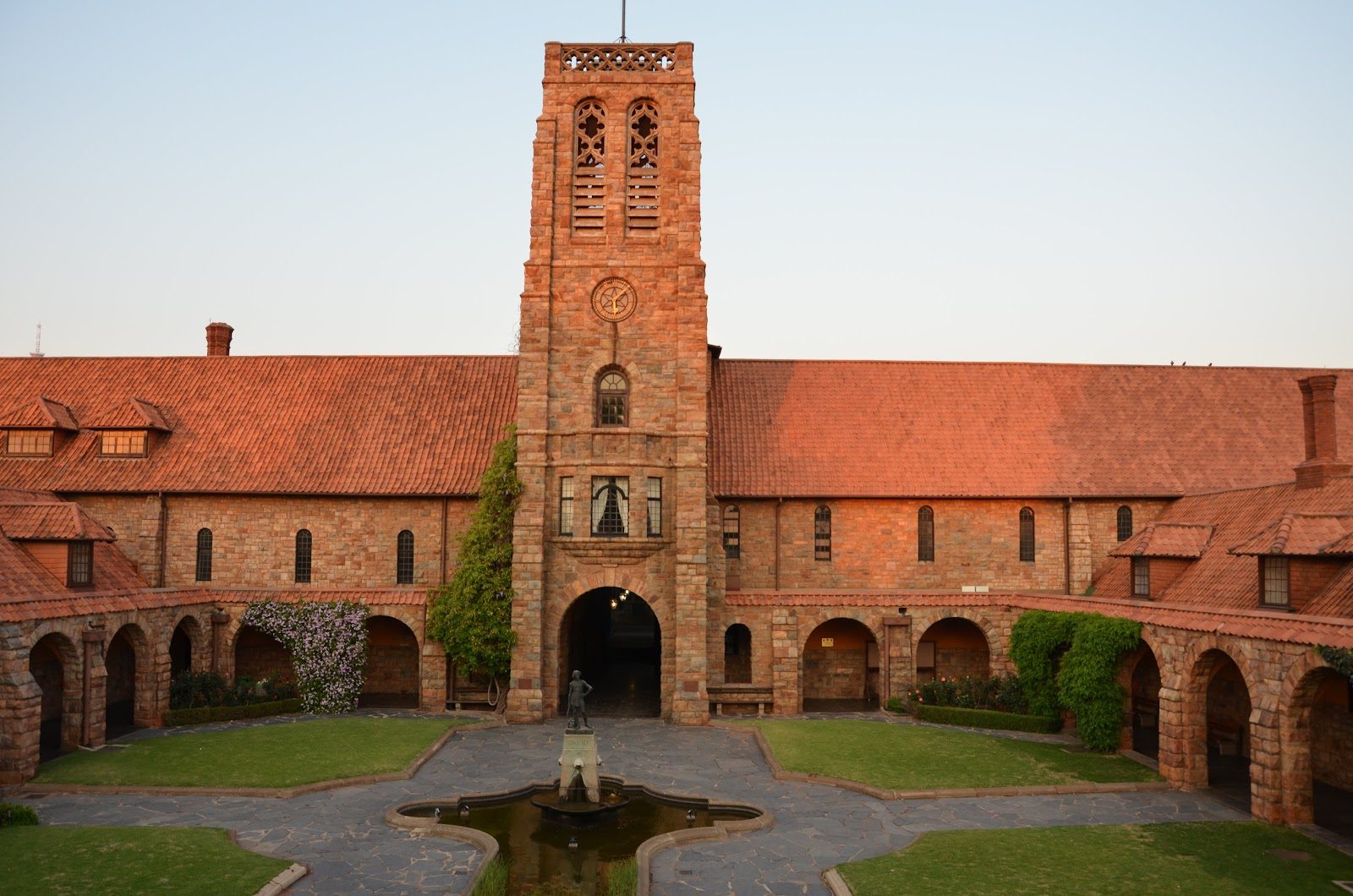
Founded twelve years after the Witwatersrand gold rush, this Anglican boarding college blends Herbert Baker quadrangles with a four-house pastoral tradition
St Andrew's College
Makhanda · South Africa
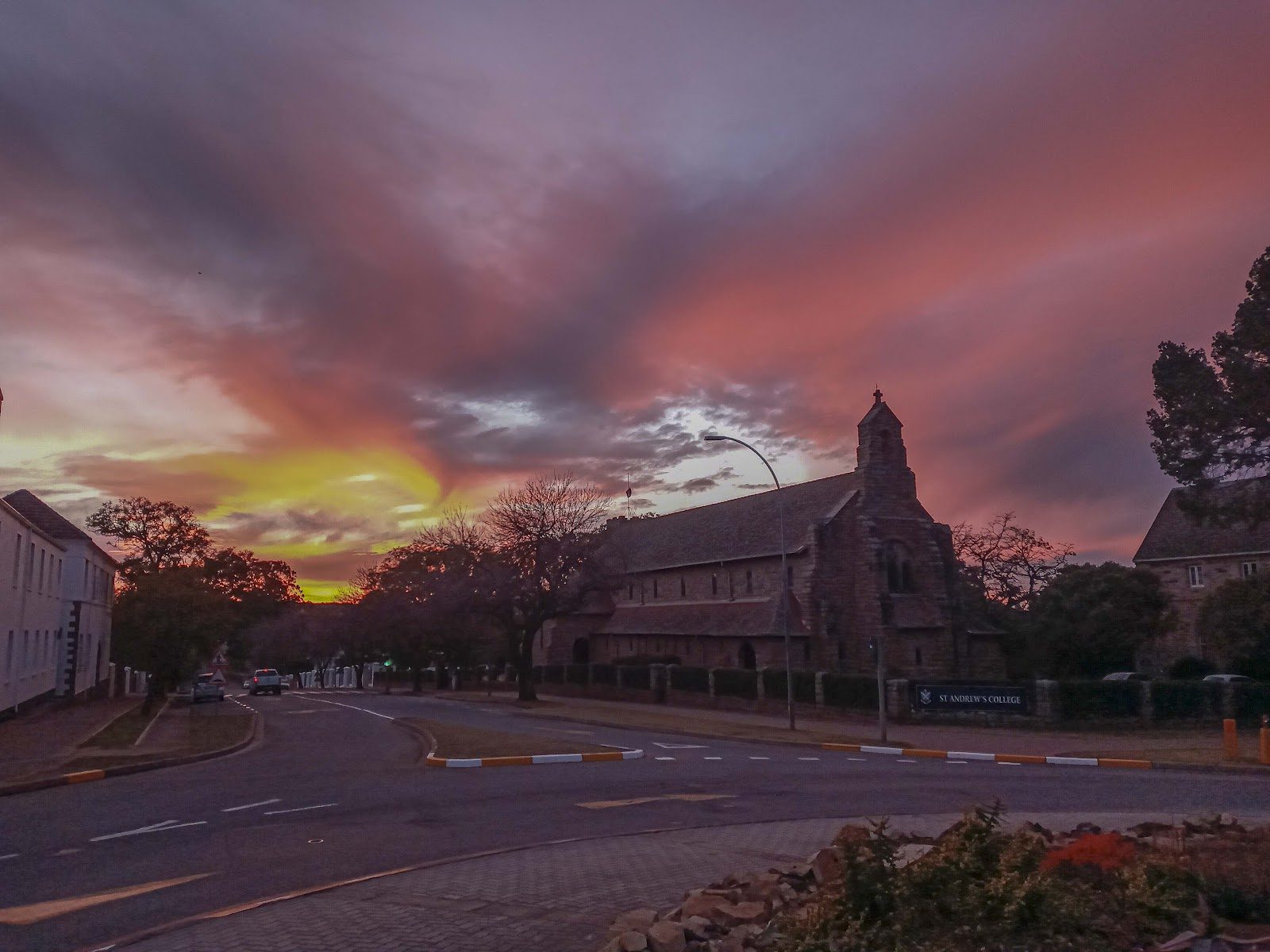
On the Eastern Cape frontier since 1855, house tradition and shared classes with a sister school shape a distinct boarding life.
Roedean School South Africa
Johannesburg · South Africa
Founded in 1903 by two Cambridge-educated pioneers, this all-girls boarding school still occupies its original Herbert Baker campus in Parktown.
African Leadership Academy
Johannesburg · South Africa
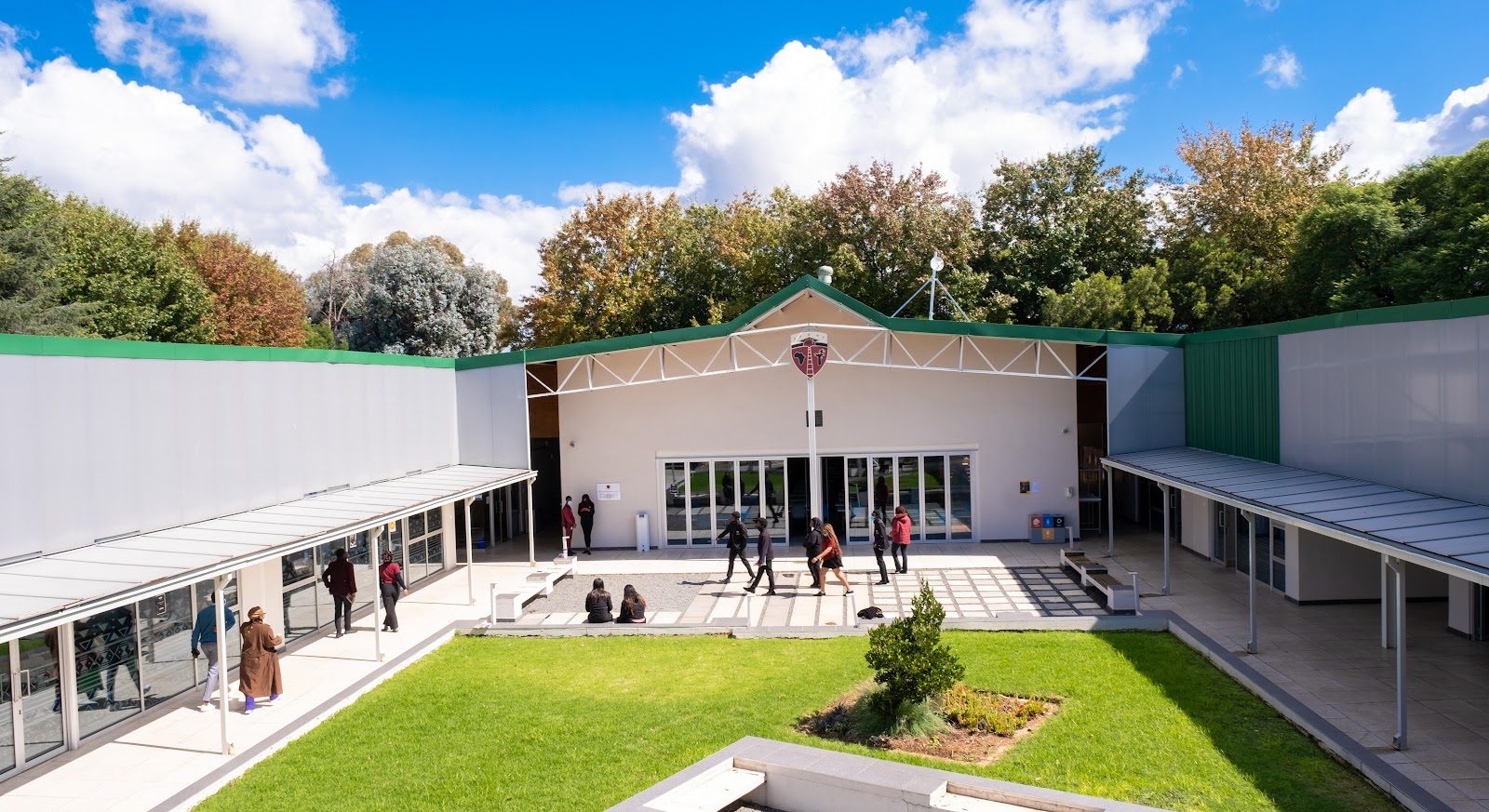
A Johannesburg boarding campus where teens from 47 African nations run real ventures under a pan-African, entrepreneurship-driven curriculum.
Same country and curriculum — closest matches within ±10 points either way