
Ciudad Autónoma de Buenos Aires
Colegio Nacional de Buenos Aires
Founded in 1661 as a Jesuit college, this UBA-run school still teaches Latin and Greek en route to Nobel laureates and four presidents.
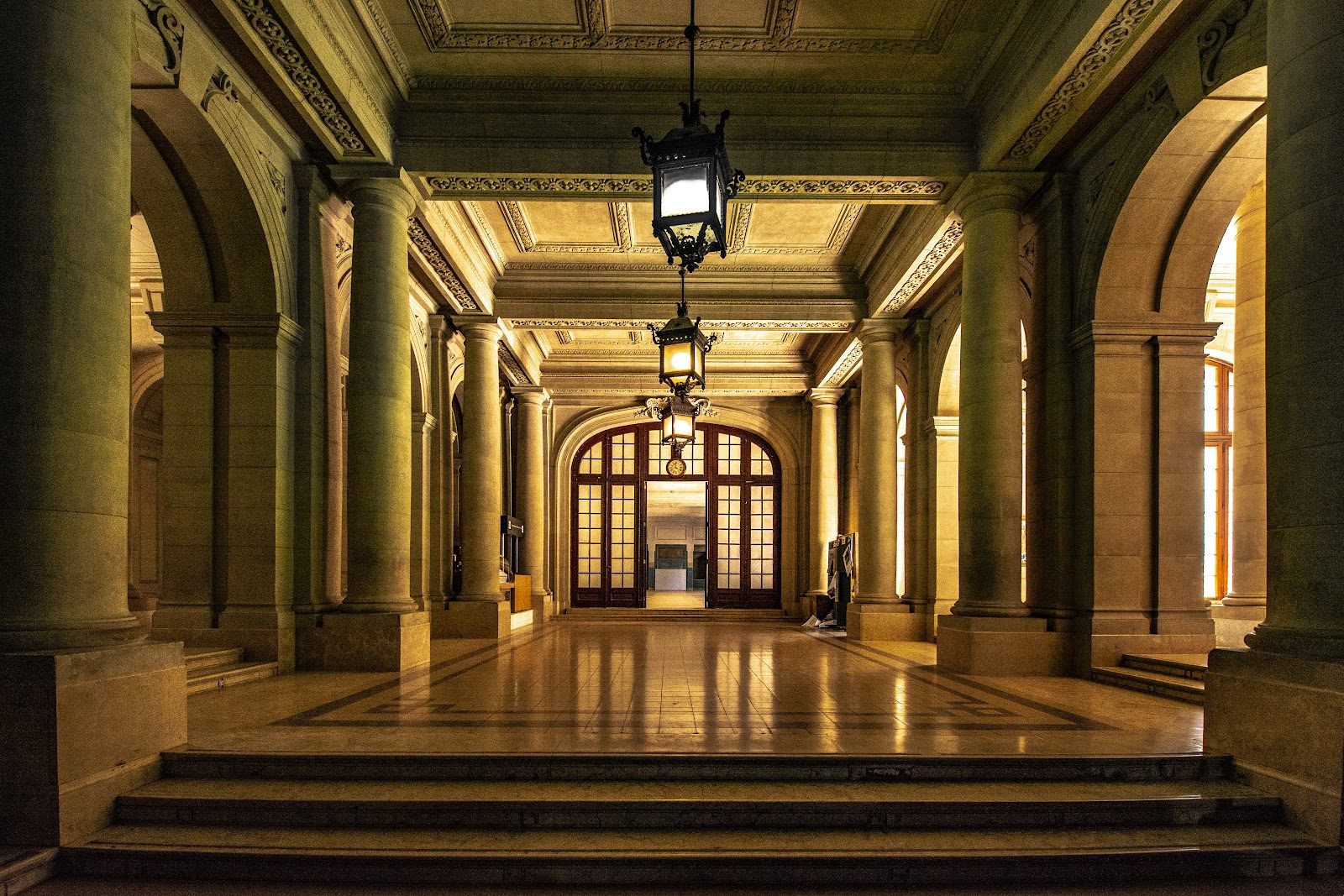
Photo © Ivon Bacaicoa via Google Maps
Type
Day
Ages
13–18
Curriculum
Argentinian
Qualifications
Argentinian national curriculum (UBA-affiliated)
Ratio
—
The Verdict
Editor's commitment
Right for
Academic adolescents aged 13–18 who want a UBA-run day school in Buenos Aires, taught in Spanish with Latin and English in the mix.
Wrong for
Families wanting boarding, a religious ethos or an international curriculum; this is a secular Argentinian school, founded in 1863, and unapologetically local.
Watch out for
The language offer is serious: Spanish, English, Latin and French, with Italian and Portuguese courses too. That breadth demands intellectual stamina.
Ranking breakdown
Colegio Nacional de Buenos Aires · #13 of 1591
Composite score 81.8. 8 weighted criteria.
By criterion
Academic Outcomes
Weight 20%
#147
of 1529 scored
University Placement
Weight 16%
#398
of 1529 scored
Prestige & Heritage
Weight 12%
#3
of 1529 scored
Alumni Network
Weight 12%
#3
of 1529 scored
Facilities
Weight 12%
#419
of 1529 scored
Transparency & Communications
Weight 8%
#61
of 1529 scored
Peer & Industry Review
Weight 10%
#11
of 1529 scored
Admissions Selectivity & Demand
Weight 8%
#22
of 1529 scored
Peer & Industry Review
How Colegio Nacional de Buenos Aires is regarded in the sector
90
Top-tier · medium confidence
Within Argentina, CNBA is treated as the benchmark public secondary school, regularly cited by La Nacion and Clarin in coverage of entrance-exam competitiveness and university placement rates, and used as the reference point when other UBA-affiliated colegios preuniversitarios (Pellegrini, Buenos Aires) are discussed. Its graduates' disproportionate presence in UBA's law, medicine and engineering faculties is acknowledged informally by admissions staff at those faculties, though this is not published as a formal partiality. International independent-schools press (WhichSchoolAdvisor, Good Schools Guide) does not cover it, since it sits outside the fee-paying international circuit; its reputation is domestic and historical rather than globally networked, resting on alumni outcomes - including a Nobel laureate and several heads of state - rather than on contemporary league-table visibility.
- Jorge Luis Borges — Writer, Literature
- Bernardo Houssay — Nobel Laureate, Physiology/Medicine
- Luis Federico Leloir — Nobel Laureate, Chemistry
Editors' overview
Colegio Nacional de Buenos Aires occupies a rare position in the market: a state secondary school with the intellectual habits of an old European gymnasium and the institutional backing of the University of Buenos Aires. It is a day school for ages 13–18, run as a pre-university college within UBA, and that matters. Students are not buying a polished international-school package; they are entering a serious academic institution with a long public tradition and high cultural expectations. The school’s distinctiveness rests on three things: its university link, its classical core, and its place in Argentina’s civic elite. Latin is still taught, Greek sits within the school’s stated tradition, and the academic life extends well beyond the timetable into philosophy competitions, theatre, languages and public-history work. This is a school with intellectual weight, old-world academic seriousness and a strong sense of civic memory.
What puts it on a shortlist is not comfort or international branding, but substance. The school is public and free, and its alumni record carries real national significance: 2 Nobel laureates and 4 presidents of Argentina. That fact does not guarantee anything for current pupils, but it does signal the level of ambition and influence associated with the institution. The UBA connection adds a practical advantage too: the university has established automatic recognition of certain Ciclo Básico Común subjects for graduates of its pre-university schools. For families targeting deep academic formation in Spanish, with English, Latin and French in the mix, this is one of the clearest choices in Buenos Aires. It offers scholarly prestige rather than pastoral gloss.
The trade-off is plain. This is not a soft landing for children who need heavy hand-holding, expansive extracurricular packaging or an English-medium route to overseas universities. The school’s public-facing life centres on academic departments, lectures, visits, competitions, administrative notices and institutional routines. That gives a clear read on culture: rigorous, bureaucratic, adult. Accessibility improvements and student support structures exist, but the school does not trade on wellbeing language or boutique care. Families need to want the substance of the place, not the theatre of support. Founded in 1863 in its current institutional form, it still carries the pressure of history.
The right student for Colegio Nacional de Buenos Aires is bright, self-directed, resilient and at ease in a demanding Spanish-speaking environment. They will enjoy languages, argument, reading, history and formal intellectual discipline. They do not need constant affirmation; they need challenge, standards and peers who take study seriously. For that child, CNBA offers something few schools can match: a formidable academic inheritance inside a public institution that still treats scholarship as a public good.
Academic Performance
CNBA does not publish the exam data international parents now expect. There are no aggregate pass rates, grade distributions, university placement tables or standardised test averages in the public domain. That limits hard comparison with fee-charging private schools that market outcomes aggressively. What the school does publish points in a different direction: a heavy academic culture built around subject departments, Olympiad activity, demanding humanities work and a formal admissions course. The strongest concrete performance indicator is structural rather than promotional: graduates of UBA’s pre-university schools receive automatic recognition of certain Ciclo Básico Común subjects. That is not a glossy statistic; it is institutional evidence that the school’s academic programme carries real weight inside the university system. In Argentine terms, that places CNBA in the serious intellectual tier.
Relative to peers, this is not a school that competes on curated scoreboards. It competes on selectivity, scholarly depth and reputation among universities, professions and the country’s educated class. The classical strand still matters here: Latin remains live in the timetable, and Greek sits within the school’s stated tradition, which marks CNBA off from mainstream state provision and from private schools built around softer, more marketable packages. Parents who need clean comparative metrics will find the school opaque and, by modern admissions standards, frustratingly unadvertised. Parents who value academic severity over dashboards will read the same silence differently: CNBA does not sell results; it expects them.
Facilities
The facilities that matter here are the ones tied to academic life and institutional scale, not lifestyle. The school publishes a campus virtual platform, a natatorium and sports field programme, guided visits, an academic calendar, administrative services, a gender office, and a long stream of department-led activity that points to active teaching spaces for literature, philosophy, geography, languages and classics. Recent notice of a new lift in the Moreno cloister, backed by UBA, also tells you something concrete about the site: this is an old, heavily used building where circulation and accessibility require constant attention. The theatre outings linked to Latin, English and literature do not prove lavish in-house arts provision; they do show a school that uses the city as an extension of the classroom. That is intellectually coherent and urban in temperament.
Against fee-charging private peers, CNBA’s offer is austere. Do not expect the polished sports complexes, design labs, black-box theatres and wellness suites now common in upper-tier independents. The strength here lies elsewhere: a serious academic infrastructure inside a university-run institution, with specialist departments that still treat classical study as normal and with practical links into UBA’s wider system. The presence of a swimming facility and organised sports provision matters, but this is not a campus sold on recreation. It is a working academic plant, not a showroom. For the right family, that reads as refreshingly unsentimental; for others, it will feel plain and institutional.
The right student for Colegio Nacional de Buenos Aires is bright, self-directed, resilient and at ease in a demanding Spanish-speaking environment
Prestige
A Colegio Nacional de Buenos Aires education carries national prestige of a rare kind. This is not prestige manufactured by fees, campus gloss or international branding. It rests on public status, intellectual selection and a long record of feeding Argentina’s civic, academic and professional elite. The school sits inside the orbit of the University of Buenos Aires, which gives its reputation institutional force rather than social theatre. The classical inheritance matters too. A secondary school that still treats Latin as part of normal academic life, and keeps Greek within its tradition, signals serious scholarly ambition and a level of cultural expectation far above the market norm. The alumni record seals the point: 2 Nobel laureates and 4 presidents place the school in the top rank of symbolic influence in Argentine education.
I rate that prestige highly because it has depth, not just name recognition. CNBA carries weight with families who value scholarship, public service and intellectual discipline; it also carries weight with people who know the local system well enough to distinguish reputation from marketing. The school’s own public life reinforces that standing: philosophy Olympiad activity, theatre linked to literary study, human-rights programming, and direct academic traffic with UBA all point to an institution that expects students to engage with ideas, not just collect credentials. The drawback is clear. This prestige is hard-edged, earned rather than packaged, and of greatest value inside Argentina’s educated establishment. Families seeking a polished international-school status symbol will find a different proposition here.
A Colegio Nacional de Buenos Aires education carries national prestige of a rare kind
Communications
CNBA communicates like a public academic institution, not a customer-service brand. The website functions as the main channel and it is busy with dated notices, rector’s letters, admissions events, departmental updates, administrative procedures and practical links for students and graduates. Parents can find the academic calendar, admissions-course timetable, certificates process, guided visits, physical-fitness requirements, sports and swimming information, and contact routes such as webmail and the virtual campus. That breadth matters. The school does not hide the machinery. It tells families what is happening, when it is happening and which office handles it. The tone is formal, bureaucratic and institution-first. For families who want polished hand-holding, that will feel cold. For families who value clarity over charm, it works.
Effectiveness is mixed but credible. The strongest point is volume and specificity: updates are frequent, tagged by department, and tied to real school life rather than generic sentiment. A parent gets a clear sense of admissions process, academic rhythm and institutional priorities. The weakness is audience design. Much of the communication reads inward-facing, built for people who already know how the school works. Navigation is serviceable rather than elegant, and the density of notices asks parents to do their own sorting. There is also a lot of institutional traffic for a family to track in a school culture this demanding. In short: communication is serious, information-rich and effective for organised families; less so for anyone expecting a concierge model.
Uniqueness
What sets CNBA apart is not a branded “specialism” but a structure almost no other school can match: a public secondary school embedded in a major university, with the habits of a classical academy still intact. Students live inside an institution where Latin remains active, Greek still informs the school’s intellectual identity, and philosophy, literature, history and civic questions are treated as central rather than decorative. The routine flow of Olympiad activity, theatre tied to subject teaching, human-rights work and departmental notices gives the place a scholarly density that private schools struggle to fake. Add the alumni record — 2 Nobel laureates and 4 presidents — and the school’s distinctiveness moves beyond romance into hard national consequence. This is elite public education in the old sense: demanding, academic, culturally literate.
What students gain from that is serious intellectual formation. They are not insulated inside a child-friendly bubble; they are inducted into an adult academic culture with real standards, bureaucracy and institutional memory. The UBA link gives that culture practical force through recognised academic continuity into university study, but the deeper benefit is cast of mind: stamina for reading, argument, close analysis and formal thought. Students with taste for ideas, language and public life get something rare here — intellectual permission to be serious. Students who need constant coaching, slick pastoral packaging or an international-school social script will find CNBA hard-edged and unforgiving.
The school’s distinctiveness rests on three things: its university link, its classical core, and its place in Argentina’s civic elite
Student Profile
The students who thrive here are intellectually ambitious, self-propelled and comfortable with pressure. They read closely, argue well, keep up with formal academic routines and do not need lessons sweetened into entertainment. A child who enjoys philosophy competitions, literary theatre, historical debate and the discipline of classical study will find real peers. A child who wants constant reassurance, soft behavioural framing or a school built around convenience will not. This is a place for teenagers with serious academic appetite, strong internal discipline and the confidence to operate in an adult institutional culture. The public, university-linked setting also suits families who value scholarship as a public good rather than a private purchase.
Socially, the fit is narrower than the prestige can tempt parents to admit. The school asks students to tolerate bureaucracy, navigate a dense calendar and take responsibility for their own organisation. That filters for resilience and stamina as much as raw ability. Interest in public questions matters too: the school’s visible life includes human-rights work, civic commemoration and a philosophy Olympiad, so students who engage with ideas beyond the exam script gain more from it. The alumni halo of 2 Nobel laureates and 4 presidents tells families what kind of aspiration surrounds the place; it does not make the daily experience glamorous. The right student will find it formative, demanding and not for the faint-hearted.
The alumni record seals the point: 2 Nobel laureates and 4 presidents place the school in the top rank of symbolic influence in Argentine education
Co-curricular strengths
Arts & sport, on a separate axis
Overall 7.88/10
Scored 0-10 from the school's own published evidence. This axis is editorial-only — it does not feed the main WTS ranking.
Sports
7.5/10
Drama
8.2/10
Dance
6.8/10
Music
8.7/10
Visual Arts
8.2/10

WTS 300 badge
Colegio Nacional de Buenos Aires is one of the World's Top 300 Schools. Claim your listing to add it to your site →
Strengths
- +Founded by Bartolome Mitre in 1863, the school has been administered by the University of Buenos Aires since 1911, giving it a direct academic lineage to Argentina's leading public university.
- +Students pay no fees since the school is public and therefore free, making it a rare tuition-free option among high-prestige secondary schools.
- +Students from the school rank among the best in most science Olympiads, such as the IPhO, IChO and IBO, indicating strong performance in competitive academic testing.
- +Alumni include many personalities, including two Nobel laureates and four Presidents of Argentina, reflecting a long track record of producing high-achieving graduates.
- +In the tradition of the European gymnasium it provides an education that includes classical languages such as Latin and Greek, giving the curriculum an unusually classical academic breadth for a public school.
Considerations
- −Every year 1,200 candidates apply but only around 400 gain admission, making entry highly selective regardless of a family's willingness to pay fees.
- −Admission requires a one-year preparatory course involving multiple exams on Mathematics, History, Language and Geography, all conducted in Spanish, which is a significant barrier for newly arrived non-Spanish-speaking families.
- −The 1863 heritage building has documented maintenance problems: detected issues include fallen and uneven ceilings and panels dislodged by wind in the air chamber, 'representing a danger for students and teachers', and in 2022 students reported that 'a fan and a window fell on a student's head, there is a risk of collapse in one classroom, and pieces of ceiling fell in the geography and chemistry departments'.
- −As a school following only the Argentinian national curriculum, it does not offer internationally transferable qualifications such as the IB or A-levels, which may complicate onward university applications outside Argentina.
Availability
Primary entry gate & tests
1-Year Merit Entry Course
Gallery
Photo © Gustavo Gonzalez via Google Maps
Photo © Alejandra Aguiño via Google Maps
Photo © Cristian Gabriel Sebille via Google Maps
Photo © Cristian Gabriel Sebille via Google Maps
Photo © Cristian Gabriel Sebille via Google Maps
Photo © Cristian Gabriel Sebille via Google Maps
Photo © Cristian Gabriel Sebille via Google Maps
Parent reviews
Have you sent your child here?
Voice reviews carry the strongest trust badge — we transcribe them for you to tidy up before they go live. Prefer to type? A written review is fine too.
Add your voice
In 60 seconds, tell other parents: what's the best thing about Colegio Nacional de Buenos Aires, and what surprised you when your child joined?
We ask for a Google sign-in so every review has a real face behind it — no anonymous drive-by attacks on schools, and no faked positive reviews. Your email is never shown publicly.
Send this profile to a friend
International parents rely on word-of-mouth. Share this review with someone weighing the same decision.
Schools with places
Similar schools to Colegio Nacional de Buenos Aires with places available now.
Availability first, then country, area, curriculum, price, co-curricular
Consider also
Also worth looking at alongside Colegio Nacional de Buenos Aires.
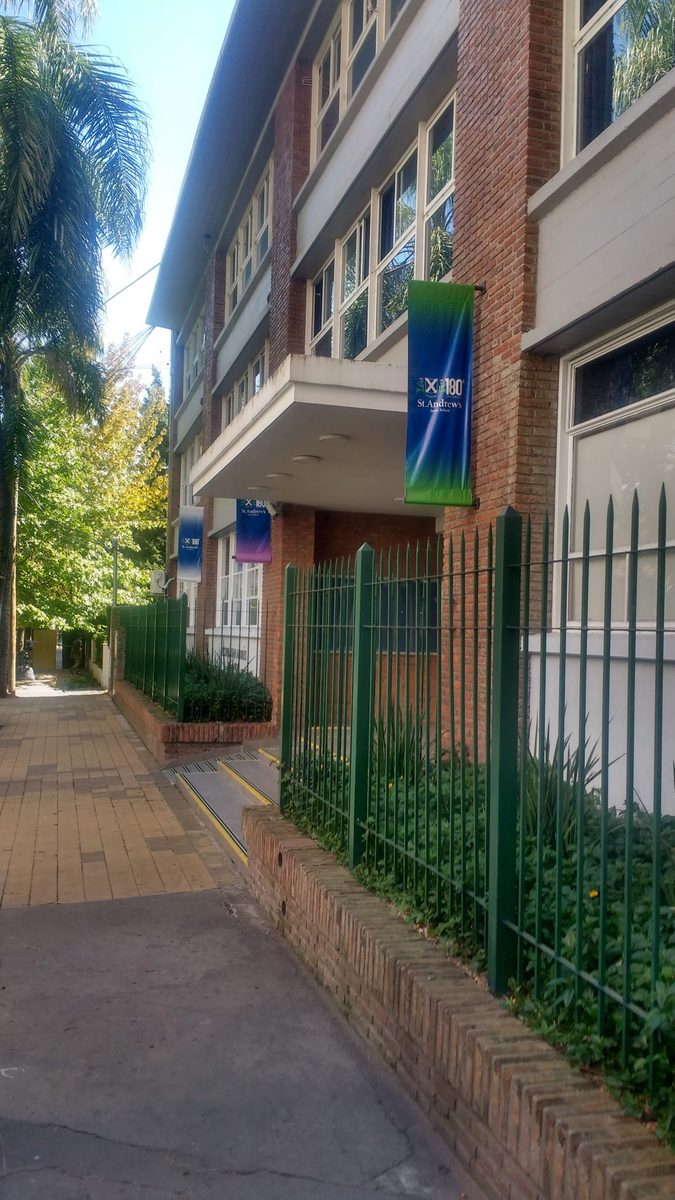
St Andrew's Scots School (Colegio San Andrés)
Buenos Aires · Argentina
Founded in 1838 by Scottish settlers, Argentina's oldest private school pairs the IB diploma with British-rooted house traditions.
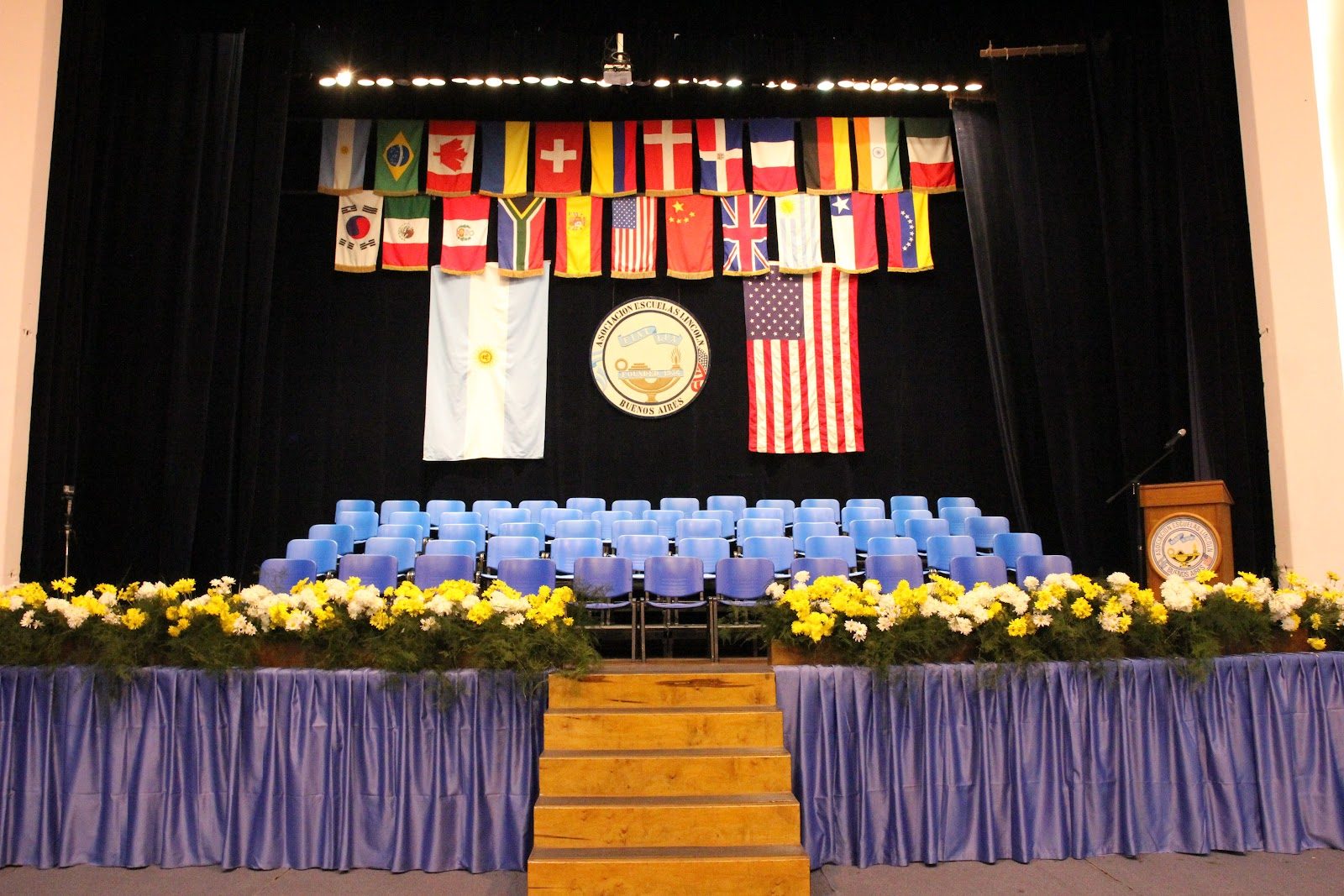
Asociación Escuelas Lincoln
Buenos Aires · Argentina
Where a Rio de la Plata campus in La Lucila delivers American, Argentine, and IB diplomas under Argentina's only US accreditation.
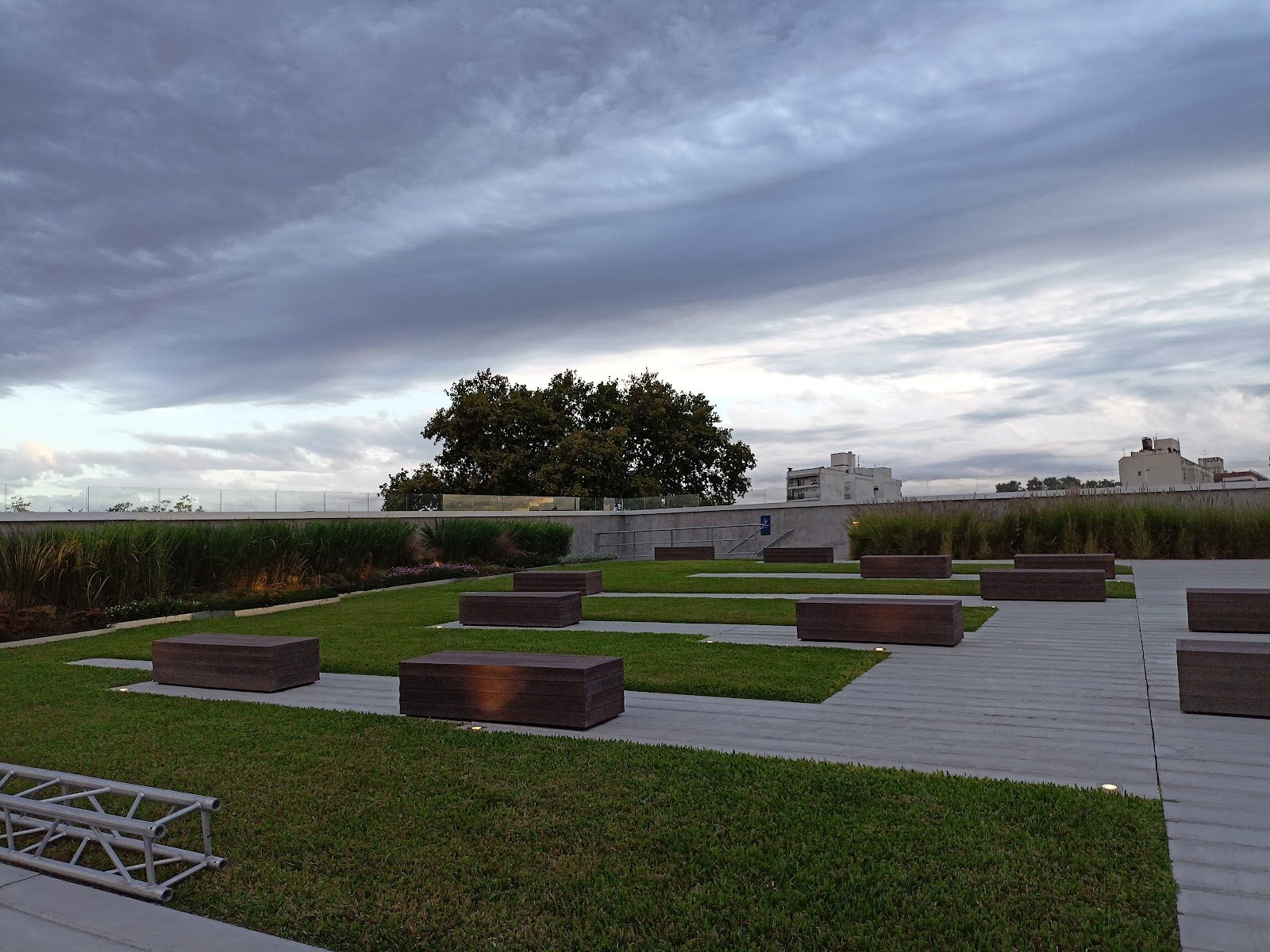
Northlands School
San Isidro · Argentina
Founded in 1920 by two women educators, this Zona Norte school pairs Anglo-Argentine heritage with a full IB continuum across twin campuses.
King's College School, Wimbledon
London · United Kingdom
Beside Wimbledon Common, a Royal Charter school where sixth-formers choose A-levels or the IB and rank among England's very best in both.
Same country and curriculum — closest matches within ±10 points either way