
Shanghai
YK Pao School
high confidence· 5/6 cats · 3.29 avg sourcesMandarin-English immersion anchors an IB and IGCSE track, with senior boarders housed in a Tudor-style village in Songjiang.
Type
Both
Ages
3–18
Curriculum
IB · American
Ratio
—
The Verdict
Editor's commitment
Right for
Families in Shanghai who want Mandarin-English immersion from age 3 to 18, with IB backed by CIS and IBO accreditation.
Wrong for
Parents who want a monolingual English school, a cheap option, or a pure British track: day fees average $27,972.
Watch out for
Boarding averages $34,070 and centres on senior residential life in Songjiang; the school does not publish aggregate exam results.
Ranking breakdown
YK Pao School · #626 of 1591
Composite score 68.8. 8 weighted criteria.
By criterion
Academic Outcomes
Weight 20%
#208
of 1529 scored
University Placement
Weight 16%
#263
of 1529 scored
Prestige & Heritage
Weight 12%
#1060
of 1529 scored
Alumni Network
Weight 12%
#1091
of 1529 scored
Facilities
Weight 12%
#352
of 1529 scored
Transparency & Communications
Weight 8%
#519
of 1529 scored
Peer & Industry Review
Weight 10%
#595
of 1529 scored
Admissions Selectivity & Demand
Weight 8%
#960
of 1529 scored
Score history
YK Pao School · 2026
Movement across 2024–2026. Peer average overlaid.
Overall — 2024–2026
68.8/ 100
▲ +26.1 vs 2025
year on year
Peer & Industry Review
How YK Pao School is regarded in the sector
82
Strong · medium confidence
YK Pao School is consistently cited in expat parent forums and international education press as one of Shanghai's leading bilingual, non-profit schools, often compared favorably to Shanghai American School and Concordia International School. It is frequently referenced in 'best international schools in China' round-ups by outlets covering expat education in Shanghai, and has a strong reputation for its IB results and bilingual curriculum model founded with support from prominent Hong Kong and Shanghai business families (the Pao and Woo families). However, it lacks the extensive global alumni network coverage or Tatler-level society press seen at top-tier UK/international boarding institutions, placing it as a strong regional player rather than unanimously top-tier globally.
Evidence sources
Editors' overview
What distinguishes YK Pao School is not the IB badge or the Shanghai address, but the structure of its bilingualism. This is a Mandarin-English immersion school, founded in 2007, with English and Mandarin as languages of instruction and a stated Chinese culture programme running alongside its academic offer. In a market crowded with international schools that add Mandarin as an enrichment subject, YK Pao builds the dual-language model into the core of the school. That matters. Parents choosing it are not buying an expatriate bubble with a Chinese veneer; they are choosing a school that asks students to work across two linguistic and cultural frames every day. The school is also non-profit and non-religious, which gives it a different character from many prestige-driven private operators in the city.
Academically, the proposition is broader than the school’s branding first implies. The verified context lists IB and American curricula, while the school itself states a Year 1–12 programme and publicises both IB work and an established high school pathway. It carries CIS and IBO accreditation, which gives the international side of the operation proper external grounding. The boarding element sharpens the identity further: this is both a day and boarding school for ages 3 to 18, with an average annual day fee of $27,972 and an average annual boarding fee of $34,070. In Shanghai terms, that places it in the expensive but not absurdly priced bracket for an ambitious bilingual school with boarding. What parents need to know, though, is that YK Pao is not a soft landing for children who want a purely Western international school experience. Its appeal rests on synthesis, discipline and cultural fluency.
It belongs on a shortlist for families who want China taken seriously in the life of the school, not treated as local scenery. The right student for YK Pao is intellectually adaptable, comfortable moving between Mandarin and English, and open to a school identity that is neither conventionally local nor fully expatriate. Senior boarders will also need a degree of independence; boarding changes the rhythm of school life and raises the bar for resilience. For the right child, that combination is distinctive and serious-minded. For a student who wants a loose, exclusively Anglophone education with minimal cultural friction, it is the wrong fit. That clarity is part of YK Pao’s strength: it knows what it is, and it does not dilute the model to chase everyone.
Academic Performance
YK Pao advertises its high-school examination route clearly: IGCSE followed by the IB Diploma, with university counselling built into the senior offer. What it does not publish, at least in the public domain, is the data that matters most to a parent trying to judge academic performance against rival schools: no aggregate IGCSE outcomes, no average IB Diploma score, no full distribution of top IB scores, and no destination breakdown that would allow a proper peer comparison. That is a real weakness. In a market where strong schools use results to establish credibility, this level of opacity leaves parents relying on anecdotes, selective student stories and general institutional confidence. The school highlights an IB art cohort of 8 students in one graduating class and points to long-term student retention, but neither fact substitutes for hard results.
That does not make YK Pao academically weak; it makes it hard to verify. The structure of the senior school is serious, and the combination of external examinations with the Chinese Four Courses points to a demanding workload rather than an easy diploma factory. Relative to peers, then, YK Pao sits in an uncertain middle ground: more academically intentional than many soft-edged bilingual brands, less transparent than the top tier of Shanghai schools that publish headline outcomes with confidence. For families comfortable judging a school by model, culture and fit, that may suffice. For families who want published proof of exam strength, it will not.
Facilities
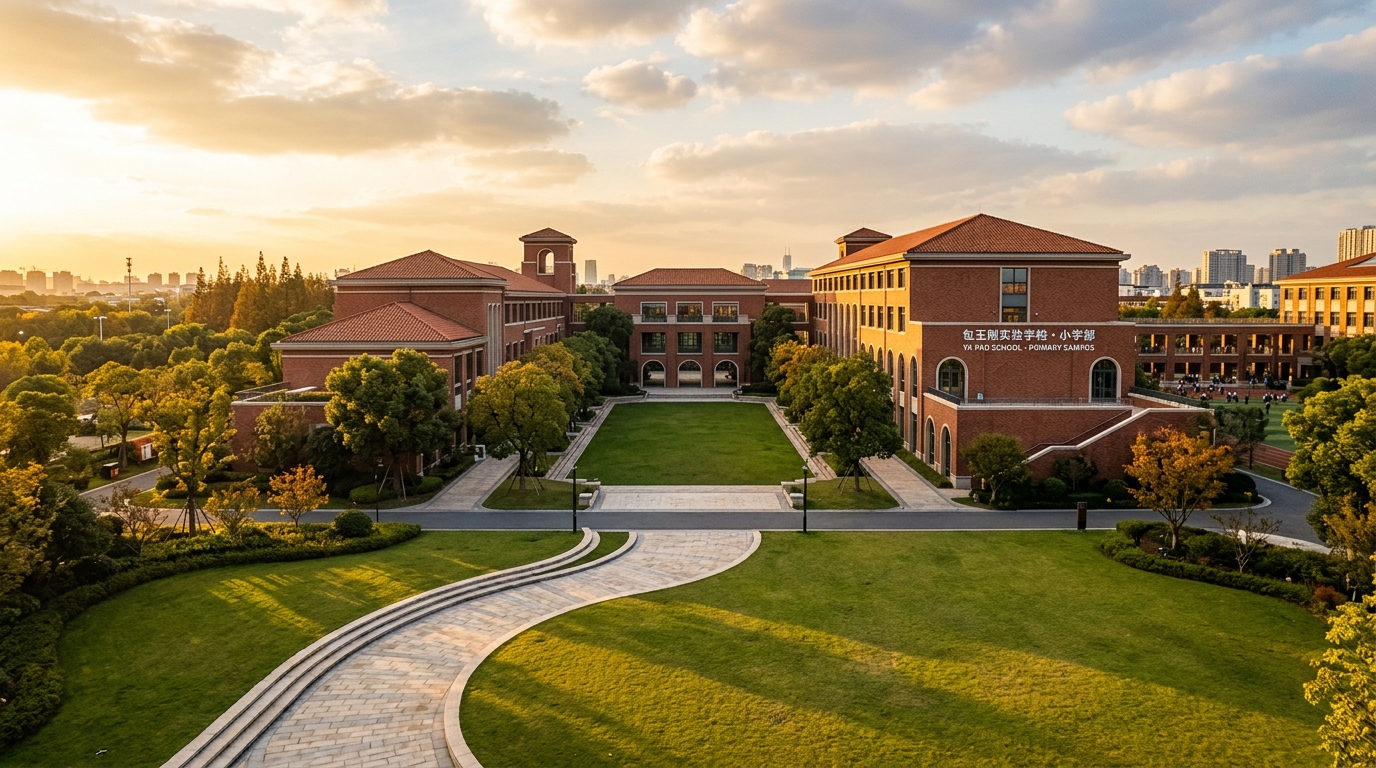
The physical set-up is one of YK Pao’s stronger cards. The school runs across 3 separate campuses, and that division gives each phase room to operate with purpose rather than forcing early years, middle years and sixth form into a single all-purpose site. The primary campus sits on a central tree-lined road with historic architecture; the middle school has a greener, lower-density setting; the senior campus occupies Thames Town, with boarding woven into an English-village environment of Tudor houses and residential streets. That last piece matters. Senior pupils do not get a token dorm block attached to an urban day school; they get a self-contained residential setting with a clear sense of separation between younger and older school life. Against Shanghai peers, that is a serious advantage for families who value space, routine and an older-student atmosphere.
What is less clear is the specialist hardware inside those campuses. The school’s public information points to co-curricular provision, extension programmes, residential life and an AI-enhanced curriculum, but it does not publish the kind of detailed facilities inventory that top competitors use to prove their strength: theatre specifications, lab stock, maker spaces, aquatic provision, performance venues or elite sports infrastructure. That leaves the estate looking architecturally memorable but operationally under-explained. Relative to premium peers, YK Pao has the campus structure and setting of a substantial school; it does not yet document its specialist facilities with the same precision.
What distinguishes YK Pao School is not the IB badge or the Shanghai address, but the structure of its bilingualism
Prestige
YK Pao carries real prestige in Shanghai, but it is a specific kind of prestige. This is not the social cachet of an old British-branded transplant, nor the brute signalling power of a school that floods the market with published top exam numbers. Its status rests on a harder combination: a well-known philanthropic name, a non-profit structure, a serious bilingual model, and a footprint large enough to matter, with more than 1600 students spread across 3 campuses. That gives it institutional weight. The Songjiang high-school setting, in an English-style residential quarter, adds a layer of theatre that families notice. So does the fact that the school has built a recognisable identity rather than borrowing one from an overseas franchise. In reputation terms, that reads as self-confident and locally rooted.
I rate its prestige as high, but not untouchable. Among bilingual schools, it sits near the front of the pack because the concept is clear and the name travels well among internationally minded Chinese families. Among the most academically fetishised schools in the city, it loses ground because public outcomes are too opaque. Prestige in this market depends not just on philosophy or brand, but on proof. YK Pao has the cultural capital, scale and seriousness to command attention; it lacks the published performance data that would move it into the unquestioned top rank. That leaves it in a strong but contested position: admired, widely recognised, and still open to challenge from more transparent rivals.
For the right child, that combination is distinctive and serious-minded
Communications
YK Pao communicates like a school with a lot to say and several audiences to serve. The public-facing site is busy, menu-heavy and content-rich: admissions, tuition FAQs, governance, curriculum pages, residential life, parent involvement, alumni, summer programmes, news, video and giving all sit in plain view. That breadth is useful. Parents can trace the school’s structure without digging through dead ends, and the admissions route is clear, with enquiry and application pushed to the front. The school also publishes a steady stream of news items, including student work, school events and thought pieces on teaching, which gives families a running sense of institutional life. For an all-through school split across 3 campuses and serving over 1600 students, that degree of communication matters. It reads as organised, active and institutionally mature.
The weakness is precision. YK Pao tells parents plenty about ethos, programmes and day-to-day activity, but much less about the hard information that strong parental communication also requires. Exam outcomes are not disclosed in usable aggregate form, and the same pattern carries into wider communications: the school is confident on narrative and thin on proof. Families get a strong sense of culture and rhythm; they get less help on comparative performance, specialist facilities or operational detail. That makes the communication effective for engagement and weaker for scrutiny. Parents who value story, visibility and a school with a public voice will find enough here. Parents who want data, benchmarks and forensic transparency will push for more.
Uniqueness
YK Pao’s real point of difference is not that it offers international qualifications in China; many schools do that. It is that the school builds a two-track identity into daily life: Chinese culture is not an add-on, and internationalism is not a decorative slogan. The result is a school that asks pupils to operate across distinct academic and cultural codes from the start, then carries that expectation through to the senior years. The Zhixing China programme sharpens that identity further. Few schools put as much weight on engaging with China beyond the classroom, and fewer still tie that to a broader claim about character, responsibility and global citizenship without lapsing into empty branding. Add a student body of over 1600, including children from China and overseas, and students get a social environment with more range than the standard expatriate enclave.
The residential dimension gives the school another layer of distinction. Many schools bolt boarding onto a day-school model; YK Pao gives older pupils a separate rhythm of life, with residential provision embedded in the senior campus rather than treated as an afterthought. That pushes students towards independence, time management and resilience sooner than a pure day-school setting does. For the right child, that is formative. For the wrong one, it is demanding. The school’s uniqueness, then, lies in the combination: bilingual immersion, explicit Chinese cultural inheritance, international academic ambition and a boarding structure that asks teenagers to grow up. That mix is rare, and it produces students who are harder to categorise than the output of a standard international school.
In a market crowded with international schools that add Mandarin as an enrichment subject, YK Pao builds the dual-language model into the core of the school
Student Profile
The pupils who thrive here are comfortable with complexity. YK Pao suits children who can move between different expectations without losing their footing: Chinese cultural reference points, international academic ambition, and a school life spread across distinct phases and settings. With more than 1600 students drawn from China and overseas, the social mix is wider than at a closed expatriate enclave, and that changes the student experience. This is a strong fit for internationally minded Chinese families and for bicultural or multilingual children who do not want their education stripped of local context. It also suits students with a serious-minded streak: those who can handle structure, take correction, and engage with school life beyond the timetable rather than treating it as background noise.
The weaker fit is just as clear. A child who wants a loose, socially undemanding international school, with minimal pressure to adapt, will struggle here. So will students who resist switching codes between home, school and peer group, or who need a very narrow academic identity built entirely around exam outcomes and public score-chasing. Older pupils in residential life need a measure of self-command and stamina; the school asks teenagers to manage themselves, not just attend lessons. The best match is a student who is adaptable, culturally alert and willing to be stretched by an environment that is neither conventionally local nor comfortably Westernised. For the right child, that produces a richer, tougher education.
The school is also non-profit and non-religious, which gives it a different character from many prestige-driven private operators in the city
Co-curricular strengths
Arts & sport, on a separate axis
Overall 8.22/10
Scored 0-10 from the school's own published evidence. This axis is editorial-only — it does not feed the main WTS ranking.
Sports
8.5/10
Football, basketball and swimming and mentions indoor and outdoor sports provision, indicating a solid multi-sport offering.
Drama
8/10
Drama is evidenced through explicit 'Drama Productions', and recurring named productions clear the 6 floor even though no dedicated theatre or department is described.
Dance
7.8/10
Music
8.3/10
The school lists School Orchestra and Choir and dedicated music spaces.
Visual Arts
8.5/10
Visual Arts and refers to dedicated arts spaces, which is enough to evidence a notable programme with dedicated facilities.
Editor first-pass · editor-reviewable · 7/27/2026
Strengths
- +Three Shanghai campuses for distinct school stages
- +Ages 3–18 on one school pathway
- +IB and American curricula both offered
- +English and Mandarin instruction supports bilingual learning
Considerations
- −High annual day fees: USD 40,000
- −High annual boarding fees: USD 55,000
- −Boarding type not specified in published context
Availability
Primary entry gate & tests
Internal Assessment
Parent reviews
Have you sent your child here?
Voice reviews carry the strongest trust badge — we transcribe them for you to tidy up before they go live. Prefer to type? A written review is fine too.
Add your voice
In 60 seconds, tell other parents: what's the best thing about YK Pao School, and what surprised you when your child joined?
We ask for a Google sign-in so every review has a real face behind it — no anonymous drive-by attacks on schools, and no faked positive reviews. Your email is never shown publicly.
Send this profile to a friend
International parents rely on word-of-mouth. Share this review with someone weighing the same decision.
Schools with places
Similar schools to YK Pao School with places available now.
Wellington College International Shanghai
Shanghai · China
- 2026-27
- WAITPOOLSpace-dependent
- 2027-28
- PLACES OPENRolling
Concordia International School Shanghai
Shanghai · China
- 2026-27
- WAITPOOLRolling after priority deadline / capacity-dependent
- 2027-28
- FUTURE CYCLEDates TBC
Shanghai Community International School
Shanghai · China
- 2026-27
- WAITPOOLRolling after priority period / capacity-dependent
- 2027-28
- FUTURE CYCLEDates TBC
Yew Chung International School of Shanghai
Shanghai · China
- 2026-27
- WAITPOOLSpace-dependent
- 2027-28
- FUTURE CYCLE2027/28 cycle not separately dated; admissions active
Availability first, then country, area, curriculum, price, co-curricular
Consider also
Also worth looking at alongside YK Pao School.
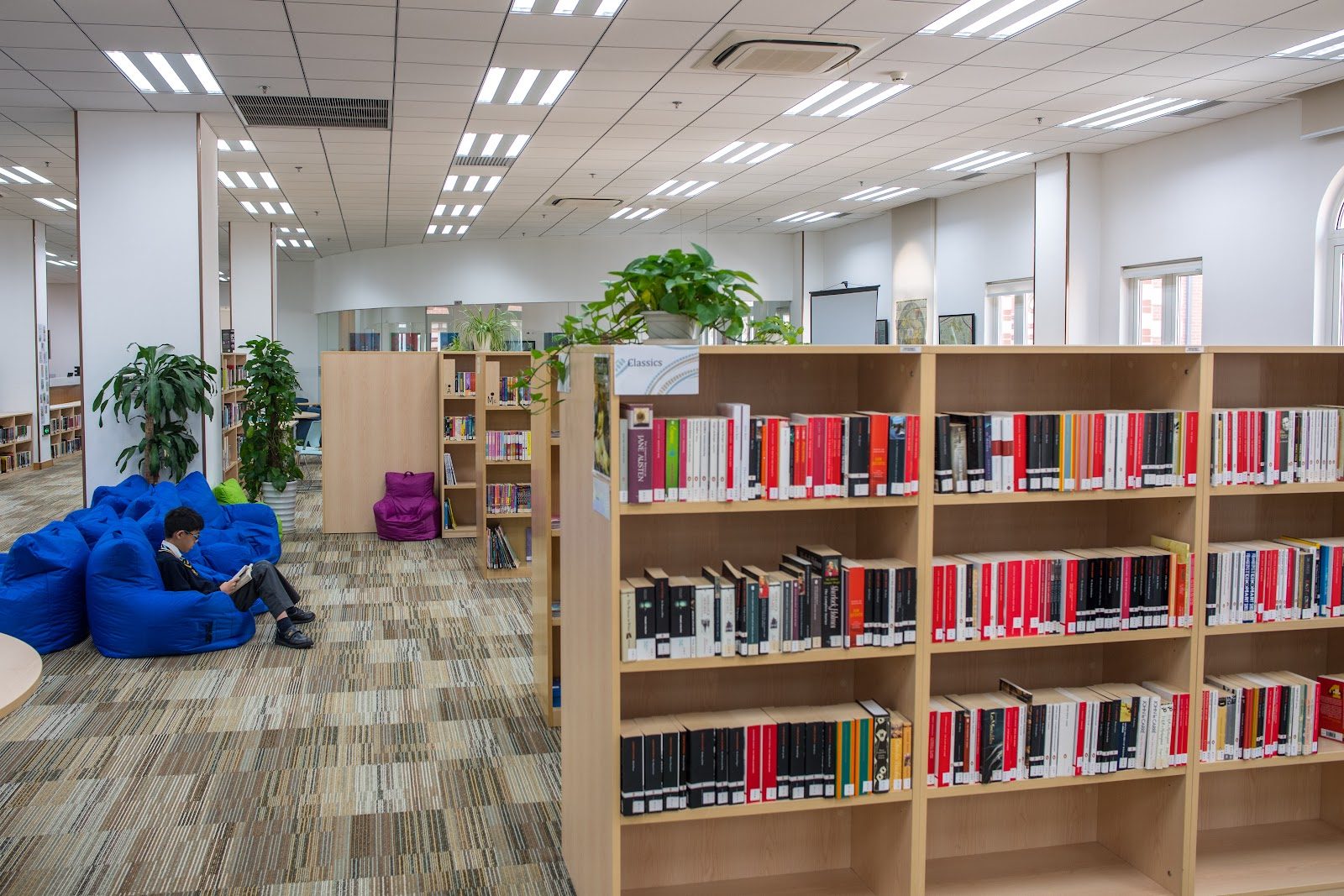
Wellington College International Shanghai
Shanghai · China
Rooted in an 1859 British foundation, this Pudong riverside campus channels house spirit into IB scores averaging 37 points.
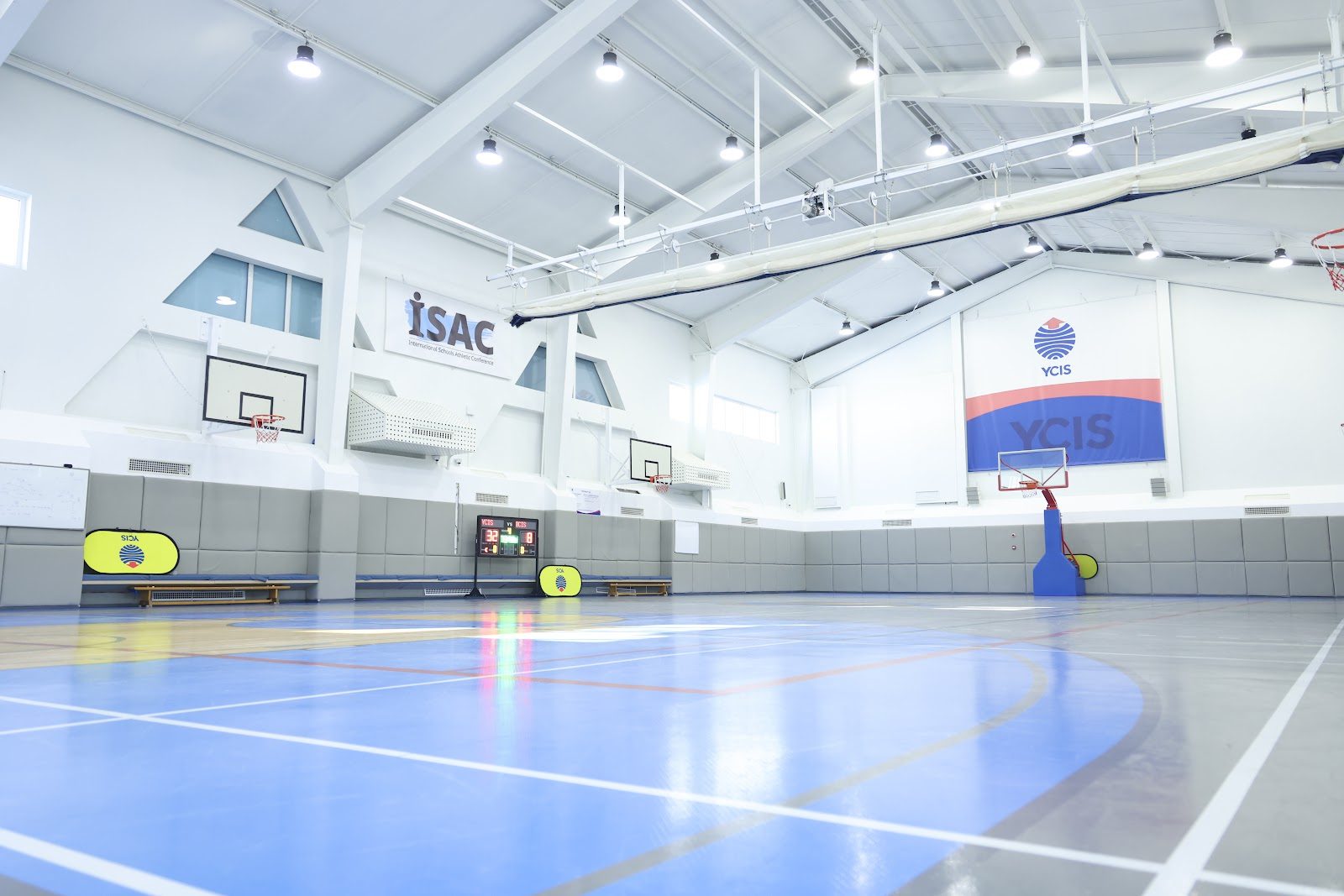
Yew Chung International School of Beijing
Beijing · China
Every classroom pairs a Western and a Chinese teacher, threading bilingual learning through a parkland Chaoyang campus.

UWC Changshu China
Changshu · China
On an island in Kuncheng Lake, mainland China's first UWC pairs the IB diploma with mandatory Mandarin study and a student-run Zhixing service programme.
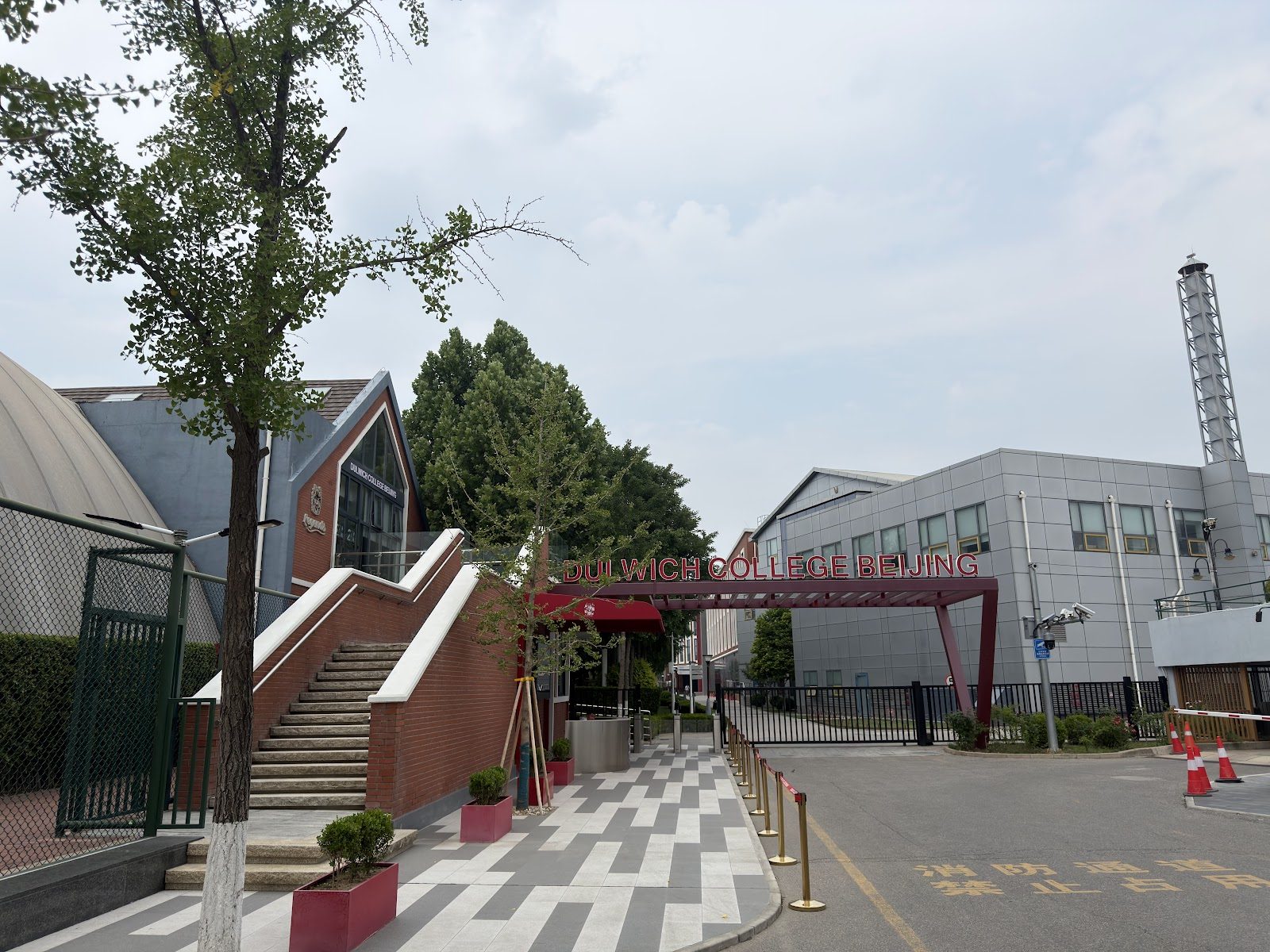
Dulwich College Beijing
Beijing · China
Rooted in a 400-year London lineage, its Shunyi campus has posted IB scores averaging seven points above the global mean for four straight years
Same country and curriculum — closest matches within ±10 points either way