
Maharashtra
South Asia's only United World College, its 170-acre Western Ghats campus reforested tree by tree by its own students.
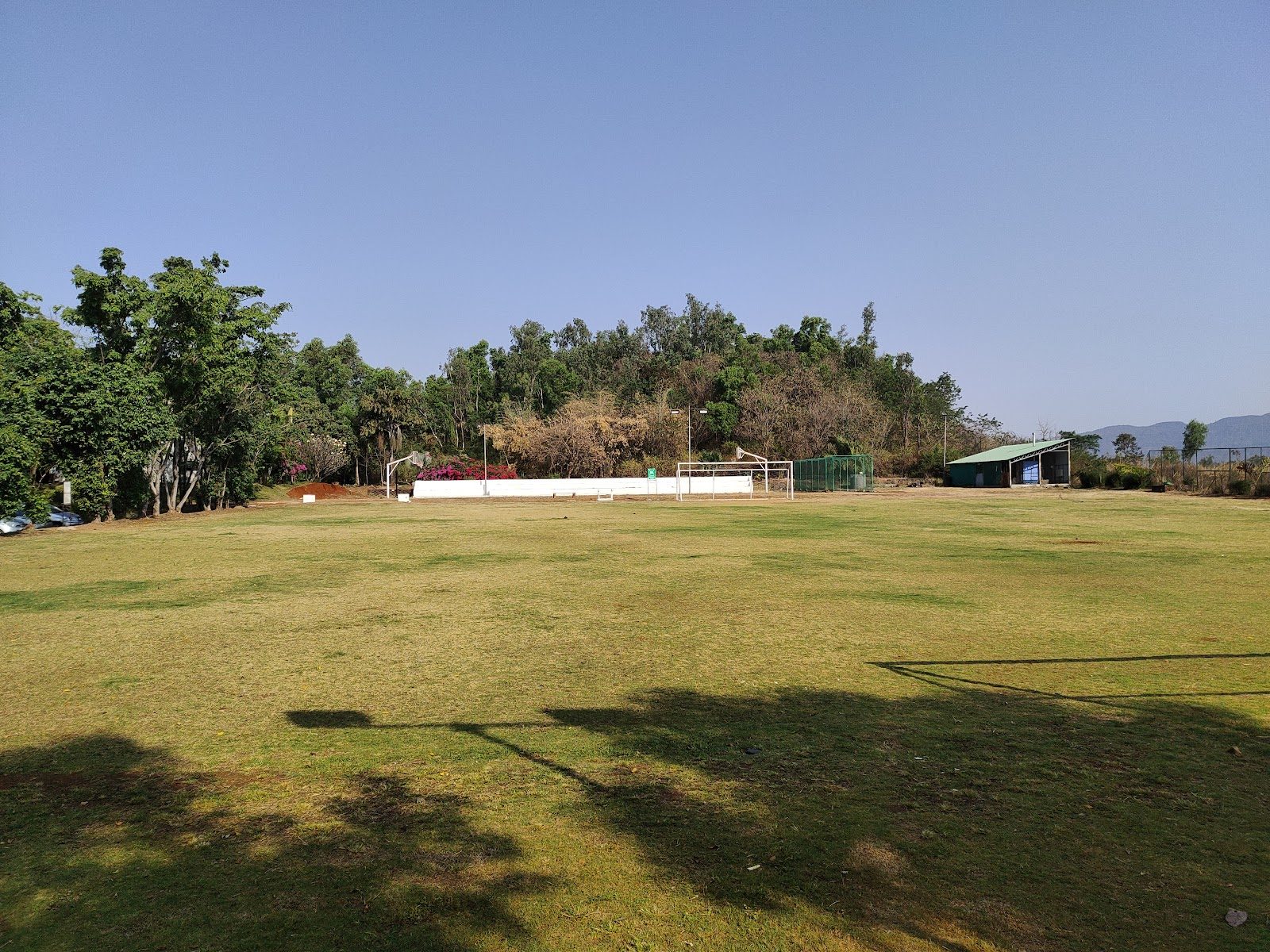
Photo © Sadhan Mallick via Google Maps
Type
Boarding
Ages
11–18
Curriculum
IB · Indian National · British
Qualifications
ISC · IGCSE
Ratio
—
The Verdict
Editor's commitment
Right for
Students who want full boarding, the IB Diploma, and daily exposure to 240 peers from 70+ nations on 175 acres.
Wrong for
Families wanting a conventional city school, day-school flexibility, or a broad 11–18 curriculum beyond the IB Diploma in English.
Watch out for
At an average annual fee of $41,750, you are buying UWC idealism, CIS and IBO accreditation, and a remote hilltop life.
Ranking breakdown
UWC Mahindra College · #281 of 1591
Composite score 72.5. 8 weighted criteria.
By criterion
Academic Outcomes
Weight 20%
#386
of 1529 scored
University Placement
Weight 16%
#305
of 1529 scored
Prestige & Heritage
Weight 12%
#734
of 1571 scored
Alumni Network
Weight 12%
#584
of 1530 scored
Facilities
Weight 12%
#125
of 1533 scored
Transparency & Communications
Weight 8%
#288
of 1532 scored
Peer & Industry Review
Weight 10%
#164
of 1548 scored
Admissions Selectivity & Demand
Weight 8%
#400
of 1529 scored
Score history
UWC Mahindra College · 2026
Movement across 2024–2026. Peer average overlaid.
Overall — 2024–2026
72.5/ 100
▲ +28.3 vs 2025
year on year
Peer & Industry Review
How UWC Mahindra College is regarded in the sector
78
Strong · medium confidence
UWC Mahindra College is consistently referenced in Indian education press (e.g., The Hindu, Hindustan Times) as one of the country's leading international/IB boarding schools, and it benefits from the globally respected reputation of the United World Colleges (UWC) movement, whose alumni network and university placement record (Ivy League, Oxbridge, LSE) are well documented via the Davis UWC Scholars program coverage in outlets like The Chronicle of Higher Education. It appears in Good Schools Guide International's coverage of international schools in India and is frequently benchmarked by peer international/IB schools, though it receives less mainstream UK 'best schools' press (Tatler, Sunday Times) attention than domestic British schools.
Evidence sources
Editors' overview
At UWC Mahindra College, the setting is not decorative. The school sits on 175 acres of Sahyadri hillside near Pune, and it uses that terrain as part of the education: hiking, trekking, kayaking, camping and campus rewilding all sit inside the programme rather than beside it. This is South Asia’s only United World College, and the scale is intentionally intimate: 240 students from 70+ nations, all residential, all studying in English, all on a campus built for sustained proximity rather than comfortable distance. Parents looking for polished urban convenience should look elsewhere. This is a remote, deliberate, high-intensity boarding experience.
What marks MUWCI out is the combination of the IB Diploma with a serious experiential core. The school also declares Indian National and British curricula in its wider offering, but the published academic spine here is the IB Diploma, reinforced by Triveni interdisciplinary seminars and grants-based student projects. The United World College mission is not wallpaper at this school; it drives admissions, campus life and the shape of the timetable. Scholarship access matters too: the college states that 77 per cent of students receive financial support, which is a striking figure and one that changes the social mix on campus. The result is unusually international and ideologically coherent in a way many “global” boarding schools are not.
This is not the right school for every child. It suits students who want argument, cultural friction, independence and a degree of physical roughness; it does not suit those who want a conventional exam factory, heavy parental hand-holding or a glossy sixth-form resort. The campus ecology, the residential density and the UWC ethos all demand resilience and self-possession. For the right teenager, that is formative in the best sense. For the wrong one, it is exhausting. Fees sit at an average US$41,750 a year across the full boarding ladder, which places MUWCI in the premium international boarding bracket; the case for it rests not on facilities theatre, but on a rare educational proposition: a small, mission-driven, fully residential international school where diversity, wilderness and service are part of the daily structure rather than admissions copy.
Academic Performance
UWC Mahindra College does not publish aggregate IB Diploma results in the public domain. There is no school-wide average, no full score distribution, no subject spread and no year-on-year trend data that would let parents place it cleanly against other selective international boarders. That matters. In a market where many IB schools foreground headline scores, this college asks families to buy into mission, community and intellectual seriousness without giving the usual exam scoreboard. For some parents, that opacity is a real drawback. For others, it is a sign that the school refuses the points-chasing theatre that dominates parts of the IB world.
What can be said with confidence is that this is a high-selectivity, pre-university environment with a tiny senior cohort, a globally mixed intake and an academic model built around the Diploma rather than around multiple pathways. The school’s scale — about 240 students in total across a two-year programme — changes how results should be read even when figures are available: one exceptional or weak cohort can move averages sharply. Relative to peers, MUWCI sits closer to the UWC tradition of mission-first academic seriousness than to the exam-led branding of large commercial IB schools. That does not answer the raw-results question, and the school should publish those numbers. Until it does, parents can infer ambition and selectivity, but not verify exam performance against the strongest IB competitors.
Facilities
The decisive facility here is the campus itself. This is not a school where buildings do the selling; the land does. The hilltop reserve, the forest cover, the valley views and the direct access to the Sahyadris give the college an outdoor platform that most international boarders cannot match. Outdoor education here has real physical range — hiking, trekking, kayaking and camping — and the school ties that landscape to student projects and campus rewilding rather than treating it as weekend garnish. The wadas, library and biodome matter, but the central fact is that students live inside a working ecological setting rather than beside a sports complex. Against peer schools, that is distinctive and serious: weaker on polished conventional amenities, far stronger on immersion, field-based learning and the daily discipline of shared residential life on a campus of 175 acres.
Parents need the trade-off in plain English. Families looking for the facility arms race of top-tier Asian boarders — vast theatres, competition pools, multiple synthetic pitches, specialist centres for every subject — do not get that package here. MUWCI offers a stripped-back, purposeful estate built around residence, seminar-style learning, outdoor challenge and community use of space. That suits the school’s scale and mission. It also means students who want constant infrastructure entertainment or high-gloss urban convenience will find the offer austere. For the right child, the payoff is exceptional: a campus where place is not decoration but structure, and where a student body of about 240 uses the environment as part of the education rather than as a backdrop.
UWC Mahindra College does not publish aggregate IB Diploma results in the public domain
Prestige
UWC Mahindra College carries real international prestige, but not the glossy, old-money kind that dominates parts of the boarding market. Its standing rests on three things: the UWC name, a fiercely selective global admissions model, and the intensity of the peer group. A school with only about 240 students and representation from 70+ nations generates a form of status that is social and intellectual rather than infrastructural. The attraction is the company your child keeps: students chosen through national committees and global selection routes, many supported by scholarship funding, all joining a community built around service, debate and cross-border exchange. That gives the college moral seriousness and global credibility that many expensive international schools cannot match.
The prestige, though, is specialist rather than universal. Among families, universities and educators who know the UWC network, the badge carries weight. Among those who judge schools by published league-table style outcomes, grand facilities or inherited establishment cachet, MUWCI has less to flaunt. It does not trade on exam-score publicity, and it does not offer the broad, polished institutional machinery of a giant Anglo-American boarding brand. That narrows its appeal and sharpens its identity. Our rating is high because the school delivers a rare kind of distinction: not mass-market prestige, but membership of an influential international educational network with an alumni base spanning 100+ nationalities and a mission that shapes the institution in practice, not just in prospectus language.
UWC Mahindra College carries real international prestige, but not the glossy, old-money kind that dominates parts of the boarding market
Communications
UWC Mahindra College communicates in a way that matches its culture: direct, mission-led and more interested in substance than polish. The public-facing channels are cleanly organised around the practical things parents need — term dates, wellbeing, admissions routes, open days and ways to contact the school — and the messaging is consistent. You do not get the inflated hospitality language common in premium boarding. You get a school telling families, plainly, what life there involves: residential intensity, outdoor challenge, interdisciplinary work and a community drawn from 70+ nations. That coherence matters. When a school’s values, routines and admissions story line up this tightly, parent communication carries more credibility. The presence of named open days, including virtual access, also points to a school that understands that many families are engaging from different countries and time zones.
The limitation is breadth, not clarity. This is not a school that floods parents with performance data, granular academic dashboards or a heavy archive of public reporting. For families who want forensic detail before committing, that will feel frustratingly thin. The school talks convincingly about purpose, place and student experience; it says less in public about measurable outcomes and the mechanics of day-to-day pastoral communication once a child is enrolled. That leaves the external communications profile strong on ethos, weaker on verification. In editorial terms, the school communicates its identity exceptionally well and its operational reality less fully. For the right parents, that is enough. For hard-nosed comparers, it is not.
Uniqueness
What makes UWC Mahindra distinctive is not the badge alone, but the way mission, admissions and daily life lock together. This is a school built around one idea: teenagers from radically different national, cultural and economic backgrounds living in close quarters and being forced to do more than tolerate one another. That matters because plenty of international schools sell “global citizenship” while maintaining social sameness. Here, the mix is the point. The college states that students arrive from 70+ nations, and that breadth gives discussions, friendships and conflict a rare intensity. Add the national committee selection routes and the scholarship commitment, and you get a peer group chosen less for affluence than for promise, perspective and stamina. For students, that brings a demanding education in difference: not a polished diversity slogan, but daily negotiation, argument and recalibration.
The second point of difference is the fusion of that social model with serious experiential education. The school does not bolt service, outdoor challenge and interdisciplinary work onto a conventional academic core as enrichment. It builds them into the week through Triveni seminars, treks, projects and campus rewilding. On a hillside reserve of 175 acres, place shapes routine, risk, responsibility and attention. Students learn to organise themselves, test convictions, live with discomfort and connect ideas to action. That produces graduates who are often *harder to impress, harder to shelter and better able to operate across borders*. It also produces a student experience that is not for the comfort-seeking. That is precisely its value.
UWC Mahindra College communicates in a way that matches its culture: direct, mission-led and more interested in substance than polish
Student Profile
This school suits a teenager who wants to be stretched by other people as much as by teachers. The intake is drawn from 70+ countries and assembled through a selection process tied to the UWC network, so the social experience is not passive internationalism. Students live in close contact with peers whose politics, faiths, habits and assumptions differ sharply from their own. That rewards self-possession, intellectual stamina and a willingness to argue without folding. It also helps students who are already motivated from within. A child who needs constant external prodding, heavy timetabling or adult smoothing-over will struggle. The school’s scholarship culture matters here too: with 77% receiving financial support, the social mix is less dominated by wealth than at many premium boarders, and that changes the tone of the community in valuable ways.
The best fit is a student who is curious, socially robust and comfortable with a life that is demanding rather than cosseting. Outdoor activity, student-led projects and interdisciplinary work ask for initiative, not just compliance. So does the school’s scale: in a community of about 240, there is little room to hide, socially or academically. Teenagers who relish intensity, debate, service and shared living across difference will find this deeply formative. Those who want a conventional, polished route to top grades with familiar cultural norms and generous personal space will find it abrasive and tiring. This is not for the comfort-seeking.
The result is unusually international and ideologically coherent in a way many “global” boarding schools are not
Co-curricular strengths
Arts & sport, on a separate axis
Overall 8/10
Scored 0-10 from the school's own published evidence. This axis is editorial-only — it does not feed the main WTS ranking.
Sports
8/10
Football and Basketball in extracurriculars, but gives no school-specific teams, fixtures, specialist staff or dedicated sports facilities.
Drama
8/10
Theatre productions in extracurriculars.
Dance
8/10
Music
8/10
Music ensemble in extracurriculars, but offers.
Visual Arts
8/10
Visual arts in extracurriculars, but provides.
Editor first-pass · editor-reviewable · 7/28/2026
Notable alumni · Wikidata
8notable alumni
0 historic (born pre-1930) · 7 modern (born post-1970)wikidata:2026-07-28 How we source this
WTS 300 badge
2025/26 editionUWC Mahindra College is one of the World's Top 300 Schools for 2025/26. Claim your listing to add it to your site →
Strengths
- +One of only 18 United World Colleges worldwide and the sole UWC in South Asia, giving it a distinct global affiliation and mission-driven ethos.
- +Small, highly international boarding cohort of around 240 students drawn from roughly 70 countries, fostering a genuinely multicultural residential experience.
- +Low student-to-teacher ratio of 8:1, according to published school data, allowing for close academic and pastoral attention within a small cohort.
- +Over 80 percent of students are on scholarships, reflecting a need-blind, merit-based selection philosophy rather than a purely fee-paying model.
- +Set on a 175-acre rural campus that includes a biodiversity reserve, supporting the school's emphasis on experiential and environmental learning.
Considerations
- −The college only teaches the final two pre-university years (ages 16 to 19), so families must secure separate schooling for all earlier grades.
- −Campus is rural, roughly 40 km west of Pune, and the school does not provide transport, meaning parents must arrange their own travel to and from campus.
- −Annual fees are substantial for full-fee payers, listed at INR 27,30,000 for Indian nationals and USD 39,750 for international students, even though most students receive scholarship support.
- −Admission is narrowly focused on the IB Diploma track only, so families seeking A-Levels, CBSE, or other board options through the later years will not find them here despite the college's broader curricular listing.
Availability
Primary entry gate & tests
UWC National Committee Selection
Gallery
Photo © Ahmed Abdelaziz via Google Maps
Photo © Shreyash Sarode via Google Maps
Photo © Devangi Chopra via Google Maps
Photo © Devangi Chopra via Google Maps
Photo © Devangi Chopra via Google Maps
Photo © Aishwarya via Google Maps
Photo © Devendra Shrivastva via Google Maps
Photo © Ahmed Abdelaziz via Google Maps
Photo © Maksym Kuzhdin via Google Maps
Parent reviews
Have you sent your child here?
Voice reviews carry the strongest trust badge — we transcribe them for you to tidy up before they go live. Prefer to type? A written review is fine too.
Add your voice
In 60 seconds, tell other parents: what's the best thing about UWC Mahindra College, and what surprised you when your child joined?
We ask for a Google sign-in so every review has a real face behind it — no anonymous drive-by attacks on schools, and no faked positive reviews. Your email is never shown publicly.
Send this profile to a friend
International parents rely on word-of-mouth. Share this review with someone weighing the same decision.
Schools with places
Similar schools to UWC Mahindra College with places available now.
Dhirubhai Ambani International School
Mumbai · India
- 2026-27
- WAITPOOLVacancy-dependent
- 2027-28
- WAITPOOLEnquiry/app live (Dates TBC)
Oberoi International School
Mumbai · India
- 2026-27
- WAITPOOLSpace-dependent
- 2027-28
- PLACES OPENRolling
The Cathedral and John Connon School
Mumbai · India
- 2026-27
- CLOSEDStandard route
- 2027-28
- PLACES OPENActive now (Forms live)
Availability first, then country, area, curriculum, price, co-curricular
Consider also
Also worth looking at alongside UWC Mahindra College.
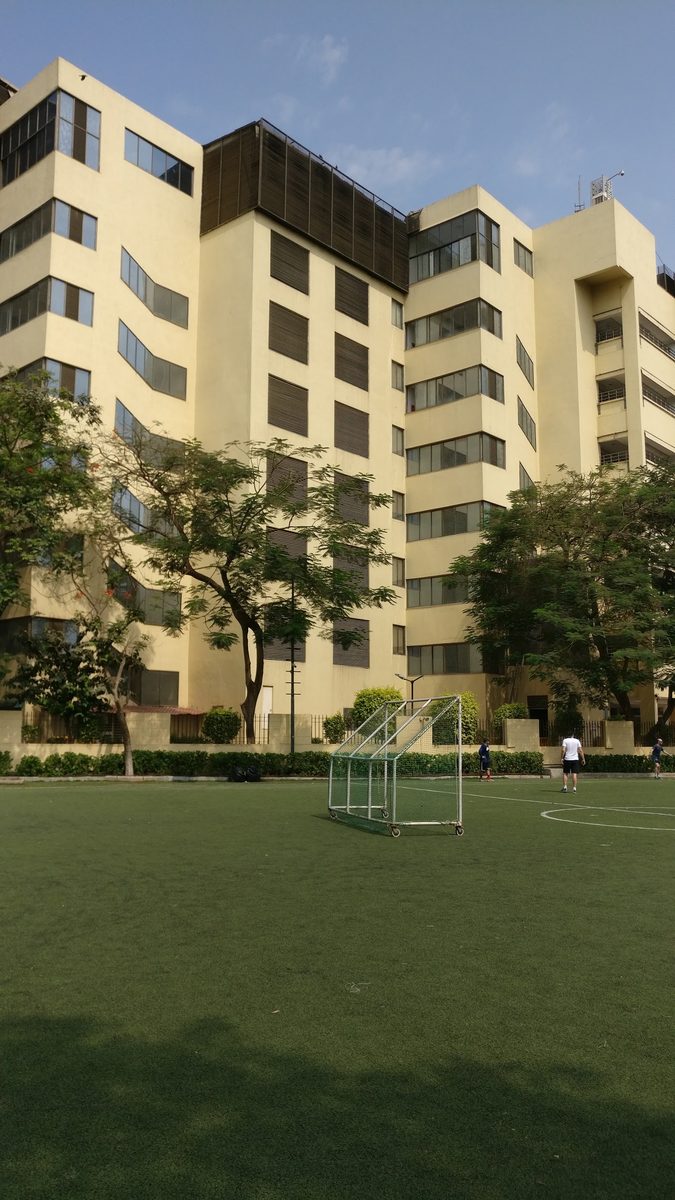
Dhirubhai Ambani International School
Mumbai · India
In the heart of Bandra-Kurla Complex, three curricula converge to produce some of India's highest IB Diploma averages.
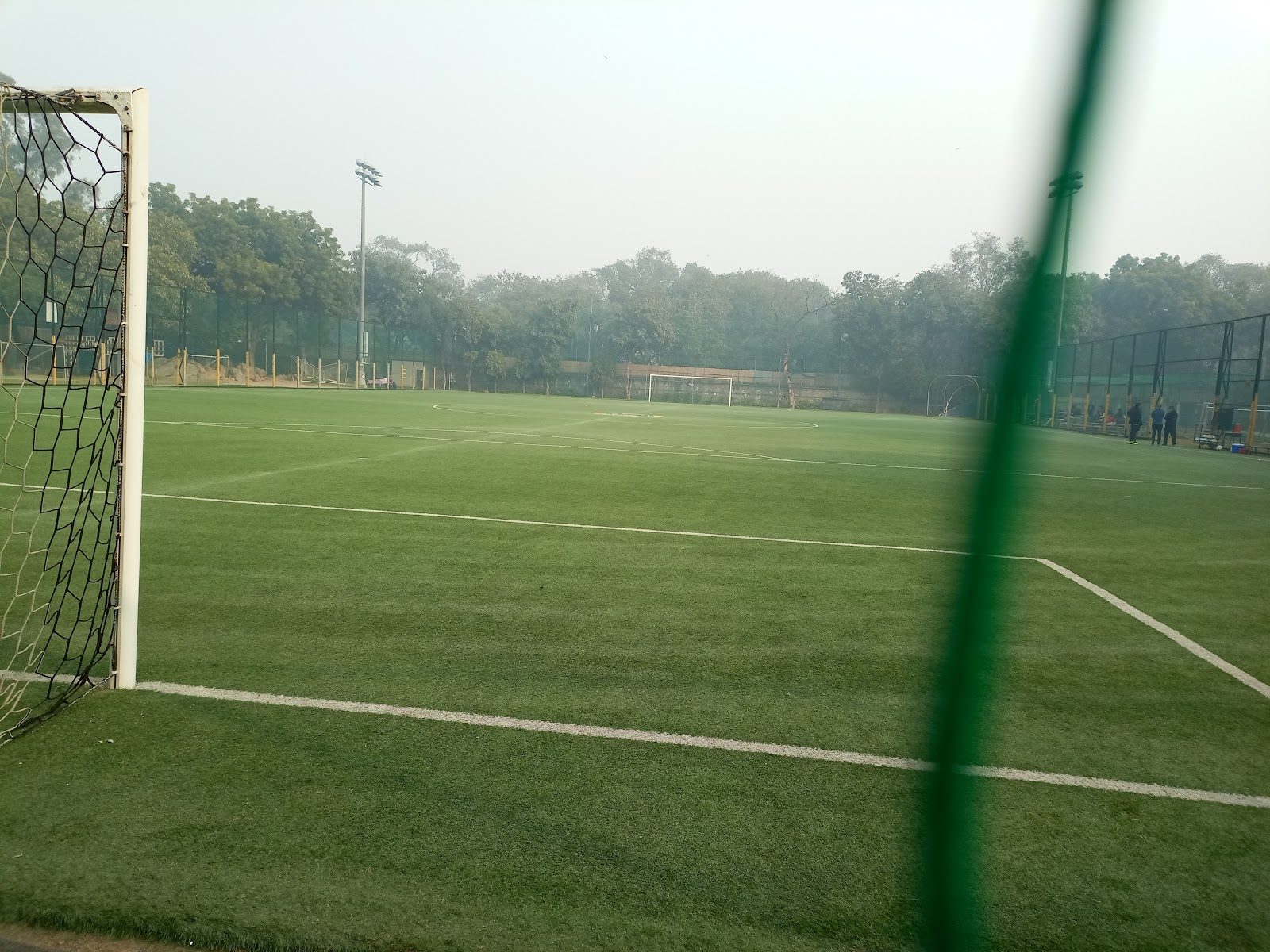
American Embassy School
New Delhi · India
Beside the U.S. Embassy in Chanakyapuri, a Joseph Stein-designed campus mixes American college prep with IB rigor for over 70 nationalities.
Oberoi International School
Mumbai · India
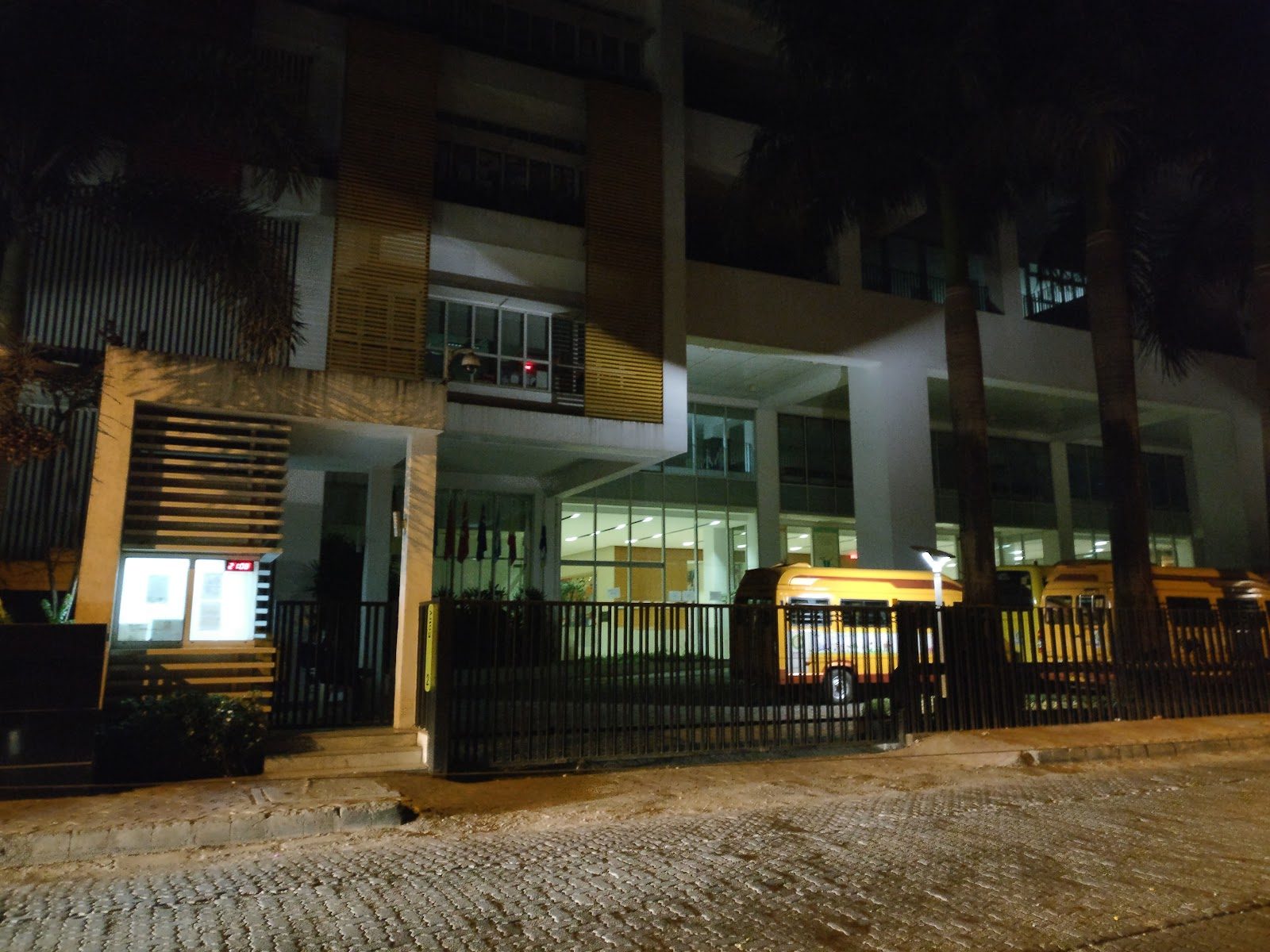
A full IB continuum from Nursery to Diploma, spread across twin Goregaon campuses inside Mumbai's Oberoi Garden City enclave.
Mayo College
Ajmer · India
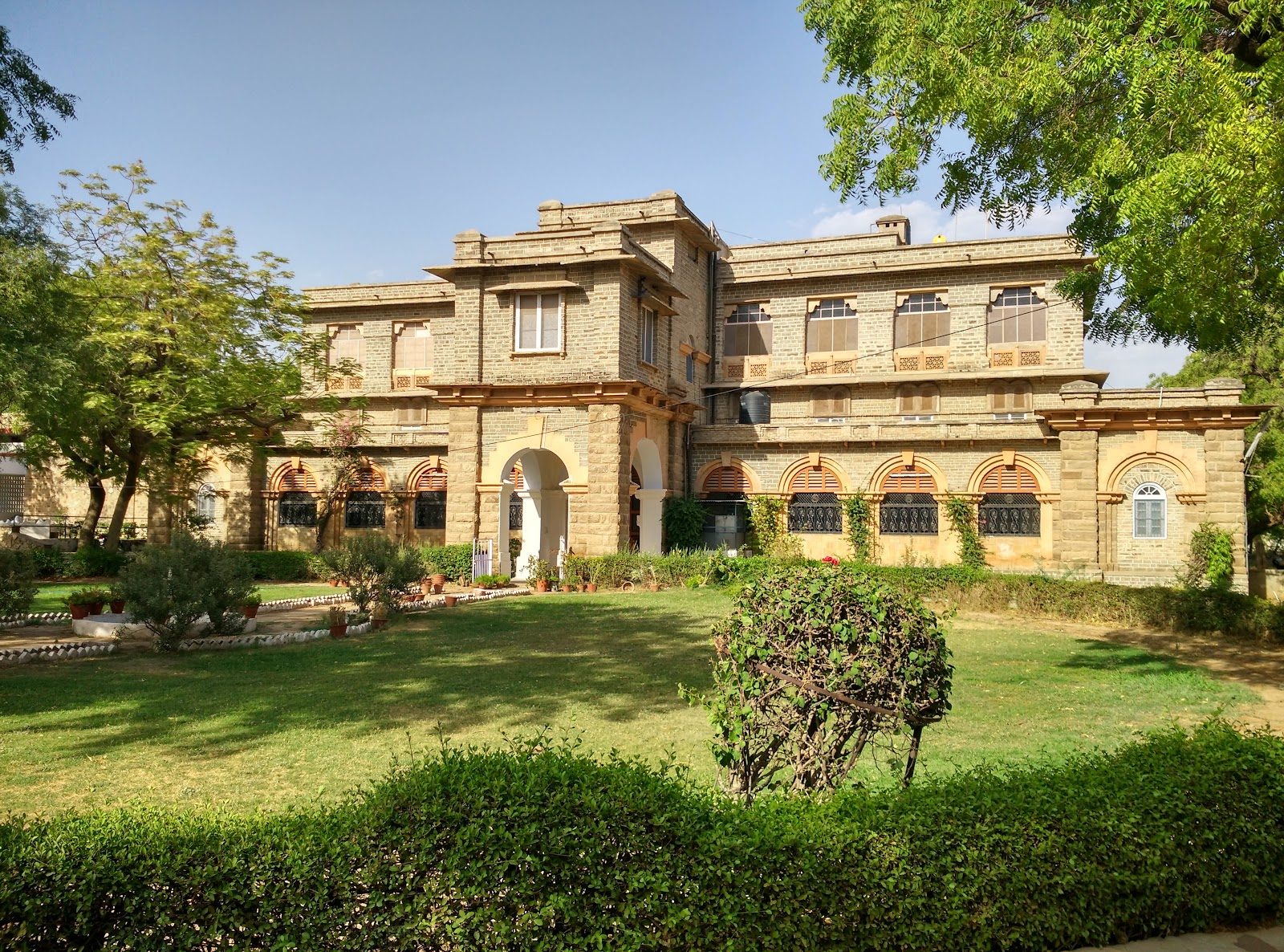
Historic all-boys boarding school in Ajmer offering the CBSE and Cambridge IGCSE curricula.
Same country and curriculum — closest matches within ±10 points either way