
Hong Kong
Harrow International School Hong Kong
medium confidence· 4/6 cats · 3.33 avg sourcesA crescent-shaped Tuen Mun campus, modelled on Bath's Royal Crescent, houses Hong Kong's only formal weekly boarding and house system.
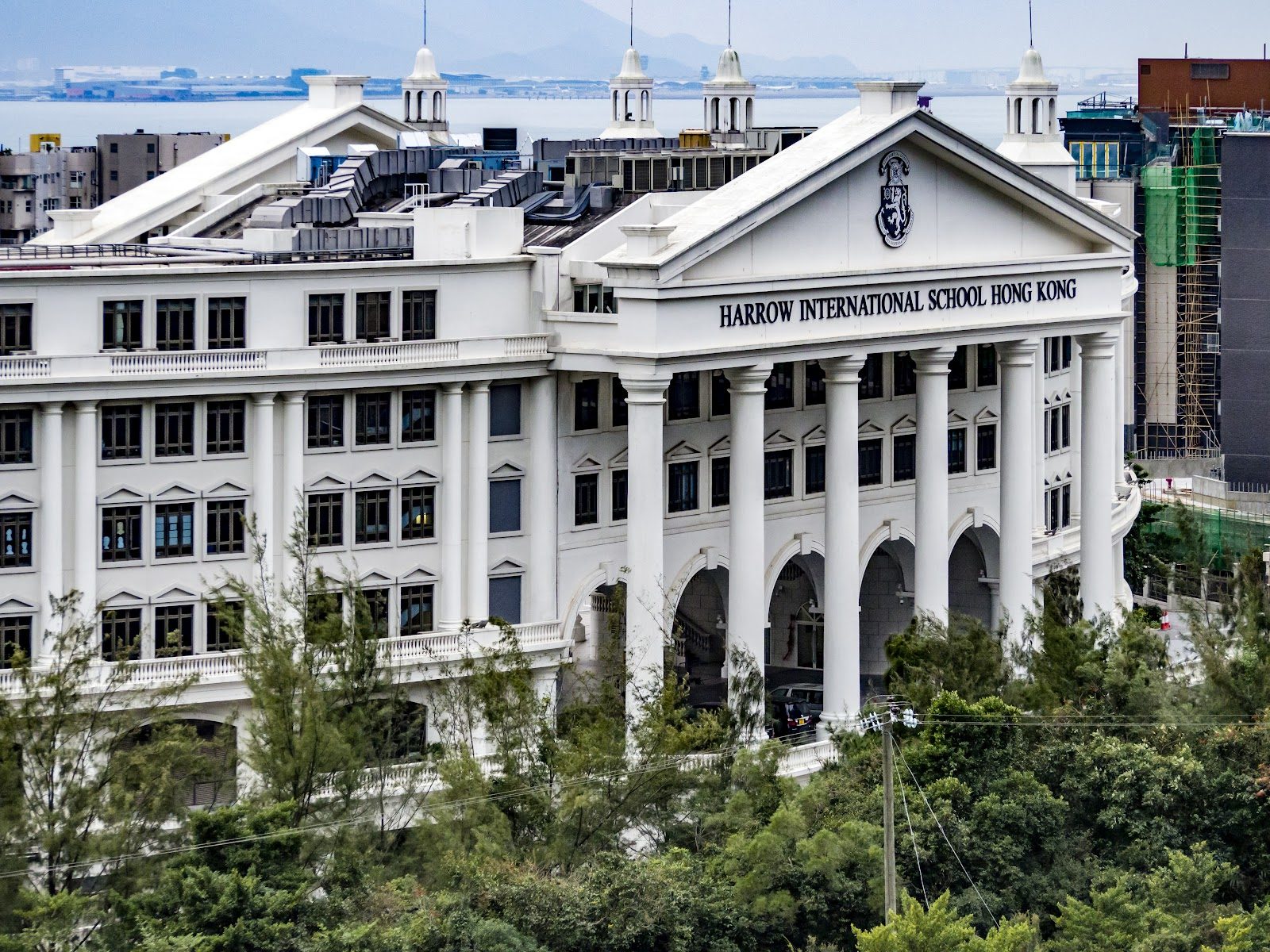
Photo © Edwin Lam via Google Maps
Type
Day
Ages
3–18
Curriculum
IB · British
Ratio
—
The Verdict
Editor's commitment
Right for
Families who want Hong Kong’s only formal weekly boarding alongside a British independent-style education with IB on a Tuen Mun campus.
Wrong for
Parents who want a cheap day school: the average annual day fee is HK$215,000, and English is the sole teaching language.
Watch out for
Opened in 2012 with 1,650 pupils aged 3–18, it trades on Harrow structure; the average boarding fee is HK$350,000.
Ranking breakdown
Harrow International School Hong Kong · #474 of 1591
Composite score 69.2. 8 weighted criteria.
By criterion
Academic Outcomes
Weight 20%
#386
of 1529 scored
University Placement
Weight 16%
#398
of 1529 scored
Prestige & Heritage
Weight 12%
#1007
of 1571 scored
Alumni Network
Weight 12%
#860
of 1530 scored
Facilities
Weight 12%
#339
of 1534 scored
Transparency & Communications
Weight 8%
#354
of 1532 scored
Peer & Industry Review
Weight 10%
#424
of 1548 scored
Admissions Selectivity & Demand
Weight 8%
#400
of 1529 scored
Score history
Harrow International School Hong Kong · 2026
Movement across 2024–2026. Peer average overlaid.
Overall — 2024–2026
69.2/ 100
▲ +23.4 vs 2025
year on year
Peer & Industry Review
How Harrow International School Hong Kong is regarded in the sector
82
Strong · high confidence
Harrow International School Hong Kong trades on one of the most recognisable names in British education, and sector coverage bears that reputation out. WhichSchoolAdvisor's review frames it as the archetypal transplant of a famous public school, noting it is one of Hong Kong's few international boarding schools, complete with the straw boater, blazers and House system that define the original. Tatler Asia has run it consistently in its Best International Schools in Hong Kong guide, highlighting that Harrow is the only international school in Hong Kong that provides the opportunity of a boarding education for students in Year 6 and above on a weekly basis, with its own profile citing Oxbridge and Ivy League universities in the US among top destinations. A separate Tatler feature notes the school has quickly established a reputation as one of the leading schools in Hong Kong and in Asia since opening in 2012. Coverage skews descriptive rather than critically comparative, but the density of independent mentions and its unique boarding niche mark it as a genuine sector benchmark rather than a marketing construct.
Evidence sources
Editors' overview
The crescent-shaped Tuen Mun campus does a lot of the work here. Harrow International School Hong Kong has built a distinctive proposition in a crowded city market: a British independent-school model, an IB and British curriculum mix, and Hong Kong’s only formal weekly boarding alongside a house system that borrows directly from the English public-school playbook. Opened in 2012, it now enrols 1,650 pupils from Nursery to Year 13, taught in English, and it holds both IBO and CIS accreditation. For families who want a school that feels structurally closer to a UK boarding school than to a standard Hong Kong day school, that combination puts Harrow on the shortlist at once.
The appeal is clear, and so is the trade-off. This is not a loose, progressive campus selling informality. It is a highly codified all-through school with a strong institutional identity and a clear sense of ritual, belonging and hierarchy. Some pupils thrive in that framework; others will find it too managed. The boarding offer matters here even for day families, because it shapes the culture of the whole school: longer days, stronger house attachment, and a more contained social world than many urban international schools. Parents who value continuity from age 3 to 18, a traditional British school atmosphere, and the option of weekly boarding without leaving Hong Kong will find very few direct competitors.
Fees place it firmly in the premium bracket: the average annual day fee across the full school is HK$215,000, and the average annual boarding fee is HK$350,000. That pricing buys a rare market position, not just a badge. Harrow Hong Kong suits students who like structure, respond well to clear expectations, and want school life to extend beyond the timetable into houses, fixtures and community routines. It will also suit internationally mobile families who want a British-style education without giving up the IB pathway. It is less suited to children who need a deliberately relaxed culture, minimal institutional formality, or a school still working out what it wants to be. Harrow knows exactly what it is. For the right child, that clarity is the draw.
Academic Performance
Harrow Hong Kong does not publish a full public results dashboard in the way some of Hong Kong’s more data-forward competitors do, and that limits hard comparison. We have not seen school-wide IB averages, top-score counts, pass-rate series or A-level outcome tables in the public domain. For a school charging at the top end of the market, that opacity matters. Parents comparing it with schools that release detailed annual exam summaries will get a thinner evidence base here. That does not mean weak outcomes; it means the school asks families to buy into reputation, structure and school model without giving the market the cleanest set of academic proof points.
Relative to peers, that places Harrow in an awkward middle ground: established enough to invite scrutiny, but not as transparent on results as the strongest academic self-reporters in the territory. Its all-through structure and sixth-form scale give it the ingredients for solid destination outcomes and a serious senior programme, yet the public academic case remains less forensic than at schools that publish every headline figure. For families who prize measurable exam performance above all else, that is a real drawback. For families choosing Harrow for its institutional culture and distinctive school life, the gap will matter less. On academics alone, the verdict is straightforward: the school needs to publish more than reputation if it wants to rank convincingly among Hong Kong’s most academically transparent international schools.
Facilities
The campus is the school’s biggest physical advantage. Built in a sweeping crescent on the Gold Coast site, it has more of the self-contained boarding-school feel than most Hong Kong competitors, many of which work within tighter urban footprints or split campuses. That matters in daily life: pupils have space to move between lessons, sport, houses and co-curricular activity without the cramped, vertical circulation that defines much of the city’s international sector. The scale also supports the school’s institutional style. This is not a compact boutique school improvising shared spaces; it is a purpose-built operation for around 1,650 pupils, and the built environment reinforces that sense of order, routine and permanence.
Against peers, the key strength is not design flair but breadth and coherence. Families choosing Harrow are buying into facilities that serve a full-service school day and a longer school-life model, not a glossy specialist campus built around one standout department. The boarding element raises the bar here: once a school asks children to live part of the week on site, parents expect more than adequate classrooms and playing space. Harrow clears that test. It does not have the novelty factor of some newer Asian megacampuses, and parents who want a cutting-edge architectural showpiece may find it more formal than exciting. But in practical terms it competes well: spacious by Hong Kong standards, structurally aligned with the school’s culture, and stronger than many rivals on campus atmosphere alone.
We have not seen school-wide IB averages, top-score counts, pass-rate series or A-level outcome tables in the public domain
Prestige
Harrow carries inherited cachet before a parent reaches the gate, and that matters. In Hong Kong’s international market, the Harrow name signals old-world British schooling, social polish and a network that many families still read as a mark of status. This campus strengthens that pull because it is not a thin licensing exercise: it runs a full-through school of around 1,650 pupils with houses, uniforms, fixtures and the institutional choreography families associate with the brand. That gives it real social prestige, not just name recognition. Among peers, it sits in the upper tier of perception: the kind of school that features on ambitious family shortlists, attracts parents who care about cultural capital as much as exam tables, and confers a clear badge value in expatriate and local professional circles.
That prestige has limits, and they are important. Harrow Hong Kong commands strong brand prestige more than undisputed academic prestige, because the school does not publish the kind of granular public outcomes that would settle the argument on scholarship alone. Its standing rests on name, culture, scale and parent demand, reinforced by premium fees of HK$215,000 for day pupils and HK$350,000 with boarding on average across the school. That is enough to make it high-status and highly legible. It is not enough to place it beyond challenge from Hong Kong schools with stronger public results disclosure or deeper local academic reputations. The verdict: prestigious, expensive, and institutionally confident — but not untouchable.
For a school charging at the top end of the market, that opacity matters
Communications
Harrow’s parent communication carries the same institutional stamp as the rest of the school: formal, controlled and highly managed. The public-facing site is clean, easy to navigate and clear on the school’s broad proposition, age range and scale, with the main campus and kindergarten split sensibly rather than muddled together. That baseline matters, and Harrow gets it right. Where the communication weakens is depth. Parents can grasp the model quickly, but they do not get a forensic picture of school life, academic outcomes or the finer grain of how the senior years perform. For a school of 1,650 pupils and premium fees of HK$215,000 a year for day places on average, that is a real gap. The tone projects confidence; the disclosure does not match it.
That leaves an impression of communication designed more to maintain brand discipline than to satisfy an inquisitive parent. Some families will welcome that buttoned-up approach: it aligns with a school culture built on structure, hierarchy and clear messaging. Others will find it too curated. Strong school communication does two jobs at once: it reassures existing parents and equips prospective ones to interrogate the offer properly. Harrow handles the first better than the second. It communicates identity, atmosphere and institutional seriousness well. It communicates evidence less well. The result is polished but incomplete: effective if you already want the Harrow model, less effective if you want hard answers before committing.
Uniqueness
What sets Harrow Hong Kong apart is not the badge alone but the extent to which it imports the full institutional grammar of a British boarding school into an international setting. Plenty of schools borrow surface cues — a blazer, a house name, a speech-day tone. Harrow builds the whole machine: houses as a real organising force, boarding woven into the week, and a school day shaped by collective routines rather than simple classroom turnover. That gives pupils a more all-encompassing education than the city norm. School does not stop at lessons; it extends into loyalty, competition, pastoral identity and the social hierarchies that come with a strong house culture. For some children that is magnetic. They want ceremony, team identity and a clear place in a larger structure. For others it will feel too enclosed.
The other point of difference is physical and social concentration. A single all-through campus with a roll of 1,650 creates unusual continuity: younger and older pupils sit within one institutional culture, and students can stay in the same system from the early years to the end of school without a handover into a separate senior campus. Add the boarding population and the result is a contained world with more internal cohesion than many metropolitan international schools. That brings confidence, belonging and routine for pupils who thrive on structure. It also narrows the experience. Harrow’s uniqueness lies in offering not just an education but a deliberately immersive school life. Families need to want that in full.
For families choosing Harrow for its institutional culture and distinctive school life, the gap will matter less
Student Profile
The best fit is a child who likes structure and does not need endless room to negotiate it. Harrow suits pupils who respond to routine, enjoy belonging to teams and houses, and gain confidence from clear adult authority. Socially, it rewards children who are comfortable in a highly codified environment where expectations are visible and school identity matters. The all-through model and a roll of 1,650 also shape the peer group: this is not an anonymous urban school where students can drift at the edges. Pupils are part of a contained social world, and that works best for families who want school life to be organised, supervised and continuous from the earliest years to sixth form.
The less comfortable fit is just as clear. Children who dislike formality, resist institutional ritual or need a looser, less managed culture will chafe. So will independent spirits who want to keep school at arm’s length rather than buy into a strong collective identity. The price point sharpens that profile: at an average of HK$215,000 for day places and HK$350,000 with boarding, Harrow draws families making a deliberate investment in status, structure and a recognisable British school model. That does not make the student body narrow, but it does make the culture self-selecting. Pupils who thrive here tend to be steady, socially adaptable and willing to commit to the institution, not just attend it.
School does not stop at lessons; it extends into loyalty, competition, pastoral identity and the social hierarchies that come with a strong house culture
Co-curricular strengths
Arts & sport, on a separate axis
Overall 9.18/10
Scored 0-10 from the school's own published evidence. This axis is editorial-only — it does not feed the main WTS ranking.
Sports
9.3/10
Football, rugby, swimming, tennis and basketball, and the facilities review says sports provision is stronger than the city average with campus facilities supporting a broad physical education programme, indicating both visible breadth and dedicated provision.
Drama
9.2/10
Drama productions and a theatre, combining recurring productions with a dedicated facility.
Dance
9/10
Music
9.2/10
Orchestra and choir, and dedicated music spaces, showing both active ensembles and dedicated specialist facilities.
Visual Arts
9.2/10
Dedicated art spaces, which is sufficient evidence of dedicated specialist provision.
Editor first-pass · editor-reviewable · 7/27/2026
British Schools Overseas · Official inspection
BSO inspection · 2023
Inspectorate
Penta International
Inspected under the UK Department for Education's British Schools Overseas (BSO) scheme against the Independent School Standards.
Latest report
30 March 2023
Standard Inspection
Read it in full
Provider pageVerified · Penta InternationalSource-of-truth
Strengths
- +The first and only school in Hong Kong to offer a formal British-style house-based weekly boarding system, with boarding available from Year 6 upward.
- +Strong public examination outcomes reported by the school, including 99% of IGCSE candidates achieving C grades or above and 66% at A*.
- +Purpose-built 400,000 sq ft campus near the Gold Coast in Tuen Mun, opened in 2012 with dedicated science, sports, and performing arts facilities.
- +A genuinely international pupil body drawn from around 35-36 different nationalities, taught entirely in English with EAL support available.
- +Clear, single-pathway British curriculum (National Curriculum, IGCSE, A-Level with EPQ) giving families a well-defined route to UK and international universities.
Considerations
- −Campus is in Tuen Mun in the New Territories, a considerable commute for families based on Hong Kong Island or in Kowloon.
- −Fees sit in the premium band, with published tuition ranging roughly from HK$170,000 to over HK$200,000 a year depending on year group, plus boarding supplements for those who board.
- −Pupils without inherited Capital Certificates or Debentures must pay an additional annual Capital Levy (currently HK$60,000), a cost structure some rival day schools do not impose.
- −Admissions are explicitly selective, with English-proficiency assessment for all applicants, making late or non-native-English entrants a harder fit.
Availability
Primary entry gate & tests
Academic Record + Assessment
Gallery
Photo © Lydia via Google Maps
Photo © yy wong via Google Maps
Photo © Lydia via Google Maps
Photo © Louis Ng via Google Maps
Photo © 哈羅香港國際學校 via Google Maps
Photo © 莊再豪 via Google Maps
Photo © Roy Tse via Google Maps
Photo © Lydia via Google Maps
Photo © 黃小超 via Google Maps
Recommended reading
Independent write-ups of this school from editorial outlets we trust.
- Harrow International School Hong Kong ReviewWhichSchoolAdvisor
Parent reviews
Have you sent your child here?
Voice reviews carry the strongest trust badge — we transcribe them for you to tidy up before they go live. Prefer to type? A written review is fine too.
Add your voice
In 60 seconds, tell other parents: what's the best thing about Harrow International School Hong Kong, and what surprised you when your child joined?
We ask for a Google sign-in so every review has a real face behind it — no anonymous drive-by attacks on schools, and no faked positive reviews. Your email is never shown publicly.
Send this profile to a friend
International parents rely on word-of-mouth. Share this review with someone weighing the same decision.
Schools with places
Similar schools to Harrow International School Hong Kong with places available now.
Li Po Chun United World College of Hong Kong
Hong Kong · Hong Kong
- 2026-27
- CLOSEDStandard route closed
- 2027-28
- WAITPOOLVaries by National Committee / Direct
Kellett School
Hong Kong · Hong Kong
- 2026-27
- WAITPOOLSpace-dependent
- 2027-28
- PLACES OPENRolling
German Swiss International School
Hong Kong · Hong Kong
- 2026-27
- PLACES OPENRolling
- 2027-28
- PLACES OPENRolling
Hong Kong International School
Hong Kong · Hong Kong
- 2026-27
- WAITPOOLVacancy-dependent
- 2027-28
- PLACES OPENPriority 1 Oct/1 Nov
Availability first, then country, area, curriculum, price, co-curricular
Consider also
Also worth looking at alongside Harrow International School Hong Kong.
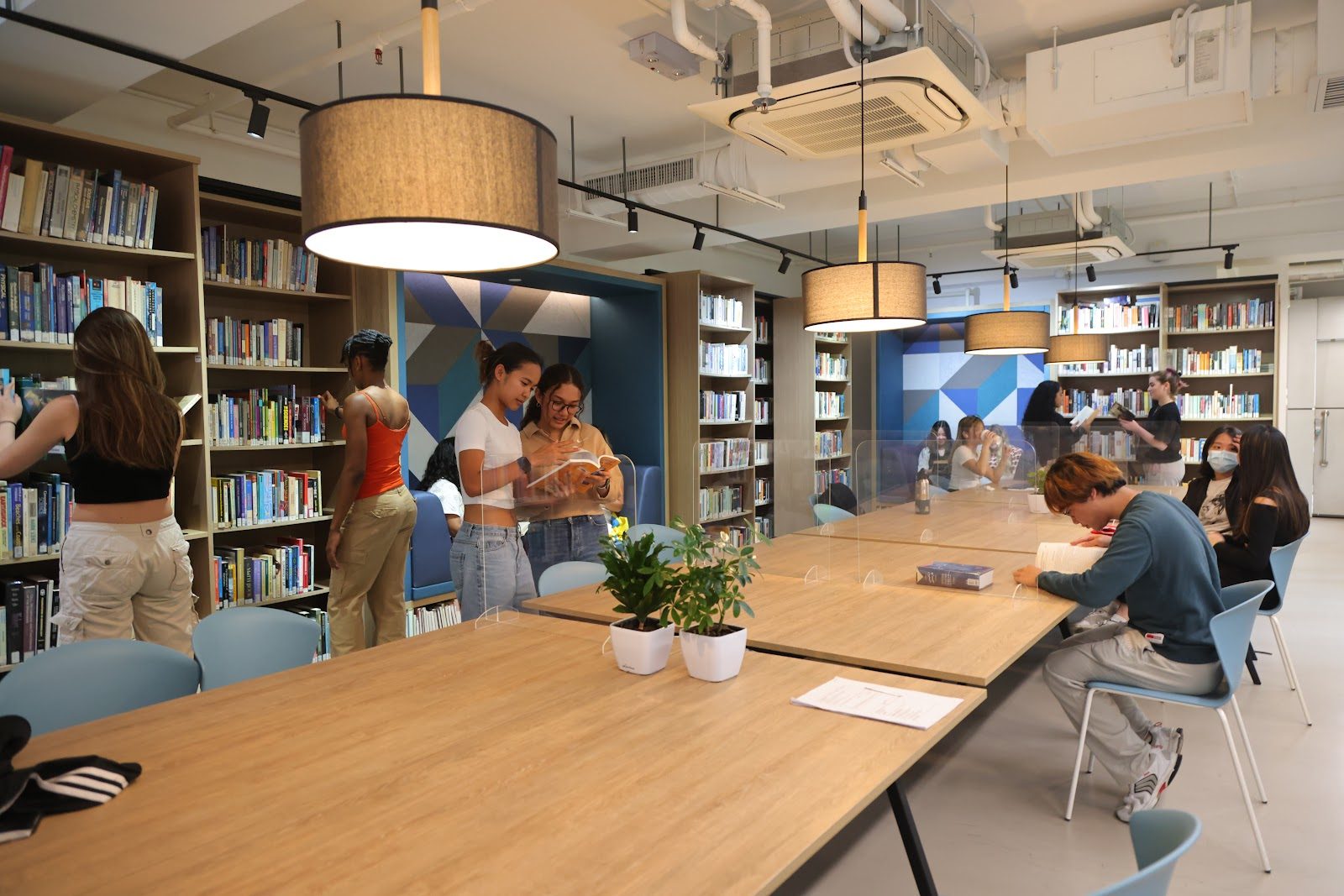
Li Po Chun United World College of Hong Kong
Hong Kong · Hong Kong
Perched above Tolo Harbour, this United World College gathers scholars from 90 nations for a service-driven IB Diploma.
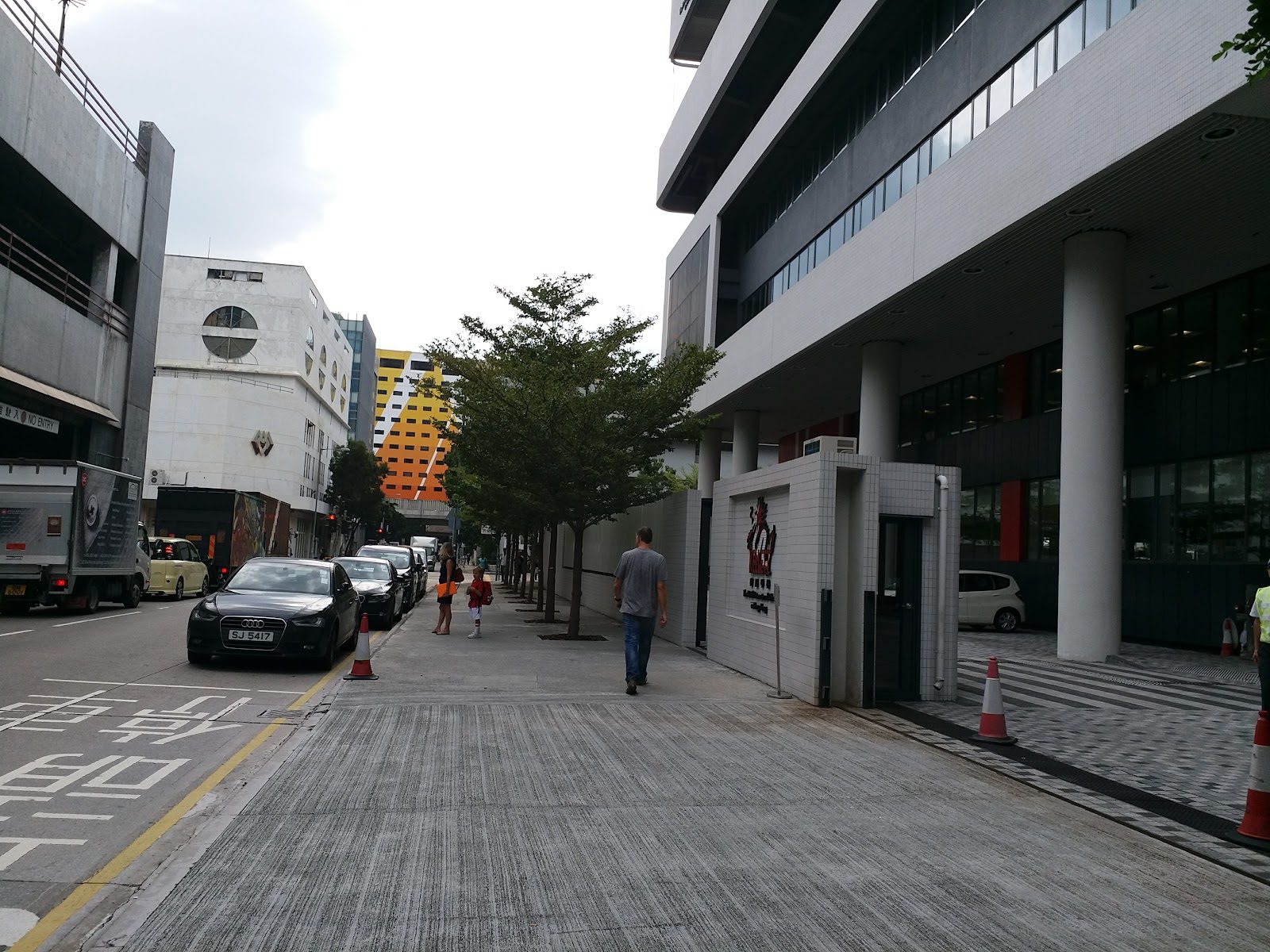
Kellett School
Hong Kong · Hong Kong
Long-established, parent-founded British international day school in Hong Kong, taking pupils through GCSEs and A-Levels from age 4 to 18.
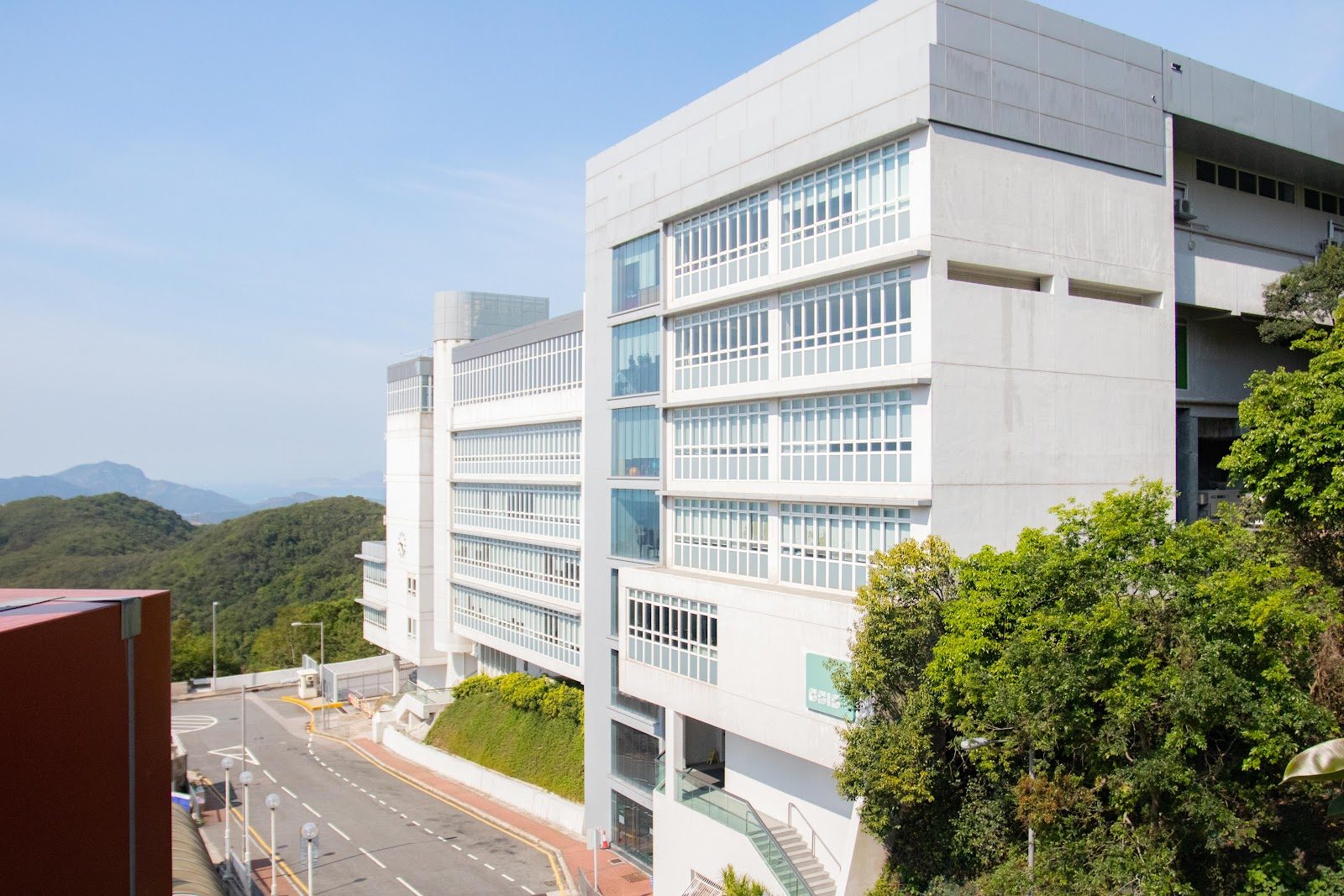
German Swiss International School
Hong Kong · Hong Kong
Perched on the Peak since 1969, twin German Abitur and IB streams share one campus and one house system.
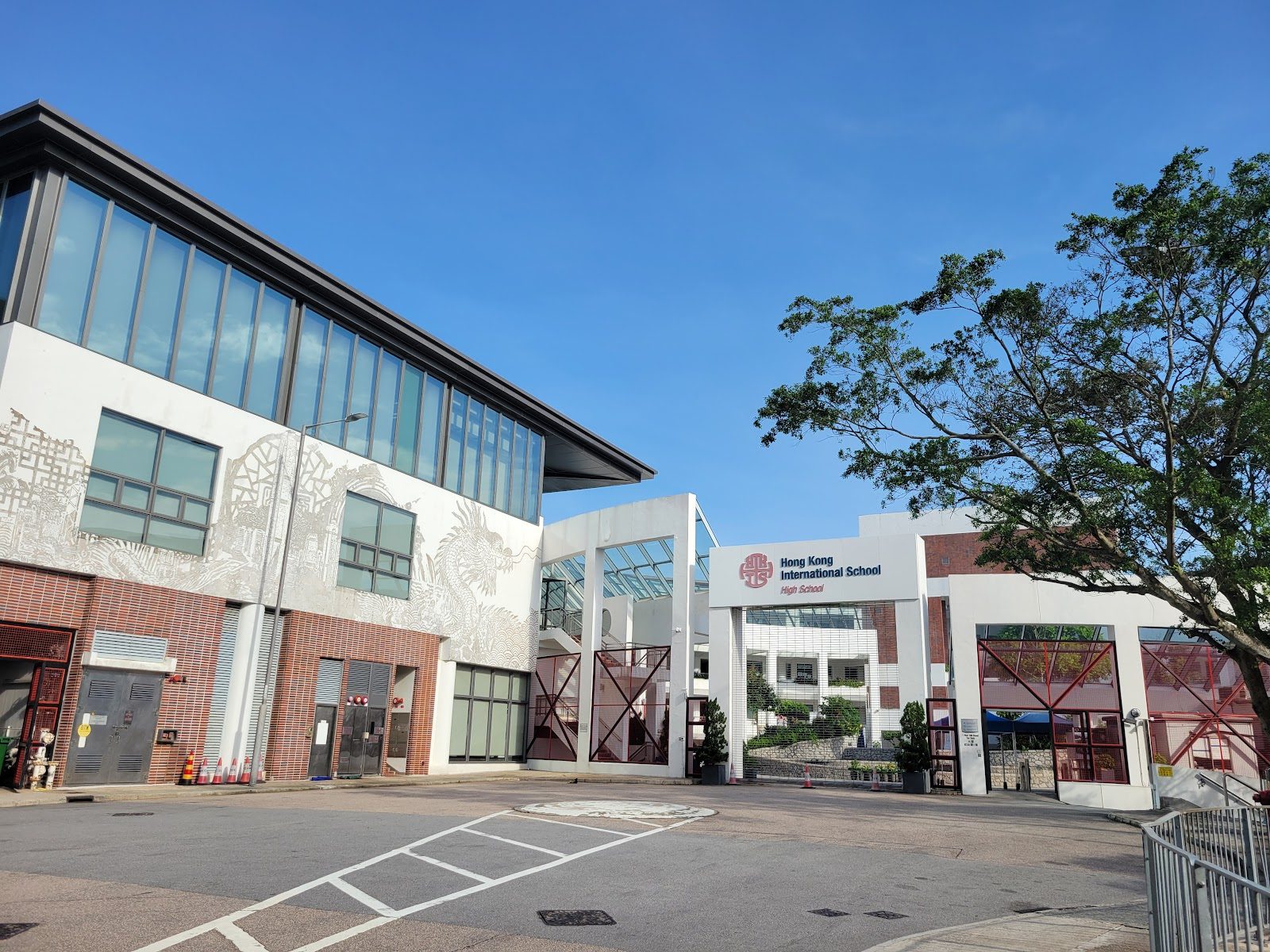
Hong Kong International School
Hong Kong · Hong Kong
Since 1966, an American-style curriculum with Lutheran roots spans two Hong Kong Island campuses framed by mountains and Tai Tam Bay.
Same country and curriculum — closest matches within ±10 points either way