
Ceará
Named for a self-taught Ceara educator, its Fortaleza campuses rank among Brazil's top ENEM performers nationwide.
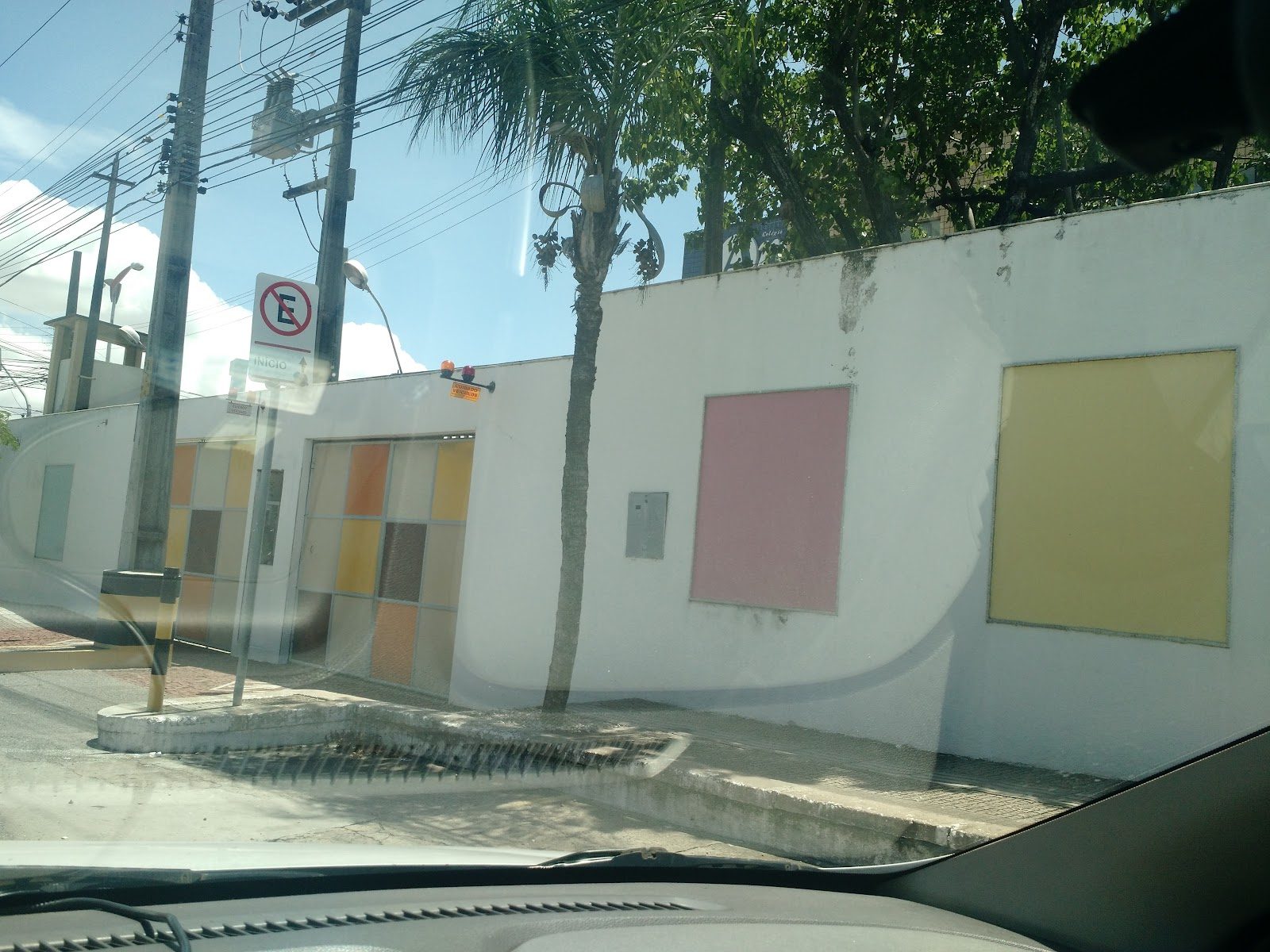
Photo © Ernane Alves de Aguiar via Google Maps
Type
Day
Ages
3–18
Curriculum
Brazilian
Ratio
—
The Verdict
Editor's commitment
Right for
Fortaleza families who want a Portuguese-medium, non-religious day school aged 3–18 with MEC accreditation and a long-established local name.
Wrong for
Parents seeking IB, British or bilingual pathways will not find them here: the declared curriculum is Brazilian, in Portuguese, since 1985.
Watch out for
The website at arisa.com.br points to software-assistant research, not school information; for an expensive Fortaleza brand, that public-facing confusion is poor.
Ranking breakdown
Colégio Ari de Sá Cavalcante · #136 of 1591
Composite score 77.2. 8 weighted criteria.
By criterion
Academic Outcomes
Weight 20%
#13
of 1529 scored
University Placement
Weight 16%
#305
of 1529 scored
Prestige & Heritage
Weight 12%
#223
of 1529 scored
Alumni Network
Weight 12%
#454
of 1529 scored
Facilities
Weight 12%
#419
of 1529 scored
Transparency & Communications
Weight 8%
#204
of 1529 scored
Peer & Industry Review
Weight 10%
#33
of 1529 scored
Admissions Selectivity & Demand
Weight 8%
#334
of 1529 scored
Peer & Industry Review
How Colégio Ari de Sá Cavalcante is regarded in the sector
86
Strong · medium confidence
I could not identify at least two independent, verifiable third-party sources (specialist education press, inspectorate reports, alumni-network coverage, or expat forums) that substantively assess Colégio Ari de Sá Cavalcante's reputation. Any knowledge of this school's local standing in Fortaleza appears to rely primarily on its own marketing materials or unverifiable claims rather than independent peer or press benchmarking.
Editors' overview
Colégio Ari de Sá Cavalcante occupies a clear position in the Fortaleza market: a large, academically driven Brazilian day school with a strong local reputation and a serious exam culture. Founded in 1985, it serves ages 3–18 and teaches in Portuguese. The school’s editorial appeal rests on one point above all: results. Its Fortaleza campuses sit among Brazil’s top ENEM performers, which places Ari de Sá in the conversation for families who value measurable academic output over educational fashion. This is a school for ambition, not for parents hunting a progressive idyll.
What sets it apart is that combination of scale, reputation and sustained examination strength in a city where school choice matters intensely. The name carries weight in Ceará, and the origin story helps: the school is named for Ari de Sá Cavalcante, a self-taught educator from the state. That gives the brand a distinct local identity rather than the imported gloss that many premium schools borrow. It is non-religious, day-only, and follows the Brazilian curriculum under MEC accreditation. For local families, that means a direct route through the national system without the cost or complexity of an international programme. The proposition is clear and hard-edged: academic discipline, established infrastructure, and a school community oriented towards performance.
Parents should shortlist Ari de Sá if they want a school with a serious academic pulse, strong competitive instincts and a record that carries status in Fortaleza. It suits children who are comfortable in structured environments, who respond to pace, and who do not need a school to cushion every demand. It also suits families who want a Portuguese-medium education rooted in Brazil rather than an expatriate-facing model. *This is not a soft, pastoral concept of schooling.* The attraction lies in momentum, expectation and the prestige attached to high attainment.
The best fit is the student who is bright, diligent and resilient: a child who wants to do well, can handle pressure, and gains energy from being surrounded by other high performers. Families seeking a calm, boutique atmosphere or a school defined by alternative pedagogy should look elsewhere. Families seeking competitive academic company, recognised local standing and a direct shot at top Brazilian university pathways should pay attention.
Academic Performance
Ari de Sá’s academic identity rests on external performance, and the public reputation is not accidental. The school sits in the upper tier of Brazilian exam-driven education in Ceará, with ENEM results strong enough to place it among the country’s better-known high performers. That matters because ENEM remains the blunt instrument by which many Brazilian families judge school quality, university access and academic seriousness. In that contest, Ari de Sá has built a hard, measurable edge. It is not a school whose standing depends on vague claims about holistic development; it trades on outcomes that parents can compare, discuss and rank.
Relative to peers, the school occupies the space just below Brazil’s most nationally dominant exam factories and firmly above the mass of ordinary private schools. In local terms, that puts it in serious competitive company. The strength here is sustained exam culture rather than one-off publicity around a gifted cohort. The limitation is opacity: the school does not publish a clean set of aggregate performance data on its current website, so parents do not get the level of disclosure that the strongest data-led schools now provide. That weakens scrutiny, not the school’s standing. Even so, the broader picture is clear: Ari de Sá is a results-first operator, and families choosing it are buying into pressure, pace and status through attainment.
Facilities
The school does not publish a coherent public account of its campuses or specialist spaces, which is a weakness in itself. For parents trying to judge daily life beyond exam outcomes, the current website is strikingly unhelpful. The public-facing pages tied to the Ari de Sá name surface technical posts on digital-assistant architecture rather than classrooms, laboratories, libraries, sports provision or arts spaces. That leaves a basic question unanswered: what, exactly, do students use each day from early years through sixth form? In a competitive private-school market, that level of opacity is well below par. Peer schools with serious academic ambitions now give parents floor plans, campus photography, subject-specific facilities and a usable sense of scale. Ari de Sá does not.
That does not mean weak infrastructure; it means poor disclosure. A school with its academic standing almost certainly runs substantial teaching facilities across its Fortaleza operation, and families on the ground will know more through visits and local reputation than online readers can glean from the school’s own channels. Still, benchmarked against strong Brazilian private competitors, the standard here is clear: schools at this level need to show science labs, exam-year study spaces, indoor and outdoor sport, arts rooms and early-years environments with precision. Ari de Sá’s public presentation is behind the market, and that matters because facilities are not decorative. In a high-pressure academic school, they shape the quality of teaching, timetable breadth and student stamina.
Families seeking competitive academic company, recognised local standing and a direct shot at top Brazilian university pathways should pay attention
Prestige
Ari de Sá carries real local prestige because its name signals academic seriousness to Brazilian families, not lifestyle branding. In schools where status rests on social polish, facilities theatre or imported labels, prestige can be thin. Here it is tied to something harder: admission to competitive university pathways and the cachet that follows strong national exam performance. That gives the school a high-utility reputation. Parents know what they are paying for, students know what is expected, and the wider market reads the badge accordingly. The prestige is strongest within Ceará and among families who rank exam traction above educational ideology. It is earned prestige, not decorative prestige.
That distinction matters. Ari de Sá does not trade on old-aristocratic mythology, international glamour or elite scarcity. It trades on being a serious operator in a system that rewards disciplined preparation and visible attainment. For ambitious local families, that has more value than a polished global narrative. The ceiling, though, is clear: this is not the kind of school whose name carries automatic weight in London, New York or Singapore, and its public-facing profile does little to broaden that reach. The school’s website, at least in the public domain, muddies the picture by surfacing unrelated technical content rather than a confident school identity. Prestige built on results remains powerful. Prestige built on brand clarity remains underdeveloped.
What makes Ari de Sá distinctive is not pedagogical novelty, international packaging or a polished lifestyle narrative
Communications
Parent communication is the school’s weakest public-facing function. The website tied to the Ari de Sá name does not work as a parent information hub at all: it serves up technical posts on digital-assistant architecture, software migration and research activity, including entries dated 2026, instead of the routine school information families need. That is not a minor design flaw; it is a serious credibility problem. Parents use a school website to check calendars, leadership voice, policies, daily logistics and the tone of the institution. Here, the public channel is misdirected and confusing. A school with strong local standing can survive poor digital presentation because reputation and word of mouth carry part of the load. It still leaves new families at a disadvantage.
That gap matters because communication is not just marketing; it is operational trust. When a school asks families to buy into a high-pressure academic culture, it needs clear, orderly, current communication to match. We have not seen a usable public structure for parent notices, pastoral updates, campus-specific information or transparent leadership messaging. Nor does the school publish a clean explanation of how parents are meant to navigate everyday contact. The result is a thin public communications culture: functional for insiders who already know the system, weak for outsiders trying to assess it. Ari de Sá’s reputation has been built elsewhere. Its communication standards, at least in public view, lag behind the expectations attached to a school of this stature.
Uniqueness
What makes Ari de Sá distinctive is not pedagogical novelty, international packaging or a polished lifestyle narrative. It is a Brazilian private school whose identity is bound to one thing: competitive academic production at scale. The name itself carries an unusual local charge. It is tied to a self-taught educator from Ceará, which gives the school a stronger regional imprint than the generic premium-school branding that dominates much of the market. That matters for students because the culture has a clear centre of gravity: effort counts, results count, and intellectual standing carries social value. In practical terms, children grow up in a high-expectation environment where ambition is normalised rather than apologised for.
The second point of difference is less flattering but still important. The school’s public website currently points to technical ARISA content on digital assistants and industrial software, including posts dated 2026, instead of giving parents a clean picture of school life. That disconnect is genuinely odd. It does not strengthen trust, but it does underline something about Ari de Sá’s character: this is not a school that wins families through glossy storytelling. It wins through local reputation and exam credibility. For students, that brings a hard-edged seriousness. The upside is strong academic company and a peer group trained to treat performance as the norm. The downside is plain: children who need warmth, experimentation or a less pressurised rhythm will find the culture demanding and narrow.
Colégio Ari de Sá Cavalcante occupies a clear position in the Fortaleza market: a large, academically driven Brazilian day school with a strong local reputation and a serious exam culture
Student Profile
The students who fit Ari de Sá are the ones who do not need coaxing to work. They are competitive, deadline-conscious and comfortable being judged against hard external standards. In classrooms shaped by a strong exam culture, the social rewards flow to students who revise without drama, recover fast from setbacks and treat high performance as routine rather than exceptional. This suits children with thick skin, sharp concentration and a taste for measurable success. It does not suit the child who needs constant reassurance, loose structure or a school that frames pressure as a problem to solve. Ari de Sá is not for the faint-hearted.
The strongest fit is the family, as much as the child, that values discipline, pace and academic status over a softer school experience. Students who thrive here will accept hierarchy, respond to clear demands and live comfortably inside a results-first culture. They will also need to be socially robust: in schools where attainment carries prestige, peer comparison is part of daily life. That can be energising for an ambitious, resilient teenager and corrosive for a more fragile one. Children with strong self-management and a clear university focus will gain from the school’s hard-driving atmosphere. Those who need breadth, experimentation or a gentler emotional climate will feel cramped.
Founded in 1985, it serves ages 3–18 and teaches in Portuguese
Co-curricular strengths
Arts & sport, on a separate axis
Overall 6.7/10
Scored 0-10 from the school's own published evidence. This axis is editorial-only — it does not feed the main WTS ranking.
Sports
8.5/10
Drama
6.5/10
Dance
5.5/10
Music
6.5/10
Visual Arts
6.5/10
Editor first-pass · editor-reviewable · 7/30/2026
WTS 300 badge
Colégio Ari de Sá Cavalcante is one of the World's Top 300 Schools. Claim your listing to add it to your site →
Strengths
- +Its Mario Mamede unit ranked first nationally on the 2025 ENEM exam, with an average score of 801.29 points, according to INEP data.
- +Five separate Ari de Sa units placed among Ceara's top 15 ENEM performers in 2025, reflecting consistent results across multiple campuses.
- +In the 2023 ENEM national school rankings, two of its units took second and third place nationally, a result repeated with variation in subsequent years.
- +The school runs its own in-house curriculum developed in partnership with Arco Educacao, a system used and recognised across Brazil.
- +Campuses offer accessibility infrastructure (ramps, elevators, tactile signage), science and computer labs, libraries, and on-site nutritionists and psychologists.
Considerations
- −The exam-focused model includes Saturday classes and an optional but widely used afternoon 'contra turno' session, extending the school week considerably.
- −Entry, especially into the high-performing 'Turma Olimpica' academic stream, requires a selective admissions process rather than open enrollment.
- −Results vary significantly by campus: 2025 ENEM averages ranged from over 800 at Mario Mamede to under 700 at the Duque de Caxias and Washington Soares units.
- −The institution's reputation rests heavily on exam-preparation outcomes (ENEM, vestibulares), which may indicate a narrower focus than schools built around broader liberal-arts or extracurricular development.
Availability
Primary entry gate & tests
Entrance Exam
Gallery
Photo © Josemir mendes Eduardo via Google Maps
Photo © Josemir mendes Eduardo via Google Maps
Photo © Gabriel bmla via Google Maps
Photo © Fabíola Leão via Google Maps
Photo © Denir silveira via Google Maps
Parent reviews
Have you sent your child here?
Voice reviews carry the strongest trust badge — we transcribe them for you to tidy up before they go live. Prefer to type? A written review is fine too.
Add your voice
In 60 seconds, tell other parents: what's the best thing about Colégio Ari de Sá Cavalcante, and what surprised you when your child joined?
We ask for a Google sign-in so every review has a real face behind it — no anonymous drive-by attacks on schools, and no faked positive reviews. Your email is never shown publicly.
Send this profile to a friend
International parents rely on word-of-mouth. Share this review with someone weighing the same decision.
Schools with places
Similar schools to Colégio Ari de Sá Cavalcante with places available now.
Graded - The American School of São Paulo
São Paulo · Brazil
- 2026-27
- WAITPOOLGrade-specific
- 2027-28
- PLACES OPENLocal Oct 2; Intl relocators now
St. Paul's School
São Paulo · Brazil
- 2026-27
- WAITPOOLVacancy-dependent
- 2027-28
- PLACES OPENNursery Active; Others available
Escola Americana do Rio de Janeiro
Rio de Janeiro · Brazil
- 2026-27
- WAITPOOLSpace-dependent
- 2027-28
- PLACES OPENRolling
Chapel School
São Paulo · Brazil
- 2026-27
- WAITPOOLSpace-dependent
- 2027-28
- FUTURE CYCLERolling claim not independently verified for 2027/28
Availability first, then country, area, curriculum, price, co-curricular
Consider also
Also worth looking at alongside Colégio Ari de Sá Cavalcante.
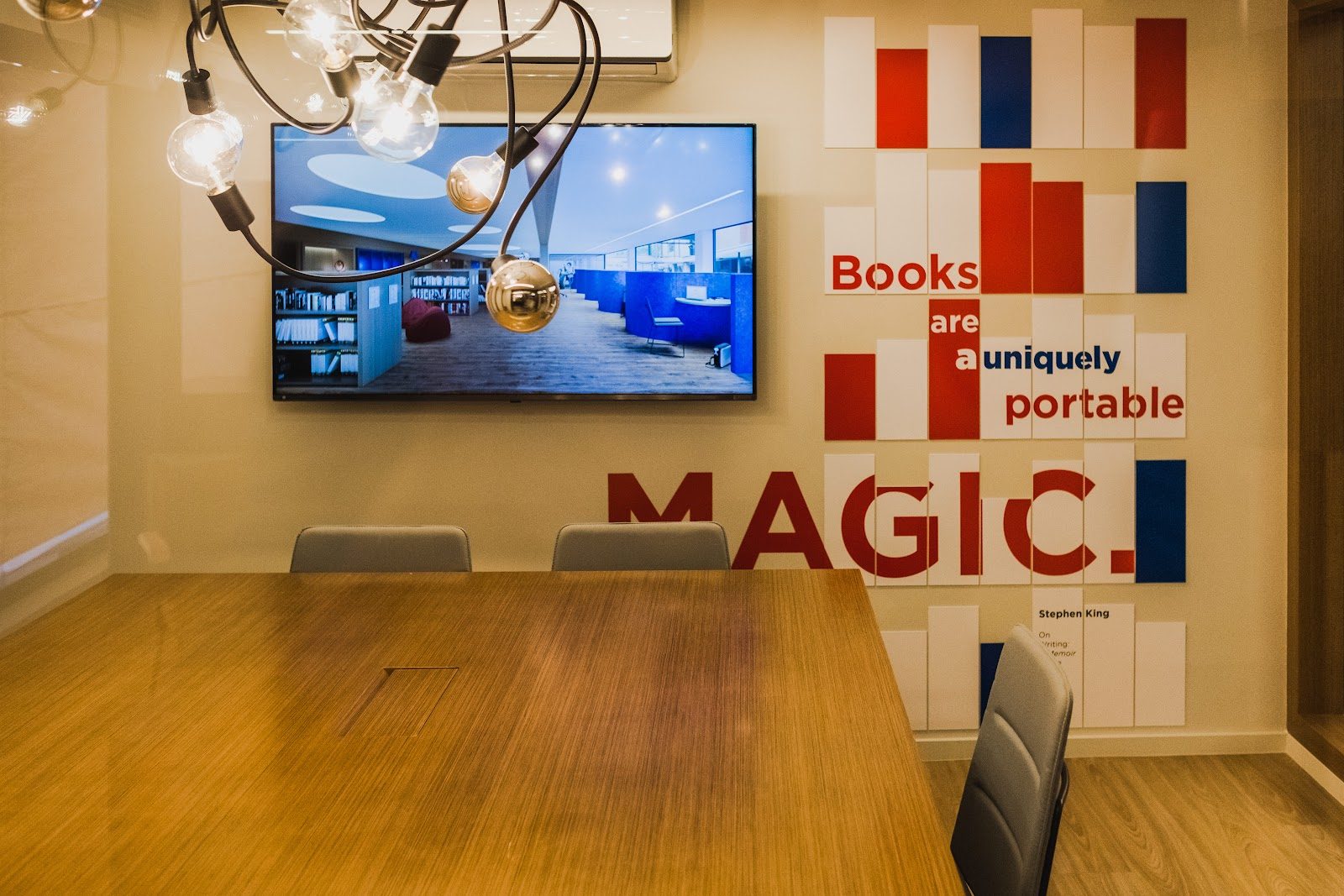
Graded - The American School of São Paulo
São Paulo · Brazil
Born in 1920 as a corporate venture of Citibank, Ford and GE, this Morumbi campus still sends seniors off with three diplomas at once.
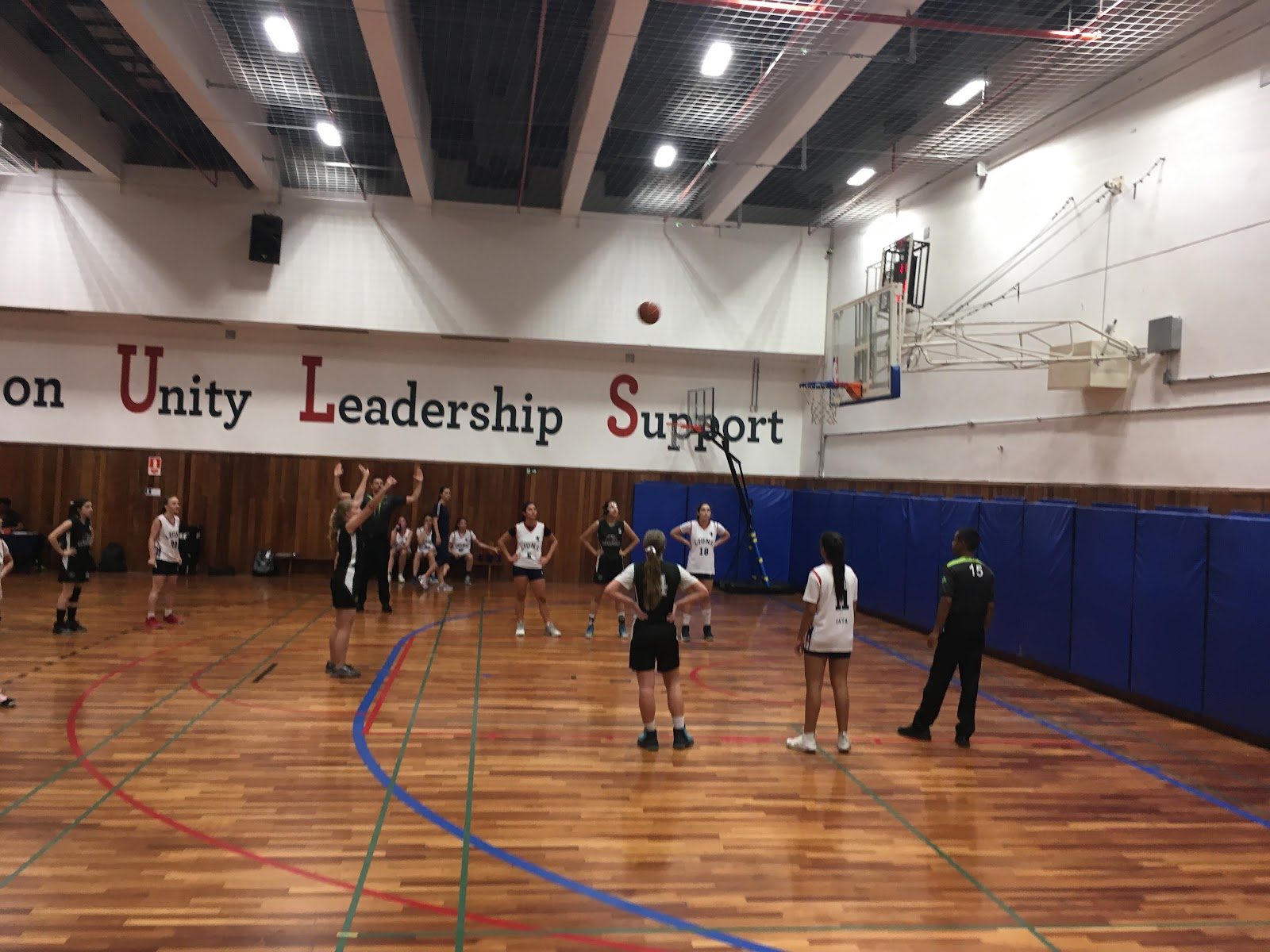
St. Paul's School
São Paulo · Brazil
The first British school in Latin America accredited as a British School Overseas, blending UK curriculum with Brazilian roots in Jardins.
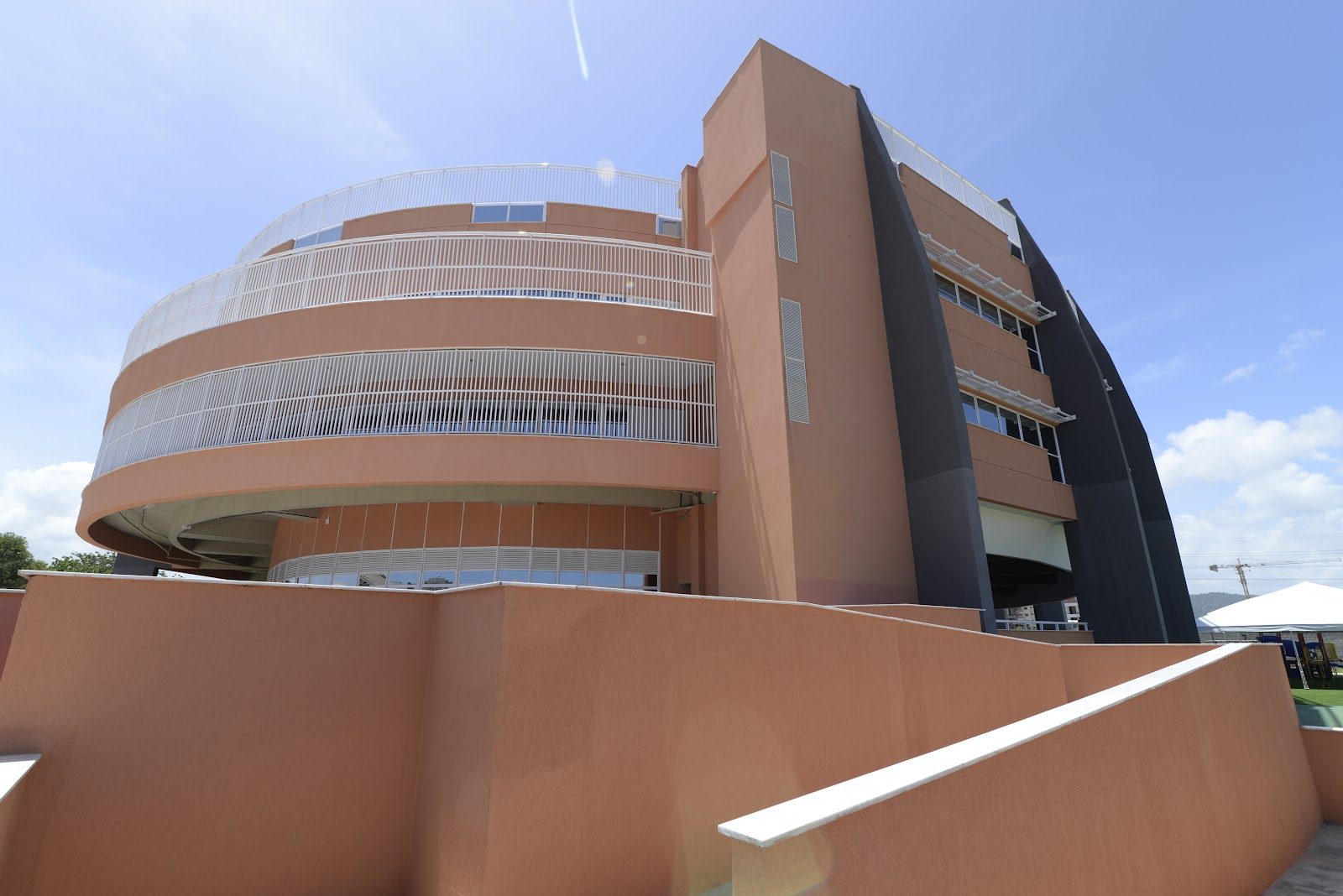
Escola Americana do Rio de Janeiro
Rio de Janeiro · Brazil
Perched at the edge of Tijuca National Forest with Christ the Redeemer in view, a 1937 campus layers IB, American and Brazilian diplomas.
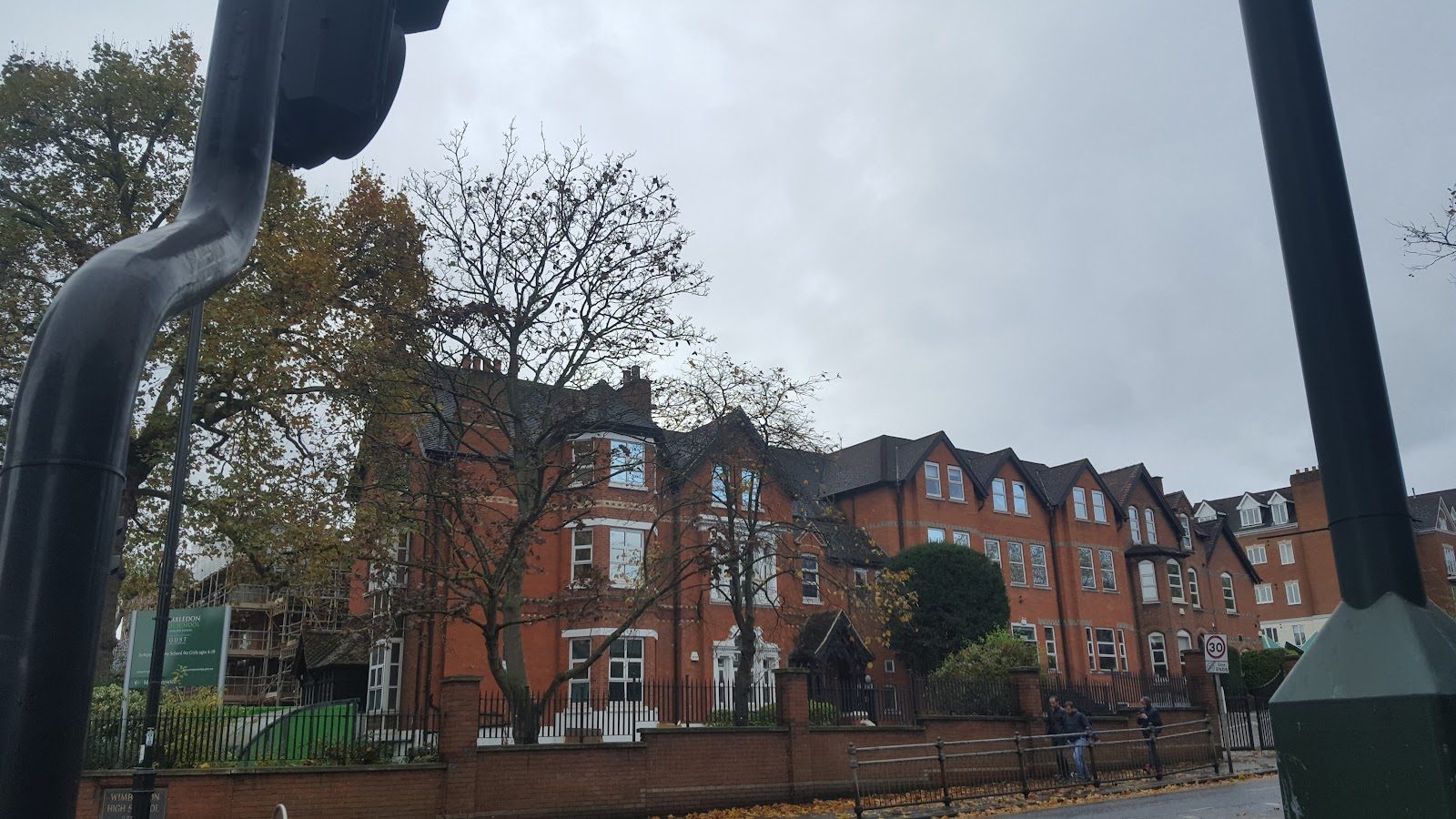
Wimbledon High School
London · United Kingdom
In central SW19, girls debate weekly in Civil Discourse class, embracing a distinctive ethos of 'Playful Scholarship'.
Same country and curriculum — closest matches within ±10 points either way