
Uttar Pradesh
La Martiniere College, Lucknow
medium confidence· 6/6 cats · 2.33 avg sourcesHoused in a French general's Gomti-side palace where he lies entombed, it remains the only school ever awarded royal battle honors.
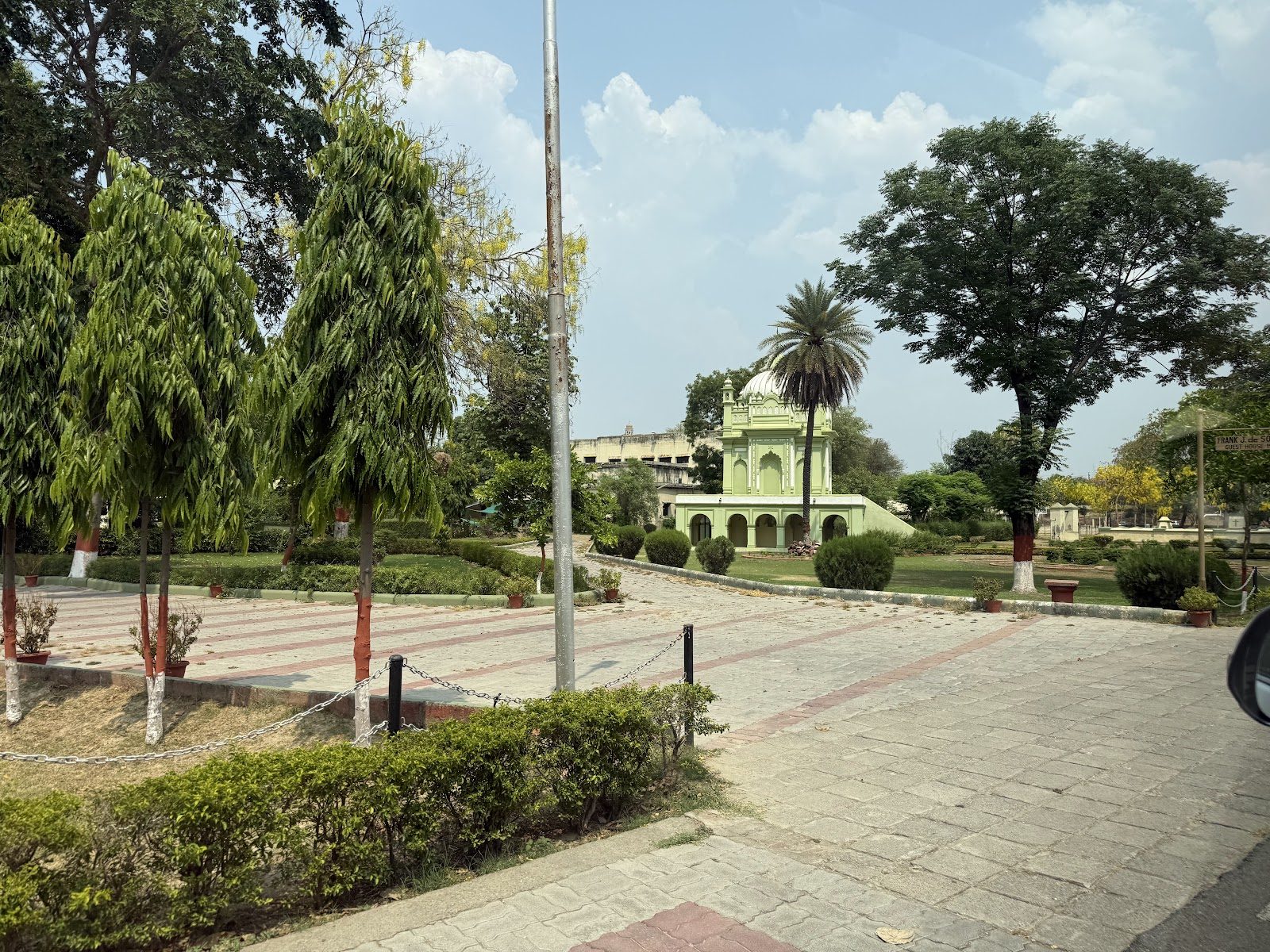
Photo © Dhruba via Google Maps
Type
Both
Ages
4–18
Curriculum
Indian National
Qualifications
ICSE · ISC
Ratio
—
The Verdict
Editor's commitment
Right for
Families who value a 1845 Lucknow school with CISCE academics, English instruction, and a Christian foundation over fashionable reinvention.
Wrong for
Parents wanting IB, bilingual teaching, or a secular ethos will hit the wall fast: this is English-medium, Christian, and CISCE.
Watch out for
La Martiniere is both day and boarding from ages 4–18; that breadth can dilute intimacy, and the school publishes no sharp outcomes data here.
Ranking breakdown
La Martiniere College, Lucknow · #427 of 1591
Composite score 70.0. 8 weighted criteria.
By criterion
Academic Outcomes
Weight 20%
#512
of 1529 scored
University Placement
Weight 16%
#584
of 1529 scored
Prestige & Heritage
Weight 12%
#377
of 1571 scored
Alumni Network
Weight 12%
#234
of 1530 scored
Facilities
Weight 12%
#732
of 1533 scored
Transparency & Communications
Weight 8%
#688
of 1532 scored
Peer & Industry Review
Weight 10%
#645
of 1548 scored
Admissions Selectivity & Demand
Weight 8%
#369
of 1529 scored
Peer & Industry Review
How La Martiniere College, Lucknow is regarded in the sector
90
Top-tier · high confidence
La Martiniere College, Lucknow is one of India's oldest and most consistently referenced schools in 'best schools in India' rankings and heritage school lists, with a UNESCO World Heritage-associated campus and a globally dispersed, well-documented alumni network including prominent figures in politics, film, business and the arts. It is regularly cited in Indian education press (e.g., India Today, Outlook, The Telegraph) as a benchmark heritage institution, and its old boys' associations maintain active international chapters (UK, Canada, Australia) that receive independent press coverage.
Evidence sources
Editors' overview
La Martiniere College, Lucknow occupies a niche that few schools in India can touch: a major day-and-boarding school with real historical weight, a central Lucknow setting, and a reputation built over generations rather than assembled by a marketing office. Founded in 1845, it trades on inheritance, but not only on inheritance. The school’s identity rests on continuity: Christian foundation, English-medium teaching, the CISCE route, and a campus tied to the legacy of Claude Martin in a way that gives the place genuine atmosphere rather than decorative heritage. The headline distinction is still startling — the only school ever awarded royal battle honours — and that gives La Martiniere a martial mystique and institutional self-belief that set it apart from newer competitors.
For parents, the case for shortlisting it is clear. This is a school for families who want an established Indian academic framework rather than the churn of imported programmes, and who value a school culture with rules, ceremony and memory. It serves ages 4–18, which matters: children can enter early and remain through the full arc of school life without another institutional reset at 11 or 16. As a both day and boarding school, it also reaches two markets at once — Lucknow families who want stature and continuity, and out-of-town families who want a known name with a long civic presence. That said, this is not the school for parents chasing a glossy international-school aesthetic. La Martiniere’s appeal lies in old-school authority, earned prestige and cultural permanence, not in boutique pastoral language or fashionable educational jargon.
The students who thrive here are those who respond to structure, tradition and a strong collective identity. A child who enjoys pageantry, house spirit, sport, disciplined routines and the feeling of belonging to something bigger than a single cohort will find plenty to work with. So will families who want a school with a serious sense of place and a deep institutional memory. Children who need a highly progressive, informal, low-hierarchy environment will find the tone too formal. Children who like standards, symbolism and a school with backbone will understand its appeal very quickly. In market terms, La Martiniere College, Lucknow sits above the ordinary local day school and outside the international-school circuit: a historic Indian independent with staying power, name recognition and a character that no new-build campus can manufacture.
Academic Performance
La Martiniere’s public academic profile has strengths and gaps. The school publishes individual high achievers in the board examinations, and those names place it in the conversation with the stronger old-line CISCE schools in North India. In one recent ISC sitting, the school recorded a top score of 99.25%; in ICSE, the highest mark published was 98.8%. Those are elite individual outcomes and confirm that the school can produce pupils at the very top end of the mark range. What it does not publish, at least in any consistent aggregate form, is the fuller set of numbers parents need for a hard comparison: cohort averages, score distributions, proportions above key thresholds, or multi-year trend data. That leaves a frustratingly incomplete picture.
Relative to peers, that matters. The strongest CISCE schools now disclose enough exam data to show depth across the cohort, not only the summit. La Martiniere gives the summit. It does not give the mountain. That does not weaken the case for academic seriousness; a school with published results at 99%+ is not drifting. But it does limit precision when judging whether the school is merely good at producing a handful of headline scorers or genuinely strong across the full year group. The school fits, then, as a credible academic contender with clear top-end attainment and opaque middle-order evidence. For families who prize hard data, that opacity is the main weakness.
Facilities
The estate does real work here. La Martiniere’s defining facility is Constantia itself: a monumental school building with grand halls, broad grounds and the kind of architectural scale that newer campuses spend heavily trying to imitate. That heritage cuts both ways. It gives pupils a singular setting for assemblies, ceremonies and everyday school life, and it lends the campus a weight of atmosphere that ordinary urban schools cannot match. It also means families need to accept an older physical plant, where charm and grandeur matter as much as sleekness. Peer schools in the old independent bracket often have stronger recent investment in specialist interiors; La Martiniere counters with historic range, usable outdoor space and a campus identity that feels fully formed rather than assembled in phases.
For practical provision, the school’s most important assets are its sports grounds, parade-ready open areas and the infrastructure needed to run a large all-through day-and-boarding institution rather than a compact city day school. That matters because facilities here support culture as much as convenience: drill, sport, house competition and public ceremony need room, and La Martiniere has it. The school also houses Claude Martin’s tomb on site, an extraordinary institutional oddity that reinforces how unusual the estate is. Against peers, the verdict is clear: this is not the most visibly modern campus in its segment, nor the most aggressively packaged. It is one of the most distinctive, with a commanding physical presence and enough scale to sustain a broad school life without feeling cramped.
In one recent ISC sitting, the school recorded a top score of 99.25%; in ICSE, the highest mark published was 98.8%
Prestige
La Martiniere’s prestige is real, old and unusually durable. In North India, the name carries weight beyond the school gate: among employers, universities, armed-forces families and the city’s older professional class, it signals a pupil shaped by standards, ceremony and institutional confidence. The school’s singular claim to royal battle honours still does heavy reputational work because no rival can copy it. That distinction gives La Martiniere a mythic inheritance that newer private schools, however polished, do not possess. Prestige here rests not on glossy international branding but on entrenched social recognition, a long alumni shadow and a culture that treats tradition as operating system, not decoration.
That said, prestige at La Martiniere is not the same as universal academic supremacy. Its reputation runs broader than the hard public data on whole-cohort outcomes, and parents need to separate historic status from measurable present-day dominance. The school remains a serious badge school: admission carries cachet, school identity runs deep, and the name opens conversations. For many Indian families, that matters as much as examination metrics. Still, the strongest form of prestige today combines inheritance with transparent performance, and La Martiniere does not publish enough aggregate results to claim that full modern standard. My rating stays high because the brand is culturally embedded, socially legible and institutionally distinctive in a way very few schools are.
Those are elite individual outcomes and confirm that the school can produce pupils at the very top end of the mark range
Communications
La Martiniere communicates in the manner of an old established school: formal, event-led and institution-first. Parents get a strong sense of calendar, ceremony, examination milestones and public achievement. The website carries notices, leadership messages and result highlights, and the school maintains a social-media presence that reinforces community life rather than trying to manufacture a lifestyle brand. That works well for families who want clear signals about rules, routines and institutional priorities. It works less well for parents who expect the frictionless, app-driven transparency now common in newer premium schools. We have not seen much evidence of deep disclosure beyond the essentials: no rich publication of whole-cohort academic data, no strong public window into teaching approach by phase, and limited detail on the day-to-day mechanics that matter to first-time families. The tone is authoritative, old-school and at points opaque.
That judgement matters because communication shapes trust. At La Martiniere, the school’s voice carries confidence and history; it does not strain to charm. For existing families, that can feel reassuringly firm. For prospective parents making a hard comparison, it leaves gaps. A school serving children from age 4 to 18 and running both day and residential life needs communication that is precise, timely and operationally detailed. La Martiniere gives stature and structure. It gives less public evidence of granular parent communication than the best-administered schools in its bracket. The result is a communications profile that is credible but not fully modern: strong on identity, weaker on openness and practical depth.
Uniqueness
La Martiniere’s uniqueness starts with the fact that it is not merely a school on a historic site; the site governs the school’s identity. Pupils are educated inside a former palace built by Claude Martin, with Martin himself buried on the estate. That creates a daily relationship with history that other heritage schools cannot match. Add the royal battle honours and the result is a school culture shaped by ritual, memory and institutional theatre at an intensity few schools reach. For students, that brings more than picturesque surroundings. It produces a strong inherited script about duty, conduct, loyalty and public performance. Children here do not pass anonymously through a neutral campus; they join an institution that tells them, every day, that belonging carries obligations.
That has practical consequences. Ceremonies matter more, house identity runs harder, and school symbolism has more force than in campuses where tradition has been imported by branding teams. For the right child, that is formative in the best old-school sense: confidence in formal settings, ease with hierarchy, comfort in competition, and pride in representing something larger than personal preference. It also brings constraints. Pupils who dislike uniforms of thought, visible rules or collective expectations will find the culture unyielding. La Martiniere’s distinction lies in that bargain. It offers rare institutional gravity and a singular civic inheritance; in return, it asks students to submit to a school identity with far more weight than the average independent school.
The school fits, then, as a credible academic contender with clear top-end attainment and opaque middle-order evidence
Student Profile
The pupils who fit La Martiniere best are those who can live comfortably inside a strong institutional frame. This is a school for children who do not need constant negotiation over rules, dress, hierarchy or public conduct. They tend to relish house loyalties, organised sport, ceremonial occasions and the clear status that comes from belonging to a famous old school. Ambitious, socially confident and thick-skinned students will do well, especially those happy to be measured in public through competitions, performances and examination outcomes. The age span from 4–18 also suits families who want one continuous culture rather than repeated school changes; children who grow into that system early will absorb its codes fastest.
The less suitable profile is just as clear. A child who needs an informal classroom tone, heavy individual customisation or a low-pressure social environment will find this place demanding, rule-bound and at points unsentimental. Boarding adds another filter: pupils need resilience, independence and a tolerance for communal living under adult authority. The Christian foundation also gives the school a moral and ceremonial structure that families need to welcome rather than merely accept. In market terms, La Martiniere serves the child who wants to join a strong collective identity, not dilute it. For the right student, that produces loyalty, confidence and stamina. For the wrong one, it produces friction very quickly.
It is one of the most distinctive, with a commanding physical presence and enough scale to sustain a broad school life without feeling cramped
Co-curricular strengths
Arts & sport, on a separate axis
Overall 7.7/10
Scored 0-10 from the school's own published evidence. This axis is editorial-only — it does not feed the main WTS ranking.
Sports
8.5/10
Drama
7.5/10
Dance
6.5/10
Music
8/10
Visual Arts
8/10
Editor first-pass · editor-reviewable · 7/30/2026
Strengths
- +Founded in 1845 under the will of Major General Claude Martin, giving the school nearly two centuries of continuous operation and a well-documented heritage campus at Constantia.
- +The only school in the world awarded royal battle honours, for its role in the defence of the Lucknow Residency during the 1857 uprising.
- +CISCE affiliation provides a structured pathway through ICSE (Class 10) and ISC (Class 12) with Science, Commerce and Humanities streams at senior level.
- +Alumni network includes former Prime Minister Rajiv Gandhi, author Ruskin Bond and actor Tom Alter, indicating a long track record of producing figures in public life.
- +Offers both day and boarding places, giving relocating families flexibility on residential arrangements within a single institution.
Considerations
- −The college is single-sex, admitting boys only; the affiliated girls' institution operates as a separate campus and administration.
- −Curriculum is limited to the Indian CISCE board (ICSE/ISC) with no IB, A-level or other international qualification on offer for families expecting portability.
- −Entry to existing classes is tightly rationed, with reopening sections offering only around 35 seats per class from Class 3 to 9, filled by written merit test.
- −The school does not provide transportation, so day-scholar families must arrange their own commute in a city with limited expat-support infrastructure.
Availability
Primary entry gate & tests
Internal Assessment (Boys)
Gallery
Photo © Shyamendra Pratap via Google Maps
Photo © Abhinav Kumar Singh via Google Maps
Photo © Linson Joseph via Google Maps
Photo © Shivansh Tandon via Google Maps
Photo © Shah Rukh via Google Maps
Parent reviews
Have you sent your child here?
Voice reviews carry the strongest trust badge — we transcribe them for you to tidy up before they go live. Prefer to type? A written review is fine too.
Add your voice
In 60 seconds, tell other parents: what's the best thing about La Martiniere College, Lucknow, and what surprised you when your child joined?
We ask for a Google sign-in so every review has a real face behind it — no anonymous drive-by attacks on schools, and no faked positive reviews. Your email is never shown publicly.
Send this profile to a friend
International parents rely on word-of-mouth. Share this review with someone weighing the same decision.
Schools with places
Similar schools to La Martiniere College, Lucknow with places available now.
Oberoi International School
Mumbai · India
- 2026-27
- WAITPOOLSpace-dependent
- 2027-28
- PLACES OPENRolling
American Embassy School
New Delhi · India
- 2026-27
- WAITPOOLSpace-dependent
- 2027-28
- PLACES OPENRolling
Kodaikanal International School
Kodaikanal · India
- 2026-27
- CLOSEDStandard route closed
- 2027-28
- OPENS SOONExpected Autumn '26 Reg
UWC Mahindra College
Pune · India
- 2026-27
- CLOSEDStandard route closed
- 2027-28
- WAITPOOLVaries by National Committee
Availability first, then country, area, curriculum, price, co-curricular
Consider also
Also worth looking at alongside La Martiniere College, Lucknow.
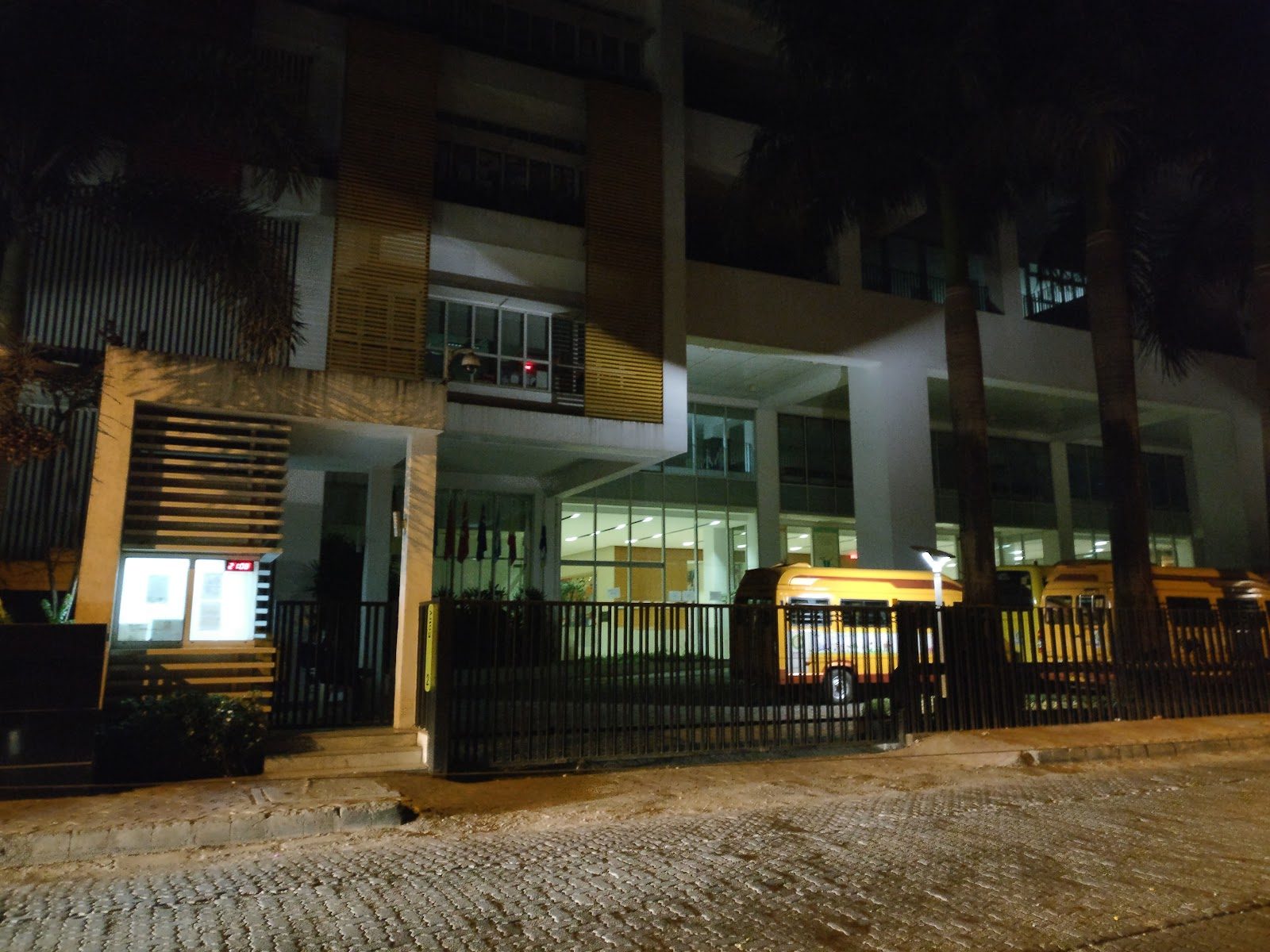
Oberoi International School
Mumbai · India
A full IB continuum from Nursery to Diploma, spread across twin Goregaon campuses inside Mumbai's Oberoi Garden City enclave.
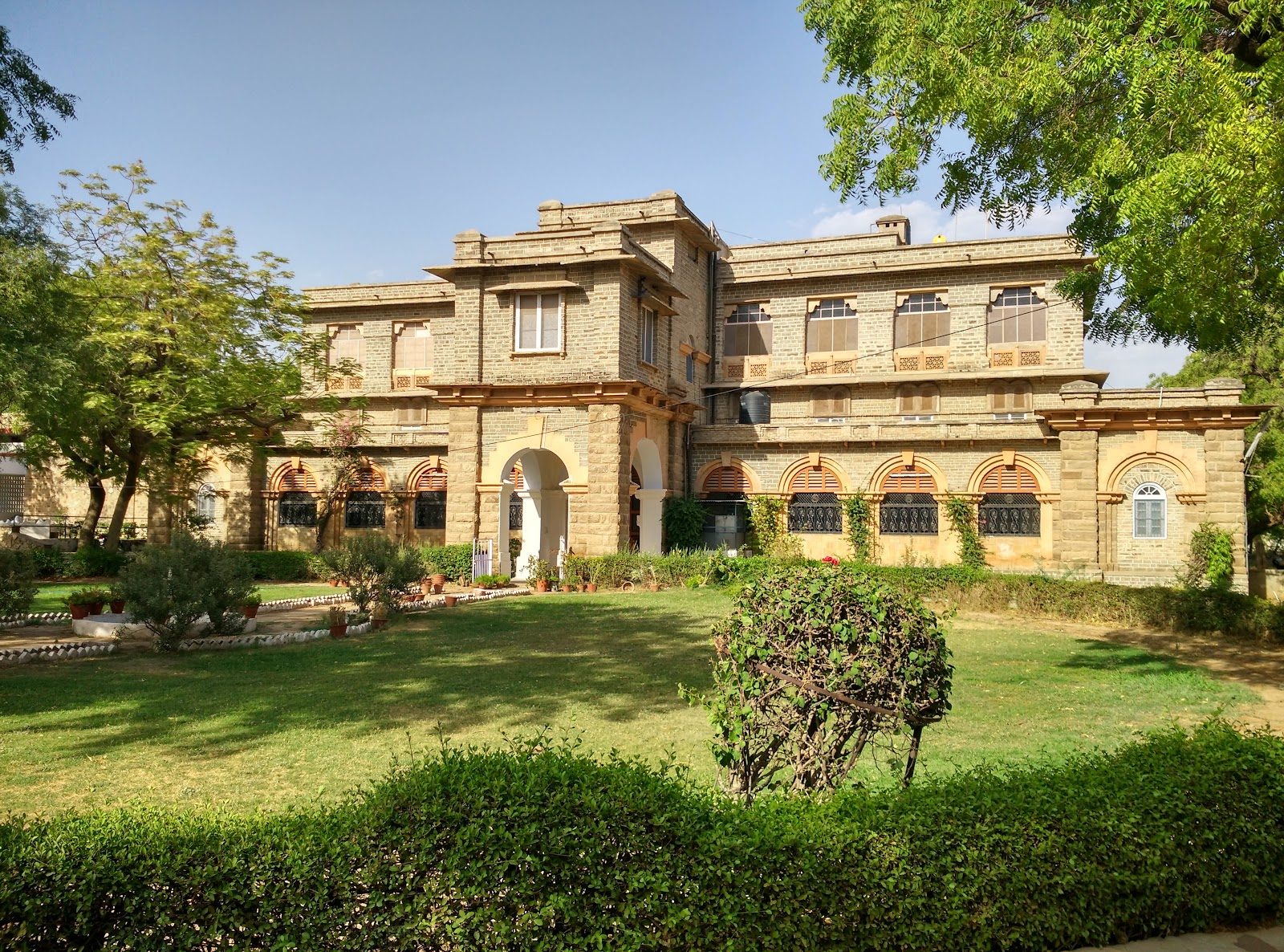
Mayo College
Ajmer · India
Historic all-boys boarding school in Ajmer offering the CBSE and Cambridge IGCSE curricula.
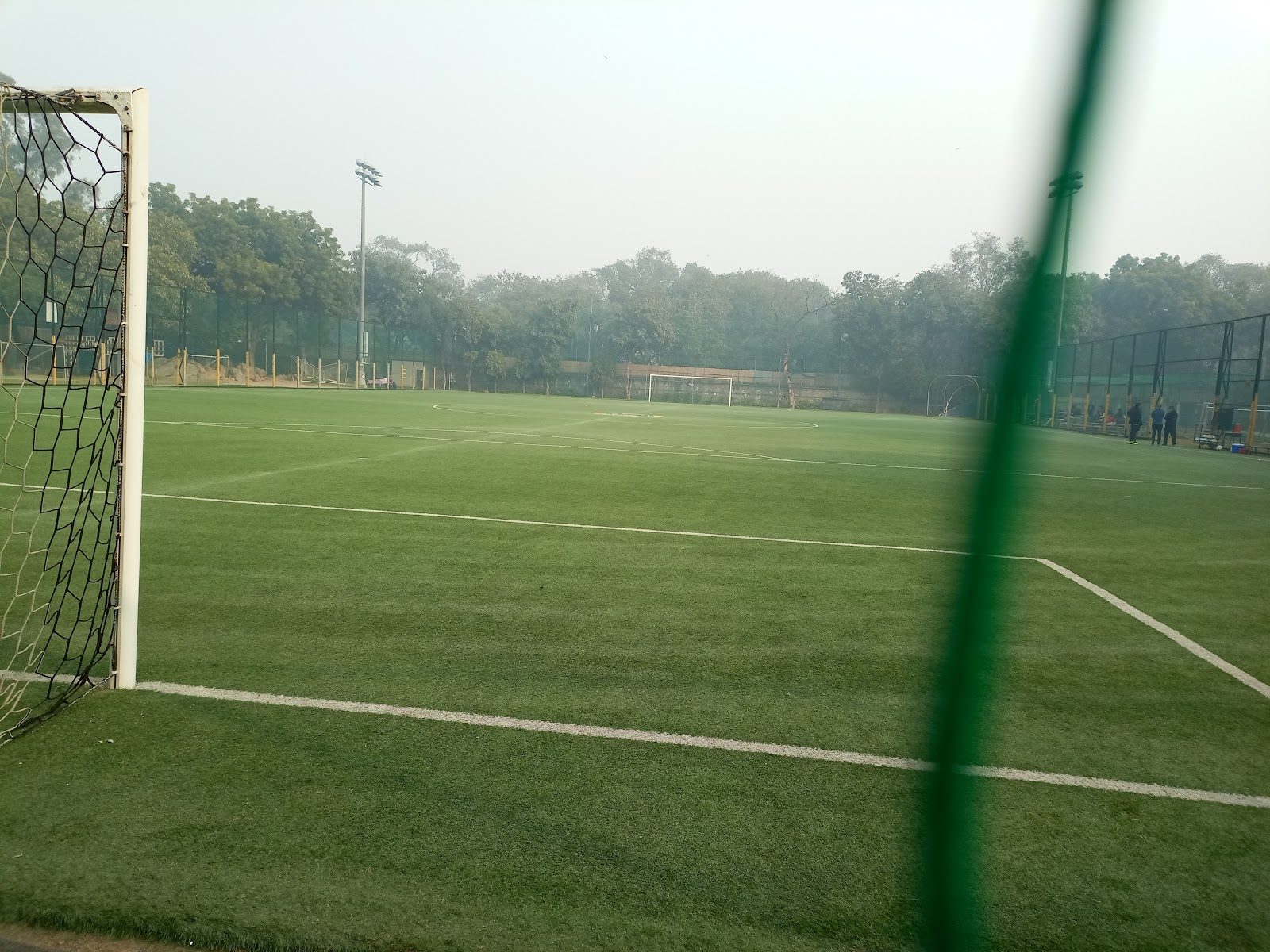
American Embassy School
New Delhi · India
Beside the U.S. Embassy in Chanakyapuri, a Joseph Stein-designed campus mixes American college prep with IB rigor for over 70 nationalities.
Kodaikanal International School
Kodaikanal · India
Founded in 1901 at 6,998 feet in the Palani Hills, it became India's first IB school and runs its own 135-acre wilderness campus for outdoor learning.
Same country and curriculum — closest matches within ±10 points either way