
Victoria
St. Kevin's College
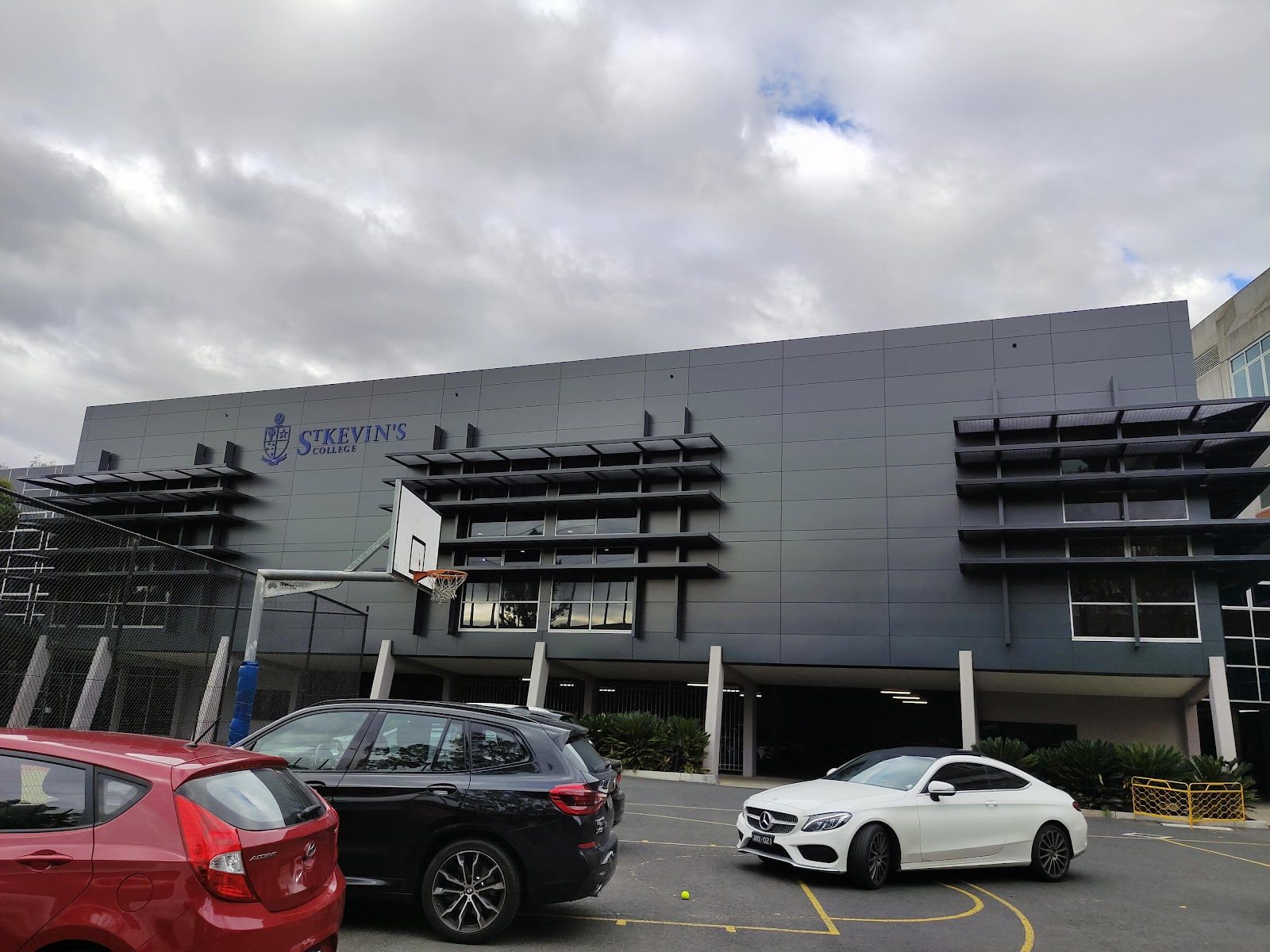
low confidence· 1/6 cats · 3 avg sourcesOn Toorak's Gardiners Creek, this Christian Brothers day school still trains the choristers of St Patrick's Cathedral.
Type
Day
Ages
5–18
Curriculum
Australian
Qualifications
VCE
Ratio
—
The Verdict
Editor's commitment
Right for
Families wanting a Catholic day school in Melbourne for ages 5–18, founded in 1918 and accredited by AHISA.
Wrong for
Anyone wanting boarding, a non-Australian curriculum, or education outside English; St Kevin's is a day school with Australian teaching.
Watch out for
The public record here is thin: beyond Melbourne, Catholic identity, 1918 and AHISA, the school does not publish much in this brief.
Ranking breakdown
St. Kevin's College · # of 1591
Composite score 61.8. 8 weighted criteria.
By criterion
Academic Outcomes
Weight 20%
#667
of 1529 scored
University Placement
Weight 16%
#584
of 1529 scored
Prestige & Heritage
Weight 12%
#526
of 1571 scored
Alumni Network
Weight 12%
#1356
of 1530 scored
Facilities
Weight 12%
#654
of 1534 scored
Transparency & Communications
Weight 8%
#551
of 1532 scored
Peer & Industry Review
Weight 10%
#598
of 1548 scored
Admissions Selectivity & Demand
Weight 8%
#647
of 1529 scored
Peer & Industry Review
How St. Kevin's College is regarded in the sector
69
Respected · medium confidence
Among Melbourne's establishment schools, St Kevin's is respected as a strong APS rowing and academic competitor but is generally ranked below the city's oldest GPS-equivalent institutions (Scotch, Melbourne Grammar, Xavier) in prestige, reflecting its more recent, Christian Brothers/Edmund Rice origins. Victorian university admissions staff regard its VCE cohort as solid and consistent rather than exceptional, with steady placements into Melbourne and Monash. Independent education press coverage since 2019 has been dominated by the Four Corners abuse-cover-up investigation and subsequent governance fallout, which drew sustained scrutiny from national newspapers and prompted commentary from other school heads on child-safety accountability across the Edmund Rice network. This has weighed on its standing in guides and league-table commentary, even as its sporting achievements continue to be acknowledged in APS circles.
- John Elliott — Businessman, Chairman of Elders IXL/Foster's Group
- Nathan Buckley — AFL Player and Coach, Collingwood
- Trent Cotchin — AFL Captain, Richmond Football Club
Editors' overview
St. Kevin’s College occupies a strong niche in Melbourne’s independent market: a Catholic boys’ day school in Toorak with long roots, a clear religious identity and a rare musical distinction. Founded in 1918, it serves boys aged 5–18 on the Gardiners Creek stretch of Toorak, and that geography matters. This is an affluent catchment with no shortage of competition. St. Kevin’s stays on the shortlist because it offers a full Australian curriculum inside a traditional, ordered Catholic framework, and because it still trains the choristers of St Patrick’s Cathedral. That link gives the school a cultural seriousness that many rivals talk about and few sustain. The result is a school with institutional weight, liturgical depth and a strong sense of inheritance.
Its market position is clear. This is not a progressive, experimental or deliberately loose school. It is a day school with an established identity, governed by Catholic values and backed by AHISA membership. For families who want ambiguity, this is the wrong address. For families who want a boys’ school that knows exactly what it is, St. Kevin’s has force. The attraction lies in continuity: a school founded more than 100 years ago, operating in English, with a stable mainstream Australian curriculum and a public character shaped by faith, discipline and tradition. In Melbourne’s premium independent sector, that combination carries social confidence and old-school authority.
What is special about it is not novelty but coherence. The cathedral choir connection sets it apart at once; it signals standards, commitment and an education that still gives proper status to sacred music and public performance. That will appeal to boys who thrive with structure, ceremony and collective purpose rather than constant self-invention. A student who wants St. Kevin’s is one who values belonging, responds to clear expectations and is comfortable in an environment where Catholic life is part of the school’s centre, not an optional extra at the edges. For the right family, that produces a powerful sense of formation and genuine civic polish.
Academic Performance
St. Kevin’s sits in Melbourne’s hard-edged independent boys’ market, where academic claims need public proof. The problem here is opacity. We have not seen published aggregate ATAR data, median study scores, subject-by-subject results, or a consistent run of leavers’ outcomes in the public domain. That limits any serious comparison with the city’s exam-driven Catholic and independent heavyweights, many of which use results to make their case. A school that does not disclose headline attainment leaves parents to infer performance from reputation, demand and social standing. That is a weak basis for judging academic value, especially at the expensive end of the sector.
That does not place St. Kevin’s outside the serious academic tier; it places it in the tier that asks families to trust the institution more than the numbers. For some parents, the school’s draw lies in formation, polish and confidence rather than a relentless results narrative. For others, that trade-off will feel too opaque. Relative to peers, St. Kevin’s belongs in the conversation with established Melbourne boys’ schools, but not on current published evidence in the front rank of transparent academic performers. If exam outcomes matter heavily in your decision, ask for recent ATAR distribution, median study scores, university destinations and the share of students in top bands before treating the school as a proven academic powerhouse.
Facilities
The school’s standout facility is the one no ordinary private-school brochure can counterfeit: the chorister pipeline tied to St Patrick’s Cathedral. That matters because it points to disciplined rehearsal culture, sacred music performed to public standard, and a level of liturgical seriousness that most peers do not match. In facilities terms, that gives St. Kevin’s a rare institutional asset in music, even if the school does not publish the kind of exhaustive campus inventory that top-fee competitors now treat as standard. We have not seen a fully detailed public account of specialist spaces, major capital projects, theatre infrastructure, design labs or high-end sports provision. That lack of disclosure weakens direct comparison with rival Melbourne independents that itemise every pool, pavilion and performing-arts suite.
Against its peer group, then, St. Kevin’s reads less as a facilities-led school and more as a school where institutional tradition carries more weight than visible campus spectacle. For some families, that is perfectly acceptable; for others, it is a gap. In this bracket, parents have reason to expect clear public detail on science spaces, creative facilities, sports grounds and junior provision. St. Kevin’s does not give that detail. The result is a facilities picture with one genuinely distinctive musical strength and a wider profile that remains strikingly opaque. In a market where leading schools showcase built assets aggressively, that opacity puts St. Kevin’s behind the best-documented peers.
The result is a facilities picture with one genuinely distinctive musical strength and a wider profile that remains strikingly opaque
Prestige
St. Kevin’s carries real prestige in Melbourne’s private-school hierarchy, though not the flashiest kind. Its standing rests on social capital, old institutional confidence and a clear place within the city’s established Catholic network. In an affluent market crowded with ambitious schools, St. Kevin’s retains pull because it offers more than classroom provision: it offers entry into a recognisable social world. The Cathedral chorister link sharpens that status. It gives the school a rare ceremonial distinction and ties it to a public religious institution with reach beyond the campus gates. For families who value heritage, manners, connection and a traditional male formation, that combination has serious cachet.
The limit to that prestige is also clear. This is not prestige built on published academic dominance, nor on global brand power, nor on scarcity created by boarding mythology. It is local, embedded and socially durable. In Melbourne, that still counts for a great deal. Outside that circle, the name carries less automatic force than the city’s most internationally legible independents. We rate it as a high-prestige school because it sits in the top social tier of its market, commands loyalty across generations and projects old-money assurance without needing to explain itself at length. That is a strong form of status. It is not the same thing as transparent educational supremacy.
In a market where leading schools showcase built assets aggressively, that opacity puts St
Communications
St. Kevin’s communicates in the old independent-school manner: with institutional confidence, a clear house style and little public over-explanation. The public-facing website covers the essentials, but it does not drown parents in operational detail, data dashboards or endless programme breakdowns. That has advantages. Families get a coherent sense of the school’s values, priorities and tone without the breathless sales pitch that infects parts of the sector. It also has limits. We have not seen strong public evidence of the kind of granular parent communication that now marks the best-run schools: detailed academic reporting frameworks, transparent outcome data, extensive pastoral explanation, or a rich archive of day-to-day school life. For a school operating at the premium end of the market, that is a real weakness.
Effectiveness therefore depends on what a family wants from communication. Parents who value old-school discretion, directness and a stable institutional voice will find that St. Kevin’s communicates with enough authority. Parents who want exhaustive clarity before enrolment will find gaps. The school does not publish the level of hard information that reduces uncertainty, and that matters more than polished phrasing. Good communication is not only tone; it is disclosure. On that measure, St. Kevin’s is competent but guarded: strong on identity, weaker on evidence, and short of the high-transparency standard set by the clearest schools in its peer group.
Uniqueness
St. Kevin’s is unusual not because it chases novelty, but because it still binds school life to a living cathedral tradition. The chorister role is the clearest point of difference. This is not the standard private-school version of “strong music”, where concerts decorate the calendar and the arts sit beside everything else. Here, sacred music carries institutional weight, and that changes the culture around discipline, rehearsal, public conduct and shared standards. Boys drawn into that world get more than tuition: they get serious formation in precision, responsibility and performance under scrutiny. In a sector crowded with schools selling interchangeable excellence, that gives St. Kevin’s a genuinely singular identity.
Its other distinctive feature is the way it joins high social assurance to an unapologetically Catholic male formation. Many schools soften their religious character to widen appeal; St. Kevin’s does not trade on vagueness. That clarity brings advantages for the right student. Boys who respond to hierarchy, ritual, team loyalty and a defined moral framework will find a school that reinforces those instincts rather than diluting them. The result is an education that produces institutional confidence, ease in formal settings and a strong sense of belonging to something older and larger than the individual. For some families, that is deeply attractive. For others, it is too enclosed. That dividing line is part of what makes the school distinctive.
Its other distinctive feature is the way it joins high social assurance to an unapologetically Catholic male formation
Student Profile
The best fit here is a boy who does not need a school to flatter his individuality at every turn. St. Kevin’s suits students who are comfortable with clear authority, organised routines and a culture in which manners, presentation and collective standards matter. The school will reward boys who can work within a defined structure, carry themselves well in formal settings and accept that Catholic life is part of the institution’s daily centre. It also suits families who value social polish and intergenerational loyalty over educational experimentation. A child who needs a loose, highly personalised environment or constant permission to challenge the frame will find this culture constraining.
There is also a more specific fit. Boys with musical discipline, especially those drawn to choral performance, public ceremony and sustained rehearsal, have access to something rare and demanding. That strand will appeal to students who enjoy precision, memory, teamwork and performing under scrutiny. More broadly, St. Kevin’s works for boys who are energised by house spirit, tradition and a strong group identity. It is not for the faint-hearted: the school’s social codes carry weight, and students who dislike hierarchy or recoil from overtly traditional male environments will feel out of place. The right student leaves with confidence, composure and institutional ease. The wrong one spends 13 school years resisting the culture rather than benefiting from it.
That dividing line is part of what makes the school distinctive
Co-curricular strengths
Arts & sport, on a separate axis
Overall 8.36/10
Scored 0-10 from the school's own published evidence. This axis is editorial-only — it does not feed the main WTS ranking.
Sports
9.7/10
High-performance powerhouse in the APS league, dominating swimming and track and field meets with elite training squads.
Drama
9/10
Solid theatrical tracking running combined stagings with nearby girls' schools inside their modern performance centers.
Dance
5/10
Treated as an auxiliary asset for musical choreography rather than a standalone curriculum elective.
Music
9.3/10
Famous for its exceptional choral tradition and top-tier symphonic wind bands that frequently win state Eisteddfod titles.
Visual Arts
8.8/10
Modern, highly resourced studios specializing in advanced fine painting and architectural design pipelines.
Strengths
- +A member of the Associated Public Schools of Victoria (APS) since 1957, giving it a long-standing position within Melbourne's traditional private-school sporting and academic network.
- +Achieves strong VCE outcomes despite a non-selective enrolment policy and no entrance scholarships used to recruit high achievers, with English results ranking among the highest in the state.
- +ICSEA score of 1142, well above the Australian median of 1000, reflecting a well-resourced, socio-educationally advantaged school community.
- +Produces alumni across varied fields, including actor Jacob Elordi, musician Vance Joy, and AFL players, giving the school a visible public profile.
- +Structured campus progression from early learning through to Year 12 across dedicated Junior (Glendalough), Year 9 (Waterford), and Senior (Heyington) sites.
Considerations
- −Single-sex boys' school, which will not suit families seeking a co-educational environment for their son or a sibling school pairing.
- −In 2020 an ABC Four Corners investigation exposed serious cultural failings, including the grooming of a student by an external coach and a subsequent cover-up, leading to the principal's resignation.
- −Tuition is substantial, with 2026 fees listed at $19,820 for Year 12 and $17,820 for Year 7, before additional levies for technology, camps, uniforms and capital works.
- −A high ICSEA score alongside a non-selective intake suggests a relatively homogenous, affluent catchment rather than genuine socio-economic diversity.
Availability
Primary entry gate & tests
Academic Record + Interview (Boys)
Gallery
Parent reviews
Have you sent your child here?
Voice reviews carry the strongest trust badge — we transcribe them for you to tidy up before they go live. Prefer to type? A written review is fine too.
Add your voice
In 60 seconds, tell other parents: what's the best thing about St. Kevin's College, and what surprised you when your child joined?
We ask for a Google sign-in so every review has a real face behind it — no anonymous drive-by attacks on schools, and no faked positive reviews. Your email is never shown publicly.
Send this profile to a friend
International parents rely on word-of-mouth. Share this review with someone weighing the same decision.
Schools with places
Similar schools to St. Kevin's College with places available now.
Ivanhoe Grammar School
Melbourne · Australia
- 2026-27
- WAITPOOLVacancy-dependent
- 2027-28
- PLACES OPEN
Wesley College
Melbourne · Australia
- 2026-27
- WAITPOOLVacancy-dependent
- 2027-28
- PLACES OPEN
Methodist Ladies' College
Melbourne · Australia
- 2026-27
- WAITPOOLVacancy-dependent
- 2027-28
- PLACES OPEN
Melbourne Grammar School
Melbourne · Australia
- 2026-27
- WAITPOOLVacancy-dependent
- 2027-28
- PLACES OPENBoarding open; Day waitpool
Availability first, then country, area, curriculum, price, co-curricular
Consider also
Also worth looking at alongside St. Kevin's College.
Pymble Ladies' College
Sydney · Australia
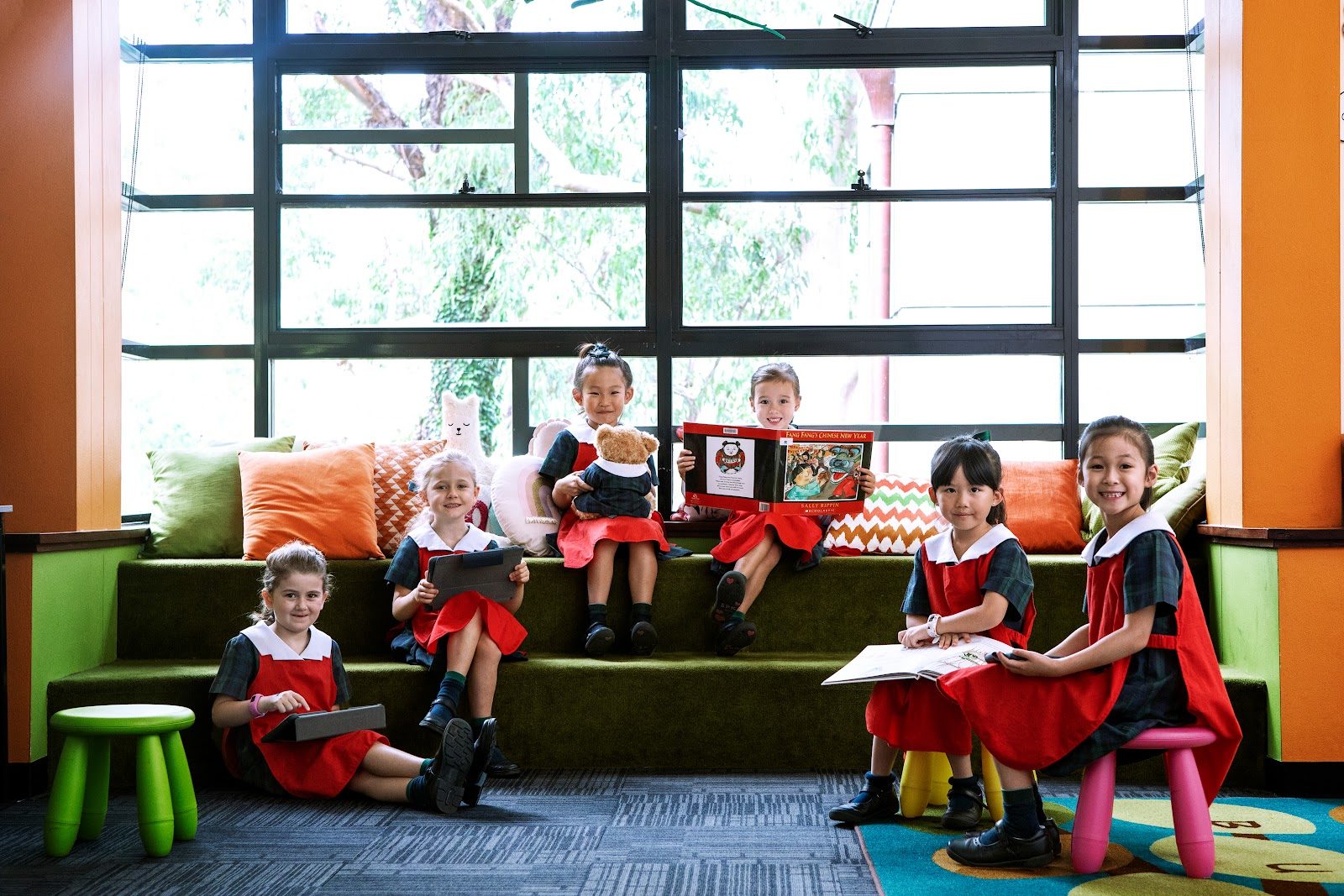
On Sydney's Upper North Shore, a non-selective campus of five schools lets girls choose between the IB and HSC pathways.
Ivanhoe Grammar School
Melbourne · Australia
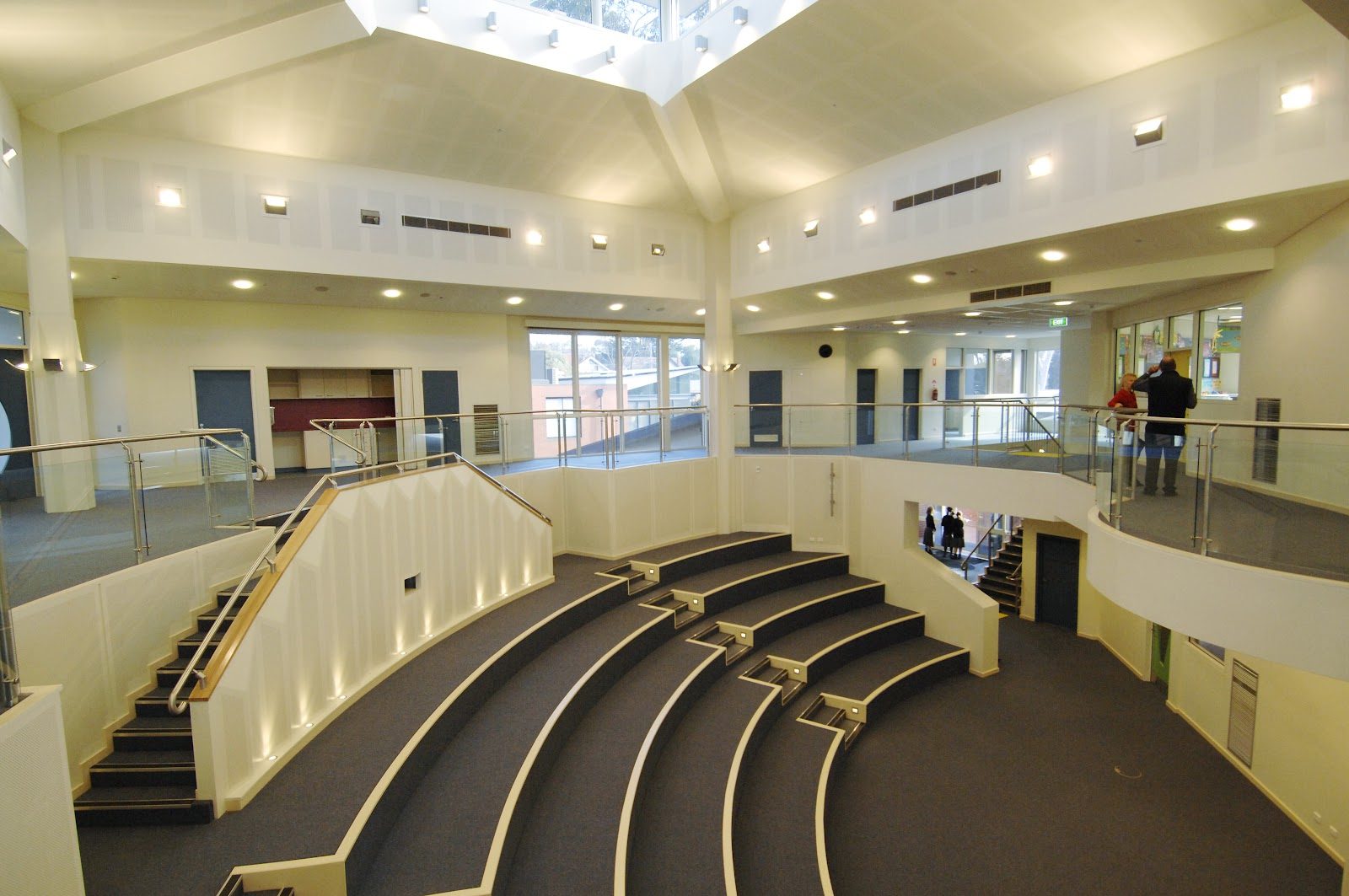
A Year 9 campus embedded at La Trobe University anchors a Round Square network across Melbourne's north, offering both VCE and IB pathways.
Ascham School
Sydney · Australia
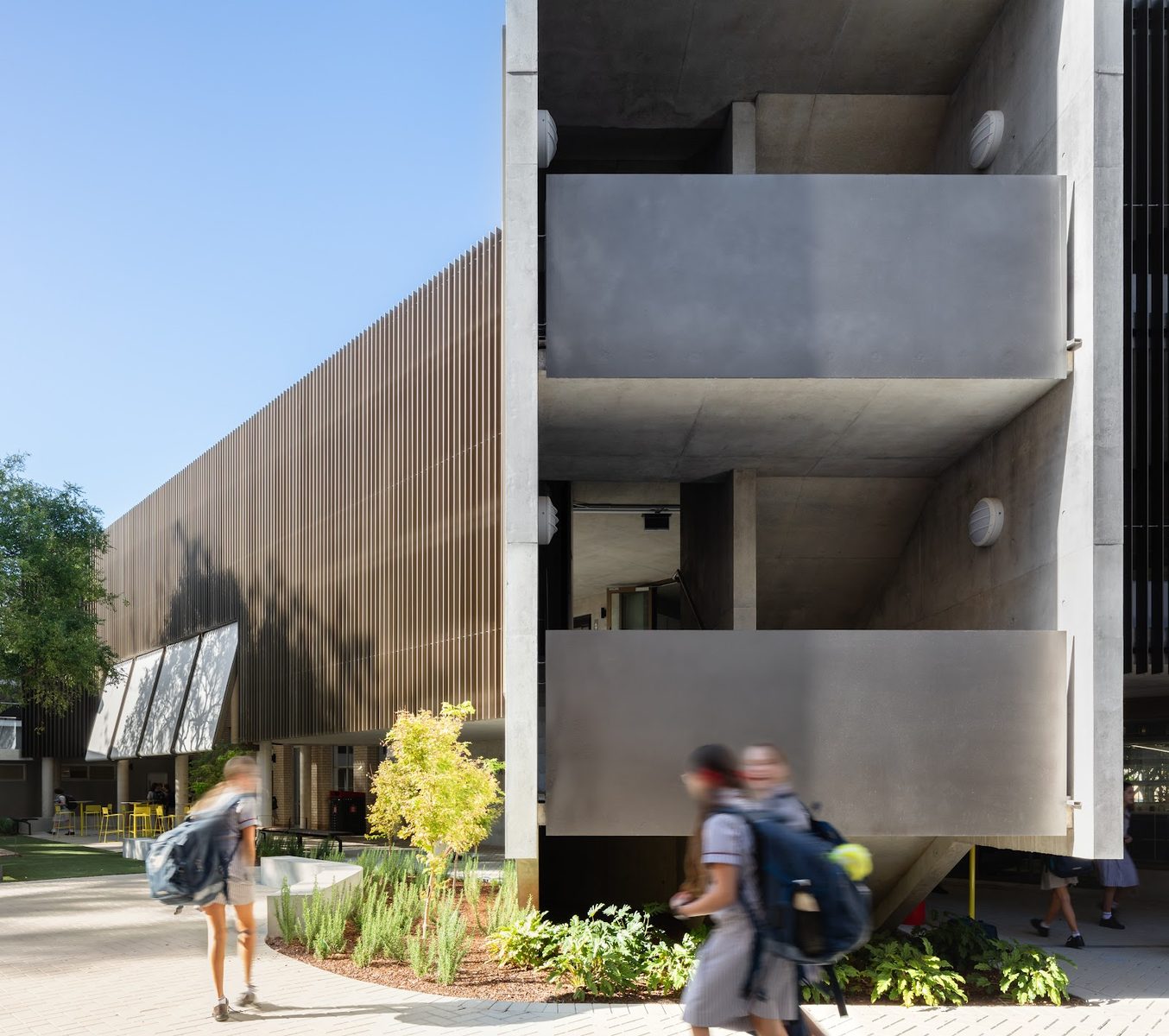
Sydney's storied girls' boarding school, pairing the Dalton Plan with a rigorous HSC pathway.
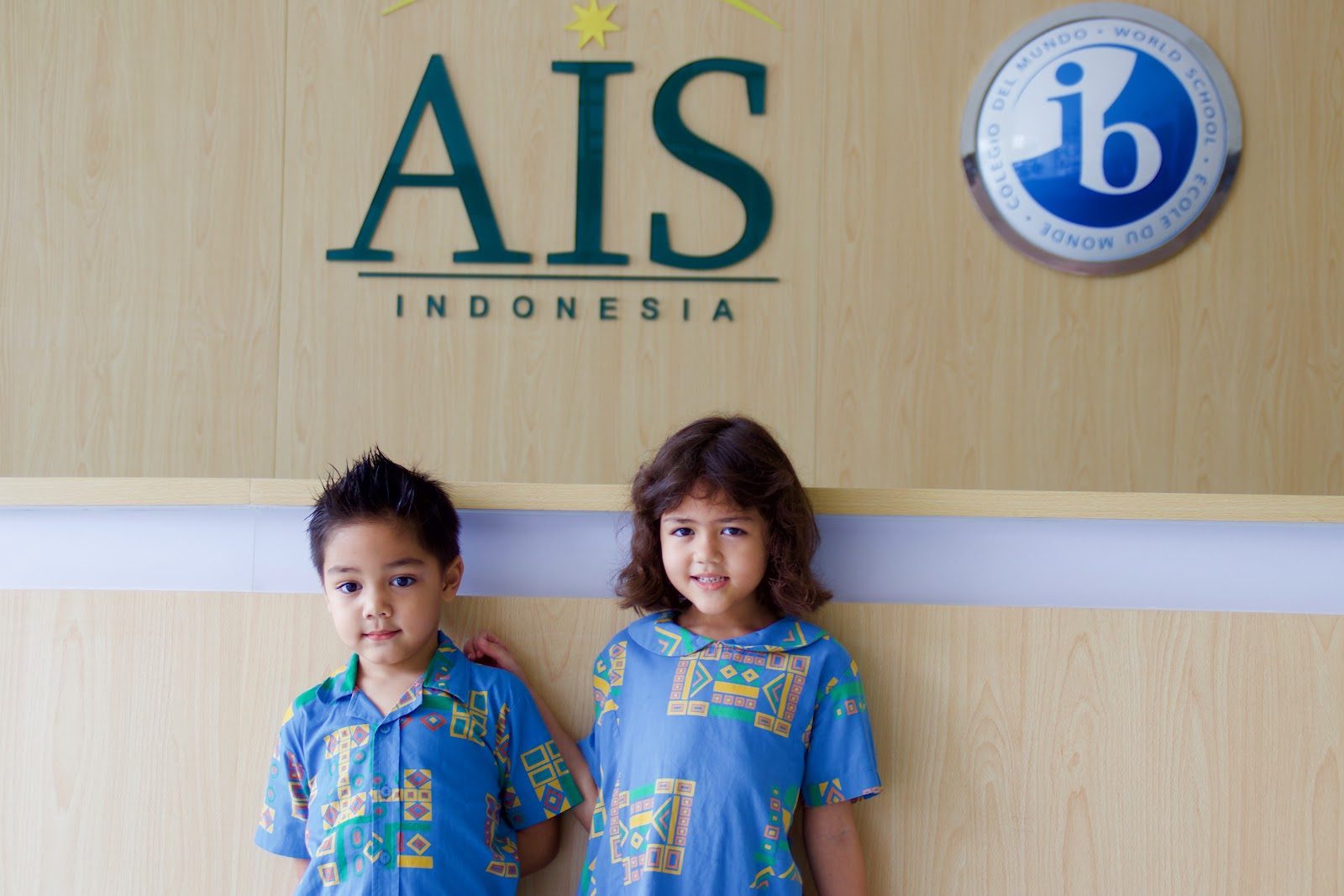
Australian Independent School Jakarta
Jakarta · Indonesia
Founded in 1996 after one family found no inclusive classroom in Jakarta, it now pairs Australian Curriculum with IB Diploma pathways.
Same country and curriculum — closest matches within ±10 points either way