
New Jersey
Since 1936, oval Harkness tables replace lectures with discussion, while a century-old House system anchors campus life
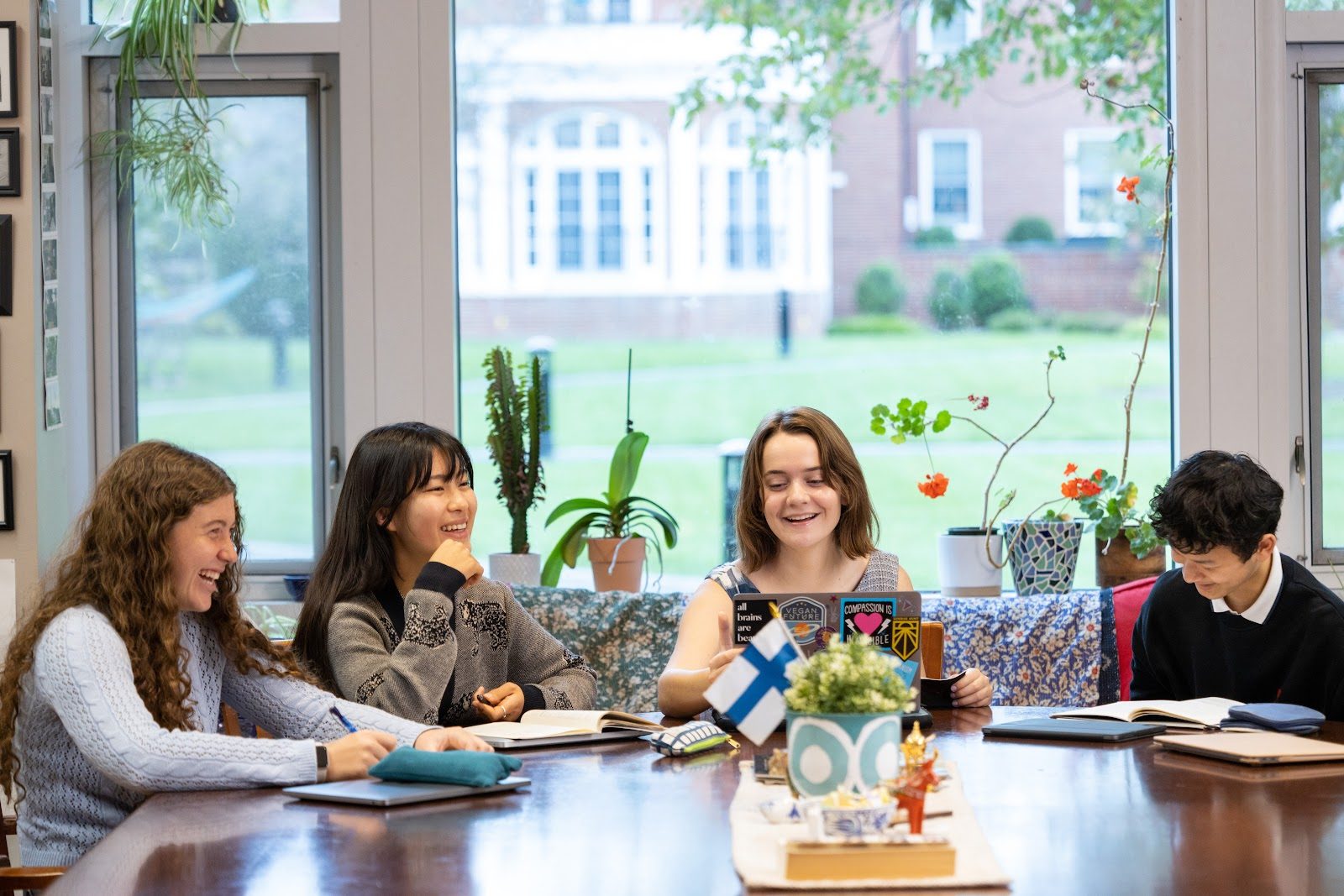
Photo © The Lawrenceville School via Google Maps
Type
Both
Ages
14–18
Curriculum
American
Qualifications
AP
Ratio
10:1
The Verdict
Editor's commitment
Right for
Teenagers who want discussion over lectures: Harkness tables, 18-student classes, a 10:1 ratio, and boarding or day flexibility.
Wrong for
Families who want a cheaper route to Amherst, Babson or Bates; average fees run $68,060 day and $82,710 boarding.
Watch out for
Lawrenceville sells a full residential culture through its House system; at ages 14–18, that intensity suits some students and grates on others.
Ranking breakdown
The Lawrenceville School · # of 1591
Composite score 82.0. 8 weighted criteria.
By criterion
Academic Outcomes
Weight 20%
#118
of 1529 scored
University Placement
Weight 16%
#104
of 1529 scored
Prestige & Heritage
Weight 12%
#25
of 1571 scored
Alumni Network
Weight 12%
#9
of 1530 scored
Facilities
Weight 12%
#37
of 1534 scored
Transparency & Communications
Weight 8%
#9
of 1532 scored
Peer & Industry Review
Weight 10%
#53
of 1548 scored
Admissions Selectivity & Demand
Weight 8%
#198
of 1529 scored
Score history
The Lawrenceville School · 2026
Movement across 2024–2026. Peer average overlaid.
Overall — 2024–2026
82.0/ 100
▲ +22.8 vs 2025
year on year
Peer & Industry Review
How The Lawrenceville School is regarded in the sector
95
Top-tier · high confidence
Lawrenceville is consistently ranked among the top boarding schools in the US alongside Exeter, Andover, and Groton in specialist press coverage and college counseling circles; it is a member of the elite 'Eight Schools Association' and Ten Schools Admissions Organization, frequently referenced in Forbes, Niche, and Boarding School Review rankings of top American prep schools. Its alumni network includes notable figures in politics, business, and the arts, and it is a perennial benchmark institution cited by peer schools and education consultants for its academic rigor, endowment size, and Ivy League matriculation rates.
Evidence sources
Editors' overview
At Lawrenceville, the point of difference is structural, not cosmetic: oval Harkness tables put discussion at the centre of teaching, and the House system does heavy pastoral and social work across the campus. That combination gives the school a distinct internal culture. It is a co-educational American college-preparatory school for grades 9–12, founded in 1810, with both boarding and day options, and it still trades on the advantages of a full residential school: belonging, ritual, and a daily life organised beyond the classroom. The school’s own strategic language — House, Harkness, Heart — tells you where it puts its energy. Parents who want a conventional teacher-led, exam-drilled environment should look elsewhere; Lawrenceville backs student voice, inquiry and independent thinking.
That academic model has substance behind it. The student-teacher ratio sits at 10:1 and the average class size is 18, both strong numbers for a school of this type and both well matched to seminar-style teaching. The accreditations — NEASC and NAIS — are standard for an established US independent school, not a badge collection dressed up as distinction. Recent destinations point to solid traction with selective American colleges, with Amherst College, Babson College and Bates College among the named outcomes. The alumni footprint is also deep: 100 notable alumni are catalogued in Wikidata across politics, business, scholarship, journalism and sport, which reinforces Lawrenceville’s status as an old, well-networked East Coast boarding school with institutional heft.
Fees place it squarely in the top tier of the US independent market: an average annual day fee of $68,060 and an average annual boarding fee of $82,710. That is expensive even by American boarding-school standards, so parents are entitled to expect a campus culture with real coherence, not just strong facilities and college counselling. Lawrenceville has that coherence. It will suit bright, articulate teenagers who like to talk, defend a position, and live in a community with expectations attached. It will also suit boarders who want the full immersion of house-based school life rather than a loose collection of classes and activities. It will not suit the student who wants anonymity, a narrow exam treadmill, or a low-pressure ride through high school. This is a high-expectation school with a clear intellectual method, and that clarity puts it firmly on a serious parent’s shortlist.
Academic Performance
Lawrenceville does not publish the kind of aggregate exam data that would let parents benchmark it cleanly against other top American boarding schools. We have not seen school-wide AP averages, SAT or ACT mid-ranges, or a consolidated table of yearly results. That is a real gap. In a market where peer schools often trade hard numbers, Lawrenceville asks families to trust the model: discussion-led teaching, close adult attention and college placement. The recent named destinations carry some weight, but destination lists are not the same thing as external assessment data. On pure score transparency, this is opaque by top-tier standards.
That does not read as academic weakness; it reads as an old independent school with enough brand confidence to avoid public scoreboard culture. The structure of teaching points towards strong preparation for seminar-based university study rather than test-prep theatre. Small classes and a low staffing ratio support that reading, and the Harkness method puts argument, listening and intellectual stamina at the centre of daily work. Relative to peers, Lawrenceville fits the serious, discussion-driven end of the American preparatory sector, not the results-banner end. Parents who want one clean page of exam statistics will find the public picture thin. Parents who value college readiness in its broader sense will find a school with a clear academic method and enough external traction to command attention.
Facilities
Lawrenceville’s most important facility is not a theatre, a lab block or an athletics complex. It is the teaching room built around the oval Harkness table. The school has tied its academic method to a piece of physical infrastructure, and that matters. In peer schools, discussion-based teaching often sits beside conventional classrooms; here it sits at the centre. That gives the campus a more purpose-built intellectual character than many American boarding rivals with stronger public scoreboards but less coherent teaching space. The other structural asset is the House system. The school treats House as more than residence allocation: it carries culture, belonging and daily pastoral organisation. For boarders and day pupils alike, that is a serious institutional advantage when it works well, because it prevents the common split between academic life and social life.
What we do not get in public is a crisp showcase of specialist facilities. The school talks clearly about wellbeing, leadership and its approach to AI, but it does not publish the kind of granular facilities inventory that top independent schools often use to prove depth in science, arts or sport. That leaves a gap. Parents can infer a fully equipped campus from the price point — $82,710 for boarding — and from the school’s market position, but inference is not evidence. Against peers, Lawrenceville stands out less for flashy capital-project theatre and more for embedded educational design: seminar teaching spaces, house-based community structures and a campus organised around conversation rather than display. For some families, that is the stronger offer.
Fees place it squarely in the top tier of the US independent market: an average annual day fee of $68,060 and an average annual boarding fee of $82,710
Prestige
Lawrenceville carries old-school American boarding prestige of the durable kind: the sort built through institutional memory, selective college traction, and a long alumni bench rather than marketing noise. Membership of the Eight Schools Association and the Ten Schools Admission Organization places it inside a small, recognisable club of established US independents. That matters. Parents in this market read those affiliations as shorthand for admissions selectivity, peer quality and social capital. The alumni record adds force. Wikidata alone captures 100 notable alumni across politics, business, scholarship, journalism and sport, with named award winners in drama and music. That is not decorative history; it signals a school whose network extends well beyond campus and continues into public life.
The prestige is also academic in style, not just social in heritage. Lawrenceville’s Harkness model gives it a distinct intellectual identity that many schools imitate and few own with the same credibility. The House structure deepens that identity by tying teaching, pastoral life and community into one system rather than leaving boarding and academics to run on parallel tracks. This is why the school earns a top-tier reputation: not because it publishes flashy scoreboards — it does not — but because it has institutional gravity, a recognisable educational method and the confidence to hold its ground among America’s most established preparatory schools. The price reinforces the point: at $82,710 for boarding, families are buying entry to a serious, high-status ecosystem, not just a school timetable.
Lawrenceville does not publish the kind of aggregate exam data that would let parents benchmark it cleanly against other top American boarding schools
Communications
Lawrenceville communicates its priorities with unusual clarity. The school’s public language is disciplined: House, Harkness and Heart are not random slogans scattered across a homepage, but the organising ideas used to explain teaching, belonging and wellbeing. That makes the parent-facing message easy to read. There is also useful evidence of administrative seriousness. Leadership is named, the senior staff structure is explicit, and the faculty directory is open rather than hidden behind a generic enquiries form. The school also addresses live questions directly. Its published approach to AI signals a community thinking about new technology in operational terms, not treating it as a fashionable add-on. For parents, that points to a school with a coherent internal script and a clear sense of institutional priorities.
The limits are just as clear. Lawrenceville communicates culture better than it communicates performance. It explains how it wants students to learn and live, but gives less hard public data on outcomes, specialist provision and day-to-day delivery than many direct competitors. That weakens trust at the margin, because top-fee schools need more than elegant mission language. At an average annual boarding fee of $82,710 and day fee of $68,060, parents are paying for high-accountability communication as well as education. Lawrenceville clears the bar on identity, ethos and governance visibility. It falls short on hard-detail transparency. The result is persuasive but incomplete parent communication: strong on what the school values, weaker on the evidence that proves how well those values translate into results.
Uniqueness
What marks Lawrenceville out is that its central ideas are built into daily life, not left as branding. Harkness is not an occasional seminar format; it is the school’s organising academic habit, with the oval table forcing students to speak, listen, defend a view, and cope when a weaker argument collapses in public. That produces a high-accountability classroom culture. Quiet competence still has value here, but passive compliance does not. The House system does parallel work outside lessons. It gives adolescents a fixed social and pastoral structure across campus, which matters in a school serving grades 9–12 and charging top-tier fees. Add the school’s explicit focus on wellbeing and its public work on AI, and the result is a model that treats character, judgement and community as operational concerns, not assembly-hall slogans.
For students, that brings clear gains and clear pressures. The gains are intellectual fluency, confidence with disagreement, and practice in the habits selective universities reward: close reading, careful argument, and speaking with substance rather than polish alone. The pressure is just as clear. Teenagers who prefer to hide at the back, absorb information quietly, or coast on exam technique will find Lawrenceville exposing and demanding. Students who thrive in discussion and want a fully immersive school life get something more distinctive: a campus where teaching method, pastoral structure and social expectations all pull in the same direction. That coherence is rare.
On pure score transparency, this is opaque by top-tier standards
Student Profile
The student who fits Lawrenceville is bright, verbal and willing to be known. This is not a school for passengers. Its discussion-led classrooms reward teenagers who can test an idea aloud, listen under pressure, and return with a stronger argument the next day. The low staffing ratio of 10:1 and classes averaging 18 leave little room to disappear, which will suit students who want serious adult attention and can handle constant intellectual visibility. The House structure also changes the social equation. Pupils who value ritual, shared expectations and a full-campus community will find a framework that gives shape to daily life; students who want maximum independence with minimum oversight will chafe.
Socially, Lawrenceville suits adolescents with stamina, self-possession and a readiness to contribute beyond lessons. Boarders in particular need to want immersion, not just residence. The school’s language around integrity, purpose and wellbeing points to a culture that expects engagement as well as performance, and that makes it a strong match for teenagers who want their education to feel all-encompassing rather than transactional. It will stretch the quiet but intellectually confident student if that student is prepared to speak. It will not flatter the child who relies on charm, polish or strategic invisibility. At average annual fees of $82,710 for boarding and $68,060 for day pupils, this is a school for families seeking a demanding, high-accountability environment, not a gentle glide path to college.
That weakens trust at the margin, because top-fee schools need more than elegant mission language
Co-curricular strengths
Arts & sport, on a separate axis
Overall 8.8/10
Scored 0-10 from the school's own published evidence. This axis is editorial-only — it does not feed the main WTS ranking.
Sports
9.2/10
Absolute athletic heavyweight; maximizes its immense on-campus sports facilities, dominating the historic Mid-Atlantic prep leagues across squash, track, and lacrosse.
Drama
9/10
The specialized visual and performing arts complexes provide a conservatory framework for staging major annual mainstage events.
Dance
7.8/10
Highly dedicated, formal dance curriculum running modern, jazz, and classical composition inside custom sprung-floor studios.
Music
9.2/10
Excellent instrumental breadth supporting multiple symphonies, jazz bands, and choirs that routinely tour international venues.
Visual Arts
8.8/10
Features museum-standard exhibition galleries alongside massive digital imaging labs and industrial ceramics studios.
Editor-verified · 8/6/2026
Outcomes & destinations
Where students go next
Top destinations
887 placements
- Amherst College· 6
- Babson College· 9
- Bates College· 5
- Boston College· 13
- Boston University· 9
- Bowdoin College· 7
- Brown University· 23
- Bucknell University· 11
- Carnegie Mellon University· 13
- Case Western Reserve University· 6
- Clemson University· 5
- Colby College· 10
- Colgate University· 8
- College of the Holy Cross· 5
- Columbia University· 22
- Cornell University· 38
- Dartmouth College· 10
- Davidson College· 8
- Dickinson College· 8
- Duke University· 23
- Fordham University· 7
- Franklin and Marshall College· 6
- Georgetown University· 34
- Georgia Institute of Technology· 5
- Hamilton College· 9
- Harvard University· 26
- Howard University· 5
- Indiana University (Bloomington)· 11
- Johns Hopkins University· 14
- Lafayette College· 6
- Lehigh University· 25
- Massachusetts Institute of Technology· 8
- Middlebury College· 10
- New York University· 36
- Northeastern University· 19
- Northwestern University· 20
- Penn State University (University Park)· 6
- Princeton University· 30
- Purdue University (Main Campus)· 8
- Rutgers University (New Brunswick)· 8
- Southern Methodist University· 14
- Stanford University· 13
- Syracuse University· 18
- Trinity College· 7
- Tufts University· 20
- Tulane University of Louisiana· 7
- Union College· 8
- United States Naval Academy· 5
- University of California (Berkeley)· 10
- University of Chicago· 18
- University of Colorado (Boulder)· 5
- University of Illinois at Urbana-Champaign· 5
- University of Miami· 11
- University of Michigan· 16
- University of North Carolina at Chapel Hill· 11
- University of Pennsylvania· 36
- University of Richmond· 8
- University of St Andrews· 8
- University of Southern California· 16
- University of Texas at Austin· 9
- University of Virginia (Main Campus)· 16
- University of Wisconsin (Madison)· 9
- Vanderbilt University· 7
- Villanova University· 8
- Wake Forest University· 17
- Washington and Lee University· 5
- Washington University in St. Louis· 10
- Wesleyan University· 9
- William and Mary· 6
- Williams College· 9
- Yale University· 14
Reported by the school. Confirm with admissions.
Notable alumni · Wikidata
100notable alumni
Includes
47 historic (born pre-1930) · 17 modern (born post-1970)wikidata:2026-07-28 How we source this

WTS 300 badge
2025/26 editionThe Lawrenceville School is one of the World's Top 300 Schools for 2025/26. Claim your listing to add it to your site →
Strengths
- +Teaching is built around the Harkness method, a discussion-based, oval-table seminar style used across the curriculum rather than traditional lecture format.
- +The school reports a student-teacher ratio of roughly 7:1, with a total enrollment of about 800-820 students spread across a 700-acre campus.
- +A large endowment, reported at $632.9 million as of 2021, underwrites facilities and a need-based financial aid program that the school says covers 100% of demonstrated need.
- +Located about a 15-minute drive from Princeton University, giving students access to university-level academic culture and occasional cross-institutional opportunities.
- +One of the oldest American secondary schools, founded in 1810, and a member of the historic Northeastern boarding-school peer group sometimes called the 'Ten Schools'.
Considerations
- −Comprehensive boarding tuition is set at $82,710 for 2026-27 (day tuition $68,060), placing it among the more expensive boarding schools in the United States.
- −Admission is highly selective, with acceptance rate estimates in published guides generally falling in the 15-20% range, so most applicants are declined regardless of qualifications.
- −Financial support is need-based only; the school offers no merit scholarships, so families who do not qualify for aid pay the full published fee.
- −The campus sits in suburban central New Jersey rather than near a major international gateway city, adding travel logistics for overseas boarding families.
Availability
Primary entry gate & tests
SSAT/ISEE + Interview
Gallery
Photo © The Lawrenceville School via Google Maps
Photo © The Lawrenceville School via Google Maps
Photo © The Lawrenceville School via Google Maps
Photo © The Lawrenceville School via Google Maps
Photo © The Lawrenceville School via Google Maps
Photo © The Lawrenceville School via Google Maps
Photo © The Lawrenceville School via Google Maps
Photo © The Lawrenceville School via Google Maps
Photo © Don John via Google Maps
Parent reviews
Have you sent your child here?
Voice reviews carry the strongest trust badge — we transcribe them for you to tidy up before they go live. Prefer to type? A written review is fine too.
Add your voice
In 60 seconds, tell other parents: what's the best thing about The Lawrenceville School, and what surprised you when your child joined?
We ask for a Google sign-in so every review has a real face behind it — no anonymous drive-by attacks on schools, and no faked positive reviews. Your email is never shown publicly.
Send this profile to a friend
International parents rely on word-of-mouth. Share this review with someone weighing the same decision.
Schools with places
Similar schools to The Lawrenceville School with places available now.
Peddie School
Hightstown · United States
- 2026-27
- CLOSEDRegular cycle
- 2027-28
- PLACES OPENApplication portal live
The Pingry School
Basking Ridge · United States
- 2026-27
- CLOSEDRegular cycle closed
- 2027-28
- PLACES OPENActive now
Delbarton School
Morristown · United States
- 2026-27
- CLOSEDRegular cycle closed
- 2027-28
- OPENS SOONOpens Sept '26
Newark Academy
Livingston · United States
- 2026-27
- CLOSEDRegular cycle closed
- 2027-28
- OPENS SOONOpens Sept '26
Availability first, then country, area, curriculum, price, co-curricular
Consider also
Also worth looking at alongside The Lawrenceville School.
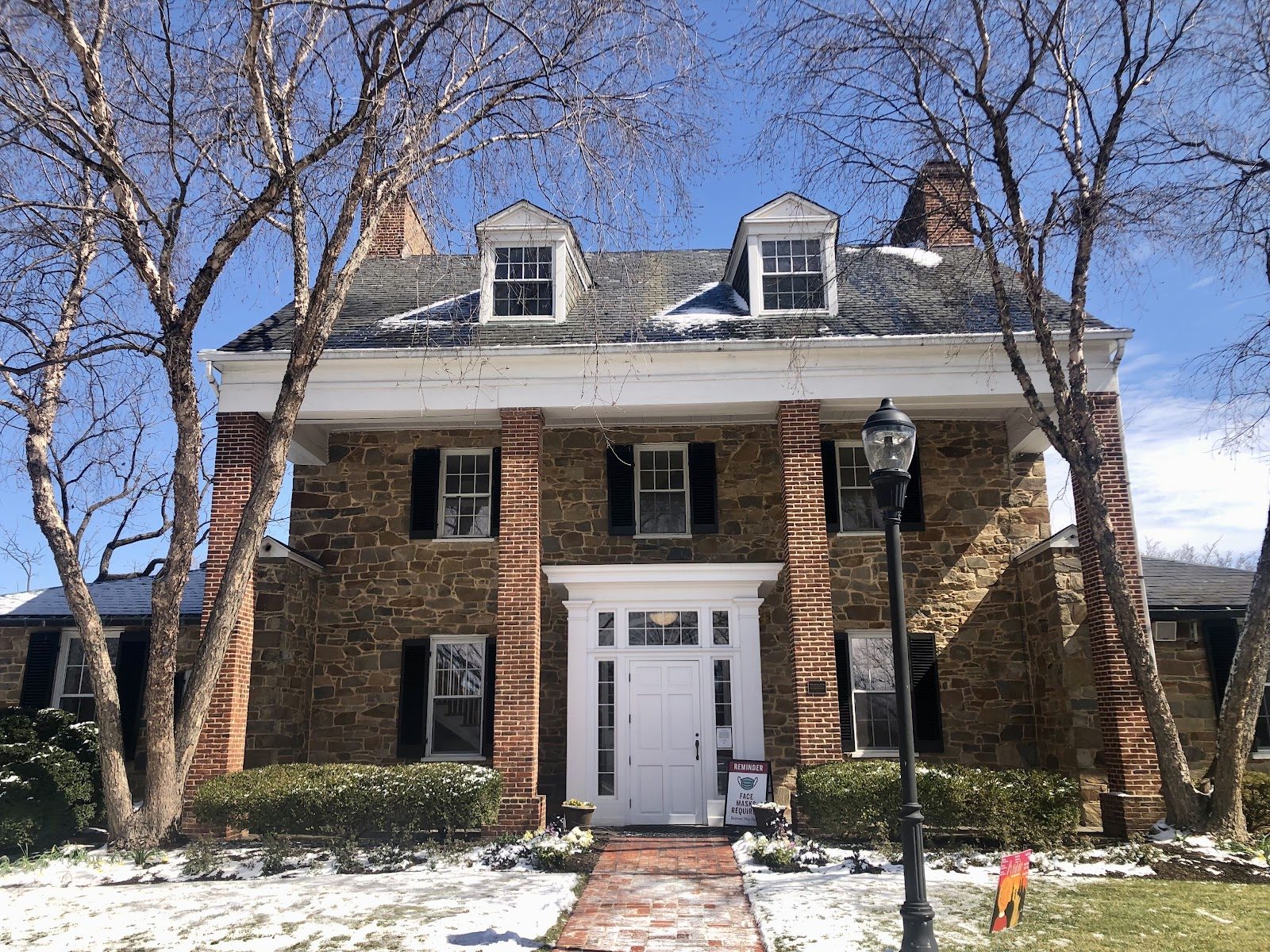
Sidwell Friends School
Washington, D.C. · United States
Weekly silent worship and a world-first Platinum-rated campus root Quaker inquiry steps from the Capitol.
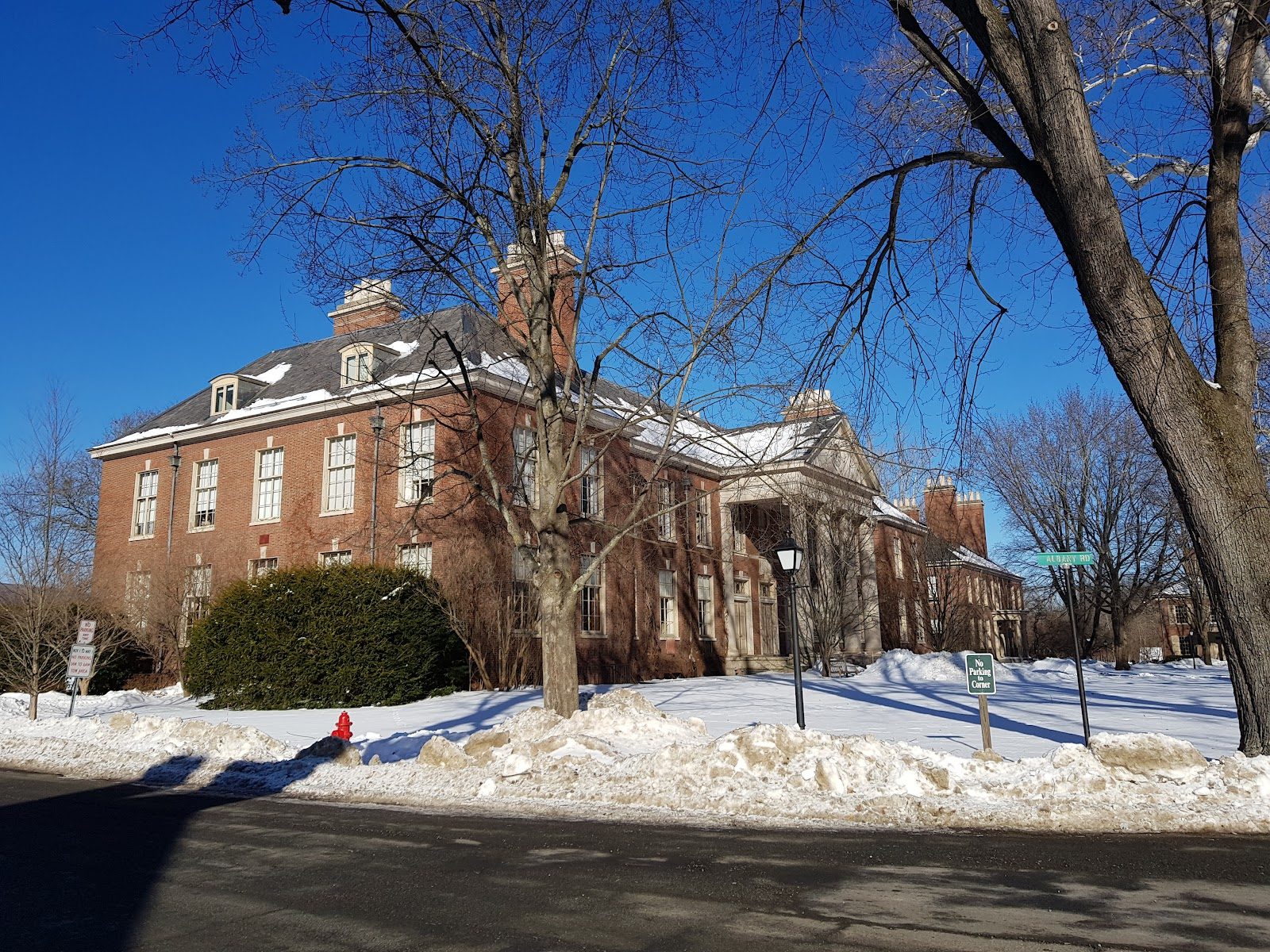
Deerfield Academy
Deerfield · United States
In a preserved 1797 village along the Deerfield River, seniors close their English studies not with an exam, but a spoken meditation.
Harvard-Westlake School
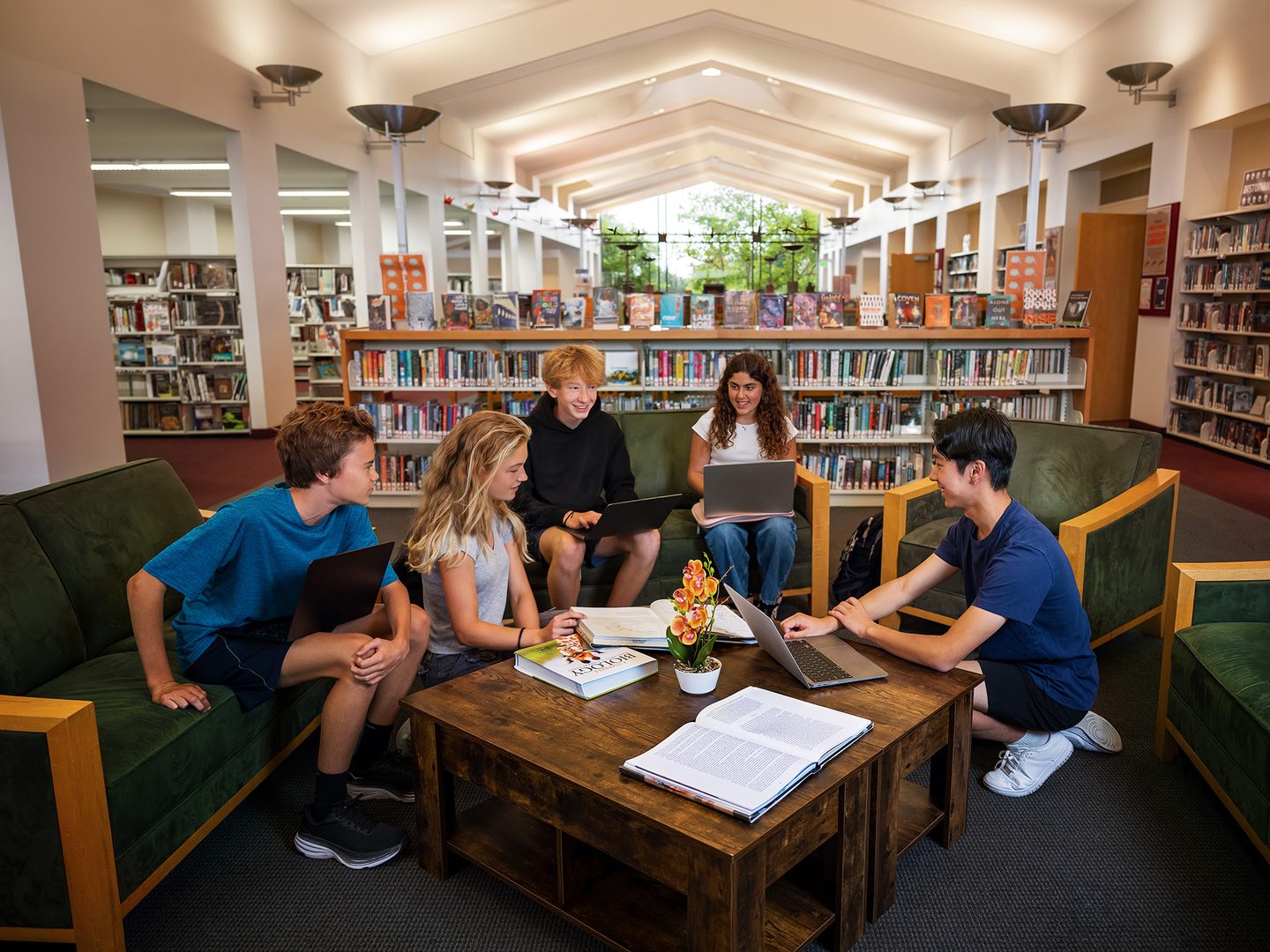
Los Angeles · United States
Along the LA River in Studio City, a former golf course is rising into a riverside campus of trails, turf and native habitat.
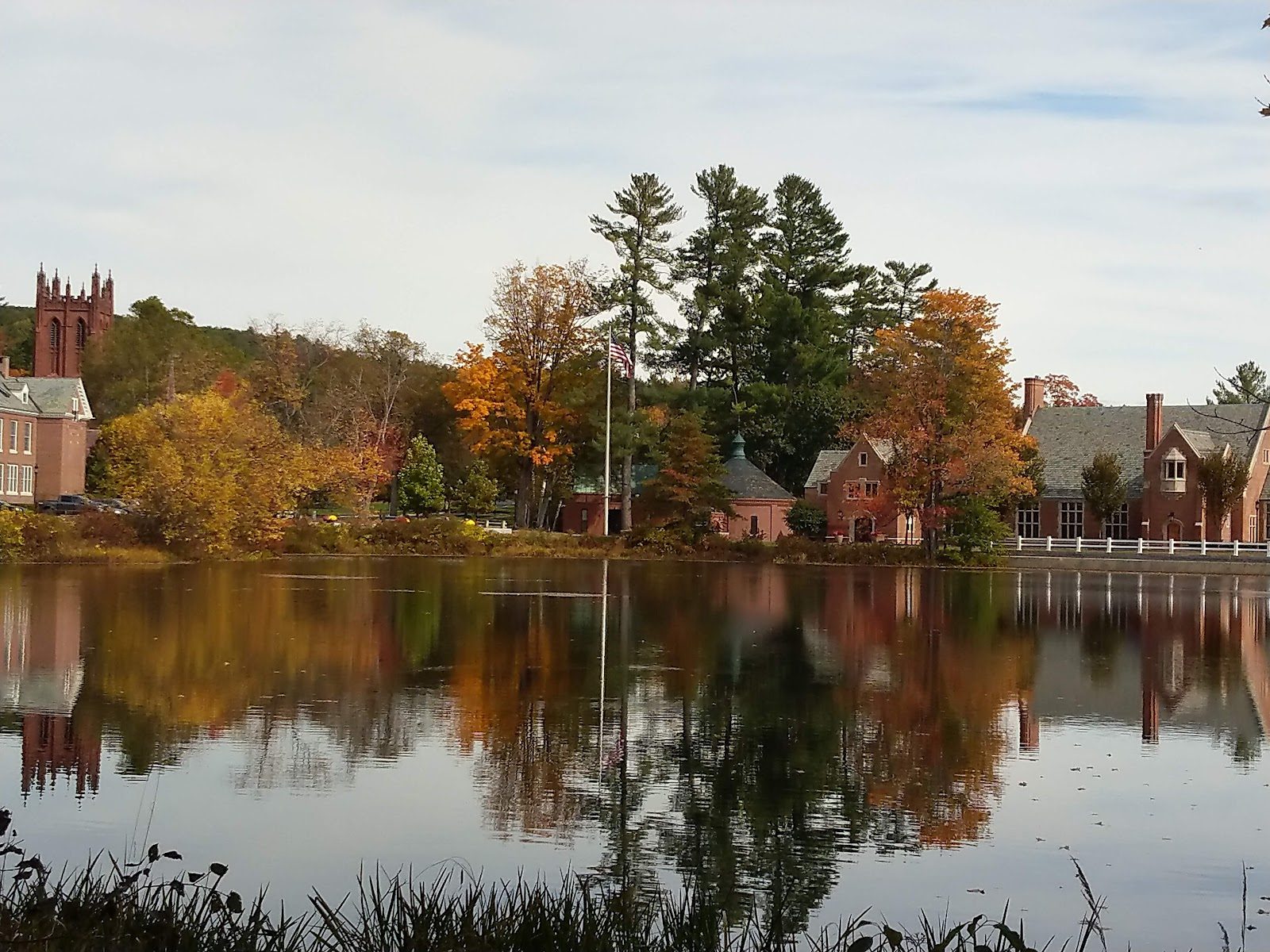
St. Paul's School
Concord · United States
On a 2,000-acre Concord campus where American ice hockey was born in 1883, boarding life still shapes every house and classroom.
Same country and curriculum — closest matches within ±10 points either way