
Massachusetts
In a preserved 1797 village along the Deerfield River, seniors close their English studies not with an exam, but a spoken meditation.
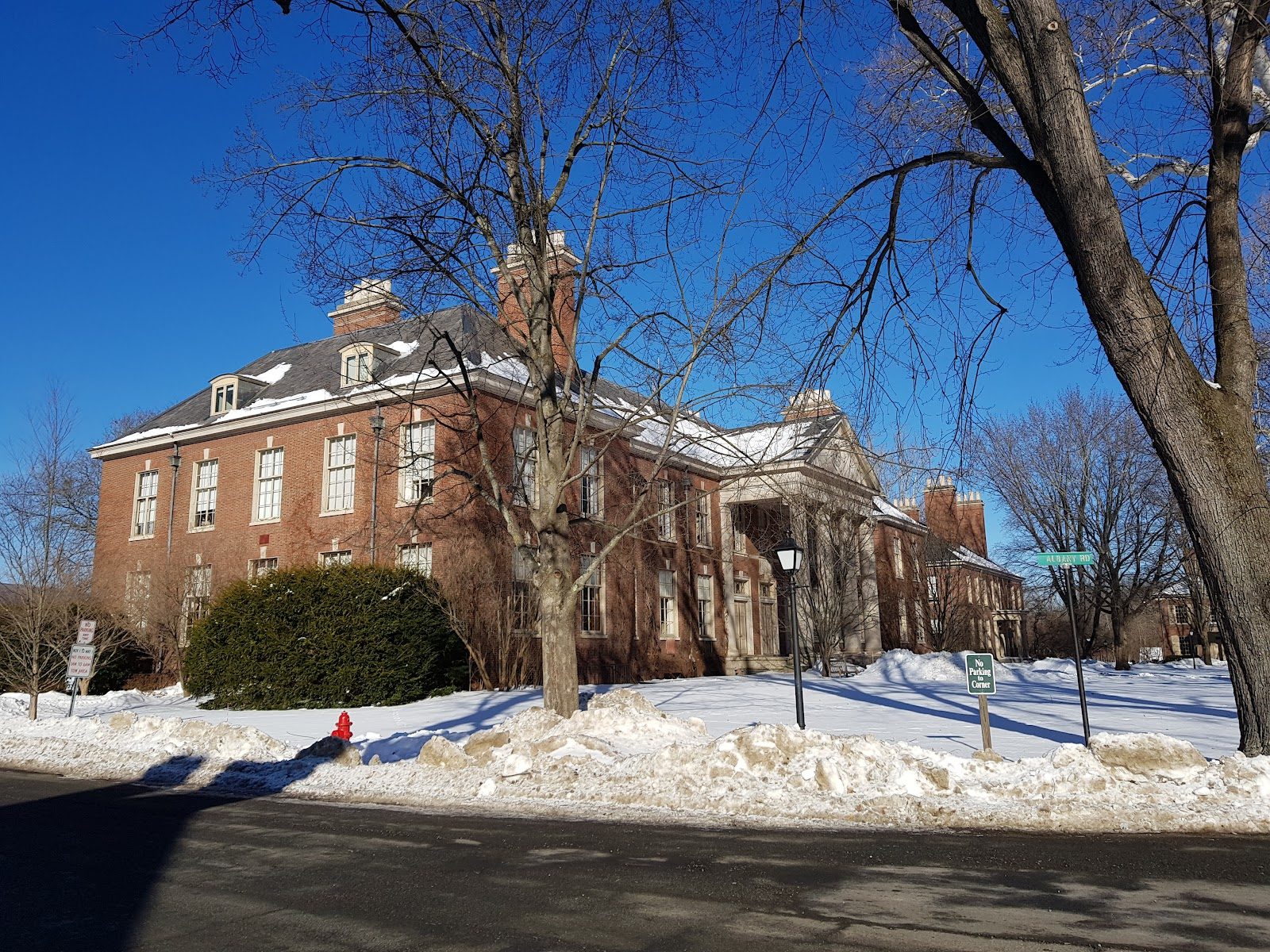
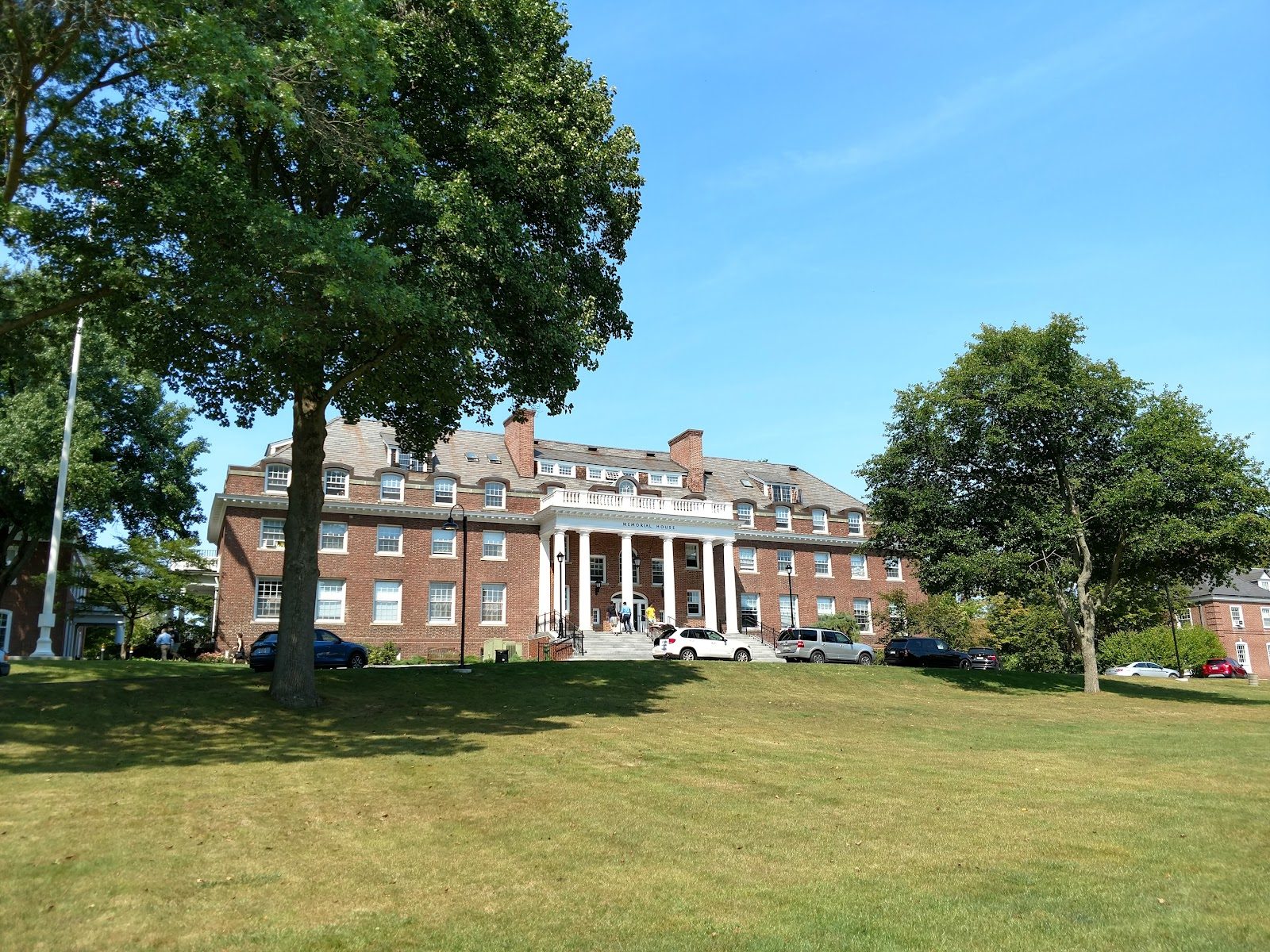
Photo © P Mm via Google Maps
Type
Both
Ages
14–18
Curriculum
American
Ratio
6:1
The Verdict
Editor's commitment
Right for
Boarders who want a fully residential school: 91% of faculty live on campus, classes average 12, and Amherst drew 10 leavers.
Wrong for
Families wanting a cheap brand-name boarding school, or loose adult oversight: boarding averages $74,000 and student life runs through deans and discipline.
Watch out for
This is a 14–18 American secondary school, not a through-school; NEASC accreditation and a 6:1 ratio do not make it gentle.
Ranking breakdown
Deerfield Academy · # of 1591
Composite score 81.7. 8 weighted criteria.
By criterion
Academic Outcomes
Weight 20%
#183
of 1533 scored
University Placement
Weight 16%
#136
of 1529 scored
Prestige & Heritage
Weight 12%
#27
of 1580 scored
Alumni Network
Weight 12%
#9
of 1530 scored
Facilities
Weight 12%
#3
of 1540 scored
Transparency & Communications
Weight 8%
#62
of 1547 scored
Peer & Industry Review
Weight 10%
#42
of 1564 scored
Admissions Selectivity & Demand
Weight 8%
#198
of 1529 scored
Score history
Deerfield Academy · 2026
Movement across 2024–2026. Peer average overlaid.
Overall — 2024–2026
81.7/ 100
▲ +20.7 vs 2025
year on year
Peer & Industry Review
How Deerfield Academy is regarded in the sector
96
Top-tier · high confidence
Deerfield Academy is consistently ranked among the top American boarding schools alongside Andover, Exeter, and Groton, frequently cited in Boarding School Review and Niche.com's top-tier lists, and is a member of the elite 'Eight Schools Association.' Its alumni network includes prominent figures in politics, business, and media, and it is a perennial benchmark in specialist boarding school admissions consulting and college counseling circles. Coverage in outlets like Forbes, Business Insider, and The New York Times regularly references Deerfield as a top-tier feeder school to Ivy League universities.
Evidence sources
Award

Elite Entrepreneurship, Economics & Finance 60
World's Top School · The Global Ranking
Deerfield Academy is featured on our Global Top 60 ranking at #6. This seal is available for the school's marketing team to use on their website, prospectus and social channels.
Editors' overview
In a preserved New England village dating to 1797, Deerfield trades heavily on place, and with reason: this is a boarding school where the setting is not decorative but structural. The river, farms and historic campus enforce a deliberate tempo, and the school uses that quiet to sharpen attention rather than soften standards. Deerfield is an American secondary school for ages 14 to 18, accredited by NEASC, with a 6:1 student-teacher ratio and an average class size of 12. Ninety-one per cent of faculty live on campus. That matters. Residential schools talk endlessly about community; Deerfield has built the staffing model to make it real. Parents looking for a campus where adults are present beyond lessons, and where boarding is supervised by people who also teach, have a clear reason to look hard here.
What marks Deerfield out is the combination of old-school seriousness and unusual intimacy. The school’s own language centres scholarship, citizenship and personal responsibility, and the internal structure backs that up: faculty advisers act as the primary point of contact for families, each class has a dean, and student life and discipline sit under a clearly defined office rather than a vague pastoral umbrella. This is not a loose, adolescent version of adulthood. It is a tightly run residential institution with rules, oversight and high expectations. The curriculum is declared simply as American, but the intellectual pitch is plain from the emphasis on a rigorous liberal arts education and breadth across cocurricular life. Families who want glossy innovation rhetoric will find less of that here; families who value serious teaching, close supervision and a strong academic core will find more.
The market position is straightforward: Deerfield sits in the top tier of US boarding schools, and it charges like one, with an average annual boarding fee of $74,000 across the full ladder. At that price, parents should demand depth of teaching, strong access to adults and a credible university pathway. Deerfield supplies all three. Recent destinations include Amherst College, with 10 students, plus Babson and Bates with three each. That list points less to scattergun prestige-chasing than to a school that places pupils into selective, academically grounded US colleges. Its alumni footprint is also deep, with 164 notable alumni catalogued in Wikidata across politics, finance, scholarship, writing and the arts. That is not a guarantee of future outcomes, but it does confirm institutional weight.
The student who will want Deerfield is bright, self-possessed and willing to live inside a demanding community rather than merely attend classes on an attractive campus. This suits teenagers who like discussion, structure and close contact with teachers, and who will use small classes rather than hide in them. It also suits boarders who want full-immersion school life: adults on campus, organised advisory support, and a peer culture shaped by shared routines. It does not suit families seeking a casual atmosphere, a highly experimental curriculum, or a school that treats boarding as an add-on. Deerfield belongs on a shortlist because it knows exactly what it is and has the staffing, setting and academic architecture to deliver it.
An Elite Entrepreneurship, Economics & Finance 60 school
Deerfield Academy in Deerfield, Massachusetts, sits at rank six because a Deerfield team beat thousands of entrants worldwide to win a top international student investment title. BAM Investing, a Deerfield-run team, won first place in the 2024-2025 Wharton Global High School Investment Competition, a global finale that drew the field down from a mass of applicants to ten finalist teams before Deerfield took the top prize, and the school returned a defending team, ARC Investing, to the 2026 semifinal round. That is a hard, externally judged result rather than a claimed one, and it anchors this ranking on its own.
The specialism runs through the History and Social Sciences department rather than a standalone business school: Honors Economics prepares students for both AP Microeconomics and Macroeconomics exams, and the department added two new electives for 2025-26, Economics: Principles and Perspectives and Topics in Behavioral Economics, specifically to widen access beyond students confident in the quantitative track. Applied finance is real rather than theoretical at the margins: the student-run Securities and Analysis Club manages $15,000 invested directly in the NYSE with monthly stock pitches and votes, while the Investment Club and the student-founded CapX financial markets club run alongside, the latter having drawn over 150 students to a campus talk by Rockefeller Capital Management CEO Greg Fleming. There is no dedicated Entrepreneurship or Business department, and prospective families should treat the offering as a strong economics-and-investing track layered onto a liberal arts core, not a full finance school.
Notable alumni include Chase Coleman III, Class of 1993, founder of Tiger Global Management, who remains connected to the school through its endowment structure, and Jeffrey Bewkes, a Deerfield graduate who went on to serve as CEO and Chairman of Time Warner.
International openness is real but administratively conventional. Deerfield is fully boarding for incoming classes from 2027, students already come from roughly 44 countries, and non-native English speakers who have not studied in English for three years must submit TOEFL, IELTS, or Duolingo scores, with a TOEFL of 105 or higher preferred; there is no dedicated ESL program, so applicants join mainstream classes with support from an International Student Coordinator. The school handles F-1 visa arrangements post-admission, boarding fees for 2025-26 run to $77,420, and the application deadline falls January 15 for September entry. Given a sub-20 percent acceptance rate, families should begin testing, interviews, and the Gateway to Prep Schools application at least a full year in advance.
Academic Performance
Deerfield’s public case for academic quality rests less on headline exam statistics than on the architecture around learning: a rigorous liberal arts programme, close faculty oversight, formal academic leadership and advisers who track each pupil closely. That is a serious academic model, and at this level of the US boarding market it matters. What Deerfield does not do, at least in public, is publish the kind of aggregate external-results data that would let parents benchmark it cleanly against direct rivals: no school-wide AP score profile, no pass-rate tables, no mean scores by subject, no IB data because there is no IB here, and no standardised outcomes set out in one transparent block. For a school in the top echelon, that opacity is a weakness.
The stronger indicator available is university placement. Amherst leads the recent list with 10 students, followed by Babson and Bates. That points to a school that converts academic preparation into admission at selective US colleges, even if the destination mix reads more substantive than showy. Against peer boarding schools, Deerfield fits with the high-performing old-guard: demanding, closely taught, and clearly capable of producing strong post-school outcomes. But parents who want hard examination evidence, rather than institutional reputation and college destinations, will find the published picture frustratingly thin. At this price point, fuller disclosure on AP performance would strengthen the case.
Facilities
Deerfield’s most important facility is not a single building but the campus as a whole: a high-control residential environment in a preserved village landscape, with academic, social and disciplinary life pulled tightly together. The river, farms and historic setting are not incidental scenery. They create a campus boundary that many peer schools no longer have, and that matters in boarding education. Add the fact that 91% of faculty live on site and the physical plant starts to work as a teaching tool: adults are present, visible and involved well beyond lessons. At the top end of the US boarding market, many schools have stronger public-facing rhetoric about innovation labs, performance venues or athletics complexes; Deerfield’s published emphasis sits elsewhere, on proximity, oversight and a deeply embedded communal life.
That cuts both ways. Parents looking for a school that advertises a long list of specialist facilities will find the public picture thin. Deerfield does not foreground marquee buildings or headline-making capital projects, and that leaves a gap against peers that market their campuses aggressively. What it does project is a cohesive, old-guard estate built for study, supervision and shared routine rather than spectacle. The Student Life Office, class dean structure and advisory system all depend on facilities that keep pupils and staff in close orbit. In practical terms, Deerfield’s facilities profile reads as purposeful rather than flashy: strong for residential coherence, less persuasive on specialist provision because the school does not publish enough detail.
Deerfield’s public academic disclosure remains thinner than it should be for a school at this level, and that stops the aura from doing all the work
Prestige
Deerfield carries genuine national prestige in the American boarding-school market. Part of that status comes from age and continuity, but prestige here is not a museum piece. It rests on durable institutional markers: membership of the Eight Schools Association and the Ten Schools Admission Organisation, a long-established college-preparatory identity, and an alumni bench that runs deep across public life, finance, scholarship, writing and the arts. The Wikidata floor alone records 164 notable alumni, including 31 politicians and statespersons. That breadth matters. It points to a school with real social reach, not a narrow pipeline into one profession or one coast. The recent university destinations reinforce that picture: not a theatrical spray of brand names, but a credible route into selective American higher education.
Why rate it highly? Because Deerfield combines old-money recognition, academic seriousness and institutional density. In elite US circles, the name carries weight with universities, employers and families who know the boarding-school landscape. The preserved village setting, the residential model and the insistence on citizenship and personal responsibility all feed a distinctive, tradition-steeped identity that rivals cannot fake. There is, however, a limit to the prestige case. Deerfield’s public academic disclosure remains thinner than it should be for a school at this level, and that stops the aura from doing all the work. Even so, this is plainly a top-tier school: established, well connected and socially legible far beyond its own campus.
Even so, this is plainly a top-tier school: established, well connected and socially legible far beyond its own campus
Communications
Deerfield’s parent communication runs through people before platforms. The school names advisers as the primary contact for families, with class deans and a dedicated student life structure sitting behind them. That is a disciplined, adult-led model, and it fits the school. Parents are not left to decode a diffuse pastoral system or chase the right office for every problem; the chain of responsibility is clear. The same matters in a residential setting where day-to-day issues, permissions, discipline and academic oversight intersect. With 91% of faculty living on campus, there is strong scope for timely, informed contact because the adults speaking to parents know the pupils in lessons and outside them.
The strength here is coherence. Deerfield has built a communication structure that matches its culture of oversight and personal responsibility, and families who value *clarity, accountability and access to adults* will rate that highly. The weakness sits in public-facing transparency. The school explains its internal support system cleanly, but it publishes less than top-tier peers on aggregate academic outcomes and specialist provision. For current parents, direct contact with advisers and deans will compensate for some of that. For prospective parents, the external picture remains selective rather than exhaustive. In plain terms: communication with enrolled families looks close and credible; communication to the wider market is less complete than a school at this level ought to manage.
Uniqueness
What makes Deerfield distinctive is not heritage alone but the way it turns heritage into operating method. Many old boarding schools preserve ritual; Deerfield binds daily life to a clear moral architecture of citizenship, responsibility, reflection and shared experience, then reinforces it with adults who live where pupils learn. The result is a school with an unusually tight social weave: teaching, advising, discipline and residential life sit in one frame rather than in parallel systems. Families often hear schools promise community. Deerfield organises for it. The spoken meditation that closes senior English studies captures that difference neatly. This is a place that still makes room for seriousness, memory and articulation, not just credential collection.
For students, that brings both advantage and pressure. The advantage is rare adult proximity: advisers know pupils well, class deans track progress closely, and help sits near at hand rather than behind bureaucracy. The pressure is that there is nowhere to drift unseen. In a school with a 6:1 staffing ratio and classes averaging 12, passivity becomes visible fast. That suits teenagers who want full-immersion education and who grow through discussion, accountability and sustained contact with teachers. It does not flatter the casual or the evasive. Deerfield’s uniqueness lies in that combination of old New England discipline, intellectual intimacy and a residential culture built to shape character as well as college outcomes.
The school explains its internal support system cleanly, but it publishes less than top-tier peers on aggregate academic outcomes and specialist provision
Student Profile
The Deerfield pupil is not a tourist in adolescence. This school suits teenagers who can live inside a structured, watchful community without chafing at every rule, and who gain from being known closely by adults and peers alike. The advisory system, class-dean structure and student-life oversight all point to a place that rewards candour, self-command and a willingness to engage directly. Students who want anonymity will dislike it. Students who like argument, reading, organised commitments and sustained face-to-face contact with teachers will thrive. The school’s own emphasis on citizenship, humility, empathy and responsibility is not decorative language; it sets the social terms. With a 6:1 ratio and classes averaging 12, withdrawal is visible fast.
The best fit is a young person with intellectual stamina and some appetite for common life: sport, clubs, shared routines, formal expectations and a residential culture where adults are present beyond the timetable. Deerfield also suits students who value old-fashioned seriousness over trendiness. It does not cater to the teenager who wants a loose atmosphere, light-touch supervision or a highly customised, niche academic path from the outset. Nor does it flatter showiness. The stronger Deerfield student is thoughtful, articulate, resilient and prepared to contribute to a community that asks for more than attendance. For the right child, that can be deeply formative. For the wrong one, it will feel confining fast.
What makes Deerfield distinctive is not heritage alone but the way it turns heritage into operating method
Co-curricular strengths
Arts & sport, on a separate axis
Overall 8.6/10
Scored 0-10 from the school's own published evidence. This axis is editorial-only — it does not feed the main WTS ranking.
Sports
10/10
Absolute athletic giant; fields ultra-competitive teams across New England leagues, backed by elite ice rinks and boathouses.
Drama
8.5/10
Highly active theatrical societies producing large-scale contemporary musicals and classical plays inside their mainstage theater.
Dance
7/10
Strong afternoon performance track offering technical modern jazz and synchronization choreography modules.
Music
8.5/10
Robust private vocal and instrumental infrastructure feeding active jazz big bands and full symphonies.
Visual Arts
9/10
Studio-intensive fine arts focus housed within the Von Auersperg Gallery, prioritizing high-end sculpture and digital media portfolios.
Editor-verified · 8/23/2026
Outcomes & destinations
Where students go next
Top destinations
638 placements
- Amherst College· 10
- Babson College· 3
- Bates College· 3
- Bentley University· 3
- Boston College· 10
- Boston University· 10
- Bowdoin College· 10
- Brown University· 30
- Bucknell University· 3
- Carleton College· 3
- Carnegie Mellon University· 3
- Colby College· 10
- Colgate University· 10
- College of the Holy Cross· 3
- Colorado College· 3
- Columbia University· 20
- Connecticut College· 3
- Cornell University· 20
- Dartmouth College· 10
- Denison University· 3
- Dickinson College· 3
- Duke University· 10
- Georgetown University· 30
- Hamilton College· 10
- Harvard University· 20
- Hobart and William Smith Colleges· 3
- Howard University· 3
- IE University - Madrid· 3
- Johns Hopkins University· 10
- Lehigh University· 3
- Massachusetts Institute of Technology· 3
- McGill University· 3
- Middlebury College· 20
- Morehouse College· 3
- Mount Holyoke College· 3
- New York University· 10
- Northeastern University· 10
- Northwestern University· 10
- Occidental College· 3
- Pennsylvania State University· 3
- Pomona College· 3
- Princeton University· 20
- Providence College· 3
- Purdue University· 3
- Rensselaer Polytechnic Institute· 3
- Rice University· 3
- Rochester Institute of Technology· 3
- Santa Clara University· 10
- Skidmore College· 3
- Southern Methodist University· 10
- St. Lawrence University· 3
- Stanford University· 3
- Syracuse University· 3
- The George Washington University· 3
- The New School· 3
- Trinity College· 10
- Tufts University· 10
- Tulane University of Louisiana· 3
- Union College· 3
- United States Military Academy· 3
- United States Naval Academy· 3
- University College London· 3
- University of California, Berkeley· 3
- University of California, Los Angeles· 3
- University of California, San Diego· 3
- University of California, Santa Barbara· 3
- University of Chicago· 10
- University of Denver· 3
- University of Illinois, Urbana-Champaign· 3
- University of Massachusetts, Amherst· 3
- University of Michigan, Ann Arbor· 10
- University of North Carolina, Chapel Hill· 3
- University of Notre Dame· 3
- University of Pennsylvania· 20
- University of Rochester· 3
- University of Southern California· 10
- University of St. Andrews· 10
- University of Texas at Austin· 3
- University of Toronto· 3
- University of Vermont· 3
- University of Virginia· 20
- University of Wisconsin, Madison· 3
- Vanderbilt University· 10
- Villanova University· 3
- Wake Forest University· 10
- Wellesley College· 3
- Wesleyan University· 3
- William & Mary· 3
- Williams College· 10
- Yale University· 30
Reported by the school. Confirm with admissions.
Notable alumni · Wikidata
164notable alumni
60 historic (born pre-1930) · 32 modern (born post-1970)wikidata:2026-07-28 How we source this
WTS 300 badge
2026/27 editionDeerfield Academy is one of the World's Top 300 Schools for 2026/27. Claim your listing to add it to your site →
Strengths
- +Founded in 1797, Deerfield is one of the oldest secondary schools in the country, and it belongs to the exclusive Ten Schools Admission Organization alongside peers such as Andover, Exeter and Choate.
- +The school reports a Student-to-Faculty Ratio of 5:1, supporting small classes (institutional data cite average class size around 12 students).
- +Deerfield commits to meeting 100% of demonstrated financial need for admitted families, and beginning in the 2025-26 school year, U.S. families with household incomes under $150,000 pay zero tuition.
- +Alumni include former U.S. Secretary of State James A. Baker III (1948), billionaire co-founder of KKR Henry Kravis (1962), and Oscar-nominated actor Willem Dafoe (1974).
- +The co-curricular program is extensive, with 28 interscholastic sports and a student body drawn, per third-party profiles, from dozens of U.S. states and foreign countries.
Considerations
- −Boarding tuition for 2024-25 is approximately $74,440, before additional fees for books, travel, and personal expenses, placing it among the costlier schools in its peer group.
- −Admission is highly competitive: independent profile sites put the acceptance rate at 13%, which is lower than the boarding school average of 64%, while other sources cite figures up to 17%.
- −The campus sits on a rural 450-acre campus in the historic village of Deerfield, Massachusetts, well away from a major airport or city center, which can complicate travel for international or long-distance families.
- −The school has a traditional residential culture -- it was an all-boys school (1948-88) before reinstating coeducation, and current reporting notes the academic dress code, sit-down family meals, and intentional cultivation of community traditions, which some families may find more formal than comparable schools.
Availability
Primary entry gate & tests
SSAT/ISEE + Interview
Gallery
Photo © P Mm via Google Maps
Photo © P Mm via Google Maps
Photo © P Mm via Google Maps
Photo © Diane Martin via Google Maps
Photo © Edward So via Google Maps
Photo © chagenindia via Google Maps
Photo © chagenindia via Google Maps
Photo © chagenindia via Google Maps
Photo © JMMAX via Google Maps
Parent reviews
Have you sent your child here?
Voice reviews carry the strongest trust badge — we transcribe them for you to tidy up before they go live. Prefer to type? A written review is fine too.
Add your voice
In 60 seconds, tell other parents: what's the best thing about Deerfield Academy, and what surprised you when your child joined?
We ask for a Google sign-in so every review has a real face behind it — no anonymous drive-by attacks on schools, and no faked positive reviews. Your email is never shown publicly.
Send this profile to a friend
International parents rely on word-of-mouth. Share this review with someone weighing the same decision.
Schools with places
Similar schools to Deerfield Academy with places available now.
Groton School
Groton · United States
- 2026-27
- CLOSEDRegular cycle
- 2027-28
- PLACES OPENProfile live
The Roxbury Latin School
Boston · United States
- 2026-27
- CLOSEDRegular cycle
- 2027-28
- OPENS SOONOpens 1 Sept '26
Boston Latin School
Boston · United States
- 2026-27
- CLOSEDStandard route
- 2027-28
- OPENS SOONOpens Sept '26
Milton Academy
Milton · United States
- 2026-27
- CLOSEDRegular cycle
- 2027-28
- PLACES OPENInterviews underway
Availability first, then country, area, curriculum, price, co-curricular
Consider also
Also worth looking at alongside Deerfield Academy.
Harvard-Westlake School
Los Angeles · United States
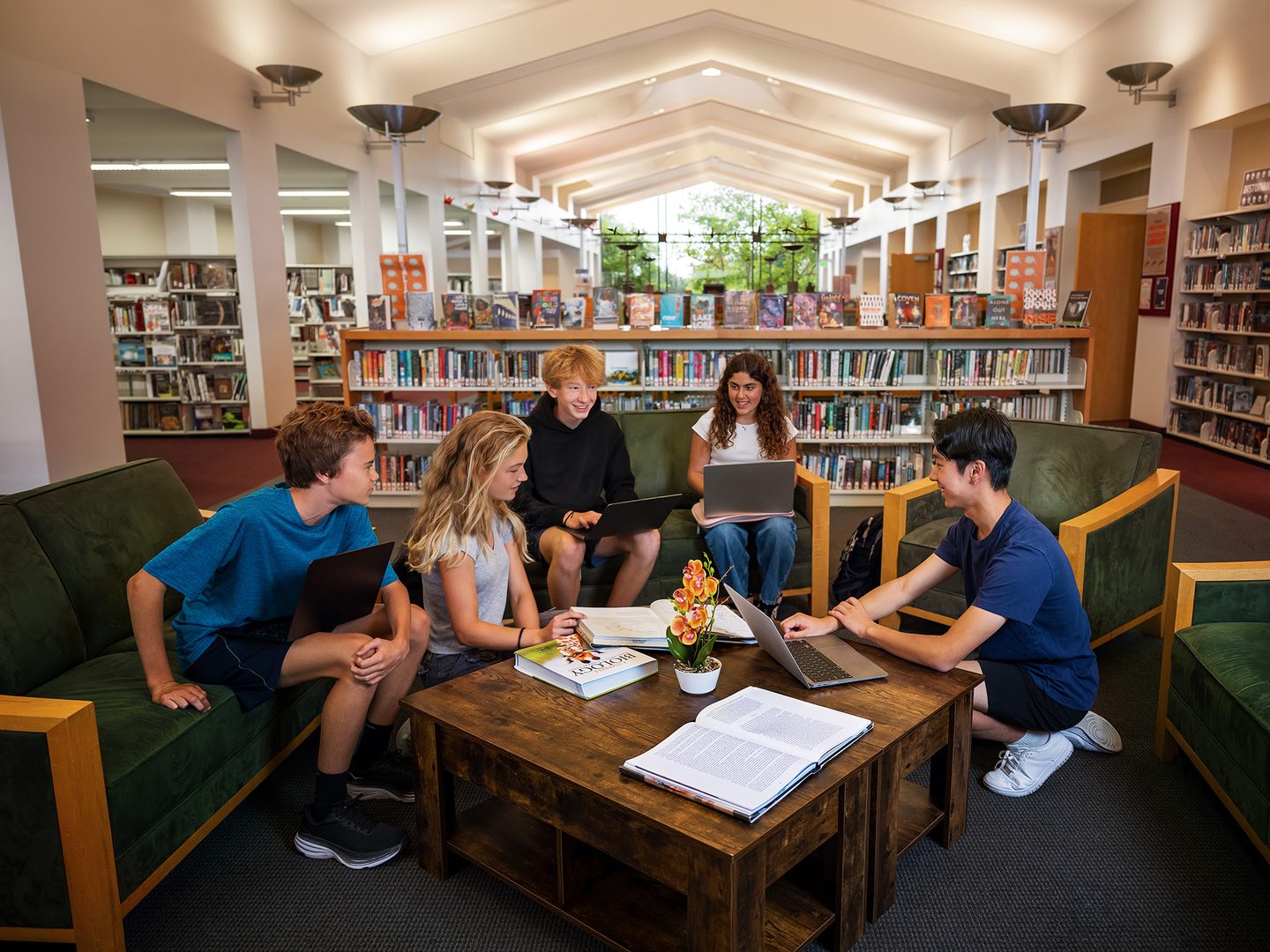
Along the LA River in Studio City, a former golf course is rising into a riverside campus of trails, turf and native habitat.
Sidwell Friends School
Washington, D.C. · United States
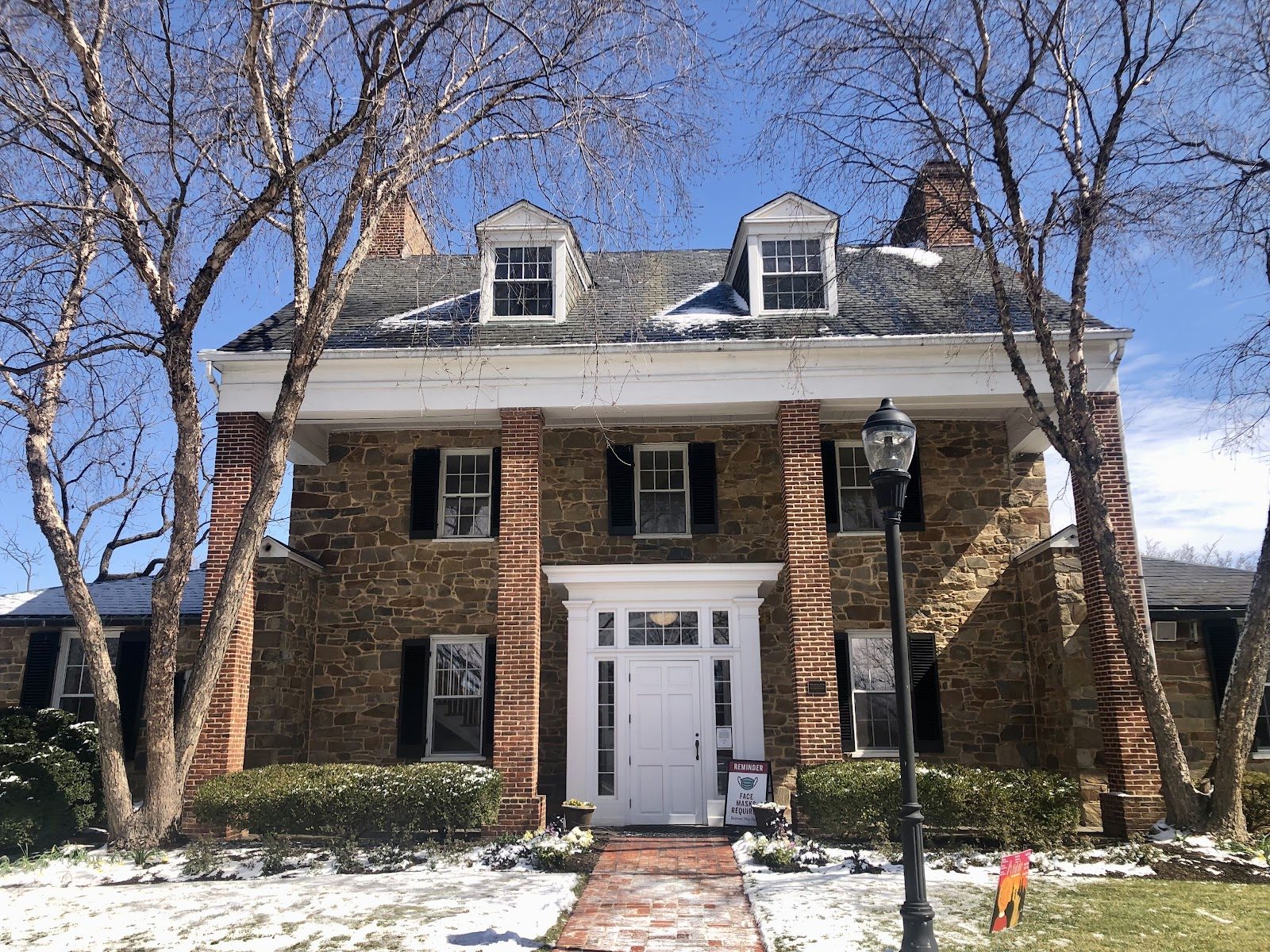
Weekly silent worship and a world-first Platinum-rated campus root Quaker inquiry steps from the Capitol.
The Lawrenceville School
Lawrenceville · United States
Since 1936, oval Harkness tables replace lectures with discussion, while a century-old House system anchors campus life
Choate Rosemary Hall
Wallingford · United States
A Wallingford campus where an I.M. Pei arts center anchors a rare, dedicated Arabic and Middle Eastern studies track.
Same country and curriculum — closest matches within ±10 points either way