
Dubai
Dubai English Speaking College
high confidence· 6/6 cats · 3.17 avg sourcesSecondary heir to Dubai's oldest British school, pairing a not-for-profit ethos with a Sixth Form spanning A Levels to vocational BTECs.
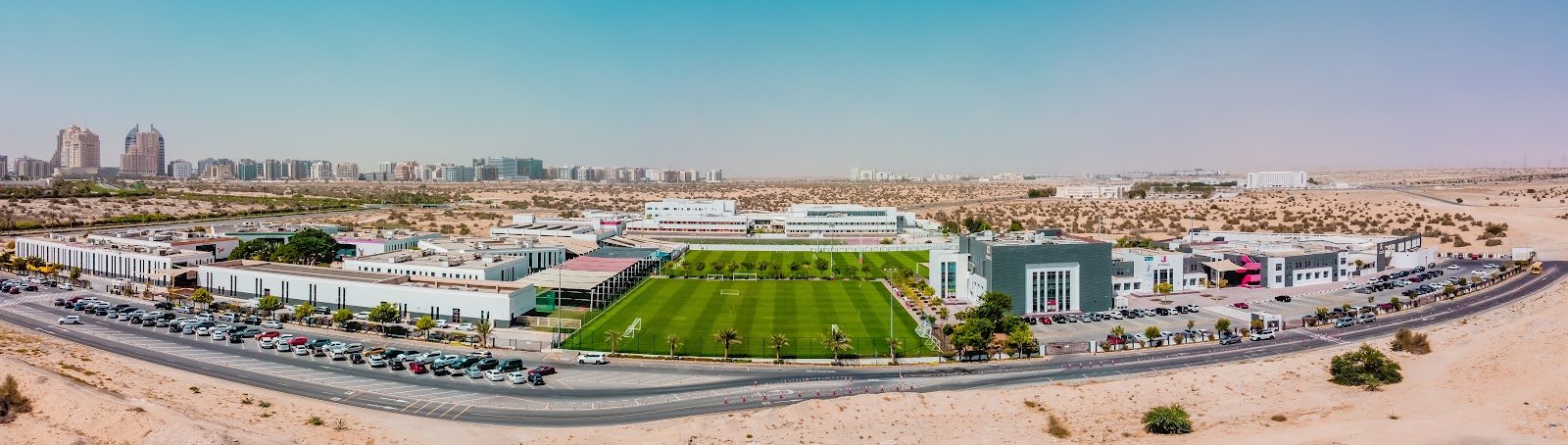
Photo © DESS College via Google Maps
Type
Day
Ages
3–18
Curriculum
British · American · IB
Ratio
10:1
The Verdict
Editor's commitment
Right for
Families wanting a British secondary with KHDA Outstanding status, a 10:1 ratio, and sixth-form choice beyond straight A Levels.
Wrong for
Anyone chasing a cheaper Dubai option: the average annual fee is AED 86,128, and this is a day school only.
Watch out for
The school declares British, American and IB, but KHDA attests British; post-16 pathways need checking before enrolment.
Ranking breakdown
Dubai English Speaking College · # of 1591
Composite score 73.6. 8 weighted criteria.
By criterion
Academic Outcomes
Weight 20%
#208
of 1529 scored
University Placement
Weight 16%
#219
of 1529 scored
Prestige & Heritage
Weight 12%
#526
of 1571 scored
Alumni Network
Weight 12%
#473
of 1530 scored
Facilities
Weight 12%
#120
of 1534 scored
Transparency & Communications
Weight 8%
#204
of 1532 scored
Peer & Industry Review
Weight 10%
#322
of 1548 scored
Admissions Selectivity & Demand
Weight 8%
#726
of 1529 scored
Score history
Dubai English Speaking College · 2026
Movement across 2024–2026. Peer average overlaid.
Overall — 2024–2026
73.6/ 100
▲ +27.9 vs 2025
year on year
Peer & Industry Review
How Dubai English Speaking College is regarded in the sector
78
Strong · high confidence
Dubai English Speaking College enjoys a strongly regarded position among the Emirate's not-for-profit British schools, with SchoolsCompared declaring it "one of the most impressive, inspirational and highest performing schools" in the UAE and noting its status as a multiple winner at its Top School Awards. WhichSchoolAdvisor corroborates this standing, ranking the college alongside Dubai College and JESS Arabian Ranches as among the most transparent schools on exam results and confirming its Outstanding KHDA rating since 2012-13. Parents cited by SchoolsCompared value its "steady and trustworthy" GCSE and A-Level outcomes over Oxbridge-chasing pressure, while its expanding Academic City campus and long waiting lists reflect sustained sector demand rather than marketing spin. Governance as a genuine not-for-profit, stable leadership under Andy Gibbs, and consistent inclusion in Dubai "best schools" guides round out a solid, well-established reputation just below the very top tier.
Evidence sources
Editors' overview
Dubai English Speaking College sits in an unusual and attractive spot in the Dubai market: an established secondary school with the weight of a long-running not-for-profit institution behind it, but without the inflated self-mythology that clings to parts of the premium sector. Founded in 1963, it is the secondary arm of Dubai’s oldest British school and carries a regulator-attested British curriculum, even though the wider school declaration also references American and IB pathways. The practical draw is clear. This is a day school for ages 3 to 18 with an uncommonly settled identity, an Outstanding KHDA rating for 2023/24, CIS and IBO accreditation, and a 10:1 student-teacher ratio. In a city crowded with newer schools selling aspiration, DESS College offers institutional depth, regulatory credibility and a structure parents can read without much decoding.
What marks it out is the mix of old-school academic seriousness and breadth at Sixth Form. The school foregrounds A Levels alongside vocational BTECs, which matters: not every strong British school in Dubai builds credible routes for students whose strengths sit outside a narrow exam track. The public case for the school also leans hard on pastoral systems, with the House structure positioned as a daily framework rather than a decorative add-on. English and Arabic are both languages of instruction, the school is non-religious, and the student body spans over seventy nationalities, which gives it a genuinely international social base rather than a token one. Fees average AED 86,128 a year across the full age range, placing it firmly in Dubai’s expensive tier, but not in the territory where parents are paying mainly for architecture and branding.
The right student for Dubai English Speaking College is bright, busy and comfortable in a disciplined, high-expectation environment. This is not the school for families chasing a boutique atmosphere, a progressive educational philosophy, or a heavily Americanised campus culture. It suits students who want a clear British secondary structure, strong pastoral scaffolding, and a Sixth Form that leaves room for both academic and vocational ambition. Put plainly, DESS College belongs on a shortlist because it combines earned reputation, inspection strength and curricular range with the stability many Dubai schools still lack. Parents who value substance over gloss will find a school with real market weight and few obvious gimmicks.
Academic Performance
DESS College makes a strong public claim on outcomes, but the school does not publish the hard aggregate data that would let parents test that claim properly. We have not seen headline A-level pass rates, A–A or A–B distributions, GCSE grade spreads, cohort averages, subject-by-subject tables, or multi-year trend lines in the public domain. That is a real limitation. In Dubai’s top British schools, serious results reporting matters because it shows not just that students pass, but how far a school pushes beyond the baseline. Without that disclosure, DESS College sits in the category of schools with a strong academic reputation and regulator backing, but with opaque public reporting on external examinations.
That said, the available picture still points in a clear direction. The school ties its inspection standing directly to teaching and learning, stresses that students are not selected purely on academic attainment, and still places examination performance at the centre of its case. That combination matters. Schools that run a genuinely inclusive intake and still trade on results are taking on a harder job than selective operators. The Sixth Form offer also adds weight: A levels alongside BTECs and the EPQ signal a serious post-16 platform rather than a narrow, exam-factory model. Relative to peers, DESS College belongs in Dubai’s upper tier of British schools on reputation and inspection strength; on published exam evidence alone, more transparent competitors give parents a firmer basis for comparison.
Facilities
The school makes a bold claim here, and it is one of the easier ones to credit: facilities are a serious part of the offer. DESS College describes them as among the best in the region and ties them directly to participation, endeavour and the wider student experience. That matters because strong secondary facilities are not just a visual extra; they determine how much room a school has for science, sport, performing arts, technology and post-16 independence to function properly. The public site also points parents to a virtual tour, which at least signals that the campus can withstand scrutiny rather than relying on stock phrases. For a school serving students from early secondary through Sixth Form, that breadth of use matters more than a single showpiece building. The impression is of a well-funded, hard-working campus built for daily use, not a designer brochure set.
Against peers, the weakness is not quality but specificity. The school does not publish a detailed public inventory of specialist spaces, capacity figures, or the kind of room-by-room breakdown that lets parents compare laboratories, theatres, sports provision or sixth-form study areas with rival British schools at the top of Dubai’s market. That lack of precision leaves DESS College a step behind the most transparent competitors on facilities reporting. Still, the combination of continued investment, broad co-curricular language and a serious secondary focus places it in the upper tier for infrastructure. Parents touring in person should test one point above all: whether the specialist spaces feel busy, accessible and timetabled for students rather than kept polished for admissions.
The right student for Dubai English Speaking College is bright, busy and comfortable in a disciplined, high-expectation environment
Prestige
Prestige here rests on durability, selectivity of reputation rather than admissions, and the status DESS carries in Dubai’s British-school market. DESS College benefits from being the secondary arm of a school group with real local lineage, and that matters in a city where many campuses are still building credibility from scratch. The not-for-profit structure adds substance: families can read that as money going back into staffing, facilities and student provision rather than shareholder return. The school also draws strength from regulatory standing at the top end and from a student body spanning more than 70 nationalities, which gives it a social reach beyond a narrow expatriate enclave. This is earned prestige, not synthetic luxury.
It does not trade on the old British tactic of exclusivity for its own sake. The school states plainly that it does not select students purely on academic attainment, yet still stakes its name on examination results and a serious Sixth Form with A levels, BTECs and EPQ options. That combination gives it a credible, hard-working form of prestige: respected by parents who want outcomes, structure and breadth, not just a polished campus and a famous badge. The average annual fee of AED 86,128 places it in the expensive end of the market, but the school’s standing rests less on price than on institutional trust. In Dubai terms, DESS College sits in the city’s upper professional class of schools: admired, established and taken seriously.
In Dubai’s top British schools, serious results reporting matters because it shows not just that students pass, but how far a school pushes beyond the baseline
Communications
DESS College communicates in the manner of a school that expects to be examined closely. The website architecture is practical and parent-facing: admissions, fees, inspection reports, results, sixth form, leadership and tours are all easy to find, with separate navigation for the primary campuses and the college itself. That matters. In Dubai, plenty of schools bury the useful pages under lifestyle copy; DESS keeps the route to core information clean, ordered and workmanlike. The tone from leadership is more expansive than it needs to be, and there is the usual dose of institutional self-belief, but parents can still extract the essentials without too much effort. The school also gives a concrete sense of community scale and composition, including the fact that students come from over 70 countries, which helps families judge social fit rather than just academic pitch.
Effectiveness is strongest on structure and weakest on proof. Parents can see the broad shape of the offer, the pastoral framing, the sixth-form pathways and the school’s public priorities. What they do not get is the level of hard academic disclosure that top-tier families now expect as standard. Communications are therefore competent and confident, but not fully transparent. The school tells you what it values and how it is organised; it is less good at publishing the evidence that would turn confidence into conviction. For day-to-day parental trust, that still works. For forensic comparison against the best-run competitors, it leaves a clear gap.
Uniqueness
What sets DESS College apart is not novelty but institutional coherence. Dubai has no shortage of schools with polished campuses, imported branding and inflated claims. DESS College offers something harder to manufacture: a secondary school anchored to the city’s oldest British-school institution, run on a not-for-profit basis, and explicit that it does not admit on raw academic selection alone. That combination is rare in this market. It gives students a school culture with fewer mixed signals: money goes back into provision, reputation rests on daily performance rather than exclusivity, and high expectations are not reserved for a hand-picked intake. The social mix matters too. A community drawn from over 70 countries gives the school a genuinely international character without pushing it into rootless international-school vagueness.
The other point of difference sits in the sixth-form shape. Many academically strong British schools still channel prestige through a narrow university-prep route. DESS College makes room for A levels, BTECs and the EPQ within one senior offer, which gives students real flexibility without forcing an early hierarchy between “academic” and “practical” pathways. That broadens the definition of success. For students, the benefit is concrete: a more realistic chance of finding a route that fits their strengths, backed by a school culture that combines serious pastoral structure with clear academic ambition. In a market full of schools selling image, DESS College’s uniqueness lies in being substantial, grown-up and difficult to dismiss as fashion.
Schools that run a genuinely inclusive intake and still trade on results are taking on a harder job than selective operators
Student Profile
The students who fit best here are the ones who can handle pace, structure and scrutiny without needing endless hand-holding. This is a school for children who stay busy, respond to clear expectations and are willing to throw themselves into a full week that runs beyond lessons into sport, performing arts, technology, enterprise and leadership. The house system and the school’s heavy emphasis on pastoral care suit students who want adult guidance close at hand, but the culture still asks for self-command. Children who need a very loose classroom atmosphere, a highly progressive teaching style or a soft-edged approach to discipline will find this a demanding place. Those who like routine, enjoy competition and are ready to be pushed tend to do well.
Socially, the fit is broad but not shapeless. A community drawn from more than 70 nationalities gives the school an unusually international peer group, yet the overall tone is not transient or anonymous. The school talks in old-fashioned terms about manners, maturity and character, and that tells parents something real about the pupil it wants to produce. The strongest fit is a student who is grounded, high-functioning and comfortable in a community that values conduct as much as confidence. Sixth Form widens the profile further: it works for academically ambitious students aiming high through A levels, and also for practical, purposeful students who want a credible post-16 route that does not treat vocational study as second class.
What they do not get is the level of hard academic disclosure that top-tier families now expect as standard
Co-curricular strengths
Arts & sport, on a separate axis
Overall 8.84/10
Scored 0-10 from the school's own published evidence. This axis is editorial-only — it does not feed the main WTS ranking.
Sports
9.2/10
Substantial dedicated sports facilities on campus including 4 pitches, 2 swimming pools and 4 netball courts, alongside multiple school teams and a named competitive result in winning the 2017 Dubai Rugby 7s U19 tournament.
Drama
9/10
Drama Productions, and an arts department and an auditorium on campus while also showing Drama as an offered subject, which clears the threshold for a notable drama programme.
Dance
8/10
Music
9/10
School Orchestra and Choir, and Music as an offered subject, indicating a solid music programme with visible participation but no clearly named dedicated music facility or specialist distinction.
Visual Arts
9/10
External evidence places art within the Earth Block and also refers to an arts department, while Art is offered as a subject, which is sufficient evidence of a named departmental provision for visual arts.
Editor-verified · 8/5/2026
Official inspection · Dubai
KHDA report · 2023/24
Official · KHDAInspectorate
Knowledge & Human Development Authority
Dubai's mandatory education regulator; annual DSIB inspections.
Curriculum
British
Held vs previous cycle
Full report
KHDA report finderRating history
WTS 300 badge
2025/26 editionDubai English Speaking College is one of the World's Top 300 Schools for 2025/26. Claim your listing to add it to your site →
Strengths
- +Holds a KHDA rating of Outstanding, held since 2012-13, one of the stronger regulatory records among Dubai secondary schools.
- +Operates as a not-for-profit college with an explicitly inclusive, non-selective admissions ethos, stating it does not select on academic ability.
- +Draws a genuinely international cohort within a long-established Dubai school community.
- +Offers a full secondary pathway from Year 7 through Sixth Form under the English National Curriculum, including GCSE, A Level and BTEC routes.
- +World-class co-curricular provision in sports, drama, music and visual arts, with dance rated outstanding.
- +Publishes examination and inspection results on its own website, with verified 2025 GCSE, A Level and BTEC data available externally.
Considerations
- −Secondary-only campus (Year 7-13, ages 11-18): families need to arrange primary schooling separately, typically at a sister DESS primary campus or elsewhere.
- −No IB Diploma or American high-school pathway is offered; the academic backbone is exclusively British (GCSE, A Level, BTEC).
- −Popular year groups fill quickly, with entry to the College increasingly prioritised for students from the sister primary schools, limiting places for external applicants.
- −Independent listings place annual fees in the ultra-premium band, and even at the lower figure the school sits close to academically selective competitors.
Availability
Primary entry gate & tests
CAT4 / Internal Assessment
Gallery
Photo © Baraa Najjar via Google Maps
Photo © Carmella Hunt (Marcomms) via Google Maps
Photo © Dubai English Speaking Schools via Google Maps
Recommended reading
Independent write-ups of this school from editorial outlets we trust.
- Dubai English Speaking CollegeSchoolsCompared
Parent reviews
Have you sent your child here?
Voice reviews carry the strongest trust badge — we transcribe them for you to tidy up before they go live. Prefer to type? A written review is fine too.
Add your voice
In 60 seconds, tell other parents: what's the best thing about Dubai English Speaking College, and what surprised you when your child joined?
We ask for a Google sign-in so every review has a real face behind it — no anonymous drive-by attacks on schools, and no faked positive reviews. Your email is never shown publicly.
Send this profile to a friend
International parents rely on word-of-mouth. Share this review with someone weighing the same decision.
Schools with places
Similar schools to Dubai English Speaking College with places available now.
American School of Dubai
Dubai · United Arab Emirates
- 2026-27
- WAITPOOLWaitpool applications accepted
- 2027-28
- OPENS SOONOpens Sept '26
Safa Community School
Dubai · United Arab Emirates
- 2026-27
- PLACES OPENApps open / space-dependent
- 2027-28
- PLACES OPEN
Dubai International Academy Emirates Hills
Dubai · United Arab Emirates
- 2026-27
- WAITPOOLSpace-dependent
- 2027-28
- PLACES OPENRolling
Jumeirah College
Dubai · United Arab Emirates
- 2026-27
- CLOSEDStandard route closed
- 2027-28
- OPENS SOONOpens Sept/Oct '26
Availability first, then country, area, curriculum, price, co-curricular
Consider also
Also worth looking at alongside Dubai English Speaking College.
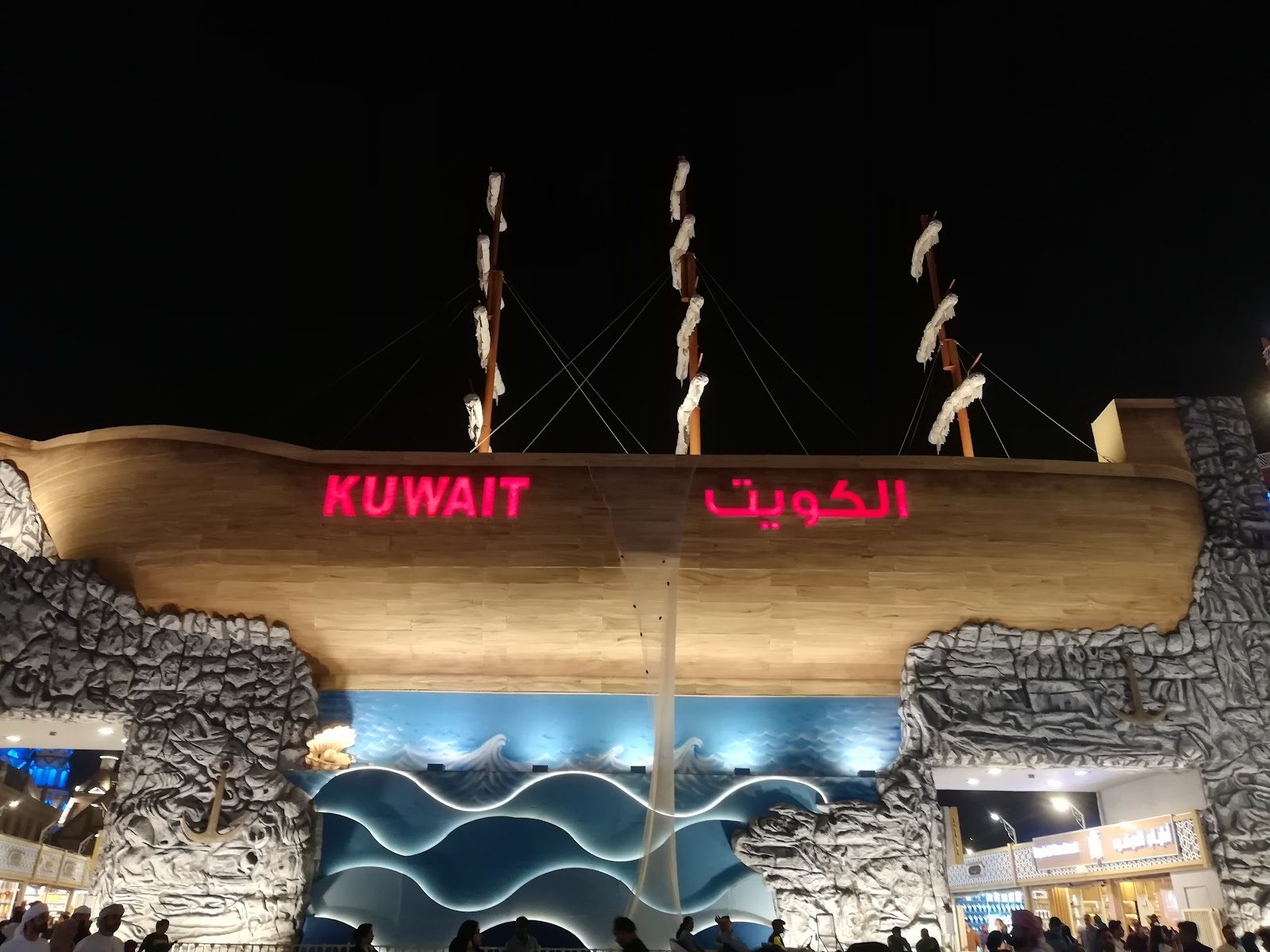
American School of Dubai
Dubai · United Arab Emirates
Founded in 1966 by Dubai Petroleum, predating the UAE itself, this not-for-profit campus champions the AP Capstone diploma.
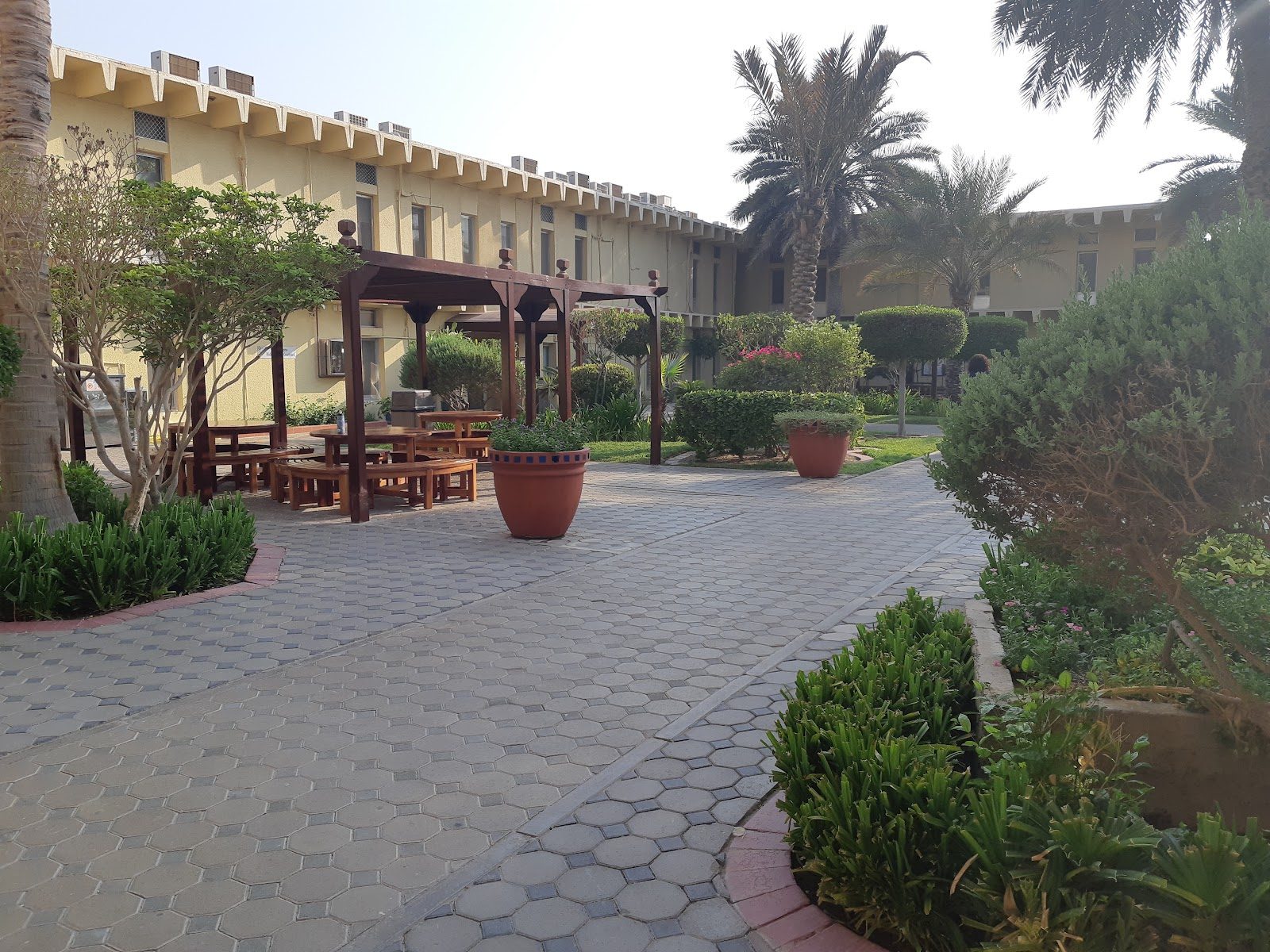
American Community School of Abu Dhabi
Abu Dhabi · United Arab Emirates
On Saadiyat Island, a nonprofit American campus lets seniors pick IB Diploma or AP -- a dual pathway rare in Abu Dhabi
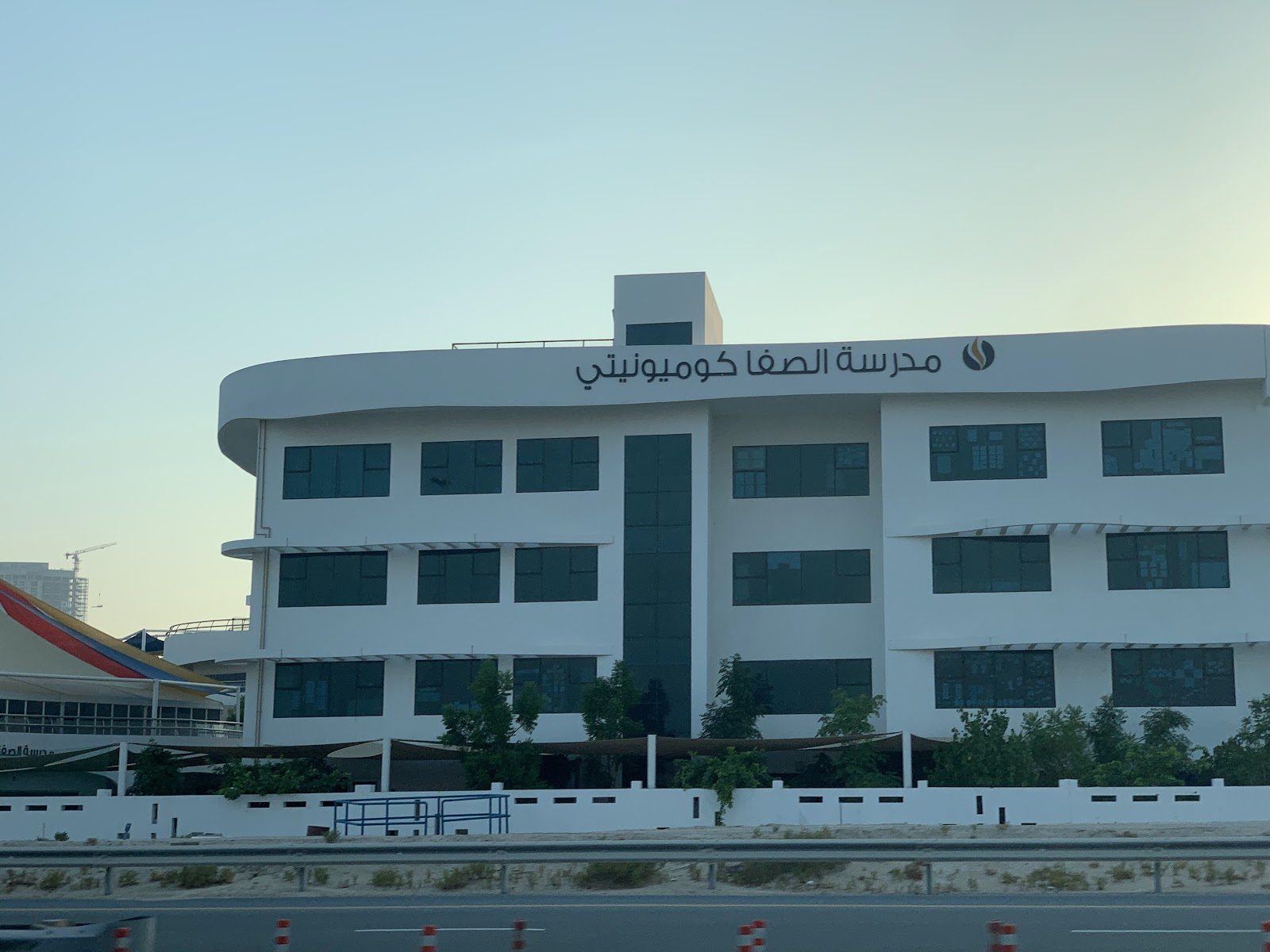
Safa Community School
Dubai · United Arab Emirates
An all-through British curriculum in Al Barsha South that rose from Good to KHDA Outstanding without filtering for its brightest students.
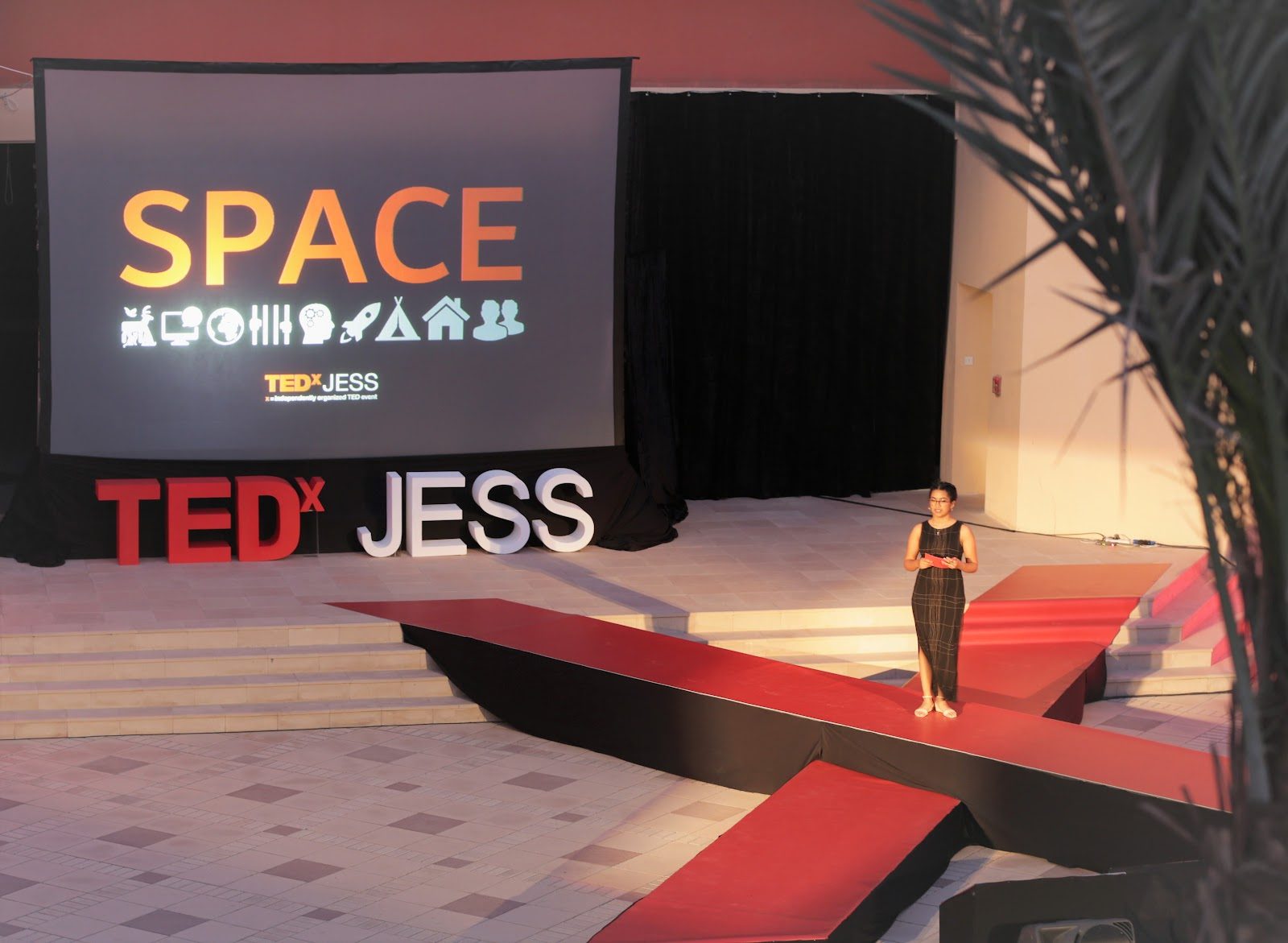
Jumeirah English Speaking School Arabian Ranches
Dubai · United Arab Emirates
A not-for-profit British day school in Arabian Ranches, its IB Diploma average of 37 outpacing the global mean of 30.
Same country and curriculum — closest matches within ±10 points either way