Hiroshima Prefecture
Hiroshima International School
low confidence· 4/6 cats · 1.2 avg sourcesOne of Japan's oldest IB schools, where students carry origami cranes to Hiroshima's Sadako Peace Monument each year.
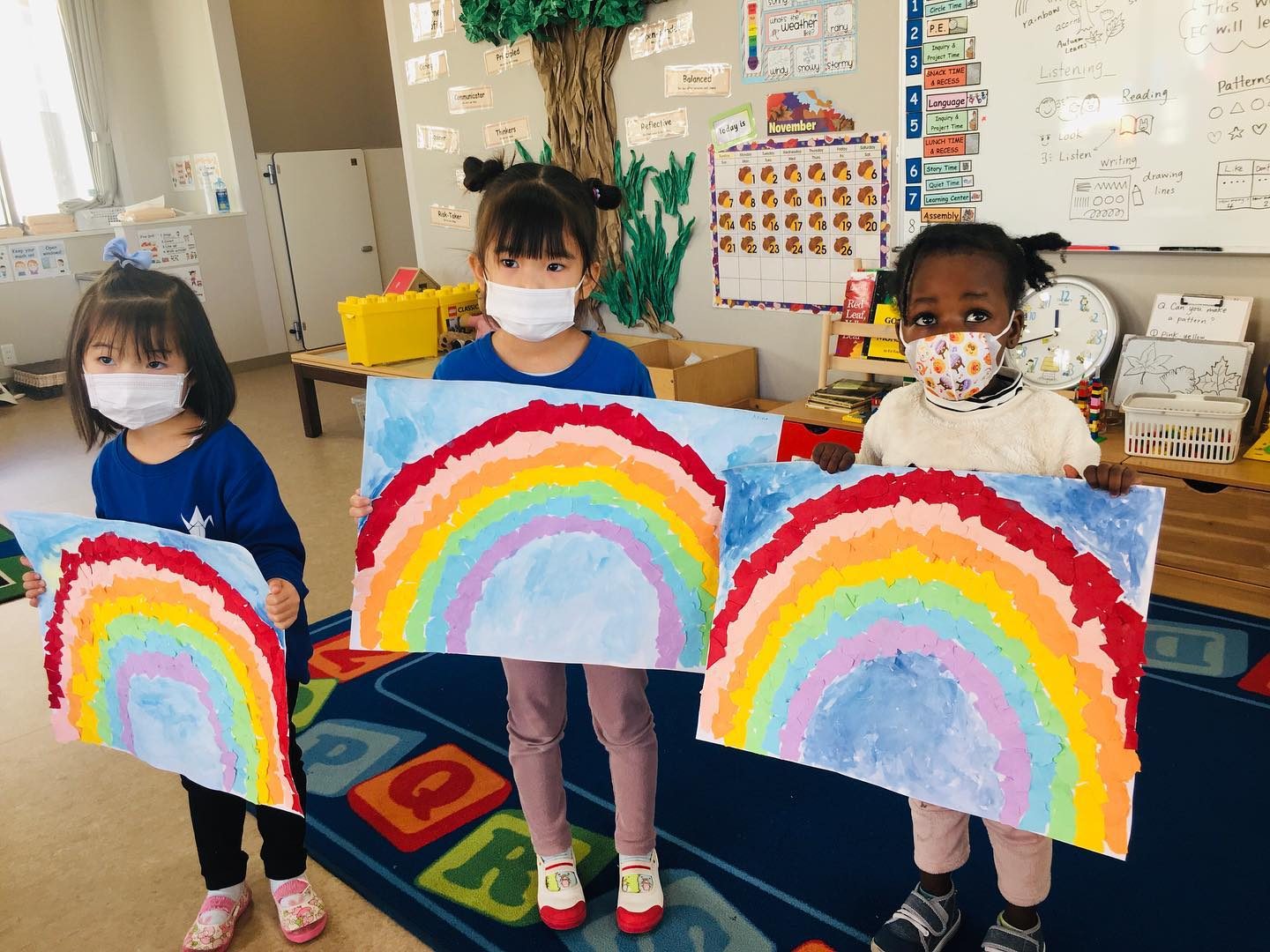
Photo © 広島インターナショナルスクール via Google Maps
Type
Day
Ages
3–18
Curriculum
IB
Qualifications
IB Diploma · IB MYP · IB PYP
Ratio
—
The Verdict
Editor's commitment
Right for
Families wanting a 3–18 English-medium day school in Hiroshima with the IB and the credibility of CIS and WASC.
Wrong for
Parents chasing boarding, religious formation or a non-IB route: Hiroshima International School is day-only, non-religious and school-declared IB.
Watch out for
Founded in 1962, it has heritage; the school does not publish headline outcomes here, so test academic transparency as hard as accreditations.
Ranking breakdown
Hiroshima International School · # of 1591
Composite score 51.7. 8 weighted criteria.
By criterion
Academic Outcomes
Weight 20%
#1366
of 1529 scored
University Placement
Weight 16%
#1359
of 1529 scored
Prestige & Heritage
Weight 12%
#1410
of 1571 scored
Alumni Network
Weight 12%
#1029
of 1530 scored
Facilities
Weight 12%
#1403
of 1534 scored
Transparency & Communications
Weight 8%
#1380
of 1532 scored
Peer & Industry Review
Weight 10%
#1216
of 1548 scored
Admissions Selectivity & Demand
Weight 8%
#1308
of 1529 scored
Peer & Industry Review
How Hiroshima International School is regarded in the sector
45
Credible · low confidence
Hiroshima International School is one of the oldest international schools in Japan and holds WASC/CIS accreditation, giving it credibility within international-school networks, but it generates minimal independent press coverage or peer-reputation signal compared to major Tokyo/Yokohama international schools. It rarely appears in specialist 'best schools in Japan' rankings (e.g., Tatler, Good Schools Guide) and lacks a documented notable-alumni network in third-party sources, suggesting a solid but largely local/regional reputation rather than broad sector-wide recognition.
Editors' overview
Hiroshima International School occupies a narrow but serious niche in Japan: a small, established English-medium IB school in a city better known for memory, diplomacy and science than for expatriate schooling. Founded in 1962, it ranks among Japan’s older international schools, and that matters. Longevity brings institutional muscle: stable governance, a settled identity, and a clearer understanding of what an international school in a regional Japanese city must do well. The annual origami crane offering at the Sadako Peace Monument gives the school a ritual few peers can match — not branding, but a civic act rooted in place. That gives Hiroshima International School a tone that is thoughtful, grounded and morally serious without tipping into sanctimony.
Its market position is clear. This is a 3–18 day school for families who want the International Baccalaureate in English, but do not need the scale, spectacle or social theatre of Tokyo’s largest international schools. The draw is coherence. A student can move through one school from early years to graduation under a single academic philosophy, with IB World School status and external oversight from CIS and WASC. For parents, that combination signals a school built for internationally mobile families, mixed-nationality households and academically purposeful local families who want an English-language route. The trade-off is scale: families seeking a vast subject menu, elite-sport machinery or the sheer breadth that comes with a giant campus will find tighter limits here. Hiroshima International School belongs on a shortlist because it offers something harder to manufacture than facilities: continuity, clarity of mission and a credible international education in a city with a distinct civic identity.
The students who thrive here are those who value community over anonymity and substance over prestige performance. A child who wants to know teachers well, move through a compact international cohort and connect academic study to global citizenship will fit. So will families who want their children educated in a setting shaped by Hiroshima’s public memory of war and peace; that context gives classroom ideas real civic weight. Students who need relentless competition, a large social pool or a high-octane metropolitan scene will want a different school. Hiroshima International School suits the student who is reflective, internationally minded and ready to take a city’s history seriously, not as backdrop but as part of daily education. Founded in 1962, with recognised oversight from 3 accrediting bodies, it offers a precise proposition: durable, values-literate international schooling in Hiroshima, not a diluted version of Tokyo.
Academic Performance
Hiroshima International School does not publish the kind of examination data that lets parents place it cleanly against strong IB peers. We have not seen cohort-by-cohort Diploma averages, subject score distributions, pass rates, or multi-year trends. That matters. In the international-school market, serious academic operators disclose at least headline outcomes; when a school does not, parents lose an important check on both teaching quality and sixth-form depth. The school’s academic case therefore rests less on public scorecards and more on institutional continuity, external oversight and the logic of a through-school that carries students from the early years to graduation. That is a real constraint for data-minded families, and it leaves Hiroshima International School in the category of credible but opaque rather than demonstrably high-performing.
Relative to peers, that places it below the best-signposted IB schools in Japan and across Asia, where published Diploma results do a great deal of the talking. It does not place the school in weak academic territory; it places it in low-visibility territory. For some families, especially those prioritising community and fit over league-table theatre, that will be acceptable. For others, the absence of hard numbers is decisive. The right question here is not whether the school offers a serious academic route; it does. The sharper question is whether it proves outcomes in public. At present, the answer is no, and that makes due diligence more demanding than it should be.
Facilities
Hiroshima International School’s facilities fit its scale: functional, focused and short on spectacle. The key assets are the ones a small through-school needs to work well day to day — teaching rooms that can support children from the earliest years through the senior grades, outdoor space usable by a compact student body, and specialist areas for science, art, music and physical education. That is the baseline parents should test on a visit. The school’s own public identity does not trade on architecture, theatre-grade performance venues or elite-sport infrastructure, and that matters. Against larger international schools in Japan, this is a leaner physical offering. Families moving from the capital’s flagship campuses need to reset expectations: no one chooses this school for campus theatre or facilities bravado.
Against regional peers of similar size, the picture is stronger. A compact campus can work well when circulation is simple, teachers know pupils across age groups, and shared spaces are used hard rather than left as brochure filler. That model suits Hiroshima International School. The facilities support a close-quartered, community-driven school experience rather than a sprawling one. The weakness is breadth: a smaller site brings tighter limits on specialist space, indoor sports provision and the range of dedicated senior-school environments. In market terms, this is a school with sufficient, serious facilities, not lavish ones. Parents who prize intimacy and efficiency will be content; parents who want a campus that overwhelms on first sight will not.
That gives Hiroshima International School a tone that is thoughtful, grounded and morally serious without tipping into sanctimony
Prestige
Hiroshima International School carries measured prestige, not the flash kind. Its standing rests on durability, seriousness and a clean institutional profile, not on social cachet or brand spectacle. In Japan’s international-school market, that matters. A school that has lasted this long, kept recognised external oversight and sustained a through-school structure from age 3 to 18 earns a level of trust that newer or thinner operations do not. The Hiroshima setting also gives it a distinction few schools can manufacture: the school’s identity is tied to a city with global moral weight. That lends the student experience a quiet gravitas and a public-facing seriousness that is more substantial than the prestige games played elsewhere.
That said, this is niche prestige, not top-tier regional clout. It does not carry the automatic name recognition of the heavyweight schools in Tokyo, nor the magnetic pull that comes from published results, giant campuses or deep alumni networks spread across global capitals. The school’s prestige is strongest among families who know the Japanese market and value institutional steadiness over status display. Among that group, it reads as a credible, adult choice: established, internationally legible, and rooted in a place that gives its values real substance. Among families chasing maximum selectivity signalling, it has less force. My rating sits in the upper-middle band for reputation: respected, serious, and low-drama — but not a prestige powerhouse.
Hiroshima International School does not publish the kind of examination data that lets parents place it cleanly against strong IB peers
Communications
Parent communication here reads as the product of a small school that cannot afford confusion. Families choosing a compact international school need clear lines on routines, expectations, calendar changes and student progress; anything less quickly turns frictional. Hiroshima International School’s structure works in its favour on that front. In a tighter community, parents have a better chance of reaching the adults who actually know their child, and schools of this size live or die by whether those exchanges are prompt, plain and consistent. The public-facing information gives a coherent sense of school life and purpose, but it stops short of the transparency that marks the best operators. The same institutional reserve that leaves academic outcomes under-published also limits confidence in how much detail parents receive as a matter of course. That is the central communications question here: not warmth, but disclosure.
My view is that communication is competent, human-scale and stronger in day-to-day community contact than in strategic openness. Parents who value access, recognisable faces and direct contact with teachers will find that persuasive. Parents who want a heavier flow of published data, sharper performance reporting and more hard-edged accountability will find it too quiet. In practical terms, this school fits families who prefer relationships over systems theatre. It does not fit those who want every important school claim backed by a dashboard, a trend line and 3 layers of published evidence.
Uniqueness
What sets Hiroshima International School apart is not novelty but moral location. Few schools sit in a city where questions of war, memory, reconciliation and international responsibility are part of public life rather than abstract classroom themes. The annual crane offering to the Sadako Peace Monument gives that civic context a concrete school ritual. For students, this brings more than symbolism. It gives service, citizenship and historical study a lived seriousness that many international schools claim and few can deliver. In a sector full of interchangeable global messaging, Hiroshima offers a setting with real ethical weight. That shapes discussion, assemblies, commemorations and the tone of school life in ways that are hard to replicate on a polished suburban campus.
The second point of difference is structural. This is a small through-school covering 3–18, and that continuity changes the student experience. Children grow up in front of adults who know them over time, not in isolated phases with repeated resets. That can produce a close-grained community, stronger pastoral memory and a cleaner sense of each child’s academic and social development. The trade-off is clear: less anonymity, fewer fresh starts, tighter peer dynamics. For the right student, that compactness is a strength. It supports a steady, human-scale education in which belonging is earned through participation, not lost in the crowd.
Hiroshima International School’s facilities fit its scale: functional, focused and short on spectacle
Student Profile
The best fit here is the student who does not need a large pond to feel significant. This school suits children who work well in a close-quartered community, can tolerate visibility, and gain from adults knowing them over time rather than rediscovering them at each stage. It will reward the self-possessed, the steady, and the pupil whose confidence comes from engagement rather than social dominance. Internationally mobile families, mixed-nationality households and academically serious local families will all find a plausible home here, but the common thread is temperament: students who are comfortable in a compact peer group and do not rely on a vast friendship market, endless subject permutations or high-volume school spectacle. In a through-school spanning 3–18, there is less room to disappear and less appetite for coasting.
The child who flourishes here will also have some intellectual seriousness. Hiroshima’s civic setting gives school life a moral density that suits reflective students better than performative ones. A pupil who can discuss history, responsibility and citizenship without cynicism will get more from this environment than one chasing status theatre or metropolitan buzz. Socially, this is not a school for constant reinvention; patterns are remembered, reputations travel, and peer dynamics carry weight in a smaller cohort. For the right student, that produces a grounded, adult atmosphere. For the wrong one, it feels confining. Families should judge fit through character before ambition: this is a school for children who value belonging, steadiness and substance over scale.
Hiroshima International School carries measured prestige, not the flash kind
Co-curricular strengths
Arts & sport, on a separate axis
Overall 7.28/10
Scored 0-10 from the school's own published evidence. This axis is editorial-only — it does not feed the main WTS ranking.
Sports
7.5/10
Drama
7.4/10
Dance
6.8/10
Music
7.2/10
Visual Arts
7.5/10
Editor first-pass · editor-reviewable · 7/30/2026
Strengths
- +One of Japan's longer-established international schools, founded in 1962 to serve Hiroshima's expatriate and diplomatic community.
- +Offers the full International Baccalaureate continuum (PYP, MYP and DP), giving families curriculum continuity from early years through graduation.
- +Holds dual accreditation from WASC and CIS, providing external verification of academic and operational standards.
- +Small enrollment translates into small class sizes and a close-knit school community rather than a large, anonymous campus.
- +Based in Hiroshima, a mid-sized city with a lower cost of living than Tokyo or Osaka, which can ease relocation budgets.
Considerations
- −Modest overall size limits the range of extracurricular clubs, competitive sports leagues, and elective subject choices available to older students.
- −Hiroshima is a secondary expatriate market, so the school does not have the scale, alumni network, or corporate family base of flagship Tokyo or Osaka international schools.
- −Little public data on university placement outcomes, DP exam averages, or detailed fee schedules is available, making outcomes hard to benchmark against larger IB schools.
- −A single day-campus with no boarding option, so families relocating without local housing arranged in advance will need to sort accommodation independently.
Availability
Primary entry gate & tests
Academic Record
Gallery
Photo © 広島インターナショナルスクール via Google Maps
Photo © 広島インターナショナルスクール via Google Maps
Photo © 広島インターナショナルスクール via Google Maps
Photo © 広島インターナショナルスクール via Google Maps
Photo © 広島インターナショナルスクール via Google Maps
Parent reviews
Have you sent your child here?
Voice reviews carry the strongest trust badge — we transcribe them for you to tidy up before they go live. Prefer to type? A written review is fine too.
Add your voice
In 60 seconds, tell other parents: what's the best thing about Hiroshima International School, and what surprised you when your child joined?
We ask for a Google sign-in so every review has a real face behind it — no anonymous drive-by attacks on schools, and no faked positive reviews. Your email is never shown publicly.
Send this profile to a friend
International parents rely on word-of-mouth. Share this review with someone weighing the same decision.
Schools with places
Similar schools to Hiroshima International School with places available now.
Aoba-Japan International School
Tokyo · Japan
- 2026-27
- WAITPOOLSpace-dependent
- 2027-28
- PLACES OPENRolling
Osaka International School of Kwansei Gakuin
Osaka · Japan
- 2026-27
- WAITPOOLSpace-dependent
- 2027-28
- PLACES OPENRolling
Seisen International School
Tokyo · Japan
- 2026-27
- WAITPOOLSpace-dependent
- 2027-28
- PLACES OPENRolling
Canadian Academy
Kobe · Japan
- 2026-27
- WAITPOOLSpace-dependent
- 2027-28
- OPENS SOONExpected ~Sept '26 (one-year-ahead policy)
Availability first, then country, area, curriculum, price, co-curricular
Consider also
Also worth looking at alongside Hiroshima International School.

Tokyo International School
Tokyo · Japan
Grown from five preschoolers into a full IB continuum, this Minato campus relocates to Takanawa Gateway City ahead of its first DP class in 2027.
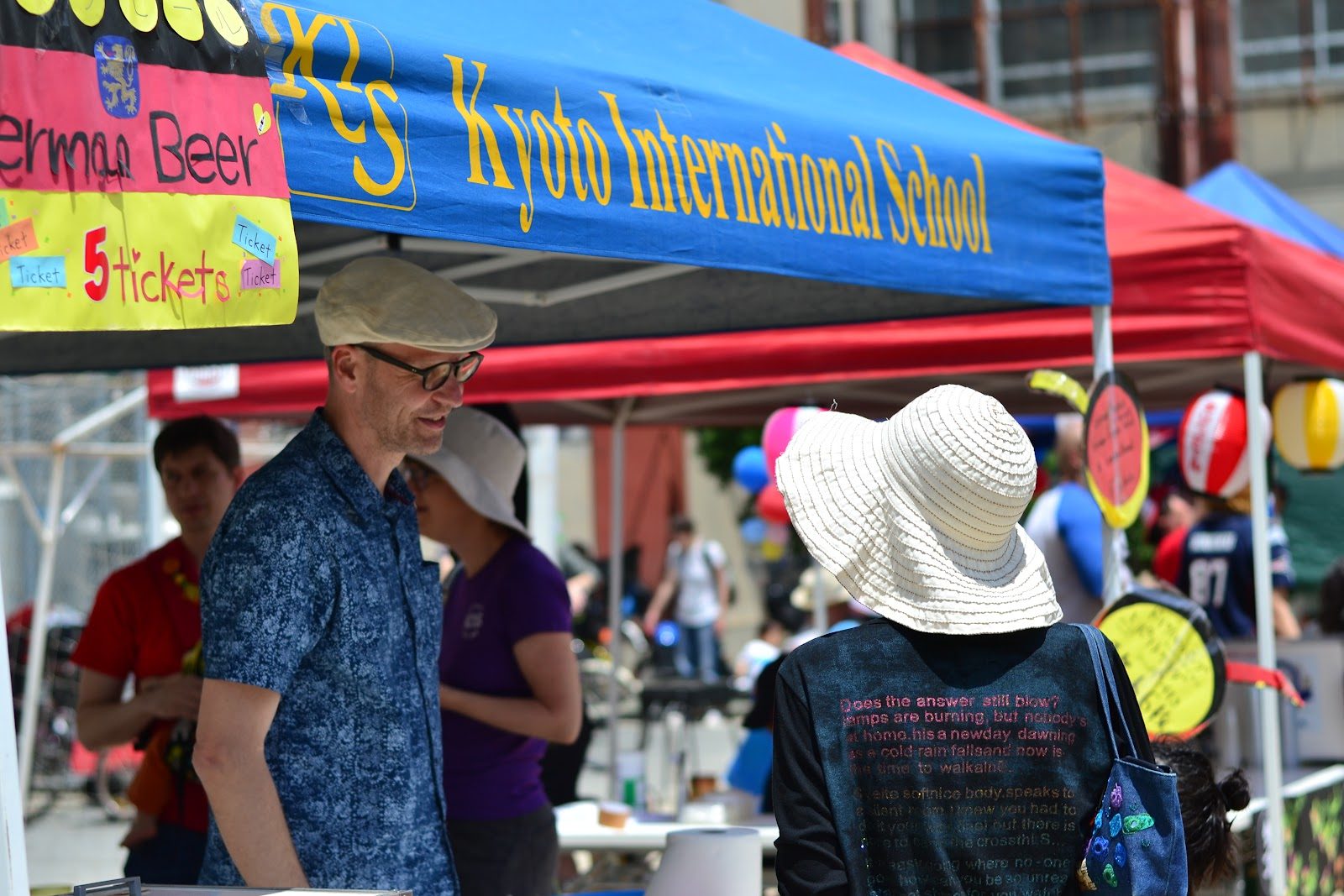
Kyoto International School
Kyoto · Japan
Grown from a 1957 missionary homeschool into Kyoto's only full IB continuum, blending British rigor with inquiry-based learning.
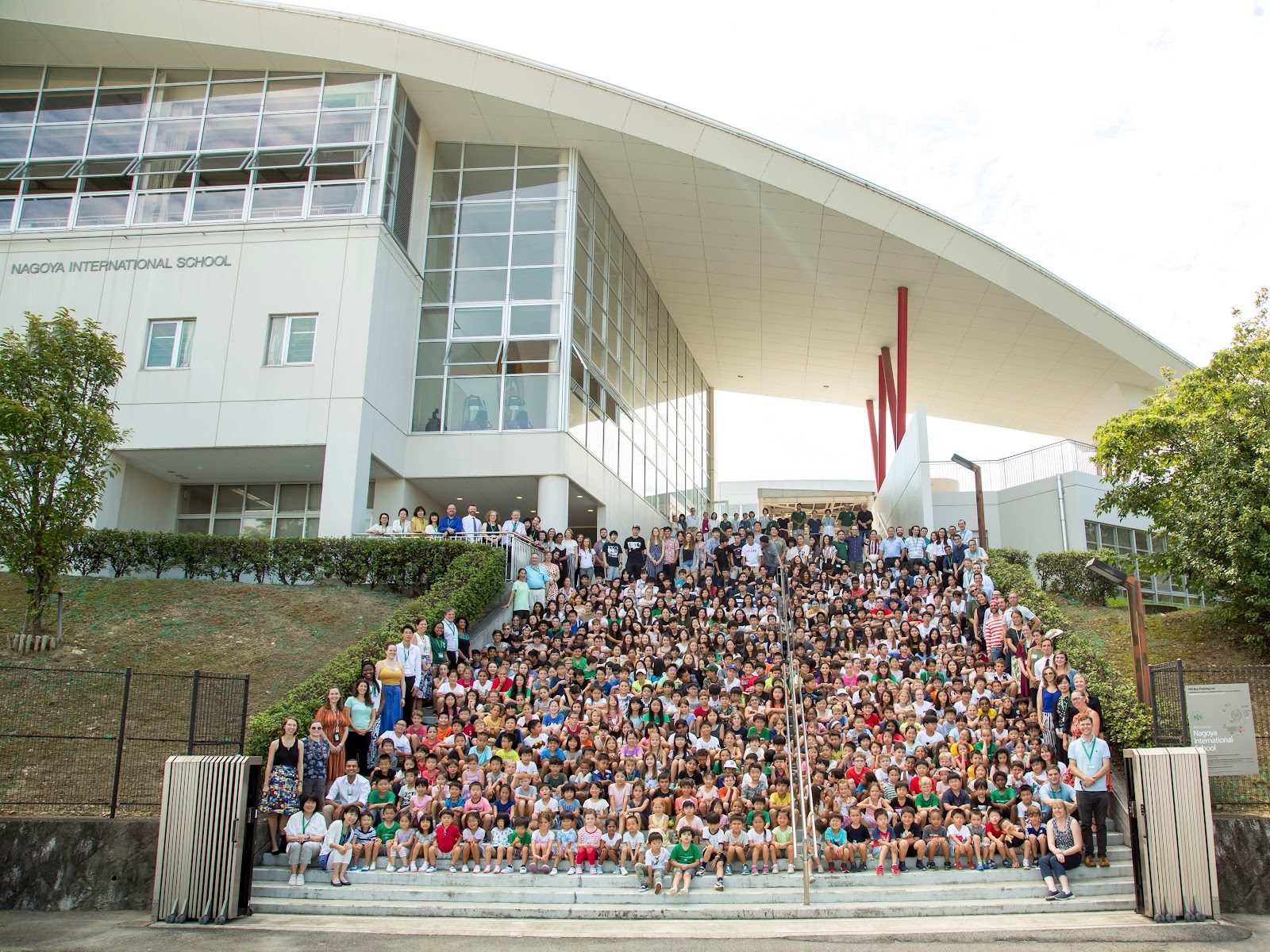
Nagoya International School
Nagoya · Japan
Since 1964, a full IB continuum school anchoring Nagoya's expatriate community at the heart of Japan's auto and aerospace corridor
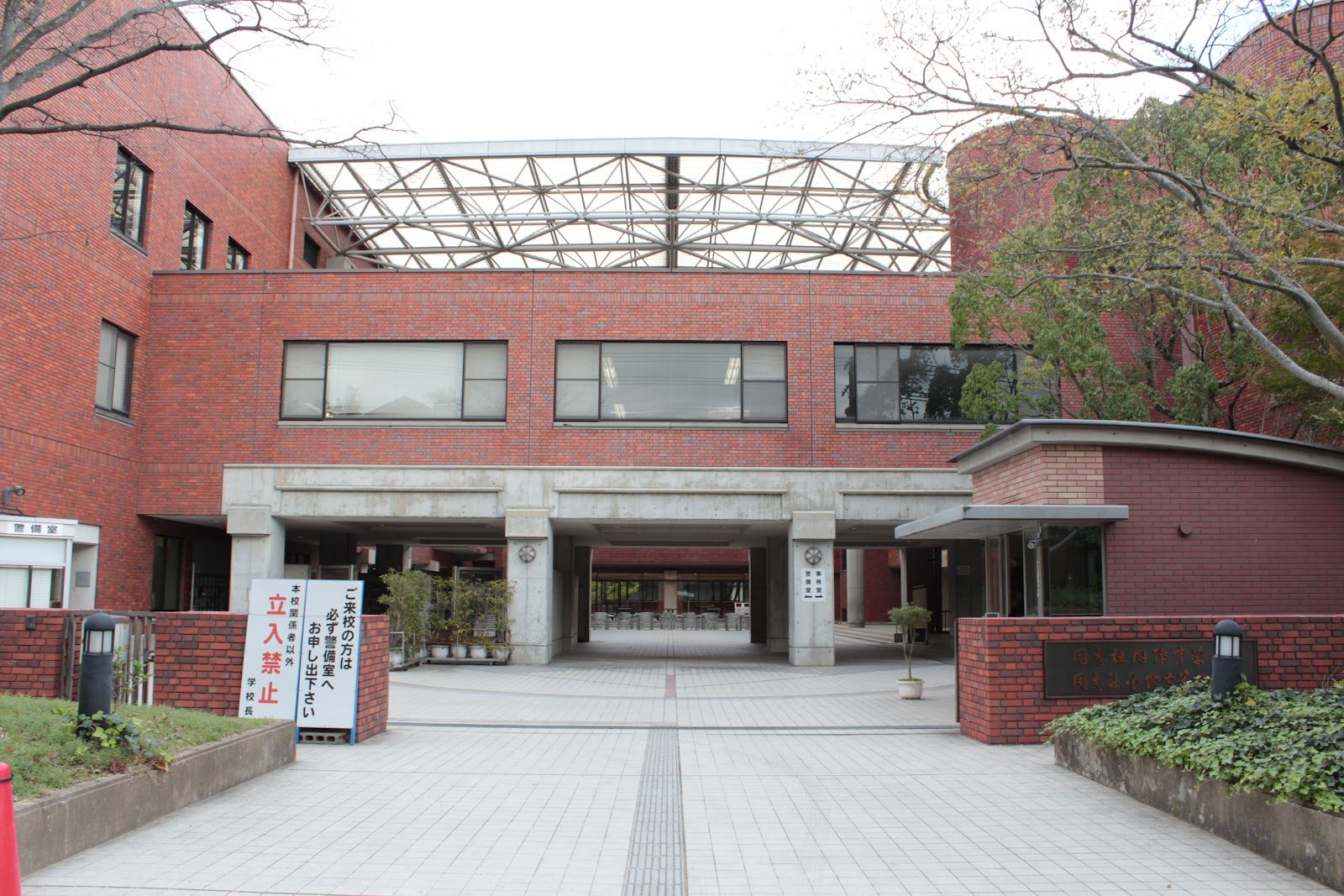
Doshisha International School Kyoto
Kyotanabe · Japan
Small IB classes inside a research-park campus, carrying the 1875 Christian-liberal ethos of the Doshisha network into Kansai Science City.
Same country and curriculum — closest matches within ±10 points either way