
Karnataka
A 1984 Yelahanka campus where teachers write their own curriculum and Eastern and Western learning traditions meet under dual CISCE-Cambridge accreditation.
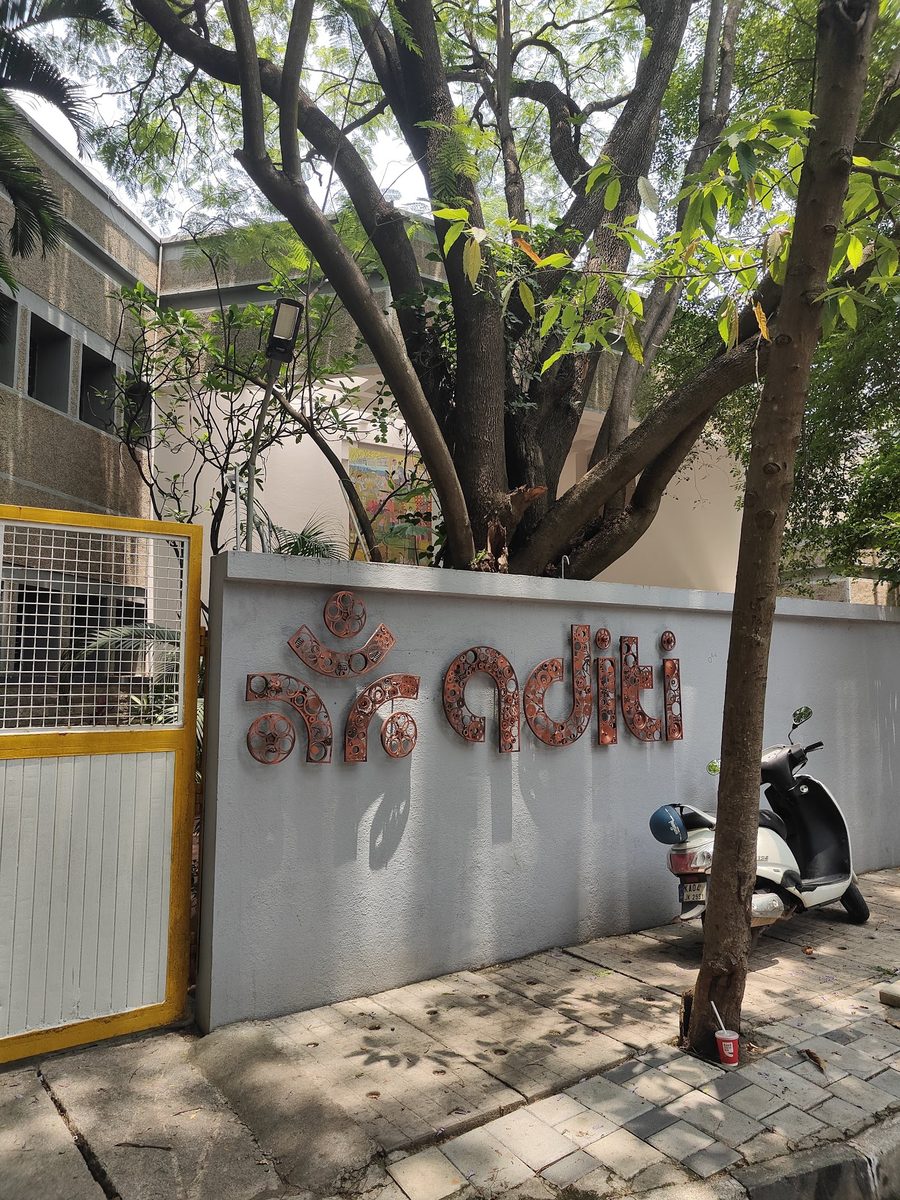
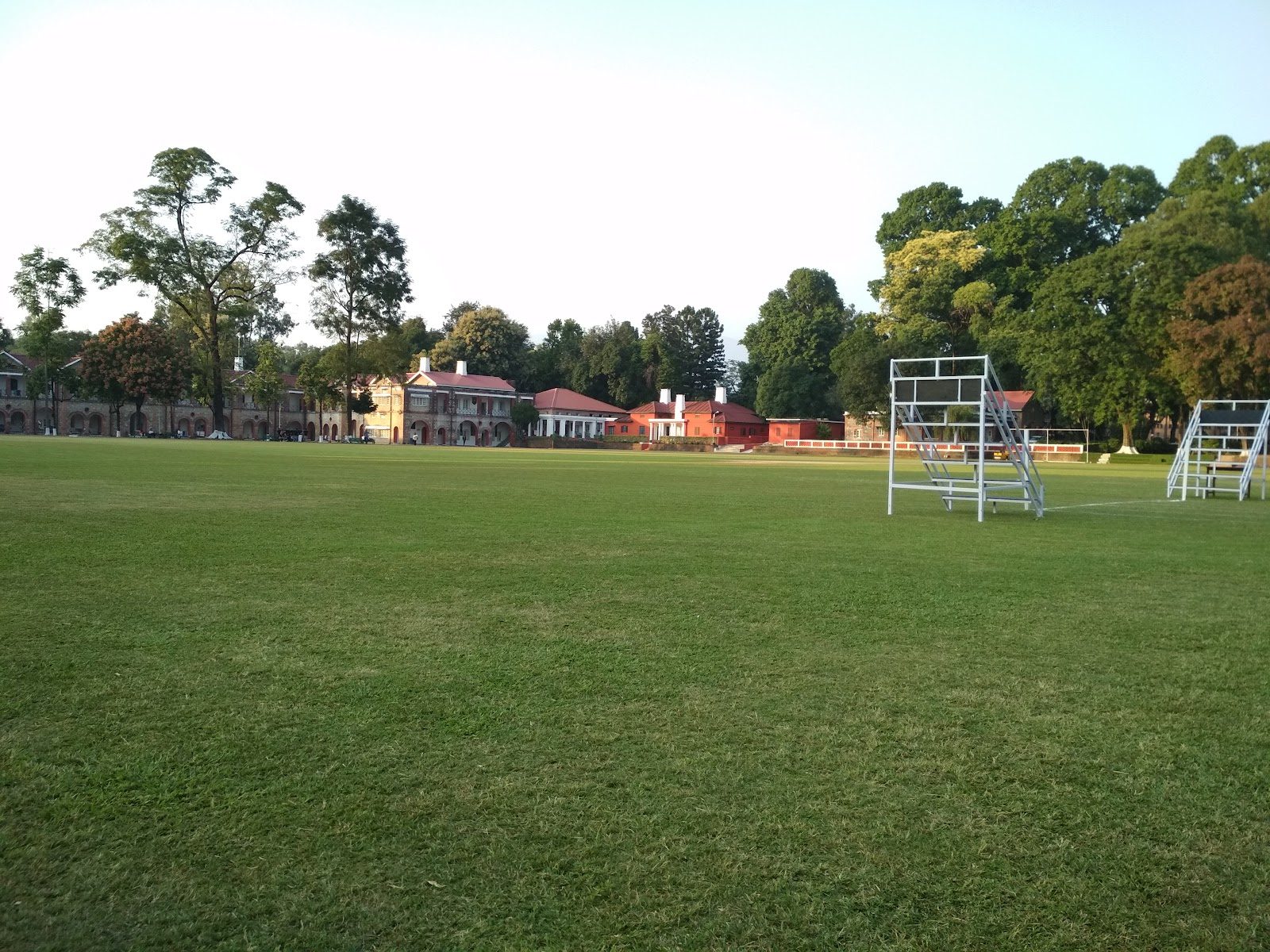
Photo © Ashwath S via Google Maps
Type
Day
Ages
3–18
Curriculum
British
Qualifications
IGCSE · IB Diploma
Ratio
—
The Verdict
Editor's commitment
Right for
Families in Bengaluru wanting a secular day school, founded in 1984, with English-medium teaching from age 3 to 18.
Wrong for
Parents who want boarding, religious framing, or a single imported system; Aditi runs in Bengaluru as a private secular day school.
Watch out for
The school claims a British curriculum, but parents need clarity on how that sits with dual CISCE-Cambridge accreditation across 3–18.
Ranking breakdown
Mallya Aditi International School · # of 1591
Composite score 75.2. 8 weighted criteria.
By criterion
Academic Outcomes
Weight 20%
#183
of 1533 scored
University Placement
Weight 16%
#187
of 1529 scored
Prestige & Heritage
Weight 12%
#259
of 1580 scored
Alumni Network
Weight 12%
#191
of 1530 scored
Facilities
Weight 12%
#717
of 1540 scored
Transparency & Communications
Weight 8%
#290
of 1547 scored
Peer & Industry Review
Weight 10%
#222
of 1564 scored
Admissions Selectivity & Demand
Weight 8%
#198
of 1529 scored
Peer & Industry Review
How Mallya Aditi International School is regarded in the sector
76
Strong · medium confidence
Mallya Aditi is consistently grouped with India's small circle of 'alternative' schools such as The Valley School and Centre For Learning, all tracing lineage to Krishnamurti-inspired pedagogy, and is frequently cited alongside Rishi Valley and Sahyadri School in comparative pieces on non-conventional Indian education. EducationWorld's annual India School Rankings have repeatedly placed it among Karnataka's top day schools for holistic and co-scholastic development rather than pure academics, a distinction independent education press (Deccan Herald, The Hindu Education Plus) has echoed when profiling its integrated arts, drama and work-education curriculum. It lacks the heavy IB/Cambridge global-league presence of Bengaluru's newer international schools, so it rarely appears in WhichSchoolAdvisor or Good Schools Guide International's mainstream comparators, but its ISC results and graduate placements at NID, NLSIU Bangalore, Ashoka University and select US liberal-arts colleges are locally acknowledged as evidence of strong critical-thinking outcomes. Reputation rests more on pedagogical influence within India's progressive-education circuit than on conventional university-admissions marketing metrics.
Editors' overview
Mallya Aditi International School occupies a distinctive niche in Bengaluru: an established 1984 day school in Yelahanka that combines a secular ethos, English-medium teaching and a dual CISCE-Cambridge structure with a strong internal academic identity. The point of difference is not branding but authorship. Aditi states that it builds a broad-based, interconnected curriculum and invests in continuous professional development; the result is a school where teaching carries more intellectual ownership than at formula-driven institutions that simply deliver a prescribed package. That matters for families who want serious teaching, intellectual independence and a school culture that treats curiosity as work, not decoration.
What puts it on a shortlist is the blend of academic ambition and institutional self-command. The school frames itself around independent thinking, social responsibility, diversity and heritage, and the public-facing structure backs that up with visible leadership across elementary, middle, high school and pre-university, plus dedicated heads for professional development, counselling, and advocacy and outreach. The welfare architecture is more substantial than the token pastoral language many schools offer: counselling services are named, wellness is defined in psychological and physical terms, and child protection, anti-bullying, online protection and workplace harassment policies are all published. For parents, that creates a rare sense of seriousness and clear adult oversight. The external market signal is also strong: Wikipedia cites a 2024 CFore survey placing the school among India’s top 10 schools and among Bengaluru’s top 5 co-educational schools.
This is not the school for families who want a heavily standardised, exam-factory environment or a conservative institution built on narrow obedience. It suits students who ask questions, handle range, and benefit from teachers who expect analysis rather than rote compliance. Children drawn to humanities, arts, science and technology in combination, rather than in silos, will find more room here. So will students who value a secular setting, a broad intellectual diet, and calm but exacting expectations. In market terms, Aditi sits with Bengaluru’s more thoughtful academic independents: expensive in parent attention as much as in fees, selective in culture, and strongest for families who want education with substance over display.
Academic Performance
Aditi does not publish aggregate board outcomes, average subject scores, university matriculation tables or year-on-year destination data. That is a real gap. For a school with a strong academic reputation, the absence of hard public results leaves parents without the simplest external check on performance against Bengaluru peers. There is no disclosed CISCE summary, no school-wide Cambridge breakdown, and no transparent account of top grades, score distribution or cohort-wide consistency. In a market where serious schools increasingly understand that results need daylight, this reads as needlessly opaque. Parents are asked to trust the school’s academic identity without the exam evidence that would confirm whether it delivers elite-level consistency or a more uneven picture.
That does not place Aditi in weak company; it places it in the group of high-prestige Indian independents whose reputation rests on long-standing parent demand, selective admissions and market standing as much as published data. Wikipedia cites a 2024 CFore placement among India’s top 10 schools and among Bengaluru’s top 5 co-educational schools, which indicates strong external regard. Still, rankings are not results. Relative to peers that publish board statistics cleanly, Aditi is less transparent than it should be. Relative to schools that disclose nothing and trade on brand alone, it retains serious academic credibility—but parents who care about measurable academic performance will want clearer exam disclosure before treating that reputation as settled fact.
Facilities
The school’s public description of facilities is thinner than a top-tier Bengaluru independent ought to allow. There is a virtual tour, and the site places weight on campus life, physical exercise, counselling, and community activity, but it does not publish the kind of hard facilities inventory serious parents expect: no clear account of laboratories, libraries, performance spaces, sports infrastructure, specialist art or design rooms, or technology provision. That gap matters. Peer schools competing at this level now spell out exactly what students can use and how the campus supports different age groups. Aditi gives parents less operational clarity than it should. The strongest concrete point is the welfare infrastructure: counselling is not buried in pastoral rhetoric but led by a named head, and published child protection, anti-bullying, online protection and workplace-harassment policies point to adult systems with teeth rather than decorative safeguarding.
What this leaves is a mixed facilities picture. On student wellbeing, oversight and organised support, the school is better structured than many rivals. On publicly documented physical plant, it is *more opaque than a school of its stature can justify*. The emphasis on supervised physical activity and healthy lifestyle work indicates that sport and movement have a functional place on campus, not an afterthought, but there is no published detail on breadth or standard. Parents comparing Aditi with campuses that showcase theatres, competition pools or extensive specialist blocks will get far less to inspect. Families who prize pastoral systems as much as buildings will read that charitably; families buying on facilities first will find the disclosure frustratingly thin.
There is no disclosed CISCE summary, no school-wide Cambridge breakdown, and no transparent account of top grades, score distribution or cohort-wide consistency
Prestige
Aditi carries real standing in India’s independent-school market. The clearest external signal is the CFore placement cited on Wikipedia: among the country’s top 10 schools and among the city’s top 5 co-educational schools. That puts it in the upper tier of schools that educated Bengaluru families already know by name, and it matters because prestige in this segment rests on scarcity, parent demand and long-term institutional memory, not on glossy expansion plans or chain branding. Aditi also benefits from a distinctive intellectual reputation: the school talks less like a franchise and more like a place run by educators with their own internal standards. The visible leadership structure, named heads across divisions, and published safeguarding and anti-bullying policies reinforce that sense of serious adult governance.
The rating stops short of the very top because some of the machinery that converts reputation into unquestioned prestige is missing from public view. There is no published roll-call of destination universities, no aggregate exam data, and no broad statistical proof of academic dominance. That does not erase the school’s cachet; it limits how far prestige can rest on evidence rather than received reputation. In practical terms, Aditi is a school that carries high social and educational capital with informed local families, but not one that documents its superiority with the forensic clarity the strongest schools now provide. That makes its prestige substantial rather than unassailable.
The school’s public description of facilities is thinner than a top-tier Bengaluru independent ought to allow
Communications
Parent communication is more functional than polished, and that is not a criticism. The website does the practical work parents need: admissions windows are posted with exact dates and cut-off times, leadership contacts are visible, the student portal is signposted, and key policies sit in public view rather than behind an enquiry form. That matters. Schools that publish child protection, anti-bullying, online protection and workplace-harassment documents signal that parent communication is not confined to festivals and photo galleries. Aditi also names the heads responsible for counselling, professional development, advocacy and outreach, plus each school stage. That gives families a clear chain of responsibility and reduces the fog of anonymous administration that plagues many Indian independents.
The limits are also clear. Communication is stronger on governance, wellbeing and admissions process than on academic disclosure or campus detail. Parents can see who runs the place and where formal responsibility sits; they get far less on outcomes, facilities and the day-to-day mechanics of teaching. The site’s use of precise application periods — including timings such as 3.00 p.m. and 11.00 p.m. — points to an institution that values order and expects parents to pay attention. That creates administrative clarity. It does not create full transparency. In effect, Aditi communicates like a school confident in its internal culture and less interested in public over-explanation. For engaged families, that will feel brisk, adult and credible. For parents who want exhaustive data before first contact, it will feel too terse by half.
Uniqueness
What marks Aditi out is authorship. Many schools at this level import a package and administer it efficiently; Aditi gives teachers room to build the academic experience themselves, within a broad framework that links humanities, arts, science and technology instead of treating them as sealed departments. That creates a school culture with more intellectual texture than the standard premium-school formula. Students do not just move from subject to subject; they work in an environment that expects questioning, analysis and range. The school’s stated attempt to hold Eastern and Western learning traditions in the same frame also gives it a distinct educational centre of gravity: less factory, more seminar, and stronger on thought than performance theatre.
The second point of difference is the seriousness of the adult structure around students. Aditi names leaders not only for each school stage but also for professional development, counselling, and advocacy and outreach — 3 functions that many rivals fold into vague pastoral language or bury in administration. That matters because it gives students access to a school with clear internal ownership of teaching quality, wellbeing and community life. The result is not a soft environment; it is a well-held one. For self-motivated students, curious generalists and children who resist rote learning, that brings genuine value: more scope to think independently, more adults with defined responsibility, and a culture that treats education as serious human formation, not just credential collection.
The rating stops short of the very top because some of the machinery that converts reputation into unquestioned prestige is missing from public view
Student Profile
Aditi suits students who are switched on, verbally confident and willing to do more than comply. The school’s own language centres questioning, analysis, innovation, social awareness and resilience; that points to a student body that does best when lessons demand thought, not passive note-taking. Children who need a rigid, heavily spoon-fed structure will find the culture harder going. Children who enjoy connecting subjects, arguing a point, and moving between academics, arts and wider community work will fit far better. The secular setting also matters: families looking for a school anchored in religion are shopping in the wrong place, while families who want clear-minded pluralism and adult seriousness will read the ethos as a strength.
This is also a school for families prepared to engage closely with process. Admissions windows are precise down to the hour, with published application periods for 3 entry points, and that administrative style tells you something about the parent body as well as the school. Aditi will suit organised households that respect deadlines, read instructions properly and value brisk competence over hand-holding. Students who thrive here are not only bright; they are steady enough to handle expectations around conduct, wellbeing and community responsibility. The published child-protection, anti-bullying and online-safety policies reinforce that this is not a loose campus culture. It is a well-held environment for curious, self-possessed students, and a poor fit for families chasing status display or children who resist structure altogether.
That matters for families who want serious teaching, intellectual independence and a school culture that treats curiosity as work, not decoration
Co-curricular strengths
Arts & sport, on a separate axis
Overall 8.4/10
Scored 0-10 from the school's own published evidence. This axis is editorial-only — it does not feed the main WTS ranking.
Sports
8.5/10
Drama
8.5/10
Dance
8/10
Music
8.2/10
Visual Arts
8.8/10

WTS 300 badge
2026/27 editionMallya Aditi International School is one of the World's Top 300 Schools for 2026/27. Claim your listing to add it to your site →
Strengths
- +Operated as a not-for-profit under Ujwal Trust since 1984, which keeps annual fees (roughly INR 6-8.5 lakh depending on track) markedly lower than the large IB day schools nearby in north Bangalore.
- +Offers a dual-track curriculum letting families choose between the Indian ICSE/ISC board and Cambridge IGCSE/A-Level/AICE, useful if long-term country of residence is undecided.
- +Received the Cambridge Fellowship from the University of Cambridge in 2005, an honour given to only a small number of schools worldwide offering Cambridge qualifications.
- +A comparatively small school (roughly 700-750 students across Grades 1-12), smaller in scale than several bigger international competitors in the same part of the city.
- +Defined entry points at Std I, Std IX and Std XI give clarity on when new admissions are actively considered.
Considerations
- −Does not offer the IB Diploma Programme; families targeting universities that specifically favour or require IB will need to look elsewhere.
- −Follows the Indian academic year (June to March), which can require an adjustment for expatriate families used to a September-to-June school calendar.
- −Outside the main entry points, admission to intermediate classes (II-VIII) is only offered if vacancies happen to arise, making mid-year or off-cycle entry unpredictable.
- −Independent, third-party reviews of the school are limited, with much of the publicly available descriptive material originating from the school's own materials rather than external audits.
Availability
Primary entry gate & tests
Internal Assessment
Gallery
Photo © Ashwath S via Google Maps
Photo © Michael Vasanth via Google Maps
Photo © Stuti via Google Maps
Photo © Nandika Mundra via Google Maps
Photo © Pranav Mandayam via Google Maps
Parent reviews
Have you sent your child here?
Voice reviews carry the strongest trust badge — we transcribe them for you to tidy up before they go live. Prefer to type? A written review is fine too.
Add your voice
In 60 seconds, tell other parents: what's the best thing about Mallya Aditi International School, and what surprised you when your child joined?
We ask for a Google sign-in so every review has a real face behind it — no anonymous drive-by attacks on schools, and no faked positive reviews. Your email is never shown publicly.
Send this profile to a friend
International parents rely on word-of-mouth. Share this review with someone weighing the same decision.
Schools with places
Similar schools to Mallya Aditi International School with places available now.
Dhirubhai Ambani International School
Mumbai · India
- 2026-27
- WAITPOOLVacancy-dependent
- 2027-28
- WAITPOOLEnquiry/app live (Dates TBC)
The Cathedral and John Connon School
Mumbai · India
- 2026-27
- CLOSEDStandard route
- 2027-28
- PLACES OPENActive now (Forms live)
UWC Mahindra College
Pune · India
- 2026-27
- CLOSEDStandard route closed
- 2027-28
- WAITPOOLVaries by National Committee
The Doon School
Dehradun · India
- 2026-27
- CLOSEDStandard route
- 2027-28
- PLACES OPENAutumn '26 Exam
Availability first, then country, area, curriculum, price, co-curricular
Consider also
Also worth looking at alongside Mallya Aditi International School.
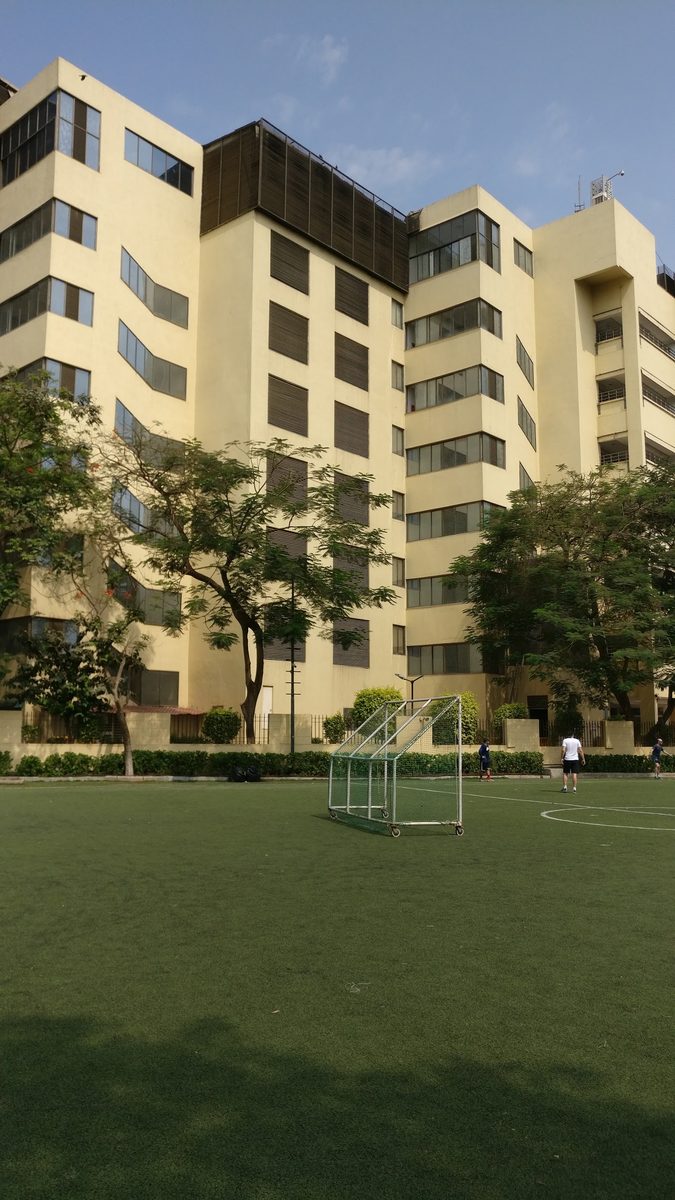
Dhirubhai Ambani International School
Mumbai · India
In the heart of Bandra-Kurla Complex, three curricula converge to produce some of India's highest IB Diploma averages.
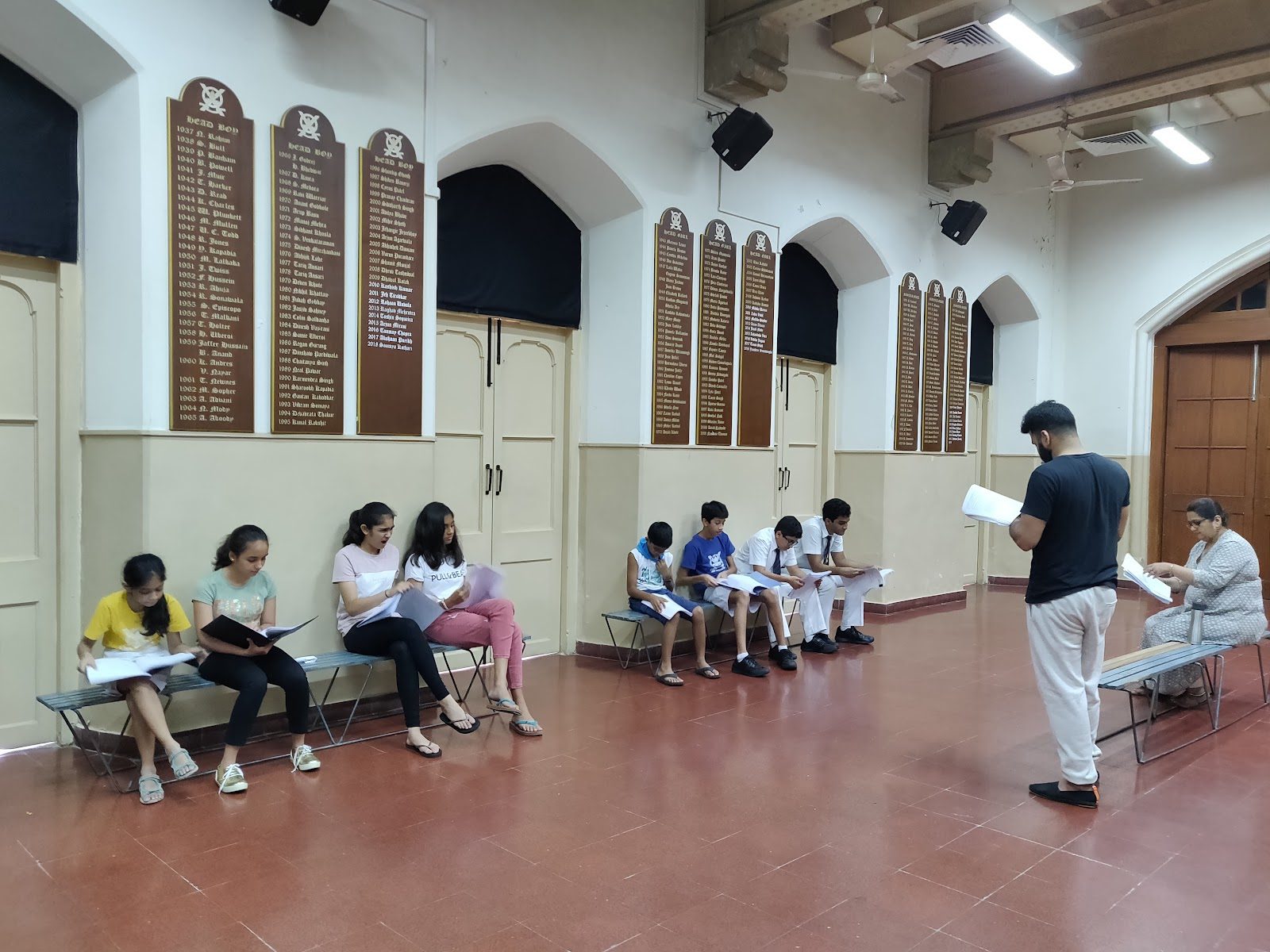
The Cathedral and John Connon School
Mumbai · India
Founded in 1860 to sing for a 300-year-old cathedral, now pairing IB rigor with India's original student-run Model UN in Fort Mumbai.
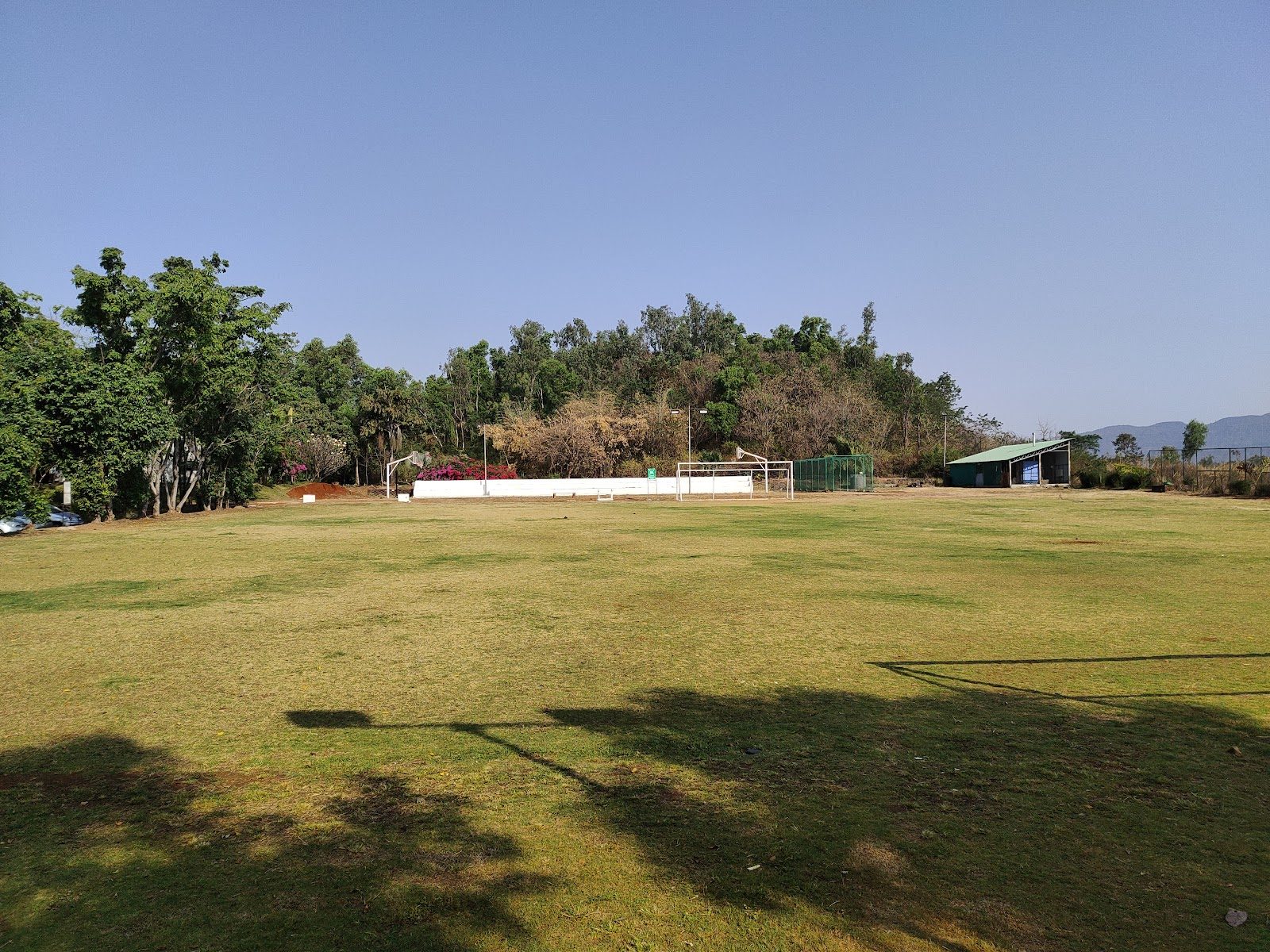
UWC Mahindra College
Pune · India
South Asia's only United World College, its 170-acre Western Ghats campus reforested tree by tree by its own students.
The Doon School
Dehradun · India
At the Himalayan foothills since 1935, this all-boys boarding school helped launch India's post-independence mountaineering movement.
Same country and curriculum — closest matches within ±10 points either way