
Berlin
John F. Kennedy School Berlin
medium confidence· 4/6 cats · 3.14 avg sourcesA Cold War creation in Zehlendorf where German and American students still share classrooms toward dual diplomas, tuition-free.
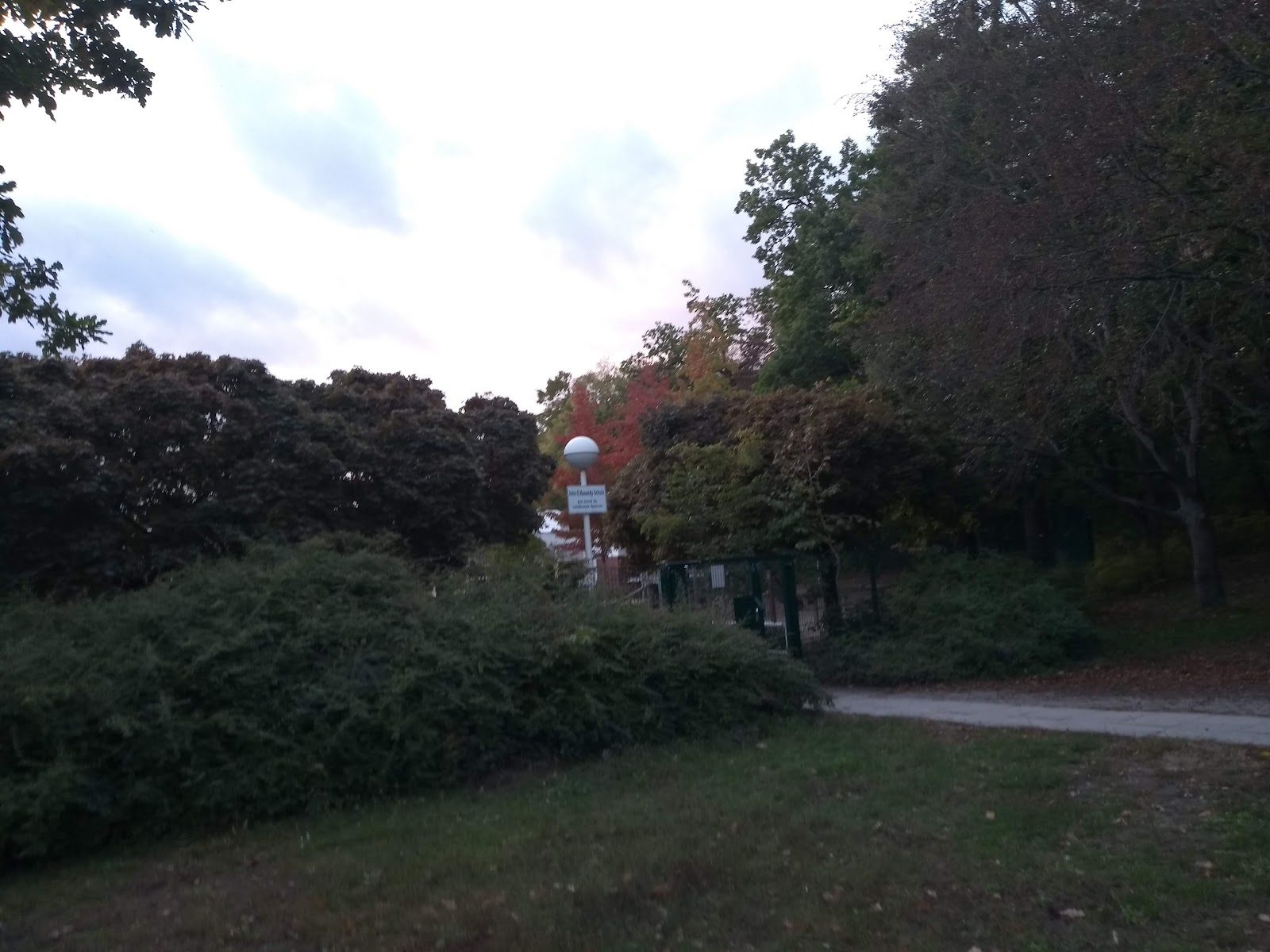
Photo © Flo via Google Maps
Type
Day
Ages
5–18
Curriculum
German · American
Ratio
—
The Verdict
Editor's commitment
Right for
Families who want a rare German-American education in Berlin: dual curricula, English and German teaching, and no tuition fees.
Wrong for
Parents chasing a narrow academic hothouse, small classes below 25, or boarding; this is a secular day school for ages 5–18.
Watch out for
Founded in 1960 and MSA-accredited, JFKS trades on history; recent destinations include Allegheny, Baylor and AMDA, not a prestige parade.
Ranking breakdown
John F. Kennedy School Berlin · #336 of 1591
Composite score 72.7. 8 weighted criteria.
By criterion
Academic Outcomes
Weight 20%
#333
of 1529 scored
University Placement
Weight 16%
#354
of 1529 scored
Prestige & Heritage
Weight 12%
#392
of 1571 scored
Alumni Network
Weight 12%
#241
of 1530 scored
Facilities
Weight 12%
#416
of 1533 scored
Transparency & Communications
Weight 8%
#456
of 1532 scored
Peer & Industry Review
Weight 10%
#485
of 1548 scored
Admissions Selectivity & Demand
Weight 8%
#282
of 1529 scored
Score history
John F. Kennedy School Berlin · 2026
Movement across 2024–2026. Peer average overlaid.
Overall — 2024–2026
72.7/ 100
▲ +20.9 vs 2025
year on year
Peer & Industry Review
How John F. Kennedy School Berlin is regarded in the sector
65
Respected · medium confidence
The John F. Kennedy School (Berlin) is widely recognized as one of Germany's premier public bilingual German-American schools, frequently cited in German press (e.g., Der Tagesspiegel, Berliner Zeitung) as a highly sought-after, selective institution, and it regularly appears in expat-parent forums (Toytown Germany) as a top choice for bilingual education in Berlin. It lacks presence in international private-school rankings like Tatler or Good Schools Guide since it functions as a public Gymnasium, but its long history (founded 1960), diplomatic-community ties, and notable alumni give it solid regional standing.
Evidence sources
Editors' overview
John F. Kennedy School Berlin occupies a niche no other Berlin school matches cleanly: a 1960 Cold War institution built for shared German-American education, still running a genuinely binational model rather than an international-school imitation of one. Children work in English and German, study within both German and American curricular structures, and finish in a setting designed around dual academic routes. That matters. Many schools promise internationalism; JFKS delivers it in the timetable, the language mix and the composition of the classrooms. The other decisive point is price: tuition-free. In a city where international education is often expensive, that single fact gives JFKS a market position of rare public value.
What puts it on a shortlist is not polish or exclusivity, but substance. This is a secular day school for ages 5–18 with average class sizes of 25, and it carries Middle States Association accreditation alongside its German-American identity. The appeal lies in the school’s serious bicultural core: students do not sit in a monolingual bubble with occasional cultural add-ons, but in a school built around two languages and two educational traditions. For internationally minded families, German families who want strong English-language fluency without leaving the state system, and American or mixed-nationality families who want a firm Berlin anchor, that is a compelling proposition. It also gives students a daily education in code-switching, institutional navigation and cultural confidence that many glossy international schools talk about but do not structurally enforce.
The trade-off is clear. JFKS is not the choice for families chasing boutique facilities, a luxury campus experience or the social insulation that comes with high-fee private schools. Its draw is earned distinction, not glamour. The school suits academically solid, adaptable students who can handle bilingual instruction, mixed expectations and a community that is more civic than curated. It will especially suit children from binational households, returnee families, and students who want pathways that keep both Germany and the US in play. For the right child, JFKS offers a rare sense of purpose: not international schooling as lifestyle branding, but international schooling with history, structure and teeth.
Academic Performance
JFKS does not publish the kind of headline performance data that let parents place a school quickly against Berlin’s stronger academic competitors. We have not seen aggregate SAT or ACT results, no school-wide AP score profile is in the public domain, and the school does not foreground a clean annual destination pattern beyond a very short list. That leaves an opaque results picture at the level where comparison matters most. For a school with an American strand, that is a real weakness: families weighing it against fee-charging international schools will find far less exam transparency than they should expect. The absence of published top-line outcomes does not equal weak attainment, but it does leave parents to rely on anecdote and fit rather than hard benchmarking.
What can be said with confidence is narrower. The school’s dual-track structure gives students access to external endpoints recognised in both systems, which is genuinely valuable for families keeping university options open across borders. The published university list is too thin to support grand claims; one place each at Allegheny, AMDA and Baylor tells you only that graduates do move into US higher education, not how deep or selective that pipeline runs. Relative to peers, JFKS sits in a credibility-rich but data-poor position: academically serious in conception, but strikingly undemonstrative in the way it presents outcomes. For exacting parents, that is the central academic story.
Facilities
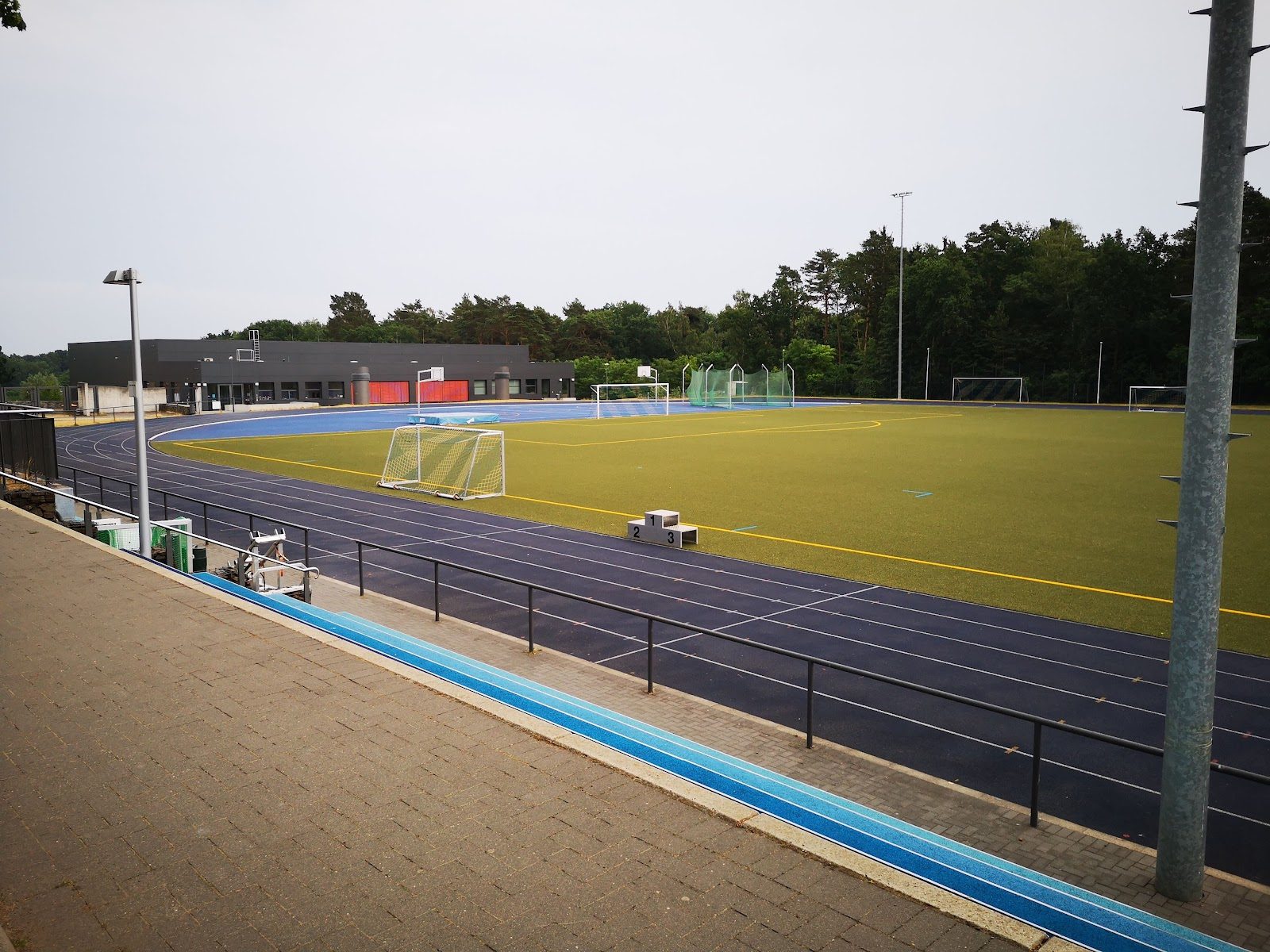
Facilities are not the reason to choose JFKS, and that is the essential benchmark point. Against Berlin’s high-fee international schools, it does not compete on spectacle: no lavish sports complex, no resort-style campus language, no impression of built environment as sales tool. What matters here is functional range for a full age-span school and the institutional advantages of a long-established public model. Families can expect the core academic infrastructure, specialist rooms needed for secondary teaching, sports provision that serves the daily programme, and the practical assets of a school built for sustained use rather than curated display. The average class size of 25 also tells its own facilities story: spaces are designed for normal cohort teaching, not seminar-style intimacy.
That places JFKS in a sturdy rather than glossy bracket. Relative to premium peers, it lacks the showpiece edge in architecture and campus extras that now dominate much of the international-school market. Relative to local state options, the bar is stronger because the school serves an international and binational constituency that expects coherent provision across the age range. Parents who need first-rate theatres, elite aquatics or cutting-edge maker spaces should look elsewhere. Parents who care more about whether classrooms, subject spaces and communal areas support a serious school culture will find a plain but credible setup. The facilities case, in short, is one of utility over theatre — honest infrastructure for families buying into mission, not amenities.
The absence of published top-line outcomes does not equal weak attainment, but it does leave parents to rely on anecdote and fit rather than hard benchmarking
Prestige
Prestige here rests on distinctiveness and selectivity of model, not on luxury, social cachet or a stream of publicised elite placements. In Berlin, JFKS carries a serious civic prestige because it does something few schools do with any conviction: it puts German and American students in the same classrooms and makes that binational structure the point of the institution rather than a decorative claim. That gives it institutional weight with families who value substance over status display. The tuition-free element sharpens that standing. In a market where international education often functions as a fee-filtered badge, JFKS has the opposite aura: hard-won credibility attached to access, public purpose and academic seriousness. Average class sizes of 25 do not buy exclusivity; they reinforce that this is a real school, not a boutique product.
That said, prestige here has limits, and they matter. This is not a school with the finished glamour of the top-fee tier, nor does it publish the kind of outcomes data that convert respect into unquestioned academic prestige. Among informed families, its name carries historical resonance and a reputation for a demanding bicultural education. Among prestige-conscious parents chasing brand polish, visible wealth or a conveyor belt to the most selective universities, it has less pull. The verdict is clear: JFKS offers earned distinction, not elite sheen. Its strongest prestige lies with parents who know exactly why a dual-system education matters.
Prestige here rests on distinctiveness and selectivity of model, not on luxury, social cachet or a stream of publicised elite placements
Communications
Communication at JFKS carries the strengths and weaknesses of a school with a public-service backbone rather than a polished private-school front end. Parents get the essential channels: a functioning website, routine notices, calendar information, practical documents and the institutional basics needed to navigate school life. That matters, because a school serving families across two national traditions needs clarity, not flourish. The tone is workmanlike rather than warm, and the public-facing presentation lacks the high-gloss discipline that fee-paying competitors now treat as standard. There is little sense of communications being used to sell a lifestyle. That is refreshing. It also means families used to concierge-style responsiveness, slick parent portals or heavily curated storytelling will find the experience plain-spoken and at times bureaucratic.
Effectiveness, then, depends on what a parent wants. For day-to-day functioning, JFKS clears the bar: parents can find what they need, key structures are visible, and the school does not bury its identity under marketing varnish. Where communication is weaker is strategic transparency. The school is not strong at publishing the kind of academic outcome data, comparative indicators and sharply edited institutional narrative that help parents judge performance fast. In communications terms, that leaves a credibility gap: the school asks families to trust the substance of the model without always making the evidence easy to digest. For committed parents who value seriousness over polish, that is manageable. For hard-nosed international-school shoppers, it is a real handicap.
Uniqueness
What no other Berlin school matches with the same clarity is JFKS’s operating logic: this is not an international school with a German add-on, and not a local school with stronger English. It is a school built around shared classrooms for German and American students, with both groups moving through one institution rather than parallel national silos. That creates a rare institutional mix with real educational force. Children learn early that fluency is not just linguistic but social and academic: how to read two sets of expectations, work across different classroom habits, and handle disagreement without retreating into one cultural camp. The result is deeper internationalism than the usual flags-and-food-festival version.
The other unusual feature is access. In a market where international schooling often functions as a price screen, JFKS offers this binational model tuition-free. That changes the social texture of the school and gives students contact with a broader range of families than many fee-paying peers allow. It also strips away the illusion that expensive automatically means better. Students gain something more durable: bicultural ease, resilience in mixed settings, and a practical sense that education can be serious without being exclusive. For the right family, that is an exceptional public asset. The trade-off is plain too: this model asks for adaptability, tolerance for complexity and a child who can thrive without hand-holding.
Children work in English and German, study within both German and American curricular structures, and finish in a setting designed around dual academic routes
Student Profile
The right student for JFKS is comfortable living between systems rather than demanding that a school simplify everything for them. This suits children from binational homes, internationally mobile families with one foot in Germany and one in the US, and locally rooted families who want a more outward-facing peer group without buying into private-school culture. Socially, the fit is for students who can handle classrooms where difference is normal and where identity is less curated than negotiated day by day. That produces a cohort with a serious bicultural instinct: students who listen well, adjust quickly and do not need constant reassurance when expectations shift. Children who need a tightly managed environment, heavy pastoral cushioning or a socially homogeneous crowd will find the place demanding in the right way but still demanding.
Academically, it suits solid independent workers more than fragile high-achievers who rely on coaching at every step. With average classes of 25, students need enough confidence to speak up, enough discipline to keep pace, and enough resilience to cope when the school feels more institutional than intimate. The strongest fit is a child who values substance over display and can thrive in a community that is civic rather than cosseted. Ambitious students can do well here, but the school does not flatter them with boutique attention or prestige theatre. It works best for young people with thick skin, intellectual stamina and a genuine appetite for cross-cultural daily life, not for families shopping for polish.
Many schools promise internationalism; JFKS delivers it in the timetable, the language mix and the composition of the classrooms
Co-curricular strengths
Arts & sport, on a separate axis
Overall 8.2/10
Scored 0-10 from the school's own published evidence. This axis is editorial-only — it does not feed the main WTS ranking.
Sports
8.5/10
Explicitly names Basketball and Soccer.
Drama
8/10
Drama productions, which goes beyond a bare mention of drama by evidencing active staged output, but gives no named theatre, department, or recurring production detail.
Dance
7.5/10
Music
8.5/10
Names Choir, Concert band, and Jazz band, showing multiple structured music ensembles.
Visual Arts
8.5/10
Editor first-pass · editor-reviewable · 7/27/2026
Outcomes & destinations
Where students go next
Top destinations
102 placements
- Allegheny College· 1
- American Musical and Dramatic Academy· 1
- Baylor University· 1
- Bennington College· 1
- Berklee College of Music· 1
- Brown University· 1
- Cedarville University· 1
- Columbia University· 1
- Georgia Institute of Technology· 1
- Grand Valley State University· 1
- Harvard University· 1
- Longwood University· 1
- Michigan State University· 1
- Northern Virginia Community College· 1
- New York University· 1
- North Carolina State University· 1
- Northeastern University· 1
- Northwestern University· 1
- Ohio University· 1
- Pennsylvania State University· 1
- Pratt Institute· 1
- Queens College—CUNY· 1
- Rose-Hulman Institute of Technology· 1
- Rutgers University· 1
- St. John Fisher University· 1
- State University of New York—Buffalo· 1
- State University of New York—Oneonta· 1
- The Art Institute of Chicago· 1
- Towson University· 1
- United States Army· 1
- University of Chicago· 1
- University of Florida· 1
- University of Maryland· 1
- University of Rochester· 1
- University of Texas—San Antonio· 1
- Washington University in St. Louis· 1
- Bard College Berlin· 1
- Berlin School of Economics and Law· 1
- Berlin Technical University· 1
- Braunschweig University of Art· 1
- BSP Business and Law School· 1
- CBS International Business School· 1
- Friedrich-Alexander University· 1
- Friedrich Schiller University· 1
- Free University Berlin· 1
- Hamburg University of Applied Sciences· 1
- Hochschule 21· 1
- Humboldt University Berlin· 1
- Karlsruhe Institute of Technology· 1
- Leuphana University Lüneburg· 1
- Ludwig-Maximilians-University Munich· 1
- Philipps-University Marburg· 1
- RWTH Aachen· 1
- SAE Institute Berlin· 1
- SRH University of Applied Sciences· 1
- Technical University Dresden· 1
- Technical University Munich· 1
- University of Bonn· 1
- University of Freiburg· 1
- University of Göttingen· 1
- University of Hamburg· 1
- University of Heidelberg· 1
- University of Mannheim· 1
- University of Potsdam· 1
- Amsterdam University College· 1
- Amsterdam University of Applied Sciences· 1
- Eindhoven University of Technology· 1
- Erasmus University College· 1
- Erasmus UC/Willem de Koonig Academy· 1
- Erasmus University Rotterdam· 1
- Delft University of Technology· 1
- Leiden University· 1
- Leiden University College, The Hague· 1
- Maastricht University· 1
- NHL Stenden University of Applied Sciences· 1
- Rotterdam School of Management· 1
- Tilburg University· 1
- University College Groningen· 1
- University College Maastricht· 1
- University College Roosevelt· 1
- University of Amsterdam· 1
- Utrecht University· 1
- Vrije University Amsterdam· 1
- University of Applied Sciences Upper Austria· 1
- University of Vienna· 1
- Memorial University· 1
- University of British Columbia· 1
- American University of Paris· 1
- Institut Français de la Mode· 1
- University College Cork· 1
- University College Dublin· 1
- University of Galway· 1
- New York Film Academy· 1
- ETH Zurich· 1
- King’s College London· 1
- Mountview Academy of Theatre Arts· 1
- University of Edinburgh· 1
- University of Glasgow· 1
- University of Leeds· 1
- University of Oxford· 1
- University of Stirling· 1
- University of Strathclyde· 1
Reported by the school. Confirm with admissions.
Strengths
- +As a local public school under Berlin's education system, JFKS charges no tuition, unlike most bilingual or American-curriculum schools in the city.
- +Since 1972 the school has offered the German Abitur alongside the option to complete a US high school diploma, including a comprehensive Advanced Placement program.
- +Bilingual instruction in English and German begins at the Entrance Class and continues through every grade, with German and American children learning together.
- +The school is long-established, founded in 1960, and now enrolls approximately 1,600 students across a full K-12 program in Berlin-Zehlendorf.
- +Governance is shared between a US-appointed principal and a German-appointed director, with an educational directorate including US Embassy and Berlin Senate representatives.
Considerations
- −Admission to the Entrance Class and grades 1-12 requires proof of registered residency within Berlin city limits, closing the door to families not yet locally based.
- −Demand far exceeds supply: the school receives hundreds of applications per grade level with only a limited number of places, and space-available admission is not guaranteed.
- −Non-German, non-American applicants are only considered for grades 7-12, and only when no German or American family remains on the waiting list, making entry very difficult for other nationalities.
- −All newly admitted students face a probationary period, one year in elementary school and one semester in the secondary grades, before their place is confirmed.
Availability
Primary entry gate & tests
Residency/nationality + records + language/assessment
Gallery
Photo © Oliver Wiesmann via Google Maps
Photo © Flo via Google Maps
Photo © Oliver Wiesmann via Google Maps
Photo © Oliver Wiesmann via Google Maps
Photo © Flo via Google Maps
Photo © Flo via Google Maps
Photo © Flo via Google Maps
Photo © Robert Morrice via Google Maps
Photo © Peter-Michael Wilde via Google Maps
Parent reviews
Have you sent your child here?
Voice reviews carry the strongest trust badge — we transcribe them for you to tidy up before they go live. Prefer to type? A written review is fine too.
Add your voice
In 60 seconds, tell other parents: what's the best thing about John F. Kennedy School Berlin, and what surprised you when your child joined?
We ask for a Google sign-in so every review has a real face behind it — no anonymous drive-by attacks on schools, and no faked positive reviews. Your email is never shown publicly.
Send this profile to a friend
International parents rely on word-of-mouth. Share this review with someone weighing the same decision.
Schools with places
Similar schools to John F. Kennedy School Berlin with places available now.
Munich International School
Starnberg · Germany
- 2026-27
- WAITPOOLSpace-dependent
- 2027-28
- PLACES OPENRolling
Frankfurt International School
Frankfurt · Germany
- 2026-27
- WAITPOOLSpace-dependent
- 2027-28
- PLACES OPENRolling
Schule Schloss Salem
Salem · Germany
- 2026-27
- WAITPOOLVacancy-dependent
- 2027-28
- WAITPOOLVacancy-dependent / Rolling
International School of Düsseldorf
Düsseldorf · Germany
- 2026-27
- WAITPOOLSpace-dependent
- 2027-28
- PLACES OPENRolling
Availability first, then country, area, curriculum, price, co-curricular
Consider also
Also worth looking at alongside John F. Kennedy School Berlin.
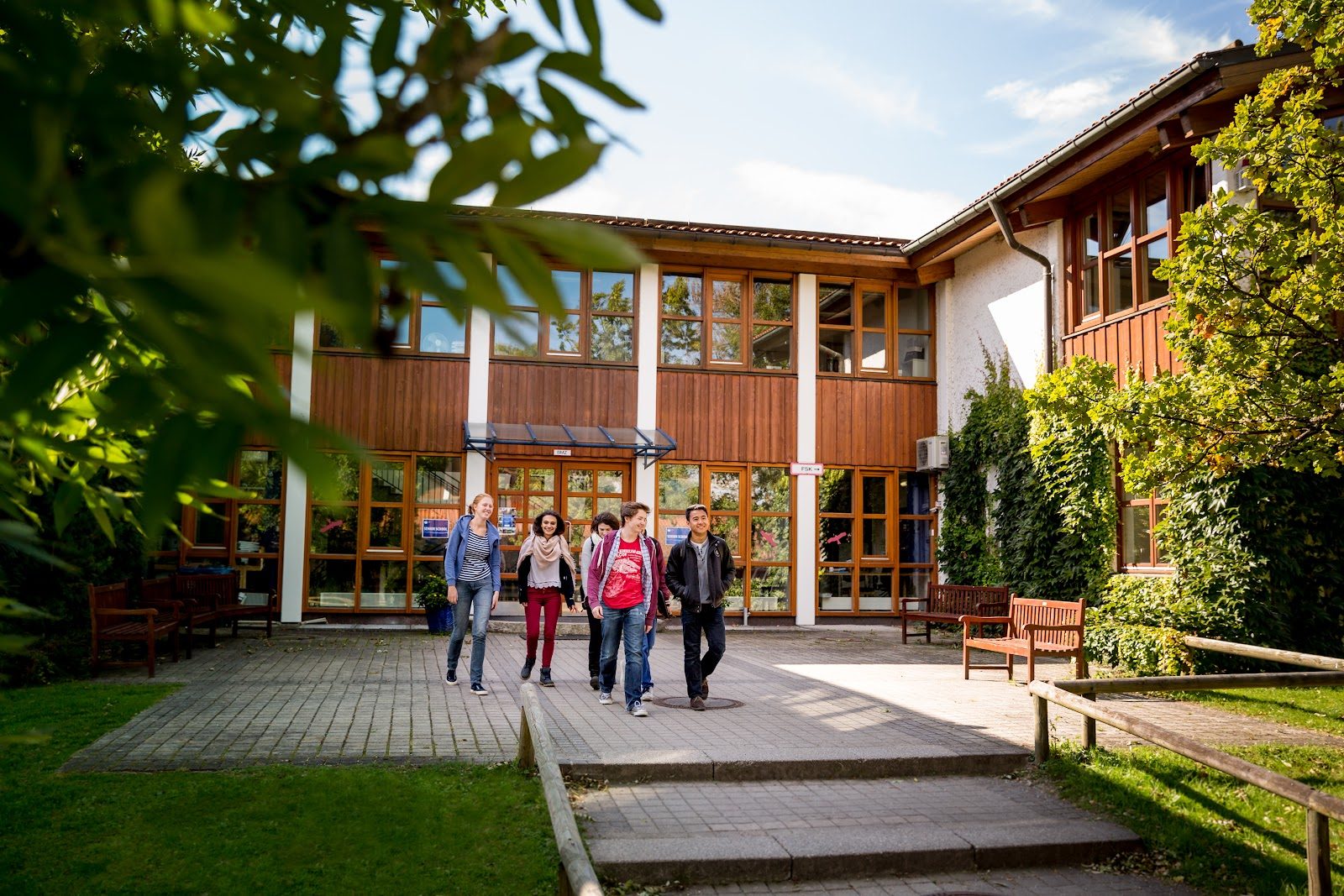
Munich International School
Starnberg · Germany
Housed in a former 1875 castle on Lake Starnberg, this Bavarian campus channels nearly every senior into the full IB Diploma.
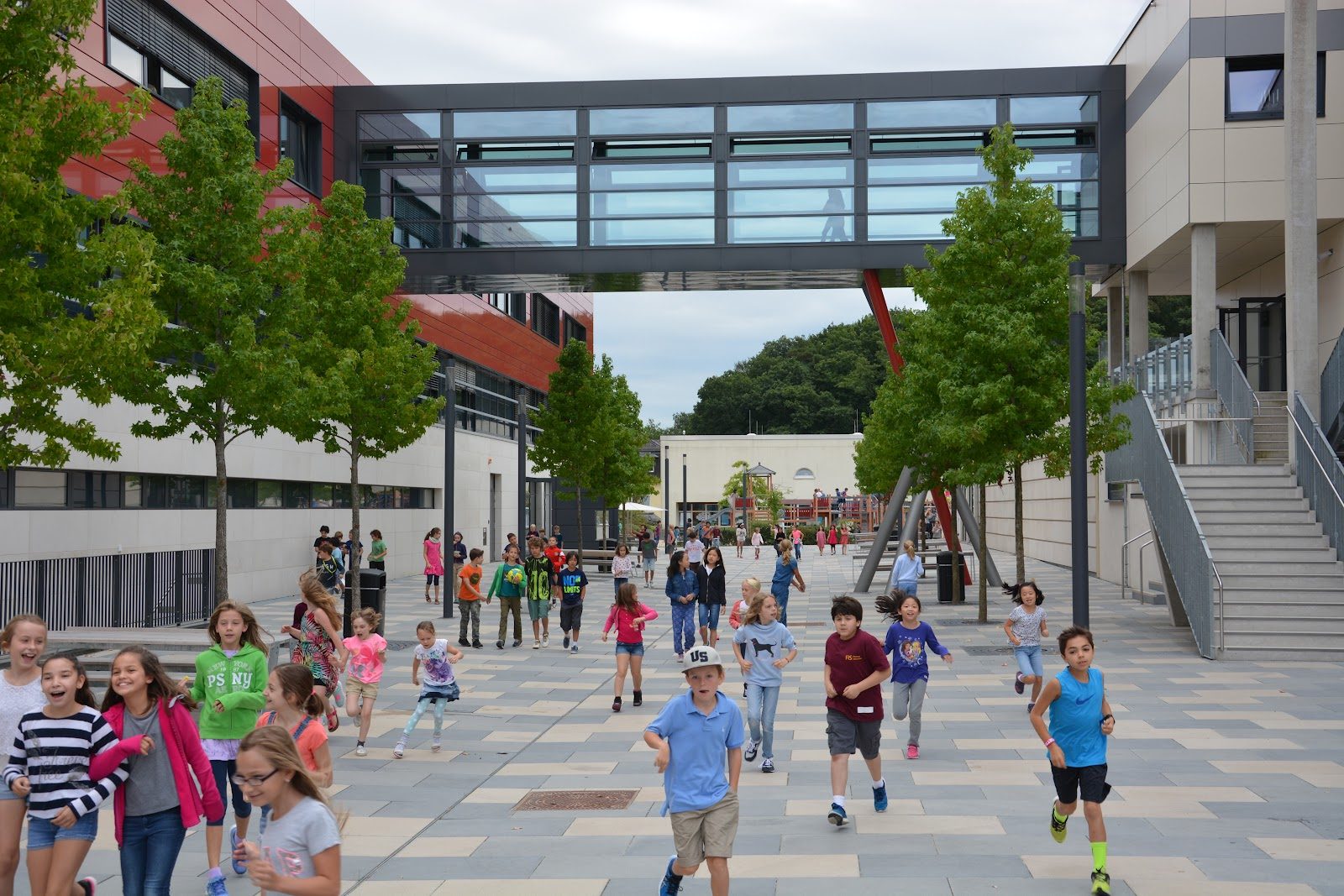
Frankfurt International School
Frankfurt · Germany
A founding member of the International Baccalaureate since the 1960s, still shaping the diploma from its Taunus forest campus.
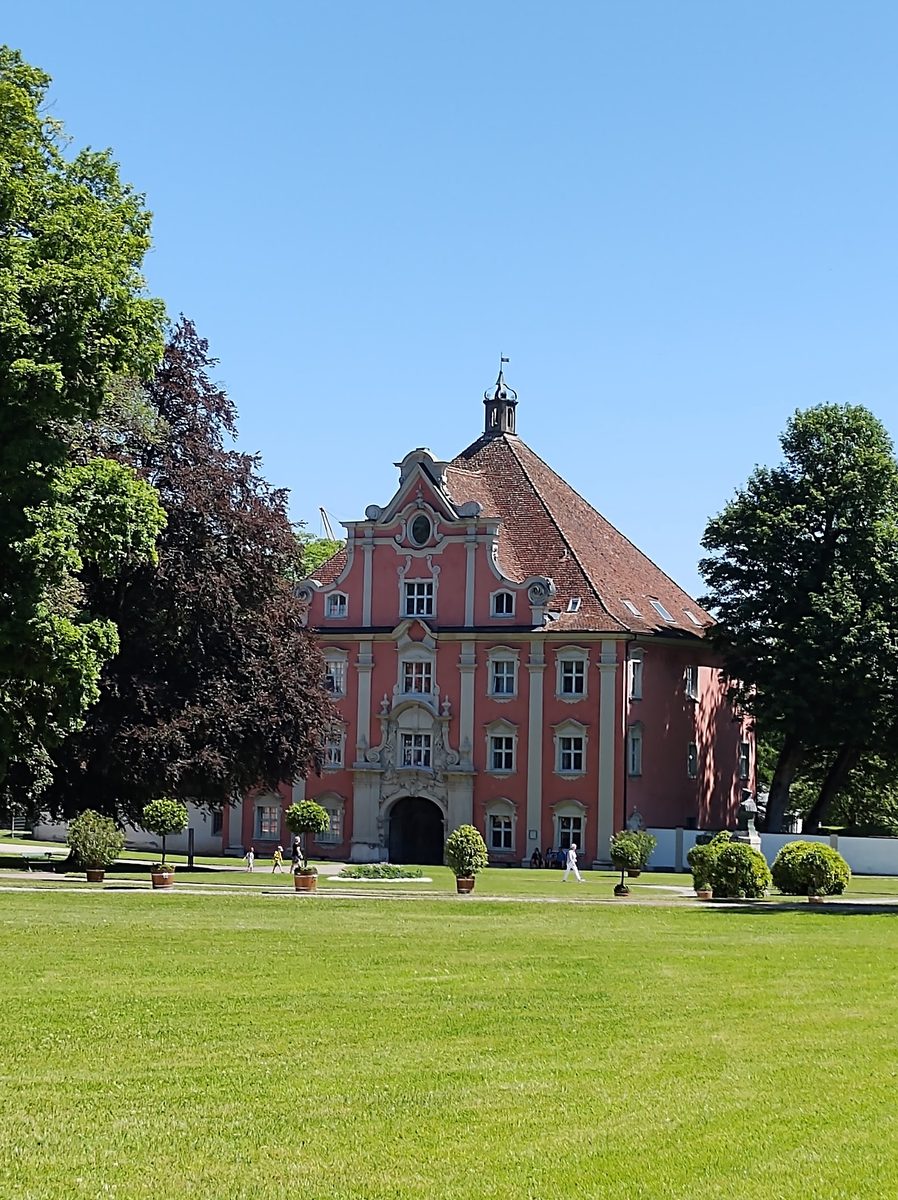
Schule Schloss Salem
Salem · Germany
Kurt Hahn's founding creed of head, heart and hand still means mandatory fire-brigade duty inside a former Cistercian monastery on Lake Constance.
Berlin Brandenburg International School
Kleinmachnow · Germany
Set on a forested campus between Berlin and Potsdam, this day school runs the full IB continuum for students from 60-plus nations.
Same country and curriculum — closest matches within ±10 points either way