
New South Wales
Since 1888, this non-selective Croydon campus has grown from a department-store heir's mansion into a Round Square day and boarding school for girls.
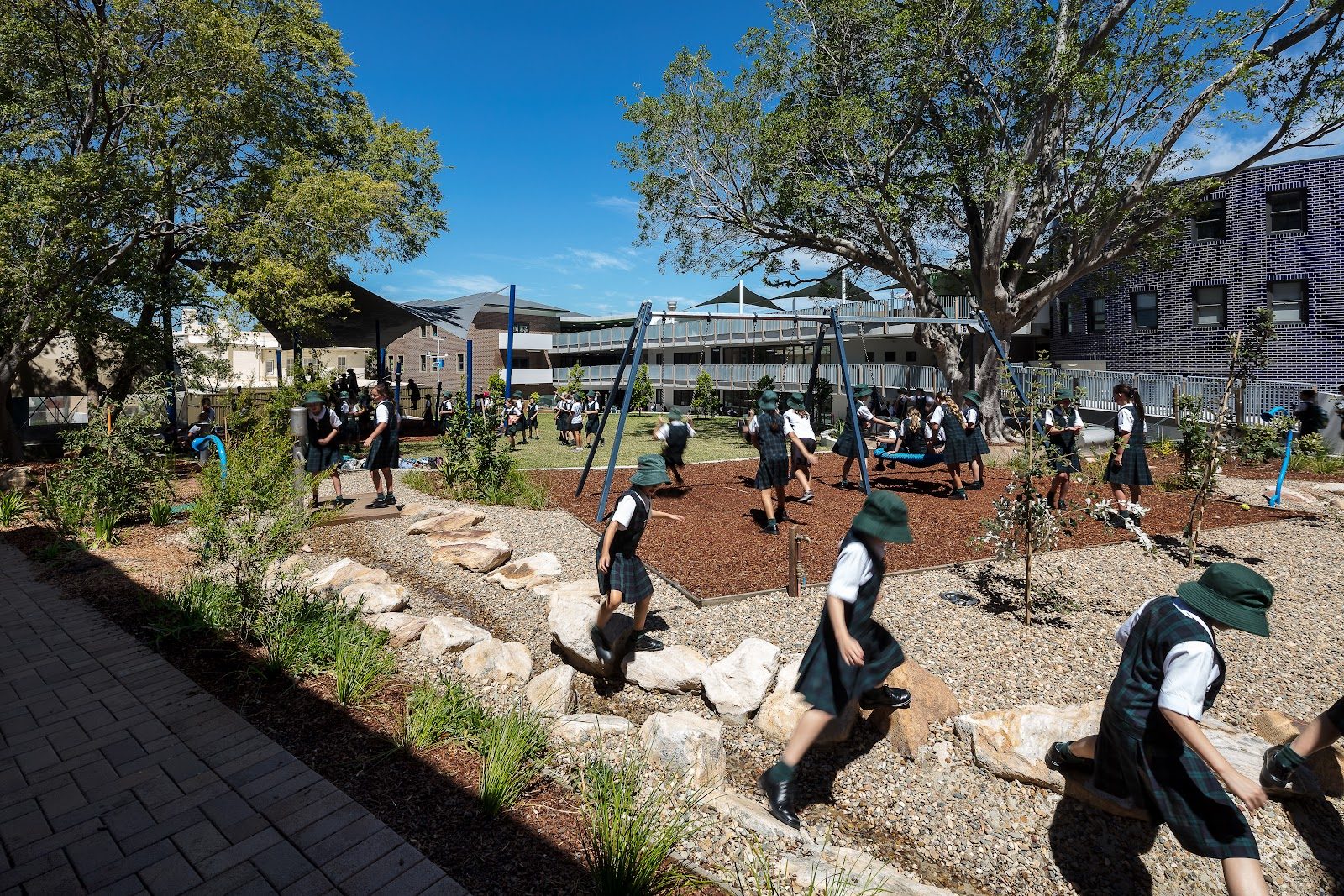
Photo © PLC Sydney via Google Maps
Type
Both
Ages
3–18
Curriculum
Australian
Qualifications
HSC · IB Diploma
Ratio
—
The Verdict
Editor's commitment
Right for
Girls aged 3–18 who want a Presbyterian, non-selective Croydon school with day and boarding options and a clear Australian curriculum.
Wrong for
Families wanting co-education, a secular ethos, or an IB or British pathway; PLC Sydney teaches in English and sticks to Australian schooling.
Watch out for
AHISA and AHIGS membership signals established independent-school networks, not academic transparency; PLC Sydney does not publish aggregate exam outcomes here.
Ranking breakdown
Presbyterian Ladies' College Sydney · #270 of 1591
Composite score 72.7. 8 weighted criteria.
By criterion
Academic Outcomes
Weight 20%
#334
of 1529 scored
University Placement
Weight 16%
#354
of 1529 scored
Prestige & Heritage
Weight 12%
#377
of 1571 scored
Alumni Network
Weight 12%
#234
of 1530 scored
Facilities
Weight 12%
#406
of 1533 scored
Transparency & Communications
Weight 8%
#456
of 1532 scored
Peer & Industry Review
Weight 10%
#480
of 1548 scored
Admissions Selectivity & Demand
Weight 8%
#282
of 1529 scored
Peer & Industry Review
How Presbyterian Ladies' College Sydney is regarded in the sector
78
Strong · medium confidence
PLC Sydney is consistently ranked among Australia's top academic girls' schools in HSC performance league tables (e.g., Sydney Morning Herald/Better Education HSC rankings), and is widely recognised in Sydney's competitive independent girls' school sector alongside SCEGGS, Ascham and MLC. It has a long-established, prominent alumni network (including notable Australian public figures) frequently referenced in Australian press profiles of old-girl networks, though it receives less specialist international press coverage (Tatler, Good Schools Guide) than UK-focused institutions.
Evidence sources
Editors' overview
Presbyterian Ladies’ College Sydney occupies a clear niche in the Sydney market: an established Protestant girls’ school with real scale, a full age range from 3–18, and boarding from Year 7 on a 4.4-hectare Croydon campus. Founded in 1888, it trades on heritage but does not stop there. The practical differentiators are the breadth of provision, the visible investment in extension and enrichment, and an unusual academic wrinkle for Australia: alongside its declared Australian curriculum, the school has introduced Cambridge A-Levels in Years 11 and 12 as an alternative senior pathway. For families who want a girls’ school with institutional memory, serious breadth and more than one route through the senior years, PLC Sydney earns a place on the shortlist.
What marks it out is the range wrapped inside one campus. This is not a tiny finishing school and not a narrow academic hothouse. It has 1,550 students, 58 boarders and 46 nationalities represented, plus a public gallery, a long-running Futures Centre for extension, enrichment and support, and a conspicuously broad co-curricular offer in music, performing arts, sport, debating and service learning. The school talks in the language of confidence, articulation and leadership; the stronger point is structural. A large K–12 girls’ school can offer depth in subjects, ensembles, teams and specialist support that smaller schools struggle to sustain. Parents who want *a broad runway rather than a single track* will find that compelling.
The trade-off is obvious. Families looking for a small, intimate school with low-key ambition may find PLC Sydney too expansive and too busy. Heritage is part of the appeal, but the school’s self-presentation is polished and ambitious, and the operation has the feel of a substantial institution rather than a boutique community. Boarding exists, but this is not a boarding-led school in the old mould; with 58 boarders in a school of 1,550, boarding supports the wider day-school ecosystem rather than defining it. Academic outcomes matter here, but the school does not publish enough aggregate performance data in these sources to make a hard results-based case. Parents must buy into the wider proposition: breadth with structure, girls’ education with backbone, and a campus culture that rewards participation.
The student who will thrive at PLC Sydney is a girl who wants options and will use them: arts, sport, leadership, service, extension, boarding, and a conventional or alternative senior academic route. It suits families who value Christian foundation without wanting an austere environment, and girls who want a school with high tempo, visible tradition and room to grow into different versions of themselves over time. The best fit is not the child who wants anonymity or a minimalist school life. It is the student ready to step into a large, organised girls’ school and make full use of what is there.
Academic Performance
PLC Sydney wants parents to notice its external results, and the most concrete signal is the prominence it gives to its 2025 HSC results on the front of the site. That tells you academic performance matters to the school’s public case. What it does not do, in these sources, is publish the aggregate data that serious comparison requires: no ATAR distribution, no median ATAR, no share of top-band results, no subject-by-subject breakdown, and no A-Level outcomes from the new senior pathway. That leaves the school in an awkwardly opaque position for a family trying to place it against Sydney’s results-driven girls’ schools. There is enough here to confirm ambition; there is not enough to prove where PLC sits in the pecking order.
Relative to peers, the fit looks less like a narrow exam factory and more like a broad-band independent girls’ school that wants strong outcomes without reducing itself to a league-table machine. The Futures Centre, the extension language, and the scale of academic and co-curricular provision all point to a school investing in attainment and stretch. But investment is not the same as published evidence. In a market where the strongest academic schools make top-end outcomes easy to find, PLC’s limited disclosure is a real weakness. Parents who rank transparency highly should ask for hard numbers before treating the school as top-tier on results alone.
Facilities
The strongest facilities are the ones that widen daily school life beyond classrooms. The Adelaide Perry Gallery gives PLC a public-facing arts space that many peer schools do not have; that matters more than a generic “art room” because it puts student work beside exhibitions by professional Australian artists. The Futures Centre is another serious asset. The school calls it one of the longest-running programmes of its kind in Australia, and whatever one makes of the marketing gloss, a dedicated extension, enrichment and support hub signals real institutional investment in pupils who need stretch, scaffolding or both. Add the purpose-built preschool environment, outside-of-school-hours care, a dedicated gymnastics operation and swim provision, and the picture is of a campus built for full-spectrum schooling rather than a narrow senior-school experience.
Against peer independent girls’ schools, this is a strong, well-equipped offer, though not an obviously extravagant one. The campus grounds run to 4.4 hectares, which gives the school room to breathe in the inner-west context, but the public sources do not set out the kind of high-spec science, design or sports infrastructure that top-fee competitors now advertise aggressively. Parents can see depth in the arts, student support and all-through provision; they cannot yet see the same level of hard detail on labs, specialist senior facilities or boarding accommodation. That does not make the estate weak. It makes the public case selective and, in places, frustratingly thin.
Founded in 1888, it trades on heritage but does not stop there
Prestige
PLC Sydney carries real social and institutional standing in the Sydney independent-school market. The source of that prestige is not mystery or hype. It rests on durability, scale, a recognisable girls’ school identity, and the kind of infrastructure that marks out an established institution from a merely pleasant campus school. A pupil body of 1,550 gives it critical mass; a public gallery, specialist extension provision through the Futures Centre, and a substantial music and performing arts operation give that mass visible expression. The school’s affiliation with Round Square also matters. It places PLC in an international network that parents recognise, and it signals a version of prestige tied to leadership, service and outward-facing opportunity rather than raw selectivity alone. This is serious independent-school prestige, not flashy status consumption.
That said, prestige here has limits. PLC does not occupy the same rarefied academic ground as the most results-dominant girls’ schools, because the public case on outcomes remains thin. Nor does boarding define the school’s identity in the way it does at the old boarding heavyweights; 58 boarders tells its own story. Its prestige is broader and more social than intensely scholastic: well-established, well-connected, and plainly respected, but not untouchable. For families who want an old-line Protestant girls’ school with depth, confidence and institutional polish, that is a strong proposition. For families chasing the most hard-edged academic prestige in the market, the case is less complete.
In a market where the strongest academic schools make top-end outcomes easy to find, PLC’s limited disclosure is a real weakness
Communications
PLC Sydney communicates like a large, well-drilled institution. The website does the heavy lifting: admissions steps, tours, term dates, calendar, publications, event bookings, fees, transport, international enrolment, scholarships, news and multiple parent-facing entry points all sit in plain view. That breadth matters. Parents do not need to hunt for the basics, and the school has built clear lanes for different constituencies, from current families and boarders to international and Indigenous students. The volume of navigation is also the weakness. There are many doors into the same house, and the experience can feel busy, over-layered and at times institution-first rather than parent-first. For a school of this scale, that is manageable; for a new family, it adds friction.
The communication style is polished, frequent and outward-facing. News, events, publications and dedicated microsites for the gallery, ex-students and the Futures Centre create a strong sense of organisational life. Parents get visibility of what the school values: arts, enrichment, community, enrolment and public activity. That is effective brand communication. It is less effective where hard proof matters most. The homepage pushes 2025 HSC results, but the deeper academic data parents need for serious comparison is still absent. That gap weakens trust. The school communicates activity very confidently; it communicates outcomes too selectively. For families happy with a high-tempo, professionally managed school, the system works well. For parents who want crisp disclosure rather than polished signposting, it falls short.
Uniqueness
What gives PLC Sydney its own shape is the way it combines a proper all-through girls’ school with institutions inside the institution. The Adelaide Perry Gallery is not decorative branding; it puts student work into a public exhibition culture alongside professional Australian artists, which changes the status of the visual arts from classroom subject to lived practice. The Futures Centre does something similar on the academic side. A dedicated extension, enrichment and support arm with this kind of longevity gives the school a distinctive internal architecture: not just lessons and activities, but parallel systems for stretch, intervention and confidence-building. Add the school’s overseas tours and exchanges, Women in Enterprise, Talented Individual Program and a visible debating, music and service culture, and the offer is *deliberately broad rather than doctrinaire*.
That breadth brings real advantages to students who want range without fragmentation. A girl can move between scholarship, performance, sport, service and leadership without leaving the same institutional ecosystem. The public gallery sharpens artistic ambition; the enrichment structure catches both high attainers and those who need support; the senior years now include more than one academic route, which is rare by Australian school standards. The result is a school that does not force every student into one definition of success. For the right child, that produces serious room to grow — not in the abstract, but through concrete programmes, specialist spaces and a community with 46 nationalities and 58 boarders woven into daily life.
Parents who rank transparency highly should ask for hard numbers before treating the school as top-tier on results alone
Student Profile
The best fit at PLC Sydney is a girl who wants a busy, structured school life and will not hang back waiting to be noticed. This is a school for joiners: pupils who will take up music, drama, sport, debating, service, leadership or enrichment because the institution rewards participation and gives it status. The social profile is wider than the old shorthand for a Protestant girls’ school. The school itself points to 46 nationalities, and the presence of international and Indigenous student pathways signals a community with more range than a narrowly local intake. A student who likes clear routines, adult direction and a campus with many moving parts will do well here. A girl who wants a small-scale, low-noise environment will not.
Temperament matters as much as ability. PLC suits students who are comfortable in an all-girls setting that expects visibility, contribution and a degree of self-command. The Futures Centre, the Talented Individual Program and the separate support and extension language tell you the school caters for more than one kind of learner, from the ambitious high performer to the pupil who needs targeted scaffolding. Boarding adds another layer, but with only 58 boarders it does not dominate the social character. This is not a school for the wilfully anonymous or the chronically disengaged. It is for girls who can handle a high-expectation, opportunity-rich culture and make active use of it.
This is not a tiny finishing school and not a narrow academic hothouse
Co-curricular strengths
Arts & sport, on a separate axis
Overall 9.12/10
Scored 0-10 from the school's own published evidence. This axis is editorial-only — it does not feed the main WTS ranking.
Drama
9.2/10
Dance
9/10
Music
9.2/10
Visual Arts
9/10
Editor-verified · 8/6/2026

WTS 300 badge
Presbyterian Ladies' College Sydney is one of the World's Top 300 Schools. Claim your listing to add it to your site →
Strengths
- +Founded in 1888, PLC Sydney was the first school in NSW to be established by the Presbyterian Church, giving it a long, continuous institutional history.
- +The school has a non-selective enrolment policy and caters for approximately 1,500 girls from age 4 to 18, including day students and 65 boarders, making entry less test-driven than at academically selective rivals.
- +PLC Sydney reported 26 All-Rounders, four 99.90+ ATARs and 57.5% of Year 12 students above ATAR 90 in 2025, a strong result set for a non-selective cohort.
- +In 2025, Cambridge A-Levels were introduced as an alternative to the HSC in Years 11 and 12, giving families an internationally portable qualification option alongside the state curriculum.
- +Boarding is offered from Year 7 to 12 in a boutique house with up to 58 boarders, including single rooms for Year 12 students, suiting rural or relocating families wanting a smaller boarding community.
Considerations
- −The school is single-sex (girls only), which rules it out for families wanting a co-educational environment or wishing to enrol sons at the same campus.
- −Fees for local students at PLC Sydney are approximately $24,840 to $43,260 per year, depending on year level, a substantial and rising cost typical of Sydney's independent sector.
- −The College is currently experiencing high demand across future year groups and is heavily subscribed, and early application is encouraged to avoid disappointment as priority is given by the date of application, so places can fill years ahead even though entry is nominally non-selective.
- −PLC Sydney is located on five hectares of historic grounds and gardens in Croydon, 15 minutes west of the CBD, an Inner West location that means a longer commute for expat families settling on the North Shore or in the Eastern Suburbs.
Availability
Primary entry gate & tests
Academic Record + Interview (Girls)
Gallery
Photo © PLC Sydney via Google Maps
Photo © Ellen Yuen via Google Maps
Photo © Ellen Yuen via Google Maps
Photo © PLC Sydney via Google Maps
Photo © PLC Sydney via Google Maps
Parent reviews
Have you sent your child here?
Voice reviews carry the strongest trust badge — we transcribe them for you to tidy up before they go live. Prefer to type? A written review is fine too.
Add your voice
In 60 seconds, tell other parents: what's the best thing about Presbyterian Ladies' College Sydney, and what surprised you when your child joined?
We ask for a Google sign-in so every review has a real face behind it — no anonymous drive-by attacks on schools, and no faked positive reviews. Your email is never shown publicly.
Send this profile to a friend
International parents rely on word-of-mouth. Share this review with someone weighing the same decision.
Schools with places
Similar schools to Presbyterian Ladies' College Sydney with places available now.
The King's School (Parramatta)
Parramatta · Australia
- 2026-27
- WAITPOOLVacancy-dependent
- 2027-28
- PLACES OPEN
Ascham School
Sydney · Australia
- 2026-27
- WAITPOOLVacancy-dependent
- 2027-28
- PLACES OPEN
Pymble Ladies' College
Sydney · Australia
- 2026-27
- WAITPOOLVacancy-dependent
- 2027-28
- PLACES OPEN
Sydney Grammar School
Sydney · Australia
- 2026-27
- WAITPOOLYr 7 closed; Yrs 8-11 enquire
- 2027-28
- WAITPOOLYr 7 closed; Yrs 8-11 enquire
Availability first, then country, area, curriculum, price, co-curricular
Consider also
Also worth looking at alongside Presbyterian Ladies' College Sydney.
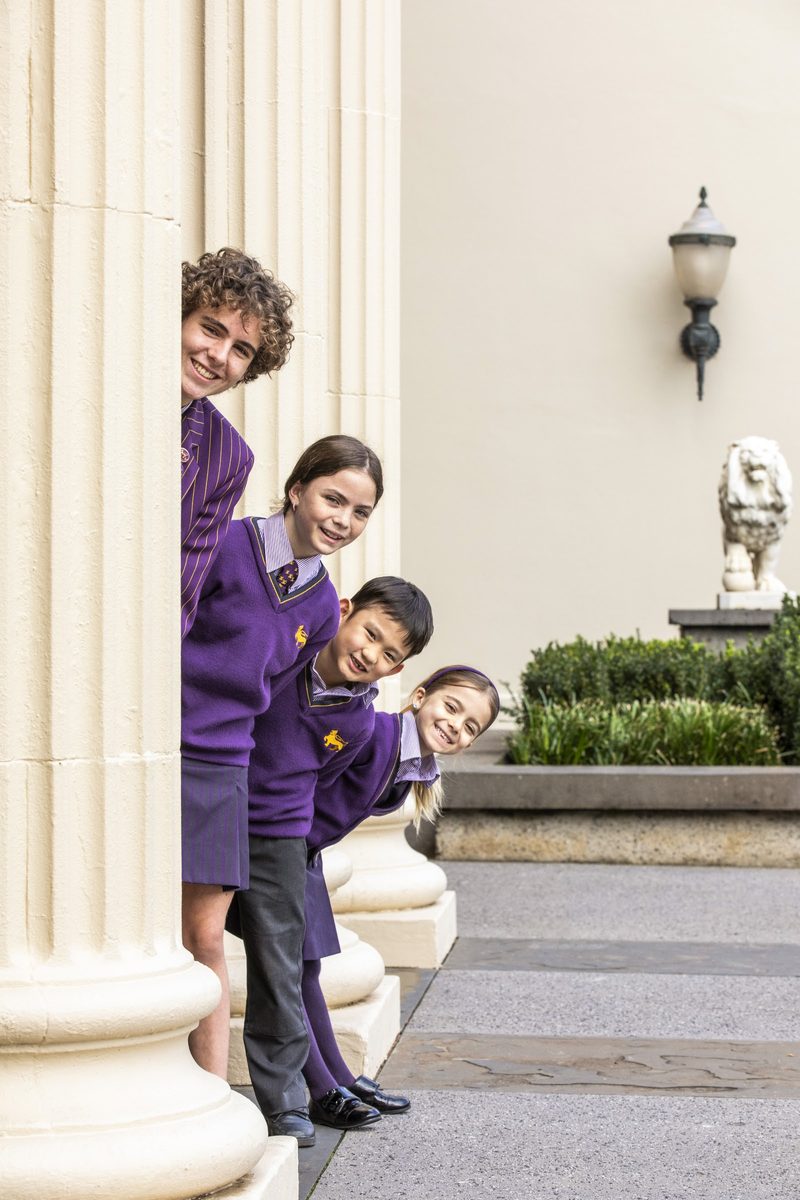
Wesley College
Melbourne · Australia
Runs the full IB continuum alongside VCE across three Melbourne campuses, reaching all the way to a studio school in the Kimberley outback.
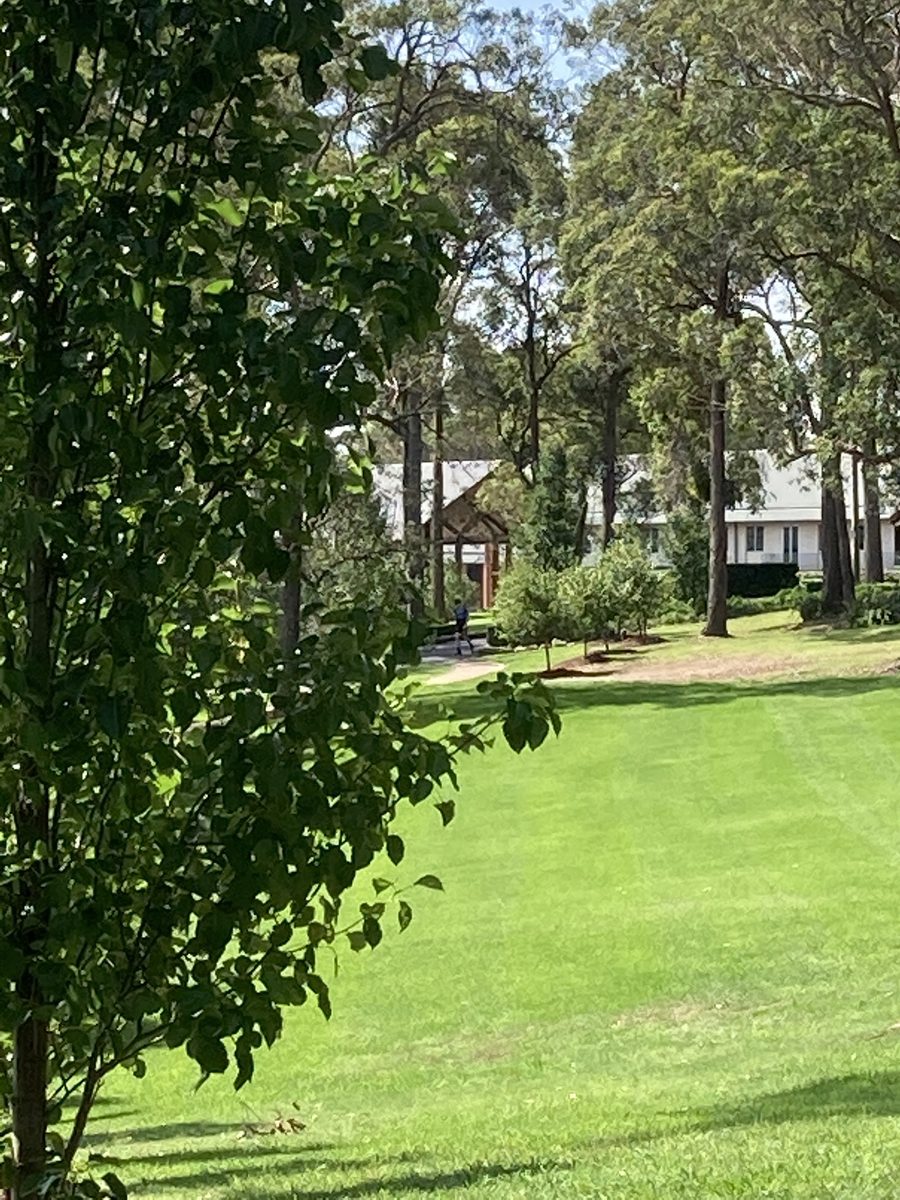
The King's School (Parramatta)
Parramatta · Australia
Australia's oldest independent school, where an 1831 foundation still marches in the country's oldest surviving military uniform and cadet corps.
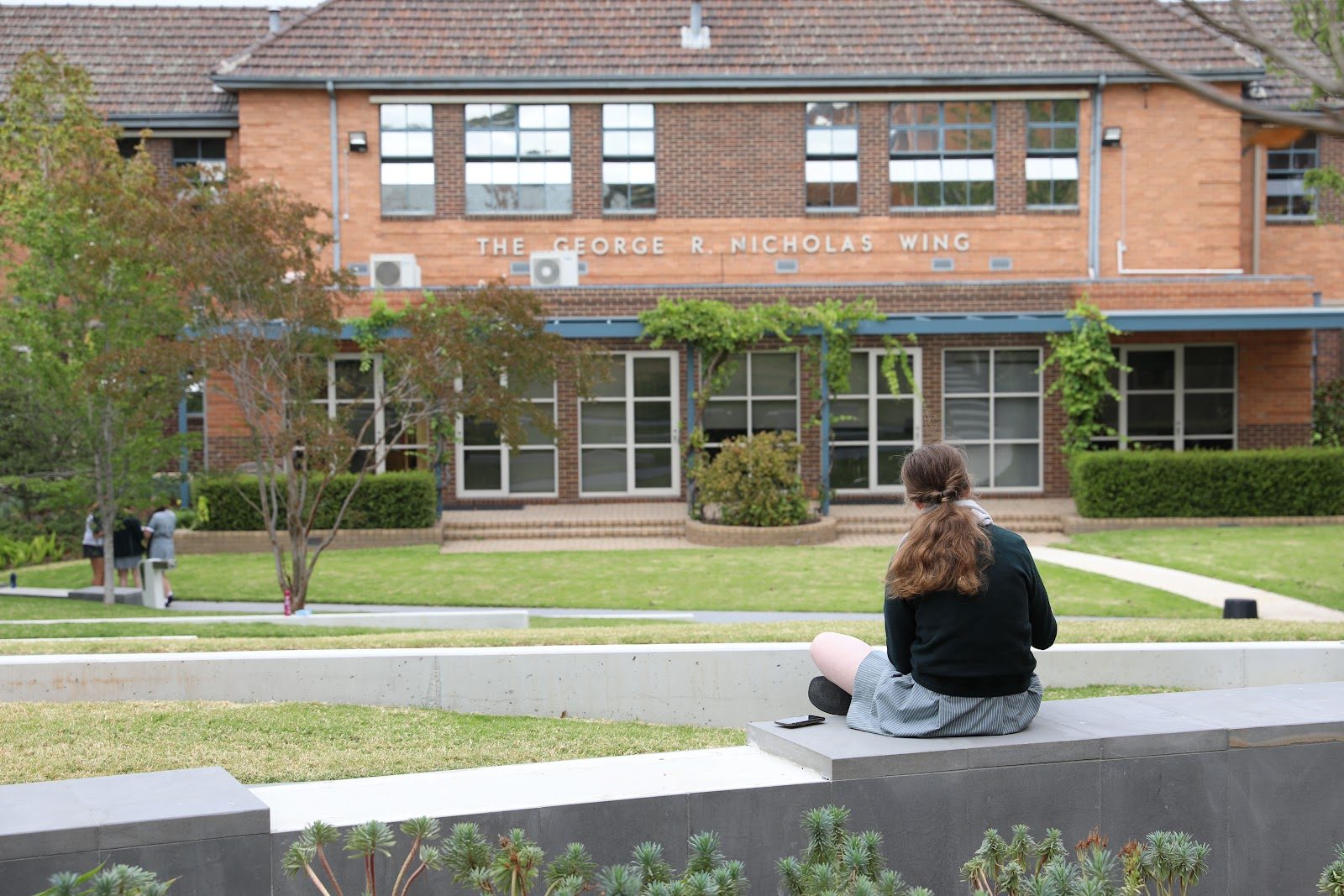
Methodist Ladies' College
Melbourne · Australia
First school worldwide to put laptops in every student's hands in 1990, now pairing deep VCE-IB choice with an eight-week Marshmead wilderness term.
Cranbrook School
Sydney · Australia
Sydney's first IB Continuum School, pairing Bellevue Hill harbour views with a Blue Mountains bush campus for experiential learning.
Same country and curriculum — closest matches within ±10 points either way