
Victoria
Founded by an Anglican parish vestry in 1902, this Kew school pairs single-sex schooling with Ruyton Girls' School co-ed classes.
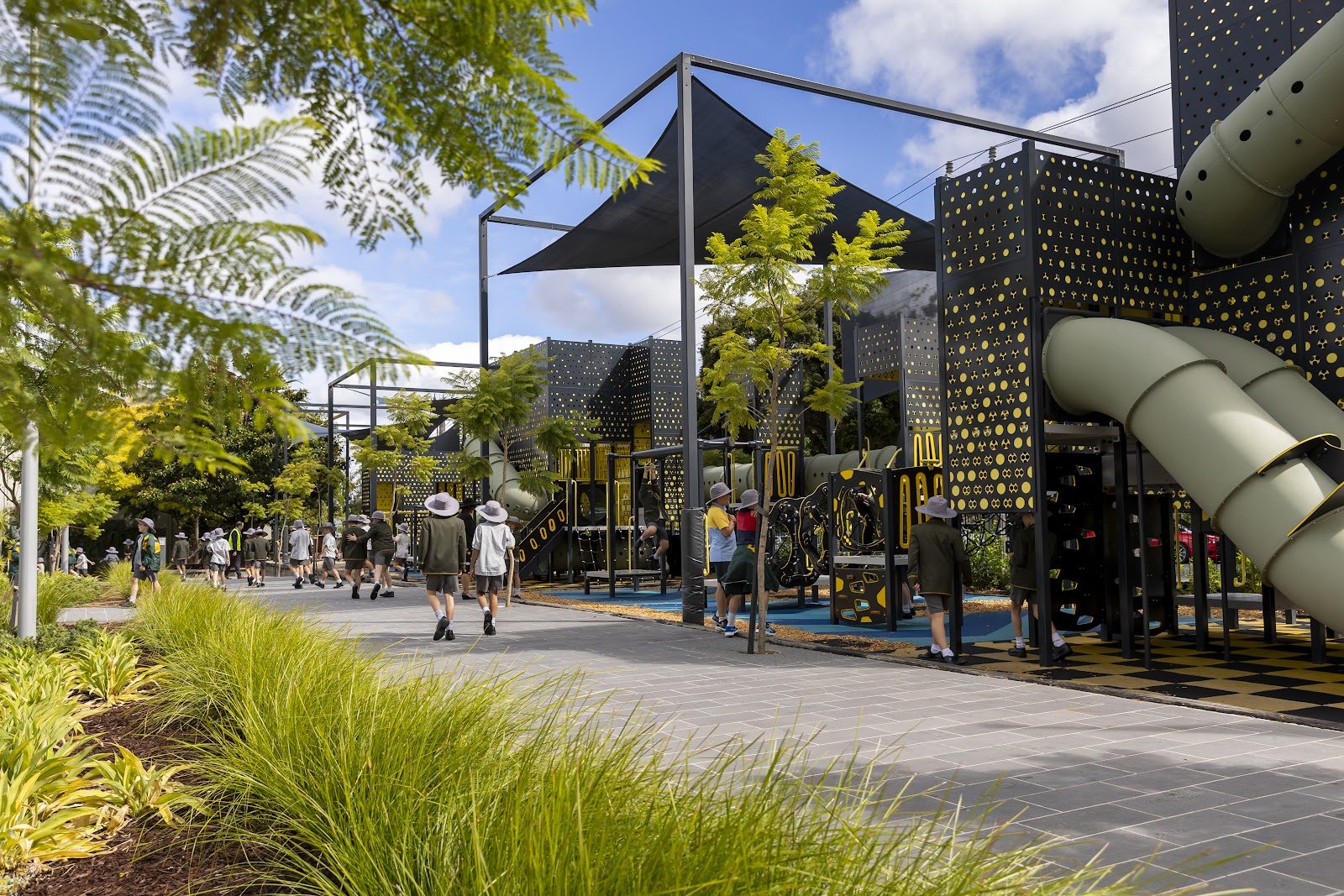
Photo © Trinity Grammar School, Kew via Google Maps
Type
Day
Ages
3–18
Curriculum
Australian · VCE
Qualifications
IB Diploma
Ratio
—
The Verdict
Editor's commitment
Right for
Melbourne families wanting a 1902 Anglican day school in Kew, with Australian curriculum to VCE and co-ed classes through Ruyton.
Wrong for
Families wanting full co-education, boarding, or a secular ethos; Trinity is a boys' Anglican day school in Kew, ages 3–18.
Watch out for
The website foregrounds VCE results and an International Baccalaureate page, but the declared curriculum is Australian and VCE only.
Ranking breakdown
Trinity Grammar School Melbourne · #269 of 1591
Composite score 72.7. 8 weighted criteria.
By criterion
Academic Outcomes
Weight 20%
#385
of 1529 scored
University Placement
Weight 16%
#459
of 1529 scored
Prestige & Heritage
Weight 12%
#255
of 1571 scored
Alumni Network
Weight 12%
#155
of 1530 scored
Facilities
Weight 12%
#188
of 1534 scored
Transparency & Communications
Weight 8%
#288
of 1532 scored
Peer & Industry Review
Weight 10%
#322
of 1548 scored
Admissions Selectivity & Demand
Weight 8%
#888
of 1529 scored
Peer & Industry Review
How Trinity Grammar School Melbourne is regarded in the sector
64
Respected · medium confidence
Trinity Grammar School Kew is a long-established member of Melbourne's Associated Public Schools (APS) competition and is regularly included in independent VCE/NAPLAN performance tables published by The Age and Herald Sun, as well as in general 'top Melbourne private schools' roundups in the Australian education press. It has a visible, if not headline, alumni and old-boys network reported on in local Melbourne media, but it is consistently positioned below the tier of Melbourne Grammar, Scotch College, or Geelong Grammar in comparative coverage, indicating a solid regional reputation rather than national top-tier status.
Evidence sources
Editors' overview
Trinity Grammar School Melbourne occupies a specific niche in the Melbourne market: an Anglican boys’ day school in Kew, founded in 1902, with a clear route from age 3–18 and a structure that mixes single-sex schooling with co-educational classes through its partnership with Ruyton Girls’ School. That arrangement is the school’s sharpest differentiator. Parents who want the pastoral and social architecture of a boys’ school, but do not want an entirely male academic and sixth-form experience, will find this model compelling. Trinity also pushes a broad-school identity hard: Australian curriculum, VCE, outdoor education, sport, music, drama, extension work, counselling and careers support all sit in plain view. The proposition is deliberate rather than fashionable, traditional without being frozen, and stronger in structure than in slogans.
What puts Trinity on a shortlist is not novelty but coherence. The school has the institutional weight of an old Melbourne grammar school, APS sport, AHISA membership and a long-established Anglican frame, yet it avoids the closed-world feel that some boys’ schools never shake. The Ruyton link matters here. It changes the social texture of the senior years and gives families a middle path between full co-education and full single-sex schooling. Trinity also gives unusual prominence to VCE results on its public face, which signals academic seriousness, and pairs that with visible investment in cocurricular life; the school’s music programme, orchestra culture and outdoor education are not decorative extras. This is a school for families who want a disciplined runway, serious adult supervision and a full-school experience rather than a loose or progressive model.
The best fit is a student who thrives with routine, expectations and institutional culture. Boys who enjoy team sport, ensemble music, structured leadership, outdoor programmes and house systems will slot in fast. So will students who want academic stretch inside a mainstream Australian/VCE pathway rather than an experimental curriculum. A child who needs a very informal atmosphere, or who resists uniforms, tradition and explicit pastoral oversight, will find Trinity constraining. A boy who wants clear standards, competitive energy and a school community with established rituals has a better case for going here.
Academic Performance
Trinity gives academic performance unusual prominence on its public front page, with VCE results pushed into the first layer of navigation rather than buried in a menu. That choice matters. Schools do that when they want results to carry reputational weight. The school also frames senior study as “a contemporary approach to the VCE classroom”, which places examination performance at the centre of the senior proposition, not at the edge of it. The catch is disclosure. We have not seen aggregate outcomes here: no median study score, no share of scores above key thresholds, no ATAR distribution, no subject-by-subject table. For a school that advertises “an extraordinary set of academic achievements”, that gap leaves parents without the hard data needed to judge whether Trinity sits in the top academic tier, the strong middle of the independent sector, or somewhere between.
Relative to peers, that makes Trinity harder to place than it should be. Melbourne’s most results-conscious independent schools publish enough detail for families to test the headline. Trinity does not do that here. The broader picture still points to a school with serious academic intent: extension programmes, enhanced learning, careers counselling, and a senior-years structure built to support examination performance. But intent is not outcome. Until the school publishes clearer VCE data, Trinity’s academic standing rests more on institutional reputation than on fully transparent evidence. For parents who care about measurable performance, that is a material weakness in the case.
Facilities
Trinity’s facility story is strongest where the school has chosen to make school life broad rather than boutique. The clearest assets are the dedicated junior, senior and early learning divisions, which matter because they let the school house very different age groups with proper separation instead of forcing everyone into one compressed site. Outdoor education also carries real institutional weight here: the school lists Bulleen and the country bases at Nillahcootie and Licola as named locations, which marks this as a serious operational commitment, not the token camp programme many day schools run. Add visible investment in drama, music and sport, plus the orchestra culture splashed across the school’s public face, and the picture is of a campus offer built for full participation and organised busyness, not minimalist academics.
Against Melbourne peers, that places Trinity in the strong independent-school middle-to-upper band for breadth, but not in the category of schools whose estates themselves dominate the sales pitch. The school talks less about signature architecture, laboratories, theatres or elite specialist centres than some rival grammars do, and that silence matters. Parents can infer capable mainstream provision across the arts, sport and outdoor learning; they cannot infer a showpiece campus arms race. The Tottenham Hotspur partnership adds a modern sporting gloss, but it is still a partnership, not a facility. Net assessment: facilities that support a well-drilled all-round education convincingly, without the flashiest physical plant in the market.
Because top-tier prestige now rests on more than history, manners and sporting association
Prestige
Trinity carries real prestige in Melbourne, but it is a specific prestige, not a universal one. The status comes from category as much as from performance: an old-line Anglican boys’ grammar with APS sport, established social capital, and the kind of intergenerational loyalty that feeds professional, legal and business networks. For many local families, that still matters. The school’s Kew address, polished public identity and active old boys’ community all reinforce a recognisable establishment signal. This is not the loud, hyper-selective prestige of a school that dominates public discussion through published academic data. It is the steadier prestige of a well-entrenched institution that sits inside Melbourne’s independent-school hierarchy and has done so for a long time.
Why not rate it higher? Because top-tier prestige now rests on more than history, manners and sporting association. It also rests on public proof of academic dominance, and Trinity does not provide enough of that. The school advertises results, but without the aggregate figures that let parents test the claim. That weakens its standing with families who equate prestige with hard academic transparency. The Ruyton partnership adds distinction and gives Trinity a more modern social shape than many boys’ schools, which helps. So does visible strength in music, outdoor education and the broader life of the school. The overall verdict: high-status, well-connected and credible, but not untouchable at the very top of the market.
The overall verdict: high-status, well-connected and credible, but not untouchable at the very top of the market
Communications
Trinity communicates with parents in a well-drilled, institutional way. The public-facing site is busy but legible, with clear pathways for prospective families, current families and students, plus practical routes into fees, applications, term dates, policies, governance and contact points. That matters. Schools that handle communication well do not force parents to excavate basic operational facts, and Trinity does not. It also gives unusual visibility to leadership, school council, stakeholder structures, annual reports and publications, which signals a school comfortable with formal accountability. The language menu is another practical strength: 9 language options sit beyond English, a useful concession for internationally mobile families even in a school whose day-to-day culture remains firmly local. The tone throughout is polished, controlled and institution-first, not chatty.
Effectiveness is strong on logistics and weaker on proof. Parents can find the school’s structure, support services, cocurricular map and enrolment mechanics without much friction. That makes day-to-day communication look competent and orderly. The weakness sits where scrutiny matters most: outcomes. Trinity gives prime homepage space to VCE results and “academic achievements”, yet does not publish the aggregate figures that would let parents test the claim. That gap turns polished communication into selective communication. The school tells families what exists and how the place is organised; it is less forthcoming when hard comparative data would sharpen judgment. For many parents, that distinction is decisive.
Uniqueness
Trinity’s real distinction is not Anglican tradition or old-school grammar-school culture; Melbourne has other schools with that formula. What sets it apart is the hybrid social model: boys’ schooling for the core identity of the school, then co-educational classes through the partnership with Ruyton. That is a genuinely unusual piece of market positioning, and it answers a specific parental anxiety. Some families want the focus, ritual and pastoral containment of a boys’ school, but do not want senior students spending their entire week in an all-male academic bubble. Trinity gives them an elegant compromise. For students, that changes the texture of daily life. It preserves house loyalty, mentoring structures and the internal confidence that single-sex schools can build, while cutting against the closed-circuit masculinity that can harden in boys’ institutions.
The second point of difference is the school’s insistence on a full-service adolescence. Trinity does not sell a stripped academic proposition. It puts enhanced learning, extension work, counselling, careers support, outdoor education, music, drama, leadership and sport into one operating model, with named off-site programmes and a visible orchestra culture. Plenty of schools offer those things; fewer organise them as a coherent expectation rather than an optional extra. For the right boy, that brings range, discipline and repeated chances to find competence outside the classroom. For the wrong boy, it brings too much structure and too little room to disappear. That clarity is part of the school’s strength.
That is a genuinely unusual piece of market positioning, and it answers a specific parental anxiety
Student Profile
The boy who fits Trinity best likes belonging to something bigger than himself. This is a school for students who respond to houses, mentors, assemblies, teams, rehearsals and the steady pressure of shared standards. A self-directed lone operator can do well here, but the culture rewards boys who join in rather than hold back. Sport matters, music has real status, and outdoor education is part of the school’s operating rhythm, so the strongest fit is a student with energy for a full timetable and enough resilience to handle being busy. The public site also gives parents and students practical entry points in 10 languages, which helps internationally mobile families navigate the mechanics, even though the social code of the school remains firmly Melbourne professional-class.
Temperament matters as much as talent. Trinity suits boys who can live with supervision, uniform, ritual and an Anglican moral frame without chafing at every rule. It will also suit students who want a boys’ school core without an entirely male social horizon in the senior years; that arrangement cuts against the sealed-bubble effect that weakens some single-sex schools. A child who needs a loose, anti-hierarchical atmosphere will tire fast. A boy who enjoys structured competition, adult-guided confidence and regular chances to perform, lead or represent the school has a strong case for fitting in.
The proposition is deliberate rather than fashionable, traditional without being frozen, and stronger in structure than in slogans
Co-curricular strengths
Arts & sport, on a separate axis
Overall 8.76/10
Scored 0-10 from the school's own published evidence. This axis is editorial-only — it does not feed the main WTS ranking.
Sports
9.3/10
Drama
9/10
Dance
7.5/10
Music
9.2/10
Visual Arts
8.8/10
Editor first-pass · editor-reviewable · 7/30/2026

WTS 300 badge
Trinity Grammar School Melbourne is one of the World's Top 300 Schools. Claim your listing to add it to your site →
Strengths
- +Consistently strong VCE outcomes, with the Class of 2025 achieving a median ATAR of 89.80 and three students attaining the maximum 99.95.
- +Offers a Coordinate Program with neighbouring Ruyton Girls' School, giving boys coeducational contact and shared subjects during senior years despite an otherwise single-sex structure.
- +Long-established institution, founded in 1902/1903 as a foundation member of the Associated Grammar Schools of Victoria, giving it a settled, century-plus operating history.
- +Extends beyond its Kew campus to dedicated outdoor education sites at Lake Nillahcootie and Licola, supporting a structured, multi-year outdoor and camps program.
- +High ICSEA rating (reported at 1158 against a national median of 1000) reflecting a socio-educationally advantaged intake and well-resourced setting.
Considerations
- −Single-sex for boys from Prep to Year 10, with coeducation only introduced in VCE years via the Ruyton partnership, which will not suit families wanting a fully coed environment throughout.
- −The school ceased boarding operations at the end of 2022, so it is no longer an option for expat or regional families seeking a boarding placement.
- −Fees are substantial for an Australian day school, with 2026 Year 12 tuition reported around AUD 37,820, before compulsory camps, laptop and outdoor education charges.
- −The school has, like many long-established Anglican boys' schools in Australia, had to publicly address historic child sexual abuse allegations and now operates under the National Redress Scheme framework.
Availability
Primary entry gate & tests
Academic Record + Interview (Boys)
Gallery
Photo © Trinity Grammar School, Kew via Google Maps
Photo © Trinity Grammar School, Kew via Google Maps
Photo © Trinity Grammar School, Kew via Google Maps
Photo © Martin Sfondrini via Google Maps
Photo © Martin Sfondrini via Google Maps
Parent reviews
Have you sent your child here?
Voice reviews carry the strongest trust badge — we transcribe them for you to tidy up before they go live. Prefer to type? A written review is fine too.
Add your voice
In 60 seconds, tell other parents: what's the best thing about Trinity Grammar School Melbourne, and what surprised you when your child joined?
We ask for a Google sign-in so every review has a real face behind it — no anonymous drive-by attacks on schools, and no faked positive reviews. Your email is never shown publicly.
Send this profile to a friend
International parents rely on word-of-mouth. Share this review with someone weighing the same decision.
Schools with places
Similar schools to Trinity Grammar School Melbourne with places available now.
Wesley College
Melbourne · Australia
- 2026-27
- WAITPOOLVacancy-dependent
- 2027-28
- PLACES OPEN
Methodist Ladies' College
Melbourne · Australia
- 2026-27
- WAITPOOLVacancy-dependent
- 2027-28
- PLACES OPEN
Geelong Grammar School
Corio, Victoria · Australia
- 2026-27
- WAITPOOLSpace-dependent
- 2027-28
- PLACES OPEN
Ivanhoe Grammar School
Melbourne · Australia
- 2026-27
- WAITPOOLVacancy-dependent
- 2027-28
- PLACES OPEN
Availability first, then country, area, curriculum, price, co-curricular
Consider also
Also worth looking at alongside Trinity Grammar School Melbourne.
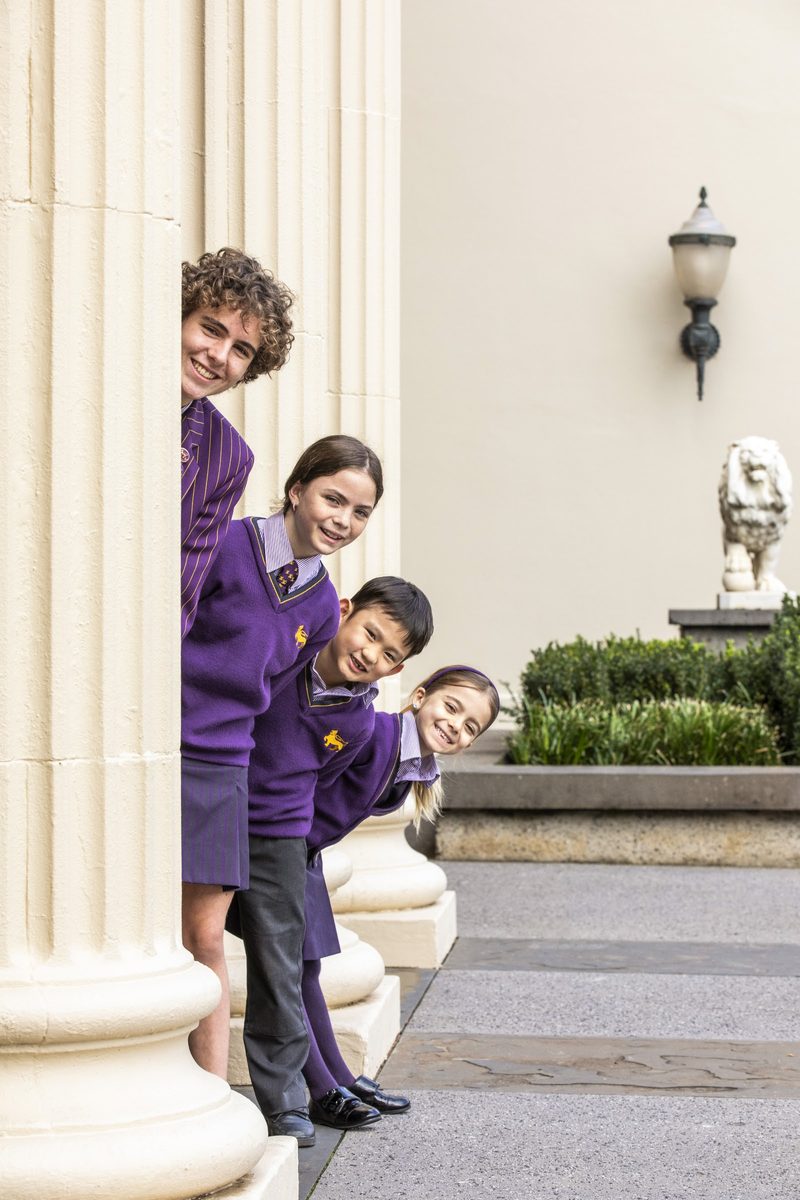
Wesley College
Melbourne · Australia
Runs the full IB continuum alongside VCE across three Melbourne campuses, reaching all the way to a studio school in the Kimberley outback.
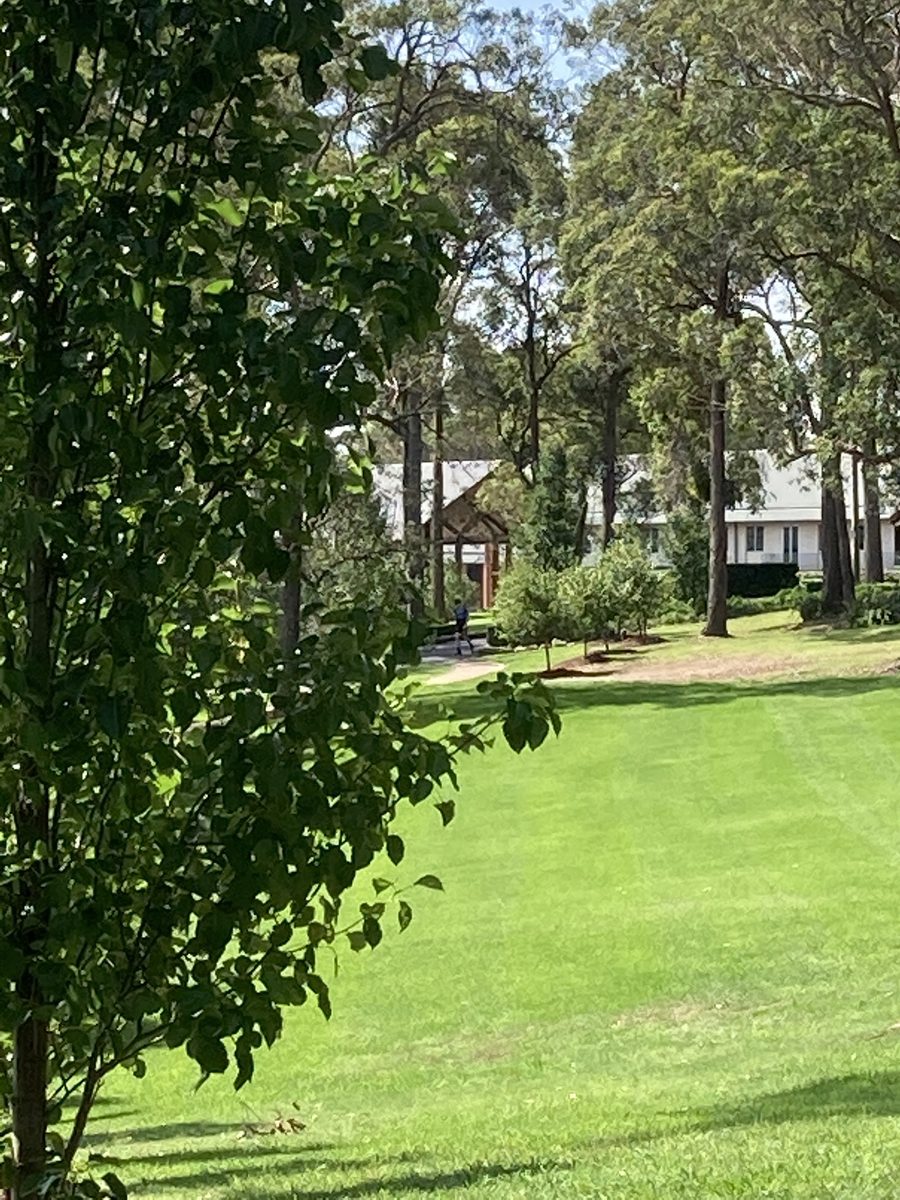
The King's School (Parramatta)
Parramatta · Australia
Australia's oldest independent school, where an 1831 foundation still marches in the country's oldest surviving military uniform and cadet corps.
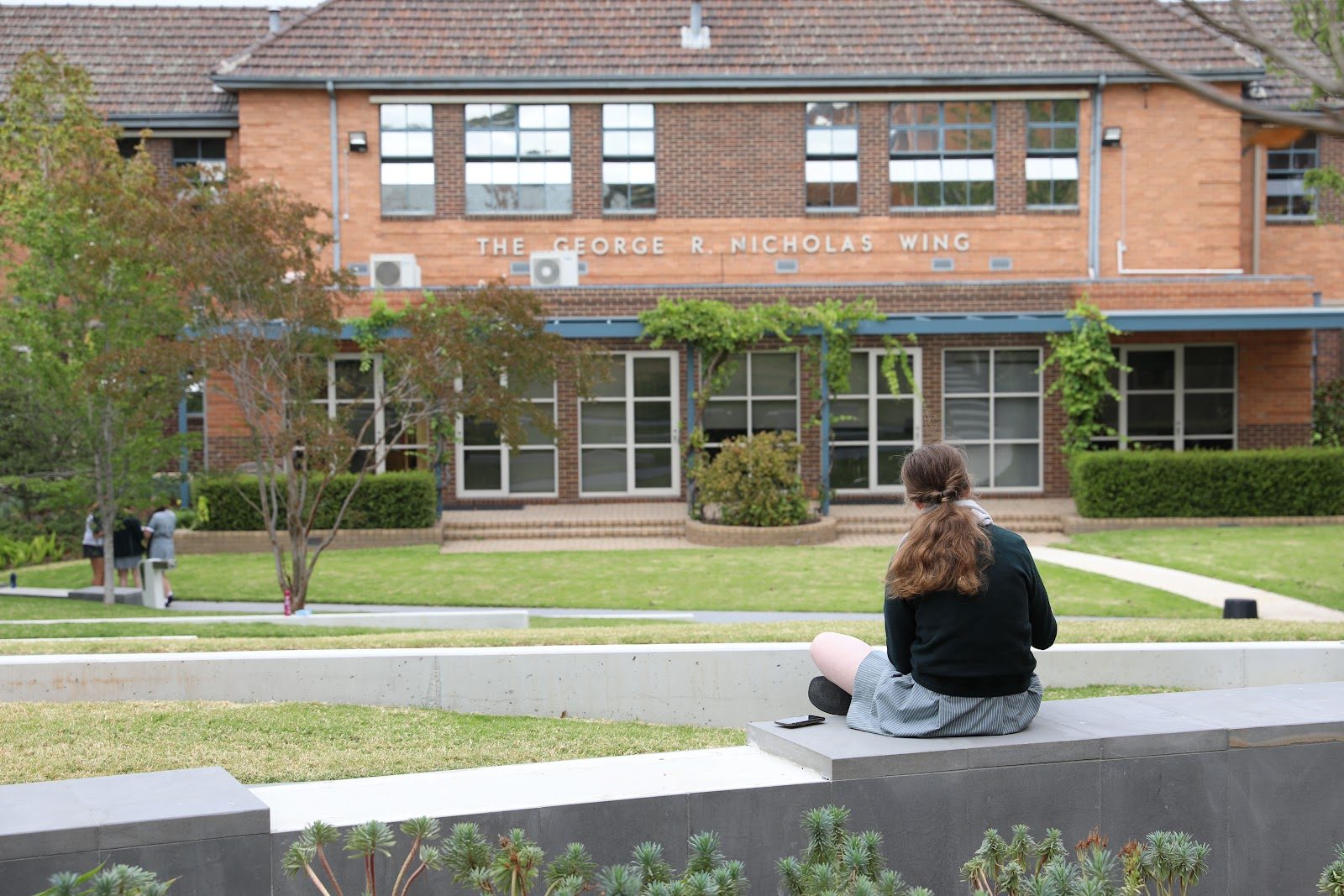
Methodist Ladies' College
Melbourne · Australia
First school worldwide to put laptops in every student's hands in 1990, now pairing deep VCE-IB choice with an eight-week Marshmead wilderness term.
Cranbrook School
Sydney · Australia
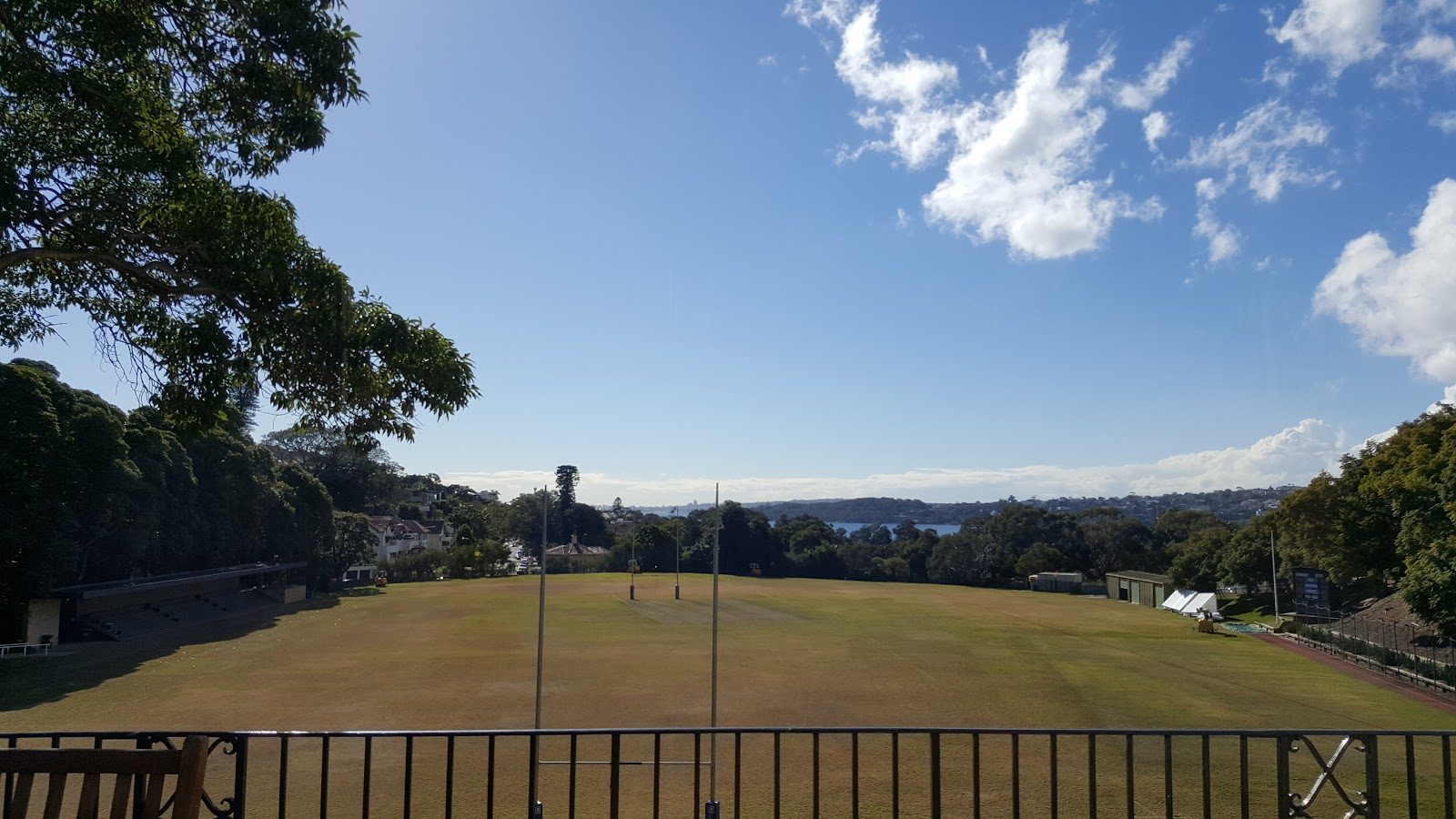
Sydney's first IB Continuum School, pairing Bellevue Hill harbour views with a Blue Mountains bush campus for experiential learning.
Same country and curriculum — closest matches within ±10 points either way