
Basel-Landschaft
International School of Basel
low confidence· 6/6 cats · 0 avg sourcesBasel's only full-continuum IB school, where 2025 Diploma candidates outpaced the world average pass rate, 96.6% to 80%.
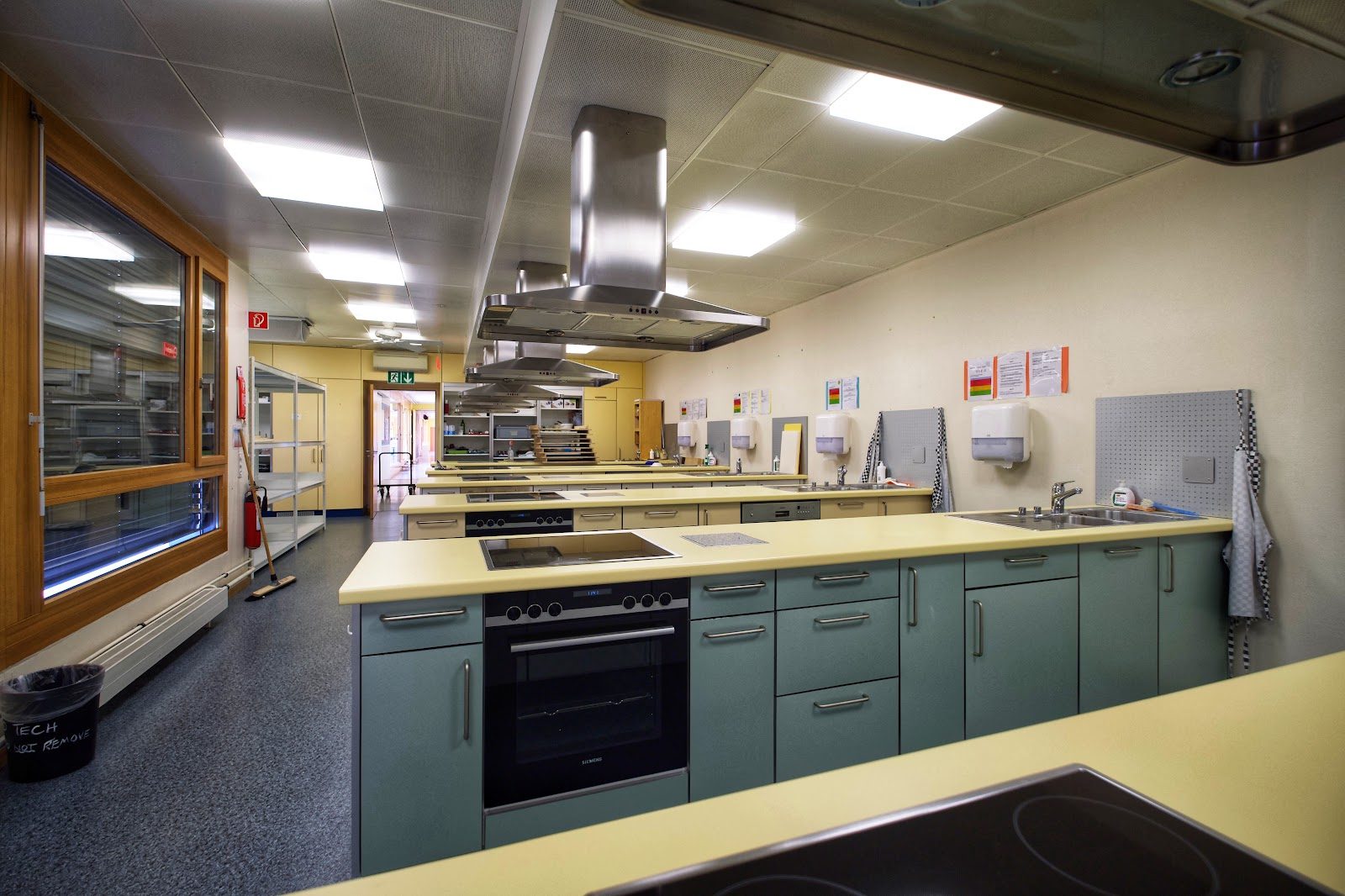
Photo © hey! via Google Maps
Type
Day
Ages
3–18
Curriculum
IB (PYP, MYP, Diploma)
Ratio
9:1
The Verdict
Editor's commitment
Right for
International families in Basel wanting a 3-18 English education with the full IB continuum in one school, from PYP to Diploma.
Wrong for
Families wanting Swiss Matura, boarding, or lower fees: this is a day school in Reinach averaging CHF 31,631 a year.
Watch out for
The headline 2025 Diploma pass rate, 96.6% against 80% globally, is strong; the school does not publish aggregate destination figures.
Ranking breakdown
International School of Basel · #499 of 1591
Composite score 69.0. 8 weighted criteria.
By criterion
Academic Outcomes
Weight 20%
#586
of 1529 scored
University Placement
Weight 16%
#584
of 1529 scored
Prestige & Heritage
Weight 12%
#689
of 1571 scored
Alumni Network
Weight 12%
#432
of 1530 scored
Facilities
Weight 12%
#489
of 1533 scored
Transparency & Communications
Weight 8%
#652
of 1532 scored
Peer & Industry Review
Weight 10%
#645
of 1548 scored
Admissions Selectivity & Demand
Weight 8%
#489
of 1529 scored
Peer & Industry Review
How International School of Basel is regarded in the sector
65
Respected · medium confidence
International School of Basel (ISB) is regularly cited in expat-parent forums (e.g., InterNations, ExpatArrivals, English Forum Switzerland) and industry directories (Council of International Schools, IB World Schools database) as one of the established, accredited international schools serving the Basel expat and pharma-sector community. It lacks the frequent Tatler/Good Schools Guide-style superlative coverage of Institut Le Rosey or Zurich International School, but it has a long operating history, CIS/NEASC accreditation, and consistent positive mention in relocation guides for the region, indicating a solid regional reputation rather than top-tier national prominence.
Evidence sources
Editors' overview
International School of Basel earns its place on a shortlist for one clear reason: it is Basel’s only school offering the full International Baccalaureate continuum, from the PYP through the MYP to the Diploma, in English. In a city with a deeply international professional population, that matters. Families who want one coherent academic system from age 3 to 18 do not need to stitch together separate phases or accept a curricular break at 11 or 16. The school’s headline academic datapoint is strong and specific: in 2025, Diploma candidates recorded a 96.6% pass rate against a world average of 80%. That does not settle every question about academic depth, selective university outcomes or score distribution, all of which the school does not publish here, but it does establish a serious sixth form rather than an IB badge attached to middling results.
What distinguishes ISB is less flash than structure. It runs across three campuses in Reinach, with modern classrooms, libraries, arts spaces, sports facilities, on-site canteens and medical care. Junior School offers the PYP in two language combinations, English and English-German, which gives younger children a more grounded local fit than many expatriate schools manage. The school pushes wellbeing hard; plenty of schools say that, but here it is embedded directly into how Middle and Senior School are described, alongside kindness, compassion, health and character development. Parents should read that as a sign of a deliberately balanced school rather than a hyper-competitive one. If you want relentless public signalling on exam metrics, scholarships and elite university lists, ISB is less satisfying. If you want a stable, full-range IB education with visible pastoral intent, it is plainly compelling.
The price places it in the upper tier of the Swiss international day-school market without tipping into absurdity: the average annual day fee across the full age range is CHF 31,631. That is expensive, but not outlandish for a non-religious, English-medium, all-through international school in the Basel area. The school will suit internationally mobile families, academically capable students who do well in inquiry-led teaching, and children who need consistency over a long school career. It will also suit families who value English as the main language of instruction but want some German exposure in the early years. It is less well matched to students who want a hard-edged, exam-drilled culture or parents who insist on dense public disclosure of outcomes beyond one strong IB pass-rate figure. ISB’s appeal is coherence, continuity and a serious international brief, delivered without much theatricality.
Academic Performance
The published picture is strong but narrow. The school gives one headline outcome for its senior cohort and that figure puts it ahead of the global baseline: a 96.6% Diploma pass rate against 80% worldwide. That clears the first test. This is not an IB school carrying the programme in name only; students are passing at a rate that places the school on the right side of the international market. In Basel, where parents have a small pool of English-medium international options, that matters. It marks ISB out as a serious sixth form with enough academic grip to convert the programme into results.
The limitation is disclosure. The school does not publish the data that lets families place that pass rate properly against stronger Swiss and European IB competitors: no average point score, no score distribution at the top end, no subject breakdown, no cohort size attached to the result here, and no consistent run of multi-year outcomes in public view. It also leans on broad claims about university destinations without naming a detailed destinations list. So the verdict is clear: ISB’s exam performance is credible and above world standard, but the public academic picture remains selective rather than comprehensive. Among peers, that puts it above schools with weak or absent outcomes, and short of the fully transparent top tier that publishes the full set of IB measures parents need.
Facilities
Facilities are a real strength here, though not in the Swiss grand-school sense of acres, stables or spectacle. The school runs across three campuses and spells out the basics that matter in daily life: modern classrooms, libraries, dedicated arts spaces, sports facilities, on-site canteens and medical care. That is a serious operational package for an all-through day school. The split-campus arrangement has trade-offs — movement between phases is less seamless than on one consolidated site, and families who prize a single-campus social centre may find it less cohesive than some rivals — but it also lets each age group occupy spaces built for its stage rather than being squeezed into one compromise estate.
Against peer international schools in the Basel market, this is a well-equipped offer and stronger than schools that talk vaguely about enrichment while saying little about the underlying plant. The arts and activities provision reads credibly, and the presence of libraries, canteens and on-site health support points to a school set up for full days rather than a bare-bones academic operation. What is missing is the level of public detail that top facilities-led schools now give as standard. There is no published inventory of specialist labs, theatre-scale performance venues, swimming provision or standout athletic infrastructure. That leaves ISB in a clear bracket: capable and complete for mainstream international families, but not a campus that sells itself on architectural theatre or exceptional specialist kit.
What is missing is the level of public detail that top facilities-led schools now give as standard
Prestige
ISB carries solid regional prestige rather than the rarefied cachet of Switzerland’s old boarding names or the metropolitan glamour of Geneva’s best-known international schools. Its status rests on function, not mythology. For internationally mobile families in the Basel area, one school that can take a child through the whole IB sequence without a forced transfer has real weight. That matters even more in a city shaped by cross-border industry, science and multinational employers. The school also benefits from being a non-profit, which gives it a more institutional feel than many privately owned international schools chasing volume. Prestige here comes from continuity, seriousness and a long-standing role in the local expatriate market, not from social exclusivity or old-world ceremony.
The rating stops short of the top prestige bracket for clear reasons. ISB does not trade on a famous historic brand, a boarding tradition, or a public record of elite university placements detailed enough to drive international status on its own. Its academic signal is strong at the leaving stage — 96.6% against 80% worldwide — but one headline result does not create top-table prestige. Nor does the school project the hard-charging aura of the most selective academic institutions. The standing is best understood as *credible, established and locally powerful*: a school well known in its market, respected by employers and relocating families, and strong enough to make a serious option list, without commanding automatic global prestige.
The rating stops short of the top prestige bracket for clear reasons
Communications
Parent communication is one of ISB’s stronger operational habits. The public-facing site is busy but functional: phase structure, activities, wellbeing, music and theatre, campuses and university destinations all sit in clear view, and the school keeps its news feed active with concrete stories rather than dead pages and ceremonial filler. That matters. A school that updates community life with pieces on recycling guidance, staff milestones, cycling participation and student competitions is signalling routine contact, not just admissions theatre. The parent testimonials also do useful work here. Strip away the praise and a pattern emerges: families talk about being welcomed mid-year, support for children arriving without the main teaching language, and follow-up attention after entry. Communication, in other words, runs through onboarding and daily pastoral management, not just marketing copy.
The weakness is sharp enough to note. ISB communicates warmth and process better than it communicates hard performance data. It tells parents a good deal about student experience and school culture, and less than it should about academic outcomes beyond the headline senior result already noted elsewhere. There is also a lot on the site’s front end, which can tip into information sprawl rather than disciplined hierarchy. Still, for a family judging whether messages will be answered, transitions handled and concerns absorbed without drama, the signs are reassuringly competent. This is not a school with a slick corporate voice. It is a school that looks set up to keep parents informed in the places that matter most.
Uniqueness
What sets ISB apart is not glamour but continuity. In this market, parents can find international schools, bilingual options and local Swiss routes; they cannot find another school that carries one child all the way through the entire IB sequence under one roof. That matters more than brochures admit. A child who starts young does not need a curricular reset at the first major transition, and families do not need to gamble on whether one school’s approach to assessment, pastoral care and teaching style will jar with the next. The junior section also offers an English-German track alongside the standard English route, which gives younger pupils a more grounded local footing than many expatriate schools manage while keeping the international core intact. For mobile families, that is a genuinely useful distinction, not a cosmetic one.
The benefit to students is a school life built around coherence rather than reinvention. ISB pushes wellbeing, kindness and support with unusual insistence across its phase descriptions, and that gives the place a steady, non-histrionic identity. Children who thrive on stability, clear relationships and an inquiry-led education gain the most. New arrivals with limited English also benefit, because the school highlights language support and parent testimony points to students being integrated quickly rather than left to sink or swim. The result is not a hard-edged prestige machine. It is a school with a clear shape: international, settled, and designed for families who want a long, continuous runway rather than a series of short academic sprints.
Its academic signal is strong at the leaving stage — 96.6% against 80% worldwide — but one headline result does not create top-table prestige
Student Profile
The best fit is the internationally mobile family that wants one school to absorb repeated arrivals, departures and mid-stream transitions without turning the child into a perpetual newcomer. ISB suits pupils who are comfortable in a globally mixed peer group, respond well to an inquiry-led classroom, and do not need an aggressively rank-driven atmosphere to stay motivated. The school’s public emphasis on kindness, wellbeing and support points to a student body shaped less by bruising competition than by steadier habits: students who can work hard, collaborate, and use support systems well. Children joining without strong English also fit better here than at schools that leave language acquisition to chance; the school gives enough prominence to that support for parents to treat it as part of the operating model, not an afterthought.
It is also a good match for families who want a settled all-through community rather than a school built around prestige signalling. Younger pupils gain from the junior bilingual option; older ones need enough academic seriousness to take advantage of a sixth form whose headline outcome sits well above the global baseline at 96.6%. The weaker fit is clear too. Students who want a hard-edged, overtly selective culture, or parents who equate success with constant public display of top-score data and elite destinations, will find the school too restrained. ISB works best for capable, adaptable children who value continuity, pastoral steadiness and an international social mix over status theatre.
For mobile families, that is a genuinely useful distinction, not a cosmetic one
Co-curricular strengths
Arts & sport, on a separate axis
Overall 7.88/10
Scored 0-10 from the school's own published evidence. This axis is editorial-only — it does not feed the main WTS ranking.
Sports
8.4/10
Drama
8/10
Dance
6.5/10
Music
8.2/10
Visual Arts
8.3/10
Strengths
- +Three IB programmes from ages 3–18.
- +English teaching; English-German option in Junior School.
- +9:1 student-teacher ratio allows close attention.
- +Three campuses with canteens and medical care.
Considerations
- −Day school only; no boarding option.
- −English-medium may not suit non-English-speaking families.
- −Average class size 18, not especially small.
Availability
Primary entry gate & tests
Academic Record
Gallery
Photo © International School Basel via Google Maps
Photo © International School Basel via Google Maps
Photo © International School Basel via Google Maps
Photo © International School Basel via Google Maps
Photo © International School Basel via Google Maps
Photo © International School Basel via Google Maps
Photo © International School Basel via Google Maps
Photo © International School Basel via Google Maps
Photo © International School Basel via Google Maps
Parent reviews
Have you sent your child here?
Voice reviews carry the strongest trust badge — we transcribe them for you to tidy up before they go live. Prefer to type? A written review is fine too.
Add your voice
In 60 seconds, tell other parents: what's the best thing about International School of Basel, and what surprised you when your child joined?
We ask for a Google sign-in so every review has a real face behind it — no anonymous drive-by attacks on schools, and no faked positive reviews. Your email is never shown publicly.
Send this profile to a friend
International parents rely on word-of-mouth. Share this review with someone weighing the same decision.
Schools with places
Similar schools to International School of Basel with places available now.
International School of Geneva
Geneva · Switzerland
- 2026-27
- WAITPOOLSpace-dependent
- 2027-28
- PLACES OPENRolling
Institut International de Lancy
Geneva · Switzerland
- 2026-27
- WAITPOOLSpace-dependent
- 2027-28
- PLACES OPENRolling
Collège Alpin International Beau Soleil
Villars-sur-Ollon · Switzerland
- 2026-27
- WAITPOOLSpace-dependent
- 2027-28
- PLACES OPENRolling
Lyceum Alpinum Zuoz
Zuoz · Switzerland
- 2026-27
- WAITPOOLSpace-dependent
- 2027-28
- PLACES OPENRolling
Availability first, then country, area, curriculum, price, co-curricular
Consider also
Also worth looking at alongside International School of Basel.
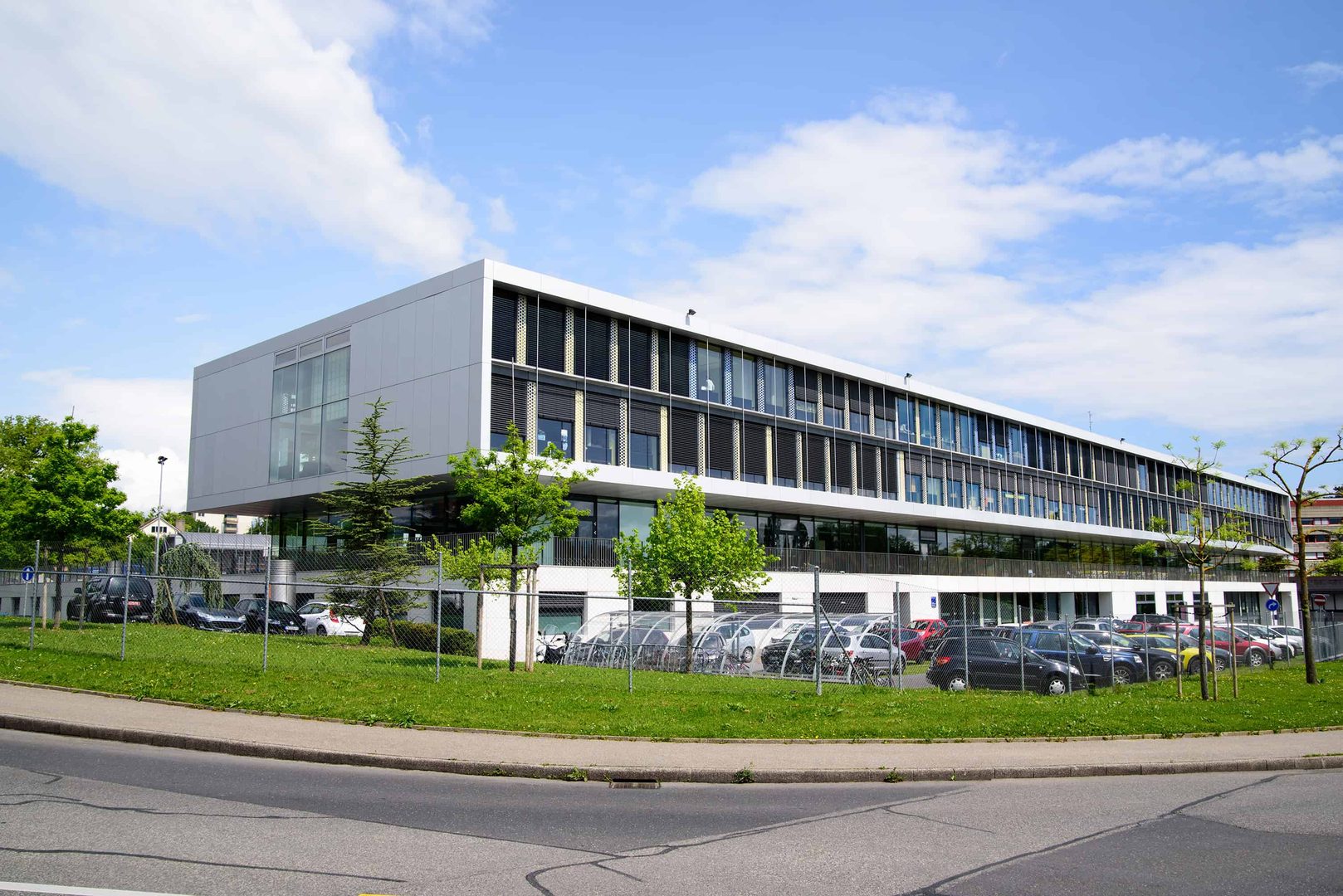
International School of Geneva
Geneva · Switzerland
Born beside the League of Nations in 1924, where its own teachers first drafted the IB diploma.
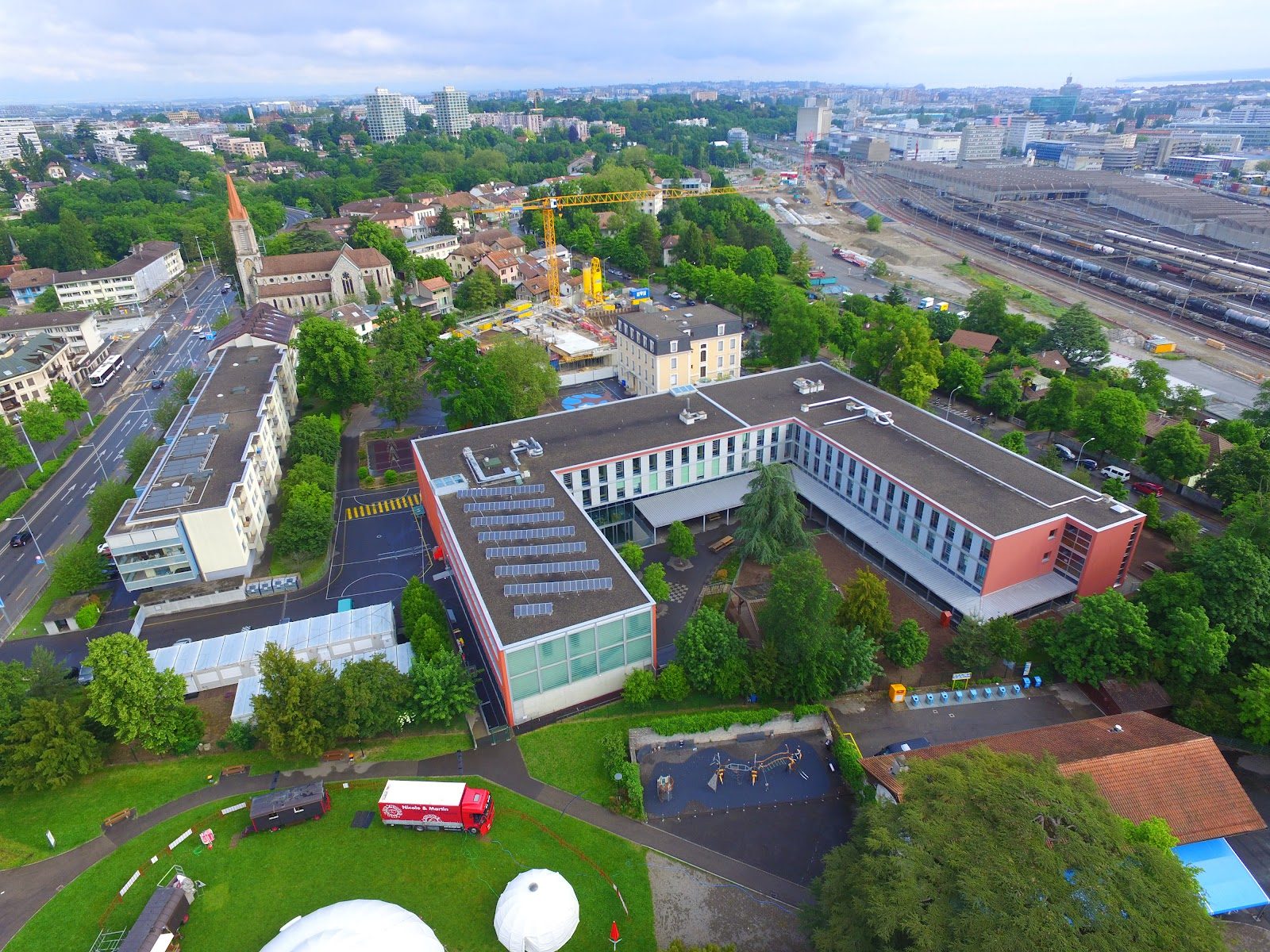
Institut International de Lancy
Geneva · Switzerland
Founded in 1903 near Geneva, this campus runs French, British and bilingual tracks side by side into the IB diploma.
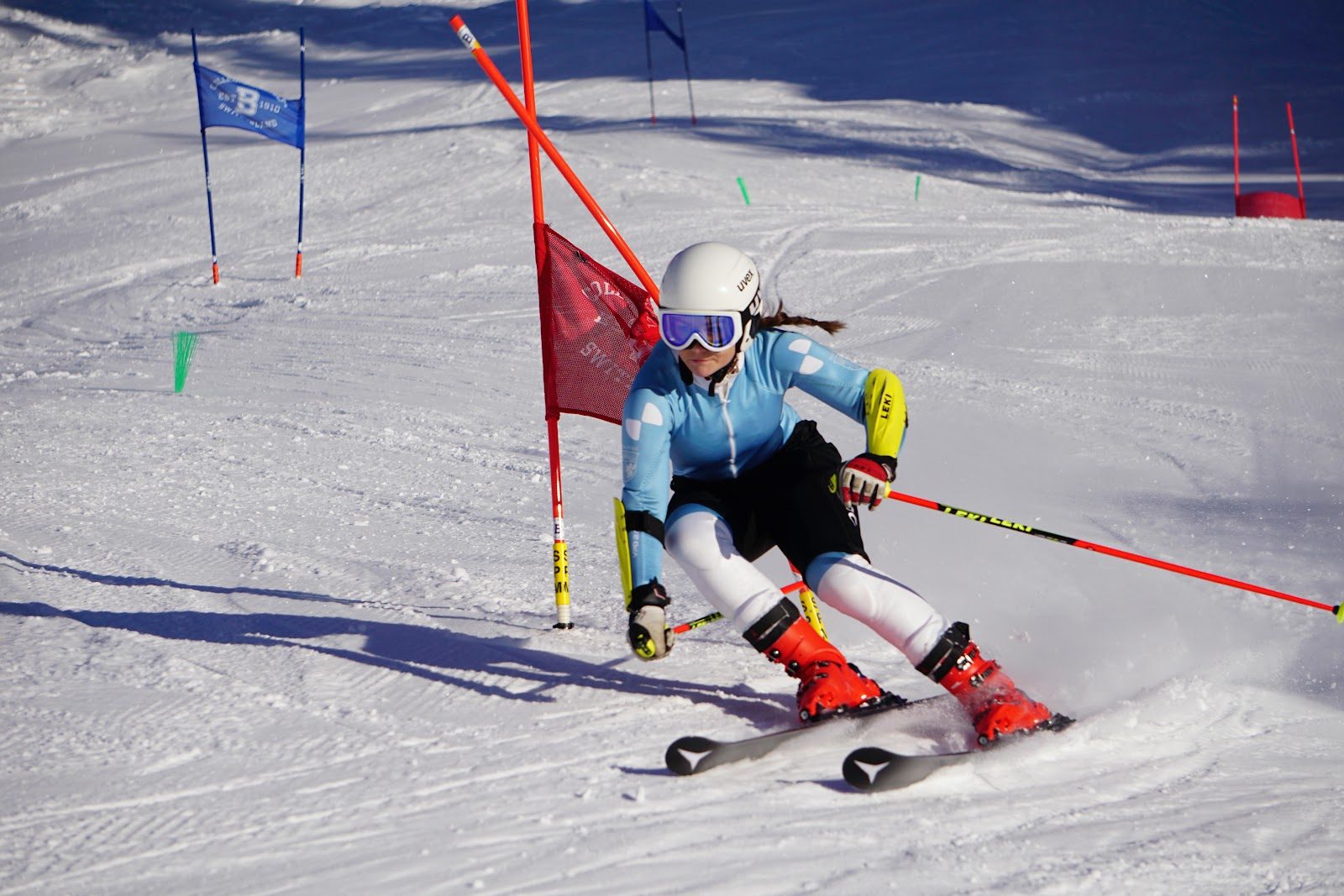
Collège Alpin International Beau Soleil
Villars-sur-Ollon · Switzerland
Since 1910, alpine boarding at 4,429 feet, where house culture is built for ridge hikes and a record Kilimanjaro summit push.
Lyceum Alpinum Zuoz
Zuoz · Switzerland
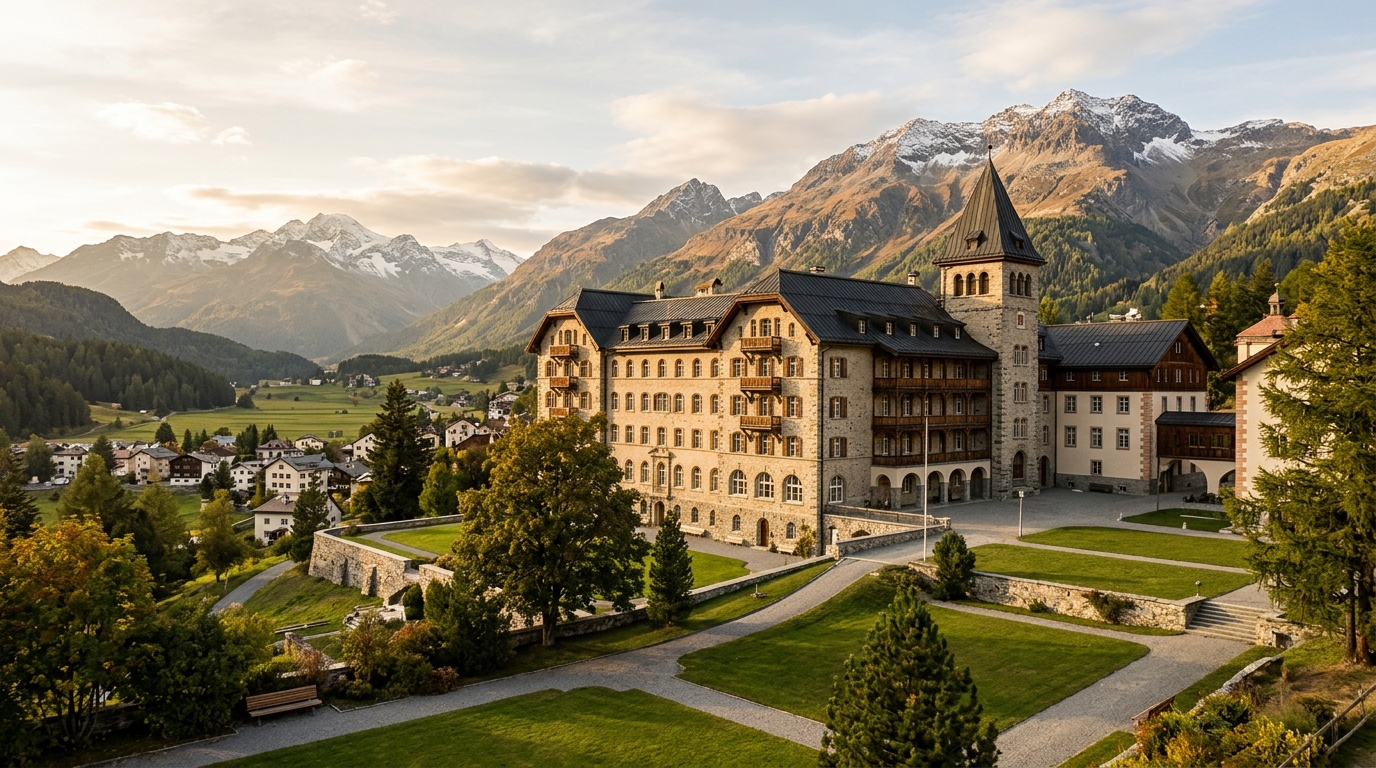
At 1,750 metres in the Engadine, IB and Swiss Matura classes share the calendar with cricket on Europe's highest pitch, in play since 1922.
Same country and curriculum — closest matches within ±10 points either way