
Dubai
Fairgreen International School
low confidence· 3/6 cats · 0 avg sourcesAnchored in Dubai's car-free Sustainable City, this full IB continuum campus turns bio-domes and solar power into daily lessons.
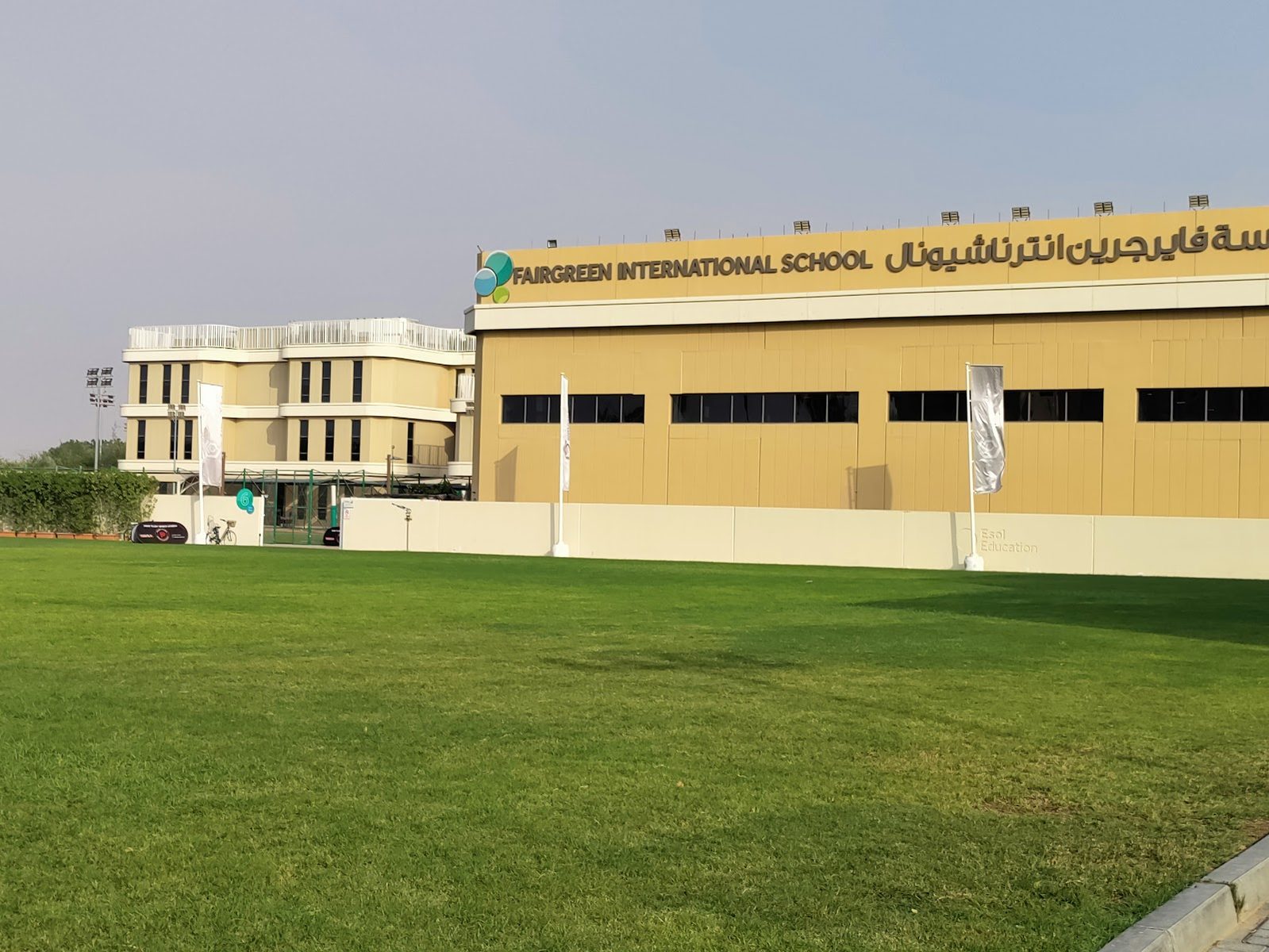
Photo © Guide via Google Maps
Type
Day
Ages
3–18
Curriculum
IB
Qualifications
IB PYP · IB MYP · IB Diploma
Ratio
10:1
The Verdict
Editor's commitment
Right for
Families who want the full IB continuum, from PYP to DP and CP, inside Dubai’s Sustainable City, with a 10:1 ratio.
Wrong for
Parents chasing a big-brand Dubai campus or conventional prestige markers; founded in 2018, Fairgreen is young and KHDA rates it Very Good.
Watch out for
The sustainability pitch is real: solar power, water recycling and waste separation are built into daily school life, not bolted on.
Ranking breakdown
Fairgreen International School · #775 of 1591
Composite score 66.9. 8 weighted criteria.
By criterion
Academic Outcomes
Weight 20%
#511
of 1529 scored
University Placement
Weight 16%
#584
of 1529 scored
Prestige & Heritage
Weight 12%
#980
of 1571 scored
Alumni Network
Weight 12%
#999
of 1530 scored
Facilities
Weight 12%
#204
of 1533 scored
Transparency & Communications
Weight 8%
#354
of 1532 scored
Peer & Industry Review
Weight 10%
#793
of 1548 scored
Admissions Selectivity & Demand
Weight 8%
#1205
of 1529 scored
Peer & Industry Review
How Fairgreen International School is regarded in the sector
79
Strong · high confidence
Fairgreen International School has rapidly established itself as a benchmark for sustainability-led education in Dubai, with SchoolsCompared rating it "outstanding" and "highly recommended", crediting it with setting benchmarks across UAE education. Its status as one of the few schools in Dubai, or the world, to hold full IB accreditation across all four programmes is repeatedly flagged by WhichSchoolAdvisor as a genuine point of distinction rather than marketing gloss. SchoolsCompared's coverage of the school's first IB Diploma cohort, which beat world averages in a year of notably strict grading, and KHDA recognition for outstanding safeguarding and personal development, reinforce a reputation built on substance rather than novelty. As a school that only opened in 2018, its peer network is still maturing, but early signals from both specialist publishers are unusually strong for its age.
Editors' overview
Fairgreen’s strongest asset is not the sustainability branding but the fact that the campus gives that idea operational force. Set in Dubai’s car-free Sustainable City, with solar power, water recycling for agriculture and waste separation built into daily school life, it offers an environmental education that students can actually observe rather than merely discuss. That matters because Fairgreen is not a niche eco-school with a thin academic core: it runs the full IB continuum from ages 3 to 18, including the PYP, MYP, DP and the less common CP, and it holds IB World accreditation. In Dubai terms, that combination is distinctive: an all-through IB school opened only in 2018, but with a regulator rating of Very Good already secured from KHDA in 2023/24.
The school’s scale is part of the appeal. A 10:1 student-teacher ratio points to a campus that can know its pupils well, and the parent comments on the school site repeatedly return to a “cozy, small and safe environment”. That is useful context, because Fairgreen will suit children who do better in a contained, more personal setting than in one of Dubai’s giant through-schools. The trade-off is straightforward. Parents looking for the sprawling breadth, social scale and institutional heft of a large, old-established premium campus may find Fairgreen compact and still young. Parents looking for close adult attention, a clear educational idea and a school where the physical environment feeds the curriculum will find more substance here.
Why shortlist it? Because Fairgreen gives environmentally minded families something rare in Dubai: not a bolt-on green programme, but a school where the campus, curriculum and daily routines line up. Add a Very Good KHDA rating, ages 3–18 continuity and a full IB pathway that includes both DP and CP, and the proposition is coherent. The students who will want Fairgreen are curious, discussion-oriented and comfortable with the IB’s interdisciplinary style. It will also suit children who like hands-on learning and social responsibility with practical expression, not slogan-heavy assemblies. It is a weaker fit for families who want a more traditional exam-drilled culture or the status theatre of a very large brand-name campus.
Academic Performance
Fairgreen does not publish the examination data parents need for a hard academic judgement. We have not seen aggregate Diploma points, subject breakdowns, pass rates, university destinations or cohort size by graduating class. That leaves a material gap in the school’s public academic case. For an all-through IB school with older students in place, results disclosure matters because Dubai families can compare schools quickly on sixth-form outcomes. On this measure, Fairgreen is opaque. The school talks at length about curiosity, interconnected learning and student wellbeing; it gives parents far less to work with on external attainment.
That does not mean weak outcomes. It means unproven outcomes in the public domain. Relative to established IB competitors in Dubai, Fairgreen sits in the promising but unverified bracket: attractive educational concept, coherent pedagogy, regulator approval in hand, but no published exam track record robust enough to place it among the city’s academically leading IB names. The school’s smaller scale can work in its favour for support and individual attention, and the inclusion of the career-related pathway broadens post-16 options beyond a single academic route. Still, families choosing on academic horsepower rather than educational philosophy will want direct answers on recent Diploma and career-related results, grade distributions and destination patterns before treating Fairgreen as a results-led choice.
Facilities
The defining facility here is the campus itself. Fairgreen has turned environmental infrastructure into teaching kit: solar power, recycled water used for agriculture, waste separation, and the wider setting of The Sustainable City all give pupils systems they can observe rather than abstractions on a whiteboard. That is a genuine differentiator in Dubai. Many schools run eco-clubs, plant a few beds and stop there; Fairgreen has a campus built around the subject. For families who want sustainability taught as lived practice, not brochure moralising, that carries real weight. The school also benefits from a contained physical footprint that matches its smaller scale. Parents who want children known by staff, and who prefer a campus that feels manageable rather than sprawling, will count that as an advantage. The trade-off is obvious: it lacks the showpiece excess and sheer variety of specialist spaces found at Dubai’s biggest premium campuses.
What we do not see is a publicly documented list of standout specialist facilities beyond the sustainability infrastructure. The school does not publish the kind of detailed facilities inventory that would let parents compare theatres, competition-level sports provision, laboratories, maker spaces or elite performance venues line by line. That matters because peer schools in Dubai’s upper tier often compete aggressively on hardware. Fairgreen’s edge sits elsewhere: a purpose-built educational environment with a low staffing ratio of 10:1, close adult oversight and a campus logic that supports hands-on learning well. Strong for mission coherence; less convincing for families shopping primarily for the city’s most expansive physical plant.
Many schools run eco-clubs, plant a few beds and stop there; Fairgreen has a campus built around the subject
Prestige
Fairgreen’s prestige is selective rather than broad. In Dubai’s school market, prestige can rest on old institutional cachet, published academic dominance, ultra-luxury facilities or brand inheritance. Fairgreen does not trade on those advantages. Its status comes from coherence: a school in which the environmental proposition is not decorative but built into daily operations, and where that idea carries through the educational model. For a certain parent cohort, that reads as modern social capital — informed, values-conscious and intentionally anti-flashy. The low staffing ratio of 10:1 reinforces that appeal. So does the regulator judgement of Very Good, which gives the school external credibility beyond lifestyle branding.
That still places Fairgreen below Dubai’s top-tier prestige heavyweights. The reason is simple. Elite reputation at the highest level depends on long-run public results, established sixth-form outcomes, deep alumni networks and years of market recognition. Fairgreen does not publish the academic evidence needed to compete on that ground, and it has not had the time to accumulate the old-school institutional weight that families buy as much for signalling as for education. Its prestige, then, is niche but real: strongest among families who value sustainability, intimacy and a clear moral identity in a school, weaker among those who want the city’s most socially recognised badge.
That still places Fairgreen below Dubai’s top-tier prestige heavyweights
Communications
Parent communication reads as one of Fairgreen’s stronger operational habits. The school site is busy and sales-led in places, but it still gives parents a clear enough sense of daily life: there is visible emphasis on enquiry, hands-on learning, inclusion support, trips, student leadership and community initiatives. More useful than the slogans is the pattern in the parent comments the school chooses to publish. Again and again, families mention approachable teachers, an open-door leadership culture and staff who “communicate effectively”. Taken alone, testimonials prove little. Taken in a cluster, and with repeated references to named staff and specific support, they point to a school where contact with parents is active, personal and embedded rather than pushed through a distant central office. In a school with a 10:1 ratio, that matters.
The limit is transparency at whole-school level. Fairgreen communicates warmth, values and community very clearly; it communicates hard performance evidence less well. We do not see the sort of published academic reporting that lets parents test claims against outcomes, and that weakens the credibility of the broader message. So the verdict is split. For day-to-day pastoral communication, relationship management and responsiveness, Fairgreen looks strong, accessible and human-scale. For data-led communication about senior-school performance, it is too opaque. Parents who prioritise close contact will be satisfied; parents who want dashboards, comparative attainment data and publicly available destination evidence will need to ask direct questions.
Uniqueness
Fairgreen’s real distinction lies in the way it collapses the gap between school message and school mechanics. Plenty of schools teach environmental responsibility as a themed unit or service project. Fairgreen embeds it in the daily operating fabric: energy generation, water reuse for growing, waste sorting, and a neighbourhood built around reduced car dependence. That gives students something rarely achieved in school sustainability work — direct contact with the systems under discussion. Environmental literacy here is not rhetorical. It is concrete, visible and testable. Pupils can trace how resources move, how design affects behaviour, and how collective routines shape outcomes. That sharpens inquiry, makes abstract global issues legible at child scale, and gives social responsibility a practical edge.
The other point of difference is structural. This is not a single-phase school with an eco identity bolted on; it offers continuity from the early years through to the senior end, including both the academic diploma route and the career-related option. That matters because students do not need to abandon the school’s central idea as they get older. They can carry it into subject choices, projects and post-16 decisions inside one institution. Combined with the low staffing ratio of 10:1, the result is a more intimate model than Dubai’s giant premium campuses: less spectacle, more daily contact, and a stronger chance that a child’s interests turn into sustained work rather than one-off enrichment.
Fairgreen’s strongest asset is not the sustainability branding but the fact that the campus gives that idea operational force
Student Profile
Fairgreen suits children who like school to feel close-knit, purposeful and tied to the real world rather than sealed off from it. The strongest fit is the pupil who enjoys asking why things work, wants adults to know them well, and responds to learning that connects ideas across subjects instead of keeping everything in separate boxes. The school’s own language around curiosity, hands-on experience and student action is backed by repeated parent references to children feeling safe, accepted and well supported. That points to a student body comfortable with participation, discussion and community routines, not one built around anonymity or sink-or-swim independence. With a 10:1 ratio and an inclusion team singled out by parents, it also suits children who benefit from visible adult attention and a warmer pastoral net.
The weaker fit is just as clear. This is not the school for children who want a huge social scene, a high-octane status culture or a more traditional, exam-drilled atmosphere. It will also frustrate families whose child wants the institutional buzz of a very large campus with every possible niche already populated. Fairgreen fits pupils who are happy in a smaller community, willing to engage with sustainability as a daily expectation rather than a themed activity, and open to a school culture that prizes responsibility and collaboration over swagger. For the right child, that can be formative; for the wrong one, it will feel constraining.
That is useful context, because Fairgreen will suit children who do better in a contained, more personal setting than in one of Dubai’s giant through-schools
Co-curricular strengths
Arts & sport, on a separate axis
Overall 7.62/10
Scored 0-10 from the school's own published evidence. This axis is editorial-only — it does not feed the main WTS ranking.
Sports
7.8/10
Football, Basketball and Swimming as extracurriculars, showing a solid multi-sport offering, but gives no Fairgreen-specific evidence of specialist staff, competitive results or dedicated named sports facilities.
Drama
7.5/10
Drama appears explicitly in the extracurriculars list.
Dance
7.5/10
Music
7.5/10
Choir is explicitly listed as an extracurricular, indicating a defined music activity, but there is no further evidence of broader ensembles, specialist staff or dedicated facilities.
Visual Arts
7.8/10
Art Club is explicitly listed as an extracurricular, indicating a defined visual arts offering, but there is no further evidence of specialist facilities, exhibitions or department-level strength.
Editor-verified · 8/5/2026
Official inspection · Dubai
KHDA report · 2023/24
Official · KHDAInspectorate
Knowledge & Human Development Authority
Dubai's mandatory education regulator; annual DSIB inspections.
Curriculum
IB
Improved vs previous cycle
Full report
KHDA report finderRating history
Strengths
- +Full IB continuum from PYP through Diploma and Career-related Programme
- +KHDA rated Good
- +2026 IB cohort averaged 33.4 points with a 100 percent pass rate
- +Sustainability-led campus with solar power and water recycling
- +Small scale with a 10:1 student-teacher ratio and average class size of 15
Considerations
- −No boarding option
- −KHDA rating of Good is not the top regulatory tier
- −Strongly sustainability-led ethos may not suit every family
- −Short track record as a school founded in 2018
Availability
Primary entry gate & tests
CAT4 / Assessment
Gallery
Photo © Fairgreen International School via Google Maps
Photo © Fairgreen International School via Google Maps
Recommended reading
Independent write-ups of this school from editorial outlets we trust.
- Fairgreen International School Dubai Review 2024WhichSchoolAdvisor
- Fairgreen International School — review on SchoolsComparedSchoolsCompared
Parent reviews
Have you sent your child here?
Voice reviews carry the strongest trust badge — we transcribe them for you to tidy up before they go live. Prefer to type? A written review is fine too.
Add your voice
In 60 seconds, tell other parents: what's the best thing about Fairgreen International School, and what surprised you when your child joined?
We ask for a Google sign-in so every review has a real face behind it — no anonymous drive-by attacks on schools, and no faked positive reviews. Your email is never shown publicly.
Send this profile to a friend
International parents rely on word-of-mouth. Share this review with someone weighing the same decision.
Schools with places
Similar schools to Fairgreen International School with places available now.
GEMS World Academy – Dubai
Dubai · United Arab Emirates
- 2026-27
- PLACES OPENApps open / space-dependent
- 2027-28
- WAITPOOL2027/28 timetable TBC
Swiss International Scientific School Dubai
Dubai · United Arab Emirates
- 2026-27
- PLACES OPENApps open / space-dependent
- 2027-28
- WAITPOOL2027/28 timetable TBC
Dubai International Academy Al Barsha
Dubai · United Arab Emirates
- 2026-27
- PLACES OPENApps open / space-dependent
- 2027-28
- WAITPOOL2027/28 timetable TBC
Repton School Dubai
Dubai · United Arab Emirates
- 2026-27
- PLACES OPENApps open / space-dependent
- 2027-28
- PLACES OPENRolling
Availability first, then country, area, curriculum, price, co-curricular
Consider also
Also worth looking at alongside Fairgreen International School.
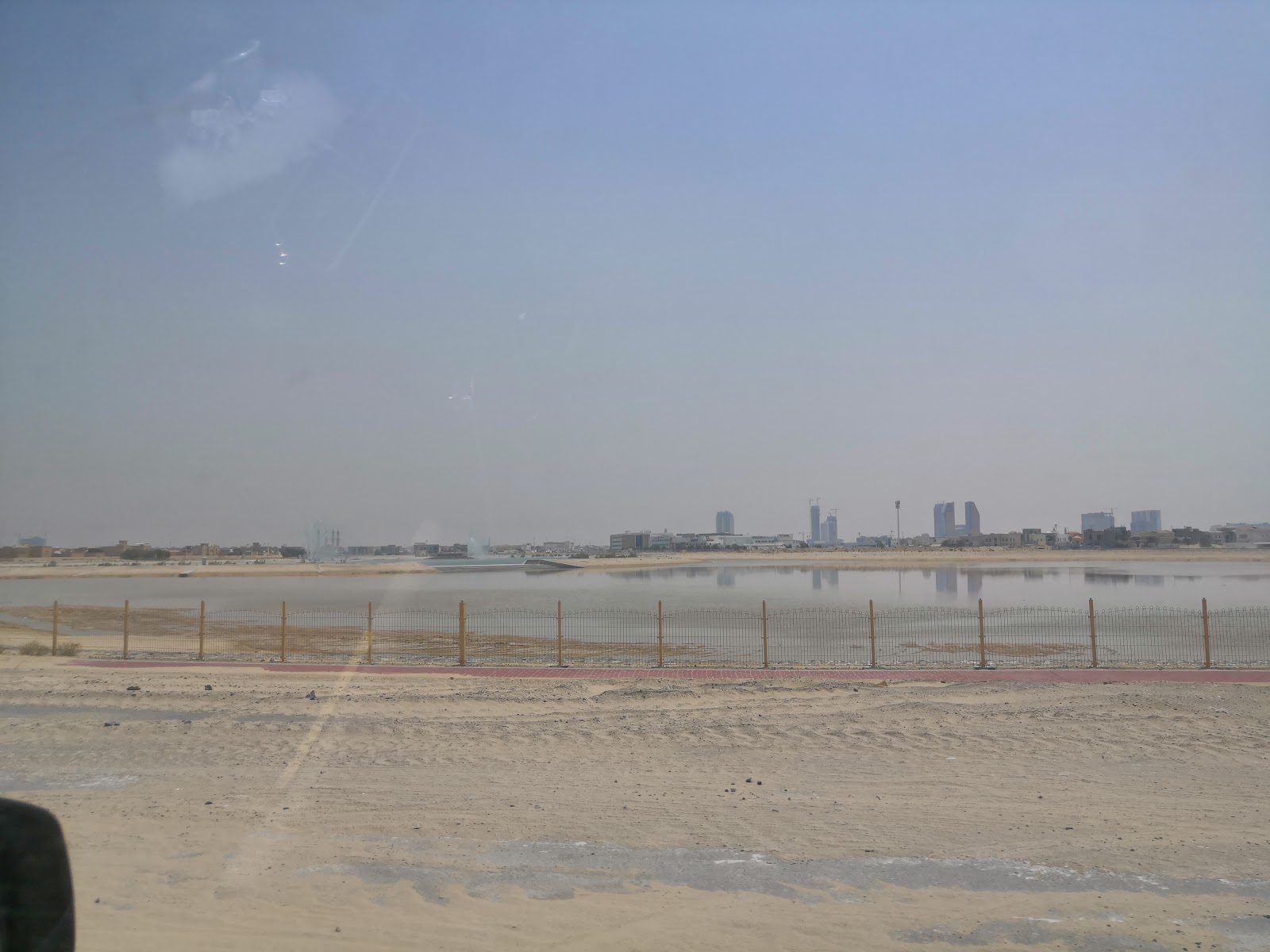
GEMS World Academy – Dubai
Dubai · United Arab Emirates
One of just two UAE schools authorised for all four IB programmes, from Reggio-inspired nursery to Diploma finals.
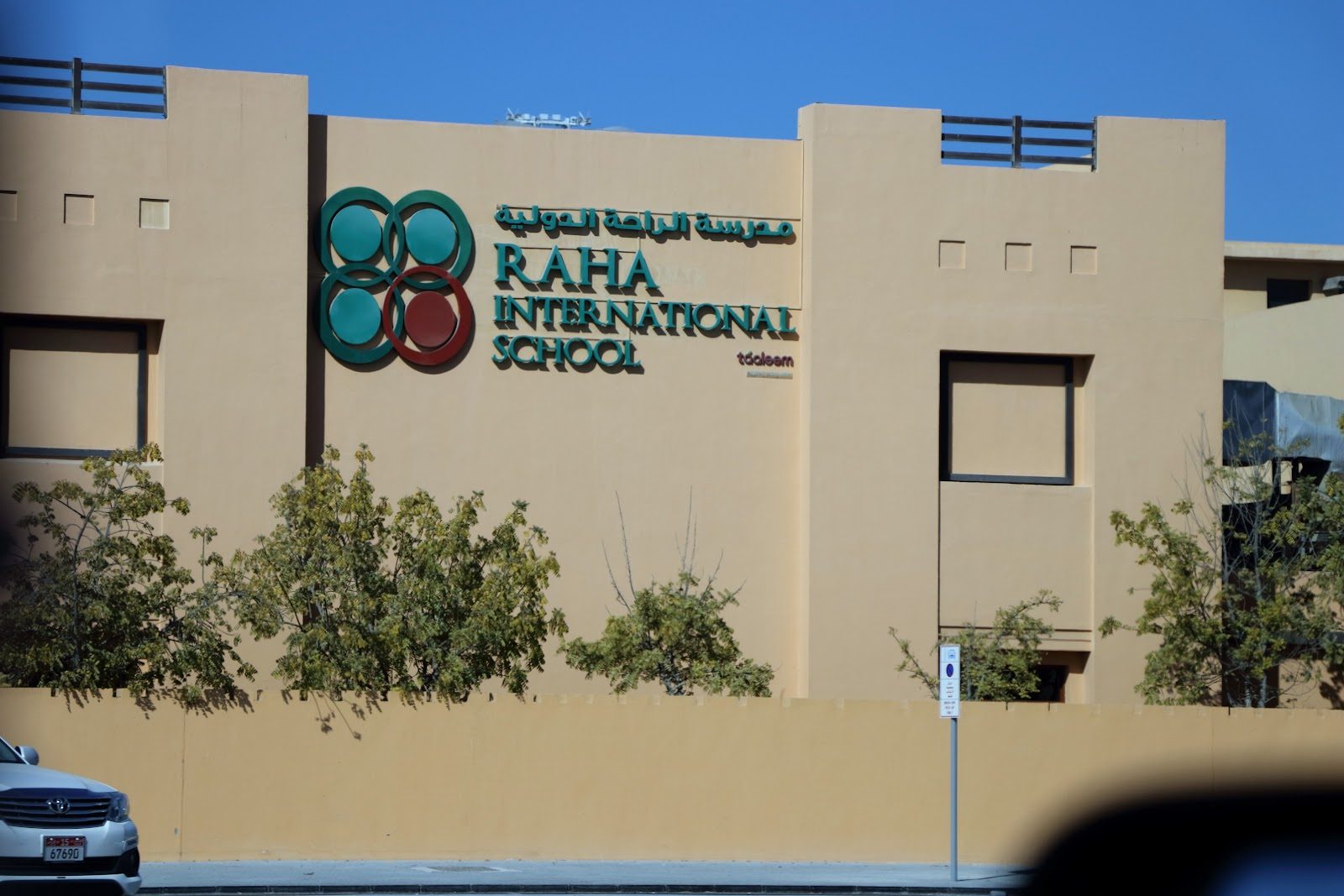
Raha International School
Abu Dhabi · United Arab Emirates
Abu Dhabi's original full IB continuum campus, carrying students from PYP through Diploma since 2006.
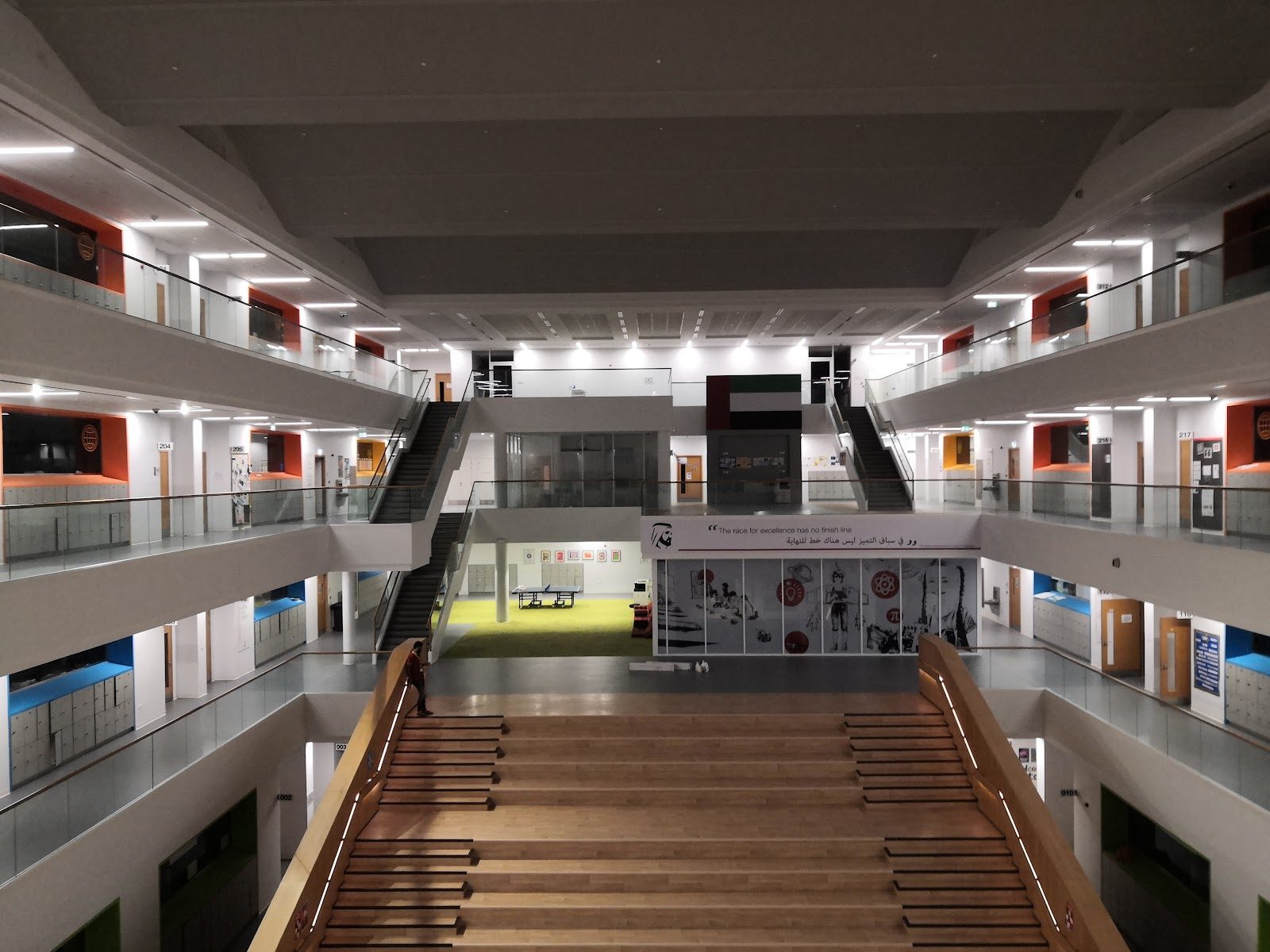
Swiss International Scientific School Dubai
Dubai · United Arab Emirates
The largest Swiss school outside Switzerland, running a bilingual IB continuum along Dubai Creek in French or German.
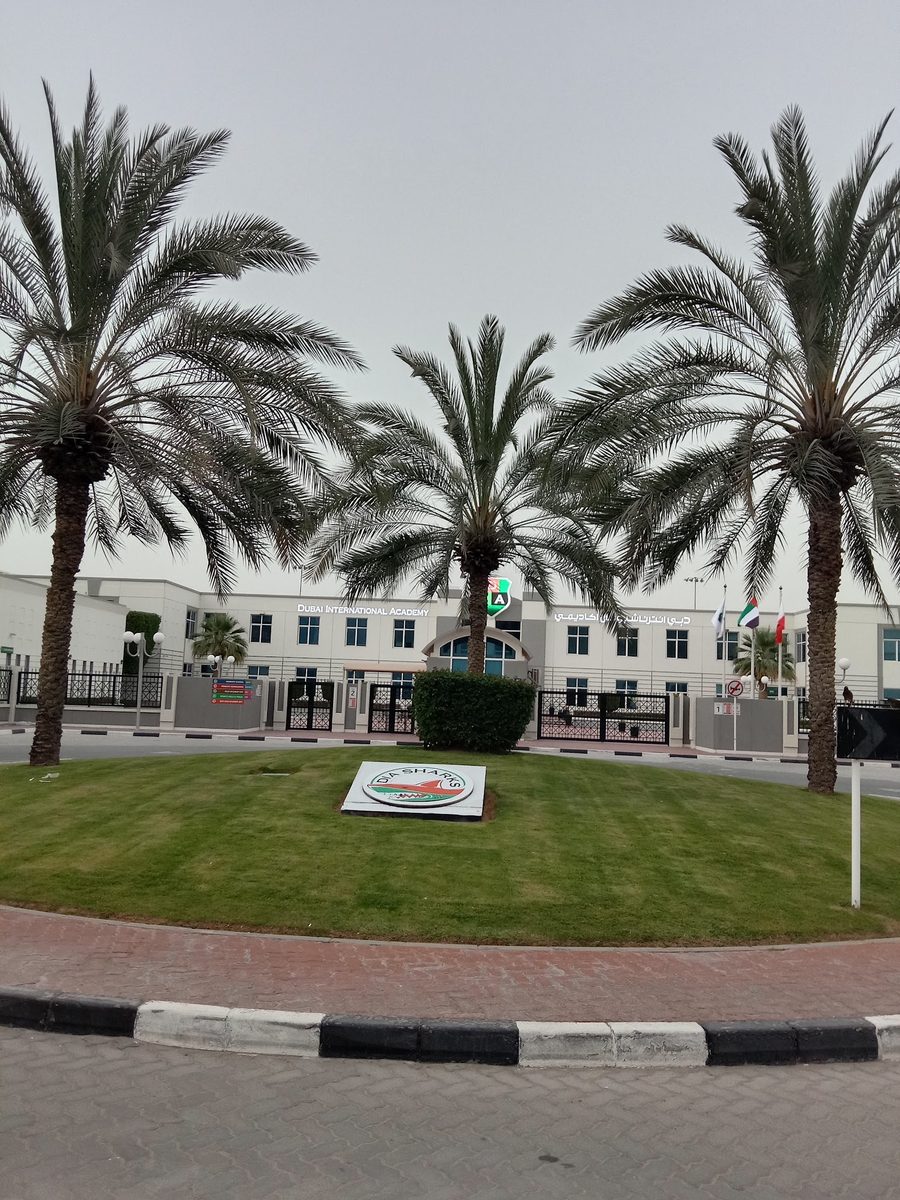
Dubai International Academy Al Barsha
Dubai · United Arab Emirates
One of Dubai's few schools to run the complete IB continuum, PYP to CP, across a 23-acre Al Barsha campus.
Same country and curriculum — closest matches within ±10 points either way