
Île-de-France
Notre Dame International High School
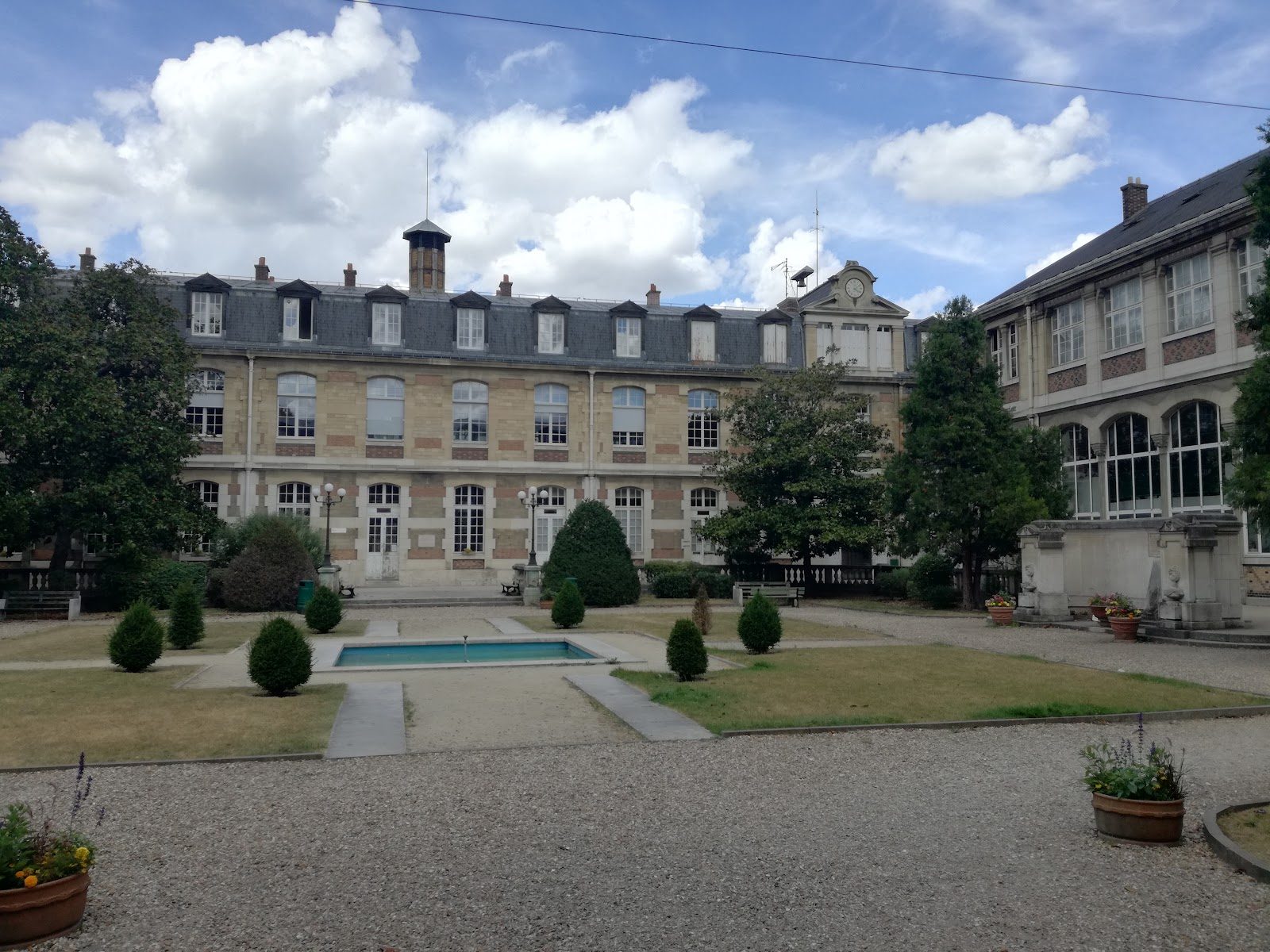
low confidence· 6/6 cats · 0 avg sourcesA US diploma and AP track unfold inside a 1929 French convent school on a 16th-century chateau estate, 35 minutes from Paris.
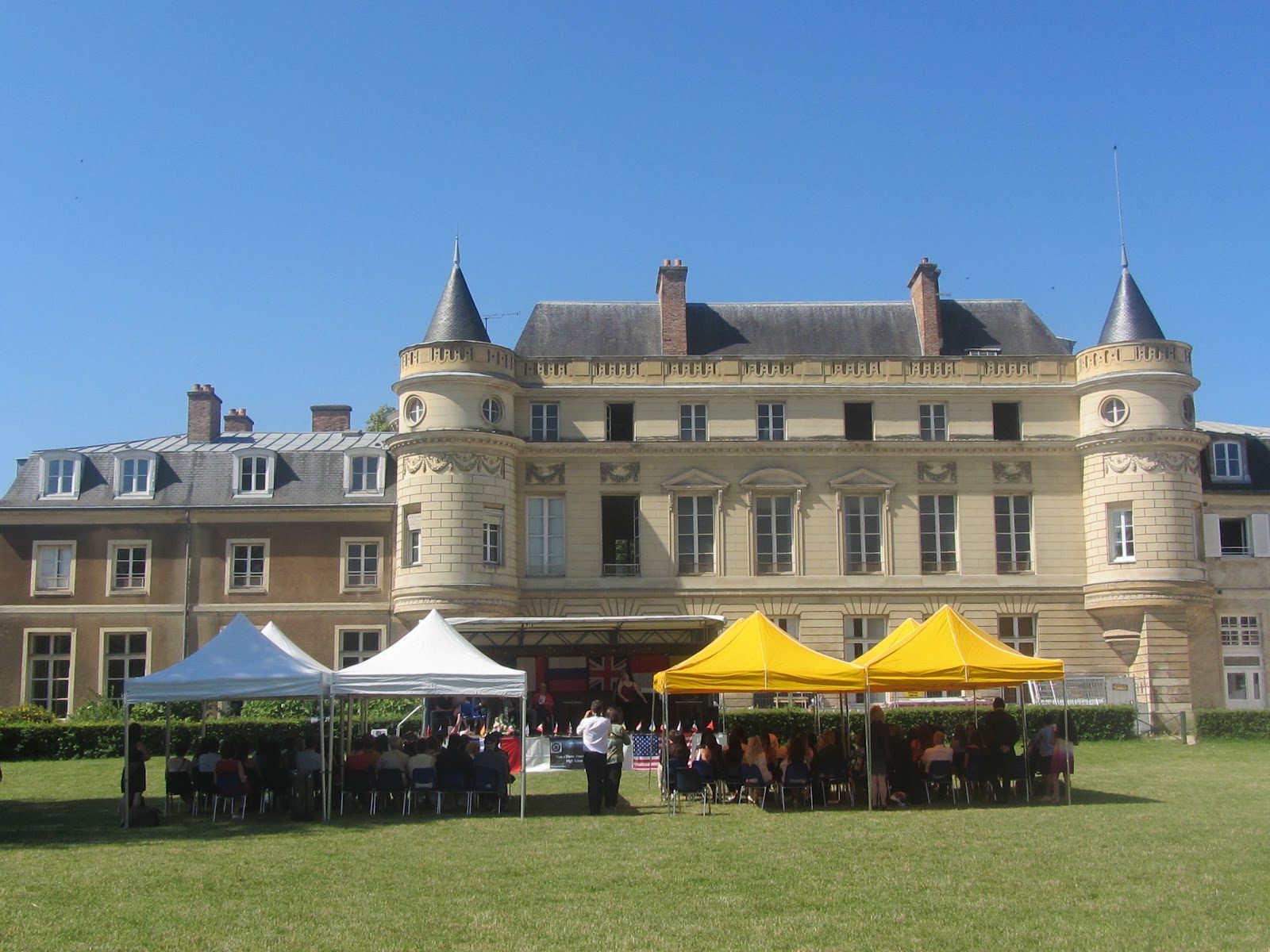
Photo © Notre Dame International High School via Google Maps
Type
Both
Ages
11–18
Curriculum
American (US High School Diploma, AP)
Ratio
7:1
The Verdict
Editor's commitment
Right for
Families wanting an English-language US diploma with 9 AP courses, grades 10–12, on a 1929 estate 35 minutes from Paris.
Wrong for
Parents seeking a full 11–18 school or a purely American faculty; teaching is bilingual, and the public offer centres on grades 10–12.
Watch out for
This is a small school: 7:1 student-teacher ratio, average class size 14, and average annual fees of €21,320 day or €31,120 boarding.
Ranking breakdown
Notre Dame International High School · #649 of 1591
Composite score 66.9. 8 weighted criteria.
By criterion
Academic Outcomes
Weight 20%
#791
of 1529 scored
University Placement
Weight 16%
#793
of 1529 scored
Prestige & Heritage
Weight 12%
#723
of 1571 scored
Alumni Network
Weight 12%
#473
of 1530 scored
Facilities
Weight 12%
#654
of 1534 scored
Transparency & Communications
Weight 8%
#778
of 1532 scored
Peer & Industry Review
Weight 10%
#791
of 1548 scored
Admissions Selectivity & Demand
Weight 8%
#607
of 1529 scored
Peer & Industry Review
How Notre Dame International High School is regarded in the sector
67
Respected · medium confidence
I could not identify at least two independent, third-party sources (e.g., Tatler, Good Schools Guide, specialist education press, alumni network coverage, or expat forums) that substantively discuss Notre Dame International High School in Verneuil-sur-Seine. Without verifiable independent evidence, a reputation score cannot be responsibly assigned.
Editors' overview
The unusual draw here is not the curriculum but the setting: a US high school and AP track placed inside the Notre-Dame “Les Oiseaux” campus, a French school founded in 1929, on a 16th-century chateau estate in Verneuil-sur-Seine, 35 minutes from Paris. That combination gives Notre Dame International High School a distinct niche in the European market. Parents who want an English-medium American diploma in France do not have many options, and fewer still with boarding. The school is small, with a 7:1 student-teacher ratio and an average class size of 14. That matters. Small numbers can mean close academic attention; they can also mean a narrower social and co-curricular field. NDIHS is strongest as a focused, intimate sixth-form style environment for students who want direct teacher access and do not need the scale, facilities or fixture list of a large British boarding school.
Its market position is clear. This is not a grand old standalone American school with vast alumni networks and published headline outcomes; it is a younger school, founded in 2004, with the US high school established on the campus in 2010, serving ages 11 to 18 in English with a declared US High School Diploma and AP pathway. The school points to 9 AP courses and a student body drawn from 20-plus nationalities. That makes it usefully international without turning it into a mass-market global brand. The fees place it in an interesting bracket: an average annual day fee of €21,320 and boarding of €31,120 across the full ladder. For a boarding school within reach of Paris, that is keenly priced. The trade-off is opacity where discerning parents will want more. We have not seen published aggregate AP scores, university destination data, or the kind of hard outcome reporting that stronger academic operators now treat as standard.
Why shortlist it? Because it solves a specific problem well. Families relocating to France who want to keep a child on a US trajectory; international students who need boarding and an American diploma rather than A-levels or the IB; and teenagers who will benefit from a small-scale, closely managed school rather than a sprawling campus. It will suit self-directed, internationally minded students who are comfortable in a compact community and interested in living near Paris while studying in English. It is *not for families buying prestige by the hectare*. It is for families who value the US pathway, boarding access, and personal scale more than institutional heft.
Academic Performance
Academic performance is the weak point in the public picture. The school has an “Academic Results” page in its navigation and advertises 9 AP courses, yet it does not publish aggregate AP scores, pass rates, score distributions, SAT or ACT data, or university destination lists. That leaves parents without the basic comparative markers that stronger US-curriculum schools now treat as routine disclosure. In a market where ambitious families expect hard evidence, that gap is conspicuous. A small college-preparatory school can still deliver strong outcomes; the issue here is that the school does not show them. That makes any claim of academic strength rest on structure and intent rather than verified external results.
Relative to peers, NDIHS sits in a hard-to-benchmark bracket: a niche American diploma provider in France with AP provision, but without the published outcome data that would place it clearly against larger international schools or established US schools in Europe. The presence of AP matters, and a compact sixth-form-style environment can work well for students who need close supervision and direct teacher access. Still, families comparing offers on academic return will find the reporting thin and the external validation underpowered. This is not a school that wins its case through published examination performance. It wins it, if at all, through fit: an American pathway, boarding access, and a small-scale setting near Paris.
Facilities
The physical proposition is more distinctive than expansive. NDIHS sits within the wider Notre-Dame “Les Oiseaux” estate, and that matters more than any glossy claims about a standalone international campus. Parents get a historic school setting rather than a purpose-built global-schools complex: a chateau estate, established host-school infrastructure, and access to on-campus boarding and student housing options. The school also flags clubs and sports on campus, with additional activities through local community clubs off-site. That last point is telling. This is not the model of a large international school with acres of specialist provision, multiple performance venues and a heavy inter-school sports programme. It is a compact operation using a characterful shared campus to give students enough space and structure without pretending to be a facilities powerhouse.
Against peers, the balance is mixed. The strongest asset is the setting itself, which is far more memorable than the generic suburban builds that dominate this part of the market. For boarders, being housed on a historic French campus adds real texture to daily life. The weaker point is detail. The school says its campus has “high-quality facilities” but does not publish the kind of granular inventory serious parents now expect: named science labs, art studios, theatre spaces, design workshops, competitive sports infrastructure or dedicated sixth-form areas. The result is atmospheric but under-specified. Families choosing NDIHS for scale, intimacy and location will accept that. Families benchmarking hard infrastructure against bigger European boarding schools will find the offer plainly thinner.
That combination gives Notre Dame International High School a distinct niche in the European market
Prestige
Prestige here is niche rather than grand. Notre Dame International High School trades on a rare proposition in France: an American high school pathway with boarding inside an established French campus, close enough to Paris to carry some geographic cachet. That gives it a clear identity and practical appeal for internationally mobile families. It does not give it the kind of prestige that attaches to famous legacy boarding schools, giant international brands, or academically transparent top-tier operators. The school leans heavily on setting and distinctiveness, and there is real value in both. The estate, the convent-school host campus and the proximity to the capital create a romantic frame. Prestige built on atmosphere, though, only goes so far.
What holds it back is the public evidence base. The school cites 20+ nationalities and 9 AP courses, both useful markers of international breadth and academic intent, but those numbers do not amount to status on their own. Serious prestige in this market comes from selective admissions, deep sixth-form subject range, famous university destinations, or published examination results that withstand scrutiny. NDIHS does not publish enough of that. Its reputation therefore sits in the specialist category: attractive to families who need this exact combination of American diploma, French immersion and boarding, but not prestige-led in the conventional European sense. This is a school with a distinct proposition, not one with indisputable elite standing.
The school leans heavily on setting and distinctiveness, and there is real value in both
Communications
Parent communication is functional, sales-led and only partly convincing. The website covers the admissions basics well: enquiry routes are prominent, the admissions team is easy to contact, and practical pages such as fees, calendar, handbook, directions and application process are all easy to find. There is also a clear attempt to reduce friction for international families, with options to schedule a call, arrange a virtual visit and explore housing. For a school serving mobile families, that matters. The problem is that communication leans too heavily on promotional clutter. Third-party badges, rankings and quote-style endorsements crowd the message, while the school’s own case would carry more weight if it relied less on borrowed praise and more on hard institutional information.
That weakness shows up once a parent moves past first contact. There is useful operational detail, but not enough serious disclosure about the things informed families ask next: outcomes, subject depth, who teaches what, how boarding is supervised day to day, and what student life looks like beyond broad claims about clubs and sports. The site foregrounds convenience and atmosphere; it gives less space to evidence. Even basic structural clarity slips in places, with mixed messaging around age range and year groups. In a school of this scale, communication needs to be tighter, cleaner and more exact than at a big brand that can trade on reputation. NDIHS gets the front-end admissions journey right. It does not yet deliver the hard-edged transparency that turns interest into confidence.
Uniqueness
What sets NDIHS apart is the combination, not any single ingredient. Very few schools offer an American diploma with AP classes inside a long-established French campus culture, with boarding attached and daily access to French language and life built into the experience. That gives the school a rare practical identity: not an American school transplanted into a business district, and not a French school with a token international stream, but a hybrid proposition that lets students stay on a US university-prep track while living in a recognisably French setting. For internationally mobile families, that solves a real problem. It keeps academic continuity in place while giving teenagers cultural immersion that goes beyond occasional trips or themed events.
The other point of difference is scale. With a 7:1 student-teacher ratio and 20+ nationalities, the school offers a tight-knit international community rather than an anonymous senior school. Students get close adult oversight, direct contact with teachers, and a peer group that is international without being vast. That can be genuinely useful for boarders, new arrivals to France, and students who need structure as much as stimulation. The trade-off is clear: a smaller school brings fewer moving parts, fewer social options and less of the big-campus buzz. For the right student, though, that compactness is the point. NDIHS offers a specific, uncommon fit that larger schools do not.
That can be genuinely useful for boarders, new arrivals to France, and students who need structure as much as stimulation
Student Profile
The best fit is a student who wants structure, close adult oversight and a genuinely international peer group without the social sprawl of a big senior school. This is a compact sixth-form-style environment with pupils drawn from 20+ nationalities and classes small enough for teachers to know who is coping and who is drifting. That suits boarders, recent arrivals, and teenagers who need a contained, closely watched setting more than a bustling campus with endless friendship groups and activities. It also suits students who are curious about France itself: not tourists passing through, but young people willing to live inside a French setting, learn the language seriously and accept that daily life will carry a local rhythm rather than an expat bubble.
The weaker fit is just as clear. Students who want the status theatre, social scale and fixture-heavy culture of a major boarding school will find this too small-scale. So will extroverts who rely on a deep bench of clubs, subject options and friendship circles to feel engaged. NDIHS works best for teenagers who are self-possessed, adaptable and academically steady, and for families who value individual attention over institutional swagger. The school’s average class size of 14 tells its own story: there is limited room to hide, which is excellent for the right child and unforgiving for one determined to resist.
The best fit is a student who wants structure, close adult oversight and a genuinely international peer group without the social sprawl of a big senior school
Co-curricular strengths
Arts & sport, on a separate axis
Overall 6.1/10
Scored 0-10 from the school's own published evidence. This axis is editorial-only — it does not feed the main WTS ranking.
Sports
6.5/10
Drama
7/10
Dance
4.5/10
Music
5.5/10
Visual Arts
7/10
Strengths
- +US High School Diploma with AP courses
- +English-medium teaching suits mobile international families
- +Boarding and day options broaden access
- +7:1 student-teacher ratio allows close oversight
Considerations
- −American diploma may not suit French curriculum seekers
- −Founded 2004; shorter track record than older schools
- −English-only instruction may limit French immersion
Availability
Primary entry gate & tests
District Residency Required
Gallery
Photo © Notre Dame International High School via Google Maps
Photo © Notre Dame International High School via Google Maps
Photo © Notre Dame International High School via Google Maps
Photo © Notre Dame International High School via Google Maps
Photo © Notre Dame International High School via Google Maps
Photo © Notre Dame International High School via Google Maps
Photo © Notre Dame International High School via Google Maps
Photo © Notre Dame International High School via Google Maps
Photo © Notre Dame International High School via Google Maps
Parent reviews
Have you sent your child here?
Voice reviews carry the strongest trust badge — we transcribe them for you to tidy up before they go live. Prefer to type? A written review is fine too.
Add your voice
In 60 seconds, tell other parents: what's the best thing about Notre Dame International High School, and what surprised you when your child joined?
We ask for a Google sign-in so every review has a real face behind it — no anonymous drive-by attacks on schools, and no faked positive reviews. Your email is never shown publicly.
Send this profile to a friend
International parents rely on word-of-mouth. Share this review with someone weighing the same decision.
Schools with places
Similar schools to Notre Dame International High School with places available now.
École Alsacienne
Paris · France
- 2026-27
- CLOSEDStandard route
- 2027-28
- OPENS SOONOpens Sept/Oct '26
The British School of Paris
Paris · France
- 2026-27
- WAITPOOLSpace-dependent
- 2027-28
- PLACES OPENRolling
International School of Paris
Paris · France
- 2026-27
- WAITPOOLSpace-dependent
- 2027-28
- PLACES OPENRolling
American School of Paris
Saint-Cloud · France
- 2026-27
- WAITPOOLSpace-dependent
- 2027-28
- PLACES OPENRolling
Availability first, then country, area, curriculum, price, co-curricular
Consider also
Also worth looking at alongside Notre Dame International High School.
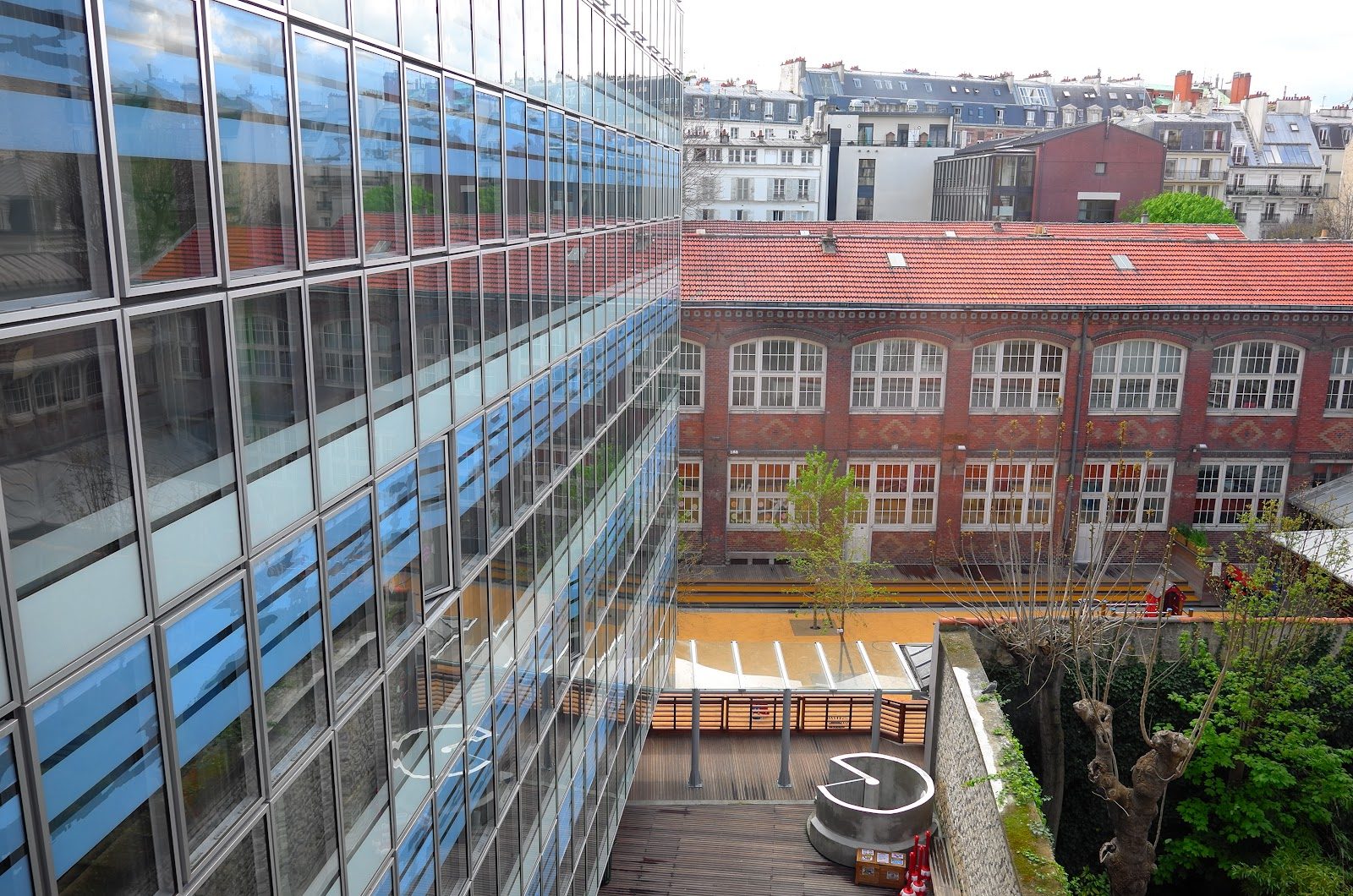
École Alsacienne
Paris · France
Founded by Alsatian refugees in 1874, a Left Bank laboratory for secular, progressive pedagogy that shaped France's republican school system.
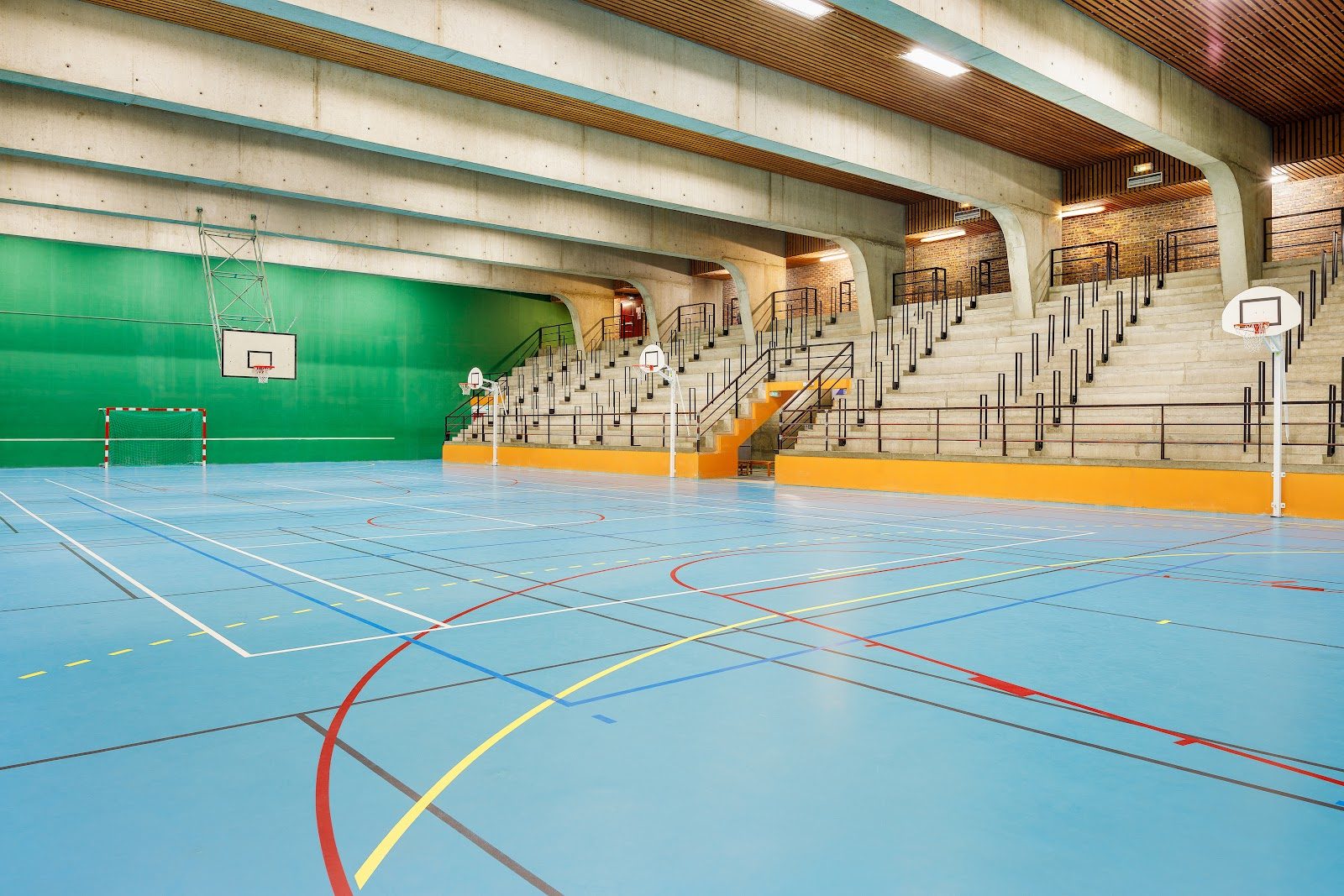
Collège Stanislas de Paris
Paris · France
In Montparnasse since 1804, this Catholic day school channels rigorous bac prep straight into France's grandes ecoles pipeline.
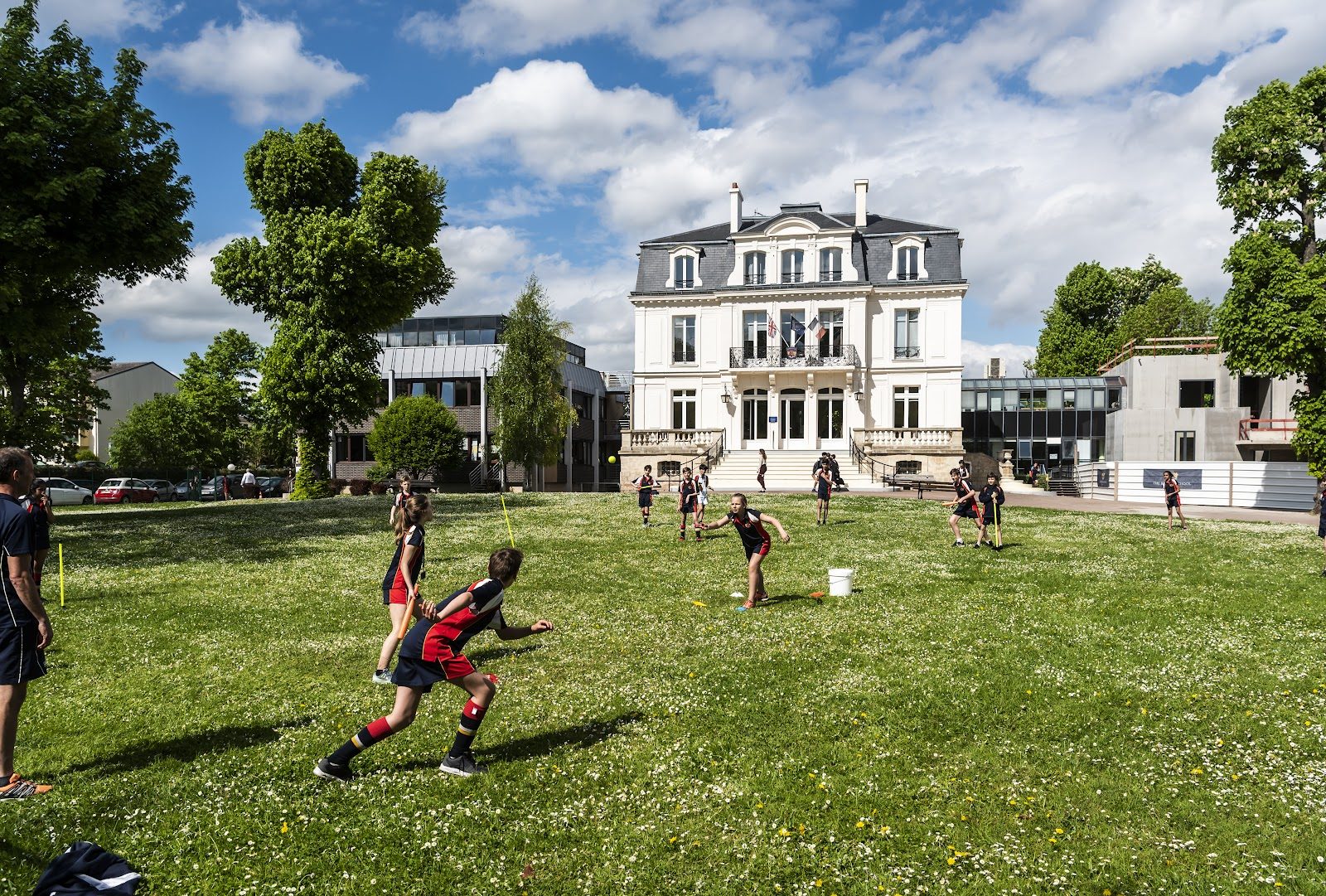
The British School of Paris
Paris · France
The only UK-government-accredited British School Overseas in France, pairing A-Levels and IB on the Seine west of Paris
Lycée Janson-de-Sailly
Paris · France
A jilted lawyer's bequest built a 16th-arrondissement giant whose prepa classes still funnel thousands into France's grandes ecoles.
Same country and curriculum — closest matches within ±10 points either way