
Western Province
Royal College Colombo
high confidence· 6/6 cats · 3 avg sourcesTracing its roots to 1835 as Ceylon's first state secondary school, still marking each term with the storied Battle of the Blues cricket clash.
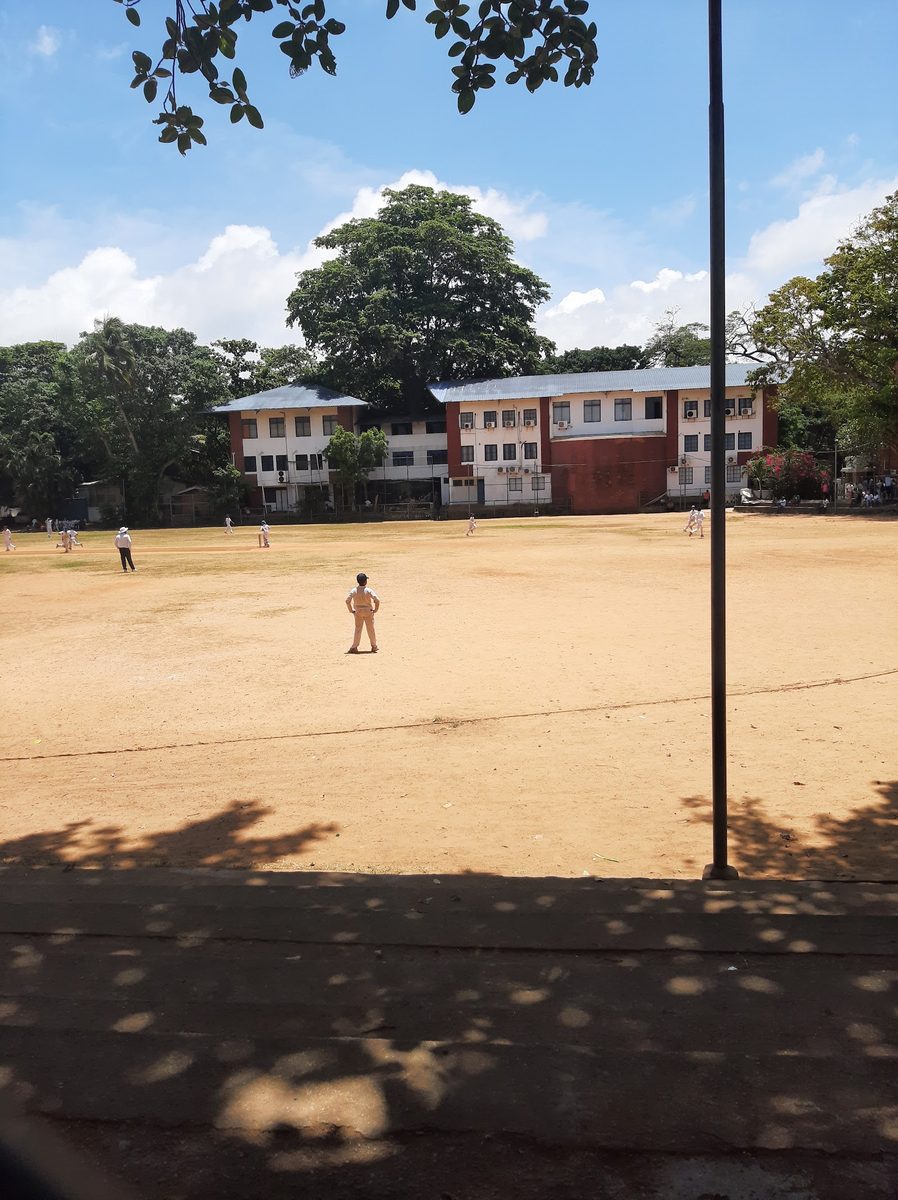
Photo © Namal Chathuranga via Google Maps
Type
Day
Ages
3–18
Curriculum
Sri Lankan National
Qualifications
A-Level · GCSE
Ratio
—
The Verdict
Editor's commitment
Right for
Families wanting an English-medium Sri Lankan National education from ages 3–18, with Cambridge accreditation and a serious record since 1835.
Wrong for
Parents seeking boarding, religious formation or an imported British or IB curriculum; Royal College is a non-religious day school in Colombo.
Watch out for
The average annual fee is only USD 98, which signals state-sector economics; the website publishes news and tradition, not hard academic outcomes.
Ranking breakdown
Royal College Colombo · #356 of 1591
Composite score 71.3. 8 weighted criteria.
By criterion
Academic Outcomes
Weight 20%
#334
of 1529 scored
University Placement
Weight 16%
#459
of 1529 scored
Prestige & Heritage
Weight 12%
#377
of 1571 scored
Alumni Network
Weight 12%
#234
of 1530 scored
Facilities
Weight 12%
#857
of 1533 scored
Transparency & Communications
Weight 8%
#594
of 1532 scored
Peer & Industry Review
Weight 10%
#645
of 1548 scored
Admissions Selectivity & Demand
Weight 8%
#247
of 1529 scored
Score history
Royal College Colombo · 2026
Movement across 2024–2026. Peer average overlaid.
Overall — 2024–2026
71.3/ 100
▲ +22.5 vs 2025
year on year
Peer & Industry Review
How Royal College Colombo is regarded in the sector
90
Top-tier · medium confidence
Royal College Colombo is consistently cited as one of Sri Lanka's oldest and most prestigious schools, frequently topping 'best schools in Sri Lanka' lists in local and international press coverage, with an extensive and highly influential alumni network including multiple Sri Lankan Prime Ministers, Presidents, and prominent business/cultural figures. Its rivalry with S. Thomas' College (the annual 'Battle of the Blues' cricket match) is one of the most storied school traditions in South Asia and receives regular independent media coverage, reinforcing its top-tier peer standing.
Evidence sources
Editors' overview
Royal College Colombo trades on two assets that few schools in Asia can match: sheer historical weight and public stature. Founded in 1835, it traces its roots to Ceylon’s first state secondary school, and it still carries that old civic-school identity in its rituals, prizes and sports culture, including the Battle of the Blues cricket fixture that frames each term in the public imagination. This is a non-religious, English-medium day school in Colombo for ages 3 to 18, following the Sri Lankan National curriculum, with Cambridge listed among its accreditations. The average annual day fee is USD 98, which places it in a category that barely overlaps with the fee-driven international school market at all. That matters: Royal College is not selling imported polish. It is a national institution with serious local prestige.
What marks it out is breadth and reach. The school’s own site still reads like a large civic campus rather than a boutique private operation: Olympiad medal celebrations, prefect appointments, prize-giving notices, Advanced Level admissions and a learning management system built out during the pandemic all point to an institution with scale, layers of tradition and a functioning academic engine. The alumni record is formidable: 424 notable alumni catalogued in Wikidata, including 131 politicians and statespersons, alongside scientists, writers and elite athletes. That kind of old-boy network carries real weight in Sri Lanka. Parents who want a school plugged directly into the country’s political, professional and cultural bloodstream will put Royal on the shortlist fast.
This is not the place for families shopping for glossy international-school comforts, imported pastoral language or a globally standardised experience. Royal College suits students who are competitive, self-propelled and happy in a school where honour, rank, sport and public distinction still count for something. A boy who wants a gentler, more managed environment will find stronger pastoral framing elsewhere. A student who thrives on institutional tradition, intellectual competition, visible achievement and national cachet will find Royal College hard to beat. It remains a high-status, high-symbolism choice: less cosmopolitan finishing school, more elite public arena.
Academic Performance
Royal College’s public case for academic strength rests on institutional signals rather than published whole-school exam tables. The school highlights Olympiad medalists, general-merit prizes and admissions into its Advanced Level section; that points to a selective internal culture with clear status attached to scholarship and rank. It also matters that the school built a learning management system into a standing part of school operations rather than leaving it as a pandemic relic. That is a mark of a school that takes academic administration seriously. What the school does not publish, at least in any accessible consolidated form, is the hard dataset international parents will ask for first: aggregate GCE O-Level and A-Level pass rates, subject-level distinctions, university destinations, or year-on-year comparison against other top Colombo schools. That gap leaves academic performance credible but opaque.
Relative to peers, Royal sits in a different lane from fee-heavy international schools that market IB or A-level outcomes with forensic detail. Its reputation comes from national stature, competitive intake and a deep bench of high-achieving alumni rather than glossy results reporting. Within Sri Lanka’s top state-school ecosystem, the academic expectation is plainly high-pressure and achievement-driven. For parents, the implication is simple: this is a school you choose for its standing in the national system and its culture of public competition, not for transparent performance dashboards. If you want published metrics, Royal is strikingly old-school. If you want a school with entrenched academic prestige, it remains one of the country’s benchmark names.
Facilities
Royal College’s facilities profile reads less like a polished international-school sales pitch and more like a *large civic institution built for throughput, competition and tradition*. The school foregrounds three pillars: academics, clubs and societies, and sport. The practical clue sits in the operating detail. It runs a dedicated learning management system that handles teaching communication and administrative records across the college, which matters in a school of this scale. The website also points to a busy internal calendar of prize-givings, prefect structures, Olympiad events and senior admissions activity. That tells you the campus infrastructure supports a dense, layered student life rather than a narrow classroom-only model. The reference to grade 6 hostellers also indicates provision that extends beyond ordinary day-school routines, even if the school does not set out those arrangements clearly.
Against Colombo’s top fee-charging international schools, Royal is *stronger in institutional ecosystem than in showcase amenities*. You do not get the same glossy public inventory of theatres, design labs, aquatics centres or curated early-years spaces that premium private competitors use to justify their fees. What Royal does project, clearly, is sporting seriousness, a wide co-curricular menu and the capacity to manage a very large student body. For families comparing campuses, that distinction matters. This is a school with substance over polish: robust enough for heavy use, rich in student structures, but opaque on the fine-grain facilities detail that international parents now expect.
Royal College Colombo trades on two assets that few schools in Asia can match: sheer historical weight and public stature
Prestige
Royal College carries rare national prestige. This is not prestige manufactured by branding, glossy facilities or imported cachet; it is prestige built through state-school history, public visibility and a place in Sri Lanka’s elite bloodstream. The school’s old-boy network is one of its strongest assets. With 424 notable alumni catalogued in Wikidata, including a heavy concentration in politics, public life, scholarship and sport, Royal has produced influence at scale. That matters because prestige in South Asia is not abstract. It sits in appointments, institutions, family recognition and the durable social power of a school name. Royal’s identity as a boys’ school also sharpens that profile: this is a status-laden, establishment education with a strong masculine tradition of leadership, competition and public honour.
The prestige also rests on ritual and cultural permanence. Prize-givings, memorial awards, prefect structures, Olympiad recognition and the Battle of the Blues sustain a high-symbolism school culture in which distinction is visible and hierarchy is part of the point. That will appeal to families who want a school with serious social weight inside the national system. It will not carry the same instant recognition with expatriate families chasing IB-brand mobility or polished international-school pastoralism. Within Sri Lanka, though, Royal is a top-tier civic institution, and its fee level makes that status even more striking: access to a school of this standing at an average annual cost of USD 98 is almost without parallel.
Within Sri Lanka’s top state-school ecosystem, the academic expectation is plainly high-pressure and achievement-driven
Communications
Royal College communicates like a large public institution, not a concierge school. The website carries a steady stream of operational notices: prize-giving updates, prefect applications, senior admissions announcements, event listings and student-achievement items. Parents can track the rhythm of the school year and the hierarchy that drives it. The college also runs its own learning management system, built during the pandemic and kept as a live channel for teaching, teacher-student communication and administrative record-keeping. In a school of this scale, that matters. It gives the communication structure more backbone than a news page alone. The presence of current notices deep into 2026 also indicates active upkeep rather than a neglected front end.
The weakness is clarity. Royal publishes a lot, but it does not organise parent-facing information with the polished discipline international families now expect. The site is heavy on institutional life and internal honours, lighter on the practical detail that new parents want fast: who to contact, how processes work, what outcomes look like across the whole school, and where to find consolidated guidance without digging. That does not make communications poor; it makes them bureaucratic, tradition-first and geared to families already fluent in the school’s culture. Existing parents will cope. Newcomers, and especially international parents, will find the communication style opaque in places and less service-minded than at fee-driven private competitors.
Uniqueness
What makes Royal distinctive is not one programme or one gleaming campus asset. It is the combination of state-school gravitas, extreme affordability and a school culture that still treats public competition as part of education rather than an optional extra. Few schools anywhere offer this level of national status at an average annual fee of USD 98. Fewer still have an alumni bench as deep as Royal’s: 424 notable figures logged in Wikidata is not a vanity statistic but evidence of institutional reach across public life, scholarship, media and sport. For students, that brings something concrete: they grow up inside a school whose name carries weight far beyond the gate, where prizes, prefectships, colours and inter-school fixtures feed directly into social recognition.
The second point of difference is the school’s hard-edged civic character. Royal does not package childhood into a soft, curated international-school experience. It runs on hierarchy, tradition, merit signals and collective identity. The school motto — “Disce Aut Discede” — tells you a lot about the tone. So does the continued prominence of Olympiad honours, memorial prizes, senior leadership structures and the Battle of the Blues. For the right student, that produces serious internal drive, resilience and a strong sense that achievement matters in public, not just on a transcript. For the wrong student, it can feel unforgiving and steeped in an older model of elite schooling. That trade-off is the point. Royal is singular because it still functions as a national arena, not a managed lifestyle product.
Against Colombo’s top fee-charging international schools, Royal is stronger in institutional ecosystem than in showcase amenities
Student Profile
The boy who fits Royal College is not looking for hand-holding. He is competitive, comfortable inside hierarchy, and energised by a culture where honours, selection and visible distinction carry real weight. This is a school for students who want to test themselves against a large, able peer group and who can handle the pressure that comes with that. The public life of the school matters here: prefect structures, memorial prizes, Olympiad recognition, major sporting fixtures and a long roster of clubs all reward boys who step forward rather than wait to be invited. A quieter child can still do well, but he needs strong internal discipline and the confidence to find his place in a high-status, performance-conscious environment.
It will suit families who value substance, resilience and national standing over pampering. Boys with academic ambition, sporting seriousness or a taste for organised competition will find routes to excel. So will students who enjoy belonging to an institution bigger than themselves, with rituals and loyalties that carry far beyond school. The less suitable candidate is the child who needs constant pastoral cushioning, highly personalised attention or a soft social culture. Royal’s alumni footprint — 424 notable figures catalogued even on a conservative count — tells you what the school has long produced: men ready for public arenas. For the right student, that is galvanising. For the wrong one, it is unforgiving.
What makes Royal distinctive is not one programme or one gleaming campus asset
Co-curricular strengths
Arts & sport, on a separate axis
Overall 8.76/10
Scored 0-10 from the school's own published evidence. This axis is editorial-only — it does not feed the main WTS ranking.
Sports
9.5/10
A large main playing field, cricket nets, rugby and athletics provision, tennis and basketball courts, a swimming pool and a gymnasium, while the external source confirms the historic annual Royal–Thomian 'Battle of the Blues' cricket fixture, together evidencing major dedicated facilities and sustained high-profile sporting tradition.
Drama
8.5/10
Drama Society is offered, but no productions, specialist staff, theatre facility or further detail are provided.
Dance
8.5/10
Music
8.8/10
School Choir is offered, but there is no further evidence of ensembles, facilities, specialist staff or notable performances.
Visual Arts
8.5/10
Editor first-pass · editor-reviewable · 7/28/2026
Notable alumni · Wikidata
424notable alumni
Includes
- Ponnambalam Arunachalam(1853)
182 historic (born pre-1930) · 25 modern (born post-1970)wikidata:2026-07-28 How we source this
Strengths
- +Established as the Colombo Academy by Sir Robert Wilmot-Horton in January 1835, it was the first government-run secondary school for boys in the country.
- +Alumni include multiple heads of state, among them J.R Jayawardene, President (1978-1989) and Prime Minister of Sri Lanka (1977-1978) and Maumoon Abdul Gayoom, President of the Maldives (1978-2008).
- +As a state 'National School', Royal stopped charging fees from its students with the introduction of free education in Ceylon in 1931, and provides education free of charge to this day.
- +The school is located on 37 acres where the primary, middle and upper schools sit, with a hostel that accommodates around 230 students from outside Colombo.
- +The school's cricket fixture against St. Thomas' College, initiated in 1880, is still known as the 'Battle of the Blues' and remains the highlight of the school sporting year.
Considerations
- −It is a boys' school located in Cinnamon Gardens, Colombo, so it offers no option for daughters and no co-educational social mix.
- −Enrollment stands at around 9,500 students, a scale that raises legitimate questions about class sizes and individual attention compared with smaller private or international schools.
- −The curriculum runs entirely on the Sri Lankan National syllabus through to GCE O/Level and A/Level, offering no IB or Cambridge pathway for families anticipating an internationally portable qualification.
- −Grade 1 intake is politically sensitive: the Ministry of Education has previously halted Royal College's grade one admissions temporarily pending a special investigation into placement irregularities.
Availability
Primary entry gate & tests
National/Ministry Guidelines (Boys)
Gallery
Photo © Nirmala Sarathchandra via Google Maps
Photo © Gihan A Polgampala via Google Maps
Photo © Arvin Premathilake via Google Maps
Photo © Nirmala Sarathchandra via Google Maps
Photo © Randika Amarasuriya via Google Maps
Photo © Amjad Hussain via Google Maps
Photo © Navida Ubesinghe via Google Maps
Photo © Akindu Samaraweera via Google Maps
Photo © hashiranga udana via Google Maps
Parent reviews
Have you sent your child here?
Voice reviews carry the strongest trust badge — we transcribe them for you to tidy up before they go live. Prefer to type? A written review is fine too.
Add your voice
In 60 seconds, tell other parents: what's the best thing about Royal College Colombo, and what surprised you when your child joined?
We ask for a Google sign-in so every review has a real face behind it — no anonymous drive-by attacks on schools, and no faked positive reviews. Your email is never shown publicly.
Send this profile to a friend
International parents rely on word-of-mouth. Share this review with someone weighing the same decision.
Schools with places
Similar schools to Royal College Colombo with places available now.
Brighton College Dubai
Dubai · United Arab Emirates
- 2026-27
- PLACES OPENApps open / space-dependent
- 2027-28
- PLACES OPENAdmissions active year-round
Copenhagen International School
Copenhagen · Denmark
- 2026-27
- WAITPOOLSpace-dependent
- 2027-28
- PLACES OPENRolling
Cairo American College
Cairo · Egypt
- 2026-27
- WAITPOOLSpace-dependent
- 2027-28
- PLACES OPENRolling
International School of the Sacred Heart
Tokyo · Japan
- 2026-27
- WAITPOOLSpace-dependent
- 2027-28
- PLACES OPENRolling
Availability first, then country, area, curriculum, price, co-curricular
Consider also
Also worth looking at alongside Royal College Colombo.
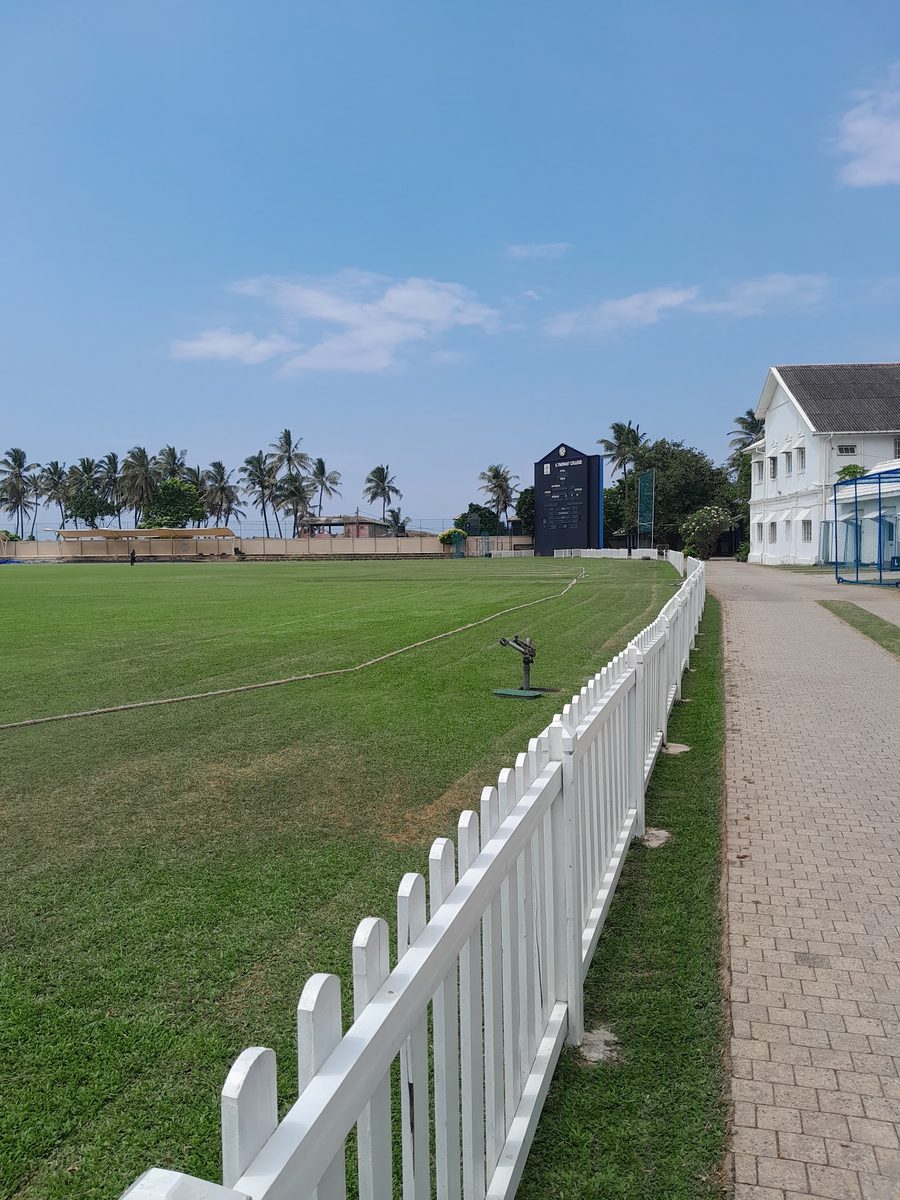
St Thomas' College, Mount Lavinia
Colombo · Sri Lanka
Sri Lanka's 1851 Anglican boys' school in Mount Lavinia, offering day and boarding places on its historic beachside campus.
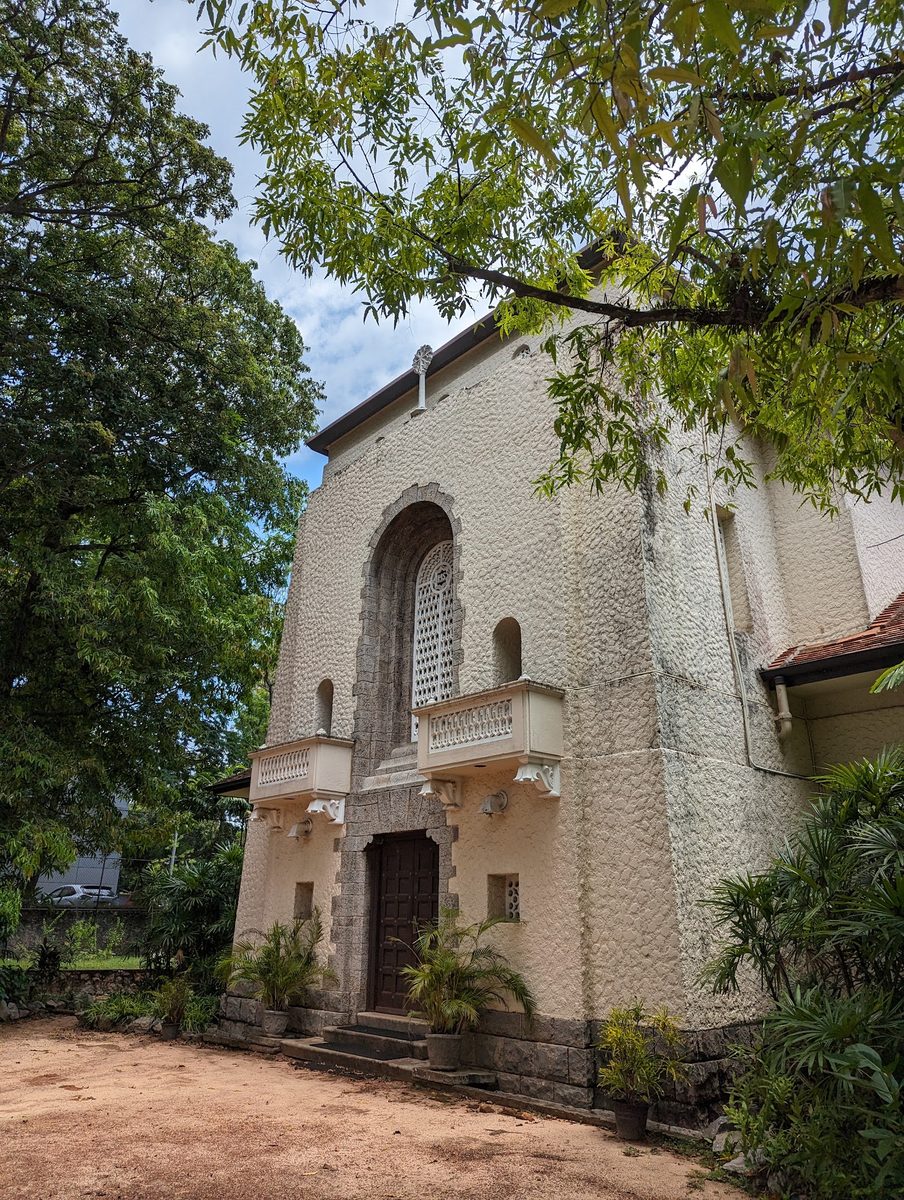
Ladies' College
Colombo · Sri Lanka
Founded in 1900 by an Irish missionary teacher, this Colombo school's hall has hosted the Symphony Orchestra of Sri Lanka since 1958.
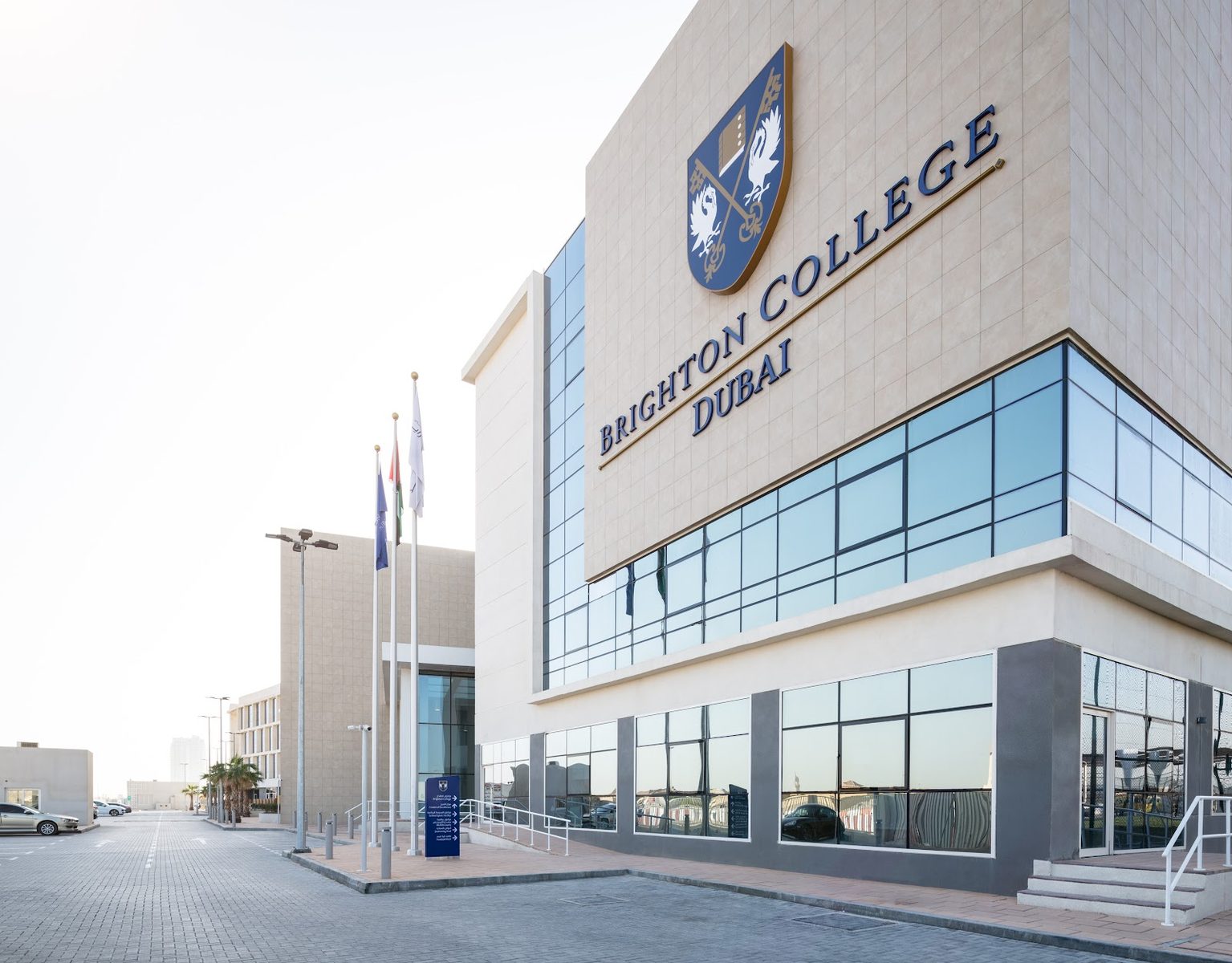
Brighton College Dubai
Dubai · United Arab Emirates
In Al Barsha South, this outpost of England's Brighton College turns a 'cool to care' culture into record-breaking A-level results.
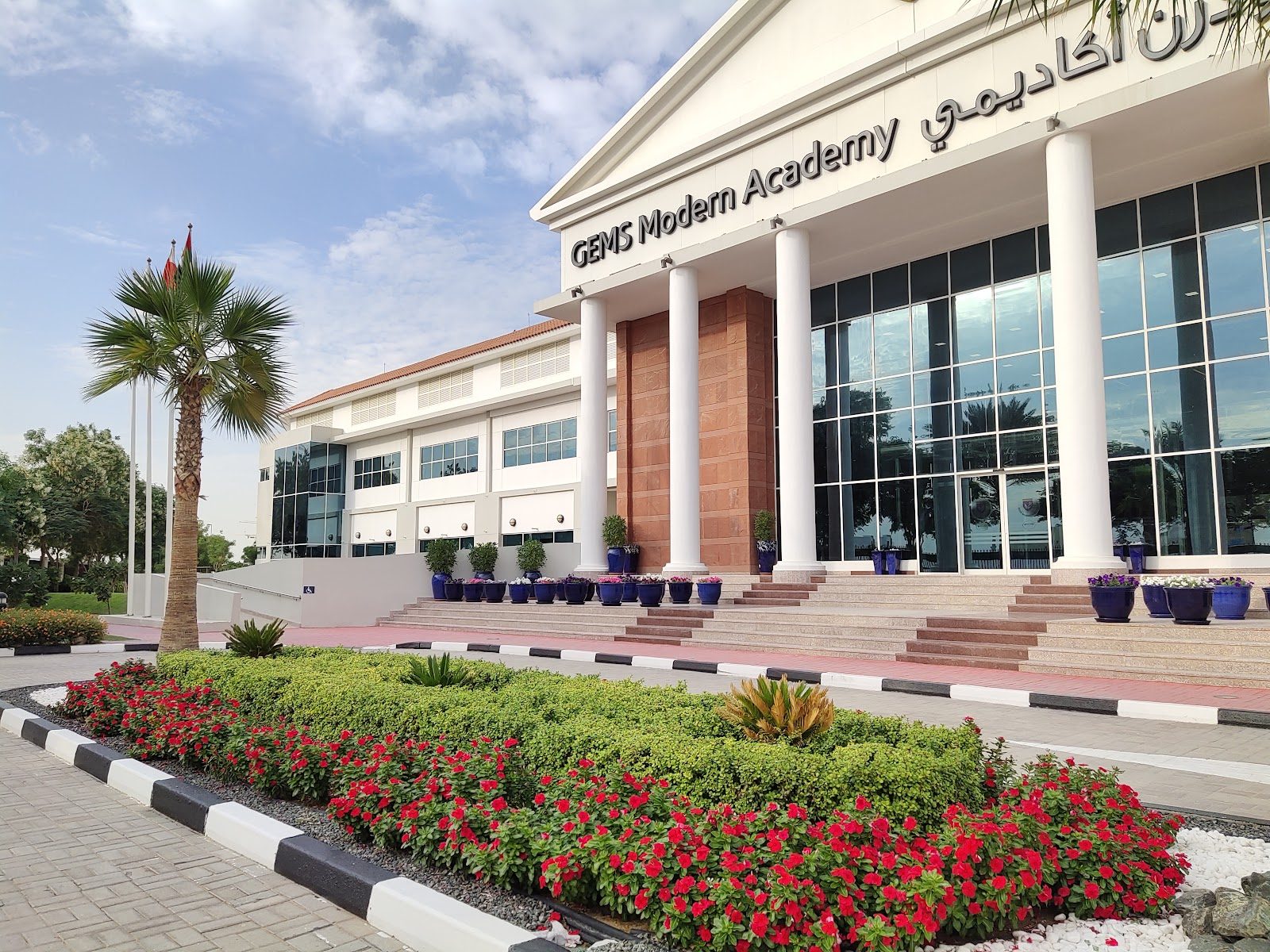
GEMS Modern Academy
Dubai · United Arab Emirates
Where the CISCE curriculum and the IB Diploma share one campus, and the only Indian-curriculum school in Dubai rated Outstanding by KHDA.
Same country and curriculum — closest matches within ±10 points either way