
Singapore
School of the Arts Singapore (SOTA), Theatre
A six-year IB pathway swaps O-Levels for stage craft, rehearsing theatre talent in Bras Basah's arts quarter
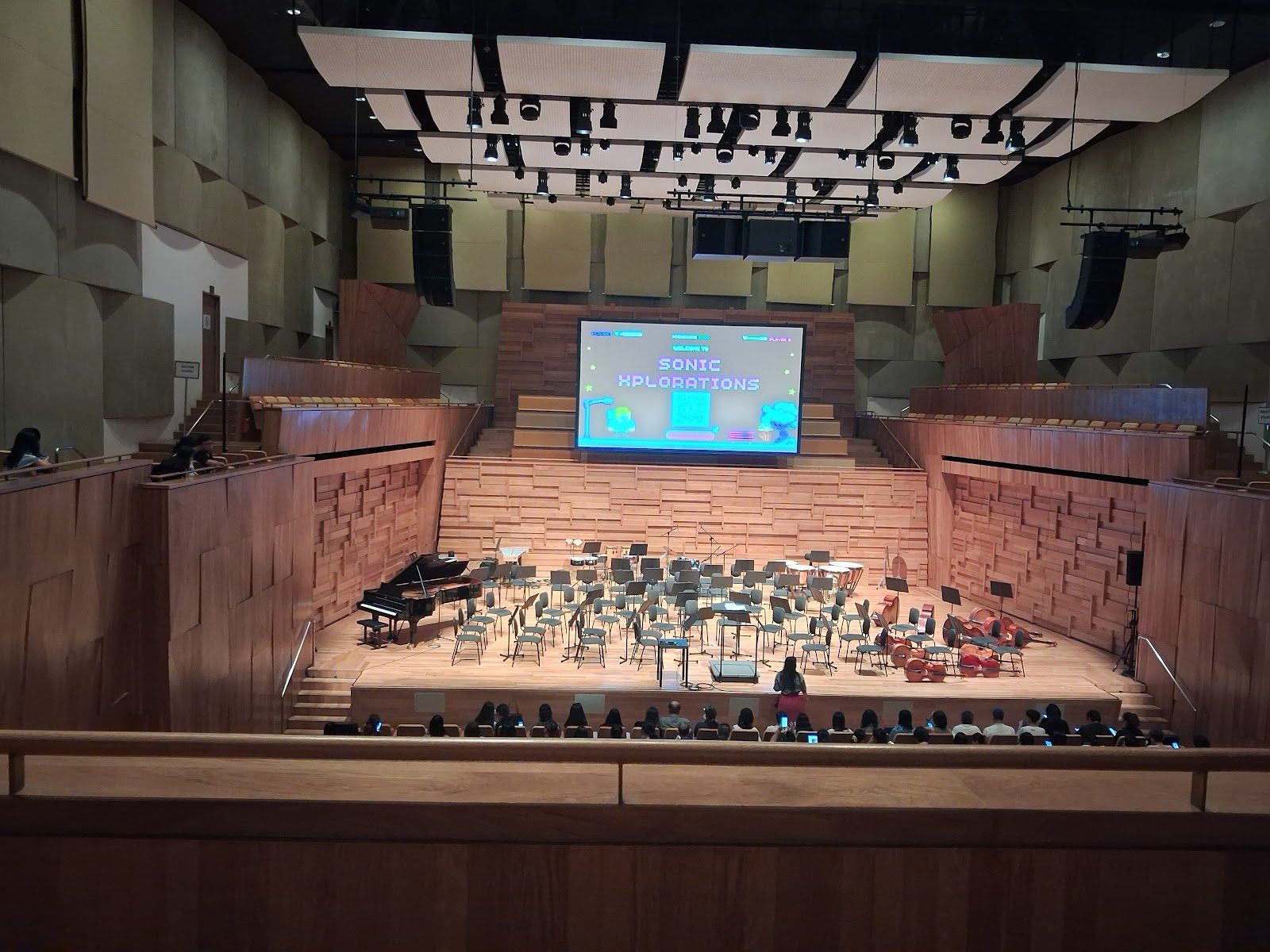
Photo © Cherry B via Google Maps
Type
Day
Ages
13–18
Curriculum
IB
Ratio
—
The Verdict
Editor's commitment
Right for
Young performers aged 13–18 who want a six-year IB pathway in English, with theatre training in central Singapore for SGD 4,000.
Wrong for
Families wanting a conventional secondary route with O-Levels, boarding, or a generalist school; SOTA is a day school for 13–18s.
Watch out for
IB World School status is clear, but the school does not publish theatre-specific outcomes; class size averages 25, so attention is not bespoke.
Ranking breakdown
School of the Arts Singapore (SOTA), Theatre · #1544 of 1591
Composite score 45.0. 8 weighted criteria.
By criterion
Academic Outcomes
Weight 20%
#1526
of 1529 scored
University Placement
Weight 16%
#793
of 1529 scored
Prestige & Heritage
Weight 12%
#1494
of 1571 scored
Alumni Network
Weight 12%
#965
of 1530 scored
Facilities
Weight 12%
#1520
of 1534 scored
Transparency & Communications
Weight 8%
#36
of 1532 scored
Peer & Industry Review
Weight 10%
#194
of 1548 scored
Admissions Selectivity & Demand
Weight 8%
#334
of 1529 scored
Peer & Industry Review
How School of the Arts Singapore (SOTA), Theatre is regarded in the sector
76
Strong · medium confidence
Within Singapore's specialised-school landscape, SOTA is consistently placed alongside NUS High and School of Science and Technology as one of the Ministry of Education's flagship niche institutions, and its Theatre track is the benchmark against which LASALLE and NAFA pre-tertiary offerings are measured by rival arts educators. Local press, notably The Straits Times and Channel NewsAsia arts coverage, regularly profiles SOTA productions and alumni casting, reinforcing its standing as Singapore's principal pipeline for performing-arts talent. University admissions offices at NUS, NTU and SMU recognise the SOTA Diploma for direct entry, while conservatoire-level progression to LASALLE College of the Arts, NAFA and occasional acceptances at overseas drama schools are cited in Singapore education circles as evidence of rigorous training. Independent commentary, including regional school-guide write-ups, frames SOTA as academically demanding relative to its arts focus, sometimes noting the tension between conservatory intensity and broader academic breadth. It is rarely benchmarked against international boarding schools but is treated as sui generis within Singapore's state education system.
Award
Elite Film 50
World's Top School · The Global Ranking
School of the Arts Singapore (SOTA), Theatre is featured on our Global Top 50 ranking at #18. This seal is available for the school's marketing team to use on their website, prospectus and social channels.
Award
Elite Drama 50
World's Top School · The Global Ranking
School of the Arts Singapore (SOTA), Theatre is featured on our Global Top 50 ranking at #14. This seal is available for the school's marketing team to use on their website, prospectus and social channels.
Award
Elite Music 50
World's Top School · The Global Ranking
School of the Arts Singapore (SOTA), Theatre is featured on our Global Top 50 ranking at #40. This seal is available for the school's marketing team to use on their website, prospectus and social channels.
Award
Elite Visual & Fine Arts 76
World's Top School · The Global Ranking
School of the Arts Singapore (SOTA), Theatre is featured on our Global Top 76 ranking at #7. This seal is available for the school's marketing team to use on their website, prospectus and social channels.
Editors' overview
SOTA occupies a distinctive place in Singapore’s secondary landscape: a publicly supported, arts-first day school that replaces the standard exam treadmill with a six-year IB pathway and serious pre-professional training. For theatre students, that matters. This is not an arts club bolted onto a conventional school. It is a specialist environment in Bras Basah, on a purpose-built campus with a drama theatre and studio theatre, where artistic practice sits at the centre of the week rather than at its margins. The annual day fee of SGD 4,000 makes it strikingly accessible by international-school standards, though admission is selective and the school expects genuine artistic commitment. The central proposition is clear: stage craft counts here, *creative ambition has institutional backing*, and young performers train in a school built for the arts.
What puts SOTA on a shortlist is the combination of rigour, relevance and location. It is an IB World School offering the IB Diploma Programme and the IB Career-related Programme, taught in English, and it does this within a school culture built around “learning and creating as intertwined endeavours”. That is stronger than the usual promise of “balanced development”. Students do not have to choose between academics and conservatoire-style focus at 13–18; SOTA structures both into one pathway. Its position on the fringe of Singapore’s arts and heritage district also gives the school a natural advantage: students train in a setting connected to the wider cultural sector, not sealed off from it. The atmosphere is purposeful, *the identity is unapologetically specialised*, and the school’s public mission gives it more substance than many expensive private competitors.
Theatre at SOTA will suit a specific kind of child. The right student is not just “creative”; that word is too loose. This school suits disciplined young performers who want rehearsal, critique, ensemble work and sustained artistic development, while still keeping an IB academic route open. They need stamina for a full school week, comfort with ambiguity, and the appetite to make work rather than just admire it. The average class size of 25 is not tiny, so this is not a boutique setting built around constant hand-holding. Students need independence, resilience and the confidence to learn in public. For the right family, that trade-off is attractive: serious young theatre-makers get a credible academic framework, room to experiment, and a school that treats the arts as a core discipline rather than a decorative extra.
A Global Elite 50 Drama & Acting school
School of the Arts Singapore (SOTA - Theatre) sits at #14 on our Global Elite 50 Drama & Acting Schools 2026, with a 80.5 Elite Score and B+ evidence-confidence grade, because on the 100-point Elite Acting Progression Model it demonstrates the weighted elite conservatoire progression, faculty pedigree, screen-and-stage training breadth and industry integration that separate a true tier institution from a strong regional feeder.
Its operating model is best described as Integrated National Specialist: a structure that shapes both the daily balance of academic and specialist study, and the professional trajectory of graduating actors as they move into major drama-school BA degrees or direct casting.
The Global Elite 50 Drama & Acting Schools methodology is deliberately aggressive: 30 of the 100 available points are directly tied to weighted elite conservatoire and professional programme conversion between 2016 and 2026 — RADA, Guildhall, LAMDA, Juilliard, NYU Tisch, Yale, WAAPA, NIDA and their peers — with a further 15 points on faculty and industry pedigree and 20 points on training intensity and industry integration. Beautiful campuses, historic alumni and impressive facilities cannot compensate for weak contemporary professional conversion, and are not scored independently.
The evidence-confidence grade is deliberately separate from the ranking position: a lower grade reflects less public disclosure, not weaker performance. Where the school moves substantially better cohort data into the public domain in future audit cycles, the position — but not the underlying professional-conversion reality — may be revised.
International openness is real but selective. The school does admit overseas actors, but through a hard audition and language/tradition gate rather than a rolling fee-paying overseas admissions route. Prospective families should begin conversations 12-18 months ahead of the intended entry point. Prospective families are advised to begin overseas application conversations early in the calendar year, with detailed audition and boarding logistics arranged 12-18 months ahead of the intended entry point.
A Global Elite 50 Film school
School of the Arts Singapore (SOTA), in Singapore, sits at rank eighteen on the Global Elite 50 Film ranking because it runs the only pre-tertiary, audition-gated Film specialisation in the country, reserved for the final two years of a six-year International Baccalaureate pathway. The strongest proof of what that gateway produces sits outside the classroom: a SOTA-trained film specialist went on to earn a Bachelor of Fine Arts in cinematography and film/video production at Pratt Institute in New York, worked inside the US indie studio A24, and returned to present her own documentary work at the 2025 Singapore International Film Festival.
The specialism itself is modest but genuine. Film is offered only from Year 5, once students have already passed through four years of general arts and academic grounding, and it is taught as a hybrid of Textual Analysis, Film Theory and History, and a hands-on Creative Process module that walks students through the full production process with an emphasis on screencraft. Entry runs through SOTA's Talent Academy audition track, which includes a Film Commentary Activity, a cognitive exercise and a panel interview rather than grades alone. Facilities include dedicated film editing suites and a film room inside SOTA's purpose-built arts campus, alongside broader multimedia and computer studios shared across disciplines - a genuine production environment, though not a standalone conservatory with an on-site soundstage or festival-submission pipeline of its own.
Notable alumni are still emerging rather than deep. The clearest current case is a SOTA film graduate known professionally as Izzy, who moved from the school's Film specialism into a Pratt Institute BFA, took a corporate role at A24, then returned to Singapore as a freelance director, editor and colourist to premiere The Water Is Blue in Tanjong Katong at SGIFF 2025. Fellow graduate Valerie Theodas, class of 2023, has continued into Nanyang Technological University's film-focused School of Art, Design and Media, working across directing, cinematography and production design.
International openness is real but bureaucratic. Overseas applicants and Returning Singaporeans can apply to the Film specialism via the DSA-Secondary (Non-MOE) route into Year 1 or the Non-DSA route into Year 5, sitting SOTA's own English and Mathematics entrance assessments alongside the Film audition. SOTA is a day school with no boarding, English is the sole language of instruction, and international students require a Student's Pass administered through the school. Fees are tiered by residency - Singapore Citizens pay heavily subsidised rates, Permanent Residents more, and Foreign Students (ASEAN and non-ASEAN) considerably more again, published annually on SOTA's fee schedule. Families abroad should start the Talent Academy application at least a year ahead of the January intake, since auditions and entrance tests run only once a year.
An Elite Visual & Fine Arts 76 school
School of the Arts Singapore (SOTA), Theatre, sits in the heart of Singapore's Bras Basah arts and heritage district, and it sits at rank seven on the Elite Visual & Fine Arts 76 because it is Singapore's first national pre-tertiary specialised arts school, built with a purpose-made 499-seat Drama Theatre rather than a converted assembly hall. SOTA admits its entire Year 1 cohort through a talent-based Direct School Admission exercise rather than academic banding, which means every theatre student on campus has been selected on artistic aptitude from age thirteen.
The specialism is delivered through a six-year arts-and-academic track culminating in the IB Diploma Programme or IB Career-related Programme, with Theatre students working toward collaborative devising, critical analysis of theatre traditions, and independent research, supplemented by masterclasses, talks and workshops from local and international theatre professionals. For a decade the faculty was shaped by Sean Tobin, who served as Head of Theatre from 2009 to 2019 while also directing Singapore's M1 Fringe Festival. Students train in the school's black-box and studio theatres alongside the main Drama Theatre. To be candid, SOTA's documented matriculation strength into elite Western drama conservatoires is thin; its verified progression record (Royal College of Art, Central Saint Martins) belongs mainly to its Visual Arts stream, not Theatre.
Krish Natarajan, a Theatre graduate of the Class of 2013, co-founded Patch and Punnet, a Singapore-based youth theatre collective built to develop young voices in the local scene. Beyond this, named theatre alumni with major international recognition are still emerging, though current students regularly stage work with independent Singapore companies such as T:>Works while still enrolled.
SOTA is day-only, with no boarding provision, so overseas families must arrange independent housing. Instruction is entirely in English, and foreign nationals may substitute a third language for Mother Tongue study at the Ministry of Education Language Centre. Admission is open to Singaporeans, Permanent Residents and Foreigners alike through the same Talent Academy audition, portfolio and interview process, with a Non-DSA Year 5 entry point for international students completing Grade 10 by December. Annual fees for foreign students run roughly SGD 28,200 to 29,400. Families should begin the Talent Academy application at least a year ahead and confirm independent housing early, since boarding is not offered on site.
Academic Performance
SOTA does not publish aggregate external exam results in the public domain. That is the central fact, and it matters. For a school built on selective entry and a specialist mission, families deserve hard outcome data: cohort averages, score distributions, subject-level results, university destinations by course, and completion rates across its diploma pathways. We have not seen those figures. That leaves parents judging academic performance through structure and selectivity rather than published outcomes. In Singapore terms, that places SOTA in an opaque category on results reporting, even if its academic model is more ambitious than many arts schools. The school’s decision to replace the standard national route with an all-through arts-and-academics pathway is high-stakes; transparent attainment data would test how well that gamble pays off.
Relative to peers, SOTA sits in a distinctive but hard-to-benchmark niche. It does not compete cleanly with mainstream academic powerhouses, nor with fee-heavy international schools that publish headline diploma results each year. Its real comparator set is narrow: selective specialist schools where artistic training carries equal weight with exam performance. In that field, the absence of published numbers is a weakness. It does not invalidate the model, but it blocks serious comparison. Parents considering Theatre need to press for concrete evidence: diploma scores, course choices after graduation, conservatoire admissions, and the proportion of students who sustain both artistic and academic standards across the full six-year route. Without that, academic performance remains credible in design, unproven in public.
Facilities
For Theatre, the important fact is not that SOTA has “arts facilities”; it has the right ones in the right configuration. A dedicated drama theatre and studio theatre give students both performance and process space: one for finished work under lights, the other for rehearsal, devising, scene study and smaller-scale presentation. That matters more than a handsome multipurpose hall pressed into drama duty. The wider campus also includes a concert hall and gallery, which broadens the ecology around theatre students: they work in a school where performance, exhibition and interdisciplinary exchange are part of the daily grain. Designed by WOHA and set at the edge of the arts district, the campus has a working cultural feel rather than the sealed-campus blandness of many schools. With average classes of 25, these spaces need to absorb serious timetabled use; the school’s specialist layout gives it that capacity.
Against peer schools, SOTA’s facilities are properly specialist, not decorative. Many academically strong schools in Singapore have decent black-box spaces, an auditorium and enthusiastic productions. Far fewer have a campus built around arts training from the outset, with public-facing venues and enough spatial variety to support rehearsal, technical development and performance rhythm across a full student body. What SOTA does not advertise in detail is just as important: we have not seen a granular public breakdown of theatre tech, set-building provision, costume resources or production timetables. That gap stops short of best-in-class transparency. Still, on venue infrastructure alone, SOTA sits ahead of most conventional competitors and closer to a pre-professional training environment than a school drama department.
Relative to peers, SOTA sits in a distinctive but hard-to-benchmark niche
Prestige
SOTA carries real domestic prestige because it occupies a category of its own. In Singapore, specialist arts schooling with public backing, selective admission and a full secondary-to-pre-university route is rare; SOTA has institutional weight that many private arts programmes do not. For Theatre, that matters. The school is not trading on glossy enrichment language or a token annual production. It trains students inside a dedicated arts environment, on a purpose-built campus with a drama theatre and studio theatre, and places them at the edge of the country’s main arts and heritage district. That gives the theatre offer professional context, stronger than the insulated feel of many conventional schools with decent auditoriums and an ambitious drama teacher. The fee level of 4,000 SGD also sharpens its standing: this is *selective prestige without luxury pricing*, which makes entry more competitive and the badge more meaningful.
That prestige has limits. SOTA’s name carries more force in Singapore’s arts, culture and education circles than in the global independent-school market, where brand recognition still sits with long-established international schools and famous conservatoires. Its Theatre pathway therefore reads as serious and respected, not universally elite. The school’s public mission, government support and specialist identity give it credibility; the lack of published aggregate outcomes stops it short of unquestioned top-tier authority. For families who value artistic seriousness over social cachet, SOTA is a strong name. For families chasing broad international status signalling, it is a narrower proposition.
What puts SOTA on a shortlist is the combination of rigour, relevance and location
Communications
SOTA’s parent communication has the hallmarks of a public-interest institution rather than a polished private-school sales machine. That is a strength. The school states its purpose plainly, names its public backing, and explains its identity with more structure than many arts schools manage. Parents can find clear routes for admissions, fees, financial assistance, scholarships, venue booking, calendar items, community links and contact channels without digging through layers of lifestyle fluff. The architecture of the site is orderly, serious and functional. For a specialist school charging 4,000 SGD, that matters: families get information laid out as administration, not seduction. The message to parents is clear enough — this is a school with a mission, systems and expectations, not a boutique experience built around reassurance.
Where communication falls short is in depth and proof. The school talks fluently about philosophy, creative citizenship and student development, but parents choosing Theatre need sharper operational detail: teaching staff profiles, production rhythms, technical provision, destination data and fuller evidence of how artistic training translates into outcomes. That gap weakens confidence. The tone is earnest and the institutional identity is well-defined; the practical reporting is thinner than it should be. Families will understand what SOTA values. They will not, from public communications alone, get a hard-edged picture of day-to-day theatre delivery or measurable success. Effective for ethos and logistics, then; less effective for scrutiny.
Uniqueness
What sets SOTA apart is not “arts integration” in the loose school-brochure sense. Theatre sits inside the school’s core purpose, backed by public institutions and a campus placed at the edge of the country’s main arts and heritage quarter. That gives students a rare institutional seriousness. They train in a school that treats artistic practice as intellectual work, not as an extracurricular reward for surviving academic lessons. The school’s stated aim to build “artistic and creative learners” and “cultural leaders” also pushes Theatre beyond performance polish. Students are asked to make, reflect, collaborate and hold their ground in ambiguity. That creates a more demanding brief than simply acting well on stage. With annual fees at 4,000 SGD, SOTA also breaks an important pattern: *specialist arts education without luxury-school economics*.
For students, the gain is clarity. Young theatre-makers enter an environment where their discipline has status, space and timetable weight, and where peer culture is shaped by other serious artists rather than by occasional school-play enthusiasm. That changes standards. Critique carries more force, ensemble work matters more, and creative risk feels normal rather than eccentric. The school’s public-service identity adds another distinctive note: theatre is framed not only as self-expression but as a way to engage community, culture and national identity. For the right student, that is formative and exacting. For the wrong one, it is *too specialised, too exposed, too intense*.
That is stronger than the usual promise of “balanced development
Student Profile
Theatre students who fit SOTA are not dabblers. They need the appetite for rehearsal, critique and repetition, and they need to cope with the fact that artistic work here happens in front of peers who take their own disciplines seriously. The right child enjoys ensemble making as much as personal performance, can absorb notes without drama, and has the patience to refine a scene past the first good idea. This is a school for adolescents who want their art treated as work. It suits students who are energised by high exposure, constant iteration and a peer group that will not applaud mediocrity out of kindness. With average classes of 25, pupils also need enough self-command to avoid disappearing into the room.
Temperament matters as much as talent. A good fit is reflective, resilient and able to live with ambiguity while still meeting deadlines and academic demands. Theatre here will reward students who can shift between devised work, text work, collaboration and self-critique without needing endless adult coaxing. It will not flatter children who want casual creativity, low-stakes performance or the social sheen of an arts badge. Nor will it suit families who need intensive pastoral cushioning at every wobble. The stronger profile is a young performer with professional instincts, thick skin and a serious interest in how art connects to community and culture. For that student, the school offers a rarely clear runway from adolescent enthusiasm to disciplined practice.
Students do not have to choose between academics and conservatoire-style focus at 13–18; SOTA structures both into one pathway
Co-curricular strengths
Arts & sport, on a separate axis
Overall 6.3/10
Scored 0-10 from the school's own published evidence. This axis is editorial-only — it does not feed the main WTS ranking.
Sports
3/10
Drama
10/10
Dance
6/10
Music
6/10
Visual Arts
6.5/10
Strengths
- +Admission is by audition and portfolio rather than PSLE score, giving artistically talented students an alternative route into secondary education.
- +Six-year integrated programme (Year 1 to 6) runs from age 13 through pre-university, culminating in the International Baccalaureate Diploma.
- +Purpose-built campus at Dhoby Ghaut, designed by WOHA architects, includes professional-grade theatres, studios and rehearsal spaces shared with visiting practitioners.
- +Direct-School-Admission style specialisation allows Theatre students to train alongside Music, Dance, Film and Visual Arts peers within one integrated school.
- +As a government-funded specialised independent school, Singapore Citizen fees remain far below international-school levels for a comparable arts-focused curriculum.
Considerations
- −Single-track arts specialisation chosen at age 12-13 may not suit students who are undecided about committing to one discipline this early.
- −Day school only, with no boarding option, so relocating expatriate families must arrange separate accommodation and commuting logistics.
- −Smaller, specialised cohort size limits the breadth of non-arts elective and subject choice compared with large mainstream junior colleges.
- −Competitive, skill-specific audition process can exclude academically strong students who are late developers in their chosen art form.
Gallery
Photo © Shiori Kawahara via Google Maps
Photo © Dru Lu via Google Maps
Photo © J K via Google Maps
Photo © Sanchit Khanna via Google Maps
Photo © Noel Bautista via Google Maps
Photo © 郑丹丹 via Google Maps
Photo © Benson Kong 龚耀鸿 via Google Maps
Parent reviews
Have you sent your child here?
Voice reviews carry the strongest trust badge — we transcribe them for you to tidy up before they go live. Prefer to type? A written review is fine too.
Add your voice
In 60 seconds, tell other parents: what's the best thing about School of the Arts Singapore (SOTA), Theatre, and what surprised you when your child joined?
We ask for a Google sign-in so every review has a real face behind it — no anonymous drive-by attacks on schools, and no faked positive reviews. Your email is never shown publicly.
Send this profile to a friend
International parents rely on word-of-mouth. Share this review with someone weighing the same decision.
Schools with places
Similar schools to School of the Arts Singapore (SOTA), Theatre with places available now.
Overseas Family School
Singapore · Singapore
- 2026-27
- WAITPOOLSpace-dependent
- 2027-28
- PLACES OPENRolling
Singapore American School
Singapore · Singapore
- 2026-27
- WAITPOOLGrade-specific / Waitpools
- 2027-28
- PLACES OPENRolling
Tanglin Trust School
Singapore · Singapore
- 2026-27
- CLOSEDNo late apps
- 2027-28
- PLACES OPEN
United World College of South East Asia
Singapore · Singapore
- 2026-27
- CLOSEDStandard route
- 2027-28
- OPENS SOONOpens 1 Sept '26 (Closes 2 Nov)
Availability first, then country, area, curriculum, price, co-curricular
Consider also
Also worth looking at alongside School of the Arts Singapore (SOTA), Theatre.
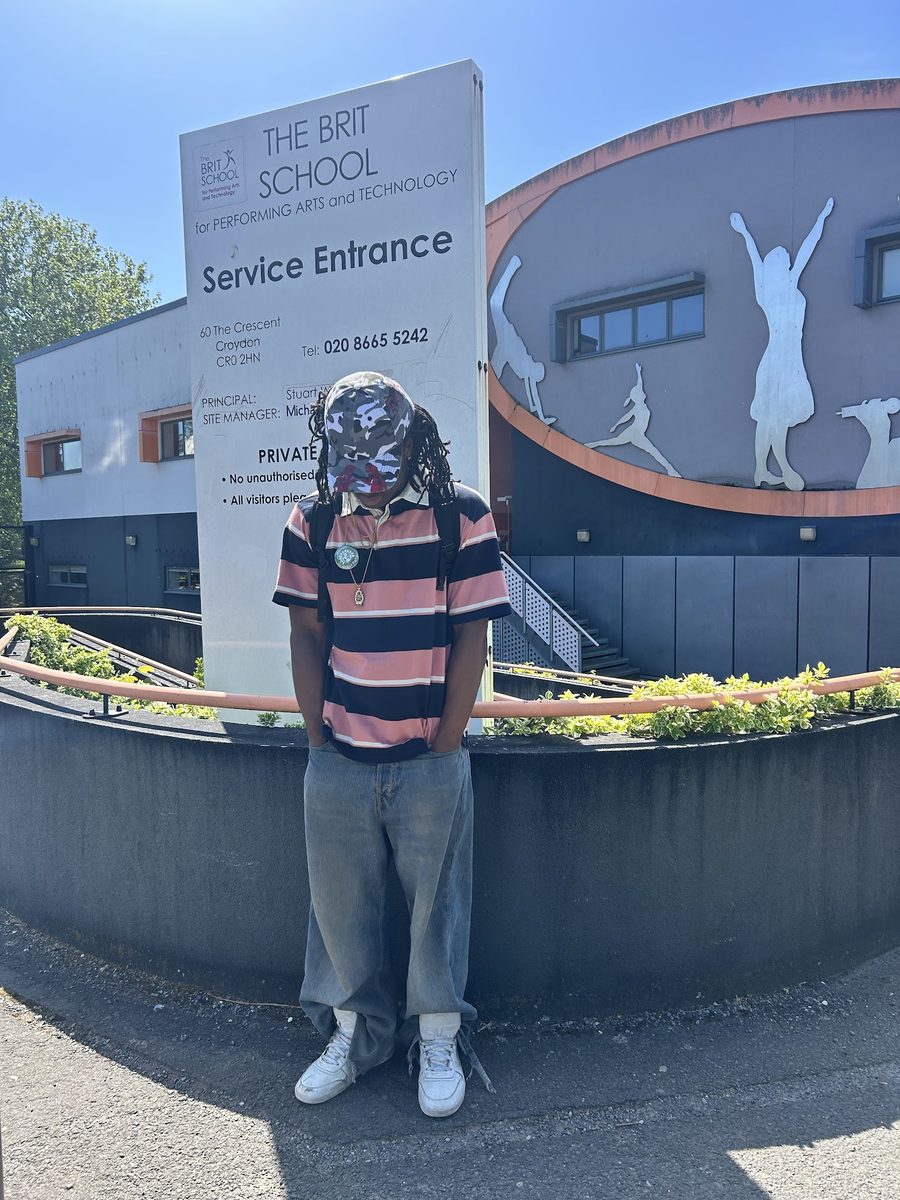
The BRIT School
Croydon, London · United Kingdom
Free tuition-free training in music, dance and theatre, funded by the BRIT Awards and built around a 50/50 split of studio craft and academic study.
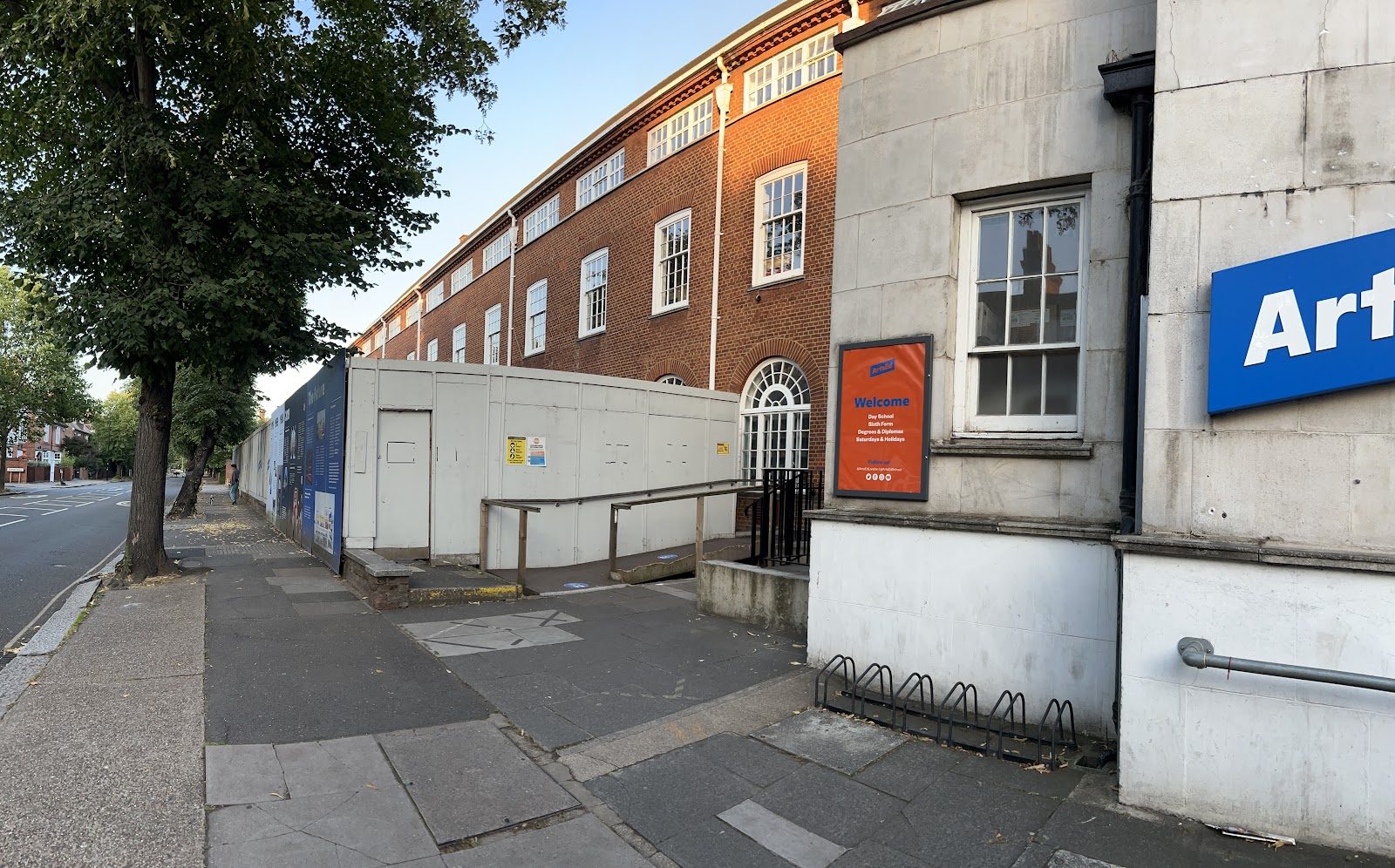
ArtsEd Day School & Sixth Form
Chiswick, London · United Kingdom
Three-quarters academic timetable, one quarter stagecraft: GCSEs and A-Levels run alongside a BTEC Extended Diploma in performing arts on a Chiswick campus built for the stage.
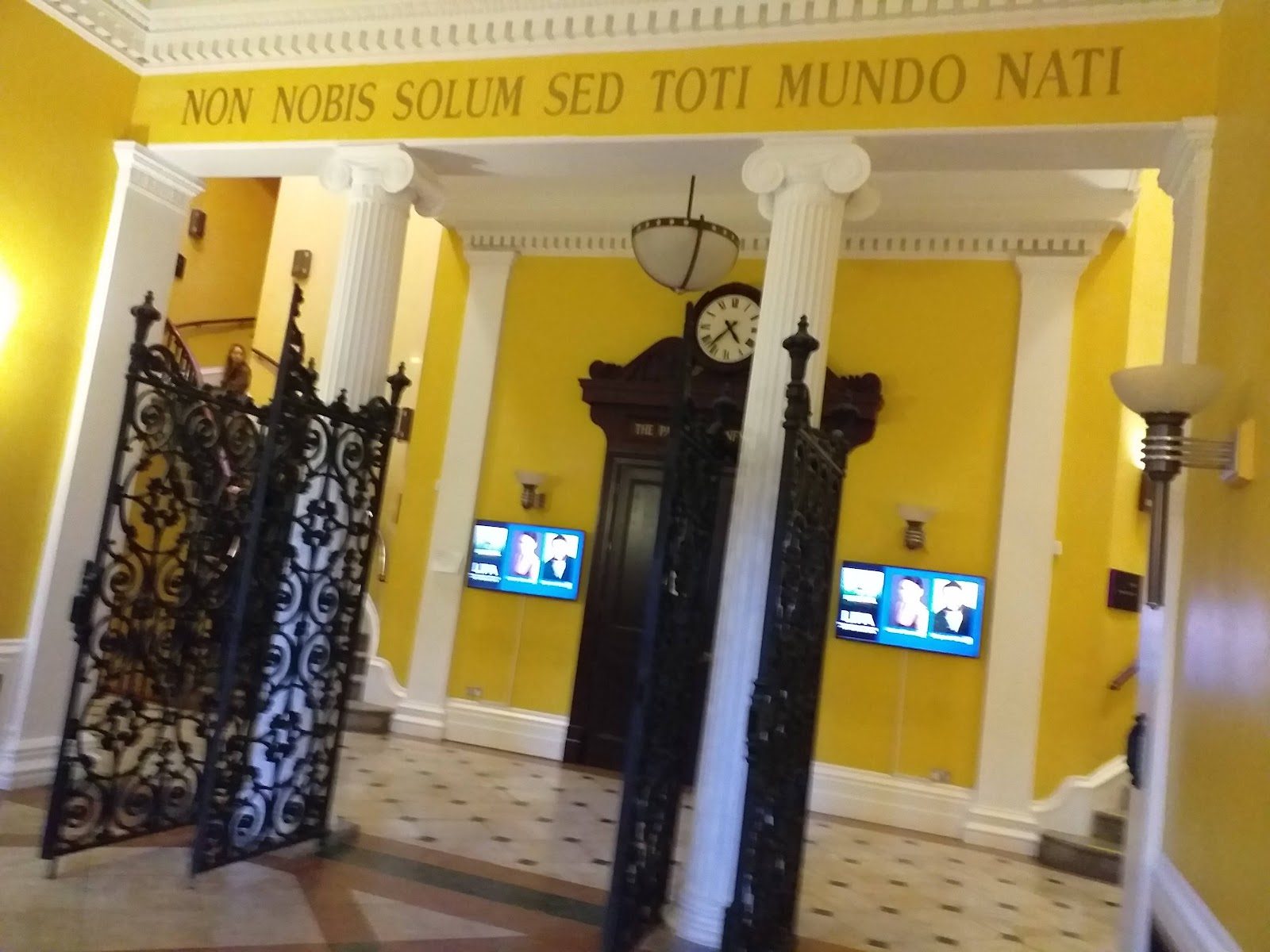
LIPA Sixth Form College (Acting)
Liverpool · United Kingdom
On Liverpool's Hope Street, purpose-built studios and a 100-seat theatre train BTEC actors for the professional stage.
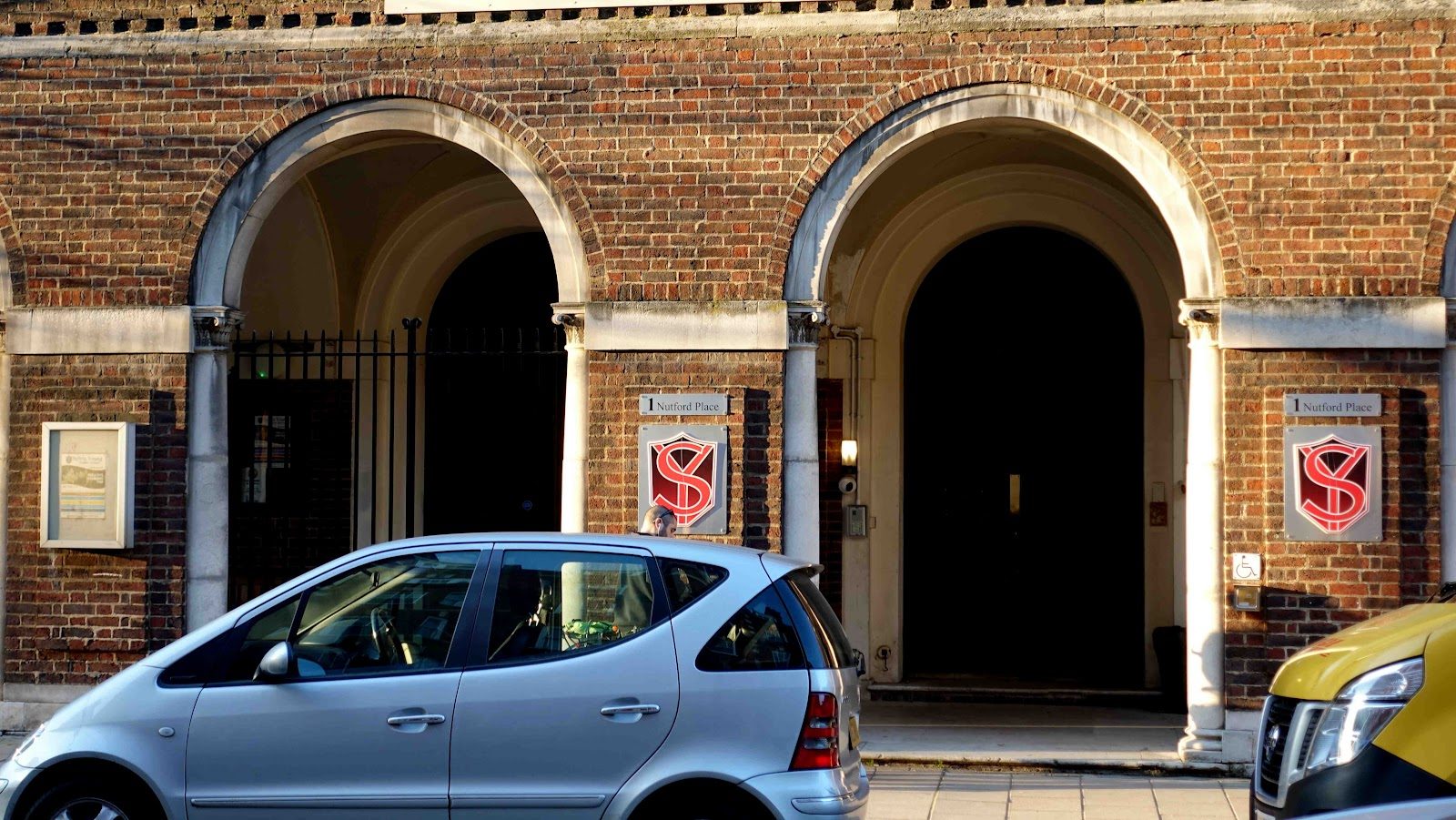
Sylvia Young Theatre School
Marylebone, London · United Kingdom
A split week of GCSEs and stagecraft, taught inside a converted Victorian church off Marble Arch
Same specialism, country and curriculum — closest matches within ±10 points either way